For international travelers crossing oceans from the US, UK, or Australia, embarking on a journey to Vietnam is a quest for raw, untamed landscapes. But while many are drawn to its emerald rice fields and dramatic coastal peaks, Vietnam’s most spectacular secrets lie deep beneath the earth. Over the last decade, geological surveys have confirmed that Vietnam—specifically the central province of Quang Binh—is the undisputed caving capital of the world.
Here, water and time have carved out colossal limestone caverns, underground rivers, and intact subterranean ecosystems that exist nowhere else on Earth.
However, selecting from the array of amazing caves to visit in Vietnam involves navigating an intense logistical and safety landscape. Unlike standard tourist caves with paved walkways, Vietnam’s premier cave systems require technical trekking, river swimming, bouldering, and multi-day jungle camping.
This master-level, definitive expedition guide breaks down the top caves in the country, establishes an elite safety-vetting framework, and details the essential preparations required to conquer Vietnam’s jaw-dropping subterranean world with absolute confidence in 2026.
The Underworld Frontier: Why Vietnam Leads Global Speleology in 2026
Vietnam’s subterranean supremacy is not a marketing claim; it is a geological fact. The central region of the country houses the Phong Nha-Ke Bang National Park, a UNESCO World Heritage site containing the oldest and most extensive karst plateau in Asia, dating back over 400 million years.
+-----------------------------------------------------------------------------+
|                          VIETNAM'S SUBTERRANEAN MATRIX                      |
|                                                                             |
|- CHRONOLOGY-> 400+ million years of continuous karst limestone development. |
|- SCALE           ---> Home to Son Doong (1st), Hang En (3rd), Pygmy (4th).  |
|- ECOSYSTEMS   ---> Active jungle dolines, endemic blind cave fish & insects.|
+-----------------------------------------------------------------------------+
In 2026, global adventure travelers are shifting away from over-commercialized, light-polluted tourist caves. True luxury is now defined by raw authenticity, solitude, and the thrill of active exploration.
Whether you are abseiling into a collapsed doline that lets sunlight pour into a subterranean jungle or swimming through completely dark rivers with high-powered headlamps, Vietnam’s caves offer a profound, life-changing encounter with the raw forces of nature.
Geological Genesis: How Millions of Years Carved the Karst Masterpieces
To appreciate the scale of Vietnam’s caves, one must understand the unique geological forces that created them. The karst limestone of Quang Binh province is highly pure and subject to massive, continuous tropical rainfall. Over millions of years, carbonic acid in rainwater slowly dissolved the calcium carbonate in the rock, creating hairline fractures.
As tectonic activity lifted the mountains, powerful river systems (like the Rao Thuong and Son rivers) forced their way through these fractures, carving out massive underground tunnels.
Where the cave ceilings grew too thin to support their own weight, they collapsed, creating massive sinkholes known as dolines. These dolines allow sunlight to reach the cave floor, fostering the growth of dense, isolated primeval jungles hundreds of meters beneath the surface.
Our E-E-A-T Safety & Technical Vetting Framework for Speleology
Entering deep, active cave systems carries inherent physical risks. At Sao La Tours, we enforce a strict, five-point trust and safety framework to audit all caving expeditions in Vietnam, protecting your physical well-being and assets:
- UIAA-Certified Rigging & Personal Protective Equipment (PPE): All harnesses, ropes, carabiners, and helmets must carry certified stamps from the Union Internationale des Associations d’Alpinisme (UIAA) or European CE standards.
- Guide-to-Trekker Ratios: High-risk technical caves must operate under a strict guide-to-client ratio (typically $1:4$ or better) with additional safety assistants, medical porters, and professional cave rescue specialists.
- Real-Time Satellite SOS Networks: Because cellular signals do not penetrate limestone mountains, expedition teams must carry active Garmin inReach satellite communicators to sync with regional rescue centers.
- Eco-Preservation & Zero-Trace Audits: We strictly partner with operators who enforce strict waste removal policies, use chemical toilets, and limit annual visitor numbers to preserve delicate cave microclimates.
- Wilderness First Responder (WFR) Training: All lead guides must hold active certifications in Wilderness First Aid or Wilderness First Responder training, capable of managing trauma and medical stabilization in remote zones.
Son Doong Cave: Navigating the World’s Undisputed Subterranean King
Son Doong Cave is the crown jewel of global speleology. Discovered by a local man named Ho Khanh in 1990 and surveyed by the British Cave Research Association (BCRA) in 2009, this colossus is so massive that a block of Manhattan skyscrapers could fit comfortably inside its largest chambers.
Son Doong Scale: 9km Long ---> 200m High ---> 150m Wide ---> Intact Cloud Weather Systems
To experience Son Doong, you must undertake a demanding, multi-day expedition. Your journey involves trekking through thick jungle, crossing wild rivers, and utilizing ascending gear to scale the Great Wall of Vietnam—a $90\text{-meter-high}$ mud-and-calcite barrier inside the cave.
The highlight of the trek is camping alongside the two massive dolines (Doline 1 – Watch Out for Dinosaurs and Doline 2 – Garden of Edam), where ancient trees, fossilized corals, and rare cave pearls exist in pristine isolation.
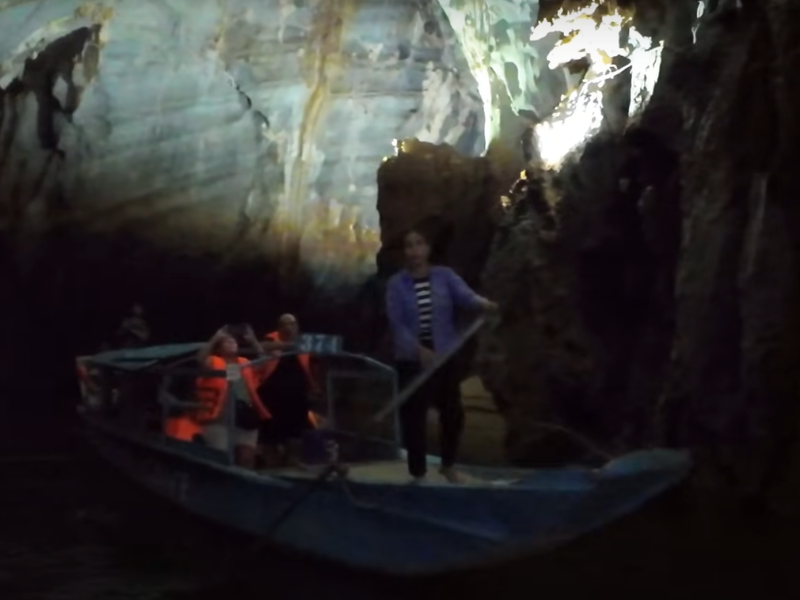
Hang En Cave: Camping Inside the World’s Third-Largest Cave Portal
Before Son Doong was fully explored, Hang En was considered one of the most massive caves on Earth. It serves as the dramatic gateway to the Son Doong valley, but stands proudly as a spectacular destination in its own right.
Hang En Portal: 120m High ---> 140m Wide ---> Ancient Swiftlet Nesting Sanctuaries
The Colossal Amphitheater
As you emerge from the jungle, Hang En’s main portal appears as a giant, dark archway cut into a vertical karst cliff. Inside, a massive sandy beach sits alongside a turquoise river pool, serving as your campsite for the night.
The Swiftlet Symphony
Hang En translates to “Swift Cave” in the local language, named after the millions of swiftlets that nest in the soaring cave ceiling. At dusk and dawn, the air inside the cave fills with the dramatic sound of thousands of birds swooping through the portals, creating a magical, primeval sensory experience.
The Tu Lan Cave System: Subterranean Swimming & Aquatic Exploration
If your idea of adventure involves water, the Tu Lan Cave System offers the ultimate aquatic caving experience. Located 70 kilometers from Phong Nha, this complex network consists of over ten wet and dry caves woven together by cold, emerald mountain rivers.
Tu Lan Action Sequence: Jungle Trekking ---> Rock Climbing
---> Dark-Water Swimming ---> Waterfall Scrambling
The Thrill of Subterranean Swimming
Unlike dry caves where you walk along pathways, exploring Tu Lan requires putting on a life jacket, headlamp, and helmet to swim directly through long, completely dark water caves (like Hang Ken or Hang To Mo).
Floating through these massive, silent water tunnels while your headlamp illuminates giant stalactites hanging from the ceiling is an incredibly peaceful yet thrilling adventure.
Intimate Eco-Campsites
Tu Lan expeditions feature beautiful, low-impact campsites set in hidden valleys bordered by vertical karst cliffs, emerald-green rivers, and dense banana forests, completely disconnected from the modern world.
Hang Pygmy: Abseiling Into the World’s Fourth-Largest Cave System
For travelers who want a highly technical, rugged, and uncrowded caving adventure, the expedition to Hang Pygmy represents the ultimate physical challenge.
Hang Pygmy Expedition: Tiger Cave System Trek ---> 80m Jungle Abseiling
---> Giant Calcite Formations
The Tiger Cave System Connection
Hang Pygmy is part of the massive Tiger Cave System. Reacing it requires a grueling jungle trek through the core zone of Phong Nha-Ke Bang, navigating steep limestone valleys and scrambling over giant boulder fields.
Abseiling into the Void
To enter Hang Pygmy, adventurers must abseil down a sheer 80 meter drop from the cave’s upper ceiling to reach the sandy cave floor. Inside, you will explore colossal chambers containing towering calcite formations, ancient cave fossils, and unique ecosystems that have evolved in complete darkness.
Paradise Cave (Thien Duong): The Cathedral of Limestone Art
For families, seniors, or those who prefer a highly comfortable, non-technical caving experience without compromising on visual majesty, Paradise Cave is the undisputed choice.
Paradise Cave Layout: Electric Buggy Transfer ---> Wooden Boardwalk
---> Towering Stalactite Cathedrals
The Stalactite Masterpiece
Stretching over 31 kilometers, Paradise Cave is one of the longest dry caves in Asia. The first kilometer is open to the public via a beautifully constructed, non-slip wooden boardwalk.
As you walk through the cave’s massive, cool chambers (which hover around a natural 18°C to 22°C year-round), you are surrounded by spectacular, dramatically illuminated stalactites and stalagmites that resemble ancient pine trees, royal palaces, and mythical stone figures.
Sovereign Insider Resource: Pairing Caving with Northern Adventure Treks
To help you seamlessly integrate your central caving expedition with the rugged mountain highlands of Northern Vietnam, our adventure desk has prepared a dedicated guide:
🥾 Sovereign Adventure Blueprint: Want to pair your subterranean caving trek with high-altitude peak climbs in Sapa or motorcycle loops in Ha Giang? Don’t miss our comprehensive companion planning guide:
$$Best Vietnam Adventure Tours$$to master packing technical outdoor apparel, coordinating regional transit, and aligning extreme weather windows beautifully.
Halong and Lan Ha Bay: Exploring Coastal Karst Grottos & Sea Caves
While Central Vietnam dominates deep land speleology, the UNESCO-listed waters of Halong Bay and Lan Ha Bay offer a completely different style of marine karst caves.
Marine Cave Exploration: Sea Kayaking ---> Low-Ceiling Karst Tunnels
---> Completely Enclosed Lagoons
Sung Sot (Surprise) Cave
Located inside Halong Bay, this massive cave features three large chambers decorated with intricate limestone formations. It is easily accessed via stone pathways, offering spectacular panoramic views of the bay from its exit portal.
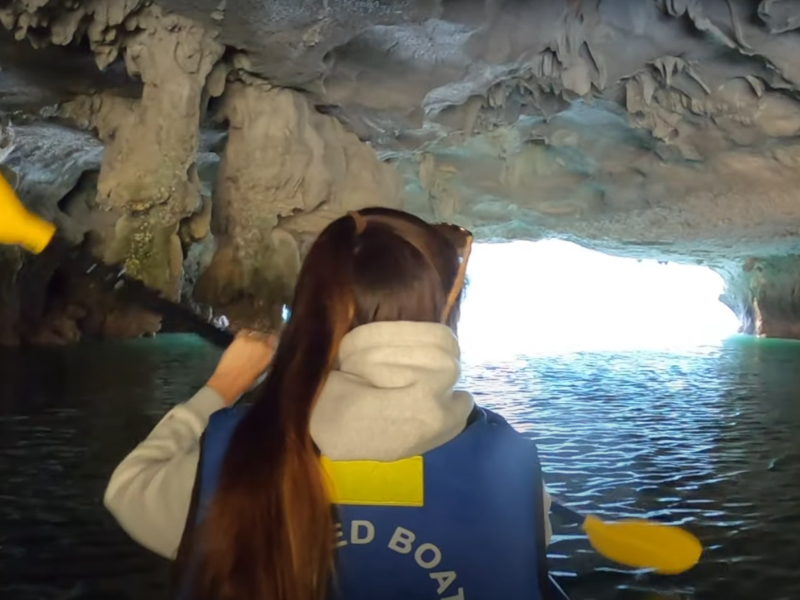
Luon Cave and the Sea Lagoons
For active travelers, exploring sea caves like Luon Cave or Dark & Bright Cave via sea kayak is a spectacular adventure. You paddle your kayak through low, tide-dependent karst tunnels, emerging into quiet, completely enclosed saltwater lagoons bordered by vertical cliffs home to wild Cat Ba Langurs.
Ninh Binh: Rowboat Expeditions through Floating Karst Grottoes
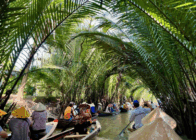
Known globally as “Ha Long Bay on Land,” Ninh Binh province offers a peaceful, aquatic caving experience where you explore limestone water caves from a traditional, hand-rowed bamboo boat.
Trang An Rowboat Route: Scenic River Channels ---> Low-Ceiling Water Caves ---> Ancient Temples
The Trang An Grottoes
In Trang An, local, experienced women rowers guide small bamboo boats through long, narrow water-cave tunnels (such as Hang Sinh or Hang Toi) that have been carved out by river systems.
You must duck your head as the boat glides underneath low-hanging, glistening stalactites, emerging into quiet, mountain-locked basins containing ancient, lakeside stone temples, offering a magical, spiritual journey.
The Monsoon & Seasonality Calendar: When is Caving Safe?
Because many of Vietnam’s caves are active river caves, rain patterns directly dictate safety and accessibility. Speleology is highly seasonal, and booking within the correct weather window is non-negotiable to prevent drowning or tour cancellation.
Our operations desk utilizes a mathematical caving risk index to measure safety levels, calculated as:
Caving Risk Index} = Average Monthly Rainfall /Subterranean River Flow Rate (m³/s) < 1.2
When rainfall increases during the autumn monsoons, the risk index rises rapidly, requiring the immediate suspension of all wet caving operations.
The table below details the official operational seasons for Vietnam’s primary cave systems:
| Cave System / Region | Operational Season | Closed Season | Best Weather Window | Safety & Operational Realities |
|---|---|---|---|---|
| Son Doong & Hang En | Feb to Aug | Sep to Jan | Mar to May | Completely closed during autumn monsoon floods; river levels can rise up to $50\text{m}$ inside. |
| Tu Lan Water Caves | Nov to Aug | Sep to Oct | Mar to Jun | Wet caving requires low river levels; heavy rain triggers immediate evacuation protocols. |
| Paradise & Phong Nha Show Caves | Year-Round | Short Flood Closures | Feb to Aug | Remains open during light rain; brief 2-5 day closures occur during peak autumn typhoon floods. |
| Halong & Lan Ha Bay Caves | Year-Round | Typhoon Closures | Mar to May / Oct to Dec | Sea caves are accessible daily, but tropical typhoons can halt all marine cruises instantly. |
Comparative Cave Matrix: Pacing, Difficulty, and Experience
To help you select the perfect cave system that aligns with your party’s physical stamina, review this comparative technical matrix:
| Cave Destination | Physical Difficulty | Technical Skills Needed | Minimum Age | Optimal Duration | Primary Thrills & Unique Sights |
|---|---|---|---|---|---|
| Son Doong | Very High | Rope ascents, deep trekking, river swims | 18 Years | 4 Days / 3 Nights | Colossal dolines, underground jungles, 90 m Great Wall. |
| Hang En | Moderate | Basic endurance trekking, river wading | 16 Years | 2 Days / 1 Night | Colossal campsite, swiftlet colonies, massive entry portal. |
| Tu Lan System | Moderate to High | Dark-water swimming, limestone scrambling | 12 Years | 3 Days / 2 Nights | Swimming subterranean river tunnels, pristine valley camps. |
| Hang Pygmy | High | 80m technical abseiling, trekking | 18 Years | 3 Days / 2 Nights | Ceilling abseiling, exploring giant calcite columns. |
| Paradise Cave | Low | None (boardwalk walking) | No limit | 2 Hours | Intricate, brilliantly lit stalactites, comfortable 18C°C) air. |
| Ninh Binh Caves | Very Low | None (sitting on a rowboat) | No limit | 3 Hours | Sitting comfortably while gliding through low water caverns. |
Sovereign Insider Resource: Finding Your Base in Romantic Hoi An
If your Indochina itinerary transitions south to the central coast after exploring the caves of Phong Nha, selecting the right neighborhood for recovery is essential:
🗺️ Sovereign Insider Guide: Planning your central coast stay but torn between Phố Cổ (Ancient Town), An Bàng Beach, or quiet rice fields? Don’t miss our comprehensive companion blueprint:
Where to Stay in Hoi Anto compare the top 10 heritage properties, analyze seasonal flood risks, and select the ideal base for your family’s post-expedition recovery.
Technical Packing Checklist: Essential Gear for Underground Expeditions
Standard holiday wear is useless inside a cave. To prevent skin chafing, painful slips on wet limestone, and hypothermia, packing highly technical apparel is essential:
+-----------------------------------------------------------------------------+
|                          TECHNICAL CAVING PACKING LIST                      |
|                                                                             |
|  - QUICK-DRY TRAIL APPAREL --> Light polyester/nylon; never pack cotton.    |
|  - DRAINABLE TRAIL RUNNERS--> Hard-lugged soles with direct water drainage. |
|  - HEADLAMP & DRY BAGS     --> Waterproof IPX8 rating for river swims.      |
+-----------------------------------------------------------------------------+
The Footwear Strategy
Never wear heavy, waterproof leather hiking boots. Once they fill with water during river crossings, they become extremely heavy and take days to dry.
Opt for lightweight, drainable trail runners featuring deep, hard-rubber lugged soles (such as Salomon Speedcross or Altra King MT). These shoes feature mesh panels that let water drain out instantly while providing elite grip on slippery limestone.
The No-Cotton Rule
Pack only technical, moisture-wicking synthetic clothing (polyester or nylon blends). Avoid standard cotton t-shirts and denim jeans; once wet, cotton stays wet for hours, clings to your skin, causes severe chafing, and can quickly lower your core body temperature in cool cave winds.
Dry Bags and Electronics Protection
When swimming through wet caves, your daypack will be completely submerged. Pack a high-quality, 10L dry bag to protect your passport, camera batteries, and dry clothes inside your pack. All high-value electronics and cameras must be stored in specialized waterproof housings.
Financial Transparency & Booking Protocols: Permits, Porters, and Trust
Booking a long-haul adventure expedition requires clear financial protections and ethical operational standards:
Sourcing Park Permits Legally
Phong Nha-Ke Bang is a strictly protected National Park. Accessing off-the-grid caves requires official permits issued by the Forest Ranger Department.
A reputable operator like Sao La Tours handles all permit acquisitions, park entrance fees, and environmental taxes behind the scenes, ensuring you do not face immediate administrative delays or legal fines at park entry checkpoints.
Ethical Porter Regulations
On multi-day expeditions, local porters carry the heavy camp gear, food, and safety equipment. A premium, ethical operator strictly enforces porter load limits (typically a maximum of $15\text{kg}$ to $20\text{kg}$ per person), provides them with high-quality sleeping gear and protective trail apparel, and pays them fair, above-market wages that directly support their rural mountain communities.
Upfront Deposit and Escrow Protection
Standard industry practice dictates that a reputable operator should only require a 15% to 30% upfront deposit to secure your specialized cave permits, boutique base camps, and domestic flights.
Ensure your operator utilizes a segregated client trust account. This financial setup ensures your deposit is held securely in escrow to pay for your specific caving services, protecting your travel assets from corporate restructuring prior to your arrival.
Ready to step into the dark, conquer colossal voids, and experience the world’s most spectacular subterranean wonders safely?
We specialize in crafting highly personalized, private active itineraries tailored to your exact physical pacing, safety requirements, and comfort levels. Our dedicated local team is available 24/7 on the ground to ensure your adventure is flawless from start to finish.
Get Your Custom Vietnam Adventure Itinerary Quote Now
Meet the Expert Who Designed This Caving Guide
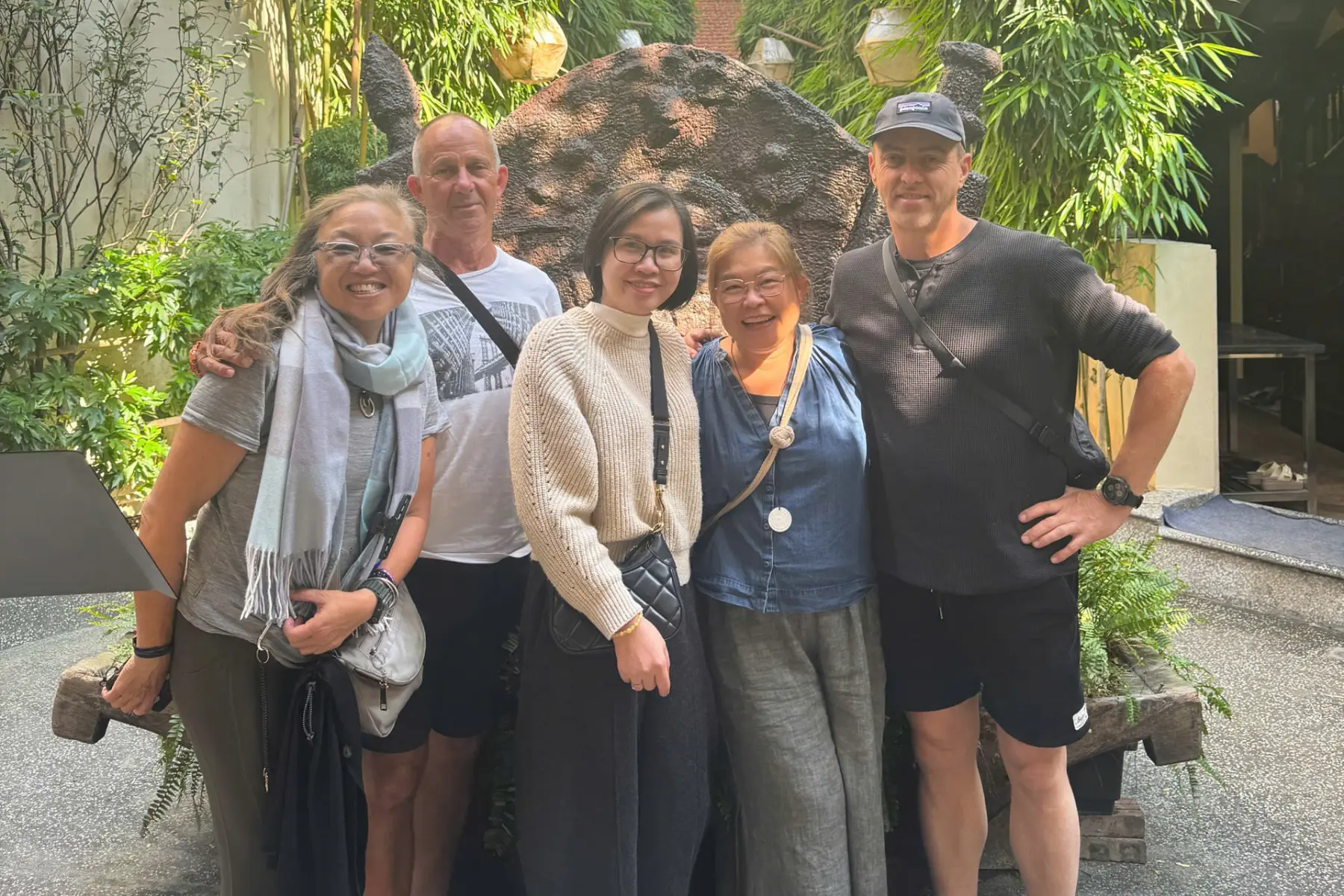
Need a customized caving itinerary? Connect directly with Trang and her team to begin planning.