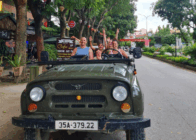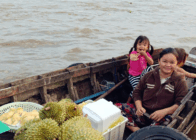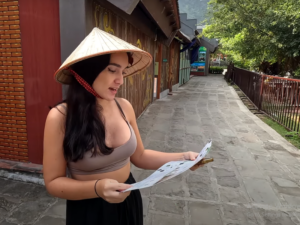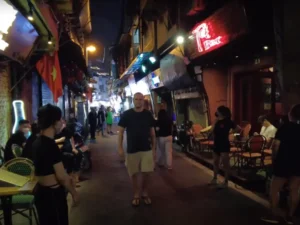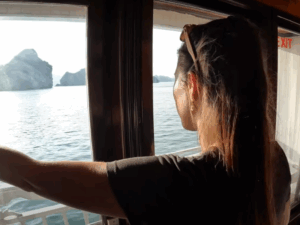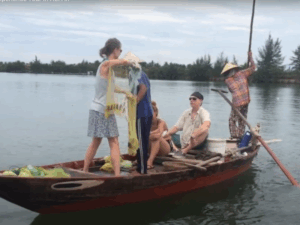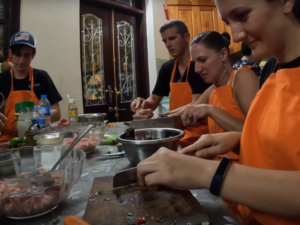
Vietnam is a country of extraordinary geographical drama and profound historical depth. Stretching over 1,600 kilometers along the eastern edge of the Indochinese Peninsula, this Southeast Asian gem encompasses a staggering diversity of ecosystems—from the mist-shrouded limestone towers of the far northern highlands to subterranean jungle caves, golden desert dunes, and tranquil turquoise coastlines.
However, for international travelers planning a bucket-list vacation, designing perfect vietnam tours presents a formidable challenge. With thousands of kilometers of terrain, distinct regional microclimates, and hundreds of attractions competing for attention, attempting to build a balanced itinerary can quickly lead to travel fatigue or shallow, commercialized experiences.
True travel mastery lies in moving beyond mass-market directory lists. It requires curating a passage that weaves together legendary natural wonders, deep dynastic history, rare geological phenomena, and authentic local encounters into a seamless, high-value journey.
Before finalizing your travel arrangements across Southeast Asia, ensuring absolute financial security, verified government licensing, and 24/7 crisis support is essential. Learn how to protect your travel investment by reading our comprehensive guide on the best vietnam tour operators to see how top-rated local agencies compare in safety standards, private fleet management, and bespoke itinerary design.
🏛️ The 4-Zone Curation Framework for Exceptional Itineraries
To transform a standard vacation into a series of perfect vietnam tours, elite travel designers divide the nation into four distinct experiential landscapes rather than simple city stops:
[Subterranean & Mountain Wonders] ➔ [Heritage Waterways & Karsts] ➔ [Geological Coastal Marvels] ➔ [Historic & Political Capitals]
    (Son Doong & Ha Giang)                (Tam Coc & Ninh Binh)           (Ganh Da Dia & Bau Cat)               (Hanoi Ba Dinh)
1. Eliminating Regional Backtracking
By mapping destinations along a logical geographical spine—connecting Northern mountain passes, Central coastal rock formations, and Southern sand dunes—you optimize domestic flight connections and private limousine transit, preserving your time for meaningful exploration.
2. Balancing High Adventure with Restful Immersion
Pairing rigorous expedition treks (such as cave exploration or mountain pass driving) with serene river rowing and quiet beach retreats prevents burnout and ensures every family member travels at their ideal pace.
📊 Quick-Reference Matrix: Iconic Vietnam Highlights
Before exploring our deep-dive destination chapters, review this high-level summary mapping out Vietnam’s premier attractions by travel style, ideal seasonality, and operational effort:
| Destination | Primary Experience / Attraction | Travel Style & Segment | Best Season to Visit | Operational & Logistics Level |
| Son Doong Cave (Quang Binh) | World’s largest cave expedition | Ultra-Luxury / Active Expedition | Feb – Aug | High (Advance booking & physical fitness required) |
| Tam Coc (Ninh Binh) | Foot-rowed river karst passage | Cultural Heritage & Nature | Mar – May / Sep – Nov | Moderate (Easy day trip from Hanoi) |
| Dong Van Plateau (Ha Giang) | Ma Pi Leng Pass & tribal culture | Active Adventure / Scenic SUV | Sep – Nov / Mar – May | Moderate–High (Mountain pass driving) |
| Ganh Da Dia (Phu Yen) | Volcanic basalt beehive columns | Coastal Photography & Off-beat | Jan – Aug | Easy (Private coastal transfer) |
| Bau Cat Dunes (Phan Thiet) | Desert sandboarding & lotus lakes | Beach & Landscape Adventure | Nov – Apr | Easy (Resort connection) |
| Co Thach Beach (Binh Thuan) | Emerald moss & rainbow pebbles | Coastal Nature & Relaxation | Feb – Mar (Moss season) | Easy (Scenic coastal drive) |
| Ho Chi Minh Complex (Hanoi) | Modern history & presidential site | Heritage & Political Culture | Year-round (Closed Sep–Nov) | Easy (City center access) |
Act I: Subterranean Giants & High-Altitude Mountain Passes
Northern and North-Central Vietnam house some of the most dramatic, primitive, and ecologically significant landscapes on planet Earth. These regions cater to travelers seeking raw natural power and deep ethnic heritage.
Expedition 1: Son Doong Cave – The Subterranean World (Quang Binh)
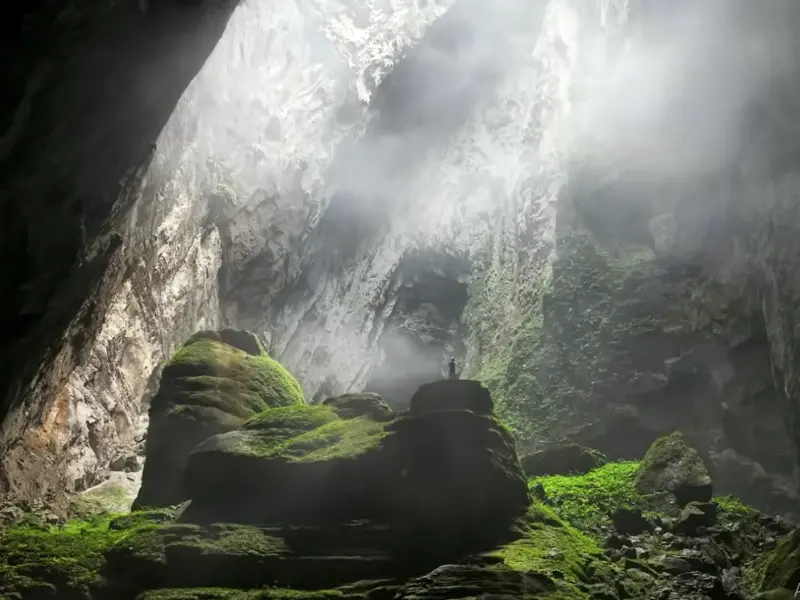
Hidden deep within the jungle-draped karst peaks of Phong Nha-Ke Bang National Park lies Son Doong Cave—the largest cave on Earth. Discovered by a local farmer in 1991 and surveyed by the British Cave Research Association in 2009, Son Doong is so massive that it possesses its own localized weather systems, internal clouds, and thriving jungle ecosystems.
Son Doong Fact Sheet:
- Length: Over 9 kilometers long
- Ceiling Height: Up to 200 meters high (capable of housing a 40-story skyscraper)
- Unique Feature: Two massive collapses (doline skylights) that allow sunlight to penetrate, nurturing ancient rainforests 400 feet below the surface.
The Expedition Experience
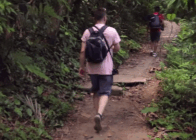
Reaching Son Doong is not a casual day trip; it is an elite multi-day wilderness trek. Guests navigate dense jungle trails, cross rushing subterranean rivers, and camp inside colossal caverns beneath skylights illuminating towering stalagmites over 70 meters tall.
Operational Logistics & Booking Rules
Access to Son Doong is strictly regulated by government environmental authorities to preserve its fragile ecosystem. Only a limited number of travelers are permitted entry each year. Securing a space on these private expeditions requires booking 6 to 12 months in advance through certified, licensed operators.
Expedition 2: Dong Van Karst Plateau & Ma Pi Leng Pass (Ha Giang)
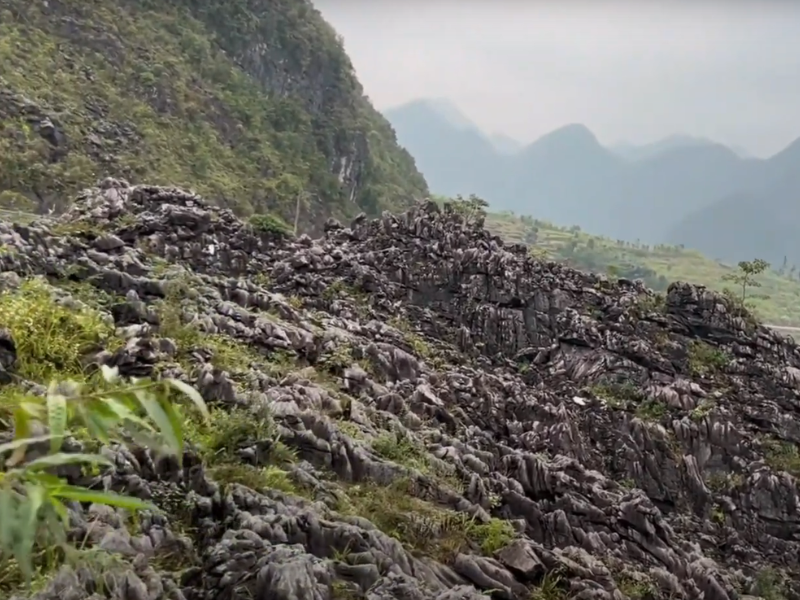
In the extreme north bordering China, the Dong Van Karst Plateau Geopark in Ha Giang Province presents a sharp contrast to lowland Vietnam. Recognized by UNESCO, this dramatic region is defined by dark limestone peaks, sheer canyons, and ancient mountain villages home to seventeen ethnic minority communities.
Traversing the Legendary Ma Pi Leng Pass
The crown jewel of Ha Giang is the Ma Pi Leng Pass—renowned as one of Southeast Asia’s most breathtaking mountain roads. Carved into the side of vertical cliffs, the pass winds along the edge of a deep gorge overlooking the turquoise Nho Que River thousands of feet below.
Cultural Immersion in Ethnic Markets
Beyond its geology, Dong Van offers profound cultural access. Timed visits allow travelers to experience weekly ethnic markets in Dong Van or Meo Vac, where Hmong, Tay, and Red Dao villagers gather in traditional hand-woven textiles to trade local crafts, mountain herbs, and livestock.
Act II: Waterway Heritage & Dynastic Capitals
Central and Northern lowlands showcase the gentle, poetic side of Vietnamese travel—where rivers weave through ancient limestone valleys and historic monuments reflect national identity.
Chapter 3: Tam Coc – The Emerald Waters of “Ha Long Bay on Land” (Ninh Binh)
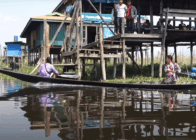
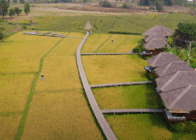
Located just 90 minutes south of Hanoi in Ninh Binh Province, Tam Coc (“Three Grottoes”) offers a serene water landscape framed by vertical karst cliffs rising directly out of brilliant green rice paddies.
The Art of Foot-Rowed Sampan Journeys
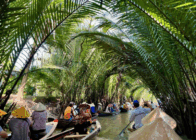
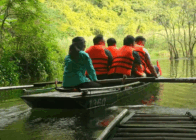
The signature experience in Tam Coc is a quiet sampan boat ride along the winding Ngo Dong River. Local boat captains—renowned for their unique technique of rowing wooden oars using their feet—guide your boat past emerald fields and beneath low limestone cave ceilings adorned with natural stalactites.
Combining Heritage Landmarks
To craft the perfect day escape, combine Tam Coc with visits to neighboring UNESCO sites:
Bich Dong Pagoda: A 15th-century cave temple built into the side of a mountain, reached by a picturesque stone bridge over a lotus pond.
Trang An Scenic Landscape Complex: A vast subterranean network of subterranean river caves and historic temples featured in global film productions.
Chapter 4: The Ho Chi Minh Mausoleum & National Memory (Hanoi)
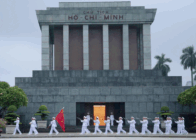
No passage across Vietnam is complete without understanding its modern history. Located in the heart of Hanoi’s Ba Dinh Square, the Ho Chi Minh Mausoleum stands as one of the nation’s most revered cultural landmarks.
Historical Significance & Architectural Solemnity
Constructed from dark grey granite, the mausoleum houses the embalmed body of President Ho Chi Minh—the revolutionary leader who guided Vietnam toward modern independence. The surrounding Ba Dinh Square is the historic site where President Ho read the Declaration of Independence on September 2, 1945.
Visiting Etiquette & Insider Tips
Dress Code & Decorum: Strict formal attire is enforced (shoulders and knees must be fully covered). Photography, hats, and hands in pockets are prohibited inside the inner viewing chamber.
Annual Maintenance Closure: The mausoleum closes annually for preservation work between September and November. Planning around this period ensures your travel itinerary remains uninterrupted.
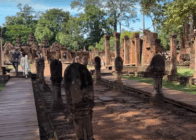
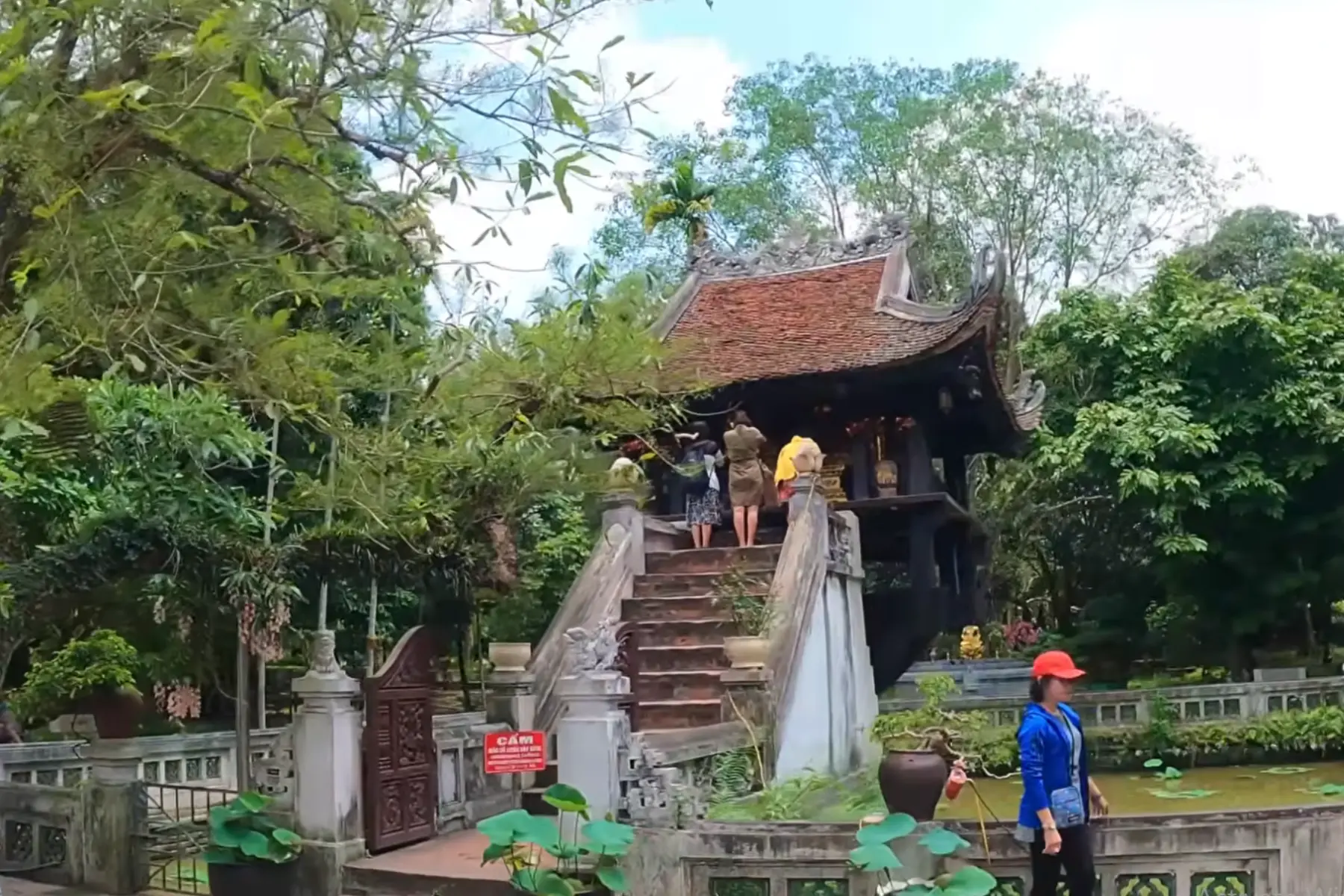
Surrounding Complex: Combine your visit with walks through the lush botanical grounds to view the Presidential Palace, Ho Chi Minh’s modest wooden Stilt House, and the 11th-century One Pillar Pagoda.
Act III: Coastal Wonders, Volcanic Geology & Desert Dunes
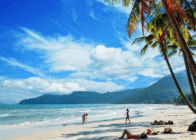
Vietnam’s 3,260-kilometer coastline is far more than white sand beaches—it is a geological gallery of volcanic rock formations, shifting desert dunes, and colorful moss-covered shores.
Chapter 5: Phu Yen Disc Rock Rapids (Ganh Da Dia) – Volcanic Geometry
Located in the quiet coastal province of Phu Yen, Ganh Da Dia (Disc Rock Rapids) is one of the world’s rare geological phenomena, comparable to Ireland’s Giant’s Causeway.
Geological Origin: Formed millions of years ago when molten volcanic basalt lava flowed into the cold ocean water, contracting and cracking into dark, hexagonal columns that fit together like a giant honeycomb structure.
Photography & Coastal Exploration
At low tide, travelers can walk across these dark basalt columns as waves crash along the shore. The contrast between the jet-black hexagonal stones, golden sunlight, and turquoise ocean water creates extraordinary photographic opportunities. Combine your visit with fresh seafood dining at nearby wooden stilted villages along O Loan Lagoon.
Chapter 6: Bau Cat Sand Dunes – The Coastal Desert (Phan Thiet)
Near the coastal resort town of Mui Ne in Phan Thiet Province lies the Bau Cat Sand Dunes (White Sand Dunes)—a dramatic landscape that feels completely removed from Southeast Asia’s tropical greenery.
Desert Adventure & Sunset Magic
Rolling waves of golden and ivory sand stretch for miles along the coastline, constantly reshaping with the ocean winds. Travelers can experience:
High-Energy Sandboarding: Sliding down steep sand slopes on lightweight boards.
ATV Quad Biking: Renting quad bikes to traverse the soaring crests of the dunes.
Lotus Lake Oasis: Exploring the edges of Bau Trang—a natural freshwater lake filled with blooming pink lotus flowers located directly at the base of the desert dunes.
Timing Your Visit
Visit during early morning (sunrise) or late afternoon (sunset) when temperatures drop and low-angle sunlight casts long shadows across the dune crests, highlighting the natural contours of the sand.
Chapter 7: Co Thach Beach – The Rainbow Moss Coast (Binh Thuan)
For travelers seeking quiet tranquility far from commercial resort crowds, Co Thach Beach in Binh Thuan Province offers a unique coastal retreat.
Multi-Colored Pebbles & Spring Emerald Moss
The beach is famous for two distinct natural features:
Seven-Colored Pebble Bank: Miles of smooth, rounded coastal stones shaped by ocean currents, shimmering in shades of green, red, yellow, and white.
The Emerald Moss Season: Between February and March, tidal rocks along the shore become completely covered in vibrant green sea moss. As sunrise light hits the moss-covered boulders amidst crashing white surf, the beach transforms into a surreal photographer’s paradise.
✈️ Seamless Logistics: Designing Your Perfect Route
To turn these seven extraordinary destinations into a stress-free travel reality, proper route design and logistical preparation are paramount.
[Northern Loop] ➔ [Central Coast Line] ➔ [Southern Desert & Delta]
 (Hanoi/Ha Giang/Ninh Binh) ➔ (Quang Binh/Phu Yen) ➔ (Phan Thiet/Saigon)
1. Regional Grouping to Save Time
Attempting to jump randomly between Northern mountains and Southern beaches results in wasted travel days. Group your itinerary geographically:
North Cluster: Combine Hanoi, Ninh Binh (Tam Coc), and Ha Giang (Dong Van) via private chauffeured vehicles.
Central Cluster: Link Quang Binh (Son Doong) down to Phu Yen (Ganh Da Dia) via domestic flights or coastal trains.
South Cluster: Connect Phan Thiet (Bau Cat Dunes & Co Thach) smoothly with Ho Chi Minh City via modern expressways.
2. Seasonality & Climate Coordination
Best Overall Season (Nationwide): November through April offers dry weather, pleasant temperatures in the North, and sunny skies across Central and Southern beaches.
Specialty Seasons: Book Son Doong expeditions between February and August; visit Co Thach Beach in February–March for peak moss growth; explore Ha Giang between September and November for vibrant buckwheat flower blooms.
Frequently Asked Questions (FAQ)
Q1: How many days are needed to experience a complete Vietnam tour?
A: A duration of 10 to 14 days is ideal for first-time travelers. This allows you to cover core highlights in the North (Hanoi, Ninh Binh), Central Coast (Hue, Hoi An, Phu Yen), and South (Saigon, Mekong Delta) without feeling rushed.
Q2: Is Son Doong Cave suitable for casual family travelers?
A: No. Son Doong is a strenuous, high-level wilderness expedition requiring physical fitness, jungle trekking experience, and age compliance (typically 18+). Families seeking cave experiences should consider accessible alternatives like Paradise Cave or Phone Nha Cave in the same national park.
Q3: How do I arrange transport between remote destinations like Ha Giang or Phu Yen?
A: Booking private chauffeured vehicles (such as SUVs or luxury DCar limousines) through a licensed local operator like Saola Tours is the safest, most reliable transport method. It guarantees comfortable climate-controlled transit, certified drivers, and flexibility for scenic photo stops.
Q4: Are international driving permits required for motorbiking in Vietnam?
A: Yes. If you plan to ride a motorbike independently (such as along the Ha Giang Loop), Vietnamese law requires a valid International Driving Permit (IDP) along with your home motorcycle license. Alternatively, booking an “Easy Rider” tour—where a licensed local driver operates the motorbike while you ride passenger—ensures complete safety and legal compliance.
Craft Your Dream Voyage with Saola Tours
Creating perfect vietnam tours requires an intimate understanding of local geography, real-time weather patterns, verified safety protocols, and transparent pricing. At Saola Tours, we eliminate planning stress by managing every detail—from private VIP airport handling and luxury chauffeured fleets to handpicked boutique hotels and senior local guides.
➡️ Ready to start designing your tailor-made Vietnam adventure?
Contact our custom travel specialists at Saola Tours today to receive your personalized itinerary proposal and expert local advice!