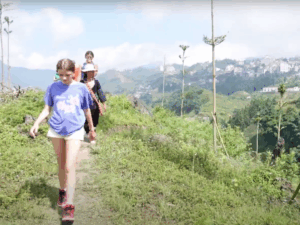
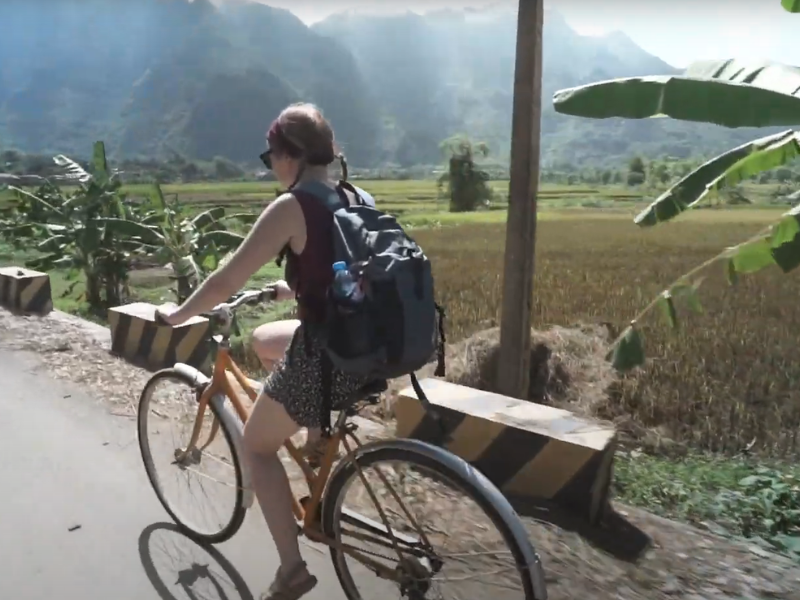
For international travelers crossing oceans from the US, UK, or Australia, embarking on a journey to Vietnam is a lifetime travel milestone. Stretching over 1,600 kilometers with dramatic changes in elevation, Vietnam is a land of breathtaking diversity. It promises deep sensory wonder, but preparing your luggage for this Southeast Asian jewel triggers immediate, highly practical anxieties.
How do you pack for a trip where you might be shivering in the misty terraced valleys of Sapa at 8°C (46°F) while simultaneously sweating in the tropical humidity of Ho Chi Minh City at 35°C (95°F)? What are the strict dress codes for entering active ancient temples or the solemn Ho Chi Minh Mausoleum? Which tropical mosquito repellents actually prevent dengue fever? And how do you navigate local digital payments and electronic compatibility on the ground in 2026?
Selecting the wrong gear, footwear, or apparel can drastically alter your travel comfort, leading to painful blisters on historic cobblestones, heat exhaustion, or embarrassing cultural faux pas. This master-level, definitive packing guide breaks down the essential wardrobe science, technology setups, medical protections, and regional climate variations to ensure a flawless Central and Cross-Country Vietnam holiday.
1. The Core Packing Dilemma: One Country, Three Simultaneous Climates
The single biggest mistake Western travelers make when preparing for Vietnam is packing under the assumption that the entire country experiences uniform tropical heat. Because of Vietnam’s elongated, narrow S-shape and dramatic topography, the country is divided into three distinct regional microclimates that operate independently:
                  [VIETNAM CLIMATE DIVISION IN WINTER/SPRING]
                                       |
     +---------------------------------+---------------------------------+
     |                                 |                                 |
[THE NORTH]                       [THE CENTER]                      [THE SOUTH]
- Hanoi & Sapa                    - Hue & Hoi An                    - Saigon & Mekong Delta
- Chilly, misty, damp             - Rainy transition, windy         - Hot, dry, humid
- $10°C to $18°C ($50°F - $64°F)  - $20°C to $26°C ($68°F - $79°F)  - $30°C to $35°C ($86°F - $95°F)
If you are undertaking a classic North-to-South cross-country route between November and March, you will experience cold, damp mountain winds in the North, mild transitional temperatures with coastal breezes in the Center, and intense, sun-drenched tropical heat in the South.
Calibrating your luggage to handle these dramatic shifts without exceeding airline weight limits requires a highly strategic approach based on technical layering rather than packing heavy, single-use garments.
2. Our E-E-A-T Gear Vetting Philosophy: Trusted On-the-Ground Diagnostics
This comprehensive packing blueprint is curated by the editorial and logistics desk at Sao La Tours. As a premier destination management company (DMC) operating private, customized expeditions across Vietnam, Laos, and Cambodia, we hold ourselves to the highest standards of professional transparency.
The gear audits, textile recommendations, and medical packing guidelines presented in this guide are built strictly upon verified on-the-ground testing, feedback from thousands of Western travelers we host annually, active airline regulations for 2026, and direct consultations with local health professionals.
Our mission is to provide you with objective, expert-level packing intelligence to ensure your health, physical safety, and comfort remain uncompromised from the moment you step off your transcontinental flight.
3. The Packing Formula: Calibrating Your Bag by Weight and Capacity
To maintain mobility and avoid steep baggage surcharges on domestic flight segments (such as flying between Da Nang and Saigon), you must master your pack weight. Most domestic carriers in Vietnam (including Vietnam Airlines and Bamboo Airways) enforce a strict 20kg (44 lbs) checked baggage limit and a 7kg (15 lbs) carry-on limit for standard economy tickets.
Our master packing formula utilizes a lightweight, highly durable 40L to 55L hybrid travel backpack or a medium-sized spinner suitcase. We recommend aiming for a packing density weight ratio represented as:
Packing Efficiency = Apparel Layering Capacity (items)/Total Luggage Weight (kg) ≥ 1.5
This means you should carry highly technical, lightweight fabrics that yield a high volume of outfit combinations per kilogram. Utilizing compression packing cubes is non-negotiable; they organize your gear by climate zone, compress air out of soft garments, and allow you to quickly access your cold-weather layers when landing in a chilly northern city without disrupting your warm-weather packing structures.
4. Fabric Science: Choosing the Right Materials for Tropical Humidity
Vietnam’s tropical humidity can hover between 75% and 95%. Under these conditions, standard fabrics behave differently than they do in dry Western climates. Choosing the wrong textile will lead to trapped sweat, skin chafing, and unpleasant odors.
- Linen (The Breathable King): Highly recommended for coastal areas like Hoi An or southern cities like Saigon. Linen allows maximum airflow and dries incredibly fast, keeping your skin cool. While it wrinkles easily, this is part of the relaxed, tropical aesthetic accepted everywhere in Vietnam.
- Merino Wool (The Odor-Resistant Wonder): Lightweight merino wool t-shirts ($150\text{g/m}^2$ or lower) are outstanding for both northern mountain treks and humid city walks. Merino naturally regulates body temperature, wicks sweat away from your skin, and is highly antimicrobial, meaning you can wear it multiple times without any odor buildup.
- Technical Synthetics (Polyester/Nylon Blends): Look for moisture-wicking activewear featuring silver-ion technology (like Patagonia Capilene or Lululemon Metal Vent Tech). Avoid standard 100% heavy cotton t-shirts; they absorb sweat like a sponge, cling to your skin, take days to dry in high humidity, and quickly develop a musty odor.
5. Footwear Strategy: Navigating City Streets, Cobblestones, and Wet Trails
Your footwear choice will define your daily physical stamina. Vietnam’s urban sidewalks are often uneven, historic town centers feature cobblestones, and rural areas are characterized by loose dirt, wet karst limestone, and mud.
                  FOOTWEAR TRINITY FOR CROSS-COUNTRY HOLIDAYS
                                       |
     +---------------------------------+---------------------------------+
     |                                 |                                 |
[THE TRAIL RUNNER / HYBRID]       [THE WALKING SNEAKER]             [THE ADVENTURE SANDAL]
- Brand: Salomon, Hoka, Altra     - Brand: On Cloud, Adidas Ultraboost- Brand: Teva, Chaco, Keen
- Best for: Sapa, caving treks    - Best for: Temple walks, cities  - Best for: Boat tours, wet days
- Key feature: Deep lug grip      - Key feature: All-day cushion    - Key feature: Strap security, grip
Never pack brand-new, un-broken-in shoes for your Vietnam holiday. Blisters under tropical conditions can quickly become infected due to sweat and moisture.
If you plan to walk through cities and undertake light hikes, pack one pair of highly cushioned, breathable walking sneakers and one pair of secure, strap-on adventure sandals. Leave heavy, rigid leather hiking boots at home unless you are embarking on high-risk technical mountain summits.
6. Cultural Etiquette Packing: Respectful Attire for Sacred Sites
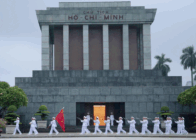
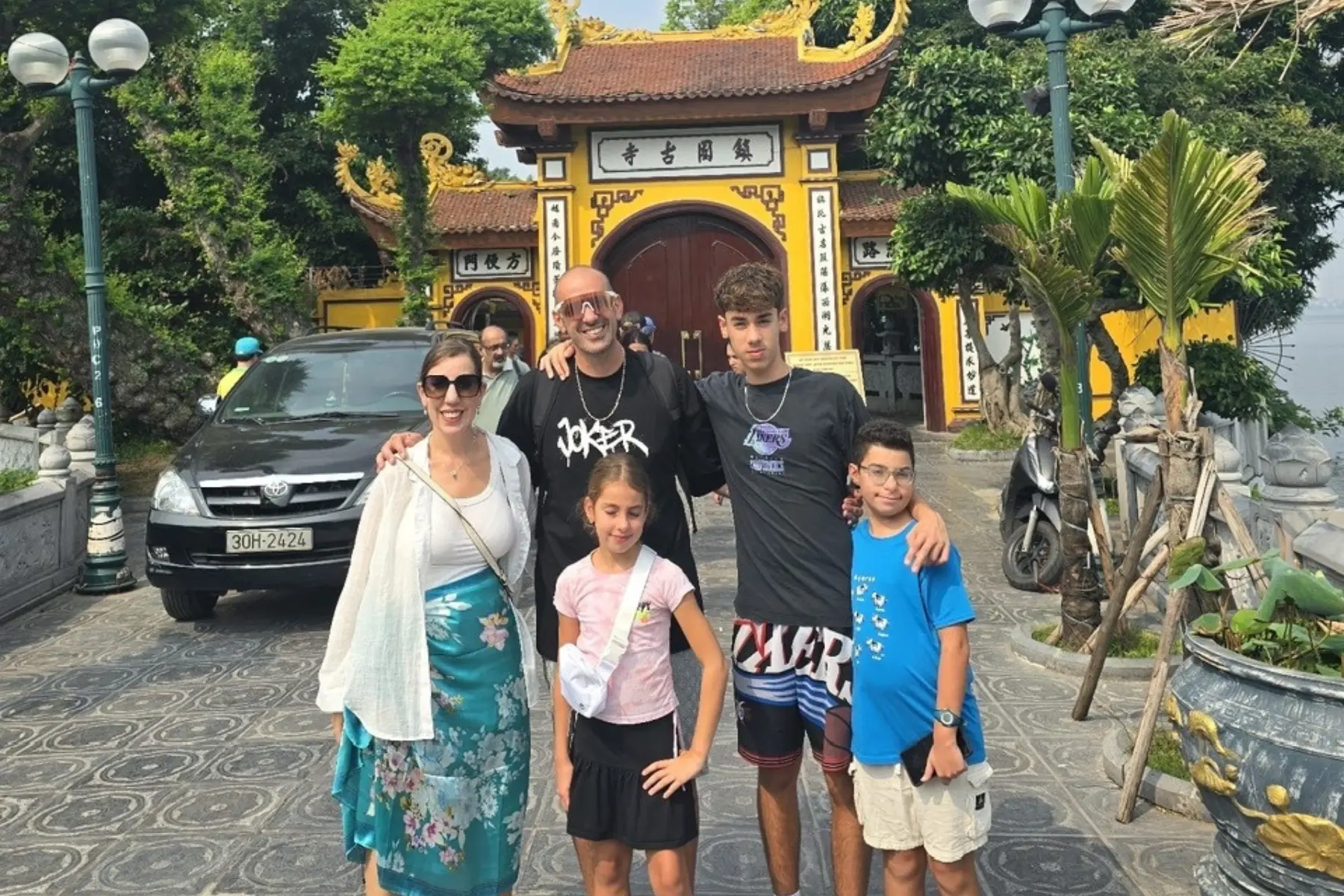
Vietnam is a deeply spiritual nation with rich Confucian, Taoist, and Buddhist traditions. When entering active temples, communal halls, or sacred modern monuments like the Ho Chi Minh Mausoleum in Hanoi, a strict, respectful dress code is legally and culturally enforced.
+-----------------------------------------------------------------------------+
|                          TEMPLE DRESS CODE CHECKLIST                        |
|                                                                             |
|  - SHOULDERS COVERTED --> No tank tops, halter tops, or spaghetti straps.   |
|  - KNEES COVERED      --> No short shorts, mini-skirts, or ripped jeans.    |
|  - SHOE POLICY        --> Slip-on footwear is highly recommended.           |
+-----------------------------------------------------------------------------+
To pass security checkpoints smoothly, both men and women must ensure their shoulders and knees are completely covered. Ripped jeans, tight athletic wear, and low-cut tops are considered highly disrespectful.
- The Sarong Hack: Always pack a lightweight, breathable cotton scarf or sarong in your daypack. If you are wearing shorts or a tank top during a hot day of city touring, you can quickly wrap the sarong around your waist or drape it over your shoulders before stepping inside a sacred temple sanctuary.
7. Weatherproof Gear: Preparing for the Monsoon Rain and Floods
If your travel dates overlap with the summer monsoon season (June to August) or the autumn storms in Central Vietnam (September to November), experiencing sudden, torrential downpours is inevitable.
- The Lightweight Rain Shell: Pack a high-quality, breathable 2.5-layer waterproof jacket (such as the Patagonia Torrentshell or Arc’teryx Beta). Avoid heavy, non-breathable vinyl raincoats; the high humidity will trap your body heat inside, leaving you completely soaked in sweat.
- The Local Poncho Alternative: For navigating city streets on foot or riding motorbikes, do not use umbrellas—they are highly impractical in crowded alleys and windy streets. Instead, purchase a cheap, durable plastic rain poncho at any local convenience store on the ground. These are designed to cover your entire body (and your daypack) comfortably.
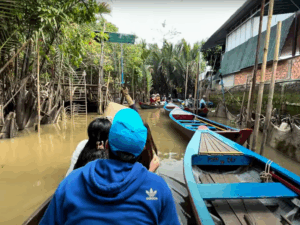
- Waterproof Backpack Covers & Dry Bags: Pack a lightweight, waterproof rain cover for your daily camera bag or a small 10L dry bag to protect your expensive electronics, passport, and cameras during river boat tours or sudden heavy downpours.
8. Technology Checklist: Power, Voltage, eSIMs, and Local Apps in 2026
Navigating Vietnam digitally is highly seamless, provided you pack the right electronic adapters and prepare your devices before landing.
[Power Outlets in Vietnam] ---> Dual-pin Type A & Type C compatibility is standard.
[Voltage Standard] ----------> 220V at 50Hz (Verify your device is dual-voltage 110V-220V).
Power Adapters and Voltage Protection
Most modern hotels in Vietnam feature universal wall sockets that accept two-pin Type A (flat US pins) and Type C / F (round European pins) plugs. However, if you are traveling from the UK or Australia, you will require a physical adapter. Ensure all your high-value chargers (laptops, cameras, hair straighteners) are rated for dual-voltage (110V – 220V) to prevent short-circuiting.
The Power Bank Restriction Mandate
Vietnam’s domestic airlines strictly enforce international aviation safety rules regarding lithium-ion batteries. All power banks must be carried in your cabin hand-luggage; they are strictly banned from checked luggage. Additionally, the power bank must have its capacity rating clearly printed on its exterior shell, and must not exceed 100Wh (20,000mAh at 5V) to pass airport security scanners smoothly.
9. Sovereign Insider Resource: Designing Your Regional Itinerary
To help you seamlessly align your packing list with the geographical flow and climate pacing of your journey, our editorial planning desk has prepared a dedicated regional guide:
🗺️ Sovereign Insider Guide: Planning to combine your packed gear with a complete longitudinal journey from the historic capital to the southern delta? Don’t miss our comprehensive companion blueprint: Best Vietnam Tours to master travel pacing, coordinate domestic flights, and align regional microclimates beautifully.
10. The Adventure Add-On Packing List: Sapa, Ha Giang, and Phong Nha
If you have customized your holiday to include active trekking in Sapa, motorcycle loops in Ha Giang, or deep-cave expeditions in Phong Nha, you must pack highly specialized, rugged outdoor equipment.
+-----------------------------------------------------------------------------+
|                          ADVENTURE GEAR CHECKLIST                           |
|                                                                             |
|  - QUICK-DRY TRAIL PANTS --> Protects against sharp limestone & leeches.    |
|  - GRIP-TIED TRAIL RUNNERS --> Essential for wet, muddy mountain paths.     |
|  - MERINO WOOL HIKING SOCKS--> Wicks moisture & prevents painful blisters.  |
+-----------------------------------------------------------------------------+
Specialized Hiking Gear
- Leech Socks & Gaiters: If trekking through the dense primeval jungles of Phong Nha or Sapa after heavy rainfall, leeches are a common occurrence. Pack lightweight, tightly woven leech socks or canvas trail gaiters to protect your ankles.
- Technical Trail Pants: Avoid trekking in cotton shorts or heavy denim jeans. Opt for lightweight, stretchy nylon hiking pants that feature quick-dry capabilities and reinforced knees to protect your legs from sharp karst limestone.
- Headlamps with Red Light Mode: Essential for exploring unlit cave chambers or walking through remote, unlit rural villages at night.
11. Tropical Health & Hygiene: Bug Repellents, Medications, and Gut Health
Staying healthy on the road is your top priority. Vietnam’s tropical environment requires a proactive approach to insect bites, intense sun exposure, and culinary digestion.
Insect Protection (DEET vs. Picaridin)
Mosquitoes in Vietnam can transmit dengue fever, especially in rural and forested regions during the wet season. Pack a high-concentration repellent containing at least 20% to 30% DEET or Picaridin.
- Strategic Tip: Standard organic, plant-based lavender or citronella sprays are generally ineffective against aggressive tropical mosquito species. Apply your insect repellent thoroughly over your sunscreen, focusing on your ankles and wrists.
Sun and Heat Protection
The tropical sun near the equator is incredibly powerful. Pack a broad-spectrum, mineral-based Sunscreen (SPF 50+) that is reef-safe, alongside a lightweight, wide-brimmed sun hat and high-quality polarized sunglasses.
The Traveler’s Medical Kit
Never travel without a basic, self-curated medical pouch containing:
- Pepto-Bismol / Imodium / Activated Charcoal: Essential for treating mild traveler’s diarrhea (“Saigon Belly”) as your gut adjusts to local spices.
- Rehydration Salts (ORS): Vital for restoring electrolyte balance after a long day of walking in high humidity.
- Motion Sickness Pills (Dramamine): Crucial for winding mountain roads along the Ha Giang Loop or choppy boat transfers in Halong Bay.
12. Secure Document Travel: E-Visas, Digital Backups, and Cash Wallets
Navigating border checkpoints and local financial transaction spaces in 2026 requires a smart combination of physical and digital security.
[Physical Document Portfolio] ---> e-Visa Printouts (A4) + Passport Photocopies + Cash Wallet
[Digital Security Storage] ----> Cloud Backups + Offline PDF Visas + Secure local payment apps
The Crucial e-Visa Printout Mandate
While Vietnam has digitized its entry systems, immigration officers at border gates still require you to present a physical A4 paper printout of your approved e-Visa. Do not rely on showing a PDF copy on your smartphone screen; airlines can deny boarding at your point of origin without a physical paper visa copy.
Cash Management vs. Digital Payments
In 2026, Vietnam has become incredibly cashless, with local vendors displaying VietQR codes for scanning. However, keeping a secure, lightweight cash wallet with small denominations of physical Vietnamese Dong (VND) remains essential for buying street food, paying cyclo drivers, and purchasing small souvenirs at rural markets.
Use a slim, RFID-blocking travel wallet to store your physical credit cards and cash securely, keeping your passport locked in your hotel safe.
13. Sovereign Insider Resource: Street Food Safety & Culinary Prep
To help you prepare your gut, manage food allergies safely, and enjoy the legendary sidewalk dining scene with absolute confidence, our culinary desk has curated a dedicated guide:
🏮 First-Timer Tip: Nervous about foodborne illnesses or navigating severe peanut allergies on the streets of Hanoi or Saigon? Read our street-side health blueprint: Best Vietnam Street Food Tour to master local ice safety, understand ingredient turnover, and download our translated allergy card templates.
14. Packing for Families: Strollers, Kid Logistics, and Baby Gear
If you are traveling with toddlers, infants, or teenagers, managing family logistics requires careful, specialized preparation.
+-----------------------------------------------------------------------------+
|                          FAMILY PACKING CHECKLIST                           |
|                                                                             |
|  - COMPACT UMBRELLA STROLLER --> Folds instantly; light for city walking.   |
|  - BREATHABLE BABY CARRIER   --> Essential for historic, high-sill temples. |
|  - INSULATED FLUID BOTTLES   --> Keeps drinking water ice-cold in humidity. |
+-----------------------------------------------------------------------------+
Sourcing Baby Supplies Locally
You do not need to pack two weeks’ worth of diapers, wipes, and baby formula. Vietnam’s modern cities are packed with premium baby care chains (such as Con Cung or Kids Plaza) that stock recognized international diaper brands (Huggies, Pamper, Merries) and high-grade organic baby foods, allowing you to travel lighter.
Keeping Kids Cool and Hydrated
Pack high-quality, double-wall insulated stainless steel water bottles for each family member. This keeps purified, safe drinking water ice-cold for hours in high tropical humidity, preventing dehydration and heat exhaustion during long outdoor sightseeing excursions.
15. What to Leave at Home: Avoid Overpacking Pitfalls
Overpacking is the single most common cause of travel frustration. To keep your luggage light and nimble, leave these unnecessary items behind:
- Heavy Denim Jeans: Thick denim takes days to dry in high humidity and feels incredibly hot and heavy against your skin. Opt for lightweight cotton, linen, or synthetic travel trousers instead.
- Bulky Winter Coats: Unless you are traveling to the far northern highlands (Sapa/Ha Giang) in the depth of winter (December to January), leave heavy winter coats at home. A lightweight, packable down jacket paired with a windproof rain shell offers identical warmth at a fraction of the weight.
- High-End Jewelry & Luxury Handbags: Vietnam is exceptionally safe regarding violent crime, but petty street-side snatch-and-grab thefts can target visible luxury items in crowded tourist districts. Dress modestly and leave expensive valuables secured at home.
- Formal Evening Wear: Vietnam’s dining and resort culture is incredibly relaxed and casual. Smart-casual attire (such as a linen shirt or a simple summer dress) is perfectly acceptable at even the finest five-star establishments.
16. Comprehensive Master Packing Checklist & FAQs for 2026
To ensure you do not miss a single critical item, utilize this quick-reference master packing checklist prior to zipped-up departure:
[ ] Passport (with at least 6 months of validity) + Physical A4 e-Visa Printout
[ ] 2-3 Moisture-Wicking Merino Wool or Synthetic T-Shirts
[ ] 1-2 Pairs of Lightweight Linen or Quick-Dry Travel Trousers
[ ] 1 Pair of Highly Cushioned Walking Sneakers + 1 Pair of Secure Adventure Sandals
[ ] Lightweight Packable Rain Jacket + 10L Waterproof Dry Bag
[ ] 1 Universal Dual-Pin Power Adapter + 10,000mAh Portable Power Bank
[ ] Tropical-Grade Bug Spray (20%+ DEET) + Reef-Safe SPF 50+ Sunscreen
[ ] Personal Traveler's Medical Kit (Activated Charcoal, Imodium, Rehydration Salts)
Frequently Asked Questions About What to Pack for Vietnam
Q1: Can I wash my clothes easily on the ground in Vietnam?
A: Yes, exceptionally so. Every street corner in major tourist destinations features local, highly affordable laundry services (Giặt Là) that charge by the kilogram (typically $1 to $2 USD per kilo). They wash, dry, and fold your garments beautifully within 24 hours. Additionally, almost all boutique hotels and resorts offer premium, same-day laundry services.
Q2: Is it easy to purchase cheap clothing in Vietnam if I under-pack?
A: Yes. Major markets (such as Ben Thanh in Saigon or the Dong Xuan Market in Hanoi) are packed with cheap, lightweight tropical clothing, such as classic cotton elephant pants and lightweight linen shirts, costing only a few dollars. However, finding larger Western shoe sizes (over US size 10) or large clothing sizes (XL and above) can be highly challenging outside major shopping centers.
Q3: Are prescription medications easy to source in local pharmacies?
A: Major cities in Vietnam feature modern, highly reliable pharmacy chains (such as Pharmacity or An Khang) on almost every neighborhood corner. They stock recognized international medical brands over-the-counter. However, always pack a sufficient supply of your essential, daily prescription medications in their original, clearly labeled containers, accompanied by a copy of your doctor’s written prescription to avoid customs delays.
Ready to design a seamless, safe, and truly magical custom exploration of Vietnam?
We specialize in crafting highly personalized, private Vietnam itineraries tailored to your exact pacing standards, safety requirements, and comfort levels. Our dedicated local team is available 24/7 on the ground to ensure your journey is flawless from start to finish.
Get Your Custom Vietnam Itinerary Quote Now
Meet the Expert Who Designed This Packing Guide
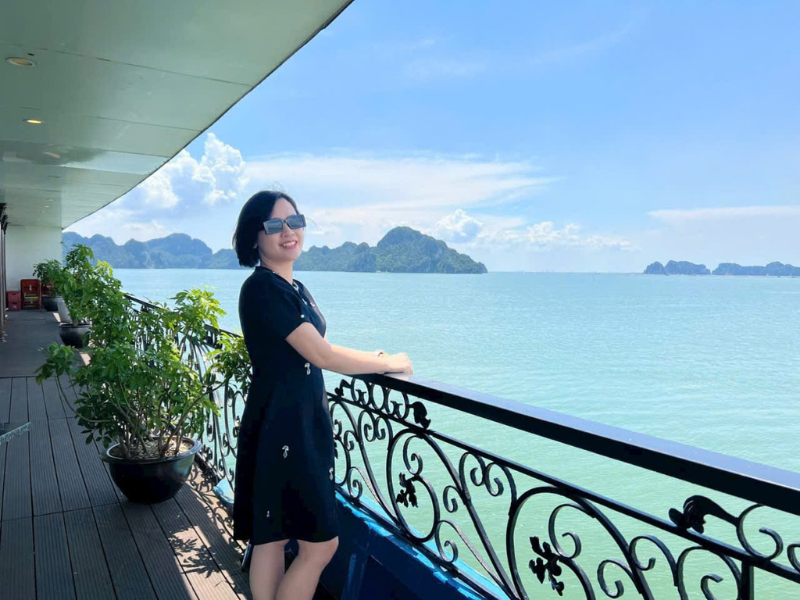
Tracy Nguyễn (Trang) — Lead Custom Travel Specialist at Sao La Tours
Trang has spent over 10 years personally packing, testing, and auditing gear across Vietnam’s diverse regions. From evaluating high-altitude trail runners in Sapa to auditing waterproof daypacks in Lan Ha Bay and vetting health supplies in tropical deltas, Trang ensures that every single recommendation in this guide meets our rigorous standards for safety, comfort, and authentic utility.
Need a customized itinerary? Connect directly with Trang and her team to begin planning.