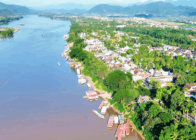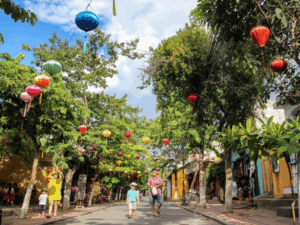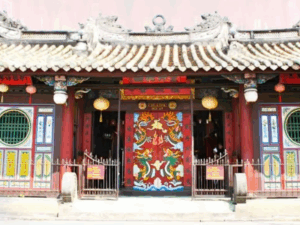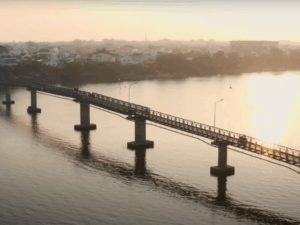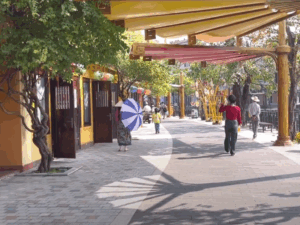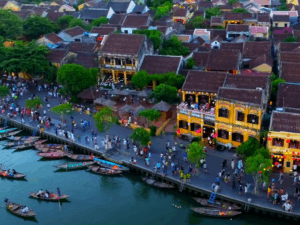
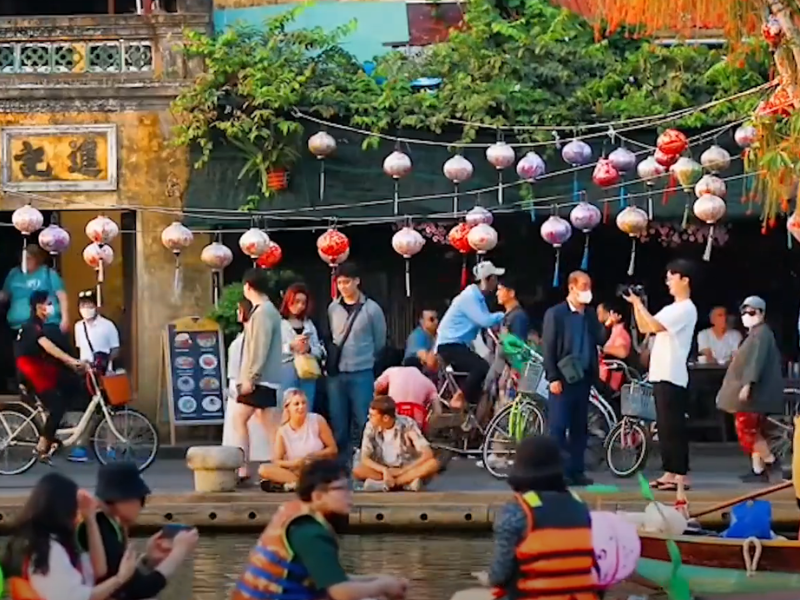
Determining the best time to visit Hoi An is the single most critical decision that dictates the quality of your Central Vietnam holiday. Nestled along the lower reaches of the Thu Bon River in Quang Nam Province, this UNESCO World Heritage ancient town is world-renowned for its mustard-yellow merchant houses, timber-framed shophouses, Japanese Covered Bridge, and iconic silk lanterns hanging over quiet, cobblestone streets.
However, Central Vietnam operates under a highly sensitive tropical monsoon microclimate. Understanding the best time to visit Hoi An allows you to enjoy sun-drenched afternoons, calm turquoise seas at An Bang Beach, and breezy evening lantern displays, while avoiding unexpected river swells and heavy tropical rain events.
To guarantee a flawless, safe, and culturally immersive journey, this definitive guide breaks down Hoi An’s seasonal weather patterns, monthly breakdowns, crowd densities, festival calendars, and specialized travel logistics for global English-speaking travelers.
Microclimate Breakdown: Dry vs. Wet Season Mechanics
Understanding the Hoi An weather by month requires looking beyond basic weather app averages. Located in Central Vietnam, Hoi An is sheltered by the Annamite Range to the west, but directly exposed to the marine weather systems of the East Sea. The destination operates under two distinct primary seasons:
The Dry Season (February through August): Characterized by prevailing offshore winds, dry sunny days, minimal rainfall, and low humidity in the early months. As summer progresses toward July and August, temperatures peak, creating hot afternoons ideal for coastal resorts and morning heritage walks. This period represents the best time to visit Hoi An for beach activities and island excursions.
The Wet Monsoon Season (September through January): Driven by the northeast monsoon, this period brings heavy, sustained precipitation, higher humidity, and maritime squalls. Tropical depressions in the East Sea can bring multi-day rain events, causing the Thu Bon River to spill over its banks into lower-lying heritage zones.
+-----------------------------------------------------------------------------+
|                          HOI AN SEASONAL MATRIX                             |
|                                                                             |
|  FEB - APR  ===>  PEAK DRY WINDOW   (Sunny, Mild, Low Humidity)             |
|  MAY - AUG  ===>  SUMMER BEACH SEASON (Warm, Hot, Great Coastal Conditions) |
|  SEP - NOV  ===>  PEAK MONSOON      (Heavy Rain, High River Levels)         |
|  DEC - JAN  ===>  COOL TRANSITION   (Breezy, Overcast, Mild Temperatures)   |
+-----------------------------------------------------------------------------+
Monthly Climate Matrix & Travelers’ Data
To help you identify the best time to visit Hoi An for your specific travel style, this comprehensive climate matrix summarizes historical weather data, river stability, and recommended activities across the calendar year:
| Month | Avg High (°C / °F) | Avg Low (°C / °F) | Avg Rainfall (mm) | Sea Conditions | Optimal Activity Focus |
| Jan | 24°C / 75°F | 19°C / 66°F | 85 mm | Moderate / Rough | Heritage walks, cycling, cafe culture |
| Feb | 26°C / 79°F | 20°C / 68°F | 30 mm | Calm / Clear | Photography, town walks, countryside tours |
| Mar | 28°C / 82°F | 22°C / 72°F | 20 mm | Calm / Turquoise | Full-day exploration, outdoor excursions |
| Apr | 31°C / 88°F | 24°C / 75°F | 35 mm | Very Calm | Beach relaxation, Cham Islands day trips |
| May | 33°C / 91°F | 26°C / 79°F | 60 mm | Very Calm | Early morning walks, coastal luxury stays |
| Jun | 34°C / 93°F | 26°C / 79°F | 80 mm | Calm | Snorkeling, evening street food, beach |
| Jul | 34°C / 93°F | 26°C / 79°F | 90 mm | Calm | Island diving, morning markets, beach |
| Aug | 33°C / 91°F | 25°C / 77°F | 120 mm | Moderate | Cultural workshops, luxury resort stays |
| Sep | 31°C / 88°F | 24°C / 75°F | 310 mm | Rough | Spa retreats, culinary masterclasses |
| Oct | 28°C / 82°F | 23°C / 73°F | 550 mm | Very Rough / High | Photography (high water), indoor culture |
| Nov | 26°C / 79°F | 22°C / 72°F | 420 mm | Very Rough | Tailoring, culinary walks, spa days |
| Dec | 24°C / 75°F | 20°C / 68°F | 210 mm | Rough | Festive travel, low-heat town walks |
The Goldilocks Window: February to April
Travel experts widely consider the 90-day window from February through April to be the absolute best time to visit Hoi An.
During these months, the northeast monsoon recedes, taking away the winter chill while spring heat builds gradually. High temperatures hover comfortably between 26°C and 31°C (79°F to 88°F), accompanied by low relative humidity and minimal precipitation.
Optimal Walking Weather: Explore the Ancient Town on foot or by bicycle without mid-day heat exhaustion during this Hoi An peak season.
Crystal-Clear Skies: Excellent lighting conditions for professional and amateur photography along the Thu Bon River and surrounding rice paddies.
Active Countryside Access: Perfect conditions for cycling out to Tra Que Vegetable Village or Cam Thanh Coconut Forest under comfortable blue skies.
The Summer Heat & Beach Season: May to August
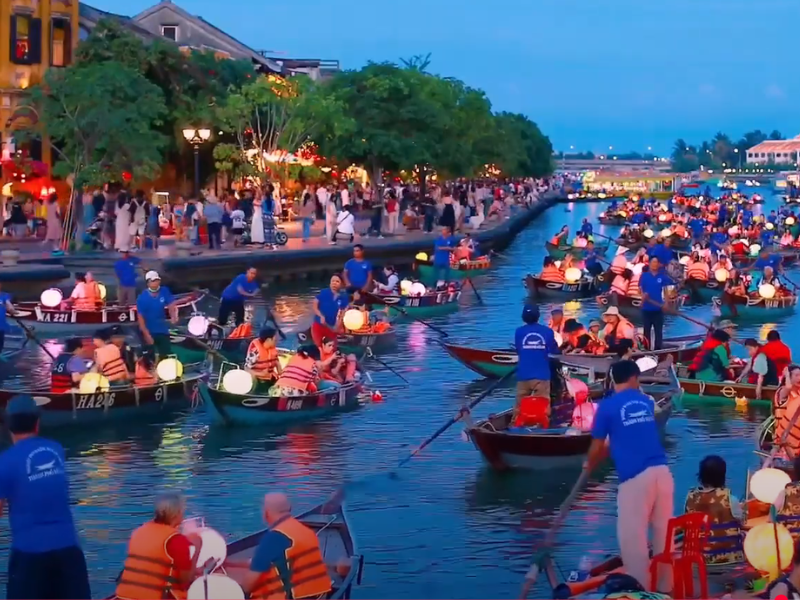
As May begins, temperatures rise across Central Vietnam. From June through August, daily highs regularly hit 33°C to 35°C (91°F to 95°F). While urban sightseeing during the early afternoon can feel warm, this period is the best time to visit Hoi An for coastal relaxation at An Bang Beach and marine activities.
Morning (07:00 - 10:30) ---> Walking tours in Ancient Town & Heritage sites
Afternoon (11:30 - 15:30) ---> Spa treatments, cooking classes, air-conditioned rests
Late Afternoon (16:00+)  ---> An Bang Beach, Cham Islands diving & river cruises
Early-Bird Exploration: Schedule all walking tours in the historic center between 07:00 AM and 10:00 AM before heat peaks.
Afternoon Coastal Retreat: Spend mid-day at boutique beach resorts along An Bang Beach weather windows.
Cham Island Operations: Summer offers the calmest seas of the year, opening full boat access to the Cu Lao Cham Marine Park for scuba diving and snorkeling.
Navigating the Wet & Flood Season: September to November
The wet season in Hoi An peaks between late September and mid-November. During this period, heavy atmospheric moisture combines with tropical depressions off the coast.
🌧️ Understanding Local Flood Mechanics: Hoi An’s Old Quarter sits directly on the floodplain of the Thu Bon River. When heavy rainfall coincides with high tides, water levels can rise over riverbanks, temporarily flooding lower streets like Bach Dang and Nguyen Thai Hoc.
While the Hoi An rainy season requires adaptive plans, it also offers a unique, tranquil perspective on the ancient port town away from standard crowds:
Boutique Hotel Positioning: Stay in elevated, high-grade properties slightly outside the flood zone (e.g., Anantara Hoi An Resort or upscale properties near Cua Dai Road).
Sampan River Navigation: During localized high-water events, local boatmen row wooden sampans directly down flooded streets, creating extraordinary, atmospheric photo opportunities.
Cultural Focus: Pivot your itinerary toward rich indoor experiences, such as tailor fittings, artisan craft workshops, and culinary masterclasses.
The Cool Transition Window: December and January
December and January bring a refreshing, cooler climate to Central Vietnam. Daytime temperatures average 24°C (75°F), dropping to a comfortable 19°C (66°F) at night.
Rainfall declines significantly compared to October and November, though short showers and overcast skies remain common. For international travelers visiting during holiday breaks, this mild weather feels ideal for outdoor activity without heavy tropical heat.
+-----------------------------------------------------------------------------+
|                         WINTER PACKING CHECKLIST                            |
|                                                                             |
|  - Light waterproof shell or windbreaker for evening bike rides             |
|  - Layerable cotton garments and long trousers                              |
|  - Comfortable, water-resistant walking shoes                               |
+-----------------------------------------------------------------------------+
The Full Moon Lantern Festival Calendar
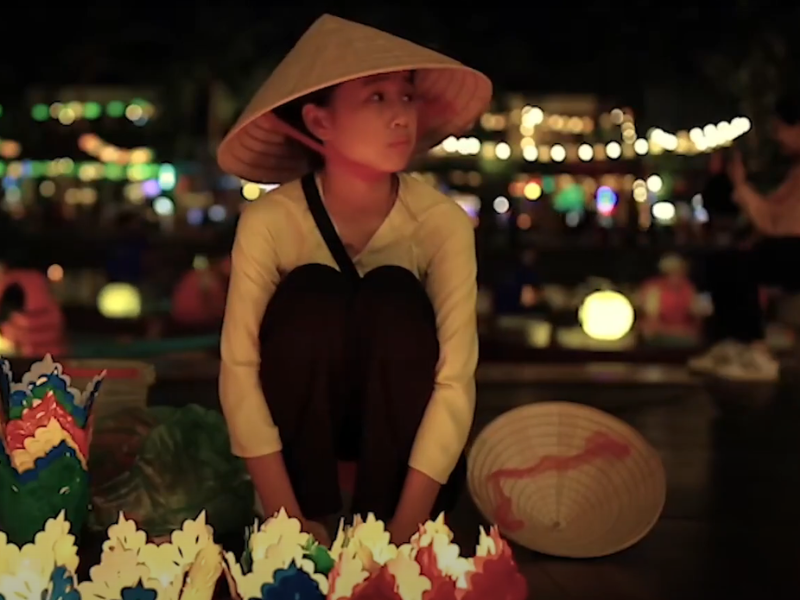
Attending the monthly Hoi An Lantern Festival is a highlight for visitors. Held on the 14th day of every lunar month, the Ancient Town shuts off electric streetlights, illuminating timber heritage buildings with thousands of traditional silk lanterns.
[Electric Streetlights Off] ---> [Handcrafted Silk Lanterns Lit]
---> [Folk Music & River Floating]
To help you align your travel dates, here are the key operational elements of the festival:
Spring Celebrations: Ideal weather paired with colorful street performances and folk games (Bài Chòi). This aligns with the best time to visit Hoi An for evening strolls.
Autumn & Mid-Autumn (Tet Trung Thu): The Mid-Autumn celebration features traditional lion dances, dragon performances, and mooncake markets throughout the town.
Note: On festival nights, motorized vehicles are completely banned from the heritage core, making early booking of local boutique accommodation essential.
Sovereign Insider Resource: Navigating the Historic Center
To complement your timing plans with practical on-the-ground safety and navigation tips, review our dedicated insider resource:
🏮 Sovereign Insider Guide: Planning to explore Hoi An’s pedestrian-only zones, timber assembly halls, and historic bridges on foot? Read our comprehensive pedestrian guide: Step into The Old Quarter of Hoi An to master local ticket passes, bicycle safety etiquette, and how to spot authentic artisan workshops.
Crowds, Peak Seasons & Flight Price Dynamics
Understanding tourist flows helps you balance weather conditions against accommodation costs and crowd density:
1. International High Season (December to April)
Demographic: High volume of global travelers escaping northern hemisphere winter.
Impact: Boutique hotel rates operate at peak pricing; high demand for private guides and top-tier dining. Book 3 to 5 months in advance during this Hoi An peak season.
2. Domestic & Regional Peak (May to August)
Demographic: High volume of domestic family travelers and regional Asian holidaymakers.
Impact: Beaches and evening riverfronts are bustling; daytime heritage streets remain quiet during hot afternoon hours.
3. The Shoulder & Value Season (September to November)
Demographic: Discerning travelers seeking lower room rates and minimal crowds during the Hoi An low season.
Impact: Luxury resorts offer attractive promotional packages and flexible booking terms.
The Cham Islands Seasonal Access Window
Located 15 kilometers off the coast of Hoi An, the Cu Lao Cham Marine Park is a UNESCO World Biosphere Reserve featuring granite peaks, coral reefs, and quiet fishing villages.
   [Hoi An Coastline] ======= (15 km Speedboat Crossing) ===> [Cham Islands Reserve]

   - MAY TO AUGUST:   Calm turquoise seas, 15m+ underwater visibility (PERFECT)
   - SEP TO APRIL:   Rough maritime swells, boat cancellations likely (CLOSED/RESTRICTED)
Because marine safety is paramount, local harbor authorities prohibit wooden boats and speedboats from crossing during high ocean swells. To visit the Cham Islands for snorkeling, diving, or beach visits, plan your trip strictly between late April and mid-August.
Tailoring & Fashion Timings in Hoi An
Hoi An is world-famous as Asia’s bespoke tailoring capital, housing hundreds of skilled tailors who can craft custom suits, dresses, leather boots, and formal wear within 24 to 48 hours.
Day 1 (Morning): Initial Fabric Selection & Measurements
Day 1 (Evening): First Fitting & Structural Adjustments
Day 2 (Late Afternoon): Final Touch-ups & Delivery to Hotel
Optimal Duration: Allow at least 2 to 3 full days in town to complete 2 to 3 fitting sessions comfortably.
Weather Impact: High humidity during summer months requires lightweight, breathable fabrics like linen, silk, and cotton-wool blends.
Peak Season Strategy: During high international season (Feb–Apr), make your initial fitting appointment on your very first morning in town to avoid rush delays.
Planning Your Stay: Recommended Days by Season
Determining how many days to stay in Hoi An depends heavily on the season and your preferred travel pace. Instead of squeezing everything into a rushed afternoon, balancing your itinerary with the weather ensures a far more enjoyable experience.
Spring Travel (February to April): With optimal weather and mild temperatures, 3 full days (4 nights) is the magic number. This gives you ample time to discover the Ancient Town, cycle through Tra Que Vegetable Village, take a half-day trip to My Son Sanctuary, and still enjoy a relaxing afternoon at a local cafe.
Summer Travel (May to August): To account for hot mid-day temperatures, we recommend extending your stay to 4 or 5 days. This allows you to explore early in the morning, retreat to your hotel pool or a spa during the peak afternoon heat, and head out to An Bang Beach or Cham Islands in the late afternoon without feeling exhausted.
Monsoon & Winter Travel (September to January): A 2 to 3-day stay works well for an indoor-focused itinerary centered around bespoke tailoring, cooking masterclasses, and quiet heritage walks between light showers.
High-Value Alternative Outings During Rain Events
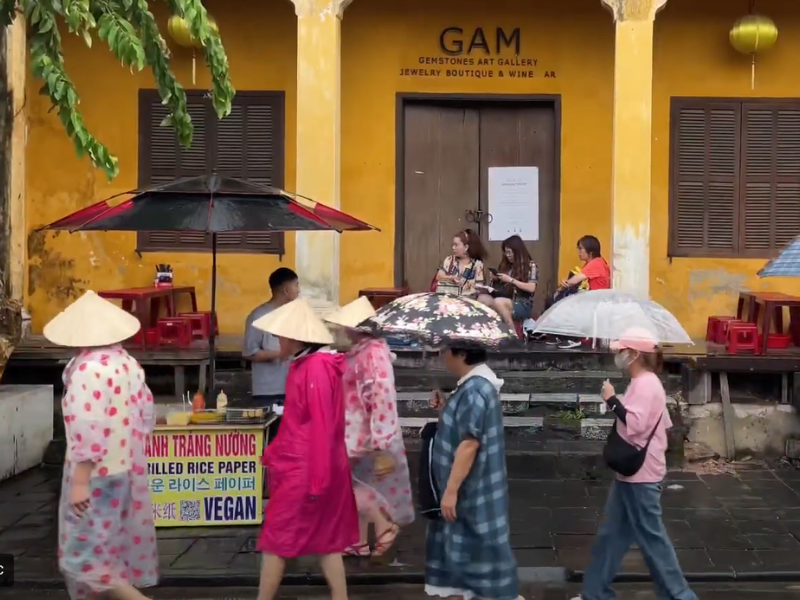
If you encounter rain during your visit, Hoi An offers a wide selection of engaging indoor cultural experiences:
+-----------------------------------------------------------------------------+
|                      HIGH-VALUE INDOOR ALTERNATIVE ACTIVITIES                |
|                                                                              |
|  1. HANDS-ON COOKING CLASSES  --> Market tour + masterclass in heritage villas|
|  2. ARTISAN SILK WORKSHOPS    --> Traditional weaving at Hoi An Silk Village |
|  3. TEAHOUSE MEDITATION       --> Quiet tea tastings at Reaching Out Teahouse|
|  4. A O SHOW AT LUNE CENTER   --> World-class bamboo cirque theater          |
+-----------------------------------------------------------------------------+
The A O Show at Lune Center: A world-class bamboo cirque performance showcasing Vietnamese rural culture inside Hoi An’s iconic dome theater.
Reaching Out Teahouse: A quiet tea sanctuary in the heart of the Old Quarter run by speech and hearing-impaired artisans, offering silent tea tastings.
Hoi An Silk Village: An immersive cultural site where master weavers demonstrate traditional silk production from silkworms to handlooms.
Sovereign Insider Resource: Logistics & Arrival Planning
To ensure your journey into Central Vietnam is smooth from the moment you land, utilize our desk’s specialized logistics guide:
✈️ Sovereign Insider Guide: Flying into Da Nang International Airport (DAD) to reach Hoi An? Read our dedicated logistical blueprint: Da Nang Airport to Hoi An Transfer Guide to master pre-booked private transfers, avoid taxi meter scams, and coordinate luggage handling seamlessly.
Financial Security & Booking Transparency
Booking a custom Central Vietnam journey with a certified, top-tier tour operator guarantees full transparency, financial safety, and local operational support through strict standards:
Official VNAT Licensing: Fully licensed under the Vietnam National Authority of Tourism with complete regulatory compliance.
Segregated Trust Accounts: Client deposits are held securely in client trust accounts until travel services are delivered.
Adaptive Weather Policy: In the event of severe weather or flood warnings, our 24/7 ground team rearranges boutique accommodations, transfers, and activities seamlessly at zero penalty to the traveler.
Summary Action Plan: Booking Your Hoi An Experience
To secure your ideal Hoi An itinerary during the best time to visit Hoi An, follow this expert booking checklist:
Step 1: Select Your Season  ===> Target Feb - Apr for ideal weather; May - Aug for beach
Step 2: Reserve Early        ===> Book boutique Old Quarter hotels 3 - 5 months ahead
Step 3: Check Lunar Dates   ===> Align your stay with the Monthly Full Moon Festival
Step 4: Custom Coordination ===> Partner with Sao La Tours for private, adaptive tours
Hoi An remains one of the world’s most magical, romantic, and culturally rich destinations. By aligning your travel window with your preferred weather conditions and cultural interests, you guarantee a memorable, seamless, and deeply authentic journey.
Frequently Asked Questions About Visiting Hoi An
Q1: What is the best month to visit Hoi An for the best weather?
A: March and April offer the most reliable weather, featuring warm sunshine, low humidity, clear skies, and comfortable conditions for both heritage walks and beach visits.
Q2: Is it safe to visit Hoi An during the rainy season in October and November?
A: Yes, provided you travel with a professional local operator. Floods in Hoi An develop predictably, giving ample time to adjust hotel stays to elevated zones and adapt transportation.
Q3: Can I swim at An Bang Beach year-round?
A: No. Swimming is safe, warm, and clear from March through August. From late September through January, ocean swells create dangerous undertows, closing beaches for swimming.
Ready to design your custom, perfectly timed Hoi An travel itinerary?
Our team creates custom, private itineraries tailored to your exact pacing preferences, comfort standards, and safety requirements. Contact our expert desk today to receive your personalized quote!