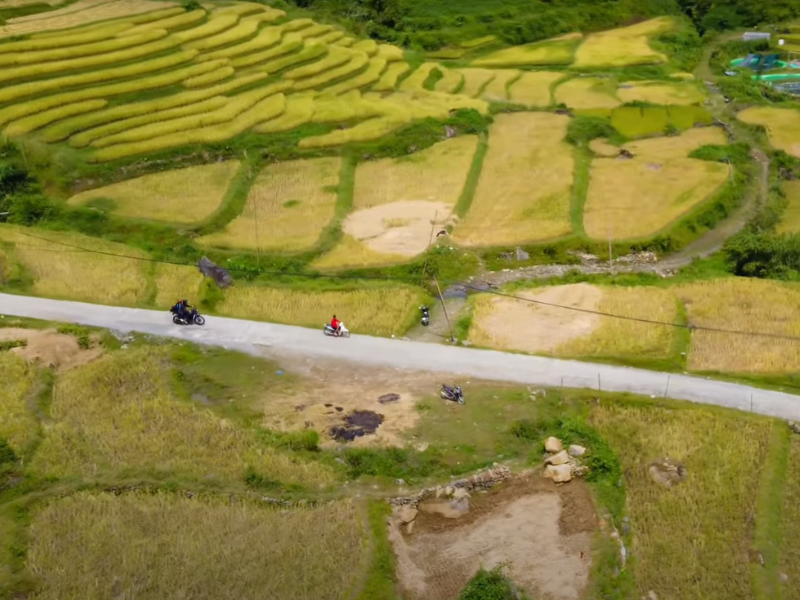
Every year, as autumn gently descends upon the Hoang Lien Son mountain range in northwestern Vietnam, a breathtaking transformation occurs across the valleys of Sa Pa. The soaring emerald mountains—sculpted over centuries by the hands of ethnic minority farmers—turn into cascading waves of brilliant gold. Welcome to the Sapa rice terraces golden season, widely recognized as one of the most magnificent agricultural landscapes in Asia.
Tucked away in Lao Cai province, Sa Pa’s terraced fields are not merely a miracle of human labor and traditional engineering; they are a living canvas of highland culture. For the Giay, Black H’Mong, Red Dao, and Tay communities, this annual harvest season (Mùa Lúa Chín) is a time of labor, celebration, spiritual thanksgiving, and community union.
Whether you are a seasoned trekker seeking off-the-beaten-path mountain trails, a photographer capturing misty golden sunrises, or a conscious traveler desiring an authentic cultural connection, this comprehensive guide will help you navigate the Sapa rice terraces golden season.
At Sao La Vietnam Tours, we believe that the best way to witness this natural masterpiece is through unhurried, tailor-made, and authentic slow travel. Read on to learn about harvest timing, top trekking valleys, photography viewpoints, and expert local advice.
Quick Overview: Sapa Golden Season At A Glance
Peak Season: Late August to early October (Absolute peak: Mid-September).
Location: Hoang Lien Son Range, Sa Pa District, Lao Cai Province (Muong Hoa Valley, Ta Van, Lao Chai, Ta Phin, Ban Ho).
Landscape Transformation: Bright apple green (July–Early August) $\rightarrow$ Golden yellow & honey amber (Mid-August–Late September) $\rightarrow$ Stubble & earthy terrace reflections post-harvest (October).
Ideal Stay Duration: 3 to 4 days.
Travel Style: Tailor-made trekking tours, eco-lodge retreats, or private guided cultural journeys.
The Heritage Behind the Steps: How Sapa’s Terraces Were Born
To truly appreciate the visual splendour of the Sapa rice terraces golden season, one must understand the ancient agricultural heritage carved into these hillsides.
Because steep mountain terrain offers very little flat arable land, indigenous ethnic communities developed sophisticated terracing techniques centuries ago. Using simple hand tools, wooden plows, and water buffaloes, farmers carved narrow steps out of mountain slopes with inclines of up to 40 degrees.
Key Elements of Terraced Farming:
Bamboo Irrigation Systems: Water is channeled from mountain springs high up in the cloudy peaks through kilometers of hand-split bamboo aqueducts, allowing water to trickle down from terrace step to terrace step.
Soil Management: The vertical retaining walls of earth are meticulously packed to retain moisture without eroding during heavy summer rains.
Single Annual Harvest Cycle: Unlike the lowlands of the Red River Delta where farmers harvest two or three rice crops a year, the high altitude and cool climate of Sa Pa allow for only one single rice crop per year. This makes the golden harvest season exceptionally rare and cherished.
In 2009, the United States’ Travel + Leisure magazine voted Sapa’s terraced fields as among the most beautiful in the world, while the Ministry of Culture, Sports and Tourism of Vietnam recognized Muong Hoa Valley as a National Heritage Site.
Month-by-Month Timing: When to See the Golden Harvest
Because weather patterns fluctuate slightly year to year based on rainfall and temperature, knowing the exact timing of the harvest is crucial for planning your trip.
Early August: The Transitioning Emerald
Landscape: The rice plants reach their full height. Fields begin shifting from deep emerald green to light lime green and faint chartreuse.
Vibe: Tranquil, lush, and rain-freshened. Great for travelers who prefer vivid green mountain panoramas before major tourist crowds arrive.
Late August to Mid-September: The Absolute Peak Golden Window
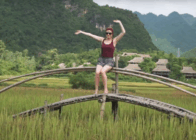
Landscape: 100% Full Golden Bloom. The entire Muong Hoa Valley glows like liquid gold under the autumn sun.
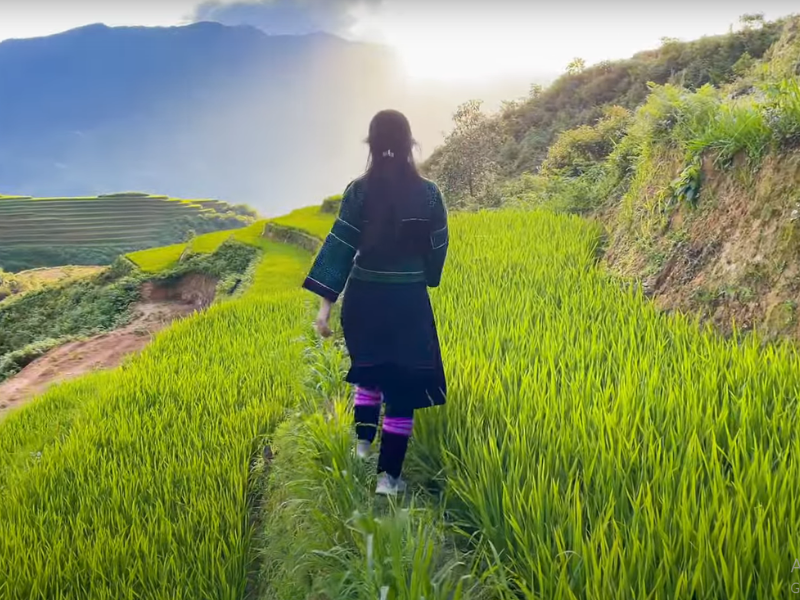
Vibe: The air is dry and crisp with low humidity and clear blue skies. Local farmers begin entering the fields in traditional handmade indigo clothing to harvest the grain using hand sickles. This is the ultimate window for photography, trekking, and cultural photography.
Late September to Early October: The Late Harvest & Threshing Season
Landscape: Higher elevation fields (like Ta Phin and Ban Khoang) are harvested first, followed by lower valley floors.
Vibe: A bustling agricultural atmosphere! You will see golden bundles of rice drying on wooden frames, smoke rising from burning rice stubble in the evenings, and children playing along the open terraced steps.
Top 5 Valleys & Spots to Experience Sapa’s Golden Rice Fields
Sa Pa encompasses vast mountainous terrain. To help you escape crowded tourist spots and discover pristine views, here are the top 5 locations to view the golden harvest:
1. Muong Hoa Valley (Thung Lũng Mường Hoa)
Stretching along the base of the Fansipan mountain range, Muong Hoa Valley holds the largest concentration of continuous terraced fields in Sa Pa.
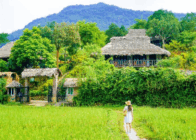
Highlight: The winding path connecting Lao Chai (H’Mong village) and Ta Van (Giay village). Walking through the middle of the golden fields along narrow dirt dikes offers an immersive 360-degree sensory experience.
2. Ta Phin Valley (Làng Tả Phìn)
Located roughly 12 kilometers northeast of Sa Pa town, Ta Phin is home to the Red Dao ethnic community, famous for their distinctive red headscarves and traditional herbal baths.
Highlight: The terraced fields in Ta Phin are framed by dramatic limestone caves and ancient mossy stone ruins. The golden fields here ripen slightly later than in Muong Hoa Valley, making it ideal for late September visits.
3. Y Linh Ho Village (Ý Lình Hồ)
Tucked deep inside a steep river canyon, Y Linh Ho features steep, dramatic terraced steps carved directly onto rugged mountain ridges.
Highlight: Quiet, uncrowded trekking trails where you can observe wild mountain streams rushing beneath golden rice slopes.
4. Ban Ho & Thanh Kim Valleys (Bản Hồ)
Located deeper in the Southern valley of Sa Pa, these lower-altitude villages are home to the Tay ethnic group, who build timber stilt houses beside clear mountain rivers.
Highlight: The golden season here arrives alongside warmer weather and crystal-clear swimming streams. Eco-lodges like Topas Ecolodge offer luxury infinity pool views overlooking the golden ridges of Thanh Kim.
5. Hang Da & Sau Chua Villages (Sâu Chua)
Perched high on the cliff-tops overlooking Muong Hoa Valley, Sau Chua is often dubbed the “sleeping beauty” of Sa Pa.
Highlight: Off-the-beaten-path solitude. Because of its high altitude, you can stand above the clouds while looking down at a golden blanket covering the valley floor below.
Recommended 3-Day Sapa Golden Season Trekking & Culture Itinerary
Designed by our local travel experts at Sao La Vietnam Tours, this slow-travel itinerary balances classic golden field trekking with authentic local interaction and boutique comfort.
[Hanoi] ➔ [Sa Pa Town] ➔ [Y Linh Ho & Lao Chai] ➔ [Ta Van Valley] ➔ [Ta Phin Village] ➔ [Hanoi]
Day 1: Hanoi to Sa Pa – Arrival & Heavenly Views
Morning: Board a VIP Limousine or private executive vehicle from Hanoi to Sa Pa via the scenic expressway (approx. 5 hours).
Afternoon: Arrive in Sa Pa town. Check into your boutique mountain hotel (e.g., Hotel de la Coupole or Silk Path Grand Resort). Enjoy a late lunch featuring fresh local trout and mountain herbs.
Late Afternoon: Take a gentle walk to Ham Rong Mountain viewpoint or ride the Muong Hoa Funicular for a high-altitude overview of the valley transitioning into gold.
Evening: Dine on local specialties in town and explore the evening mountain market.
Day 2: Deep Valley Trekking – Y Linh Ho, Lao Chai & Ta Van (12 km Trek)
Morning: Meet your private local H’Mong guide from Sao La Vietnam Tours. Begin trekking down through secret dirt trails into Y Linh Ho village. Walk along narrow earthen ridges between glowing golden fields.
Lunch: Enjoy a organic farm-to-table lunch at a local home beside the Muong Hoa River.
Afternoon: Continue trekking through Lao Chai (Black H’Mong) and enter Ta Van (Giay ethnic village). Observe locals harvesting rice using hand sickles and threshing grain into wooden tubs.
Evening: Check into an authentic eco-lodge or upscale homestay in Ta Van. Relax with a cold local craft beer as the sun sets over the golden valley.
Day 3: Ta Phin Herbal Experience – Return to Hanoi
Morning: Private transfer to Ta Phin Valley. Stroll through quiet Red Dao villages surrounded by golden hillsides. Participate in a traditional Red Dao herbal bath masterclass using wild forest leaves harvested from the Hoang Lien mountains.
Afternoon: Enjoy a farewell lunch in a local stilt house. Depart Sa Pa in your private vehicle.
Evening: Arrive safely back in Hanoi, completing your golden season journey.
Culinary Delights: What to Eat During Harvest Season
Visiting Sa Pa during the golden season coincides with the harvest of fresh new rice (Gạo Mới), bringing unique seasonal culinary experiences:
| Specialty Dish | Description | Best Place to Try |
| Cơm Lam (Bamboo Tube Sticky Rice) | Freshly harvested fragrant sticky rice cooked inside young bamboo tubes over charcoal embers. Earthy, aromatic, and sweet. | Roadside stalls along trekking routes in Lao Chai & Ta Van. |
| Thắng Cố (Highland Herbal Stew) | Traditional H’Mong dish made with horse meat, cardamom, star anise, and mountain herbs. | Dong Van / Sa Pa weekend traditional markets. |
| Lẩu Cá Tầm / Cá Hồi (Sturgeon & Salmon Hotpot) | Cold-water fish raised in mountain streams cooked with wild sour forest leaves and fresh highland vegetables. | Fine dining restaurants in Sa Pa Town or local valley lodges. |
| Thịt Lợn Cắp Nách (Free-range Roast Pork) | Tender, charcoal-roasted mountain pork served with wild dipping salt (Muối Chẩm Chéo). | Local family taverns in Ta Phin or Ta Van. |
Photography & Ethical Travel Tips
To ensure a memorable trip while respecting local heritage and communities, consider these expert guidelines:
Photography Tips:
Golden Hour Magic: Shoot between 06:00 AM – 08:00 AM (when valley mist hovers over golden terraces) and 04:30 PM – 06:00 PM (when warm light accentuates the golden hues).
Drone Regulations: Drones offer stunning aerial perspectives of terraced geometry, but always ask your local guide about local village guidelines before flying near homes or military border zones.
Drone/Camera Gear: Carry a circular polarizer (CPL) filter to reduce mountain glare and enhance the saturation of yellow rice crops against green pine trees.
Ethical & Mindful Travel Principles:
Ask Before Taking Portraits: Always ask for permission before taking close-up photographs of local people, especially children and elders.
Stay on Designated Paths: Walk strictly along stone paths and dirt retaining dikes. Stepping on rice stalks damages weeks of hard work by local farming families.
Support Local Crafts: Purchase authentic hand-woven indigo textiles directly from village artisans rather than mass-produced souvenir stalls.
Frequently Asked Questions (FAQ)
1. Is it better to visit Sapa in the green season or the golden season?
Both seasons are beautiful, but the golden season (August–October) offers dry weather, comfortable trekking temperatures, and iconic golden landscapes. The green season (June–July) features lush emerald scenery and dramatic rain clouds, but comes with higher humidity and rain showers.
2. Can I combine the Sapa golden season with other northern destinations?
Yes! A popular northern Vietnam itinerary combines Sapa (Rice Terraces) with Ha Giang (Buckwheat Flowers / Karst Loop) or Mu Cang Chai for an ultimate 7-to-10-day northern mountain expedition organized by Sao La Vietnam Tours.
3. What should I pack for trekking during the golden season?
Pack breathable trekking clothes, broken-in trail running shoes or hiking boots, a light rain jacket, insect repellent, sun protection (hat and sunscreen), and a light sweater for cool mountain evenings.
Craft Your Sapa Golden Season Journey with Sao La Vietnam Tours
Experiencing the Sapa rice terraces golden season is more than just sightseeing—it is an invitation to slow down, connect with nature, and immerse yourself in centuries-old mountain traditions.
At Sao La Vietnam Tours, we take pride in tailoring authentic, unhurried, and deeply personal travel experiences across Vietnam. Let our local experts design your dream autumn escape today.