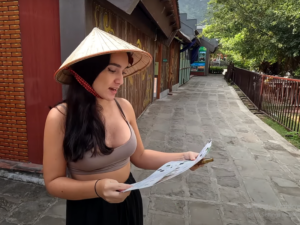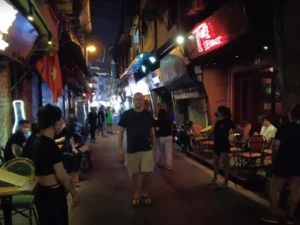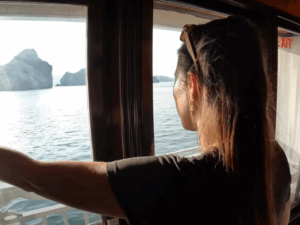
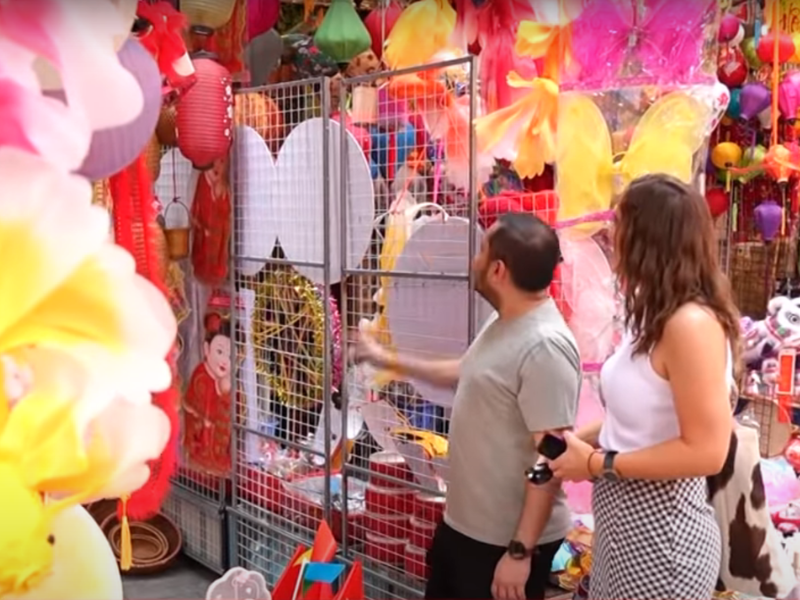
Traveling to Vietnam during Tết (the Vietnamese Lunar New Year) is an extraordinary double-edged opportunity. On one hand, you gain a rare, front-row seat to the country’s most deeply sacred, vibrant, and cherished cultural celebration. Streets are adorned with vibrant peach blossoms, yellow apricot flowers, red calligraphic banners, and joyful family reunions. On the other hand, Tết brings nationwide business shutdowns, massive transportation surges, closed museums, and altered daily routines.
Without proper preparation, traveling during Lunar New Year can feel overwhelming. However, with expert planning and insider knowledge, it transforms into an unforgettable cultural highlight of a lifetime.
Whether you are wondering if restaurants will be open, how to book domestic flights, or where to find the best festive atmosphere, this comprehensive guide offers essential Tet festival Vietnam travel advice.
At Sao La Vietnam Tours, we specialize in crafting seamless, stress-free, tailor-made journeys that allow you to navigate Vietnam’s holiday season at your own unhurried pace. Read on to discover key dates, survival strategies, open destinations, cultural etiquette, and custom holiday itineraries.
Quick Overview: Traveling During Tet At A Glance
Vietnamese Name: Tết Nguyên Đán (Festival of the Very First Morning).
Festive Duration: Official public holidays last 7 to 9 days, but national travel shifts begin 1 week before and last 1 week after the main full moon.
Atmosphere: Deeply spiritual, family-centric, festive, and colorful. Big cities (Hanoi and Ho Chi Minh City) quiet down significantly on Days 1 and 2, while coastal resorts and cultural towns (Hoi An, Hue) buzz with holidaygoers.
Biggest Travel Challenges: Sould-out domestic transportation, surge pricing, temporary restaurant/shop closures during Days 1–3 of Lunar New Year.
Key Strategy: Book private transportation and boutique hotels well in advance, lock in dedicated private guides, and embrace a flexible, “slow travel” mindset.
Understanding Tet: Dates, Phases & Cultural Meaning
To navigate Vietnam during Lunar New Year smoothly, it is essential to understand how the holiday unfolds across three distinct cultural phases.
Unlike Western New Year, which is celebrated on a single night, Tết is calculated using the traditional lunisolar calendar. The main festival typically falls between late January and mid-February.
[Phase 1: Pre-Tet Preparation] ➔ [Phase 2: New Year’s Eve & Days 1-3] ➔ [Phase 3: Post-Tet Pilgrimages]
 (7 Days Before Lunar Jan 1)         (Lunar Jan 1 to Jan 3)              (Lunar Jan 4 to Jan 15)
Phase 1: Pre-Tet (Tất Niên) — Vibrant Energy & Flower Markets
Timing: The week leading up to Lunar New Year’s Eve.
Vibe: Electric, bustling, and visually stunning. Families clean their homes, settle old debts, and shop at outdoor flower markets.
What You Will See: Motorbikes navigating traffic while carrying massive 8-foot-tall Kumquat trees, blooming Pink Peach Blossom branches (Hoa Đào in the North), and glowing Yellow Apricot flowers (Hoa Mai in the South).
Travel Impact: High traffic congestion around airports, train stations, and local markets.
Phase 2: Core New Year (Giao Thừa & Days 1–3) — Family Reunion & Quiet Cities
Timing: Lunar New Year’s Eve through the 3rd day of the 1st Lunar Month.
Vibe: Peaceful, spiritual, and calm. On Lunar New Year’s Day, major metropolises like Hanoi and Saigon feel like historic ghost towns in the morning as residents stay indoors to perform family ancestor rituals.
What You Will See: Families wearing colorful Áo Dài (traditional dress) strolling through ancient streets, visiting temples to pray for luck, and giving red envelopes filled with lucky money (Lì Xì) to children and elders.
Travel Impact: Most government offices, museums, banks, local markets, and family-owned restaurants close. Public transit runs on limited holiday schedules.
Phase 3: Post-Tet (Khai Xuân) — Temple Festivals & Spring Travels
Timing: From the 4th day through the 15th day of the 1st Lunar Month (First Full Moon).
Vibe: Festive and active. Businesses reopen with traditional lion dance ceremonies, and domestic families embark on spring vacations and spiritual temple pilgrimages.
Travel Impact: Tourist hotspots (such as Ha Long Bay, Hoi An, Sapa, and Ninh Binh) experience heavy domestic visitor volume.
Top 7 Travel Advice Tips for Surviving and Thriving During Tet
If your travel dates overlap with Lunar New Year, following these expert survival strategies ensures a smooth, enchanting journey:
1. Lock In Transportation Months in Advance
This is the single most critical piece of advice. Millions of Vietnamese overseas workers and city residents return to their home provinces before Tết and travel back afterward.
Air Travel: Book domestic flights (Hanoi, Da Nang, Ho Chi Minh City, Phu Quoc) at least 3 to 5 months ahead. Flight tickets sell out, and prices increase dramatically.
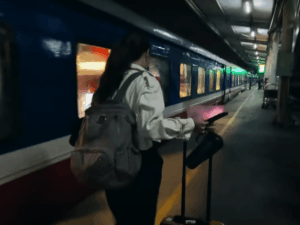
Trains & Buses: Public sleeper buses and trains sell out weeks before the holiday.
The Sao La Solution: By arranging a private chauffeured vehicle through Sao La Vietnam Tours, you completely bypass public transport shortages and enjoy guaranteed, comfortable door-to-door transfers.
2. Choose the Right Base Destination
Not all regions in Vietnam handle Tết the same way. Selecting the right destination for the core holiday days (Days 1 to 3) makes a massive difference:
BEST DESTINATIONS DURING TET:
Hoi An Ancient Town: Remains alive, lantern-lit, and functional. Many local cafes, tailor shops, and riverboat operators stay open to welcome holiday tourists.
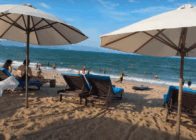
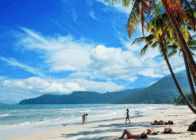
Phu Quoc & Con Dao Islands: Coastal beach resorts operate normally, offering full dining and spa amenities without interruption.
Hue Imperial City: Offers rich royal New Year traditions, heritage flag-raising ceremonies, and traditional court music performances (Nhã Nhạc).
DESTINATIONS REQUIRING CAREFUL PLANNING:
Hanoi & Ho Chi Minh City: Wonderful for quiet morning photography and temple visits on Days 1 and 2, but finding open local street food eateries can be challenging without guide assistance.
3. Plan Your Meals & Dining Strategy
During the first three days of Tết, small family-owned street food stalls and local markets close down so owners can celebrate at home.
Hotel Dining: Upscale 4-star and 5-star hotel restaurants remain open throughout the holiday, often offering special Tết buffet menus.
International & Western Cafes: Western-style bistros, coffee chains, and tourist-oriented restaurants in major centers usually stay open (though a 10% to 20% holiday service surcharge is standard).
Stock Up on Snacks: Keep bottled water, fruits, and snacks in your hotel room on New Year’s Eve just in case nearby convenience stores close early.
4. Adjust Expectations for Museums & Sites
Major state-run museums (e.g., Ho Chi Minh Mausoleum in Hanoi, War Remnants Museum in Saigon) typically close for 3 to 4 days starting on New Year’s Eve.
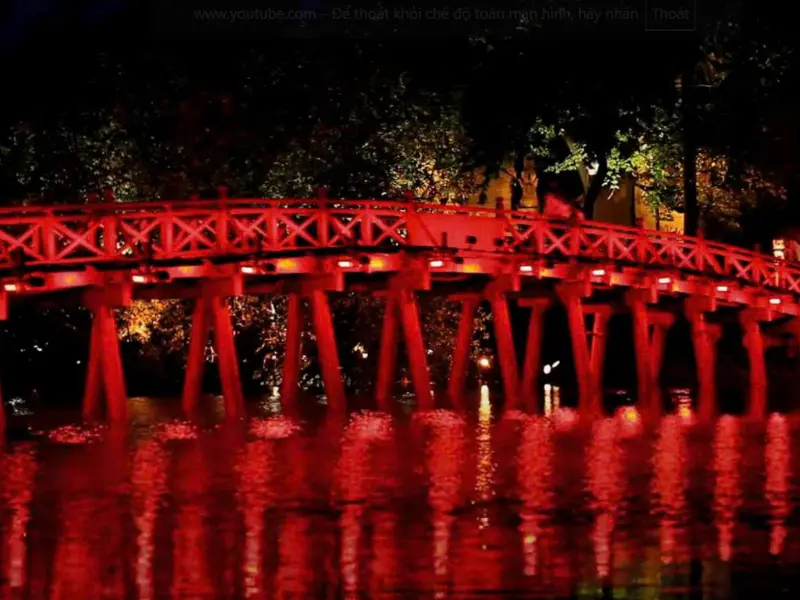
Outdoor & Heritage Sites Open: Outdoor landscapes, ancient streets, pagodas, and public parks remain open. Temples like Hanoi’s Ngoc Son Temple or Saigon’s Jade Emperor Pagoda are buzzing with locals burning incense and offering prayers.
5. Cash is King — Prepare Vietnamese Dong Early
ATMs can run out of cash or experience network downtime during the peak holiday days as millions withdraw funds for Lì Xì (lucky money).
Pro Tip: Exchange or withdraw sufficient Vietnamese Dong (VND) in cash at least two days before New Year’s Eve. Keep small bills (20,000 to 100,000 VND) handy for tips, temple donations, and holiday purchases.
6. Master Tết Cultural Etiquette & Greetings
Interacting with locals during Lunar New Year with traditional politeness brings immense goodwill and warm smiles:
Learn a Simple Greeting: Say “Chúc Mừng Năm Mới” (pronounced Chook Moong Nam Moy), which means “Happy New Year!”
Avoid Bargaining Hard: During the first few days of the year, merchants place great spiritual importance on their first sales (Mở Hàng). Haggling aggressively or showing anger is considered bad luck for their upcoming business year.
Dress Respectfully at Temples: When visiting temples during Tết, dress modestly with shoulders and knees covered.
7. Embrace “Slow Travel” & Local Festivities
Instead of rushing through a packed 10-city checklist, adopt a relaxed, deliberate pace. Spend extra time relaxing in hotel gardens, enjoying extended breakfasts, watching street lion dances, and observing local spiritual customs.
What to Eat During Tet: Traditional Holiday Foods
While everyday street food stalls may pause, visiting during Tết gives you the opportunity to taste traditional festive dishes that Vietnamese families prepare only once a year:
| Traditional Tet Dish | Ingredients & Cultural Meaning | Where / How to Experience |
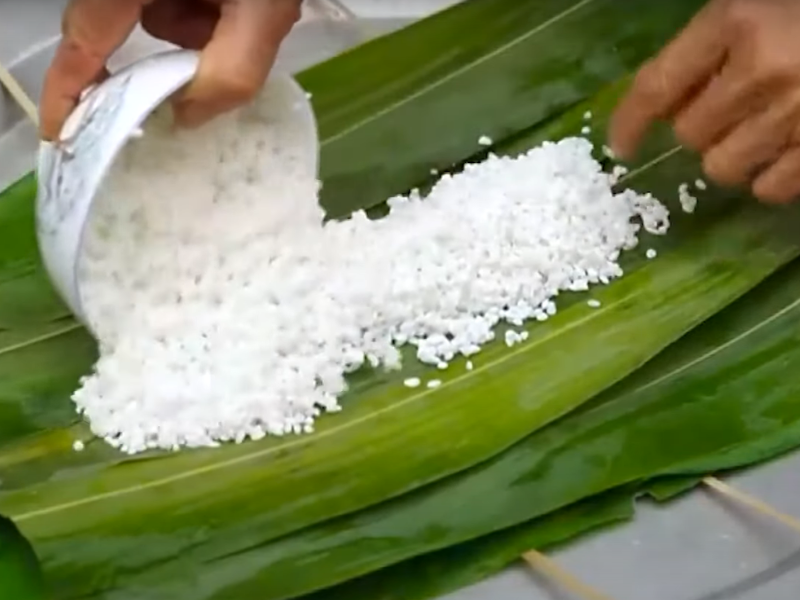
| Bánh Chưng (Northern Square Sticky Rice Cake) | Glutinous rice, green mung bean paste, pork belly, and black pepper wrapped tightly in green Lá Dong leaves and boiled for 12 hours. Symbolizes the Earth. | Served sliced at hotel breakfast buffets or shared with local host families. |
| Bánh Tét (Southern Cylindrical Sticky Rice Cake) | Similar to Bánh Chưng but cylindrical, wrapped in banana leaves. Can be savory or sweet (with banana filling), often fried until crispy. | Enjoyed pan-fried during spring homestay breakfasts. |
| Hạt Dưa & Mứt Tết (Candied Fruits & Melon Seeds) | Trays of candied ginger, coconut ribbons, lotus seeds, and roasted red watermelon seeds offered to household guests. | Served alongside warm green tea in every local home and hotel lobby. |
| Gà Luộc (Pooled Steamed Chicken) | Whole steamed free-range yellow chicken served with lime leaves and salt-pepper dipping sauce. Symbolizes prosperity and new beginnings. | A central centerpiece on traditional Lunar New Year offering tables. |
| Thịt Kho Hột Vịt (Braised Pork with Duck Eggs) | Tender pork belly braised slowly in fresh coconut water with hard-boiled duck eggs. A comforting Southern Tết classic. | Available in regional restaurants across Southern Vietnam and the Mekong Delta. |
Recommended 7-Day Tet Festival Vietnam Itinerary
Curated by the travel experts at Sao La Vietnam Tours, this tailor-made 7-day holiday itinerary avoids logistical bottlenecks while immersing you in the finest cultural celebrations.
[Hanoi Pre-Tet Atmosphere] ➔ [Ha Long Bay Luxury Cruise] ➔ [Hoi An Ancient Town Festive Days]
Day 1: Hanoi – Pre-Tet Flower Markets & Festive Energy
Morning: Arrive in Hanoi. Private airport transfer in an executive vehicle to your hotel.
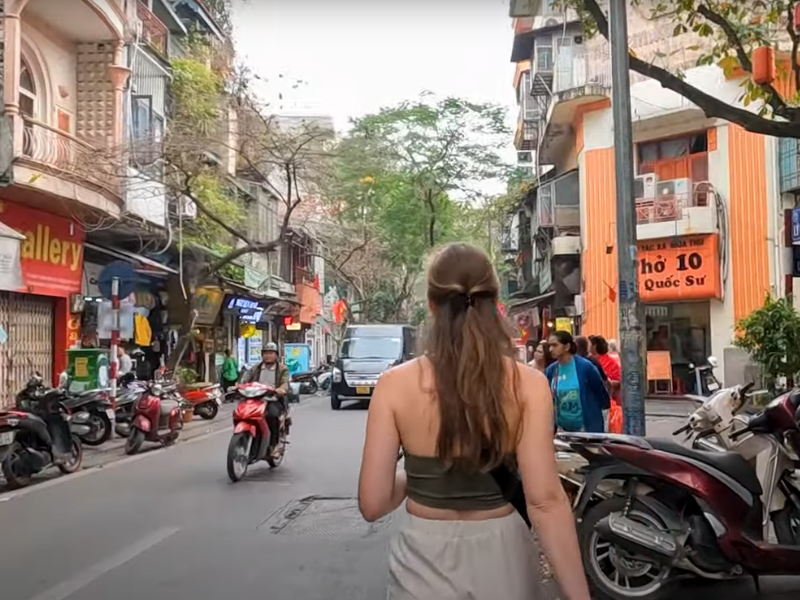
Afternoon: Take a cyclo ride through the Old Quarter. Visit the Quang Ba Night Flower Market or Hang Luoc Flower Street to see locals purchasing blooming peach trees and kumquat bushes.
Evening: Savor a welcome dinner featuring festive northern specialties paired with warm lotus tea.
Day 2: Hanoi to Ha Long Bay – New Year’s Eve on Emerald Waters
Morning: Private limousine transfer east toward Ha Long Bay.
Afternoon: Embark on an executive suite cruise vessel. Sail through towering limestone karsts while enjoying a gourmet seafood lunch. Kayak into quiet lagoons away from holiday crowds.
Evening (New Year’s Eve): Celebrate Lunar New Year’s Eve on the bay deck with a special countdown gala dinner, live traditional music, and champagne toasts under the stars.
Day 3: Ha Long Bay to Hoi An – Day 1 Serenity & Lantern Nights
Morning: Begin New Year’s Day with a peaceful Tai Chi session on the upper deck as mist floats across the bay. Disembark and transfer to Hanoi airport for a short flight to Da Nang.
Afternoon: Arrive in Hoi An Ancient Town and check into a riverfront boutique resort.
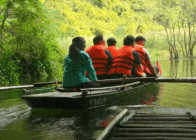
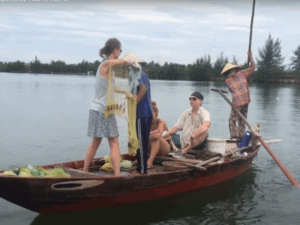
Evening: Walk along streets decorated with thousands of glowing silk lanterns. Watch spontaneous street lion dances and take a wooden sampan ride along the Thu Bon River to release floating wish candles.
Day 4: Hoi An – Traditional Blessing & Cooking Masterclass
Morning: Visit Chuc Thanh Pagoda (the oldest temple in Hoi An) to observe local families praying for New Year blessings. Receive a traditional red lucky envelope from resident monks.
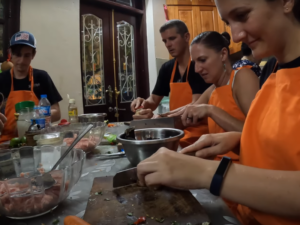
Afternoon: Join a private family cooking class in the countryside. Learn how to wrap Bánh Tét sticky rice cakes and prepare central Vietnamese spring dishes.
Evening: Enjoy a relaxed evening dining at an open riverfront bistro.
Day 5: Hoi An – Beachside Relaxation & Cultural Exploration
Morning: Rent bicycles or take a short private transfer to An Bang Beach for a leisurely morning beside the warm ocean waves.
Afternoon: Visit an artisan workshop to learn about traditional woodcarving or silk weaving.
Evening: Enjoy a private candlelit dinner on the beach featuring fresh seafood grills.
Day 6: Hoi An to Hue – Royal Court Heritage & New Year Customs
Morning: Scenic private drive over the famous Hai Van Pass to the imperial city of Hue.
Afternoon: Explore the Hue Imperial Citadel (UNESCO World Heritage Site). Witness traditional royal court New Year rituals, including the ceremonial lowering of the Nêu pole (bamboo New Year pole).
Evening: Enjoy a royal tasting menu dinner inspired by the banquet traditions of the Nguyen Dynasty.
Day 7: Hue Departure – Farewell Spring Journey
Morning: Enjoy a final relaxed breakfast at your resort garden terrace. Visit the peaceful Thien Mu Pagoda overlooking the Perfume River.
Afternoon: Private transfer to Hue (or Da Nang) Airport for your departure flight, carrying unforgettable memories of Vietnam’s most magical season.
Frequently Asked Questions (FAQ)
1. Is it a bad idea to travel to Vietnam during Tet?
Not at all! It depends entirely on your travel expectations. If you want a fast-paced, multi-city budget trip with endless street food stalls open 24/7, Tết can be challenging. However, if you seek an authentic, deeply cultural experience, love festive decorations, and partner with a local tour operator to manage logistics, Tết is one of the most rewarding times to visit Vietnam.
2. Are prices higher during Tet in Vietnam?
Yes. Flight tickets, private vehicle rentals, and hotel rates experience surge pricing due to high holiday demand. Additionally, open restaurants often add a holiday surcharge of 10% to 20% to cover holiday wages for their staff.
3. Will I be able to find food during the first days of Lunar New Year?
Yes, but choice is limited compared to normal days. Major hotels, international restaurants, tourist cafes, and established dining venues in tourist centers like Hoi An, Phu Quoc, and Hue remain operational. Booking a tour package that includes pre-arranged meals eliminates any dining uncertainty.
Plan Your Stress-Free Tet Journey with Sao La Vietnam Tours
Experiencing Tết Nguyên Đán in Vietnam is a deeply moving encounter with the heart and soul of Southeast Asian culture.
At Sao La Vietnam Tours, we take the hassle out of holiday travel planning. From securing private chauffeurs and handpicked boutique accommodations to reserving exclusive dining experiences and local guides, we ensure your Lunar New Year holiday is smooth, unhurried, and unforgettable.