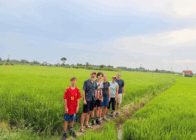
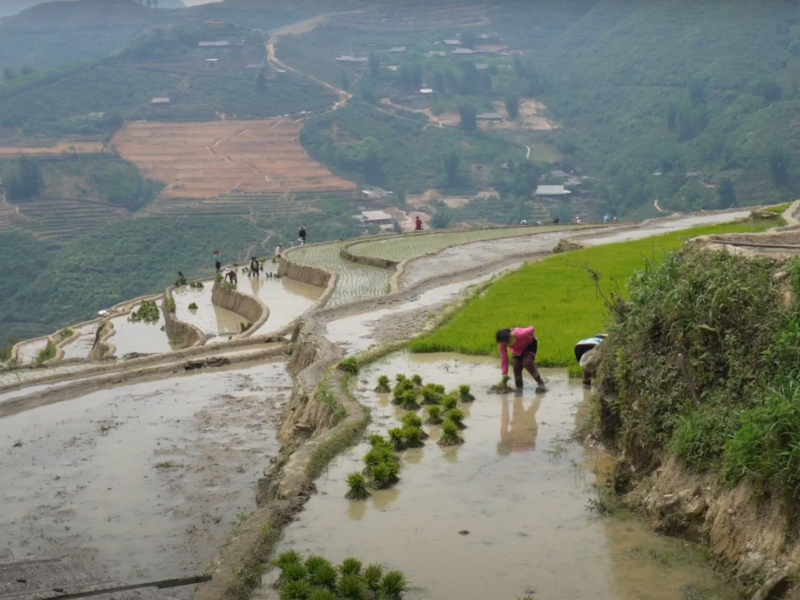
Few visual spectacles in Southeast Asia capture the imagination quite like the vast, cascading golden terraced rice fields of Sapa in September. As late summer turns into early autumn, the lush green mountain slopes of North Vietnam transform into a dazzling sea of golden yellow. The air becomes crisp and fresh, the skies clear to brilliant blue, and local ethnic minority communities prepare for their most significant agricultural event of the year: the annual rice harvest.
If you are planning to witness Vietnam in September during the Sapa rice harvest, timing and local knowledge are everything. Because the harvest depends on altitude, weather conditions, and traditional agricultural calendars, knowing precisely where to go and when to arrive can mean the difference between seeing fully laden golden fields or freshly harvested stubble.
At Sao La Vietnam Tours, we specialize in crafting personalized, unhurried, and authentic journeys that bring you face-to-face with Vietnam’s most breathtaking cultural and natural wonders. This definitive 3,000+ word guide covers weather forecasts, peak golden timing, top viewing spots, cultural etiquette, photography tips, and custom itineraries for your dream autumn escape.
Quick Overview: Sapa Rice Harvest at a Glance
Peak Golden Window: Early September to late September (varies slightly by elevation).
Weather Conditions: Crisp, pleasant autumn climate (15°C – 24°C / 59°F – 75°F); low humidity, bright sunshine, and minimal rainfall.
Cultural Highlights: Rice harvesting celebrations with Hmong, Red Dzao, and Tay communities; traditional hand-reaping and threshing techniques.
Key Destinations: Muong Hoa Valley, Ta Van, Lao Chai, Nam Cang, Y Linh Ho, and Ta Phin.
Recommended Travel Style: Private trekking loops, luxury mountain lodge stays, and tailor-made cultural itineraries designed by Sao La Vietnam Tours.
Sapa Weather in September: Perfect Conditions for Trekking
Understanding the climate in September explains why this month is widely considered one of the best times of the year to visit Northern Vietnam.
+-------------------+-----------------------------------+------------------------------------+
| Climate Metric    | September Average                 | Travel Advantage                   |
+-------------------+-----------------------------------+------------------------------------+
| Temperature       | 15°C - 24°C (59°F - 75°F)         | Comfortable for daytime trekking   |
| Rainfall          | Low to Moderate (Decreasing)      | Clear mountain trails, low mud     |
| Humidity          | Moderate (65% - 75%)              | Crisp, clear mountain visibility   |
| Sunshine Hours    | 6 - 8 Hours / Day                 | Excellent conditions for photo     |
+-------------------+-----------------------------------+------------------------------------+
1. Temperature & Air Quality
By September, the heavy downpours and humid heat of July and August fade away. Daytime temperatures in Sapa average a comfortable 20°C to 24°C, creating ideal conditions for hiking through valleys without overheating. Evenings bring a cool alpine chill (dropping to 15°C), perfect for relaxing beside open stone hearths or enjoying hot herbal baths.
2. Sky Clarity & Photography Visibility
July and August often bring heavy mists that shroud the mountain peaks. September, however, ushers in crisp autumn air and clear blue skies. The high visibility allows travelers to gaze across miles of sculpted terraced valleys framed by the towering Hoang Lien Son Mountain Range and Mount Fansipan.
The Science & Art of the Sapa Rice Harvest
Why do the rice terraces of Sapa ripen all at once in September? The answer lies in the unique geographic and cultural heritage of the region.
[May - June: Water-Pouring Season] ➔ [July - August: Lush Green Growth] ➔ [September: Golden Harvest Peak]
1. One Crop Per Year (Single Harvest Cycle)
Unlike the lowland Mekong Delta or Red River Delta where farmers harvest two to three rice crops annually, Sapa’s high altitude and cold winter temperatures permit only one single rice crop per year.
May to June: Farmers flood the dry terraces with mountain spring water (Water-Pouring Season / Mùa Nước Đổ).
July to August: Rice shoots grow rapidly, turning the valleys into a vibrant sea of emerald green.
September: The rice grains swell, heavy with kernels, turning bright gold before being reaped by hand.
2. Elevation-Based Ripening Stages
Because terraces are carved into steep mountainsides ranging from 700 meters to over 1,500 meters above sea level, the fields do not all ripen on the exact same day:
Lower Valleys (Y Linh Ho, Lao Chai, Ta Van): Located at lower elevations with warmer temperatures, these fields ripen first—usually during the first two weeks of September.
Higher High-Altitude Villages (Nam Cang, Ta Phin, Ban Ho): Cooler temperatures mean rice here ripens slightly later, stretching the golden harvest window into late September.
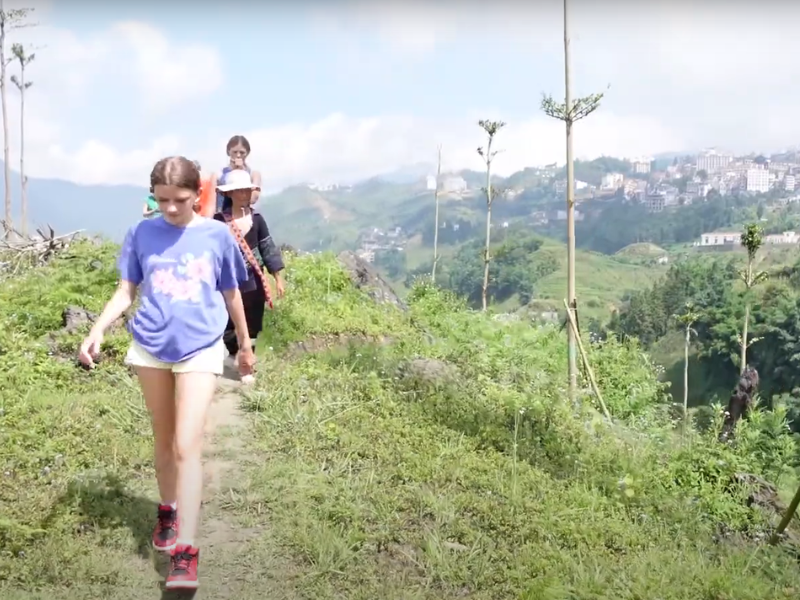
Top 6 Locations to See Golden Rice Terraces in Sapa
Where should you go to find the most panoramic and photo-worthy golden terraces? Here are the top six locations recommended by our local travel specialists:
1. Muong Hoa Valley: The Iconic Golden Ribbon
Extending along the base of the Hoang Lien Son mountain range, Muong Hoa Valley contains the largest continuous expanse of terraced rice fields in Sapa District.
Why Visit: A slow walk through Muong Hoa offers sweeping 360-degree views of golden terraces stepping down toward a winding river.
Best Viewpoint: The elevated main road between Sapa Town and Ta Van offers classic panoramic lookout points overlooking the entire valley floor.
2. Y Linh Ho & Lao Chai: Black Hmong Terraces
Home to the Black Hmong people, these neighboring hamlets feature dramatic, steep-stepped fields carved directly into mountain cliffs.
Why Visit: Walking along narrow dirt trails between the fields brings you close to local farmers harvesting rice using traditional wooden sickles and threshing tubs.
3. Ta Van Village: Giay Cultural Charm & Valley Floor Fields
Situated deeper in the valley where the terrain flattens, Ta Van is inhabited by the Giay and Black Hmong ethnic groups.
Why Visit: The terraces here frame peaceful wooden stilt houses, rustic stream bridges, and serene bamboo groves. It is an exceptional spot for slow, level walking tours.
4. Nam Cang: Remote, Uncrowded Golden Sanctuary
For travelers seeking solitude away from mainstream tourist trails, Nam Cang (located about 30 kilometers south of Sapa Town) is a pristine paradise.
Why Visit: Inhabited by the Xa Pho and Red Dzao communities, Nam Cang features dramatic mountain valleys completely carpeted in gold, with virtually no crowds.
5. Ta Phin Village: Red Dzao Culture & Rolling Terraces
Located northeast of Sapa Town, Ta Phin is famous for its rolling green and gold hills, historic French monastery ruins, and traditional Red Dzao herbal bath houses.
Why Visit: Combine scenic autumn terrace walks with an authentic Red Dzao herbal bath made from wild mountain leaves harvested from the surrounding forests.
6. Ban Ho & Thanh Kim: Lower Valley Panorama
Positioned at a lower elevation, Ban Ho offers warm temperatures, turquoise river pools, and circular amphitheater-like terraced fields.
Why Visit: The unique circular layout of the terraces here makes for striking aerial and landscape photography.
Authentic Cultural Encounters During Harvest Season
Visiting Sapa in September is not just a visual treat; it is an immersive window into indigenous upland culture:
Witnessing Traditional Hand-Reaping: Because the steep mountain terrain prevents heavy machinery from accessing the slopes, every single stalk of rice is harvested by hand. Men and women work together, cutting the stalks with hand sickles, threshing the grain against wooden tubs, and bagging the rice to be carried uphill on foot or on horse-drawn carts.
Community Rice Sharing (Mùa Lúa Mới): After the harvest is safely stored, many indigenous families celebrate with a new-rice festival. Freshly harvested rice is steamed and offered to ancestral spirits to give thanks for a bountiful harvest, followed by family feasts featuring free-range chicken, wild herbs, and corn wine (Rượu Ngô).
Traditional Textiles & Indigo Dyeing: September afternoons are prime time for Hmong and Dzao women to work on traditional hemp textiles, dyeing clothes in dark indigo vats after finishing morning field work.
Recommended 10-Day “Golden Autumn & Northern Wonders” Itinerary
Curated by the travel experts at Sao La Vietnam Tours, this tailor-made 10-day itinerary combines Hanoi’s autumn heritage, Sapa’s golden harvest, and an executive cruise on Lan Ha Bay.
[Hanoi Autumn Heritage] ➔ [Sapa Golden Terraces & Trekking] ➔ [Nam Cang Wilderness] ➔ [Lan Ha Bay Luxury Cruise]
Day 1 (Sep 10): Arrival in Hanoi – Crisp Autumn Air
Morning: VIP greeting at Noi Bai International Airport and private limousine transfer to your French Quarter hotel.
Afternoon: Take a private walking tour around Hoan Kiem Lake and sample seasonal autumn treats like Cốm (soft green rice flakes) and hot egg coffee.
Evening: Welcome dinner featuring refined Northern Vietnamese cuisine.
Day 2 (Sep 11): Hanoi to Sapa – Ascent into Gold
Morning: Board a private luxury limousine for a comfortable ride along the scenic express highway to Sapa.
Afternoon: Arrive in Sapa and check into your boutique resort (e.g., Hotel de la Coupole or Topas Ecolodge). Enjoy panoramic views of golden valleys from your balcony.
Evening: Dine on local mountain specialties, including grilled river trout and fresh upland vegetables.
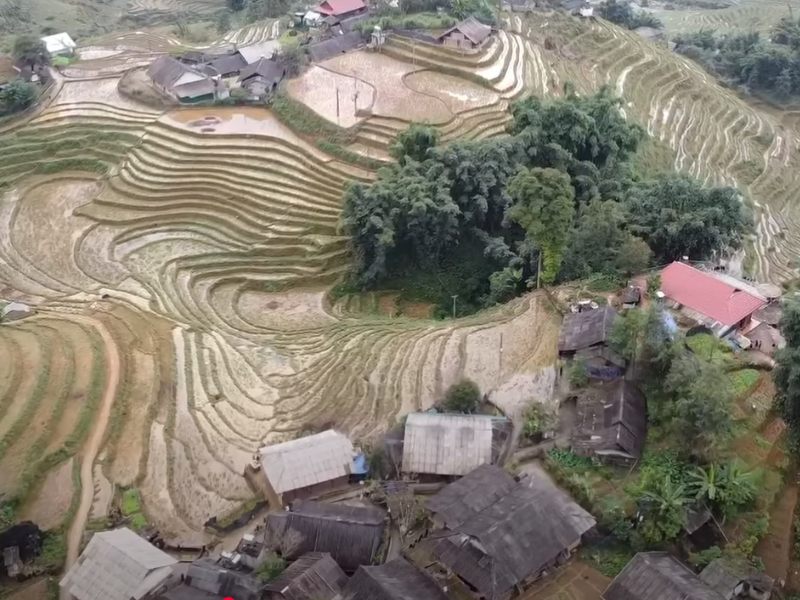
Day 3 (Sep 12): Muong Hoa Valley & Y Linh Ho Trek
Morning: Begin a private guided trek down into Y Linh Ho Village. Walk along narrow dirt paths flanked by golden rice terraces filled with Hmong harvest workers.
Afternoon: Continue trekking to Lao Chai and Ta Van villages. Learn about local agricultural customs and enjoy a private picnic lunch overlooking the river.
Evening: Return to your resort for a relaxing Red Dzao herbal bath session.
Day 4 (Sep 13): Off-the-Beaten-Path Nam Cang
Morning: Take a private drive deeper into the Hoang Lien National Park to Nam Cang Village.
Afternoon: Explore untouched terraced fields where Red Dzao villagers harvest late-season rice. Visit a local silversmith and traditional paper-making artisan house.
Evening: Enjoy a quiet, slow-paced evening surrounded by pristine mountain wilderness.
Day 5 (Sep 14): Fansipan Peak & Cultural Encounters
Morning: Ride the cable car to Mount Fansipan—the “Roof of Indochina” (3,143 meters). Enjoy views across cloud seas and golden valleys below.
Afternoon: Visit Ta Phin Village to meet Red Dzao weavers and tour historic French monastery ruins.
Evening: Leisurely evening strolling around Sapa Town’s central square.
Day 6 (Sep 15): Sapa to Hanoi – Relaxed Transition
Morning: Enjoy a final morning coffee overlooking the misty mountains.
Afternoon: Private limousine transfer back to Hanoi. Check into your boutique hotel.
Evening: Free time to explore Hanoi’s night markets or enjoy a drink at a rooftop lounge.
Day 7 (Sep 16): Hanoi to Lan Ha Bay – Emerald Karst Cruise
Morning: Private transfer to the coast and board an executive boutique cruise vessel sailing Lan Ha Bay.
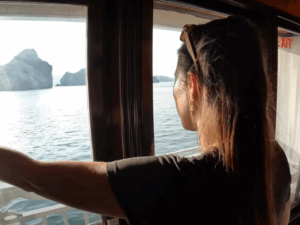
Afternoon: Cruise past towering limestone islands. Kayak through hidden sea caves and swim in calm, emerald waters.
Evening: Fresh seafood banquet on deck under the autumn starlight.
Day 8 (Sep 17): Lan Ha Bay to Hanoi
Morning: Early morning Tai Chi on deck followed by a bamboo boat tour through Dark & Bright Cave.
Afternoon: Disembark and return to Hanoi in a private vehicle. Check in for your final evening.
Evening: Farewell dinner hosted at an upscale heritage restaurant in the French Quarter.
Days 9 & 10 (Sep 18 & 19): Cultural Immersion & Departure
Day 9: Private day tour visiting the ancient village of Duong Lam or the Temple of Literature.
Day 10: Leisurely morning shopping for high-end local handicrafts and specialty tea before your private executive transfer to the airport for your departure flight.
Practical Photography & Packing Tips for Sapa in September
To ensure you capture stunning photographs and remain comfortable during your autumn trek, consider these expert recommendations:
1. Photography Lighting & Composition
Golden Hour Magic: The best lighting occurs during early morning (6:30 AM – 8:30 AM) when low sunlight catches the golden grain heads, and late afternoon (4:00 PM – 5:30 PM) when warm light fills the valleys.
Polarizing Filters: Use a circular polarizer (CPL) on your camera lens to cut atmospheric haze, enhance sky blueness, and accentuate the rich yellow tones of the crops.
Respecting Locals: Always ask for permission before taking close-up portraits of harvest workers. A smile and a respectful gesture go a long way.
2. What to Pack
Layered Clothing: Breathable cotton or linen t-shirts for sunny daytime hikes, paired with a lightweight fleece or windbreaker jacket for cooler mountain evenings.
Footwear: Broken-in, waterproof hiking shoes with deep traction treads to navigate dirt trails between terraces.
Sun & Insect Protection: High-SPF sunscreen, wide-brimmed sun hat, sunglasses, and eco-friendly insect repellent.
Frequently Asked Questions (FAQ)
1. Exactly when is the best week to see golden rice in Sapa in September?
While timing varies slightly each year, the first two weeks of September (September 1 to September 15) generally offer the most consistent peak golden coverage across major valleys like Muong Hoa, Lao Chai, and Ta Van.
2. Is Sapa crowded during the September harvest season?
Because the golden harvest is world-famous, weekends can draw higher numbers of domestic and international visitors. To enjoy a peaceful, intimate experience, work with Sao La Vietnam Tours to schedule midweek treks and explore off-the-beaten-path hamlets like Nam Cang and Ta Phin.
3. What happens if the farmers harvest the rice before I arrive?
Because different elevations ripen at different rates, even if one lower valley has been harvested, neighboring higher-altitude fields remain golden and intact. Our local guides constantly monitor field conditions to direct you to peak locations.
Plan Your Harvest Journey with Sao La Vietnam Tours
Witnessing the golden rice harvest in Sapa is a bucket-list travel experience that combines stunning natural landscapes with rich cultural heritage.
At Sao La Vietnam Tours, we take care of every detail. From securing private executive transport and luxury mountain lodges to matching you with expert local ethnic guides who know every hidden valley path, we design unhurried, tailor-made journeys crafted around your dreams.