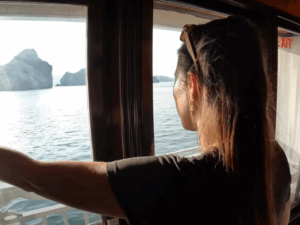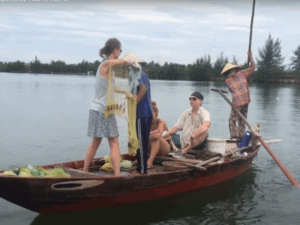

Planning a journey around Vietnam in January weather invites travelers to experience one of the most dynamic, diverse, and atmospheric months of the entire year. January marks a powerful seasonal midpoint—where crisp, cool winter conditions define the atmospheric northern mountains, while sunny, dry tropical summer warmth welcomes beach lovers across the southern coastline.
Travelers researching a January holiday frequently bring essential planning questions: How cold does it actually get in Hanoi and Sapa? Is January warm enough for swimming along Central and Southern beaches? How do I pack for a single trip that covers both misty alpine peaks and sunny tropical islands?
The answer lies in understanding Vietnam’s unique geography. January is an extraordinary month for multi-region travel, provided your route is crafted to leverage the distinct microclimate advantages of each region. From atmospheric winter walks through Hanoi’s Old Quarter and dramatic cloud-hunting in Ha Giang to sun-drenched beach relaxation in Phu Quoc and sampan cruises through the Mekong Delta, January delivers unforgettable contrasts.
At Sao La Vietnam Tours, we specialize in designing tailor-made, unhurried, and authentic itineraries engineered around seasonal realities. This comprehensive 3,000+ word guide provides real temperature metrics, regional weather breakdowns, destination recommendations, strategic packing advice, and custom itineraries for your January voyage.
Quick Overview: January Climate & Atmosphere at a Glance
Overall Vibe: Fresh New Year energy, crisp northern winter breezes, festive pre-Tet preparations, and warm southern sunshine.
Northern Mountains (Sapa, Ha Giang, Moc Chau): Cool to cold winter conditions, atmospheric mountain mists, dramatic “cloud sea” formations, and early wild peach blossoms (8°C – 15°C / 46°F – 59°F).
Northern Lowlands (Hanoi, Ha Long Bay, Ninh Binh): Refreshing, crisp winter air with light dry breezes, clear afternoons, and minimal rainfall (14°C – 20°C / 57°F – 68°F).
Central Coast (Hue, Da Nang, Hoi An): Gentle transition out of the rainy season into mild, pleasant, and dry spring conditions (19°C – 24°C / 66°F – 75°F).
Southern Vietnam (Ho Chi Minh City, Mekong Delta, Phu Quoc): Peak dry season sunshine, low humidity, calm sea waters, and continuous warm days (22°C – 31°C / 71°F – 88°F).
Travel Style: Multi-climate luxury loops, winter culture walks, mountain cloud-hunting retreats, and tropical beach escapes curated by Sao La Vietnam Tours.
Decoding Vietnam in January Weather: Regional Temperature Profiles
Because Vietnam extends over 1,650 kilometers across latitudes, January presents stark, fascinating climate contrasts across its three main geographic regions:
+------------------+----------------------------------+------------------------------------+
| Region           | Average Temperature Range        | January Weather Profile & Vibe     |
+------------------+----------------------------------+------------------------------------+
| Northern Mountains| 8°C - 15°C (46°F - 59°F)          | Crisp winter, mountain mist, clouds|
| Northern Lowlands| 14°C - 20°C (57°F - 68°F)         | Cool, refreshing, ideal for walking|
| Central Coast    | 19°C - 24°C (66°F - 75°F)         | Mild transition, pleasant breezes  |
| Southern Delta   | 22°C - 31°C (71°F - 88°F)         | Warm, dry sunshine, low humidity   |
+------------------+----------------------------------+------------------------------------+
1. Northern Vietnam: Refreshing Winter Crispness
In Hanoi, Ha Long Bay, and Ninh Binh, January is a classic winter month. High humidity drops, heavy rain is non-existent, and cool air (averaging 16°C / 60°F) creates ideal conditions for long walking tours, city exploration, and open-air sightseeing without the mid-summer heat.
2. Northern Mountain Sanctuaries: Mist & Cloud Seas
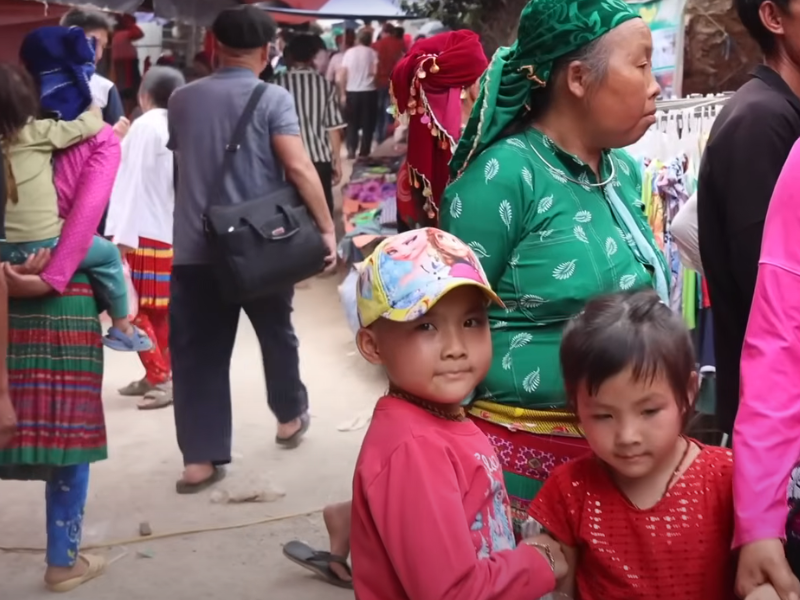
In high-altitude areas such as Sapa, Fansipan Peak, and Ha Giang, temperatures drop significantly, occasionally dipping below 5°C on high mountain passes. January is renowned among photographers for “cloud hunting” (Săn Mây), where thick layers of clouds fill deep valleys below clear blue mountain summits.
3. Central Vietnam: Emerging Spring Sunshine
Central Vietnam (Hue, Da Nang, Hoi An) experiences a pleasant weather transition during January. Monsoon rains wane, leaving cool, fresh days around 22°C. While ocean waters can be cool for swimming in early January, walking through UNESCO heritage towns and cycling past countryside paddies is exceptionally comfortable.
4. Southern Vietnam: Peak Tropical Sunshine
The South enters its prime dry season in January. Ho Chi Minh City, the Mekong Delta, and offshore islands like Phu Quoc enjoy uninterrupted blue skies, low humidity, and warm temperatures reaching 30°C. Ocean waters around Phu Quoc are glassy, warm, and crystal-clear.
Why January is a Premier Travel Window
Traversing Vietnam in January brings several structural and cultural benefits for international travelers:
+-----------------------------------+-------------------------------------------------------------------+
| Strategic Advantage               | Impact on Your January Voyage                                     |
+-----------------------------------+-------------------------------------------------------------------+
| 1. Energetic Pre-Tet Atmosphere   | Witness flower markets, red lanterns & vibrant city preparations  |
| 2. Peak Dry Beach Weather (South) | Enjoy flawless blue-sky sunshine and calm seas on Phu Quoc Island |
| 3. Comfortable Walking Air (North)| Explore Hanoi, Hue, and Ninh Binh without heat or heavy moisture  |
| 4. Breathtaking Mountain Views    | Experience alpine winter scenery, mist, and cloud-hunting views   |
+-----------------------------------+-------------------------------------------------------------------+
Pre-Tet Festive Excitement: January often sits in the weeks leading up to Tet (Vietnamese Lunar New Year). City streets fill with pop-up peach blossom markets, red silk lanterns, and vibrant energy as locals prepare for family reunions.
Optimal Southern Island Conditions: January offers arguably the single best weather window of the year for Phu Quoc, Con Dao, and the Gulf of Thailand—zero rain, low humidity, and calm sea conditions.
Sweat-Free Cultural Sightseeing: Mild temperatures in Hanoi, Hue, and Hoi An mean you can explore open-air temples, ancient Citadel grounds, and busy street markets for full days in total comfort.
Top 7 Destination Escapes in January
Where should you focus your itinerary to get the most out of Vietnam in January weather? Here are seven top regional choices selected by our travel specialists:
1. Phu Quoc Island: The Ultimate Tropical Beach Escape
If swimming in warm turquoise waters and sunbathing under clear blue skies is your priority, Phu Quoc in January is unbeatable.
The Highlight: Unwinding on white-sand shores (Bai Sao, Bai Khem), snorkeling around southern coral reefs, and catching spectacular sunsets over the ocean.
Why January: Peak dry-season conditions with calm, crystal-clear seas and low humidity.
2. Hanoi: Cozy Winter Charm & Heritage Streets
Vietnam’s historic capital is atmospheric and charming during the crisp winter month of January.
The Highlight: Strolling around Hoan Kiem Lake in cool breezes, sipping hot egg coffee (Cà Phê Trứng) at hidden courtyard cafes, and exploring pre-Tet flower street markets.
Why January: Crisp 17°C daytime temperatures make street food walks and cultural discovery effortless.
3. Sapa & Mount Fansipan: Cloud Seas & Mountain Vistas
For travelers who love mountain landscapes, cool air, and dramatic winter views, Sapa shines in January.
The Highlight: Riding the cable car to Mount Fansipan above cloud seas, trekking through Muong Hoa Valley, and warming up beside wood fires at boutique alpine lodges.
Why January: Prime season for “cloud hunting” and experiencing crisp, fresh high-altitude air.
4. Lan Ha Bay & Ha Long Bay: Tranquil Winter Bay Cruising
Sailing through the iconic limestone karsts of Lan Ha Bay in January offers a peaceful, surreal experience.
The Highlight: Cruising through calm, mist-draped waters, kayaking into sea caves, and enjoying sunset cocktails on open ship decks as winter light touches the towers.
Why January: Low precipitation, calm sea conditions, and quiet bay surroundings.
5. Hoi An Ancient Town: Crisp Heritage Walks & Lanterns
Hoi An transitions into pleasant, dry weather during January.
The Highlight: Bicycle rides through green vegetable villages, private morning walking tours of yellow-walled merchant houses, and evening wooden sampan rides under thousands of glowing silk lanterns.
Why January: Mild, dry weather (22°C) without the intense heat of mid-summer.
6. The Mekong Delta: Fruit Orchards & Spring Waterways
Southern Vietnam’s agricultural heartland is vibrant and bustling in January.
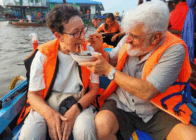
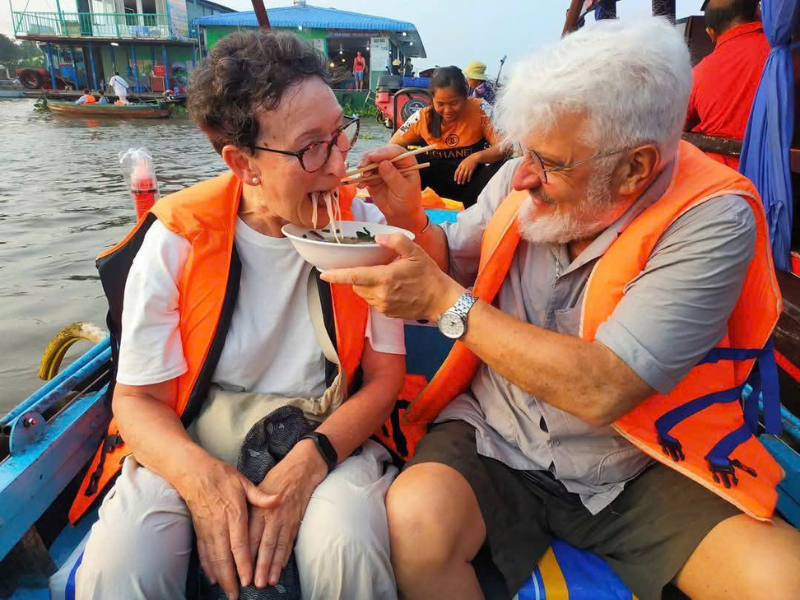
The Highlight: Navigating palm-shaded canals by wooden sampan boat, visiting riverland flower nurseries preparing for Tet, and sampling fresh seasonal tropical fruit.
Why January: Sunny days, pleasant river breezes, and high agricultural activity across waterways.
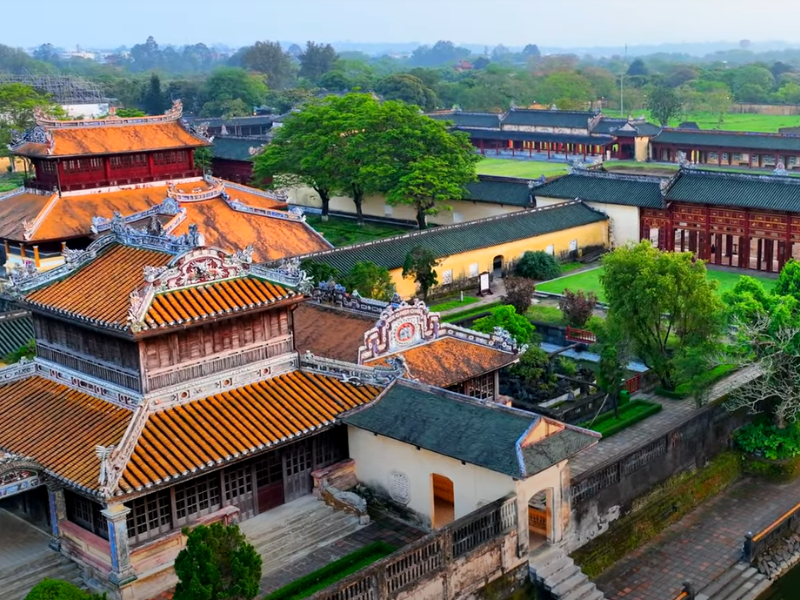
7. Hue Ancient Capital: Royal Citadel & Garden Houses
Hue’s imperial history feels dignified and peaceful under January’s mild skies.
The Highlight: Exploring the vast Imperial Citadel grounds, touring royal tombs along the Perfume River, and attending private tea tastings in traditional garden houses.
Why January: Cool weather allows for comfortable exploration of expansive open-air heritage grounds.
Practical Strategies for Navigating January Weather
To maximize comfort and enjoyment during a multi-region January journey, implement these expert-tested strategies:
+-----------------------------------+-------------------------------------------------------------------+
| Practical Strategy                | How It Elevates Your January Experience                           |
+-----------------------------------+-------------------------------------------------------------------+
| 1. Dual-Climate Wardrobe Packing  | Seamlessly transition from cool northern mountains to beach warmth|
| 2. Strategic Route Sequencing     | Start in cool North and travel South toward sun and sand          |
| 3. Pre-Tet Transport Reservations | Secure domestic flight slots early during pre-holiday travel peaks|
| 4. Hydration & Layered Comfort    | Stay cozy with local hot teas in North and fresh coconuts in South|
+-----------------------------------+-------------------------------------------------------------------+
Master “North-to-South” Route Sequencing: Begin your itinerary in the cool, crisp North (Hanoi, Sapa, Ha Long Bay). As your trip progresses, move south through Central heritage stops (Hue, Hoi An) and finish on sunny tropical southern beaches (Phu Quoc, Mekong Delta). This creates a natural, relaxing temperature curve.
Pack Smart, Versatile Layers: Because a nationwide January tour covers temperatures from 10°C to 30°C, pack smart layers. Bring light, breathable linen/cotton clothes for the South, plus a warm sweater or fleece jacket for Hanoi evenings and northern mountain visits.
Pre-Book Internal Flights Early: January sits in the pre-Tet travel period, when domestic travel demand increases. Partnering with a private operator like Sao La Vietnam Tours ensures your regional flights, private executive transfers, and boutique stays are secured seamlessly.
Recommended 12-Day “Winter Warmth & Heritage” January Itinerary
Designed by the experts at Sao La Vietnam Tours, this custom 12-day itinerary bridges northern winter mists, central heritage, and southern beach sunshine.
[Hanoi Winter Charm] ➔ [Sapa Alpine Cloud-Hunting] ➔ [Lan Ha Bay Cruise] ➔ [Hoi An Coastal Heritage] ➔ [Phu Quoc Beach Paradise]
Day 1: Welcome to Hanoi – Crisp Evening Arrival
Activity: Private VIP airport greeting and executive vehicle transfer to your boutique French Quarter hotel.
Atmosphere: Enjoy Hanoi’s crisp 16°C winter evening air. Take a gentle orientation stroll around Hoan Kiem Lake.
Dining: Welcome dinner at a restored French villa featuring winter northern hotpot or traditional grilled delicacies.
Day 2: Hanoi Historic Culture & Winter Street Food
Morning (8:30 AM – 11:30 AM): Guided exploration of the Temple of Literature, Tran Quoc Pagoda, and the historic Ba Dinh Quarter.
Afternoon: Relax at a hidden courtyard cafe enjoying hot egg coffee. Walk through pre-Tet flower street markets.
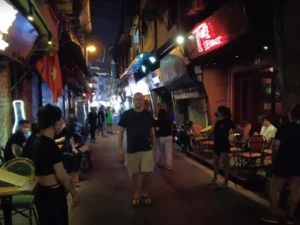
Evening: Private street food tasting tour through quiet residential Old Quarter alleys.
Day 3: Hanoi to Sapa – Ascending into Alpine Mists
Morning: Private luxury limousine transfer along the Red River Expressway, ascending into the Hoang Lien Son mountains.
Afternoon: Arrive in Sapa (crisp 12°C alpine air). Check into your mountain lodge (e.g., Topas Ecolodge).
Evening: Relax by an open fire pit overlooking mist-draped mountain valleys.
Day 4: Sapa Valley Trek & Cloud-Hunting Views
Activity: Guided morning walk down Muong Hoa Valley through Y Linh Ho and Ta Van villages. Walk past mountain terraces and streams under winter skies. Meet Black Hmong and Giay families.
Day 5: Mount Fansipan Peak & Return to Hanoi
Morning: Ride the cable car up Mount Fansipan (3,143 meters) to view cloud seas above the peaks under clear winter light.
Afternoon: Private limousine transfer back to Hanoi for an evening at leisure.
Day 6: Hanoi to Lan Ha Bay – Serene Bay Cruise
Morning: Executive transfer to the coast to board a luxury boutique cruise vessel sailing Lan Ha Bay.
Afternoon: Cruise past towering karst pillars, kayak through sea arches into quiet lagoons, and relax on deck.
Evening: Sunset cocktails followed by a fresh seafood banquet under winter stars.
Day 7: Lan Ha Bay to Hoi An (via Da Nang Flight)
Morning: Sunrise Tai Chi on deck followed by a bamboo rowboat tour through hidden lagoons.
Afternoon: Disembark, transfer to Hanoi airport for a quick flight to Da Nang, and take a private transfer to Hoi An. Check into your resort.
Days 8 & 9: Hoi An – Heritage Walking & Countryside
Days at Leisure: Enjoy two full days in Central Vietnam’s mild, dry weather (22°C).
Included Activities: Countryside bicycle ride through vegetable paddies, private walking tour of UNESCO-listed merchant houses, and evening lantern-lit sampan boat ride along the Thu Bon River.
Day 10: Hoi An to Phu Quoc Island – Step into Beach Warmth
Morning: Private transfer to Da Nang airport for a direct flight south to tropical Phu Quoc Island.
Afternoon: Check into your luxury beachfront resort. Step onto white sands and swim in warm 28°C sea water.
Day 11: Phu Quoc Island – Pure Ocean Relaxation
Activity: Full day at leisure on Phu Quoc. Options include a private speedboat tour to southern coral islets for snorkeling, spa treatments, or lounging on pristine beaches.
Day 12: Phu Quoc to Saigon & Departure
Activity: Short morning flight to Ho Chi Minh City for final artisan handicraft shopping before your private transfer to Tan Son Nhat Airport for your return flight home.
Essential Packing List for Vietnam in January
Packing for a January trip requires versatile items to cover temperature variations from North to South:
+------------------+-----------------------------------------------------------------+
| Category         | Recommended Packing Items for January                           |
+------------------+-----------------------------------------------------------------+
| Warm Layers      | A warm fleece jacket, sweater, or light coat for North & Sapa   |
| Tropical Attire  | Breathable linen shirts, cotton shorts, swimsuits for Phu Quoc  |
| Footwear         | Comfortable walking sneakers, breathable travel sandals         |
| Sun Protection   | Reef-safe SPF 50+ sunscreen, UV sunglasses, wide-brim sun hat  |
| Accessories      | Lightweight daypack, camera for mists/clouds, personal items   |
+------------------+-----------------------------------------------------------------+
Prioritize Layering Capability: Combine lightweight, breathable summer clothes (for Phu Quoc and Saigon) with a warm sweater, fleece, or light jacket (for Hanoi evenings and Sapa mornings).
Pack Comfortable Sightseeing Footwear: Sturdy, well-fitted walking shoes or sneakers are essential for Hanoi street walks and mountain trails, while sandals work well for southern beach days.
Bring Modest Clothing for Temples: January is an active month for temple visits. Include clothes that cover shoulders and knees when visiting pagodas and historic shrines.
Frequently Asked Questions (FAQ)
1. Is January a good month to visit Vietnam?
Yes! January is widely considered one of the best months for multi-region travel in Vietnam. It offers crisp, comfortable winter weather in the North, mild conditions in Central Vietnam, and peak dry-season tropical sunshine in the South and on Phu Quoc Island.
2. How cold is Hanoi and Sapa in January?
Hanoi averages 14°C–20°C (57°F–68°F), providing cool, pleasant weather for walking tours. High mountain areas like Sapa stay cold (8°C–15°C / 46°F–59°F), with nighttime temperatures occasionally dropping lower, making warm jackets essential for mountain trips.
3. Can you swim at the beach in Vietnam in January?
Yes! Southern destinations like Phu Quoc Island, Con Dao, and the Gulf of Thailand offer warm, sunny days (30°C) with calm, clear ocean waters ideal for swimming and snorkeling in January. Central beaches (Hoi An, Da Nang) are milder (22°C) and better suited for beachside walks and relaxation.
4. What should I wear when traveling through Vietnam in January?
Pack for two distinct climates: warm layers (fleece jacket, sweater, trousers) for cool days in Hanoi and Sapa, and light, breathable tropical clothing (linen shirts, shorts, swimwear) for sunny southern beaches like Phu Quoc.
Plan Your Custom January Journey with Sao La Vietnam Tours
Navigating Vietnam in January weather with complete ease comes down to expert route sequencing and local timing.
At Sao La Vietnam Tours, we take care of every detail. From arranging VIP airport greetings and private executive transfers to handpicking boutique eco-lodges and pairing you with local guides who understand seasonal timing, we design unhurried, tailor-made journeys crafted around your needs.