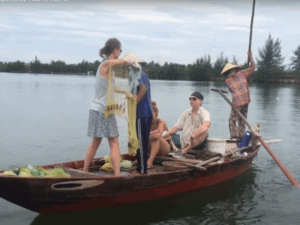

Asking “When is rainy season in Vietnam?” is one of the most critical questions any traveler can raise while planning a trip to Southeast Asia. Because Vietnam stretches over 1,650 kilometers across diverse geographic terrain and microclimates, there is no single, nation-wide “rainy season.” Instead, rainy periods vary significantly as you move from the northern mountain peaks down to the southern tropical deltas.
Travelers researching Vietnam’s monsoon patterns frequently encounter common worries: Does “rainy season” mean constant, all-day torrential downpours? Will my cruise in Lan Ha Bay get canceled? Is it still possible to have an incredible vacation during monsoon months?
The truth is that traveling during Vietnam’s rainy season can be a surprisingly rewarding, lush, and budget-friendly experience—provided you understand when and where the rain falls, and how to adapt your daily route. From fast, refreshing afternoon tropical showers in Saigon to spectacular full-river views in the Mekong Delta and dramatic waterfall displays in the highlands, monsoon months reveal a vibrant, green side of the country that dry-season visitors rarely see.
At Sao La Vietnam Tours, we specialize in designing tailor-made, flexible, and slow-paced itineraries that adapt effortlessly to seasonal weather shifts. This comprehensive 3,000+ word guide breaks down regional monsoon calendars, the science of Vietnamese weather, destination strategies, smart packing checklists, and masterfully crafted itineraries for traveling during the rainy season.
Quick Answer: When is Rainy Season in Vietnam by Region?
If you need a quick regional summary to help you plan your travel window, here is how the rainy season breaks down across Vietnam’s three main geographic zones:
+------------------+----------------------------------+------------------------------------+
| Region           | Rainy Season Window              | Characteristics of Rain            |
+------------------+----------------------------------+------------------------------------+
| Northern Vietnam | May to September                 | Warm humidity, afternoon downpours|
| Central Vietnam  | September to December            | Heavy coastal rain, storm potential|
| Southern Vietnam | May to November                  | Quick 30–60 min afternoon showers  |
+------------------+----------------------------------+------------------------------------+
Northern Vietnam (Hanoi, Ha Long Bay, Sapa): The rainy season runs from May through September. Rain usually takes the form of warm, heavy afternoon thunderstorms interspersed with bright sunny skies.
Central Vietnam (Hue, Hoi An, Da Nang, Nha Trang): The rainy season occurs late in the year, from September through December. This region experiences sustained coastal rainfall, with peak precipitation and typhoon possibilities occurring in October and November.
Southern Vietnam (Ho Chi Minh City, Mekong Delta, Phu Quoc): The rainy season spans from May through November. Rain in the South is famously predictable: bright, sunny mornings followed by a brief, heavy 30-to-45-minute afternoon downpour that clears quickly for comfortable evenings.
Understanding the Science: How Monsoon Systems Work in Vietnam
To understand why the rain falls at different times across the country, it helps to examine the two primary wind patterns that dictate Vietnam’s climate:
[Southwest Summer Monsoon: May – Sept] ➔ Soaks North & South ➔ Central Coast shielded by Truong Son Mountains
[Northeast Winter Monsoon: Oct – Dec]  ➔ Picks up sea moisture ➔ Drops heavy coastal rain on Central Vietnam
1. The Southwest Summer Monsoon (May to September)
Starting in May, warm, moisture-laden air masses blow from the Indian Ocean across Southeast Asia. As these winds sweep over Southern and Northern Vietnam, they trigger regular afternoon rain showers. However, as these moist winds move toward Central Vietnam, they hit the tall Trường Sơn (Annamite) Mountain Range. The mountains block the moisture, creating a dry “rain-shadow effect” over Hoi An, Da Nang, and Hue—making Central Vietnam sunny and dry while the rest of the country experiences tropical rain.
2. The Northeast Winter Monsoon (October to December)
By October, the wind pattern reverses completely. Cold continental winds sweep down from Siberia and East Asia across the Gulf of Tonkin. As these cold winds cross open ocean waters, they absorb massive amounts of marine humidity. When they hit the eastern slopes of the Trường Sơn mountains in Central Vietnam, they release heavy, sustained coastal rainfall across Hue, Da Nang, Hoi An, and Quy Nhon.
Myth vs. Reality: What “Rainy Season” Actually Looks Like
One of the biggest misconceptions among international travelers is that a “rainy season” means nonstop rain for weeks on end. Here is the reality of what traveling during wet months actually entails:
+-----------------------------------+-------------------------------------------------------------------+
| Common Rainy Season Myth          | The Travel Reality in Vietnam                                     |
+-----------------------------------+-------------------------------------------------------------------+
| Myth 1: "It rains 24/7 all day"   | Reality: Rain mostly occurs in brief, predictable afternoon bursts|
| Myth 2: "Sightseeing is ruined"   | Reality: Mornings are sunny; countryside landscapes are lush green|
| Myth 3: "All tours are canceled"  | Reality: Most cultural tours, city walks & spas operate normally |
| Myth 4: "It is cold and gloomy"   | Reality: Monsoon rain is warm; air temperatures remain tropical   |
+-----------------------------------+-------------------------------------------------------------------+
1. Rain is Usually Brief and Afternoon-Focused
In Southern and Northern Vietnam, rainy season days rarely bring gray, all-day drizzle. Instead, you can expect 5 to 7 hours of bright morning sunshine, followed by a sudden dark cloud formation around 2:00 PM or 4:00 PM. A heavy downpour arrives, lasts for 30 to 60 minutes, clears the air, and leaves behind cool, pleasant evening temperatures.
2. Landscapes Reach Peak Beauty
The monsoon season is when nature truly thrives. Waterfalls in Cao Bang (Ban Gioc) and Tây Nguyên (Central Highlands) thunder at full capacity, terraced rice fields fill with water or turn brilliant shades of emerald green, and river systems in the Mekong Delta brim with floating life.
3. Lower Crowds and Exceptional Hotel Rates
Traveling during monsoon months means you avoid peak tourist rushes. You can explore iconic heritage monuments like Hoi An’s Old Town or Hanoi’s temples in peace. Furthermore, luxury boutique lodges offer attractive shoulder-and-low-season rates, complimentary upgrades, and exclusive spa inclusions.
Detailed Regional Breakdown: Navigating Rain Month-by-Month
To help you decide where to go depending on your exact vacation dates, here is an in-depth breakdown of how rain impacts each region throughout the year:
1. Northern Vietnam (Hanoi, Ha Long Bay, Sapa, Ninh Binh)
Rainy Window: May through September (Peak rainfall: July & August).
Temperature: Warm and humid (28°C – 35°C / 82°F – 95°F).
What to Expect: Summer heat combines with periodic afternoon thunderstorms. High mountain areas like Sapa and Ha Giang experience lush green growth, though heavy rain can occasionally create slippery trekking trails.
Ha Long Bay Cruise Considerations: During July and August, occasional summer tropical storms (Áp Thấp Nhiệt Đới) can disrupt cruise schedules for 24 to 48 hours. Flexible scheduling with Sao La Vietnam Tours ensures alternative land excursions are seamlessly activated if water permits pause.
2. Central Vietnam (Hue, Hoi An, Da Nang, Phong Nha, Quy Nhon)
Rainy Window: September through December (Peak rainfall: October & November).
Temperature: Warm transitioning to mild (20°C – 26°C / 68°F – 79°F).
What to Expect: While Central Vietnam enjoys dry, sunny weather from February through August, late September brings heavy coastal rain. Low-lying streets in Hoi An’s Ancient Town occasionally flood for 1 to 3 days in October or November, turning the town into a temporary “Venice of Vietnam” navigated by wooden rowboats.
Cave Expedition Considerations: In Phong Nha-Ke Bang, major river caves close for public safety between October and mid-November due to rising subterranean water levels.
3. Southern Vietnam (Ho Chi Minh City, Mekong Delta, Phu Quoc)
Rainy Window: May through November (Peak rainfall: June, July & September).
Temperature: Consistently tropical warm (25°C – 33°C / 77°F – 91°F).
What to Expect: Southern rain is famously well-behaved. It arrives like clockwork in the late afternoon, lasting under an hour before disappearing. Mornings are sunny and dry, perfect for city walks and boat excursions.
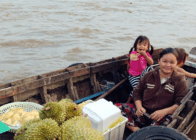
The “High Water Season” in Mekong: September through November is known locally as Mùa Nước Nổi (Floating Water Season) in the Mekong Delta—a celebrated, beautiful time when rivers overflow gently, filling wetlands with fish, water lilies, and vibrant floating market life.
Best Destinations to Visit During Vietnam’s Rainy Season
If your vacation dates land during monsoon months, choosing the right geographic location allows you to enjoy great weather regardless of the month:
+------------------+----------------------------------+------------------------------------+
| If You Travel In | Recommended Dry / Optimal Region  | Primary Highlight Activity         |
+------------------+----------------------------------+------------------------------------+
| May – August     | Central Coast (Hoi An, Da Nang)  | Sunny beach bliss & quiet heritage |
| Sept – November  | Northern Mountains (Sapa, Hanoi) | Golden harvest fields & crisp air  |
| Dec – April      | Southern Delta & Offshore Islands| Dry tropical sunshine & beach life |
+------------------+----------------------------------+------------------------------------+
1. Visit Hoi An & Da Nang Between May and August
While North and South Vietnam experience summer monsoon rain, Central Vietnam enjoys its sunniest, driest weather of the entire year from May through August. You can look forward to 8 to 10 hours of daily sunshine, warm turquoise waters at An Bang Beach, and clear evening strolls in Hoi An.
2. Visit Sapa & Mu Cang Chai in September
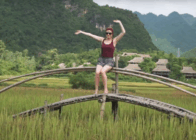
As rain eases in Northern Vietnam around September, the mountains showcase their most famous visual display: Mùa Lúa Chín (Golden Ripe Rice Season). Cascading terraced fields turn brilliant yellow, under cool, clear mountain skies.
3. Visit the Mekong Delta Between September and November
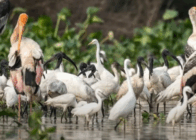
Rather than avoiding rain in the South, embrace the Mùa Nước Nổi in the Mekong Delta. Navigating flooded cajeput forests (like Tra Su Sanctuary) by wooden boat when water levels are high reveals stunning nature, blooming lotus flowers, and rich birdlife.
4. Visit Hanoi for “Rainy Day Culture” Year-Round
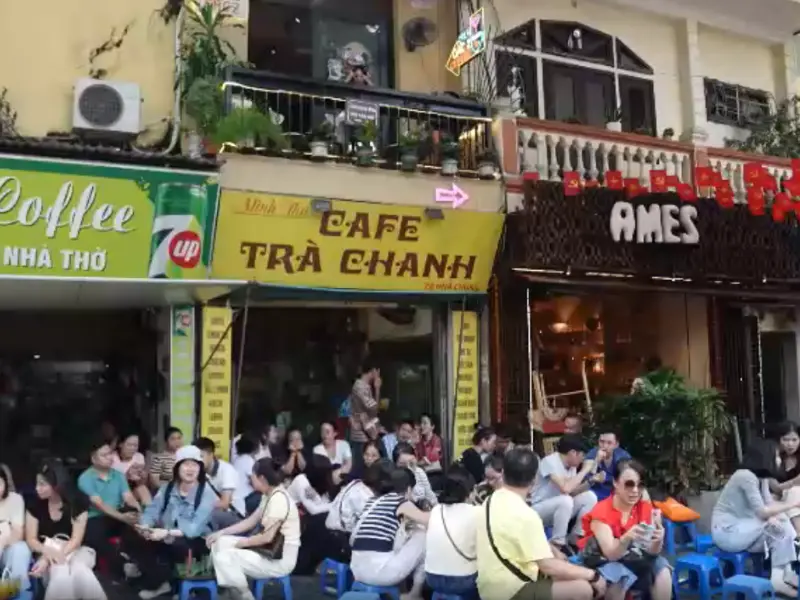
Hanoi is uniquely suited for rainy days. The city’s rich cafe culture (Cà Phê Trứng, coconut coffee), historic art galleries, indoor museums (Ethnology Museum, Fine Arts Museum), traditional water puppet theaters, and covered markets mean a sudden shower only enhances the atmospheric charm.
Strategic Travel Tips for Rainy Season Journeys
With a few smart adjustments, traveling during rainy months can be completely effortless:
+-----------------------------------+-------------------------------------------------------------------+
| Strategic Rainy Tip               | Practical Benefit for Your Trip                                  |
+-----------------------------------+-------------------------------------------------------------------+
| 1. "Morning-Heavy" Sightseeing    | Complete outdoor walks before afternoon showers develop            |
| 2. Midday Spa & Culinary Backup   | Schedule cooking classes or spa treatments during 3:00 PM rains   |
| 3. Fast-Drying Wardrobe Selection | Stay comfortable with synthetic/linen fabrics & waterproof sandals|
| 4. Flexible Route Buffer Days     | Allow a 1-day buffer for bay cruises or mountain flights         |
+-----------------------------------+-------------------------------------------------------------------+
Tip 1: Schedule Outdoor Tours for Early Mornings
Plan outdoor walking tours, temple visits, and bicycle rides between 7:30 AM and 11:30 AM. Mornings during the rainy season are almost always dry, sunny, and clear.
Tip 2: Use Afternoon Rain for Indoor Indulgences
When rain arrives in the late afternoon (typically between 2:00 PM and 5:00 PM), transition indoors: take a multi-course Vietnamese cooking masterclass, book a traditional herbal spa therapy, visit art galleries, or relax at a historic courtyard cafe.
Tip 3: Pack Smart Water-Resistant Gear
Leave heavy leather shoes at home. Instead, carry lightweight, quick-drying footwear (like breathable sandals with rubber traction), a compact travel umbrella, and a 5-liter waterproof dry bag to protect your phone and camera during boat trips or sudden downpours.
Tip 4: Partner with a Flexible Local Tour Operator
Weather patterns can shift. Partnering with a dedicated tailor-made specialist like Sao La Vietnam Tours ensures that if a sudden downpour or bay delay occurs, your private guide and driver immediately adjust your itinerary—swapping an outdoor walking route for an exclusive indoor cultural experience without missing a beat.
Recommended 12-Day “Monsoon-Proof” Smart Vietnam Itinerary
Designed by the itinerary experts at Sao La Vietnam Tours, this 12-day custom route is engineered to dodge seasonal heavy rains by placing you in the driest, most beautiful region for each leg of the journey.
[Hanoi Heritage & Culture] ➔ [Lan Ha Bay Luxury Cruise] ➔ [Hoi An Coastal Sunshine] ➔ [Saigon & Mekong High Water]
Day 1: Welcome to Hanoi – Twilight Arrival
Activity: Private VIP airport greeting and executive transfer to your French Quarter hotel.
Atmosphere: Enjoy a gentle orientation stroll around Hoan Kiem Lake, followed by a welcome dinner featuring northern herbal cuisine.
Day 2: Hanoi Heritage & Indoor Culinary Secrets
Morning (8:00 AM – 11:30 AM): Guided walk through the Temple of Literature and Tran Quoc Pagoda under clear morning skies.
Afternoon: Private hands-on Vietnamese cooking class in a garden villa during the brief afternoon rain shower.
Evening: Attend a private traditional Water Puppet performance followed by street food tastings.
Day 3: Hanoi to Lan Ha Bay – Luxury Bay Cruising
Morning: Private executive transfer to the coast to board a boutique luxury cruise vessel sailing Lan Ha Bay.
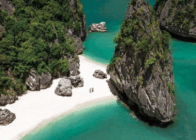
Afternoon: Sail past towering limestone karsts. Kayak through sea caves into hidden lagoons, and swim in warm emerald waters.
Evening: Sunset cocktails on deck followed by a multi-course fresh seafood banquet.
Day 4: Lan Ha Bay to Hoi An (via Da Nang Flight)
Morning: Sunrise Tai Chi on deck followed by a bamboo rowboat tour through Dark & Bright Lagoon.
Afternoon: Disembark, private transfer to Hanoi airport for a quick 1-hour flight to sunny Da Nang. Transfer to Hoi An and check into your beachfront resort.
Days 5, 6 & 7: Hoi An & Da Nang – Uninterrupted Coastal Sunshine
Days at Leisure: Enjoy three full days in Central Vietnam’s dry summer weather.
Included Experiences: Relax on An Bang Beach, take a private morning bicycle ride through Tra Que organic farming village, explore UNESCO-listed merchant houses, and enjoy a sunset sampan cruise on the Thu Bon River.
Day 8: Hoi An to Ho Chi Minh City – Southern Metropolis
Morning: Leisurely breakfast before a short flight south to Ho Chi Minh City. Private transfer to your central luxury hotel.
Afternoon: Explore air-conditioned architectural landmarks: Reunification Palace, Saigon Opera House, and the historic Central Post Office.
Evening: Enjoy Saigon’s famous cafe culture during a brief 30-minute afternoon shower, followed by a rooftop dinner.
Day 9: Mekong Delta Floating Water Excursion
Activity: Full-day private excursion to the Mekong Delta during Mùa Nước Nổi (High Water Season). Navigate palm-shaded canals by wooden sampan boat. Visit floating nurseries, sample fresh tropical fruit, and enjoy lunch at an orchard homestead.
Day 10: Cu Chi Tunnels & Urban Secret Tunnels
Morning: Private morning speed-boat ride along the Saigon River to visit the historical Cu Chi Tunnels before afternoon heat or rain.
Afternoon: Return to Saigon for an afternoon visit to boutique art galleries and tea lounges.
Day 11: Saigon Culinary Exploration & Sunset Yacht Cruise
Morning: Private guided walk through local spice markets and hidden residential alleys.
Evening: Farewell sunset yacht cruise along the Saigon River with fine dining under evening lights.
Day 12: Artisan Shopping & Departure
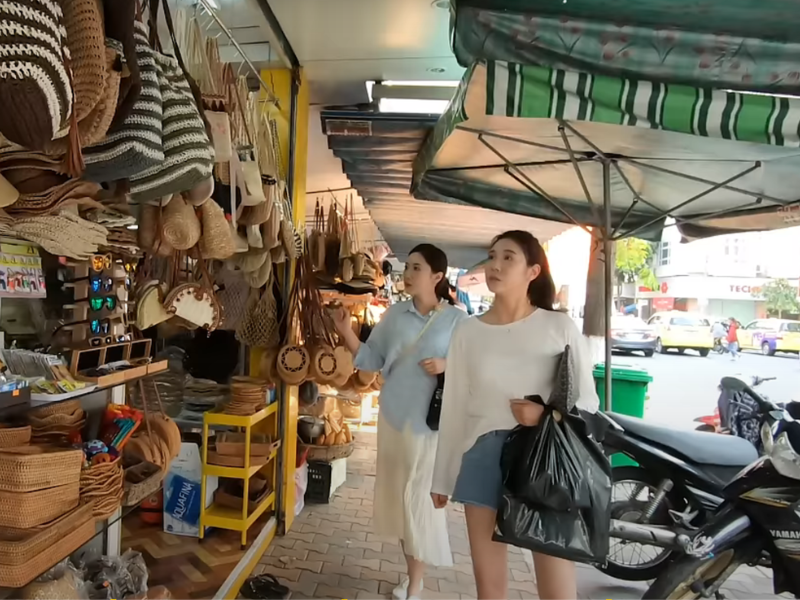
Activity: Morning exploration of Saigon’s hidden handicraft boutiques and specialty tea houses. Enjoy late checkout and an executive private transfer to Tan Son Nhat Airport for your return flight home.
Essential Packing List for Vietnam’s Rainy Season
Packing for a trip during wet months is easy when you focus on lightweight, water-friendly gear:
+------------------+-----------------------------------------------------------------+
| Packing Category | Recommended Rainy Season Items                                  |
+------------------+-----------------------------------------------------------------+
| Apparel          | Quick-drying synthetic or linen shirts, light shorts, poncho    |
| Footwear         | Waterproof sandals with rubber traction, light walking shoes    |
| Gear Protection  | 5L to 10L waterproof dry bag, rain cover for daypack            |
| Accessories      | Compact travel umbrella, eco-friendly insect repellent, towel   |
+------------------+-----------------------------------------------------------------+
Choose Quick-Drying Fabrics: Avoid heavy denim or thick cotton, which take a long time to dry in tropical humidity. Synthetic blends, lightweight linen, and quick-dry athletic wear are far superior.
Carry a Compact Dry Bag: A small 5-liter dry bag keeps your passport, smartphone, camera, and cash completely dry during unexpected afternoon showers or boat trips.
Invest in Quality Traction Footwear: Wet city sidewalks and stone temple steps can become slippery. Choose comfortable walking sandals with textured rubber soles for grip.
Frequently Asked Questions (FAQ)
1. When is rainy season in Vietnam?
Rainy season varies by region. In Northern Vietnam (Hanoi, Sapa, Ha Long Bay) and Southern Vietnam (Saigon, Mekong Delta, Phu Quoc), the rainy season runs from May through November. In Central Vietnam (Hoi An, Da Nang, Hue), the rainy season occurs late in the year, from September through December.
2. Does it rain all day during the rainy season in Vietnam?
No. In most parts of Vietnam (especially the South and North), rain takes the form of short, heavy, and predictable afternoon downpours that last 30 to 60 minutes. Mornings are typically dry, bright, and sunny, allowing for full days of outdoor sightseeing.
3. Is it worth visiting Vietnam during the rainy season?
Yes! Traveling during the rainy season offers lower tourist crowds, lush green landscapes, full waterfalls, and attractive shoulder-season rates at luxury boutique hotels. With flexible daily planning, it can be a wonderful time to travel.
4. What is the driest region in Vietnam between May and August?
Central Vietnam (Hoi An, Da Nang, Hue, Quy Nhon) is the driest and sunniest region in Vietnam from May through August, as the Trường Sơn mountains protect the coast from summer monsoon rain blowing in from the southwest.
Plan Your Seamless Journey with Sao La Vietnam Tours
Understanding when is rainy season in Vietnam allows you to plan a trip that turns seasonal weather patterns into a major travel advantage.
At Sao La Vietnam Tours, we take all the uncertainty out of seasonal travel. From arranging VIP airport greetings and private executive vehicles to handpicking luxury boutique eco-lodges and pairing you with local guides who adapt daily schedules around local weather shifts, we design unhurried, tailor-made journeys crafted around your needs.