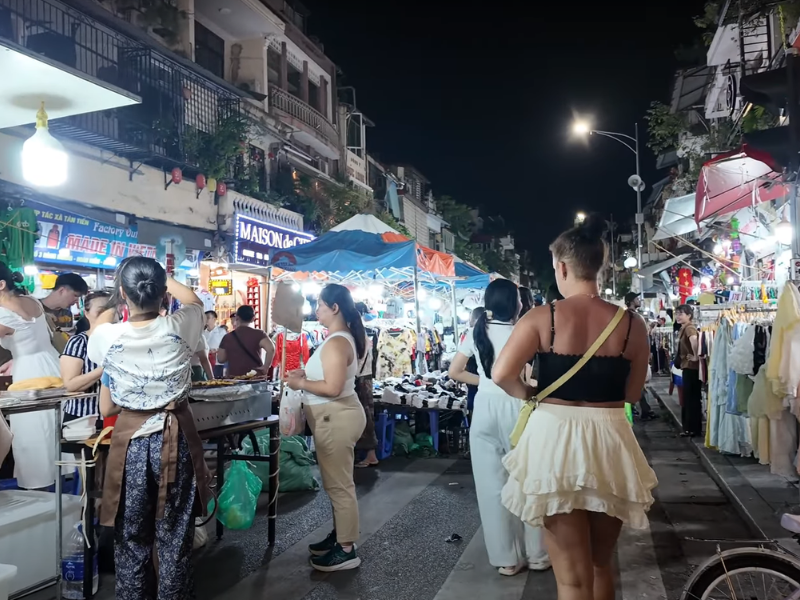
Northern Vietnam is a region of dramatic contrasts. From the rugged karst peaks of Ha Giang and the cascading rice terraces of Sapa to the emerald waters of Ha Long Bay and the ancient streets of Hanoi, it offers some of Southeast Asia’s most iconic landscapes. However, unlike the tropical south, the north experiences four distinct seasons, accompanied by shifting microclimates, high humidity, and sudden monsoon shifts.
Choosing the best month to visit northern vietnam for good weather can mean the difference between trekking under clear blue skies or being marooned in a dense mountain fog. Because Northern Vietnam’s geography ranges from coastal bay areas to high-altitude mountainous provinces, “good weather” depends heavily on what you plan to do.
This definitive guide breaks down the ideal months, seasonal patterns, regional microclimates, and month-by-month conditions so you can lock in the perfect time for your journey.
The Verdict: What Is the Best Month to Visit Northern Vietnam for Good Weather?
If you are looking for a single month that balances comfortable temperatures, minimal rain, and clear skies across the entire region, October is widely considered the absolute best month to visit northern vietnam for good weather.
Why October Takes the Top Spot
Minimal Rainfall: The summer monsoon season officially winds down by late September, leaving October with low humidity and very low precipitation.
Optimal Temperatures: Expect pleasant average daily temperatures ranging between 22°C and 28°C (72°F to 82°F).
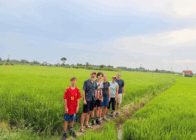
Golden Harvest Season: October coincides with the golden ripe rice harvest in mountain areas like Sapa, Mu Cang Chai, and Yen Bai.
Clear Skies for Cruising: Ha Long Bay and Lan Ha Bay experience minimal fog, crisp horizons, and low risk of tropical storms.
Top Alternatives: November & April
November: The cool, dry continuation of autumn. Temperatures drop slightly (19°C to 24°C / 66°F to 75°F), making it the prime time for city walking tours in Hanoi and long-distance motorbike trips on the Ha Giang Loop.
April: The spring peak. Offers warm days, blooming mountain flora, and mild weather before the heavy summer heat and rain arrive in late May.
Northern Vietnam Seasons at a Glance
To select your ideal travel dates, it helps to understand how the regional weather shifts across the four main seasons.
       SPRING (Mar - Apr)             SUMMER (May - Aug)
     Warm • Blooming Flora          Hot • High Humidity
    Moderate Rain • Mild Days       Heavy Monsoon Downpours
              │                               │
              └───────────────┬───────────────┘
                              │
              ┌───────────────┴───────────────┐
              │                               │
      AUTUMN (Sep - Nov)             WINTER (Dec - Feb)
     ★ BEST TIME TO VISIT ★          Cold • Misty / Dry
   Clear Skies • Golden Rice       Dense Fog in Mountains
| Season | Months | Average Temp Range | Weather Characteristics | Overall Rating |
| Autumn | September – November | 20°C – 28°C (68°F – 82°F) | Dry, crisp air, sunny, minimal rainfall | Best Overall |
| Spring | March – April | 20°C – 26°C (68°F – 79°F) | Warm, clear days, low to moderate rain | Very Good |
| Winter | December – February | 10°C – 18°C (50°F – 64°F) | Cold, overcast, mountain frost/fog | Fair / Niche |
| Summer | May – August | 28°C – 36°C (82°F – 97°F) | Hot, muggy, frequent heavy monsoon downpours | Challenging |
Regional Microclimates: Why Location Matters
Northern Vietnam isn’t uniformly warm or cold. The geography splits into three key climate zones:
1. The Red River Delta (Hanoi, Ninh Binh, Hai Phong)
Climate: Subtropical with high humidity year-round.
Best Months: October to December; March to April.
What to Expect: Summers are stiflingly hot and wet; winters are damp, chilly, and overcast.
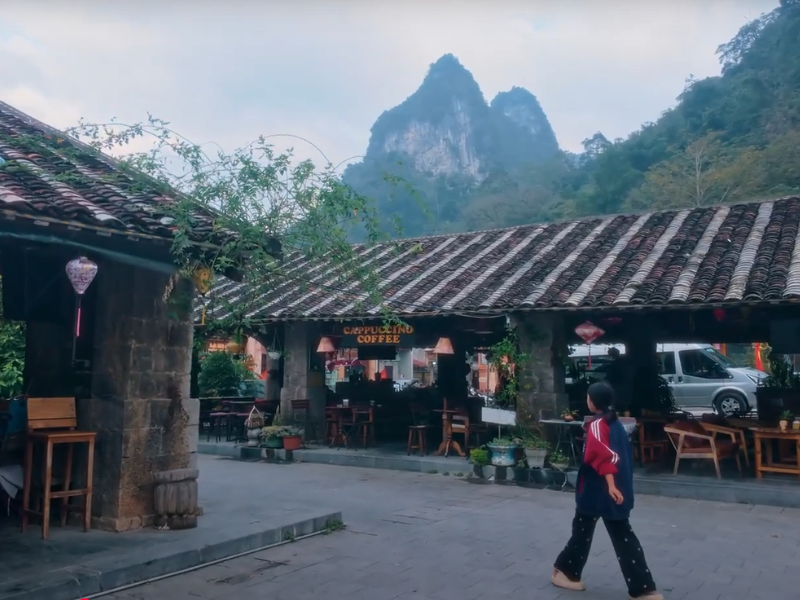
2. High Tonkin Alps (Sapa, Mu Cang Chai, Ha Giang)
Climate: Alpine / Montane. Temperatures are consistently 5°C to 10°C cooler than Hanoi.
Best Months: September to November (for golden rice and clear trekking routes); March to May (for clear skies and flower blooms).
What to Expect: Winters (December–February) bring biting frost and occasional snow at high altitudes. Summers bring landslides triggered by monsoon rains.
3. Coastal Bay Areas (Ha Long Bay, Lan Ha Bay, Cat Ba Island)
Climate: Maritime subtropical.
Best Months: October to November; March to April.
What to Expect: Highly vulnerable to tropical storms and typhoons from July to September, which can cancel boat cruises on short notice.
Detailed Month-by-Month Weather Breakdown
January: Crisp, Cool & Quiet
Average Temperature: 14°C – 19°C (57°F – 66°F)
Rainfall: Very Low (Drizzle common)
Overview: January sits in the heart of winter. Hanoi is dry but overcast, while high-altitude areas like Sapa can drop near freezing (0°C – 5°C).
Pros: Low tourist numbers, minimal heavy rain.
Cons: Dense mountain fog obscures views in Ha Long Bay and high mountain passes.
Best For: Cultural exploring in Hanoi, photography of foggy atmospheric mountain passes.
February: Spring Transition & Tet Festival
Average Temperature: 15°C – 21°C (59°F – 70°F)
Rainfall: Low (Frequent fine drizzle, known as mưa xuân)
Overview: February brings the transition into spring, often overlapping with Tet (Vietnamese Lunar New Year).
Pros: Festive cultural atmosphere, cherry blossoms blooming in the highlands.
Cons: High humidity creates persistent light drizzle (“damp cold”). Many businesses close during Tet holidays.
Best For: Experiencing local holiday traditions, mild city walks.
March: Spring Blooms & Pleasant Warmth
Average Temperature: 18°C – 23°C (64°F – 73°F)
Rainfall: Moderate
Overview: March is one of the most pleasant months for outdoor activities. Days warm up quickly without reaching uncomfortable heat levels.
Pros: Wildflowers (peach blossoms, plum blossoms) coat the northern valleys. Great for trekking.
Cons: Morning fog can still linger around coastal waters early in the month.
Best For: Trekking in Sapa, motorbiking the Ha Giang Loop, exploring Ninh Binh.
April: The Pre-Summer Sweet Spot
Average Temperature: 22°C – 28°C (72°F – 82°F)
Rainfall: Low to Moderate
Overview: April is an excellent choice if you want warm sunshine and clear sky photography before the summer rains start.
Pros: Excellent water visibility in Ha Long Bay, ideal conditions for swimming, kayaking, and hiking.
Cons: Prices begin to rise as shoulder-season tourism picks up.
Best For: Ha Long Bay cruises, rock climbing in Cat Ba, multi-day treks.
May: Early Summer Heat
Average Temperature: 25°C – 32°C (77°F – 90°F)
Rainfall: Moderate to High
Overview: May signals the start of summer. Temperatures jump sharply, and afternoon thundershowers become more frequent.
Pros: The “water pouring season” (mùa nước đổ) fills mountain rice terraces, creating mirror-like reflection views.
Cons: High humidity and climbing heat make mid-day outdoor activities demanding.
Best For: Landscape photography in Mu Cang Chai, early summer bay cruises.
June to August: Peak Summer & Monsoon Season
Average Temperature: 28°C – 36°C (82°F – 97°F)
Rainfall: Very High
Overview: The summer monsoons hit their stride. Heavy tropical downpours are daily occurrences, and high heat combined with extreme humidity can feel intense.
Pros: Lush green scenery, fewer international tourists, discounted hotel rates.
Cons: High risk of landslides in Ha Giang and Sapa; high risk of typhoons cancelling cruises in Ha Long Bay.
Best For: Budget travelers sticking to major cities or flexible itineraries.
September: The Autumn Awakening
Average Temperature: 24°C – 30°C (75°F – 86°F)
Rainfall: Moderate (Decreasing toward late September)
Overview: September is the transition into autumn. Early September can still carry residual rain, but late September offers crisp days and stunning mountain harvests.
Pros: Peak harvest season in Mu Cang Chai and Sapa (golden terraced fields).
Cons: Early September can still see occasional storm alerts along the coast.
Best For: Photographers and trekkers visiting terraced rice fields.
October: The Gold Standard
Average Temperature: 21°C – 27°C (70°F – 81°F)
Rainfall: Low
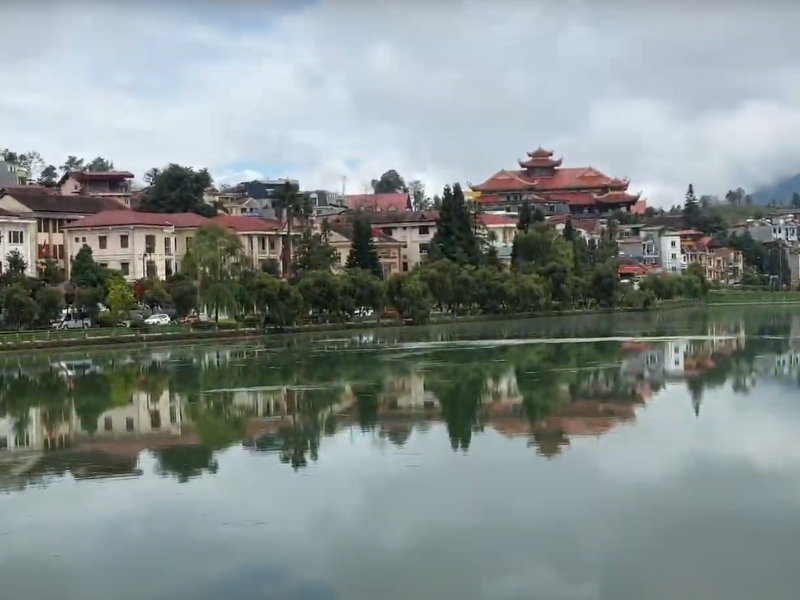
Overview: Widely recognized as the absolute best month to visit northern vietnam for good weather. Clear blue skies, minimal humidity, and warm sunshine dominate the month.
Pros: Ideal conditions for every major destination: Hanoi, Ha Long Bay, Sapa, Ninh Binh, and Ha Giang.
Cons: Peak tourist month; accommodation requires advance booking.
Best For: All travel styles, including cruising, trekking, motorbiking, and sightseeing.
November: Cool, Clear & Dry
Average Temperature: 18°C – 24°C (64°F – 75°F)
Rainfall: Very Low
Overview: November maintains October’s dry conditions with slightly cooler temperatures.
Pros: Perfect for physical endurance activities like mountain biking, trekking, and long motorbike rides.
Cons: Days grow shorter; water temperatures in the bays begin to drop.
Best For: Motorbiking the Ha Giang Loop, urban food tours in Hanoi.
December: Cold & Dry Mountain Winters
Average Temperature: 13°C – 19°C (55°F – 66°F)
Rainfall: Very Low
Overview: Winter arrives fully in December. Expect dry, clear, but chilly conditions across the plains, and cold winds in the mountains.
Pros: Very low chance of rain; clear skies in urban centers.
Cons: Cold nights in mountain homestays (many lack central heating).
Best For: Cozy city exploration, trekking for travelers who prefer cold weather.
Weather Comparison for Top Northern Destinations
   REGIONAL WEATHER BY MONTH (TEMPERATURE & RAINFALL)

   HANOI
   Temp (°C)  [17] [18] [21] [25] [29] [30] [30] [29] [28] [25] [22] [18]
   Rain (mm)  [18] [26] [43] [90] [188][240][290][320][210][100][45] [20]
              Jan  Feb  Mar  Apr  May  Jun  Jul  Aug  Sep  Oct  Nov  Dec

   SAPA
   Temp (°C)  [09] [11] [15] [18] [21] [22] [22] [21] [20] [17] [14] [10]
   Rain (mm)  [20] [35] [60] [100][210][330][400][390][250][110][50] [25]
              Jan  Feb  Mar  Apr  May  Jun  Jul  Aug  Sep  Oct  Nov  Dec
1. Hanoi
Best Months: October, November, April.
Why: Avoids the stifling summer humidity (May–August) and the damp winter drizzle (February). Crisp, dry air in autumn makes exploring the Old Quarter on foot very comfortable.
2. Ha Long Bay & Lan Ha Bay
Best Months: October, November, March, April.
Why: Spring and autumn offer sunny days with high water visibility, ideal for kayaking and swimming without typhoon disruptions.
3. Sapa & Mu Cang Chai
Best Months: September to October (Harvest); March to May (Spring blooms).
Why: Late September to October turns the terraced fields a brilliant golden yellow. Spring offers mild temperatures for long treks without monsoon mud slides.
4. Ha Giang
Best Months: October, November, December.
Why: Autumn brings dry, safe roads for the Ha Giang Loop. October and November also coincide with the famous Buckwheat Flower Festival (Hoa Tam Giac Manh).
Practical Packing Tips by Season
Preparing your luggage according to Northern Vietnam’s seasons ensures you stay comfortable across shifting microclimates:
Packing for Autumn (September – November)
Clothing: Lightweight breathable shirts, long pants for cooler evenings, comfortable walking shoes.
Layers: A light denim jacket or fleece pullover for crisp mountain nights in Sapa or Ha Giang.
Sun Protection: Sunglasses, hat, and broad-spectrum sunscreen.
Packing for Spring (March – April)
Clothing: T-shirts, shorts, light trousers, rain shell or compact umbrella for brief spring showers.
Footwear: Breathable hiking boots or trail runners with good traction.
Packing for Winter (December – February)
Clothing: Thermal base layers, windproof outer jacket, wool socks, beanie, and gloves (essential for open-air motorbiking in Ha Giang).
Homestay Essentials: A warm sleep sheet or thermal layer, as rural homestays rarely have central heating.
Packing for Summer (May – August)
Clothing: Moisture-wicking activewear, rain poncho, waterproof dry bags for electronics.
Insect Protection: High-DEET mosquito repellent (especially for rural trekking and nature reserves).

Frequently Asked Questions (FAQ)
What is the absolute best month to visit Northern Vietnam for good weather?
October is widely considered the absolute best month to visit Northern Vietnam for good weather. During this time, the summer monsoon season ends, leaving behind crisp blue skies, minimal rainfall, low humidity, and pleasant temperatures averaging 22°C to 28°C (72°F to 82°F) across Hanoi, Sapa, and Ha Long Bay.
Which months should I avoid when traveling to Northern Vietnam?
The peak monsoon months of July and August are generally the most challenging. These summer months bring high temperatures, extreme mugginess, heavy tropical downpours, and an increased risk of severe typhoons in Ha Long Bay or hazardous landslides on the Ha Giang Loop.
What is the weather like in Sapa and Ha Giang during winter?
From December to February, high-altitude regions like Sapa and Ha Giang experience cold winter conditions, with temperatures frequently dropping below 10°C (50°F) and occasionally reaching freezing levels (0°C / 32°F). While rainfall is low, dense fog and mountain mist can obscure scenery and landscape views.
When is the best time to see golden rice terraces in Northern Vietnam?
The ideal window to photograph the golden ripe rice harvest in Sapa, Mu Cang Chai, and Yen Bai is from late September to mid-October. By late October, most of the fields have already been harvested by local farmers.
Is April a good month for a Ha Long Bay cruise?
Yes, April is one of the top spring months for a Ha Long Bay cruise. The weather is warm, skies are mostly clear, and the risk of tropical storms or heavy fog is exceptionally low, making it ideal for swimming, kayaking, and outdoor sightseeing.
Does it snow in Northern Vietnam?
Snow is rare but can occur at high elevations in Sapa, Fansipan Peak, and Ha Giang during severe cold waves between December and January. However, damp cold, frost, and dense morning fog are far more common than heavy snowfall.
Conclusion
Choosing the best month to visit northern vietnam for good weather comes down to balancing your personal itinerary with the region’s seasonal shifts.
If you want the ultimate all-around experience—featuring clear blue skies over Ha Long Bay, golden rice terraces in Sapa, comfortable city walks through Hanoi, and dry, safe roads on the Ha Giang Loop—aim to travel in October. November and April serve as outstanding runner-up months that offer warm days and minimal rain.
By matching your travel goals with Northern Vietnam’s seasonal windows, you can ensure an unforgettable adventure through some of the finest landscapes in Southeast Asia.