
Escape the winter freeze of the Northern Hemisphere by heading south to Southeast Asia’s most captivating coastal stretches. With over 3,260 kilometers of tropical coastline, Vietnam stands out as a top travel destination—offering pristine white sand beaches, secluded island archipelagoes, crystal-clear turquoise waters, and vibrant luxury resorts.
However, planning a vietnam weather in january february for beach holiday itinerary requires careful geographic targeting. Vietnam stretches over 1,000 kilometers from north to south, creating three completely distinct climatic zones during the mid-winter months. While the northern mountainous passes experience cold winds and fog, the southern islands and central-south coast bask in uninterrupted sunshine, dry tropical heat, and calm seas.
This comprehensive travel guide breaks down exact regional temperatures, water conditions, top island beaches, monsoon cycles, and essential packing strategies to ensure your winter sun escape is flawless.
At a Glance: Vietnam Weather in January & February
Understanding the regional shift is the single most important factor when choosing your beach resort base during winter.
                    VIETNAM WINTER REGIONAL BEACH PROFILE
 ┌────────────────────────────────────────────────────────────────────────┐
 │ NORTH (Hanoi / Ha Long Bay)                                            │
 │ • Weather: Cold, Overcast, Dripping Mist                               │
 │ • Air Temp: 14°C – 19°C (57°F – 66°F)                                  │
 │ • Beach Verdict: NOT SUITABLE FOR SWIMMING                             │
 └────────────────────────────────────────────────────────────────────────┘
                                    │
                                    ▼
 ┌────────────────────────────────────────────────────────────────────────┐
 │ CENTRAL (Da Nang / Hoi An / Hue)                                       │
 │ • Weather: Mild, Transitional, Light Breeze                            │
 │ • Air Temp: 19°C – 24°C (66°F – 75°F)                                  │
 │ • Beach Verdict: PLEASANT SUNBATHING / COOL SEA WATER                  │
 └────────────────────────────────────────────────────────────────────────┘
                                    │
                                    ▼
 ┌────────────────────────────────────────────────────────────────────────┐
 │ SOUTH & CENTRAL-SOUTH (Phu Quoc / Con Dao / Mui Ne / Nha Trang)        │
 │ • Weather: Hot, Dry, Crystal Skies, Low Humidity                       │
 │ • Air Temp: 26°C – 32°C (79°F – 90°F)                                  │
 │ • Beach Verdict: PERFECT TROPICAL BEACH HOLIDAY CONDITIONS             │
 └────────────────────────────────────────────────────────────────────────┘
| Region | Primary Coastal Destinations | Average Air Temp | Sea Water Temp | Rainfall Risk | Beach Holiday Rating |
| Southern Vietnam | Phu Quoc, Con Dao Islands, Vung Tau | 26°C – 32°C (79°F – 90°F) | 27°C – 28°C (81°F – 82°F) | Very Low (< 10mm) | 5 / 5 (Ideal) |
| South-Central Coast | Mui Ne, Phan Rang, Nha Trang, Quy Nhon | 22°C – 28°C (72°F – 82°F) | 24°C – 25°C (75°F – 77°F) | Low | 4.5 / 5 (Great) |
| Central Coast | Da Nang, Hoi An, Hue | 19°C – 24°C (66°F – 75°F) | 21°C – 23°C (70°F – 73°F) | Moderate / Low | 3 / 5 (Fair / Cool) |
| Northern Coast | Ha Long Bay, Cat Ba Island | 14°C – 19°C (57°F – 66°F) | 18°C – 20°C (64°F – 68°F) | Low (Drizzle) | 1 / 5 (Too Cold) |
Detailed Regional Breakdown for Beach Lovers
1. Southern Vietnam: The Gold Standard for Winter Beaches
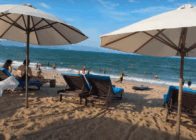
If your dream vacation involves lounging under swaying coconut palms, swimming in bathtub-warm ocean currents, and enjoying sunset cocktails, southern destinations are unbeatable in January and February. This window marks the height of the dry tropical season, bringing zero monsoon rain, low humidity, and maximum sunshine hours.
Top Destinations:
Phu Quoc Island: Nestled in the Gulf of Thailand, Phu Quoc experiences its prime dry season. Beaches like Bai Sao, Ong Lang Beach, and Starfish Beach feature glassy, calm waters and warm temperatures averaging 28°C (82°F).
Con Dao Archipelago: A remote group of 16 islands off the southern coast. January and February bring clear underwater visibility, making Con Dao world-class for snorkeling, scuba diving, and private eco-resort escapes.
2. South-Central Coast: Sunshine & Water Sports
Moving slightly north up the coast brings you to the dry, sunny enclaves of the South-Central region. This area benefits from microclimates protected by mountain ranges, making it significantly drier and warmer than the central plains further north.
Top Destinations:
Mui Ne & Phan Rang: Renowned as the kitesurfing capitals of Southeast Asia. Steady dry winter trade winds create perfect conditions for windsports, while dramatic red and white sand dunes provide striking desert-meets-ocean backdrops.
Nha Trang: A bustling coastal resort city surrounded by offshore islands. January marks the end of the regional rainy season, and by February, Nha Trang is bathed in bright sun with moderate sea breezes.

3. Central Vietnam: Mild & Cultural (Cooler Seas)
The central coast—including Da Nang and Hoi An—undergoes a major weather transition during early winter. January sees the tail-end of cool winter monsoon breezes.
While day temperatures around 22°C to 24°C (72°F – 75°F) are ideal for exploring historic ancient towns, cycling, and sunbathing on My Khe Beach or An Bang Beach, the water can feel chilly for extended swimming. By late February, conditions heat up pleasantly.
4. Northern Vietnam: Cruising Only (No Swimming Weather)
It is crucial to note that Northern coastal regions like Ha Long Bay, Lan Ha Bay, and Cat Ba Island experience winter during January and February. Air temperatures hover between 14°C and 19°C (57°F – 66°F), often accompanied by misty fog. While overnight luxury karst cruising is atmospheric and majestic, it is not beach swimming weather.
Month-by-Month Comparison: January vs. February
                  JANUARY vs. FEBRUARY METRICS

         JANUARY                                FEBRUARY
   ┌───────────────────┐                  ┌───────────────────┐
   │ • Temp: 27°C (S)  │                  │ • Temp: 29°C (S)  │
   │ • Humidity: Low   │                  │ • Humidity: Low   │
   │ • Sea: Very Calm  │                  │ • Sea: Warm/Calm  │
   │ • Tet Holiday Risk│                  │ • Peak Beach Month│
   └───────────────────┘                  └───────────────────┘
January: Crisp Sun & Calm Seas
Air Temperature (South): 26°C – 30°C (79°F – 86°F)
Sea Temperature (South): 27°C (81°F)
Highlights: The air is remarkably fresh with lower humidity. Sea waters across Phu Quoc and Con Dao are extremely calm and clear.
Travel Consideration: Tet (Vietnamese Lunar New Year) often falls between late January and mid-February. Domestic travel surges during this festival, so luxury resorts must be booked well in advance.
February: Peak Tropical Warmth
Air Temperature (South): 28°C – 32°C (82°F – 90°F)
Sea Temperature (South): 28°C (82°F)
Highlights: Widely heralded as one of the best overall months of the year for a beach holiday in Vietnam. The weather is consistently hot and dry without reaching the overwhelming humidity of summer.
Travel Consideration: High demand for beachfront villas—ensure hotel transfers and island flights are locked in early.
Top 5 Beach Destinations for January & February
1. Phu Quoc Island (The Ultimate Winter Beach Destination)
Best For: Luxury resort stays, calm turquoise swimming, couples, and families.
Weather Profile: 28°C (82°F), dry blue skies, calm waters.
Why Visit: Located in the sheltered Gulf of Thailand, Phu Quoc experiences its absolute best weather in January and February. You can spend your days relaxing on Sao Beach, catching iconic orange sunsets at Long Beach, or snorkeling near southern islet reefs.
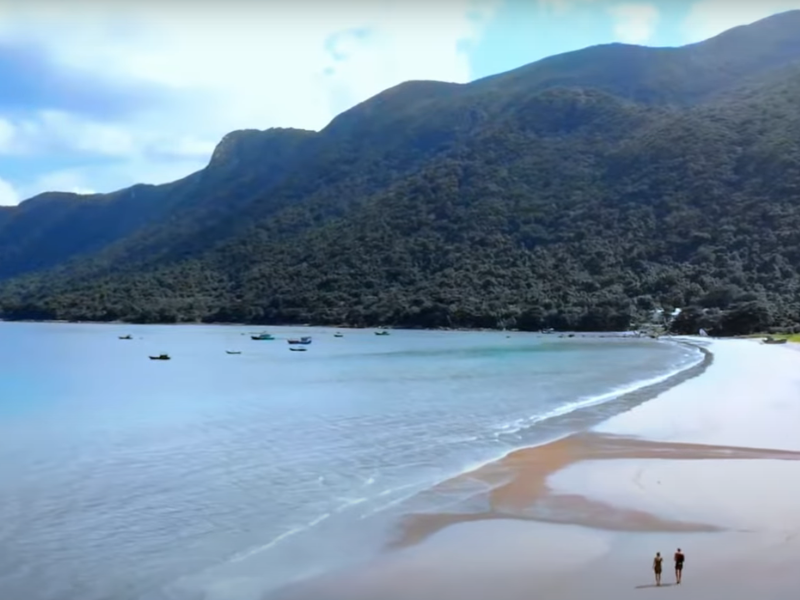
2. Con Dao Islands (Wild, Secluded & Pristine)
Best For: Eco-luxury, diving, unspoiled nature, privacy.
Weather Profile: 27°C (81°F), warm marine breezes, dry days.
Why Visit: Con Dao offers a rugged alternative to developed resort hubs. Highlights include Dam Trau Beach and Nhat Beach, where dramatic granite cliffs meet clear ocean waters. Underwater visibility reaches its annual peak in winter.
3. Mui Ne & Phan Rang (Kitesurfing & Sun-Drenched Coastlines)
Best For: Kitesurfing, windsurfing, adventure travelers, active sunbathing.
Weather Profile: 26°C – 29°C (79°F – 84°F), dry desert-like air, breezy.
Why Visit: Protected by coastal microclimates, Mui Ne receives almost no rain during January and February. Steady, reliable winds draw international kitesurfers to Suoi Nuoc Beach and Mui Ne Main Beach.
4. Nha Trang & Cam Ranh Peninsula
Best For: High-end beachfront resorts, island hopping, spa retreats.
Weather Profile: 24°C – 27°C (75°F – 81°F), mild sun.
Why Visit: The long stretch of golden sand along Cam Ranh Bay houses some of the country’s finest five-star resorts. January and February bring comfortable warmth without severe summer heat waves.
5. An Bang Beach & Da Nang (Cultural Beach Combination)
Best For: Combining heritage tours (Hoi An Ancient Town) with relaxed beach afternoons.
Weather Profile: 20°C – 24°C (68°F – 75°F), pleasant breezes, mild sun.
Why Visit: While ocean water is cool, daytime weather is comfortable for sunbathing on An Bang Beach or My Khe Beach. It’s an ideal choice for travelers who prefer sightseeing over intense tropical heat.
Beach Holiday Packing Checklist
  BEACH ESSENTIALS              ISLAND TRANSITS              SUN PROTECTION
  • Lightweight Linen Wear      • Dry Bag for Boat Rides     • Reef-Safe Sunscreen
  • Swimwear & Rash Guards      • Breathable Trail Shoes     • UV Polarized Shades
  • Light Evening Cardigan      • Water Shoes for Coral      • Broad-Brim Sun Hat
Lightweight Tropical Clothing: Pack breathable linens, cotton shirts, swim trunks, and sundresses for southern destinations.
Light Evening Outerwear: Bring a light cardigan or windbreaker if visiting Central Vietnam or coastal areas at night.
Reef-Safe Sunscreen & UV Gear: The winter sun in southern Vietnam is deceivingly strong due to low humidity and clear skies.
Waterproof Dry Bag: Essential for day-trips, island-hopping speedboats, and kayaking in Phu Quoc or Con Dao.
Important Travel Tip: Navigating Tet (Lunar New Year)
January and February frequently feature Tet (Vietnamese Lunar New Year). During this major national holiday:
Book Flights & Resorts 2–3 Months Ahead: Island flights to Phu Quoc and Con Dao fill up fast as domestic travelers holiday with family.
Resort Operations: Major luxury beach resorts and international restaurants operate normally, but smaller local family shops may close for 3 to 5 days during the main festival days.
Festive Atmosphere: Visiting during Tet offers a rich cultural experience, featuring festive street decorations, dragon dances, and seasonal flower markets across coastal towns.

Frequently Asked Questions (FAQ)
Is the sea warm enough to swim in Vietnam in January and February?
Yes! In Southern Vietnam (Phu Quoc, Con Dao) and the South-Central Coast (Mui Ne, Nha Trang), sea water temperatures hover between a comfortable 25°C and 28°C (77°F to 82°F). However, sea water along the northern coast (Ha Long Bay) is cold (18°C / 64°F), while Central Vietnam (Da Nang/Hoi An) is moderately cool (21°C – 23°C).
Is Phu Quoc good to visit in January and February?
January and February are the absolute best months to visit Phu Quoc Island. You will experience peak dry season with zero heavy rain, glassy turquoise sea conditions, low humidity, and consistent daily temperatures around 28°C (82°F).
Can you go to the beach in Da Nang in February?
Yes, but with caveats. February weather in Da Nang brings warm, sunny day temperatures averaging 22°C to 25°C (72°F to 77°F), which is great for sunbathing and beach strolls. However, the ocean water can still feel chilly for long swim sessions compared to southern islands like Phu Quoc.
Does it rain a lot in Vietnam during January and February?
No. January and February fall squarely in the nationwide dry season for Southern and Northern Vietnam. Southern beaches receive almost zero precipitation. Central coastal areas may see light, sporadic showers early in January, but rainfall drops significantly by February.
Conclusion
When evaluating vietnam weather in january february for beach holiday plans, geographic location is everything.
To lock in uninterrupted sunshine, warm tropical ocean waters, and clear skies, focus your winter trip on Southern Vietnam and the South-Central coast. Phu Quoc Island and the Con Dao Archipelago offer world-class beach conditions, while Mui Ne and Nha Trang provide excellent coastal alternatives for water sports and luxury relaxation.
Plan your route to the south, pack your reef-safe sunscreen, and enjoy one of the finest winter tropical escapes in Asia.