The global travel landscape has reached a pivotal turning point. High-volume, fast-paced tourism is rapidly being replaced by an intentional desire to slow down, leave a positive environmental footprint, and build direct, mutually beneficial relationships with local communities. Within Southeast Asia, sustainable travel Vietnam stands at the absolute forefront of this transformation.
From the mist-shrouded limestone karsts of the Northern Highlands down to the floating organic waterways of the Mekong Delta, Vietnam is proving that luxury, deep cultural immersion, and rigorous ecological conservation can coexist seamlessly. This comprehensive guide explores how to navigate Vietnam as an eco-conscious traveler—highlighting green travel routes, zero-waste luxury retreats, ethical wildlife initiatives, and low-impact travel logistics.
The Core Pillars of Sustainable Tourism in Vietnam
┌───────────────────────────────────────────────────────────┐
│              PILLARS OF SUSTAINABLE TRAVEL                │
├───────────────────┬─────────────────┬─────────────────────┤
│    ENVIRONMENT    │    COMMUNITY    │     CULTURE         │
├───────────────────┼─────────────────┼─────────────────────┤
│ • Zero-Single-Use │ • Direct Local  │ • Heritage Site     │
│   Plastic Rules   │   Income Share  │   Preservation      │
│ • Renewable Power │ • Indigenous    │ • Traditional       │
│ • Habitat Patrols │   Guiding Jobs  │   Craft Support     │
└───────────────────┴─────────────────┴─────────────────────┘
Practicing responsible tourism in Vietnam relies on three primary interconnected pillars designed to protect both the natural landscape and the social fabric of the country:
1. Ecological Conservation & Biodiversity Support
Vietnam contains extraordinary biological diversity, acting as a home to rare endemic species such as the critically endangered Delacour’s langur, the Saola, and nesting sea turtles. High-standard eco-friendly Vietnam tours actively contribute to ecosystem conservation through park entrance fees, re-wilding donations, and strict leave-no-trace protocols.
2. Fair-Trade Community Empowerment
Traditional tourism models often divert revenue away from local hosts toward international corporate entities. In contrast, authentic community-based tourism in Vietnam ensures that financial benefits flow directly to indigenous ethnic families, small-scale farmers, and artisanal workshops.

3. Cultural Integrity & Heritage Protection
Vietnam’s rich cultural tapestry spans 54 distinct ethnic groups, ancient imperial dynasties, and centuries-old artisanal craft villages. Responsible travel ensures these traditions are respected, celebrated, and economically sustained without falling prey to commercial exploitation.
Top Eco-Friendly Destinations and Green Sanctuaries
Selecting the right regions is key to curating a low-impact, high-value journey across Vietnam.
A. Northern Highlands: Pu Luong, Cat Ba & Sapa
Pu Luong Nature Reserve: Located in Thanh Hoa province, Pu Luong features sweeping rice terraces, bamboo waterwheels, and traditional stilt-house villages managed by local Thai and Muong communities. It provides a pristine, low-density alternative to high-traffic mountain hubs.
Cat Ba Biosphere Reserve: Operating within the UNESCO-protected waters of the Gulf of Tonkin, Cat Ba showcases exemplary marine and forest management, offering single-use plastic-free bay cruises and guided sanctuary trekking.
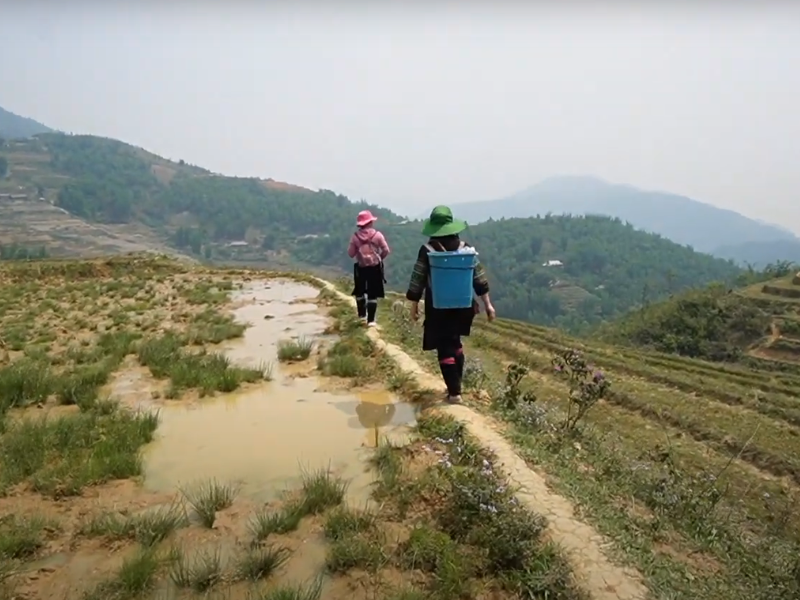
Ethical Sapa Trekking: By partnering with indigenous female guides from local H’Mong and Red Dao communities, visitors can experience high-altitude green trekking routes that provide fair wages and support local schooling initiatives.
B. Central Heritage: Phong Nha, Hue & Hoi An
Phong Nha-Ke Bang National Park: Home to the world’s largest natural caves, Phong Nha is an international benchmark for sustainable adventure tourism. Strict visitor caps, mandatory pack-in/pack-out rules, and the employment of former local poachers as head conservation rangers preserve the delicate cave ecosystems.
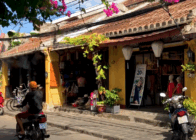
Hoi An Ancient Town: Recognized for municipal sustainability projects, Hoi An leads Vietnam in plastic reduction campaigns, pedestrianized heritage streets, organic farm-to-table culinary hubs, and solar-powered river transit.
C. Southern Waters: Con Dao & The Mekong Delta
Con Dao Archipelago: Protected by Con Dao National Park, this isolated chain of 16 islands features vibrant coral reef nurseries and Vietnam’s most vital sea turtle nesting grounds.
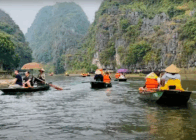
Mekong Delta: Skip high-emissions motorized craft in favor of traditional bamboo rowboats and electric river vessels through quiet canal networks, supporting organic orchard keepers in Ben Tre and Can Tho.
Comparing Conventional vs. Sustainable Travel Options
| Travel Category | Conventional Tourism Choice | Sustainable Travel Vietnam Upgrade |
| Transportation | Frequent domestic flights & single-rider taxis | Overnight electric trains, shared shuttles & pedal bicycles |
| Accommodation | Standard high-rise city hotels & chain resorts | Solar-powered eco-lodges & indigenous homestays |
| Dining | Imported franchise outlets & high-volume buffets | Zero-waste organic cafes & farm-to-table dining |
| Activities | Unregulated wildlife shows & high-impact excursions | Guided national park hikes & ethical sanctuaries |
Detailed 8-Day Eco-Conscious Itinerary
Essential Tips for the Conscious Traveler
Spot and Avoid Greenwashing: Ensure tour operators clearly explain how local communities benefit from their operations, hold verified sustainability certifications (e.g., Travelife or GSTC), and actively avoid captive animal performances.
Eliminate Single-Use Plastics: Tap water in Vietnam requires filtration. Bring a high-grade insulated water bottle equipped with an internal UV or micro-filter to refill at hotel and restaurant stations, keeping single-use plastic bottles out of local landfills.
Respect Local Dress Codes and Etiquette: When visiting sacred pagodas, historic temples, or ethnic villages, dress modestly with covered shoulders and knees. Always ask for permission before taking personal photographs of local residents.
Frequently Asked Questions (FAQ)
Q1: Is sustainable travel in Vietnam more expensive than conventional travel?
Not necessarily. While high-end zero-waste luxury eco-resorts command premium rates, choosing local homestays, public rail transport, street-side farm-to-table dining, and community-guided walking tours is often far more affordable than commercial group travel packages.
Q2: How can I ensure my visits to ethnic minority villages are ethical?
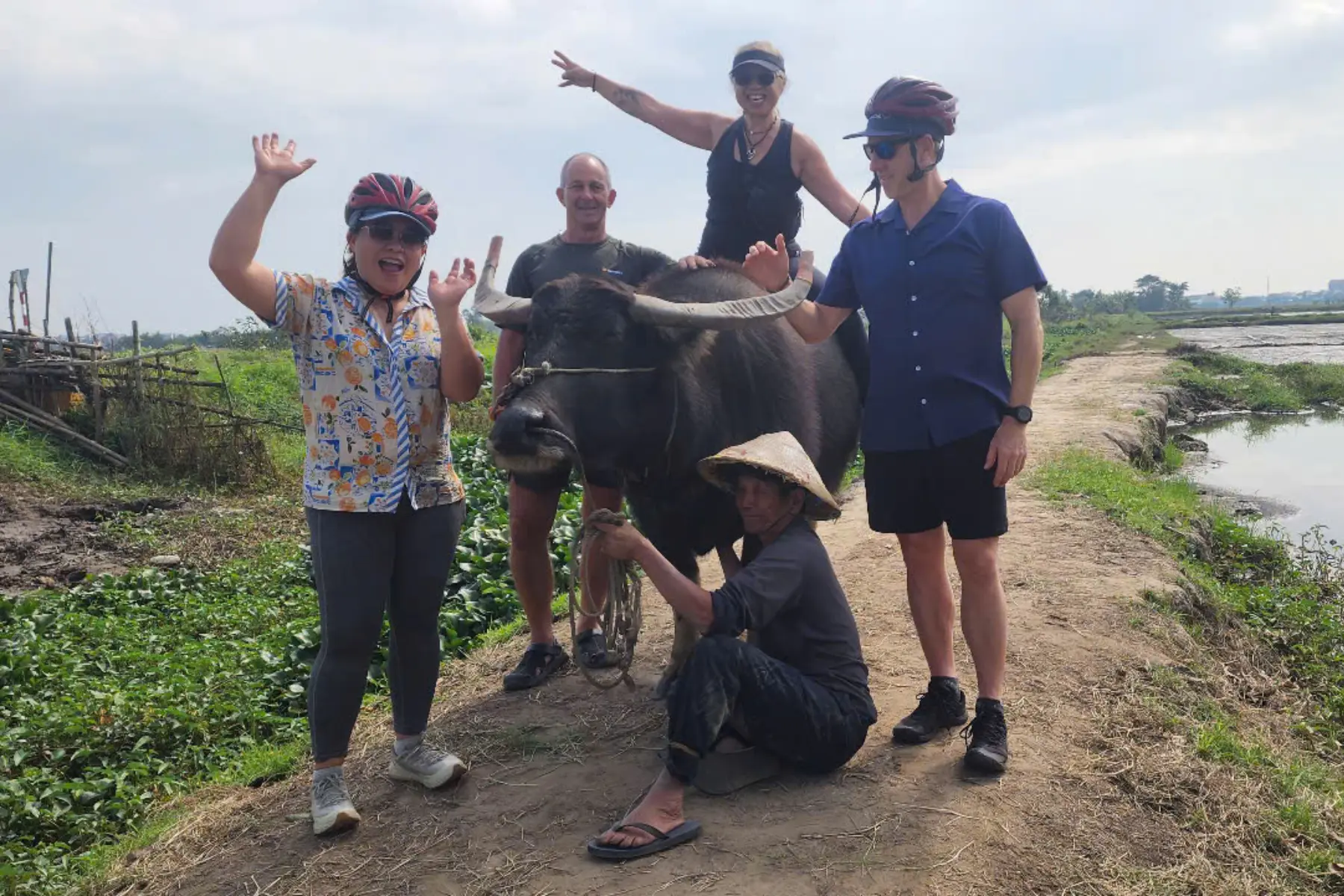
Hire guides who belong to the specific ethnic community you are visiting, support authentic indigenous homestays, avoid handing out money or candy to children, and purchase handmade crafts directly from the artisans who craft them.
Q3: What is the single best step I can take to reduce my carbon footprint in Vietnam?
Opt for rail and electric road transport over domestic short-haul flights whenever possible. Vietnam’s railway network offers scenic, low-emissions travel while connecting major cultural destinations across the country.
Final Thoughts: Leaving a Positive Legacy
Choosing sustainable travel Vietnam transforms your journey into a meaningful cultural exchange. By honoring the environment, prioritizing fair community compensation, and respecting local heritage, you ensure that Vietnam’s extraordinary landscapes and vibrant communities continue to thrive for generations to come.