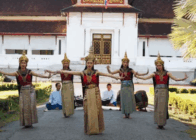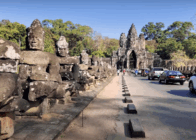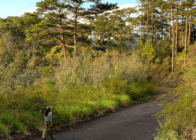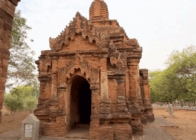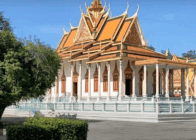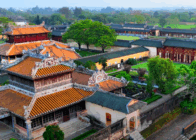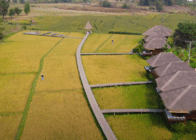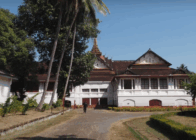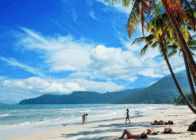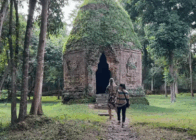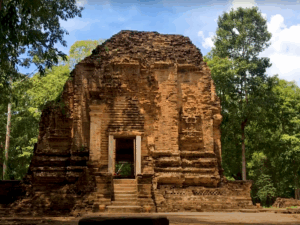
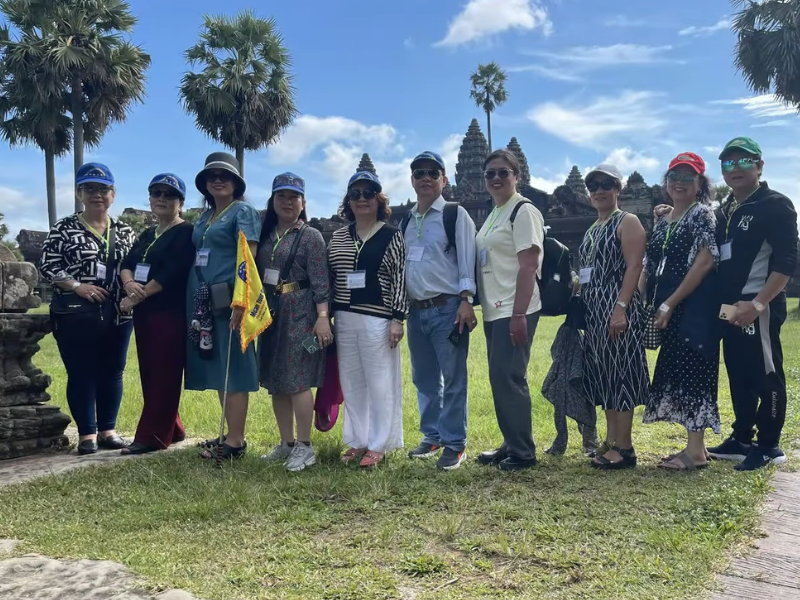
Combining Vietnam and Cambodia into a single seamless journey is one of the world’s most rewarding travel experiences. Together, these neighboring Southeast Asian nations offer an incomparable tapestry of wonders—from the ancient, moss-draped stone face towers of Angkor Wat and the tranquil waters of the Mekong Delta to the dramatic limestone karsts of Ha Long Bay and the emerald rice terraces of Sapa.
However, planning a dual-country itinerary presents a unique geographical puzzle: When is the best time to visit Vietnam and Cambodia?
While Cambodia follows a fairly straightforward two-season tropical climate pattern (dry season versus wet monsoon season), Vietnam stretches over 1,650 kilometers from north to south, encompassing three entirely distinct microclimatic zones. Consequently, while it might be crisp, cool, and dry in Northern Vietnam, the Central Coast could be experiencing late-autumn rains, while Southern Vietnam and Cambodia bask in warm, dry tropical sunshine.
Understanding these intersecting climate zones is the key to ensuring your dream holiday features sunny skies, pleasant temperatures, calm waters for cruise navigation, and optimal visibility for exploring ancient UNESCO World Heritage sites.
At Sao La Vietnam Tours, as a premier Destination Management Company (DMC) with local offices in Hanoi, Ho Chi Minh City, Siem Reap, and Phnom Penh, we design thousands of multi-destination Indochina journeys every year.
In this ultimate 3,000+ word master seasonal manual, we decode the weather patterns of both countries month-by-month, map out regional microclimates, highlight vibrant cultural festivals, and reveal expert insider strategies for traveling during the shoulder and green seasons.
1. Quick Verdict & Master Climate Matrix
If you are looking for an immediate answer to plan your travel dates, here is the quick verdict on the absolute best times to travel:
+-------------------------------------------------------------------------------------------------------+
| THE AT-A-GLANCE SEASONAL SUMMARY FOR VIETNAM & CAMBODIA                                               |
+-------------------------------------------------------------------------------------------------------+
| GOLDEN PEAK WINDOW (November to April)                                                                |
| - Best Overall Time: November to March offers the most comfortable, sunny, and dry conditions         |
|   across both Cambodia and Southern/Northern Vietnam.                                                 |
| - Sweet Spot Months: NOVEMBER and FEBRUARY/MARCH provide dry weather, clear skies, and slightly       |
|   fewer crowds than the festive Christmas/New Year peak in December and January.                      |
|                                                                                                       |
| SHOULDER SEASONS (April – May & September – October)                                                  |
| - Ideal For: Travelers seeking lower hotel rates, fewer tourists at major temples, and dynamic        |
|   green landscapes.                                                                                   |
| - Highlights: Sapa's golden rice harvests occur in September/October; Central Vietnam beaches are     |
|   warm and dry from April through July.                                                               |
|                                                                                                       |
| GREEN / MONSOON SEASON (June to August)                                                               |
| - Characterized By: Warm temperatures with short, intense late-afternoon tropical downpours.           |
| - Perks: Tonle Sap Lake is full and lush; Angkor Wat's moats are filled; waterfalls cascade; lower    |
|   luxury resort pricing across both nations.                                                         |
+-------------------------------------------------------------------------------------------------------+
Master Regional Weather Overview Table
+-----------------------+-----------------------+-----------------------+-----------------------+
| Region / Destination  | Dry & Ideal Window    | Hot Transition Window | Wet / Rain Window     |
+-----------------------+-----------------------+-----------------------+-----------------------+
| Northern Vietnam      | Oct – Apr             | May                   | Jun – Sep             |
| (Hanoi, Ha Long Bay)  | (Crisp, cool & dry)   | (Warm & humid)        | (Summer downpours)    |
+-----------------------+-----------------------+-----------------------+-----------------------+
| North Mountains       | Mar – May / Sep – Nov | Jun                   | Jul – Aug             |
| (Sapa, Ha Giang)      | (Clear, ideal trek)   | (Warm rice planting)  | (Heavy rains & mud)   |
+-----------------------+-----------------------+-----------------------+-----------------------+
| Central Vietnam       | Feb – Jul             | Aug                   | Sep – Dec             |
| (Hue, Hoi An, Da Nang)| (Sunny beach season)  | (Warm transition)     | (Autumn rainy season) |
+-----------------------+-----------------------+-----------------------+-----------------------+
| Southern Vietnam      | Nov – Apr             | May                   | Jun – Oct             |
| (Saigon, Mekong Delta)| (Warm, dry & sunny)   | (Rising humidity)     | (Afternoon showers)   |
+-----------------------+-----------------------+-----------------------+-----------------------+
| Cambodia (All Regions)| Nov – Apr             | Mar – May             | Jun – Oct             |
| (Siem Reap, Phnom Penh)| (Cooler, dry season)  | (Peak heat season)    | (Emerald monsoon)     |
+-----------------------+-----------------------+-----------------------+-----------------------+
2. Understanding Microclimates: Vietnam vs. Cambodia
To make an informed decision on the best month to visit Vietnam and Cambodia, you must first understand how their respective weather systems function.
                  [ VIETNAM CLIMATE ]                            [ CAMBODIA CLIMATE ]
         1,650 km North-to-South Stretch                        Compact Tropical Plain
                      │                                                   │
     ┌────────────────┼────────────────┐                         ┌────────┴────────┐
     ▼                ▼                ▼                         ▼                 ▼
NORTH REGION     CENTRAL REGION   SOUTH REGION              DRY SEASON        WET SEASON
4 Seasons        Sub-Tropical     Tropical 2-Season         (Nov – Apr)       (May – Oct)
(Cold winter,    (Monsoon late    (Dry Nov-Apr,             Sunny, dry,       Lush, afternoon
 warm summer)     Sep-Dec)         Wet May-Oct)             low humidity      rain showers
A. Vietnam’s Three Microclimatic Zones
Northern Vietnam (Hanoi, Ha Long Bay, Sapa, Ninh Binh):
Experience distinct winter and summer seasons.
Winter (November to February): Cool to cold, ranging from 10°C to 18°C (50°F to 64°F) in Hanoi, with temperatures occasionally dropping below freezing in high mountain passes like Sapa. Mist and light drizzles can occur in Ha Long Bay.
Summer (May to August): Hot and humid (30°C to 36°C / 86°F to 97°F) with high rainfall and occasional summer typhoons.
Spring (March–April) & Autumn (September–November): The absolute finest transition seasons, featuring clear skies, mild temperatures, and golden foliage/rice terraces.
Central Vietnam (Hue, Da Nang, Hoi An, Nha Trang):
Operates on a weather clock reversed from the rest of the country.
Dry Season (February to July): Warm, dry, and sunny—ideal for beach holidays along the coast of Hoi An and Da Nang.
Rainy Season (September to December): Heavy autumn rainfall, with peak typhoon potential between October and November, occasionally causing localized river flooding in Hoi An’s historic old town.
Southern Vietnam (Ho Chi Minh City, Mekong Delta, Phu Quoc Island):
Typical tropical monsoon climate with warm temperatures year-round (27°C to 34°C / 80°F to 93°F).
Dry Season (November to April): Low humidity, clear blue skies, and dry breeze.
Wet Season (May to October): Short, predictable heavy tropical downpours occurring almost exclusively in the late afternoon, leaving the rest of the day warm and sunny.
B. Cambodia’s Tropical Weather System
Unlike Vietnam’s multi-zonal complexity, Cambodia’s climate is relatively uniform across Siem Reap (Angkor Wat), Phnom Penh, and the Southern Coast (Koh Rong & Kep):
The Cool Dry Season (November to February):
The undisputed peak tourism window. Temperatures hover between 22°C and 30°C (72°F to 86°F) with virtually zero rain and low humidity. Ideal for walking through the vast stone grounds of Angkor Wat and trekking through countryside villages.
The Hot Dry Season (March to May):
Temperatures climb rapidly, reaching highs between 35°C and 40°C (95°F to 104°F) in April. Sightseeing at unshaded stone temples is best conducted early in the morning or late in the afternoon.
The Emerald Wet Season (June to October):
Monsoon winds bring moisture. Rainfall typically comes in 1 to 2-hour downpours in the afternoon. The countryside turns bright green, Tonle Sap Lake swells to six times its dry-season size, and temple moats sparkle with reflections.
3. Detailed Month-by-Month Weather & Travel Guide
To help you evaluate your exact vacation dates, here is the definitive month-by-month analysis for combining Vietnam and Cambodia:
JANUARY: PEAK WINTER SPLENDOR & DRY SKIES
Weather Rating: 9.5 / 10
Vietnam Conditions: Northern Vietnam is cool and crisp (14°C–20°C / 57°F–68°F); bring light jackets for Hanoi and warm layers for Sapa. Central Vietnam is transitioning to warm, dry weather. Southern Vietnam (Saigon & Phu Quoc) enjoys peak sunny weather.
Cambodia Conditions: Perfect dry tropical weather (25°C / 77°F) with blue skies across Siem Reap and Phnom Penh.
Traveler Tip: This is peak international travel season. Book accommodations and private tours at least 4 to 6 months in advance.
Recommended Focus: Hanoi ➔ Ha Long Bay ➔ Hoi An ➔ Saigon ➔ Mekong Delta ➔ Siem Reap (Angkor Wat) ➔ Koh Rong.
FEBRUARY: THE SWEET SPOT FOR DUAL-COUNTRY TRAVEL
Weather Rating: 10 / 10 (Highest Overall Score)
Vietnam Conditions: Dry weather across all three regions. Northern Vietnam warms up comfortably; Central Vietnam (Hoi An & Da Nang) enters its prime beach season; Southern Vietnam remains warm and dry.
Cambodia Conditions: Dry, pleasant, and sunny. Perfect conditions for walking temple circuits.
Key Cultural Event: Tet (Vietnamese Lunar New Year) often falls in late January or February. While vibrant, plan ahead as shops and service operations close for 3 to 5 days.
Recommended Focus: Comprehensive dual-country itineraries spanning from Sapa in the North to Angkor Wat in Cambodia.
MARCH: SPRING SUNSHINE & CLEAR SKYWAYS
Weather Rating: 9 / 10
Vietnam Conditions: Spring is in full swing. Excellent trekking conditions in Sapa and Ha Giang. Clear, bright blue skies over Ha Long Bay. Warm beach weather in Central Vietnam.
Cambodia Conditions: Temperatures are rising (30°C–33°C / 86°F–91°F), but conditions remain completely dry and excellent for travel.
Recommended Focus: Trekking in Northern Vietnam, luxury cruising in Ha Long Bay, and early-morning temple tours in Siem Reap.
APRIL: WARM TEMPERATURES & FESTIVE CELEBRATIONS
Weather Rating: 8 / 10
Vietnam Conditions: Warm and sunny nationwide. Excellent beach conditions in Hoi An, Nha Trang, and Phu Quoc. Mountain regions are green and blooming.
Cambodia Conditions: Peak heat month (35°C–38°C / 95°F–100°F). However, April hosts the joyful Khmer New Year (Choul Chnam Thmey), featuring traditional music, temple gatherings, and street water celebrations.
Traveler Tip: Schedule temple explorations in Siem Reap between 6:00 AM and 10:30 AM to avoid midday heat.
Recommended Focus: Beach resorts in Central Vietnam combined with early-morning culture tours in Cambodia.
MAY: SHOULDER SEASON VALUE & GREENING LANDSCAPES
Weather Rating: 7.5 / 10
Vietnam Conditions: Early summer warmth. Central beaches are at their absolute peak (clear, calm turquoise water). Northern and Southern regions see occasional afternoon showers.
Cambodia Conditions: The monsoon begins to arrive in late May, bringing relief from April’s heat. Early afternoon downpours refresh the landscape.
Perks: Hotel rates drop and tourist numbers decline significantly at major monuments.
Recommended Focus: Central Vietnam coastal retreats (Hoi An, Da Nang) combined with Siem Reap.
JUNE: SUMMER BEACHES & EMERALD COUNTRYSIDE
Weather Rating: 7 / 10
Vietnam Conditions: Northern and Southern Vietnam experience warm summer rains and high humidity. Central Vietnam (Hue, Hoi An, Da Nang, Nha Trang) remains dry, bright, and ideal for coastal holidays.
Cambodia Conditions: Green season underway. Rain typically falls in short 1-hour bursts in the afternoon, leaving mornings free for clear-sky sightseeing.
Recommended Focus: Central Vietnam beach vacations paired with green-season Angkor Wat excursions.
JULY: CENTRAL VIETNAM PEAK BEACH SEASON
Weather Rating: 7 / 10
Vietnam Conditions: Central Vietnam coast is sunny, warm, and dry (ideal beach conditions). Northern and Southern regions experience peak summer monsoon downpours.
Cambodia Conditions: Tropical monsoon season. Countryside is lush and vibrant; Tonle Sap floating villages are deeply inundated and picturesque.
Traveler Tip: Excellent month for family vacations taking advantage of summer school holidays.
Recommended Focus: Hoi An, Da Nang, and Nha Trang beach stays.
AUGUST: EMERALD SCENERY & PHOTOGRAPHY PARADISE
Weather Rating: 6.5 / 10
Vietnam Conditions: Similar to July. Northern Vietnam mountains experience heavy rainfall (risk of slippery trekking trails in Sapa). Central Vietnam remains mostly dry until late August.
Cambodia Conditions: Waterfalls in Phnom Kulen are at full capacity. Angkor Wat’s moats are filled with water, creating iconic reflection photography opportunities.
Recommended Focus: Photography tours focusing on Central Vietnam and Cambodia’s emerald countryside.
SEPTEMBER: GOLDEN HARVESTS IN THE NORTHERN MOUNTAINS
Weather Rating: 7.5 / 10
Vietnam Conditions: Autumn arrives in Northern Vietnam. Hanoi is cool and breezy. Sapa and Mu Cang Chai showcase golden rice terrace harvests—one of Asia’s great visual spectacles. Central Vietnam enters its autumn rain season.
Cambodia Conditions: Monsoon season peaks, but rains begin to lessen toward late September.
Recommended Focus: Northern Vietnam rice harvest tours combined with cultural city visits in Phnom Penh and Siem Reap.
OCTOBER: AUTUMN TRANSITION & SHOULDER BARGAINS
Weather Rating: 8 / 10
Vietnam Conditions: Northern Vietnam enters its autumn window (cool, dry, sunny). Southern Vietnam transitions out of the rainy season. Central Vietnam experiences autumn rainfall.
Cambodia Conditions: Rain tapers off rapidly. Temperatures cool down to comfortable levels (26°C / 79°F).
Recommended Focus: Hanoi, Ha Long Bay, Saigon, Mekong Delta, and Siem Reap.
NOVEMBER: GOLDEN SEASON BEGINS NATIONWIDE
Weather Rating: 9.5 / 10
Vietnam Conditions: Cool, clear, and dry in Northern Vietnam; warm, sunny, and pleasant in Southern Vietnam. Mekong Delta waterways are full and ideal for river cruising.
Cambodia Conditions: Dry season begins. Excellent weather across all provinces. The Bon Om Touk (Cambodian Water Festival) takes place in Phnom Penh with boat racing along the Tonle Sap River.
Recommended Focus: Complete cross-country dual-nation itineraries.
DECEMBER: FESTIVE HOLIDAY PEAK
Weather Rating: 9.5 / 10
Vietnam Conditions: Northern Vietnam is cool (winter jackets needed); Southern Vietnam and Phu Quoc Island offer perfect beach weather.
Cambodia Conditions: Exceptional weather—cool, dry, and sunny.
Traveler Tip: Peak festive season (Christmas & New Year). Luxury hotels require mandatory gala dinner bookings; early reservation is essential.
Recommended Focus: Complete heritage, luxury cruise, and beach itineraries.
4. Regional Strategic Itinerary Recommendations
To help match your travel dates with optimal weather locations, here are three region-tailored itinerary models:
+-------------------------------------------------------------------------------------------------------+
| REGIONAL ITINERARY STRATEGIES BASED ON SEASON                                                         |
+-------------------------------------------------------------------------------------------------------+
| ROUTE 1: THE DRY SEASON HERITAGE CLASSIC (November to April)                                          |
| - Ideal For: First-time travelers seeking maximum sunshine and iconic landmarks.                      |
| - Routing: Hanoi ➔ Ha Long Bay Cruise ➔ Hoi An ➔ Saigon ➔ Mekong Delta ➔ Siem Reap (Angkor Wat).      |
| - Weather Edge: Captures dry, pleasant windows across 90% of both nations.                             |
|                                                                                                       |
| ROUTE 2: THE SUMMER BEACH & TEMPLE ESCAPE (May to August)                                              |
| - Ideal For: Summer holidaymakers, families, and beach lovers.                                        |
| - Routing: Hanoi ➔ Ha Long Bay ➔ Hue & Hoi An Beach Resorts ➔ Siem Reap (Morning Temple Tours).       |
| - Weather Edge: Capitalizes on Central Vietnam's dry summer weather while avoiding rainier zones.     |
|                                                                                                       |
| ROUTE 3: THE AUTUMN GOLDEN HARVEST & EMERALD VOYAGE (September to October)                            |
| - Ideal For: Photographers, culture enthusiasts, and value-seeking travelers.                          |
| - Routing: Sapa / Mu Cang Chai (Golden Rice) ➔ Hanoi ➔ Saigon ➔ Tonle Sap Lake ➔ Angkor Wat.          |
| - Weather Edge: Catches Vietnam's iconic golden rice harvest alongside full, lush Cambodian waterways. |
+-------------------------------------------------------------------------------------------------------+
5. Major Cultural Festivals & Event Calendar
Aligning your journey with national cultural events adds depth to your travel experience:
+-----------------------------------+-----------------------------------+-----------------------------------+
| Festival Name                     | Location & Timeframe              | What to Expect                    |
+-----------------------------------+-----------------------------------+-----------------------------------+
| Tet (Vietnamese Lunar New Year)   | Vietnam-wide                      | Floral markets, family reunions,  |
|                                   | (Late Jan / Feb - Varies)         | red lanterns; quiet city streets  |
+-----------------------------------+-----------------------------------+-----------------------------------+
| Khmer New Year (Choul Chnam Thmey)| Cambodia-wide                     | Temple blessings, traditional games|
|                                   | (April 13–16 annually)            | and playful street water throwing |
+-----------------------------------+-----------------------------------+-----------------------------------+
| Vesak (Buddha's Birthday)         | Vietnam & Cambodia                | Paper lanterns released on rivers,|
|                                   | (May - Full Moon)                 | solemn pagoda ceremonies          |
+-----------------------------------+-----------------------------------+-----------------------------------+
| Mid-Autumn Festival (Tet Trung Thu)| Vietnam-wide                      | Lion dances, mooncakes, colourful |
|                                   | (September / October - Full Moon) | paper lanterns filling streetways |
+-----------------------------------+-----------------------------------+-----------------------------------+
| Bon Om Touk (Water Festival)      | Phnom Penh, Cambodia              | Dragon boat races on Tonle Sap,   |
|                                   | (November - Full Moon)            | night fireworks and river parades |
+-----------------------------------+-----------------------------------+-----------------------------------+
6. Essential Packing Checklist by Season
Packing correctly ensures comfort across changing climate zones:
+-------------------------------------------------------------------------------------------------------+
| SEASONAL PACKING GUIDELINES                                                                           |
+-------------------------------------------------------------------------------------------------------+
| COOL DRY SEASON PACKING (November to February):                                                       |
| ✓ Light, breathable cotton and linen clothes for daytime sightseeing in Southern Vietnam & Cambodia.  |
| ✓ A warm jacket, sweater, and scarf for Northern Vietnam (Hanoi, Sapa) winter evenings.                |
| ✓ Modest temple attire covering shoulders and knees (required at Angkor Wat & Vietnamese pagodas).    |
| ✓ Comfortable, broken-in walking shoes or trail sneakers for stone temple stairways.                  |
|                                                                                                       |
| WET / GREEN SEASON PACKING (May to October):                                                          |
| ✓ Lightweight, quick-dry rain jacket or compact travel poncho.                                        |
| ✓ Waterproof dry-bag for protecting cameras, phones, and travel documents during boat trips.          |
| ✓ High-grade tropical insect repellent and reef-safe sunscreen.                                       |
| ✓ Breathable open sandals with good traction for slippery stone surfaces around rain-washed temples.  |
+-------------------------------------------------------------------------------------------------------+
7. Frequently Asked Questions (FAQ)
1. What is the absolute single best month to visit both Vietnam and Cambodia together?
February is widely considered the ultimate single month. During February, Northern Vietnam is pleasantly mild, Central Vietnam is entering sunny beach weather, Southern Vietnam is dry and warm, and Cambodia enjoys dry skies and moderate temperatures before the summer heat sets in.
2. Is it worth visiting Cambodia and Vietnam during the rainy season (June to August)?
Yes, absolutely! Traveling during the green season offers key advantages: luxury resort pricing is reduced by 20% to 40%, tourist crowds at major sites like Angkor Wat and Ha Long Bay are significantly lower, rain usually falls in brief afternoon downpours rather than all-day storms, and the countryside is green and vibrant.
3. How does the weather in Ha Long Bay change throughout the year?
Ha Long Bay experiences hot, sunny weather with occasional summer storms from May to August. September to November brings sunny autumn weather with clear visibility. December to February features cool winter days with occasional morning mist (creating atmospheric, dramatic landscapes). March and April offer pleasant spring temperatures.
4. When is the best time to see the rice terraces in Vietnam?
The iconic golden harvest season in Northern Vietnam’s mountain regions (Sapa, Mu Cang Chai, Y Ty) occurs once a year between late August and early October. The “watering season” (when terraced fields reflect the sky like mirrors) occurs in May and June.
Plan Your Perfect Indochina Journey with Sao La Vietnam Tours
No matter what month you choose to explore Southeast Asia, both Vietnam and Cambodia offer captivating landscapes, rich cultural heritage, and warm hospitality year-round. By understanding regional weather patterns and selecting the itinerary model that matches your dates, you can ensure a comfortable, seamless vacation.
At Sao La Vietnam Tours, our expert travel designers specialize in engineering custom tailor-made itineraries optimized specifically for seasonal weather conditions.
From private luxury cruises in Ha Long Bay and VIP fast-track transfers to exclusive early-morning temple entrances in Siem Reap, we take care of every logistical detail so you can focus on creating lifelong memories.
Ready to Plan Your Custom Vietnam & Cambodia Journey?
Contact our Senior Travel Specialists today for a personalized seasonal consultation and custom itinerary draft!