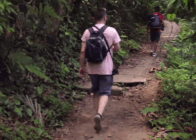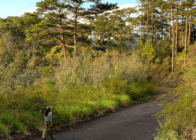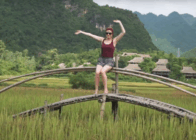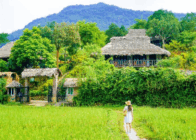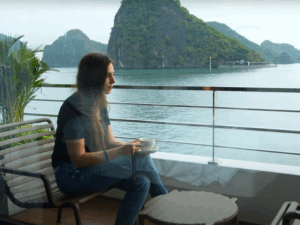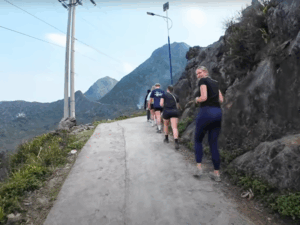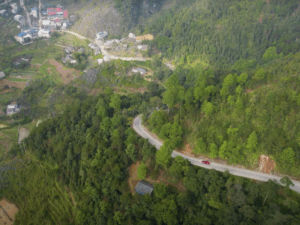
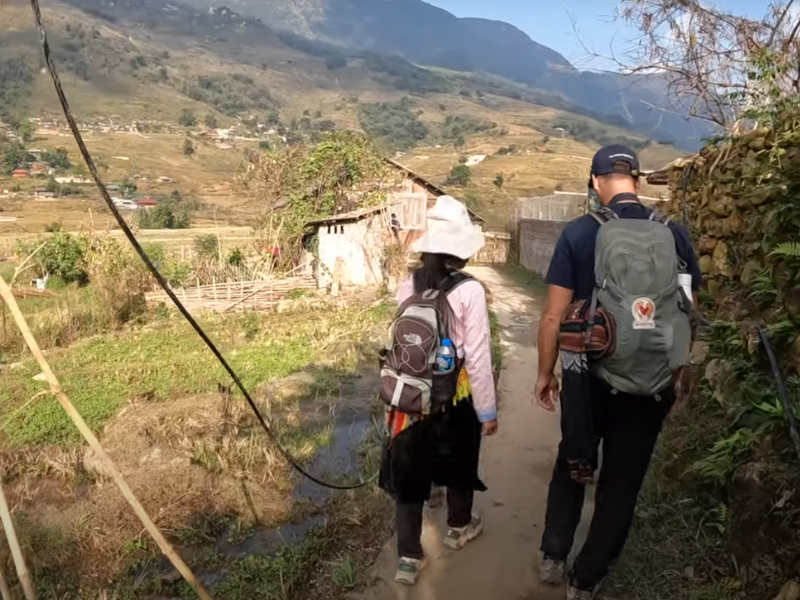
Rising dramatically into the clouds of Northwestern Vietnam, the Hoang Lien Son mountain range surrounds Sapa in a panorama of cascading rice terraces, deep river gorges, emerald bamboo forests, and hidden ethnic minority hamlets. While pictures of Muong Hoa Valley capture the imagination, true adventure begins when you lace up your hiking boots and step onto the ancient dirt trails that crisscross these rugged highlands. However, traversing this mesmerizing terrain is far more than a simple walk in the park—it is a journey through a complex, living landscape where taking part in trekking in Sapa with local guide transforms an ordinary hike into a life-changing cultural immersion.
Navigating Sapa’s trails independently poses significant challenges. Mountain weather in Northern Vietnam is notoriously fickle; dense valley fog can roll in within minutes, obscuring trail markers, while sudden tropical downpours can turn narrow ridge paths into slippery mud chutes. More importantly, self-guided hikers miss out on the rich cultural tapestry woven into these hills. A native local guide—born and raised in villages like Lao Chai, Ta Van, or Ta Phin—does not merely keep you safe on the trail. They serve as cultural ambassadors, translating native ethnic dialects, identifying medicinal forest flora, unlocking access to non-touristy family homes, and sharing ancestral legends of the Black H’mong, Red Dao, and Giay peoples.
Choosing the right native guide and selecting an appropriate itinerary requires deep destination knowledge. Travelers must evaluate trekking difficulty levels—ranging from gentle half-day valley strolls to challenging multi-day wilderness expeditions and the grueling summit trek up Fansipan Peak (3,143m)—while ensuring their tour company practices ethical, community-first tourism.
At Sao La Vietnam Tours, operating as a premier Destination Management Company (DMC) with specialized highland expedition and cultural desks across Sapa, Hanoi, and Central Vietnam, we take pride in pairing travelers with certified, native English-speaking local guides. We ensure fair wages, safety on every trail, and unforgettable connections with indigenous communities.
In this definitive 3,000+ word trekking manual for 2026, we break down every dimension of hiking through Sapa with a local expert—including guide bios, detailed trail route maps, Fansipan vs. valley comparisons, packing strategies, safety protocols, and transparent pricing.
1. Local Native Guide vs. Self-Guided Trekking: The Vital Differences
Understanding why a native guide is indispensable for Sapa’s terrain protects your safety and enriches your travel experience:
+-----------------------------------+-----------------------------------+-----------------------------------+
| Comparison Aspect                 | Self-Guided / Unassisted Trek     | Trekking with Native Local Guide  |
+-----------------------------------+-----------------------------------+-----------------------------------+
| Trail Navigation & Safety         | High risk of getting lost in dense| 100% route accuracy; guides know  |
|                                   | fog, false paths, & mudslides     | shortcuts, weather alerts & safe paths|
+-----------------------------------+-----------------------------------+-----------------------------------+
| Cultural Communication            | Severe language barrier; limited  | Native fluency in H'mong/Dao and  |
|                                   | interactions with local villagers | English; bridges meaningful talks |
+-----------------------------------+-----------------------------------+-----------------------------------+
| Access to Secret Trails           | Restricted to commercial, paved   | Access to non-touristy ridge paths,|
|                                   | tourist tracks (e.g., main Cat Cat)| hidden waterfalls & private homes |
+-----------------------------------+-----------------------------------+-----------------------------------+
| Emergency & First Aid Response    | Delayed help during injury or     | Certified first-aid training;     |
|                                   | sudden weather changes            | immediate local support & rescue  |
+-----------------------------------+-----------------------------------+-----------------------------------+
| Ethical Community Impact          | Money rarely reaches native       | Direct economic support to local  |
|                                   | village families                  | guide families & village stops     |
+-----------------------------------+-----------------------------------+-----------------------------------+
Unlocking Indigenous Knowledge: Native guides possess an extraordinary, inherited understanding of their surroundings. They can point out wild cardamom plants, show you how native hemp is converted into thread, and explain the medicinal uses of forest roots used in traditional Red Dao herbal remedies.
Authentic Hospitality Without Intrusiveness: Walking through a remote mountain hamlet alongside a respected local resident opens doors. Villagers greet you with genuine smiles, welcome you into their traditional homes for green tea, and allow natural, unscripted photography.
Empowerment of Indigenous Women: Many of the finest trekking guides in Sapa are Black H’mong and Red Dao women. Working as professional guides provides them with financial independence, educational opportunities, and leadership roles within their traditional societies.
2. Trail Difficulty Ratings: Selecting Your Ideal Sapa Trek
Sapa offers terrain for every fitness level. Review our standardized difficulty index before choosing your route:
+-------------------+-------------------+-------------------+-------------------+-------------------+
| Trail Level       | Daily Distance    | Elevation Gain    | Terrain Type      | Fitness Required  |
+-------------------+-------------------+-------------------+-------------------+-------------------+
| LEVEL 1: EASY     | 5 km – 8 km       | +100m / -200m     | Paved dirt paths, | Basic mobility;   |
| (Valley Stroll)   | (3 – 4 hours)     |                   | gentle village slopes| suitable for kids & seniors|
+-------------------+-------------------+-------------------+-------------------+-------------------+
| LEVEL 2: MODERATE | 10 km – 15 km     | +300m / -500m     | Rocky paths, bamboo| Moderate fitness; |
| (Valley & Ridge)  | (5 – 6 hours)     |                   | groves, clay tracks| regular walkers   |
+-------------------+-------------------+-------------------+-------------------+-------------------+
| LEVEL 3: HARD     | 16 km – 22 km     | +600m / -800m     | Steep mud inclines| High endurance;   |
| (Off-Grid Explorer)| (6 – 8 hours)    |                   | river bed crossings| experienced hikers|
+-------------------+-------------------+-------------------+-------------------+-------------------+
| LEVEL 4: EXTREME  | 24 km – 30 km     | +1,200m / -1,200m | Open rock faces,  | Excellent stamina;|
| (Fansipan Peak)   | (1 – 2 full days) |                   | steep ladders, forest| mountain climbers  |
+-------------------+-------------------+-------------------+-------------------+-------------------+
3. Master Route Guide: Sapa’s Top Trekking Itineraries
ROUTE A: THE CLASSIC MUONG HOA VALLEY TREK (MODERATE | 2D1N)
The most iconic trekking journey in Sapa, winding through cascading rice terraces, traditional wooden stilt villages, and lush bamboo forests:
[DAY 1: Sapa Town] ➔ [Y Linh Ho Valley] ➔ [Lao Chai Village] ➔ [Ta Van Homestay]
                                                                      │
                                                                      ▼
[DAY 2: Sapa Town] ◄── [Su Pan Village] ◄── [Giang Ta Chai Bamboo Forest]
Detailed Breakdown:
Day 1 (Sapa ➔ Y Linh Ho ➔ Lao Chai ➔ Ta Van – 12 km): Depart Sapa town at 08:30 AM with your native guide. Descend along dirt tracks into Y Linh Ho village, nestled along the Muong Hoa River. Trek through the dramatic terraced fields of Lao Chai (home to the Black H’mong) before reaching Ta Van village (home to the Giay minority) for an evening homestay feast and overnight stay.
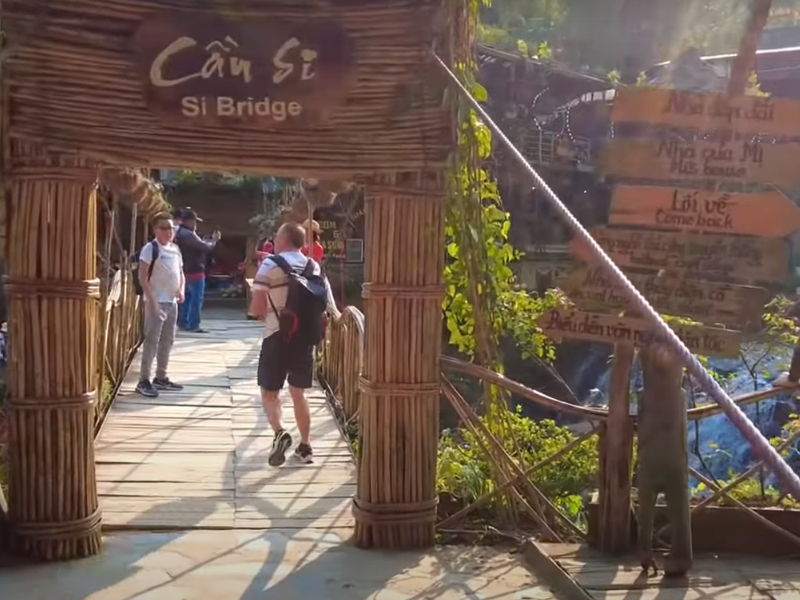
Day 2 (Ta Van ➔ Giang Ta Chai ➔ Su Pan ➔ Sapa – 9 km): After breakfast, trek uphill through dense bamboo forests into Giang Ta Chai village, home to the Red Dao people. Cross a suspension bridge over a rushing waterfall before concluding the trek in Su Pan and taking a private vehicle transfer back to Sapa.
ROUTE B: TA PHIN & HAU THAO OFF-THE-BEATEN-PATH CULTURAL TREK (MODERATE-HARD | 2D1N)
Designed for travelers who want to avoid crowded tourist trails and experience untouched landscapes and Red Dao culture:
+-------------------------------------------------------------------------------------------------------+
| TA PHIN CULTURAL & WILDERNESS ITINERARY                                                               |
+-------------------------------------------------------------------------------------------------------+
| 🥾 DAY 1: SAPA TOWN ➔ HAU THAO RIDGE ➔ GIANG TA CHAI (14 KM TREK)                                    |
| - Climb up to the high ridge above Hau Thao for breathtaking panoramas above the clouds.              |
| - Trek down through pine forests and ancient stone fields into Giang Ta Chai for a hot herbal lunch.  |
| - Overnight stay in a traditional wooden lodge or local homestay.                                     |
|                                                                                                       |
| 🌿 DAY 2: GIANG TA CHAI ➔ TA PHIN RED DAO VILLAGE (11 KM TREK)                                        |
| - Hike northeast across scenic tea gardens and corn fields into Ta Phin village.                      |
| - Visit a local embroidery workshop and learn about native plant medicine from a Dao elder.          |
| - Relax in a soothing, hot Red Dao herbal barrel bath before returning to Sapa town by car.           |
+-------------------------------------------------------------------------------------------------------+
ROUTE C: FANSIPAN MOUNTAIN SUMMIT EXPEDITION (HARD-EXTREME | 2D1N OR 1D)
Conquer Fansipan Peak (3,143 meters)—the “Roof of Indochina”—via the historic Tram Ton Pass trail alongside a certified native mountain guide and porter team:
[06:00 AM: Tram Ton Pass (1,900m)] ➔ [12:00 PM: Lunch at Camp 1 (2,200m)] ➔ [17:00 PM: Base Camp 2 (2,800m)]
                                                                                       │
                                                                                       ▼
[12:00 PM: Descend / Cable Car Return] ◄── [07:30 AM: Fansipan Summit 3,143m!] ◄── [04:00 AM: Summit Push]
Safety Notice for Fansipan Climbers: Trekking Fansipan requires a mandatory licensed local guide, national park entry permits, and proper mountain gear. Attempting to summit Fansipan without an experienced guide is dangerous due to rapid weather shifts, steep rock faces, and sudden temperature drops near the summit.
4. Meet Your Local Native Guides: Stories from the Trail
At Sao La Vietnam Tours, our trekking guides are native residents of Sapa’s mountain villages. Here is what makes our local guide team unique:
+-------------------+-------------------+---------------------------------------------------------------+
| Guide Name        | Native Village    | Specialty & Expertise                                         |
+-------------------+-------------------+---------------------------------------------------------------+
| Shu May           | Lao Chai          | Black H'mong culture, wax batik painting, family-friendly     |
|                   | (Black H'mong)    | valley trekking, 10+ years guiding experience                 |
+-------------------+-------------------+---------------------------------------------------------------+
| Ly Man May        | Ta Phin           | Red Dao herbal medicine expert, mountain ecology,             |
|                   | (Red Dao)         | off-the-beaten-track wilderness routes                        |
+-------------------+-------------------+---------------------------------------------------------------+
| A Sung            | Sin Chai          | High-altitude Fansipan Peak specialist, wilderness first responder,|
|                   | (Black H'mong)    | native mountain flora & fauna tracker                         |
+-------------------+-------------------+---------------------------------------------------------------+
Fluent Local Communication: All guides speak native ethnic languages (H’mong or Dao), Vietnamese, and fluent English, allowing them to translate conversations with village elders, herbalists, and weavers.
Safety First Credentials: Our guides carry professional wilderness first-aid kits, maintain emergency contact with Sapa rescue centers, and monitor regional weather forecasts.
5. Seasonal Weather Directory & Best Trekking Months
Planning your hike around Sapa’s seasonal climate ensures optimal trail conditions and incredible views:
+-------------------+-----------------------------------+-----------------------------------+
| Season / Months   | Weather Conditions                | Trail & Photography Highlights    |
+-------------------+-----------------------------------+-----------------------------------+
| MAR – MAY         | Spring Blossom Season (15°C–24°C);| Clear skies, blooming peach blossoms,|
| (SPRING TREKS)    | warm daytime temps, dry trails    | pleasant mountain breezes, ideal  |
|                   |                                   | visibility across deep valleys    |
+-------------------+-----------------------------------+-----------------------------------+
| JUN – AUG         | Summer Emerald Season (20°C–28°C);| Rice fields are vibrant emerald   |
| (EMERALD LUSH)    | warm weather with afternoon showers| green; waterfalls run at peak flow;|
|                   |                                   | expect muddy section challenges   |
+-------------------+-----------------------------------+-----------------------------------+
| SEP – OCT         | Golden Harvest Peak (14°C–22°C);  | The golden window for Sapa treks! |
| (GOLDEN HARVEST)  | cool, crisp air, dry stable trails| Cascading golden-yellow terraces  |
|                   |                                   | stretches across Muong Hoa Valley |
+-------------------+-----------------------------------+-----------------------------------+
| NOV – FEB         | High Mountain Winter (3°C–12°C);  | Dramatic misty mountain passes,   |
| (WINTER CHILL)    | chilly air, dramatic cloud seas,  | cloud hunting, cozy fireplace nights|
|                   | frost on Fansipan peak            | at village homestays              |
+-------------------+-----------------------------------+-----------------------------------+
6. Gear & Packing Masterlist for Sapa Trekkers
Having the right gear ensures comfort and safety on Sapa’s mountain paths:
+-------------------------------------------------------------------------------------------------------+
| ESSENTIAL GEAR PACKING CHECKLIST FOR SAPA TREKKING                                                    |
+-------------------------------------------------------------------------------------------------------+
| 🥾 1. FOOTWEAR:                                                                                       |
| - High-traction, waterproof hiking boots or trail running shoes with deep rubber lug soles.             |
| - 2 to 3 pairs of moisture-wicking wool or synthetic hiking socks (avoid 100% cotton socks).          |
|                                                                                                       |
| 🧥 2. CLOTHING LAYERS:                                                                                |
| - Breathable, quick-dry trekking pants and shirts.                                                   |
| - Lightweight waterproof & windproof rain jacket (essential year-round in high mountain zones).      |
| - Warm fleece jacket or lightweight down jacket for cool mountain evenings at homestays.             |
|                                                                                                       |
| 🎒 3. DAYPACK & EQUIPMENT:                                                                            |
| - Comfortable 20L to 30L daypack with an integrated rain cover.                                       |
| - Pair of adjustable trekking poles (greatly reduces knee strain during steep descents).               |
| - Headlamp with extra batteries for evening walks and early morning treks.                            |
|                                                                                                       |
| 💧 4. HYDRATION & SUN PROTECTION:                                                                     |
| - Reusable 1.5L water bottle or hydration bladder (your guide provides refill stations).              |
| - SPF 50+ sunscreen, lip balm, broad-brimmed sun hat, and insect repellent.                            |
+-------------------------------------------------------------------------------------------------------+
7. Responsible Trekking: Ethics & Environmental Guidelines
To preserve Sapa’s natural beauty and support indigenous communities sustainably, follow these responsible tourism guidelines:
+-----------------------------------+-------------------------------------------------------------------+
| Ethical Principle                 | Practical Action on the Trail                                     |
+-----------------------------------+-------------------------------------------------------------------+
| Say NO to Plastic Waste           | Carry a reusable water bottle; refill at designated homestay stops|
|                                   | instead of purchasing single-use plastic water bottles            |
| Respect Child Protection Rules    | Do NOT hand out candy, money, or trinkets to village children;    |
|                                   | it encourages school truancy and begging habits                   |
| Support Fair Trade Crafts         | Purchase authentic hand-woven textiles and crafts directly from   |
|                                   | local village women artisans at fair local prices                 |
| Leave No Trace on Trails          | Pack out all trash, fruit peels, and litter; stay on marked paths |
|                                   | to prevent soil erosion on terraced farm slopes                   |
+-----------------------------------+-------------------------------------------------------------------+
8. Official Tour Rates & Package Breakdown (2026 Season)
Sao La Vietnam Tours maintains transparent pricing, ensuring fair compensation for native guides, drivers, and host families:
+-----------------------------------+-----------------------------------+-----------------------------------+
| Trekking Package                  | Small-Group Rate (Per Person)     | Private VIP Tour Rate (Per Person)|
+-----------------------------------+-----------------------------------+-----------------------------------+
| 1-Day Express Valley Trek         | **$35 – $48 USD** (~ $880k VND)   | **$65 – $90 USD** (~ $1.6M VND)   |
| (Includes Guide + Lunch + Trans)  |                                   |                                   |
+-----------------------------------+-----------------------------------+-----------------------------------+
| 2D1N Classic Trek & Homestay      | **$75 – $95 USD** (~ $1.9M VND)   | **$135 – $175 USD** (~ $3.4M VND) |
| (Full Board + Native Guide)       |                                   |                                   |
+-----------------------------------+-----------------------------------+-----------------------------------+
| 3D2N Wilderness Deep Trek         | **$125 – $160 USD** (~ $3.1M VND) | **$220 – $285 USD** (~ $5.5M VND) |
| (Off-grid Trails + Dual Homestay) |                                   |                                   |
+-----------------------------------+-----------------------------------+-----------------------------------+
| 2D1N Fansipan Summit Expedition   | **$140 – $180 USD** (~ $3.5M VND) | **$220 – $290 USD** (~ $5.5M VND) |
| (Includes Permits, Porter & Guide)|                                   |                                   |
+-----------------------------------+-----------------------------------+-----------------------------------+
What Is Included in Official Trekking Packages with Sao La Vietnam Tours:
Native Ethnic Guides: Licensed, fluent English-speaking Black H’mong or Red Dao guides.
Porters for Fansipan Treks: Dedicated local porters to carry heavy camping gear, food, and safety equipment.
All Meals Included: Hot trail lunches, multi-course village dinners, and breakfasts.
National Park Permits: All required mountain permits, village entry tickets, and environmental fees.
Luggage Storage & Transfers: Free luggage storage in Sapa town and private ground transfers between Sapa and trailheads.
9. Frequently Asked Questions (FAQ)
1. Is trekking in Sapa safe for solo female travelers?
Yes, Sapa is extremely safe for solo female travelers! Booking a private trek with a native female H’mong or Red Dao guide from Sao La Vietnam Tours offers a secure, welcoming, and enriching experience on the trails.
2. Should I tip my local trekking guide and porter in Sapa?
Tipping is not mandatory in Vietnam, but it is deeply appreciated for good service. If your local guide and porter provide an excellent experience, a customary tip is around 200,000 to 400,000 VND ($8 – $15 USD) per day for your guide, and 150,000 to 250,000 VND ($6 – $10 USD) per day for porters.
3. What happens if it rains heavily during our scheduled trek?
Sapa native guides are experts at adapting routes based on weather conditions. If heavy rain renders a steep clay trail slippery, your guide will adjust the route to safer, paved village paths or bamboo forest trails, ensuring your trek remains safe and enjoyable.
4. Can children participate in a Sapa trekking tour?
Yes! For families traveling with children aged 5 to 11, we recommend our Level 1 Easy Valley Strolls (5 km to 7 km per day). These routes feature flat, gentle terrain, interactive craft visits, and easy access to vehicle pickups if little legs grow tired.
Step onto the Trail of a Lifetime with Sao La Vietnam Tours
Embarking on trekking in Sapa with local guide is more than just an active outdoor vacation—it is an inspiring, eye-opening journey into the natural grandeur and cultural rich heritage of Vietnam’s Northern Highlands.
From hiking along cascading golden rice terraces and crossing bamboo-shaded mountain streams to sharing stories over home-cooked feasts and resting at cozy village homestays, having a native local guide by your side transforms every step into an unforgettable story.
Organizing a safe, authentic, and culturally respectful mountain expedition requires reliable local connections, experienced native guides, and professional safety management.
As a premier Destination Management Company (DMC) operating across Vietnam, Sao La Vietnam Tours takes pride in delivering exceptional travel experiences. Whether you desire a gentle day walk through Muong Hoa Valley or an off-the-beaten-track multi-day trek, we guarantee an authentic, comfortable, and memorable journey.
Ready to Hike the Spectacular Trails of Sapa?
Contact our Highland Travel Desk today to book your certified native guide or design a custom trekking itinerary!