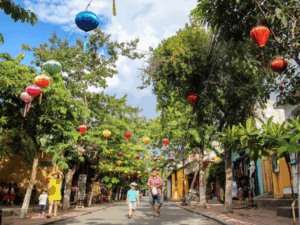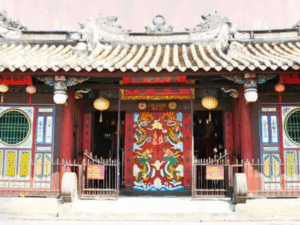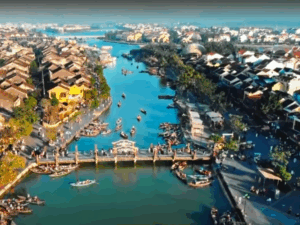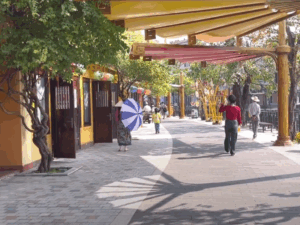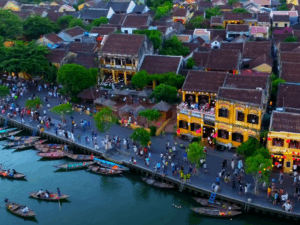
To embark on a curated Hoi An street food tour is to consume the living architectural and commercial history of Southeast Asia in a single bite. Nestled along the banks of the Thu Bon River in Central Vietnam, this UNESCO World Heritage town served as one of the Pacific Rim’s most vibrant trading ports between the 15th and 19th centuries. Merchant ships arriving from Japan, China, Portugal, and the Netherlands did not merely exchange silk, ceramics, and spices—they cross-pollinated culinary philosophies, techniques, and secret recipes that remain preserved within Hoi An’s yellow-walled residential alleys today.
However, many international travelers exploring Hoi An make the critical mistake of remaining on the commercial tourist surface. They sit at English-menu restaurants along the crowded riverfront, consuming mass-produced adaptations of local dishes made with commercial ingredients.
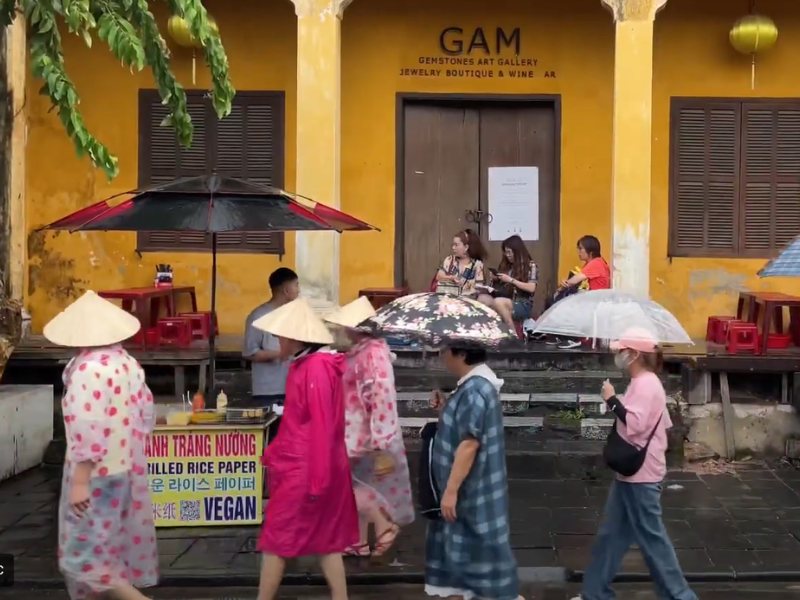
True gastronomic mastery requires stepping into the shadowy, lantern-lit backstreets. It means sitting on low plastic stools beside multi-generational family cooks, sipping herbal infusions, and understanding how ancient well water, secret chili pastes, and hyper-local herbs unite to create culinary art.
Before finalizing your epicurean passage across Southeast Asia, ensuring absolute financial security, verified government licensing, and 24/7 crisis support is essential. Learn how to protect your travel investment by reading our comprehensive guide on the best vietnam tour operators to see how top-rated local agencies compare in safety standards, private fleet management, and bespoke itinerary design.
The Culinary Philosophy Behind a Hoi An Street Food Tour
Vietnamese gastronomy is rooted in the ancient Chinese philosophy of Wu Xing (the Five Elements) and Yin-Yang equilibrium. Every dish encountered during an authentic Hoi An street food tour is meticulously balanced across five core taste sensations:
[Sour / Wood] ➔ [Bitter / Fire] ➔ [Sweet / Earth] ➔ [Spicy / Metal] ➔ [Salty / Water]
  (Lime & Calamansi)   (Herbs & Greens)     (Cane Sugar & Palm)  (Chili & Ginger)   (Fish Sauce & Dip)
The Micro-Terroir of Quang Nam Province
What sets Hoi An’s street food apart from Hanoi or Saigon is its hyper-local agricultural sourcing. The aromatic basil, mint, and cilantro served at street stalls are harvested daily from Tra Que Organic Village, just two kilometers outside town. The mineral-rich soil and natural seaweed fertilizer give these herbs an intense, distinctive fragrance impossible to replicate elsewhere.
Furthermore, authentic regional staples like Cao Lầu depend entirely on a sacred water source: the 10th-century Ba Le Well. The alkaline properties of this ancient Cham well water give the local noodles their signature chewy texture and golden hue.
Quick-Reference Guide: Iconic Dishes on a Hoi An Street Food Tour
Before exploring our deep-dive culinary chapters, review this executive summary mapping out the essential dishes, secret flavor profiles, and ideal tasting times for your Hoi An street food tour:
| Iconic Specialty | Primary Ingredients & Base | Cultural Origin & Influence | Unique Flavor Profile | Ideal Tasting Time |
| Cao Lầu | Thick rice noodles, braised pork, crispy lard, greens | Sino-Japanese Fusion | Chewy, savory, herbal & smoky | Late Afternoon / Dinner |
| Mì Quảng | Flat turmeric rice noodles, shrimp, pork, quail egg | Indigenous Quang Nam | Rich, nutty, aromatic broth | Morning / Breakfast |
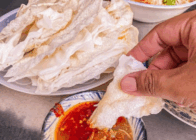
| Bánh Bao Bánh Vạc (White Rose) | Translucent rice flour skin, minced shrimp & pork | Chinese Family Secret | Delicate, sweet, garlic-crisp | Lunch / Evening Snack |
| Bánh Mì Hoi An | Crispy French baguette, pate, pork, chili, herbs | French-Vietnamese Fusion | Crunchy, savory, spicy, rich | Any Time / Late Night |
| Cơm Gà Hoi An | Turmeric-infused rice, shredded poached chicken, herbs | Hainanese Chinese Influence | Savory, zesty, aromatic & tender | Lunch / Dinner |
Act I: The Big Three – Iconic Noodle Masterpieces
No Hoi An street food tour is complete without uncovering the complex history behind the town’s three iconic noodle dishes. Each bowl tells a century-old story of maritime trade and cultural integration.
1. Cao Lầu: The Mysterious Merchant Noodle
Cao Lầu is the undisputed king of Hoi An gastronomy. It is a dish so fiercely protected by geographical indication that it cannot be authentically produced anywhere else on Earth.
The Triad of Cao Lầu Authenticity:
1. Alkaline Ash Water: Rice grains are soaked in water mixed with wood ash from trees grown on the Cham Islands.
2. Ba Le Well Water: Noodles are kneaded using mineral-dense water drawn exclusively from the ancient Ba Le Well.
3. Local Wood Charcoal: The noodles are double-steamed over specific hardwood fires to achieve a firm, al-dente texture.
The Flavor Architecture
Unlike broth-heavy Vietnamese noodle soups, Cao Lầu is served with only a few spoonfuls of concentrated, braised pork reduction at the bottom of the bowl. It is topped with tender slices of Xá Xíu (Chinese-style marinated pork shoulder), square croutons made from fried noodle dough, and a mountain of fresh Tra Que greens (bitter mustard sprouts, baby mint, and basil).
When taking a guided Hoi An street food tour, your culinary host brings you to unassuming family stalls—such as Cao Lầu Thanh or Cao Lầu Trung Bac—where three generations of cooks have guarded their pork braising pan juices for over fifty years.
2. Mì Quảng: The Rustic Soul of Central Vietnam
While Cao Lầu represents urban merchant culture, Mì Quảng is the rustic comforting soul of the surrounding countryside.
Turmeric, Peanuts & Rice Crackers
The dish features wide, flat rice noodles infused with fresh turmeric, giving them a brilliant golden yellow color. The noodles sit in a shallow layer of intense, slow-simmered broth made from pork bones, shrimp, and shallots.
The dish is topped with tender pork belly, freshwater shrimp, hard-boiled quail eggs, crushed roasted peanuts, and a dash of fiery chili jam. It is served alongside a large piece of toasted sesame rice cracker (Bánh Tráng Nướng), which guests crush directly into the bowl to add a satisfying smoky crunch.

3. Bánh Bao Bánh Vạc: The Translucent White Rose Dumpling
Walking through the narrow alleys during a night Hoi An street food tour, you will encounter delicate, translucent dumplings known poetically as “White Rose” (Bánh Bao Bánh Vạc).
A Third-Generation Family Monopoly
Incredibly, every single White Rose dumpling served across Hoi An’s hundreds of street stalls and restaurants originates from a single family home located at 533 Hai Ba Trung Street.
Made from purified rice flour kneaded with Ba Le well water, the delicate dough is shaped into petal-like folds containing a spiced filling of minced wild shrimp, pork, and shallots. Steamed to perfection, they are topped with crispy sweet shallots and served with a warm dipping sauce crafted from boiled shrimp broth, lime, fish sauce, and fresh chili.
Act II: French Fusion & Royal Rice Artistry
The second movement of an expert Hoi An street food tour examines how French colonial techniques and Chinese Hainanese cooking were re-imagined through a Central Vietnamese lens.
The Battle of the Baguettes: Madam Khanh vs. Bánh Mì Phượng
The Bánh Mì is arguably Vietnam’s most famous culinary export—a crisp French baguette filled with rich Vietnamese ingredients. However, Hoi An’s rendition of the sandwich is internationally recognized as the finest in the country.
Anatomy of a Hoi An Baguette:
[Crispy Airy Crust] ➔ [Whipped Egg-Yolk Mayonnaise] ➔ [Rich Pork Liver Pâté] ➔ [Braised Char Siu Pork] ➔ [Pickled Green Papaya] ➔ [Secret Dark Chili Sauce]
Madam Khanh – The Bánh Mì Queen
Located on Tran Cao Van street, 80-year-old Madam Khanh has spent over five decades refining her sandwich craft. Her signature Bánh Mì is renowned for its rich, decadent layers of homemade pâté, spiced pork belly, roast chicken, fried egg, and a secret sweet-and-savory brown sauce that melts into the warm bread.
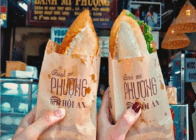
Bánh Mì Phượng – Made Famous by Anthony Bourdain
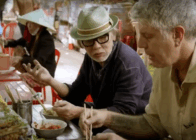
Gaining international fame after host Anthony Bourdain described it as “a symphony in a sandwich,” this vibrant shop near the market uses extra-crispy baguettes baked fresh hourly, packed with over ten layered ingredients, fresh coriander, and a legendary chili oil paste.
During a private Hoi An street food tour, your culinary guide facilitates side-by-side tastings of both legendary vendors, allowing you to debate and decide which master crafter reigns supreme.

Cơm Gà Hoi An: Golden Turmeric Chicken Rice
Adapted from early Hainanese Chinese traders who settled in the port, Cơm Gà (Hoi An Chicken Rice) has evolved into a distinctly local delicacy.
The Golden Rice Secret
Long-grain rice is washed, dried, and lightly pan-roasted in chicken fat with freshly crushed turmeric and garlic before being cooked in rich chicken broth over charcoal. The result is fragrant, glossy, golden rice grains that pack immense flavor.
The golden rice is topped with shredded poached free-range chicken (Gà Tơ), thinly sliced Vietnamese mint (Rau Răm), pickled green papaya, and paper-thin sweet white onions. It is served with a small bowl of savory chicken heart and liver giblet gravy, accompanied by homemade chili jam.
Act III: Back-Alley Bites, Seafood & Night Market Sweets
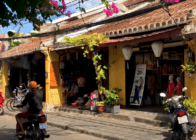
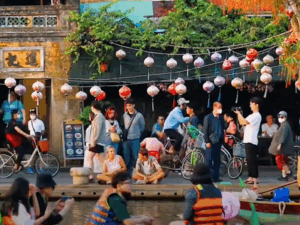
As darkness falls over the ancient port and thousands of silk lanterns illuminate the yellow shopfronts, a Hoi An street food tour moves into its magical final phase along the Thu Bon River.
1. Hến Trộn & Bánh Đập: Clam Salads & Smashing Rice Sheets
Across the river on Cam Nam Island, street vendors specialize in delicate river delicacies harvested directly from the local estuaries:
Hến Trộn (Sautéed Baby Clams): Tiny, sweet baby river clams sautéed with sweet garlic, ginger, chili, peanuts, and fresh Vietnamese mint.
Bánh Đập (Smashed Rice Paper): A crispy toasted sesame rice cracker layered with a wet, soft steamed rice sheet. The vendor “smashes” the two layers together on the wooden table, breaking it into bite-sized pieces to scoop up the baby clam salad, dipped in fermented anchovy sauce (Mắm Nêm).
2. Bánh Xèo Hoi An: Golden Crispy Pancakes
Unlike the massive, crepe-like Bánh Xèo found in Southern Vietnam, Hoi An’s version is small, thick, and ultra-crispy. Made from rice flour batter, coconut milk, and turmeric, they are sizzled in tiny cast-iron pans over roaring charcoal stoves, stuffed with wild shrimp, pork belly slices, and bean sprouts.
How to Eat Bánh Xèo Like a Local:
1. Take a sheet of dry rice paper (Rice Paper from An Hoi village).
2. Layer a hot piece of crispy Bánh Xèo inside.
3. Top with fresh Tra Que mint, green banana slices, and sour starfruit.
4. Roll tightly, dip into warm peanut-liver sauce, and enjoy!
3. Sweet Evening Closure: Chè & Mot Herbal Tea
Conclude your evening Hoi An street food tour with gentle, soothing sweet treats:
Chè Bắp (Sweet Corn Soup): A warm, comforting dessert made from sweet young corn harvested from the fertile alluvial soil of Cam Nam island, cooked with tapioca pearls and coconut cream.
Mot Herbal Tea: A fragrant, refreshing street drink served from a wooden cart on Tran Phu street. Infused with lotus blossoms, lemongrass, cinnamon, licorice, and green tea, it is served chilled in an eco-friendly paper cup adorned with a lotus petal.
Operational Comparison: DIY Street Eating vs. Guided Tour
To understand the immense value of booking a professional Hoi An street food tour, review the operational differences below:
| Dimension | Independent / DIY Street Eating | Unlicensed Group Tour | Professional Private Hoi An Street Food Tour |
| Culinary Safety | High risk of language barrier & peanuts | Fixed commercial tourist buffets | 100% Vetted vendors, translated allergy protection |
| Cultural Access | Surface-level restaurant menus | Standard tourist stalls on main streets | Secret back-alley home kitchens, multi-generational cooks |
| Authenticity | Modified Westernized recipes | Commercial mass-produced meals | 100% Traditional recipes using Ba Le well & Tra Que herbs |
| Historical Context | Zero context on dish origins | Basic memorized scripts | Deep storytelling from certified local food historians |
| Logistics & Comfort | Stressful seat hunting & price haggling | Rushed high-volume group pacing | Seamless 100% tailor-made pacing, private seating reserved |
Essential Logistics for a Hoi An Street Food Tour
To ensure your epicurean passage through Hoi An operates without friction, review these practical operational guidelines before departure:
1. Best Time of Day to Book
While morning food walks offer vibrant glimpses of local wet markets, the absolute prime time for a Hoi An street food tour is the late afternoon to early evening (04:30 PM to 08:30 PM). During these hours, street vendors set up their charcoal stoves along the yellow alleys, temperatures drop to a pleasant breeze, and the town’s famous silk lanterns light up the riverfront.
2. Dietary Accommodation & Allergy Protocols
Vietnamese street food relies heavily on fish sauce (Nước Mắm), shrimp paste, and fresh herbs. If you have severe peanut allergies, shellfish allergies, or follow a strict vegetarian/vegan diet, booking a private Hoi An street food tour with a licensed operator like Saola Tours ensures your guide translates your needs directly to traditional cooks, sourcing dedicated vegetarian versions (Ăn Chay) made with tofu and mushroom broths.
3. Hydration & Hygiene
Stick strictly to bottled purified water, fresh young coconuts, or boiled herbal teas like Mot. Vetted street food vendors included in professional tour routes use ice manufactured from purified water factories (Đá Sạch), making ice consumption in fruit smoothies completely safe.

Frequently Asked Questions (FAQ)
Q1: Is street food in Hoi An safe for international travelers to eat?
A: Yes, provided you select stalls with high customer turnover and fresh cooking practices. Booking a guided Hoi An street food tour guarantees you visit thoroughly vetted, family-run stalls where ingredients are prepared fresh daily under strict local hygiene standards.
Q2: How much walking is involved in a typical Hoi An street food tour?
A: A standard street food walking tour covers approximately 2 to 3 kilometers over a 3.5-hour period. Walking is relaxed and flat, weaving through pedestrian-only alleys in the Ancient Town. Cyclo (rickshaw) options can be easily arranged for travelers with limited mobility.
Q3: Can vegetarians or vegans enjoy a Hoi An street food tour?
A: Absolutely. Hoi An has a rich Buddhist tradition, meaning vegetarian street food (Thực Phẩm Chay) is widely available and delicious. Local cooks craft incredible plant-based versions of Cao Lầu, Bánh Mì, and Bánh Xèo using organic tofu, mushrooms, and fresh Tra Que herbs.
Q4: What is the cost of a private Hoi An street food tour?
A: A high-quality, fully inclusive private culinary walking tour with a senior licensed food guide ranges between $35 to $65 USD per person, including all food tastings, drinks, entrance permits, and private hotel pickup.
Craft Your Custom Culinary Passage with Saola Tours
Experiencing an authentic Hoi An street food tour with total peace of mind requires deep local roots, verified food safety protocols, and certified senior guides. At Saola Tours, we take immense pride in delivering 100% tailor-made private culinary passages that connect you directly with the living culture, family recipes, and secret flavors of Vietnam.
➡️ Ready to taste the real Hoi An?
Contact our custom travel specialists at Saola Tours today to receive your personalized culinary itinerary quote and expert advice!