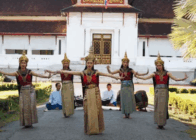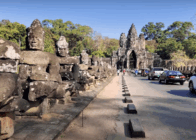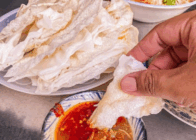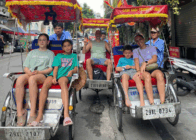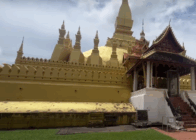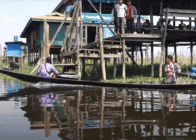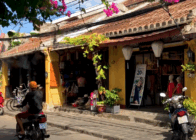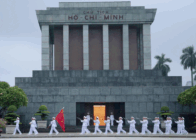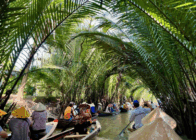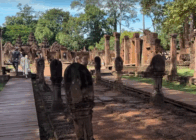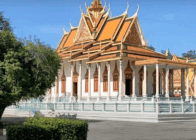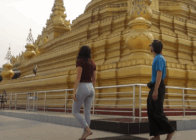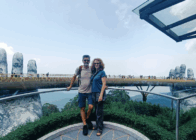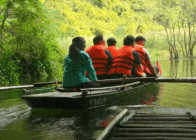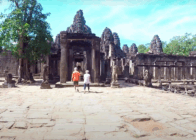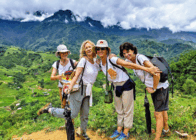
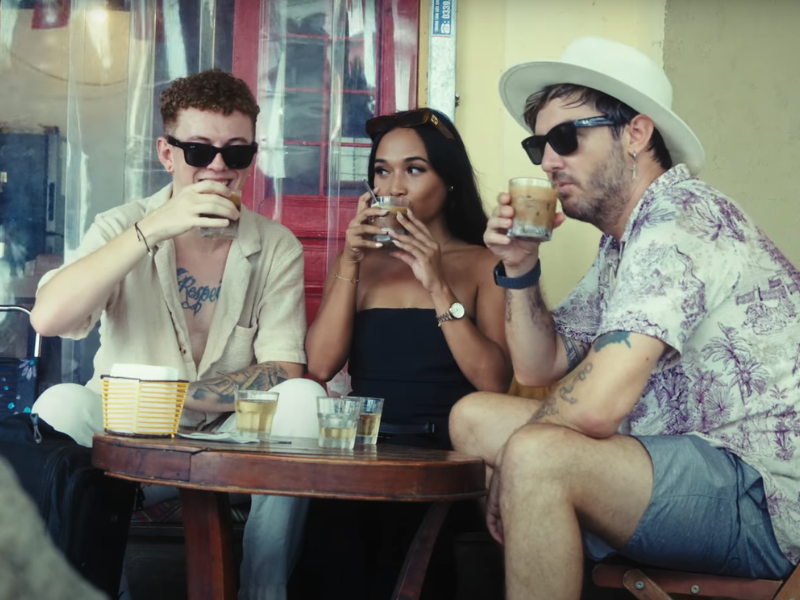
So, you have chosen Vietnam for your next great international escape? Congratulations. You are about to enter a land of timeless natural beauty, deeply intoxicating cultures, sensory-overloading street food scenes, and remarkably warm hospitality. Stretching over 1,600 kilometers down the eastern edge of the Indochinese Peninsula, Vietnam is a destination that completely redefines the concept of travel for visitors from the United Kingdom, the United States, and Australia.
However, for a first-time traveler, booking a flight to Southeast Asia can trigger a wave of natural anxieties. You have likely seen videos of the sea of motorbikes clogging the streets of Hanoi, read conflicting advice about water safety, or wondered how to navigate the local currency without getting scammed.
Fear not. This comprehensive, insider blueprint is meticulously engineered to serve as a first-timer’s Vietnam travel guide for a safe and fun trip. By stripping away the logistical guesswork and arming you with real-world local intelligence, we ensure your maiden voyage to Vietnam is smooth, secure, and profoundly life-affirming.
Preparing the Vault: 2026 Visa Rules and Border Control Digitization
Before you pack a single piece of clothing, your absolute priority is ensuring your legal entry parameters are flawless. Vietnam has thoroughly updated and digitalized its immigration checkpoints.
Unilateral Visa Exemptions
If you are a citizen of the United Kingdom holding a standard British passport, you are granted a unilateral visa exemption for a continuous stay of up to 45 days. Upon arrival, border officers will stamp your passport with a clear exit date. If your intended exploration exceeds 45 days, you must apply for an electronic visa.
The 90-Day Electronic Visa (e-Visa)
For citizens of the United States and Australia, entry requires a pre-approved document. The uniform standard is the online 90-Day Electronic Visa (e-Visa), available for both single and multiple entries ($25 USD and $50 USD respectively). Ensure you apply strictly through the official government portal (evisa.gov.vn) at least 7 to 10 working days before departure. Avoid third-party agency sites that charge unnecessary administrative premiums.
The SGN Airport Digital Landing Card Mandate
If your international flight lands at Tan Son Nhat International Airport (SGN) in Ho Chi Minh City, you are subject to a mandatory digital border protocol. All foreign passport holders must complete an online pre-arrival landing declaration via the official portal (prearrival.immigration.gov.vn) within 72 hours prior to landing to secure an entry QR code.
The Mandatory Border Health Screen
All incoming international arrivals must fill out a standardized electronic health screening declaration form online within 7 days prior to crossing the Vietnamese border.
First-Timer Alert: Print two physical paper copies of your e-Visa, your flight itinerary, and your digital arrival QR codes. While border checkpoints are increasingly digital, having hard copies completely de-risks any unexpected smartphone battery drains or airport Wi-Fi failures.
Deciphering the S-Shape: The Geography of Your First Itinerary
One of the most common mistakes first-time travelers make is underestimating the geographical scale of Vietnam. The country is an elongated, narrow strip of land divided into three distinct cultural, historical, and culinary sub-systems: The North, The Center, and The South.
THE GEOGRAPHIC AXIS FOR FIRST-TIMERS
│
┌──────────────────────────────┼──────────────────────────────┐
▼                              ▼                              ▼
 [THE NORTH]                    [THE CENTER]                   [THE SOUTH]
Hanoi & Halong Bay             Hue & Hoi An                   Saigon & Mekong
Cultural Base & Karsts         Heritage Cities & Beaches      Modern Buzz & Riverways
Trying to see the entire country in less than a week is a logistical recipe for severe physical exhaustion. For your very first trip, you should allocate a minimum of 10 to 14 days to smoothly traverse the classic north-to-south (or south-to-north) spine.
The North introduces you to old-world colonial charm, high-altitude mountain vistas, and limestone wonders.
The Center slows down the pace with preserved UNESCO merchant towns and pristine beaches.
The South plunges you directly into high-octane modern commerce and the endless floating river networks of the Mekong.
The Climate Clock: Synchronizing Your Trip to Regional Weather Patterns
Vietnam does not possess a single national weather calendar. Instead, it operates on three separate regional climate systems running simultaneously. Packing your bags without understanding these shifts can lead to uncomfortable surprises.
+-----------------------------------------------------------------------------+
|                            REGIONAL WEATHER CODES                           |
|                                                                             |
|  [NORTH] Hanoi / Halong Bay  --> Cool, dry winters (Nov-Mar); Hot summers   |
|  [CENTER] Hue / Hoi An       --> Best skies (Feb-Aug); Typhoon risk (Oct-Dec|
|  [SOUTH] Saigon / Mekong     --> Tropical warmth year-round; Dry (Dec-Apr)  |
+-----------------------------------------------------------------------------+
Northern Vietnam: Experiences distinct seasonal shifts. From November to March, the climate is beautifully crisp, cool, and dry, with temperatures hovering around 15°C to 22°C) . Summers (May to September) are intensely hot, humid, and rainy.
Central Vietnam: Boasts clear, sun-drenched skies from February through August. However, avoid planning your first trip here between October and December, when the northeast monsoons can bring heavy coastal rains and localized flooding.
Southern Vietnam: Is consistently tropical year-round. The premium dry season runs from December to April, while the wet season (May to November) features predictable, brief afternoon downpours that rarely disrupt travel plans.
Packing Engineering: Lightweight Protection and Modest Traditions
Packing for your first trip to Vietnam requires a careful balance between managing intense tropical humidity and respecting deeply traditional local customs.
Fabric and Climate Control
Leave heavy synthetic clothing at home. Pack lightweight, loose-fitting, and moisture-wicking natural fabrics such as linen, bamboo, and high-quality cotton. These fabrics allow your skin to breathe during humid afternoon walks. If you are visiting Northern Vietnam or the highland regions of Sapa between November and February, include a light windproof jacket and a fleece layer for cooler evening drops.
Temple Etiquette Gear
Vietnam is a deeply spiritual country with thousands of active Buddhist pagodas, communal houses (Dinh), and historical monuments. When entering these sacred spaces, your shoulders and knees must be fully covered.
Pack a dedicated lightweight scarf or sarong in your daypack—it can easily be wrapped around your shoulders or waist before entering a temple. Additionally, wear comfortable, easily removable slip-on shoes or sandals, as it is custom to remove your footwear before stepping into main temple sanctuaries or traditional local homes.
Currency Masterclass: Navigating Millions of Dong Without Confusion
The official currency of Vietnam is the Vietnamese Dong (VND), and handling it for the first time can feel incredibly overwhelming due to the massive number of zeros on the bank notes.
+---------------------------------------------------------------------------+
|                          CURRENCY RISK ISOLATION                          |
|                                                                           |
|[THE 500,000 VND NOT<-- Extreme Color Similarity --> [THE 20,000 VND NOTE] |
|(Cyan Blue)                                              (Dark Blue)       |
|Value: Approx. $20 USD                              Value: Approx. $0.80   |
+---------------------------------------------------------------------------+
The Color Trap
Be exceptionally mindful of the extreme color similarities between certain denominations. The most famous financial trap for first-timers is confusing the 500,000 VND note (cyan blue) with the 20,000 VND note (dark blue). Paying a street food vendor with a 500,000 VND note instead of a 20,000 VND note is a costly mistake that is difficult to reverse once you walk away.
Cash vs. Digital Assets
While high-end hotels, upscale restaurants, and modern shopping complexes in major hubs accept Visa and Mastercard, Vietnam is still fundamentally an economy driven by physical cash. You will need cash for street food, traditional markets, small cafes, and tipping.
Look for reputable local bank ATMs like Vietcombank, Techcombank, or international operators like HSBC to withdraw cash safely. Always inspect the ATM card slot for skimming devices before inserting your card.
The “Street Survival” Matrix: Master the Art of Crossing the Road
For almost every single first-time traveler, the initial attempt to cross a busy street in Hanoi or Ho Chi Minh City is a memorable experience. The sheer volume of motorbikes flowing down the asphalt can appear completely chaotic, but there is actually a beautiful, predictable rhythm to the movement.
[The Mass Traffic Flow] ──► Moving at 30-40 km/h with high fluid volume
│
(The First-Timer Crossing Protocol)
│
[Your Movement Profile] ──► Slow, predictable, steady forward pace. Do NOT run.
The Step-by-Step Crossing Protocol
Establish Eye Contact: Look toward oncoming scooter traffic. Drivers are actively tracking your eyes and body language to calculate your trajectory.
Maintain a Steady Pace: Step off the curb and walk forward at a slow, predictable, and completely steady pace.
Do NOT Make Sudden Movements: The absolute golden rule of crossing the road in Vietnam is to never run, never stop unexpectedly, and never step backward. The sea of motorbikes will naturally calculate your steady speed and smoothly part around you like water flowing past a stone in a river.
Use Human Shields: If you feel completely frozen on the curb, wait for a local resident or a monk to cross, and walk directly alongside them on the side away from the traffic flow.
Transport Architecture: Safe, Transparent Urban and Inter-City Transit
Navigating within and between cities can be a highlight of your trip if you use the correct transit infrastructure.
Intra-City Travel: The Power of Grab and Xanh SM
To completely insulate your party from local taxi scams or unmetered vehicles, avoid hailing random cars off the street. Instead, download the Grab or Xanh SM application onto your smartphone before you exit the arrivals terminal.
Xanh SM is a premium, all-electric vehicle ride-hailing service utilizing clean, modern cars with polite, professional drivers. These applications work exactly like Uber, providing transparent, upfront pricing, real-time GPS tracking, and direct credit card billing, removing any potential for currency misunderstandings.
Inter-City Transit: Rail and Air Luxury
When traveling long distances between regional hubs, book domestic business class flights via Vietnam Airlines—the national carrier known for excellent safety ratings and reliable schedules. For an iconic, slow-travel experience, secure a first-class private 4-berth sleeper cabin on the Reunification Express Train, which winds gracefully down the coast and offers views as you pass through the Hai Van Pass.
Biological Defense: The Practical Science of Safe Street Food Consumption
You cannot have a complete or fun holiday in Vietnam without diving headfirst into its world-famous street food culture. From piping hot bowls of Pho to crispy Banh Mi baguettes, the street pavement is where the true culinary soul of the nation lives. However, changes in regional ecosystems can place stress on a Western digestive system if not approached strategically.
Scams Deconstructed: How to Spot and Avoid Common Tourist Traps
While violent crime is exceptionally rare, petty opportunism exists in any high-volume global tourism market. Being able to spot these situations ahead of time keeps your trip fun and stress-free.
The Aggressive Shoe Repair Trap
While walking around Hoan Kiem Lake in Hanoi, a local shoe vendor might suddenly point at your sneakers, claim your sole is breaking, and squirt glue onto your shoe without permission. They will rapidly pull the shoe off your foot to “repair” it, later demanding $20 to $50 USD for unauthorized work. If anyone approaches your feet, firmly say “No, thank you” (or “Khong, cam on“) and keep walking without stopping.
The Photo Prop Extortion
A friendly vendor carrying traditional bamboo shoulder baskets filled with pineapples might approach you, smile warmly, and place the basket on your shoulder while placing their conical hat on your head for a photo. Once the photo is taken on your smartphone, they will demand an exorbitant price for the fruits. If you want a photo with traditional vendors, always negotiate a clear, small price before touching any props.
The Rigged Airport Taxi Meter
When exiting any international terminal, ignore drivers shouting “Taxi!” or waving unofficial badges. These unvetted drivers often use altered digital meters that jump prices exponentially or take unnecessarily long routes. Walk directly to the designated Grab/Xanh SM pickup zones or head straight to the official, marshaled queues for reputable legacy brands like Vinasun or Mai Linh.
Staying Connected: The Mechanics of 4G/5G Connectivity
Having continuous, high-speed internet access is your single greatest asset for a safe and successful journey. It allows you to translate signs in real-time, call ride-sharing vehicles, and navigate digital maps seamlessly.
Concierge Tech Tip: The most streamlined method for contemporary travelers is to activate a digital eSIM before your flight departs via international applications like Airalo or Nomad. This allows your phone to automatically hook into local high-speed cellular networks the moment your aircraft touches down on the tarmac.
If your smartphone does not support eSIM architecture, you can purchase a physical tourist SIM card inside the arrivals hall of any major airport. Stick to the three primary state-backed telecommunication infrastructures for maximum coverage: Viettel, Vinaphone, or Mobifone. A 30-day package loaded with unlimited high-speed daily 4G/5G data typically costs less than $15 USD. Our recommendation is Viettel, which maintains the strongest signal coverage inside remote mountain regions and maritime bays.

Accommodation Architecture: Choosing Your Safe Haven
Vietnam offers a world-class spectrum of accommodation assets, ranging from high-end heritage properties to local boutique homystays.
+--------------------+      +--------------------+      +--------------------+
| 1. COLONIAL LUXURY | ---> | 2. BOUTIQUE OASIS  | ---> | 3. RURAL HOMESTEAY |
| Five-Star Heritage |      | Character & Pools  |      | Deep Cultural Ties |
+--------------------+      +--------------------+      +--------------------+
Urban Centers
In primary metropolises, select hotels situated inside highly secure, walkable districts. In Hanoi, look for accommodations located in the Old Quarter or the elegant French Quarter. In Ho Chi Minh City, look for properties inside District 1, which keeps you within easy walking distance of major landmarks and historical sites.
Rural Immersions
If your itinerary takes you into rural landscapes like Sapa, Mai Chau, or the Mekong Delta, consider booking an accredited Boutique Homestay. These properties are operated by multi-generational local families who have been vetted by responsible tourism boards. Staying here offers an intimate look at local life while ensuring your travel spending directly supports the surrounding community.
The First-Timer’s Ultimate 10-Day “Safe & Fun” Itinerary Template
For a balanced first-time trip that hits the essential highlights without causing travel burnout, use this classic, highly optimized 10-day blueprint:
| Day | Regional Focus | Key Activities | Safety & Logistical Strategy |
| Day 1 | Hanoi Arrival | Rest, check into hotel, easy evening lakeside walk. | Utilize VIP airport fast-track; pre-booked vehicle transit. |
| Day 2 | Hanoi Exploration | Old Quarter walking tour, Temple of Literature, street food. | Cross roads steadily; use Grab for cross-town transits. |
| Day 3 | Halong Bay | Board overnight luxury cruise, kayak past karst formations. | Verify cruise line safety briefings and life vest protocols. |
| Day 4 | Halong to Hoi An | Morning bay tai-chi, transfer to airport, fly to Central Vietnam. | Fly via Vietnam Airlines; use official resort shuttles. |
| Day 5 | Hoi An Heritage | Explore UNESCO ancient town, custom tailoring fittings. | Walk or cycle; motorized vehicles are banned in the center. |
| Day 6 | My Son Sanctuary | Dawn visit to ancient Champa ruins, afternoon beach relaxation. | Arrive early at dawn to beat the intense midday tropical heat. |
| Day 7 | Hoi An to Saigon | Morning flight south, check into District 1 urban hotel. | Register your digital arrival card details before landing at SGN. |
| Day 8 | Ho Chi Minh City | War Remnants Museum, Central Post Office, rooftop lounge. | Secure smartphones and personal bags away from busy roads. |
| Day 9 | Cu Chi Tunnels | Explore subterranean networks; afternoon Mekong canal boat. | Wear sturdy athletic footwear; bring high-quality insect spray. |
| Day 10 | Outbound Departure | Last-minute souvenir shopping at local markets, fly home. | Arrive at the departure terminal a full 3 hours before flight. |
Digital Security: VPNs, Secure Connections, and Cyber Hygiene
While physical safety is outstanding across Vietnam, first-time international travelers must maintain high standards of cyber hygiene.
Public Wi-Fi Risks
Free, unencrypted public Wi-Fi networks are common in almost every cafe, restaurant, hotel lobby, and airport terminal across Vietnam. While highly convenient for checking maps, these open networks leave your personal data exposed to potential digital interception.
Cyber Defense Protocols
Deploy a Premium VPN: Before leaving your home country, install a reputable, high-encryption Virtual Private Network (VPN) onto your smartphone and laptop. Keep the VPN active whenever you connect to a public network to encrypt your passwords and personal data.
Secure Financial Applications: Avoid logging into personal banking software, investment portfolios, or inputting credit card details over open public Wi-Fi networks. Utilize your local 4G/5G mobile data hotspot for any sensitive financial transactions.
Language Hacks: Five Essential Phrases for Instant Rapport
While English is widely spoken in tourist zones, making an effort to speak basic Vietnamese shows respect and instantly builds warm rapport with the local community. Vietnamese is a tonal language, but local people are incredibly adept at understanding your context from a smile.
Xin Chao (Seen Chow): Hello. The universal greeting for anyone you meet.
Cam On (Kahm Un): Thank you. Use this continuously with servers, drivers, and hotel staff.
Bao Nhieu Tien? (Bao Nyew Tee-en?): How much does this cost? Essential for shopping at traditional markets.
Khong, Cam On (Khong, Kahm Un): No, thank you. Your best verbal shield against aggressive street vendors or pushy drivers.
Ngon Qua (Ngon Wah): Delicious! Say this to a street food chef, and you will instantly earn a brilliant smile and potentially an extra dumpling.
Emergency Architecture: Consular Protection and Local Help Networks
An outstanding travel guide must prepare you for unexpected situations. Write down these critical emergency contact details and save them into your smartphone contacts before departure:
National Police Emergency Number: Dial 113 from any local phone network.
Medical Ambulance Services: Dial 115.
Fire Department Emergency: Dial 114.
Consular Protection Contacts
If you lose your physical passport or require emergency diplomatic assistance, locate your home country’s embassy or consulate general offices:
United Kingdom Embassy (Hanoi): 20 Hoa Ma Street, Hai Ba Trung District | Tel: +84 (0) 24 3936 0500.
United States Embassy (Hanoi): 7 Lang Ha Street, Ba Dinh District | Tel: +84 (0) 24 3850 5000.
Australian Embassy (Hanoi): 8 Dao Tan Street, Ba Dinh District | Tel: +84 (0) 24 3774 0100.
Note: All three nations maintain active Consulate General offices located within District 1 of Ho Chi Minh City to service travelers exploring the southern sectors.
The Ultimate First-Timer’s Pre-Departure Verification Checklist
Before you head to the international departure terminal, run through this final checklist to ensure your holiday is safe, organized, and fun:
[ ] Passport Validity: Confirmed at least 6 months of validity remaining and 2 blank pages.
[ ] Visa Paperwork: Official e-Visa printed out or 45-day visa exemption verified.
[ ] Border Apps: Online digital health screening and SGN digital landing card submitted.
[ ] Transport Setup: Grab and Xanh SM apps installed with a valid credit card linked.
[ ] Cyber Security: Premium travel VPN installed and active on all mobile devices.
[ ] Medical Kit: Packed DEET insect repellent, reef-safe sunscreen, and rehydration salts.
[ ] Financial Prep: Notified your home bank of your Vietnam travel dates to prevent card locks.
Frequently Asked Questions About Traveling to Vietnam First-Time
Q1: Can I drink the ice in drinks at local cafes in Vietnam?
A: Yes, absolutely. While drinking tap water is strictly discouraged, the ice used in urban cafes, juice bars, and established restaurants across Vietnam is perfectly safe. It is manufactured in dedicated ice factories from purified water and distributed in clean blocks. Look for tubular ice with hollow centers—this indicates automated factory production.
Q2: What are the mandatory entry updates for Vietnam in 2026?
A: As of 2026, two key digital border updates are in effect. First, if arriving at Tan Son Nhat Airport (SGN) in Ho Chi Minh City, all foreign travelers must submit an online pre-arrival digital landing card 72 hours before landing. Second, a national health declaration form must be completed electronically within 7 days prior to crossing any international border checkpoint.
Q3: Is Vietnam safe for solo female travelers?
A: Yes, Vietnam is consistently rated as one of the safest destinations globally for solo female travelers. Violent crime is extremely rare. Local people are respectful, helpful, and welcoming. Standard global travel precautions apply: use official ride-hailing apps for late-night transits, keep your personal belongings secure in crowded markets, and dress modestly when visiting sacred religious sites.
Q4: Do I need to get vaccinations before traveling to Vietnam?
A: Consult your local travel health clinic 4 to 6 weeks before your trip. Standard recommended vaccines include updates for Hepatitis A, Hepatitis B, Typhoid, and Tetanus. Malaria is not a concern in major urban centers or popular coastal tourist resorts, though high-quality mosquito spray is recommended to protect against Dengue Fever.
Q5: How much should I tip my tour guides and drivers in Vietnam?
A: Tipping is not traditional in local culture, but it is highly appreciated within the international tourism sector. For excellent service on private tours, a standard guideline is $10 to $20 USD per day for your lead guide and $5 to $10 USD per day for your driver, distributed from your group. For casual dining or taxis, rounding up the bill is an easy way to show appreciation.
Launch Your First-Time Journey with Absolute Confidence
The rich, timeless spirit of Vietnam cannot be truly captured through a smartphone screen or understood by reading a generic travel brochure. It reveals its ancient beauty only when you step onto its vibrant streets, breathe in its aromatic food stalls, and experience its rich culture firsthand.
By aligning your journey with the practical safety protocols and logistics mapped out in this guide, you completely remove any travel anxiety—leaving you fully open to enjoy an authentic, safe, and incredibly fun holiday. Pack your bags with confidence, keep your eyes up, and get ready for the trip of a lifetime.
Meet the Expert Who Designed This Guide
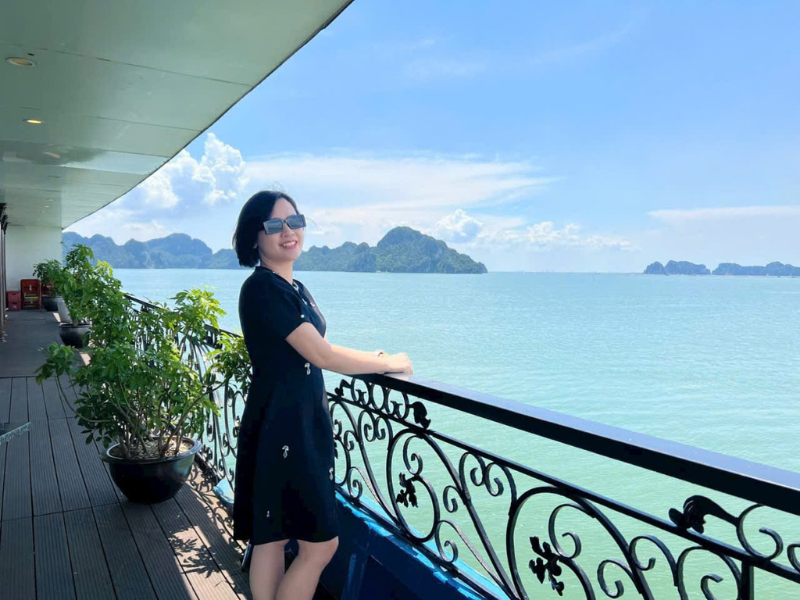
Written by Tracy Nguyễn, Lead Regional Logistics Specialist at Sao La Tours
The author has over 10 years of experience designing complex, multi-region Vietnam itineraries, with a focus on client safety, efficient transfers, and authentic regional immersion.