
To explore Vietnamese cuisine is to experience a living masterclass in culinary balance, historical fusion, and agricultural micro-terroirs. Spanning over 1,600 kilometers from the cool, mist-shrouded northern mountains bordering China to the tropical, sun-drenched channels of the Mekong Delta, Vietnam’s food culture is widely celebrated as one of the healthiest, most fragrant, and most sensory-rich culinary traditions on planet Earth.
Yet, for many international travelers, understanding Vietnamese cuisine remains confined to surface-level directory listings or Westernized takeaway bowls. They taste a single bowl of Phở or a quick Bánh Mì without ever grasping the profound regional philosophies, the ancient trade influences, or the precision of flavor balance that separates a good local meal from a life-changing gastronomic passage.
True culinary mastery requires peeling back the cultural layers. It means understanding how China introduced wok-searing techniques, how France brought baguettes, butter, and coffee, and how indigenous Vietnamese cooks transformed these foreign influences using fresh herbs, fish sauce, and local rice into an identity entirely their own.
Before finalizing your epicurean passage across Southeast Asia, ensuring absolute financial security, verified government licensing, and 24/7 crisis support is essential. Learn how to protect your travel investment by reading our comprehensive guide on the best vietnam tour operators to see how top-rated local agencies compare in safety standards, private fleet management, and bespoke itinerary design.
The Five Elements: The Philosophical Core of Vietnamese Cuisine
At the absolute center of Vietnamese cuisine lies the ancient Eastern philosophy of Wu Xing (the Five Elements) and Yin-Yang equilibrium. Every traditional dish is constructed to harmonize five fundamental taste senses, five colors, and five thermal properties to ensure both digestive health and culinary delight.
[Wood / Sour] ➔ [Fire / Bitter] ➔ [Earth / Sweet] ➔ [Metal / Spicy] ➔ [Water / Salty]
 (Lime, Tamarind)    (Herbs, Greens)   (Cane Sugar, Coconut) (Chili, Black Pepper) (Fish Sauce, Anchovy)
The Yin-Yang Balance of Ingredients
Vietnamese cooks meticulously categorize ingredients by their thermal properties (“heating” vs. “cooling”):
Cooling Ingredients (Yin): Duck, seafood, clams, lotus seeds, and green vegetables are paired with warming sauces (like ginger, garlic, or chili) to prevent stomach discomfort.
Warming Ingredients (Yang): Beef, lamb, ginger, and chili are balanced with cooling fresh herbs, rice vermicelli, and lime juices to maintain bodily harmony.
Regional Gastronomy Matrix: North vs. Center vs. South
Before exploring our deep-dive chapters, review this executive overview mapping out how climate, geography, and trade history shaped Vietnamese cuisine across the country’s three primary culinary zones:
| Regional Zone | Primary Geographical Terroir | Signature Flavor Profile | Key Historical Influence | Iconic Dishes to Experience |
| Northern Vietnam (Hanoi, Red River) | Cool climate, mountain river deltas | Subtle, delicate, savory & herb-focused | Ancient Chinese & Sino-Vietnamese | Phở Bò, Bún Chả, Chả Cả Lạ Vọng |
| Central Vietnam (Hue, Hoi An) | Arid soil, mountains meeting the sea | Fiery, bold, salty, complex & royal | Nguyen Dynastic Court & Cham Trade | Bún Bò Huế, Cao Lầu, Bánh Bèo |
| Southern Vietnam (Saigon, Mekong) | Tropical sunshine, fertile delta channels | Sweet, tropical, herb-loaded & rich | French Colonial, Khmer & Tropical | Cơm Tấm, Bánh Xèo, Gỏi Cuốn |
Act I: The Delicate North – Subtle Broths & Ancient Guild Traditions
Northern Vietnamese cuisine is defined by restraint, purity, and subtle sophistication. Because the cooler northern climate limits the year-round variety of hot spices compared to the south, northern cooks rely on black pepper, fresh ginger, and long-simmered stocks rather than raw chilies or heavy sugars.
1. Phở: The National Soul in a Bowl
While Phở is enjoyed nationwide today, its origins belong strictly to the Red River Delta around Hanoi and Nam Dinh in the late 19th century.
Anatomy of Authentic Northern Phở Bò:
[12-Hour Simmered Beef Marrow Broth] ➔ [Star Anise, Cinnamon & Charred Ginger] ➔ [Flat Rice Noodles (Bánh Phở)] ➔ [Flash-Seared Tenderloin] ➔ [Fresh Scallions & Cilantro]
Northern Simplicity vs. Southern Abundance
Authentic Hanoi Phở is celebrated for its crystal-clear, clean broth that showcases the pure essence of beef bone marrow and charred aromatics. Unlike southern variants, traditional northern Phở is served simply with fresh scallions, a splash of garlic vinegar, or fresh chili—never heavy hoisin sauces or mountain sweet basil, which mask the broth’s delicate flavor.
2. Bún Chả: The Charcoal-Grilled Classic of Hanoi
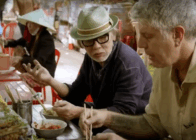
Few dishes capture the outdoor lunch culture of Hanoi better than Bún Chả. Made famous globally when Anthony Bourdain and President Barack Obama shared a casual meal at a local Hanoi stall, this dish is an exercise in smoky, savory perfection.
Pork shoulder patties and sliced pork belly are marinated in shallots, garlic, and caramel sauce, then grilled over glowing charcoal braziers right on the sidewalk. The piping-hot pork is submerged in a bowl of warm, diluted fish sauce mixed with sugar, lime juice, and green papaya slices, served alongside cold rice vermicelli (Bún) and an avalanche of fresh herbs.

3. Chả Cả Lạ Vọng: Turmeric Fish Skillet Artistry
A dish so iconic that an entire street in Hanoi’s Old Quarter was officially renamed after it, Chả Cá Lạ Vọng is a 130-year-old culinary institution. Fresh catfish or snakehead fish fillets are marinated in turmeric, galangal, and fermented rice, then seared at your table in a sizzling cast-iron skillet packed with mountains of fresh dill and spring onions.
It is served over rice noodles, toasted peanuts, and a splash of pungent fermented shrimp paste (Mắm Tôm) whipped with lime and rice wine.
Act II: The Fiery Center – Royal Feasts & Ancient Trade Ports
Moving south into Central Vietnam, Vietnamese cuisine undergoes a dramatic transformation. Framed by the Annamite Mountain Range and the ocean, this rugged region produces bold, spicy, and intricate dishes heavily influenced by two distinct legacies: the Royal Imperial Court of Hue and the international merchant port of Hoi An.
1. Bún Bò Huế: The Imperial Spicy Noodle Masterpiece
While Hanoi offers delicate beef noodle soups, the former imperial capital of Hue delivers Bún Bò Huế—a fiery, robust noodle soup that represents the summit of central spice craft.
The Complex Broth Architecture
The broth is created by slow-simmering beef bones and pork knuckles with heavy stalks of bruised lemongrass, caramelized chili oil, and fermented shrimp paste (Mắm Ruốc). Served with thick, round rice noodles, the bowl is packed with tender beef shank, crab meat balls, and congealed blood pudding, garnished with banana blossoms and mint.
2. The Royal Rice Cakes of Hue: Bánh Bèo & Bánh Bột Lọc
Because the Nguyen Dynasty emperors demanded dozens of small, visually stunning dishes at every meal, Hue developed a world-renowned culture of delicate rice snacks:
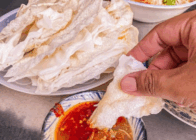
Bánh Bèo: Delicate, steamed rice flour disks served in tiny terracotta saucers, topped with crispy dried shrimp, scallion oil, and fried pork rinds.
Bánh Bột Lọc: Translucent tapioca dumplings filled with whole braised river shrimp and pork belly, wrapped in banana leaves and dipped in sweet chili-fish sauce.
3. Cao Lầu & Bánh Mì Hoi An: Merchant Heritage
In the ancient UNESCO port town of Hoi An, Vietnamese cuisine reflects centuries of international trade:
Cao Lầu: A noodle dish impossible to replicate outside Hoi An. Chewy rice noodles are soaked in alkaline ash water made from local Cham Island trees and kneaded using mineral-rich water drawn strictly from the ancient 10th-century Ba Le Well. It is topped with Chinese char siu pork, crispy croutons, and local Tra Que organic herbs.
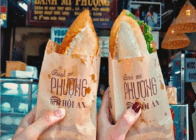
Bánh Mì Hoi An: The French baguette elevated to art. Crisp, airy baguettes packed with homemade liver pâté, braised pork shoulder, pickled papaya, whipped egg mayonnaise, and fiery dark chili paste.
Act III: The Sweet South – Tropical Abundance & Delta Comfort
In the tropical South, Vietnamese cuisine reflects the sheer agricultural bounty of the sun-drenched Mekong Delta and the energetic pulse of Saigon. Here, coconut milk, palm sugar, wild herbs, and fresh tropical seafood dominate the daily palate.
1. Cơm Tấm: The Iconic Broken Rice of Saigon
Originally consumed by poor rice farmers who used fractured, unsellable rice grains left over from the milling process, Cơm Tấm (Broken Rice) has evolved into the quintessential comfort meal of Ho Chi Minh City.
Anatomy of a Perfect Cơm Tấm Sườn Nướng:
[Fragrant Steamed Broken Rice] ➔ [Charcoal-Grilled Marinated Pork Chop] ➔ [Steamed Egg & Pork Loaf (Chả Trứng)] ➔ [Shredded Pork Skin (Bì)] ➔ [Scallion Oil & Sweet Fish Sauce]
Served with pickled daikon, cucumber slices, and a crispy fried egg with a runny yolk, Cơm Tấm stalls fill the morning air of Saigon with the intoxicating scent of caramelized pork marinade.
2. Bánh Xèo: The Sizzling Giant Crepe
In contrast to the small, thick pancakes of the central coast, southern Bánh Xèo is a giant, paper-thin, golden crepe. Made from a batter of rice flour, coconut milk, and turmeric, it is fried in massive wok pans until golden and ultra-crispy.
Stuffed with wild tiger prawns, pork belly slices, bean sprouts, and mung beans, the crepe is torn into bite-sized pieces, wrapped inside large mustard greens or lettuce leaves with fresh mint, and dipped into sweet garlic-chili fish sauce (Nước Chấm).

3. Gỏi Cuốn & Bánh Tráng: Fresh Spring Roll Perfection
Southern Vietnamese cuisine excels in raw, refreshing wraps. Gỏi Cuốn (Fresh Summer Rolls) features translucent rice paper sheets packed with boiled shrimp, pork slices, rice vermicelli, and aromatic herbs. Unlike fried spring rolls, these fresh rolls are dipped into a rich, creamy roasted peanut dip topped with crushed peanuts and chili oil.
Coffee Culture: Vietnam’s Liquid Artistry
No exploration of Vietnamese cuisine is complete without stepping into its vibrant, world-class coffee culture. Introduced by French colonists in the 19th century, Vietnam has grown into the world’s second-largest coffee producer, famous for its intense, full-bodied Robusta beans.
[Hanoi: Egg Coffee (Cà Phê Trứng)] ➔ [Saigon: Iced Milk Coffee (Cà Phê Sữa Đá)] ➔ [Hue: Salt Coffee (Cà Phê Muối)]
Cà Phê Sữa Đá (Southern Iced Coffee): Dark roasted coffee dripped through a traditional metal filter (Phin) directly onto thick, sweet condensed milk, poured over crushed ice.
Cà Phê Trứng (Hanoi Egg Coffee): Robust black coffee topped with a thick, velvety foam whipped from fresh egg yolks, condensed milk, and honey.
Cà Phê Muối (Hue Salt Coffee): A modern central Vietnamese creation blending strong coffee with condensed milk and a salted cream foam that highlights the natural caramel notes of the bean.
Operational Comparison: Generic Dining vs. Curated Food Tours
To understand how to experience Vietnamese cuisine safely and authentically, review the operational differences below:
| Dimension | Self-Guided / Generic Dining | Unlicensed Mass Tour | Professional Private Culinary Tour |
| Food Safety | Language barriers & unvetted ice/water | Fixed commercial tourist buffets | 100% Vetted vendors, translated allergy protection |
| Authenticity | Westernized tourist menus on main streets | Mass-produced commercial meals | 100% Traditional family recipes in residential alleys |
| Culinary Depth | Eating without understanding ingredients | Superficial memorized scripts | Deep storytelling from certified local food historians |
| Regional Variety | Sourced from standard hotel buffets | Limited commercial selections | Sourced directly from local wet markets & artisan farms |
| Logistics & Comfort | Stressful seat hunting & price haggling | Rushed, high-volume group pacing | 100% Tailor-made pacing, private seating reserved |
✈️ Practical Tips for Experiencing Vietnamese Cuisine
To ensure your epicurean journey across Vietnam remains completely stress-free and enjoyable, keep these operational guidelines in mind:
1. Street Food Safety Protocols
Vietnamese street food is safe, clean, and delicious when navigated correctly. Look for street stalls that are bustling with local families (indicating high turnover of fresh ingredients) and where food is cooked hot to order before your eyes.
2. Hydration & Ice
Never drink unboiled tap water in Vietnam. Stick strictly to bottled purified water, fresh young coconuts, or boiled herbal teas. In major cities, ice used in beverages at established street stalls is produced in commercial purified ice factories (Đá Sạch) and is completely safe to consume.
3. Tipping & Cultural Etiquette
Tipping is not traditional in local Vietnamese eateries, but rewarding exceptional service at upscale restaurants or on guided culinary tours ($5–$10 USD) is deeply appreciated. When eating with chopsticks, never leave them standing vertically in a bowl of rice, as this resembles incense sticks at a funeral altar.
Frequently Asked Questions (FAQ)
Q1: Is Vietnamese cuisine safe for travelers with severe gluten or dairy allergies?
A: Yes! Vietnamese cuisine is naturally one of the most gluten-free and dairy-free friendly cuisines in the world. Rice (rice noodles, rice paper, steamed rice) is the primary starch staple rather than wheat. Dairy is rarely used in traditional cooking outside of condensed milk in coffee.
Q2: How spicy is authentic Vietnamese cuisine?
A: Unlike Thai or Indian food, Vietnamese cooking is rarely overwhelmingly spicy by default. Fresh chilies, chili oils, and chili pastes are almost always served in side dishes, allowing guests to customize the heat level of their meal to their exact preference.
Q3: What is the average cost of a meal in Vietnam?
A: Street food meals (a bowl of Phở or a Bánh Mì) typically cost between 30,000 to 60,000 VND ($1.20 to $2.50 USD). Mid-range sit-down restaurants cost between 150,000 to 300,000 VND ($6 to $12 USD) per person, offering extraordinary culinary value.
Q4: Which city is considered the ultimate food capital of Vietnam?
A: While Saigon offers the greatest variety and Hanoi boasts iconic heritage dishes, Hoi An and Hue in Central Vietnam are widely considered by food historians to be the ultimate epicurean destinations due to their rich imperial court history and hyper-local agricultural sourcing.
Craft Your Custom Culinary Passage with Saola Tours
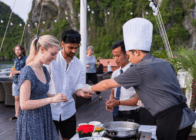
Experiencing authentic Vietnamese cuisine with absolute peace of mind requires deep local roots, verified food safety protocols, and certified senior guides. At Saola Tours, we take immense pride in delivering 100% tailor-made private culinary passages that connect you directly with the living culture, family recipes, and secret flavors of Vietnam.
➡️ Ready to taste the real Vietnam?
Contact our custom travel specialists at Saola Tours today to receive your personalized culinary itinerary quote and expert advice!