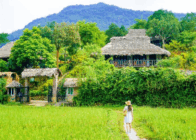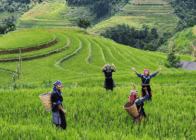
For many travelers, Sapa is synonymous with breathtaking rice terraces, mist-covered mountains, and colorful ethnic cultures.
But beyond its spectacular scenery lies another reason to visit.
Its food.
The story of Food in Sapa is unlike anywhere else in Vietnam. It is a cuisine shaped by high mountains, cool temperatures, fertile valleys, and the traditions of ethnic communities that have lived here for centuries.
Meals in Sapa are more than something to eat after a day of sightseeing.
They are an introduction to local history.
A reflection of the changing seasons.
A celebration of ingredients grown, gathered, and prepared in the mountains.
Whether you’re enjoying a steaming hotpot on a chilly evening, tasting freshly harvested vegetables from a mountain farm, or sharing a traditional meal in a family home, every dish offers a deeper understanding of this remarkable region.
For travelers seeking authentic experiences, discovering Sapa Food is just as rewarding as hiking through rice terraces or visiting remote villages.
Because in Sapa, every meal tells a story.
Why Food in Sapa Is So Unique
Unlike Vietnam’s tropical south or coastal central region, Sapa enjoys a cool mountain climate throughout much of the year.
This distinctive environment influences everything that grows here.
Fresh vegetables flourish in the cool air.
Medicinal herbs thrive on mountain slopes.
Cold-water fish are raised in crystal-clear streams.
Fruit orchards produce seasonal harvests rarely found elsewhere in Vietnam.
The surrounding forests also provide edible plants, mushrooms, bamboo shoots, and aromatic herbs that have long been part of traditional mountain cooking.
Combined with generations of culinary knowledge passed down through local families, these ingredients have created a truly distinctive Sapa Cuisine.
It is fresh.
Seasonal.
Comforting.
And deeply connected to nature.
A Culinary Heritage Shaped by Ethnic Communities
One of the reasons Traditional Sapa Food is so fascinating is its cultural diversity.
Sapa is home to several ethnic minority communities, including the Hmong, Dao, Tay, Giay, and Xa Pho peoples.
Each community has developed its own cooking traditions, flavors, preservation techniques, and ceremonial dishes.
Some recipes have been passed from one generation to the next for hundreds of years.
Others are prepared only during important festivals or family celebrations.
Cooking methods often remain wonderfully simple.
Ingredients are grilled over charcoal.
Steamed inside bamboo tubes.
Slow-cooked above wood fires.
Or preserved through traditional smoking techniques that enhance flavor while extending freshness.
Rather than relying on complex seasonings, mountain cuisine celebrates the natural taste of every ingredient.
This cultural richness makes Ethnic Food Vietnam one of the highlights of any visit to Sapa.
Fresh Ingredients from the Mountains
One of the first things visitors notice about Local Food in Vietnam, especially in Sapa, is its freshness.
Many restaurants source ingredients directly from nearby farms and villages.
Seasonal vegetables arrive each morning from surrounding hillsides.
Mountain herbs are picked only hours before cooking.
Freshwater fish are harvested locally.
Free-range chickens roam naturally.
Traditional pork breeds are raised by local families.
This close relationship between producers and kitchens creates meals that are remarkably fresh and full of natural flavor.
It also supports sustainable local agriculture, helping preserve farming traditions that have shaped life in Sapa for generations.
The Influence of the Seasons
Every season brings something different to Food in Sapa.
Spring introduces tender mountain vegetables and fragrant herbs.
Summer offers fresh fruits and abundant produce.
Autumn is celebrated for its harvests, mushrooms, and golden rice fields.
Winter transforms the dining experience entirely.
As temperatures drop, steaming hotpots, grilled meats, roasted chestnuts, and warming herbal dishes become especially popular.
This seasonal rhythm means that no two visits to Sapa are exactly alike.
Returning at a different time of year often means discovering entirely new flavors.
Sapa’s Local Markets Are Full of Flavor
To truly understand Sapa Local Food, begin where local people shop.
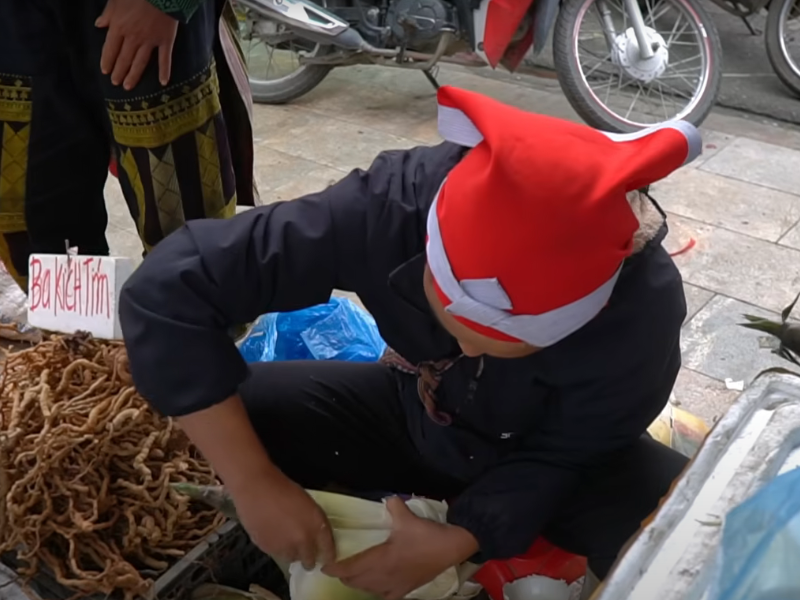
Traditional markets are among the best places to experience the region’s culinary culture.
Colorful displays of mountain vegetables.
Fresh herbs with unfamiliar aromas.
Wild mushrooms gathered from nearby forests.
Homemade spices.
Locally produced honey.
Handmade rice cakes.
Seasonal fruits.
Traditional fermented products.
These markets are more than places to buy ingredients.
They are vibrant community gathering spaces where farmers, artisans, and families meet, exchange stories, and preserve traditions that have existed for generations.
Walking through a Sapa market provides an authentic glimpse into everyday mountain life.
Simple Cooking, Extraordinary Flavor
Many travelers are surprised by how uncomplicated Best Food in Sapa can be.
The focus is rarely on elaborate presentation.
Instead, attention is given to ingredient quality.
Fresh produce.
Natural seasoning.
Careful cooking.
Time-honored techniques.
Grilling over charcoal adds smoky depth.
Slow simmering develops rich flavors.
Steaming preserves freshness.
Smoking creates unique aromas.
Because the ingredients themselves are exceptional, recipes often require very little additional seasoning.
The result is cuisine that feels honest, comforting, and deeply satisfying.
Sharing Meals Is Part of the Experience
In Sapa, food is rarely enjoyed alone.
Meals are often shared with family, friends, neighbors, and guests.
Large dishes are placed in the center of the table.
Everyone helps themselves.
Conversations continue long after the meal has finished.
Hospitality plays an important role in mountain culture.
Visitors are frequently welcomed with warm smiles, local specialties, and traditional drinks prepared by their hosts.
Sharing a meal becomes an opportunity to exchange stories, learn about local customs, and build genuine connections.
For many travelers, these shared dining experiences become some of the most treasured memories of their visit.
More Than a Meal—A Cultural Journey
Trying What to Eat in Sapa isn’t simply about tasting new dishes.
It is about understanding the people who created them.
Every bowl of soup reflects generations of mountain living.
Every grilled dish tells a story of local farming traditions.
Every herbal recipe carries knowledge gathered over centuries.
The food reveals how communities adapted to changing seasons, challenging landscapes, and the resources available around them.
It is culture served on a plate.
And that makes every meal far more meaningful.
Begin Your Sapa Adventure One Bite at a Time
Sapa’s mountains may capture your attention first.
Its cuisine will capture your heart.
From fresh mountain vegetables and locally raised livestock to traditional cooking methods and warm hospitality, Food in Sapa offers an experience that goes far beyond the restaurant table.
Every meal connects visitors with the landscapes, cultures, and communities that make this region so distinctive.
Whether you’re a passionate foodie, an adventurous traveler, or simply someone who enjoys authentic local experiences, Sapa promises flavors that will stay with you long after your journey ends.
Thang Co – Sapa’s Most Traditional Dish
No discussion about Traditional Sapa Food would be complete without mentioning Thang Co.
Originally created by the Hmong people, this slow-cooked stew has been enjoyed in the mountains for generations.
Prepared with aromatic mountain herbs and carefully simmered over many hours, Thang Co is deeply connected to local festivals, village gatherings, and community celebrations.
For adventurous food lovers, tasting Thang Co offers more than a new flavor.
It offers a glimpse into centuries of mountain culture and culinary heritage.
Salmon Hotpot – A Mountain Surprise
Many international visitors are surprised to learn that Sapa is famous for salmon.
Thanks to the region’s cool climate and clean mountain water, salmon farming has flourished here for many years.
A steaming Salmon Hotpot Sapa is especially comforting after a day of trekking through misty valleys.
Fresh salmon is cooked alongside seasonal vegetables, mushrooms, tofu, herbs, and flavorful broth.
Sharing a hotpot around the table is also a wonderful way to experience Vietnam’s communal dining culture.
Sturgeon Hotpot – Another Highland Favorite
Alongside salmon, sturgeon has become another signature ingredient in Sapa Cuisine.
Its firm texture and delicate flavor make it ideal for hotpot dishes.
Served with fresh herbs, leafy greens, and handmade dipping sauces, sturgeon hotpot is both elegant and satisfying.
Many restaurants specialize in locally raised fish, allowing visitors to enjoy ingredients harvested just a short distance from the dining table.
Grilled Black Chicken
One of the most distinctive ingredients found in Sapa Local Food is black chicken.
This traditional mountain breed is valued for its rich flavor and firm texture.
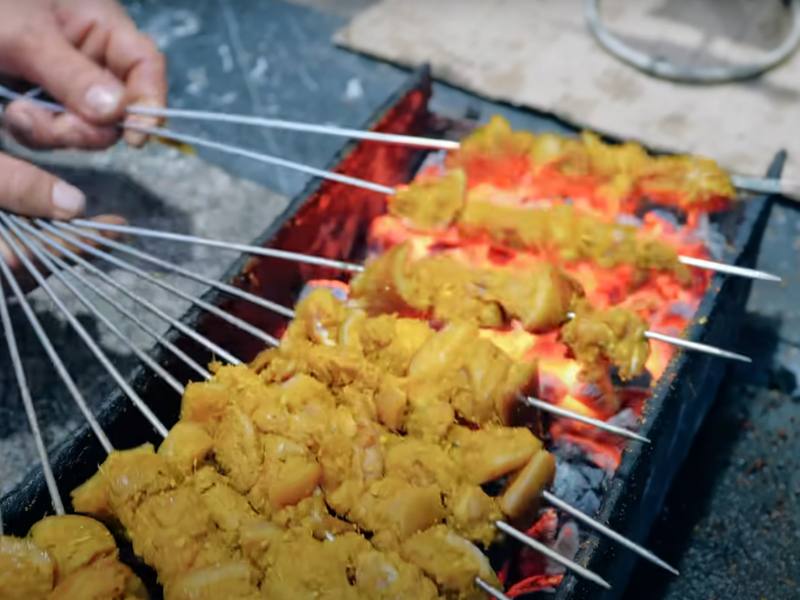
It is commonly marinated with forest herbs before being slowly grilled over charcoal.
The smoky aroma combined with fragrant mountain spices creates a dish that is both simple and unforgettable.
Many local families also prepare black chicken for important celebrations and gatherings.
Smoked Buffalo Meat
Among the region’s most famous specialties is smoked buffalo meat.
Rather than relying on refrigeration, local communities traditionally preserved meat by slowly smoking it above wood fires.
This process develops a wonderfully deep flavor while allowing the meat to be stored for extended periods.
Thin slices are often enjoyed with local herbs or served alongside rice and dipping sauces.
For travelers exploring What to Eat in Sapa, smoked buffalo is considered an essential culinary experience.
Five-Color Sticky Rice
Beautiful enough to photograph and delicious enough to remember, five-color sticky rice is one of the most recognizable dishes in the mountains.
Natural ingredients such as leaves, roots, and flowers create its vibrant colors.
Each color represents wishes for prosperity, happiness, harmony, or good fortune in many ethnic traditions.
Beyond its striking appearance, the rice remains wonderfully fragrant and slightly chewy.
It is frequently served during festivals and important family occasions.
Bamboo Sticky Rice
Simple ingredients often create the greatest memories.
Sticky rice cooked inside fresh bamboo is one of the finest examples.
The bamboo gently perfumes the rice while keeping it soft and moist during cooking.
Served with grilled meats, sesame salt, or roasted peanuts, this traditional preparation reflects the close relationship between mountain communities and the surrounding forests.
Cap Nach Pork
Raised naturally by local families, Cap Nach pork has become one of the best-loved dishes in Best Food in Sapa.
The meat is known for its balanced texture and rich flavor.
It may be roasted until the skin becomes wonderfully crisp or grilled over charcoal with mountain spices.
Served alongside fresh herbs and locally grown vegetables, it represents the hearty flavors of Northern Vietnam.
Wild Mushrooms and Forest Vegetables
Nature provides an extraordinary variety of edible plants throughout the mountains surrounding Sapa.
Depending on the season, visitors may enjoy wild mushrooms, fern shoots, bamboo shoots, mustard greens, and many other mountain vegetables.
Prepared simply with garlic, herbs, or light seasoning, these dishes celebrate freshness above all else.
They also demonstrate how closely Sapa Cuisine remains connected to the natural environment.
Grilled Stream Fish
Cold mountain streams produce exceptionally fresh fish that are often grilled whole over open charcoal fires.
Rather than masking the natural flavor, local cooks season the fish lightly with herbs, salt, and aromatic spices.
Served with dipping sauces and fresh vegetables, grilled stream fish perfectly reflects the simplicity that defines much of Local Food in Vietnam.
Chestnuts – A Favorite Winter Snack
During the cooler months, the streets of Sapa fill with the comforting aroma of roasted chestnuts.
Warm, naturally sweet, and easy to enjoy while walking through town, they have become a favorite seasonal snack among both locals and visitors.
Sometimes the simplest foods create the strongest travel memories.
Traditional Mountain Herbs
Mountain herbs are an essential part of Ethnic Food Vietnam.
Used in soups, grilled dishes, herbal baths, and medicinal teas, these plants have supported mountain communities for generations.
Many recipes rely on combinations of herbs found only in Northern Vietnam’s forests.
Their distinctive aromas add depth to dishes while reflecting the region’s deep understanding of local biodiversity.
Local Corn Wine and Apple Wine
Food in Sapa is often accompanied by traditional homemade drinks.
Corn wine has long been enjoyed during festivals and family celebrations among several ethnic groups.
Apple wine, produced from locally grown fruit, offers another regional specialty.
Both are typically shared in small cups as symbols of hospitality rather than consumed in large quantities.
For many visitors, joining a traditional toast becomes a memorable cultural experience.
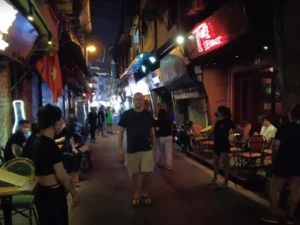
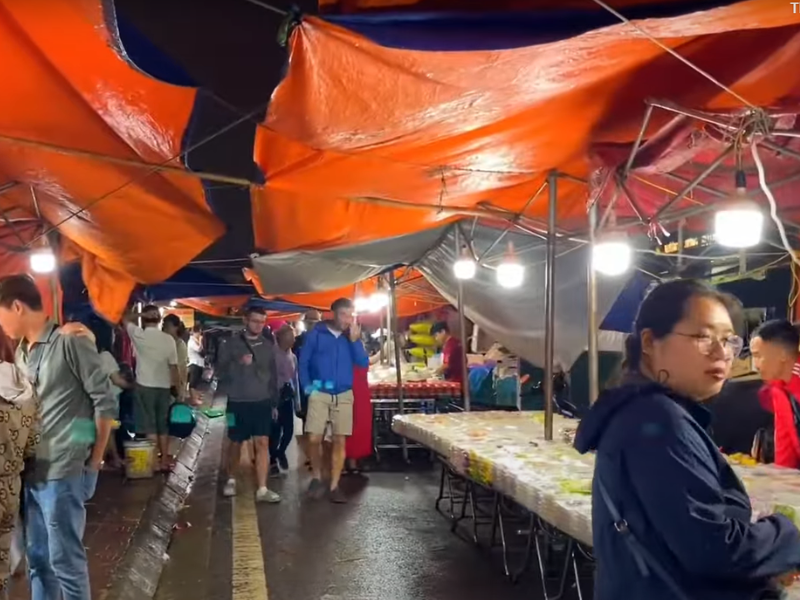
Sapa Street Food After Sunset
As evening falls, the atmosphere around Sapa changes.
Small grills begin to glow.
Street vendors prepare skewers over hot charcoal.
Fresh vegetables.
Local sausages.
Tofu.
Corn.
Sweet potatoes.
Mountain mushrooms.
Everything is cooked fresh before your eyes.
Exploring Sapa Street Food after dark is one of the best ways to experience the lively energy of the town while sampling a wide variety of local flavors in a relaxed setting.
Every Dish Tells the Story of the Mountains
The beauty of Food in Sapa lies not only in its taste but in its origins.
Every ingredient reflects the mountain climate.
Every recipe preserves generations of cultural knowledge.
Every meal celebrates the close relationship between people and nature.
Whether you’re enjoying a steaming hotpot after a trek, tasting smoked buffalo in a traditional village, or sharing sticky rice with a local family, you’re experiencing far more than food.
You’re experiencing the history, culture, and identity of Sapa itself.
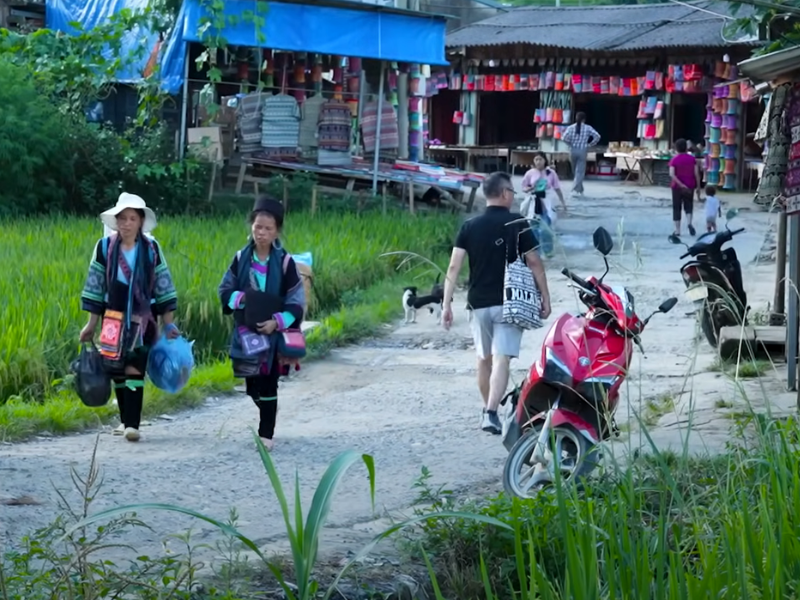
Visit Local Markets for the Most Authentic Flavors
One of the best ways to experience Sapa Local Food is by visiting the town’s traditional markets.
Markets are where local farmers bring freshly harvested vegetables, mountain herbs, seasonal fruits, homemade spices, smoked meats, and regional specialties every morning.
Walking through the market is a feast for the senses.
The aroma of grilled food fills the air.
Fresh herbs create vibrant displays of green.
Friendly conversations echo between vendors.
Traditional ingredients that many international visitors have never seen before are sold alongside everyday household goods.
Even if you don’t buy anything, exploring a local market offers valuable insight into daily life in the mountains.
Family-Owned Restaurants Tell the Real Story
While modern cafés and international restaurants continue to appear in Sapa, many travelers find that the most memorable meals come from small family-owned establishments.
These restaurants often prepare recipes that have been passed down through generations.
The menu may be shorter.
The dining room may be simpler.
But the flavors are authentic.
Many owners are happy to explain how dishes are prepared, where ingredients come from, and which meals are traditionally enjoyed during festivals or family celebrations.
Dining in these local restaurants allows visitors to experience Traditional Sapa Food in its most genuine form.
A Homestay Meal Is More Than Dinner
For travelers seeking Authentic Sapa Cuisine, staying in a village homestay offers something truly special.
Dinner is rarely treated as a formal service.
Instead, guests are often invited to share the table with their host family.
Meals become conversations.
Stories are exchanged.
Local traditions are explained.
Children play nearby while grandparents prepare recipes they have cooked for decades.
These shared experiences create connections that no restaurant can fully replicate.
For many visitors, the evening meal becomes the highlight of their journey through Sapa.
Don’t Miss Sapa’s Evening Food Scene
As temperatures begin to fall, Sapa transforms into one of Vietnam’s most enjoyable mountain dining destinations.
Street stalls light their charcoal grills.
The smell of roasted chestnuts drifts through the cool air.
Fresh skewers are prepared to order.
Steaming hotpots gather families and friends around the table.
Warm herbal drinks become especially comforting after a day of exploring.
Experiencing Sapa Street Food at night is about much more than satisfying your appetite.
It is about joining the relaxed rhythm of mountain life.
Eat with the Seasons
One of the defining characteristics of Best Food in Sapa is its connection to the seasons.
Different ingredients appear throughout the year.
Fresh mushrooms after seasonal rains.
Mountain vegetables during spring.
Fruit harvested in summer.
Roasted chestnuts and warming hotpots in winter.
Instead of expecting the same menu every month, embrace whatever the local season has to offer.
Seasonal dining not only delivers fresher flavors but also supports local farmers and traditional agricultural practices.
Food Etiquette in Sapa
Dining in Sapa is generally relaxed and welcoming, but a few simple customs can help visitors show respect.
Wait for your host to invite everyone to begin eating.
If dining family-style, take modest portions first so everyone can share.
Accepting a cup of tea or a small local drink is often considered a friendly gesture of hospitality.
When visiting ethnic minority villages, curiosity and respect are always appreciated.
Learning a few basic Vietnamese greetings or thanking your hosts in their local language can create genuine smiles and memorable interactions.
Frequently Asked Questions
What is the most famous Food in Sapa?
Many travelers immediately think of Thang Co, salmon hotpot, smoked buffalo meat, grilled black chicken, and five-color sticky rice.
Each represents a different aspect of Sapa’s mountain culture and culinary traditions.
Is Sapa Food suitable for vegetarians?
Yes.
Thanks to the region’s rich agricultural landscape, many restaurants serve excellent vegetarian dishes featuring fresh mountain vegetables, tofu, mushrooms, bamboo shoots, herbs, and sticky rice.
It’s always helpful to let your host or restaurant know your dietary preferences before ordering.
Is street food safe in Sapa?
Street food is an important part of local life and is enjoyed by both residents and visitors.
Choosing busy stalls with freshly prepared food and good hygiene practices is generally a sensible approach, just as it is when traveling anywhere in the world.
What is the best season to enjoy Sapa Cuisine?
Every season offers something unique.
Spring highlights fresh herbs and vegetables.
Summer brings abundant produce.
Autumn celebrates harvest flavors.
Winter is perfect for grilled specialties, roasted chestnuts, and warming hotpots.
There is no wrong time to explore Sapa through its cuisine.
Why Food Is One of the Best Ways to Understand Sapa
Travel often begins with famous landscapes.
It becomes unforgettable through local experiences.
Food is one of the simplest and most enjoyable ways to connect with a destination.
Every recipe reflects generations of knowledge.
Every ingredient tells the story of the surrounding mountains.
Every shared meal introduces visitors to the warmth and hospitality of local communities.
When you taste Food in Sapa, you’re experiencing much more than traditional recipes.
You’re discovering the identity of the people who have shaped this remarkable region for centuries.
Experience the Real Taste of Sapa with Sao La Vietnam Tours
At Sao La Vietnam Tours, we believe the best way to discover Sapa is through both its landscapes and its cuisine.
Our tailor-made journeys combine breathtaking mountain scenery with authentic culinary experiences, allowing you to enjoy family-run restaurants, vibrant local markets, village homestays, and traditional meals prepared by local communities.
Whether you’re trekking through rice terraces, visiting ethnic villages, or relaxing after a day in the mountains, every meal becomes another opportunity to experience the culture of Northern Vietnam.
Because unforgettable journeys are not only measured by the places you visit.
They are also remembered by the flavors you discover.
Travel Slow. Feel Vietnam.