
Over the past decade, adventure tourism in Vietnam has transformed from a niche subculture for rugged backpackers into one of Asia’s most dynamic, world-class outdoor industries. Spanning over 1,600 kilometers across the eastern rim of the Indochinese Peninsula, Vietnam’s geographical diversity is staggering. Within a single nation, outdoor enthusiasts can navigate vertical limestone karst monoliths, explore the planet’s largest subterranean cave systems, tackle high-altitude mountain passes, and harness thermal winds along coastal desert dunes.
However, executing high-value adventure tourism in Vietnam requires moving far beyond generic city itineraries. True outdoor immersion demands navigating complex regional microclimates, securing state wilderness permits, managing international safety standards, and coordinating seamless ground logistics.
Without strategic planning, active travelers risk facing extreme weather delays, booking unverified third-party outfitters, or missing the country’s most pristine wilderness corridors.
This comprehensive long-form blueprint deconstructs Vietnam’s outdoor geography, technical expedition options, equipment requirements, and seasonal timing. Built on verified logistics and E-E-A-T principles, this guide gives you the operational tools to plan a safe, high-value, and unforgettable wilderness passage.
Before undertaking active wilderness expeditions across Southeast Asia, securing absolute financial protection, verified state licensing, and 24/7 crisis backing is essential. Learn how to protect your travel investment by reading our guide to the best vietnam tour operators to see how top-rated local outfitters compare in safety compliance, private fleet logistics, and custom expedition management.
The Technical Arenas of Vietnam’s Wilderness
A core requirement for mastering adventure tourism in Vietnam is understanding how the country’s physical geography dictates outdoor disciplines across three primary zones:
[The Northern Alpine & Ridge Terrane] ➔ [The Central Subterranean Karst] ➔ [The Southern Coastal & Delta Belt]
   (Sapa, Ha Giang & Fansipan)             (Phong Nha-Ke Bang & Annamites)          (Mui Ne, Cat Tien & Mekong)
1. The Northern Alpine & Ridge Terrane (Sapa, Ha Giang & Fansipan)
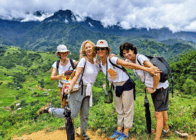
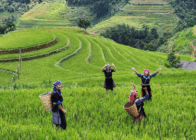
Defined by the Hoang Lien Son mountain range—the easternmost extension of the Himalayas—and the high-altitude limestone geoparks of Ha Giang, this region is the premier arena for multi-day ridge trekking, high-pass cycling, and ethnic hamlet homestays.
2. The Central Subterranean Karst Corridor (Phong Nha-Ke Bang)
Home to a UNESCO World Heritage ecosystem containing the world’s largest subterranean caves, underground rivers, and dense jungle passes requiring technical expedition support and Leave-No-Trace wilderness ethics.
3. The Southern Coastal & Delta Belt (Mui Ne, Cat Tien & Mekong)
A diverse coastal and riverine landscape offering thermal-wind kitesurfing, old-growth rainforest wildlife tracking, stand-up paddleboarding (SUP), and long-distance waterway navigation.
Expedition Matrix: Top Arenas for Adventure Tourism in Vietnam
Before diving into regional breakdown chapters, review this executive summary mapping out top expedition options for adventure tourism in Vietnam by physical difficulty, terrain type, and ideal seasonal timing:
| Expedition Discipline | Core Destination | Terrain & Technical Profile | Physical Requirement | Prime Seasonal Window |
| High-Altitude Trekking | Sapa / Mount Fansipan | Alpine trails, bamboo forests & ridge lines | Moderate to High | Oct – Apr (Dry & Cool) |
| Subterranean Caving | Phong Nha-Ke Bang | Underground rivers, boulder scrambles & caves | High (Technical outfitter required) | Feb – Aug (Dry Season) |
| High-Pass Motorbiking | Ha Giang / Ma Pi Leng | Steep mountain switchbacks & limestone passes | Advanced Skills (Valid IDP) | Sep – Nov / Mar – May |
| Thermal Kitesurfing | Mui Ne / Suoi Nuoc Beach | Thermal wind corridors (18–30 knots) & surf | Moderate to High | Nov – Apr (Peak Winds) |
| Rainforest Tracking | Cat Tien National Park | Lowland tropical jungle & river ecosystems | Moderate | Dec – May (Dry Season) |
Act I: Northern Alpine Expeditions & Ridge Treks
The northern highlands anchor the alpine sector of adventure tourism in Vietnam, offering dramatic vertical relief, deep river valleys, and authentic cultural encounters.
1. Summiting Mount Fansipan & Sapa Ridge Trekking
Standing at 3,143 meters above sea level, Mount Fansipan is recognized as the “Roof of Indochina.” While a modern cable car serves the peak, wilderness enthusiasts engage in authentic multi-day foot treks up its surrounding granite ridges.
The Tram Ton & Sin Chai Wilderness Routes
Guided expeditions bypass tourist cable stations, taking narrow trails through ancient bamboo groves, rhododendron forests, and steep mountain cols.
Trekkers camp at high-altitude mountain shelters or stay overnight in remote Red Dao and Black Hmong hamlets like Ta Van or Ban Ho, gaining direct insight into alpine survival traditions and medicinal herb lore.
Alpine Trail Note: High-altitude weather in Sapa can shift rapidly. Proper layering—including
moisture-wicking base layers and windproof, waterproof shells—is essential year-round.
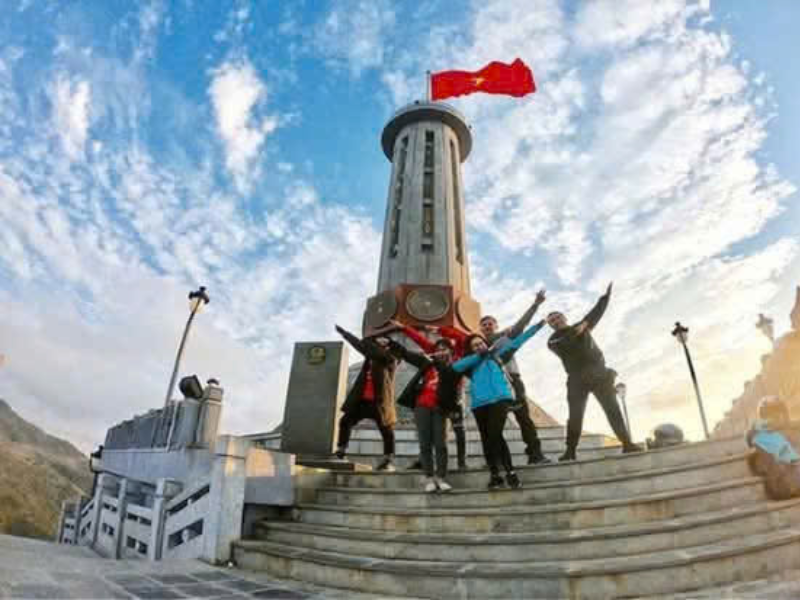
For adventure travelers who prefer open-road endurance, the Ha Giang Loop in the far north represents one of Asia’s most spectacular road trips.
Navigating over 350 kilometers of winding mountain roads, riders carve through the UNESCO Dong Van Karst Plateau. The climax of the route is the Ma Pi Leng Pass, where a narrow road clings to sheer vertical cliffs 1,000 meters above the turquoise Nho Que River.
Act II: Central Karst Expeditions & Subterranean Oceans
Central Vietnam forms the absolute epicenter of subterranean adventure tourism in Vietnam, holding natural cavern systems unmatched anywhere else on Earth.
1. Caving Expeditions in Phong Nha-Ke Bang National Park
Covering over 120,000 hectares, Phong Nha-Ke Bang protects an ancient karst landscape formed over 400 million years ago. It houses hundreds of massive cave systems, including Hang Son Doong (the largest cave on Earth), Hang En, and Tu Lan.
Anatomy of a Underground Caving Expedition:
[Primary Jungle Trekking] ➔ [Subterranean River Swims] ➔ [Cavern Sand-Beach Camping]
➔ [Boulder Scrambling & Skylight Ascent]
Expedition Protocols & Environmental Preservation
Access to these underground caverns is strictly regulated by government conservation authorities. Expeditions operate under strict Leave-No-Trace protocols, led by international safety experts and trained local porters.
Participants swim through dark subterranean rivers using headlamps, scale massive stalagmite formations, and camp on underground sand beaches beneath soaring natural skylights.
2. River Kayaking & Ziplining in Central Sanctuaries
Beyond caving, Central Vietnam’s jungle rivers offer diverse watersports:
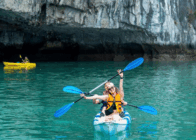
Chay River & Dark Cave (Hang Tối): Combines high-canopy ziplining over emerald rivers with kayak navigation and mud-cave swimming.
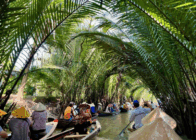
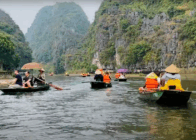
Trang An & Tam Coc (Ninh Binh): Known as “Ha Long Bay on Land,” offering foot-rowed sampan passages and peaceful river kayaking beneath limestone arches.
Act III: Southern Windsports, Jungle Safaris & Waterway Navigation
Southern Vietnam blends ocean wind corridors with expansive tropical rainforests and complex river networks, completing the full spectrum of adventure tourism in Vietnam.
1. Thermal Kitesurfing & Windsports in Mui Ne
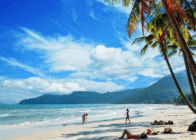
Located 200 kilometers east of Ho Chi Minh City, the coastal town of Mui Ne is widely recognized as Southeast Asia’s kitesurfing capital.
The Wind Dynamics of Mui Ne Bay
Thanks to thermal wind patterns created by surrounding sand dunes, Mui Ne experiences reliable side-onshore winds averaging 18 to 30 knots almost daily between November and March.
International kitesurfing schools along the beach offer certified instruction for all skill levels, from basic kite control in shallow bays to advanced wave-riding offshore.
2. Rainforest Tracking in Cat Tien National Park
For wildlife enthusiasts, Cat Tien National Park—a UNESCO Biosphere Reserve in Dong Nai province—offers exceptional lowland rainforest exploration.
Jungle Trekking Routes: Hike through 72,000 hectares of old-growth rainforest, walking under centuries-old Tung trees with giant buttress roots to reach Crocodile Lake (Bàu Sấu).
Nighttime Wildlife Safaris: Board open-air 4×4 vehicles with certified rangers at dusk to track nocturnal wildlife, including sambar deer, civets, wild boars, and rare bird species grazing in the open grasslands.
Operational Comparison: DIY Trips vs. Customized Tour Packages
To understand how to maximize safety and value when exploring adventure tourism in Vietnam, review the operational differences below:
| Dimension | Independent / DIY Expedition | Unlicensed Online Operator | Certified Custom Adventure Operator |
| Wilderness Safety | High risk, no emergency satellite comms | Basic commercial gear, unverified guides | Certified wilderness first-aid, satellite tracking |
| Park Permits | Complex local permit paperwork | Often skips legal permits | Guaranteed legal access & park ranger clearance |
| Equipment Standards | Unverified rental condition | Cheap mass-market gear | Regularly inspected, international-grade equipment |
| Local Community Impact | Minimal benefit to local families | Low wages for local porters | Fair-wage local employment & eco-preservation |
| Emergency Response | No local crisis backing | Limited call center response | 24/7 Ground response & immediate vehicle swaps |
Essential Logistics & Expedition Preparation
To ensure your active passage across Vietnam operates smoothly, review these four operational pillars before departure:
1. Seasonal Synchronization
Vietnam’s elongated geography means weather varies significantly across regions:
Northern Highlands (Sapa, Ha Giang): Best from October to April (dry, cool conditions). Avoid heavy monsoon rains between July and August when landslides can impact mountain trails.
Central Caves (Phong Nha): Best from February to August. Cave systems close during the flood season from September to November for safety.
Southern Coast (Mui Ne, Cat Tien): Best from November to April (dry weather and strong winds for kitesurfing).
2. Personal Equipment Checklist
While certified outfitters supply technical caving and safety gear, bring high-quality personal equipment:
Broken-in, quick-drying trail shoes or trekking boots with deep lug traction.
Moisture-wicking base layers, breathable long-sleeve shirts, and lightweight rain shells.
Headlamps with extra batteries, dry bags for electronics, and reef-safe sunscreen.
Child-friendly insect repellent containing DEET or Picaridin for rainforest treks.
3. Medical & Travel Insurance
Standard travel insurance policies often exclude high-risk activities like technical caving, mountain biking, or kitesurfing. Ensure your travel insurance explicitly covers wilderness medical evacuation, high-altitude trekking, and sports equipment protection.
Frequently Asked Questions (FAQ)
Q1: Is adventure tourism in Vietnam safe for first-time active travelers?
A: Yes. Vietnam offers adventure options for all skill levels. While technical caving in Phong Nha requires high physical fitness, activities like day trekking in Sapa, sea kayaking in Halong Bay, or paddleboarding in Mui Ne are accessible to anyone with moderate fitness.
Q2: Do I need a specialized visa for remote wilderness areas in Vietnam?
A: Standard entry requires a 90-day Electronic Visa (e-Visa) obtained online. However, specific border areas (such as certain mountain passes in Ha Giang) require local travel permits (Giấy Phép Du Lịch), which are easily arranged on-site by your licensed tour outfitter.
Q3: What is the best way to travel between remote adventure hubs in Vietnam?
A: The safest and most comfortable approach is booking private chauffeured vehicles (such as 4×4 SUVs or luxury DCar limousines) through a licensed operator like Saola Tours. This guarantees comfortable climate-controlled transit, room for gear, and certified drivers on mountain routes.
Craft Your Custom Expedition with Saola Tours
Experiencing adventure tourism in Vietnam with complete peace of mind requires local expertise, top-tier safety standards, transparent pricing, and full state licensing. At Saola Tours, we specialize in creating custom private itineraries complete with certified wilderness guides, private chauffeured fleets, handpicked eco-lodges, and 24/7 crisis backing.
➡️ Ready to start your Vietnam wilderness adventure?
Contact our custom travel specialists at Saola Tours today to receive a personalized itinerary proposal and expert local advice!