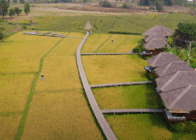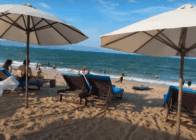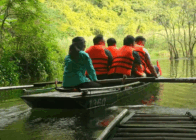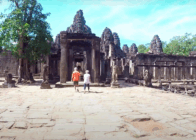
Executing a high-performing adventure vietnam tour requires treating an entire tropical nation as an interconnected web of microclimates, geological elevation shifts, and technical outdoor environments. Spanning over 1,600 kilometers across the eastern rim of the Indochinese Peninsula, Vietnam’s topography presents active travelers with extraordinary physical variety. Within a single multi-day journey, outdoor enthusiasts can navigate vertical granite mountain ridges, swim through subterranean river systems carved inside 400-million-year-old karst massifs, trek across old-growth rainforests, and harness thermal wind corridors along coastal sand dunes.
However, moving through Vietnam’s rugged terrain presents physical and logistical realities that standard travel planning cannot resolve. Mountain trails in the far north demand proper high-traction footgear, mountain pass permits, and real-time weather monitoring. Subterranean river systems require specialized safety hardware, harness systems, and certified guide supervision. Ocean wind belts require precise alignment with seasonal thermal windows. Without strategic ground planning, unguided travelers risk facing monsoon delays, unverified equipment, or commercial routes that compromise safety.
Whether your vision of an active holiday involves multi-day alpine ridge trekking, technical caving expeditions, high-pass motorcycling, or coastal windsports, an expertly planned adventure vietnam tour bridges the gap between raw adrenaline and complete logistical safety. This field operating handbook breaks down the terrain mechanics, equipment protocols, regional itineraries, and safety compliance needed to execute an unforgettable wilderness passage across Vietnam.
Before setting off on an outdoor expedition across Southeast Asia, securing absolute financial protection, verified government licensing, and 24/7 crisis backing is essential. Learn how to protect your travel investment by reading our guide to the best vietnam tour operators to see how top-rated local outfitters compare in safety compliance, private fleet logistics, and custom expedition management.
Section 1: The 4 Wilderness Arenas of Vietnam
To select the right itinerary framework for an adventure vietnam tour, active travelers must align their physical fitness and athletic goals with the country’s four primary wilderness arenas:
[The High Northern Alpine Arc] ➔ [The Central Subterranean Karst] ➔ [The Annamite Highland Plateau] ➔ [The Southern Marine Wind Corridor]
  (Sapa, Ha Giang, Fansipan)       (Phong Nha, Tu Lan, Quang Binh)        (Da Lat, Cat Tien Reserve)           (Mui Ne, Phu Quoc, Cham Islands)
1. The High Northern Alpine Arc (Sapa, Ha Giang & Fansipan)
Topographic Profile: Sharp granite massifs, deep river valleys, vertical drop-offs, and high-altitude agricultural terraces.
Core Outdoor Disciplines: Multi-day alpine ridge trekking, high-pass endurance motorcycling, and mountain road cycling.
Environmental Character: Cool, rugged, elevation-heavy, and culturally enriched by high-altitude ethnic minority communities.
2. The Central Subterranean Karst (Phong Nha-Ke Bang & Quang Binh)
Topographic Profile: 400-million-year-old limestone plateaus, subterranean river channels, jungle sinkholes (dolines), and massive cavern chambers.
Core Outdoor Disciplines: Technical cavern exploration, subterranean river swimming, jungle trekking, and cave kayaking.
Environmental Character: Primitive, isolated, biologically dense, and scientifically significant.
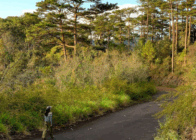
3. The Annamite Highland Plateau (Da Lat & Central Highlands)
Topographic Profile: Pine-forested basalt plateaus, torrent river gorges, cascading waterfalls, and lowland tropical rainforests.
Core Outdoor Disciplines: Waterfall canyoning, white-water rappelling, single-track mountain biking, and rainforest wildlife tracking.
Environmental Character: High-energy, wet, cool, and forest-immersive.
4. The Southern Marine Wind Corridor (Mui Ne, Phan Thiet & Islands)
Topographic Profile: Coastal desert dunes, reliable thermal wind belts, offshore coral reefs, and sheltered archipelago lagoons.
Core Outdoor Disciplines: Kitesurfing, hydrofoiling, ocean stand-up paddleboarding (SUP), sea kayaking, and marine scuba diving.
Environmental Character: Sun-drenched, high-wind, oceanic, and tropical.

Section 2: Technical Field Comparison Matrix
This decision matrix compares the primary outdoor disciplines available on an adventure vietnam tour, matching physical fitness demands, technical equipment needs, and optimal operating windows:
| Outdoor Discipline | Primary Location | Technical Terrain Profile | Physical Effort Level | Technical Gear Required | Optimal Operating Window |
| High-Ridge Trekking | Mount Fansipan / Sapa | Granite ridges, bamboo paths, rock steps | High (Stamina required) | Lugged boots, trekking poles, layers | October to April |
| Subterranean Caving | Phong Nha / Tu Lan System | Underground rivers, boulder fields, darkness | High (Certified guide mandatory) | Caving helmet, headlamp, PFD, boots | February to August |
| High-Pass Motorbiking | Ha Giang Geopark Loop | Narrow switchbacks, gravel cliffs, asphalt | Advanced Riding Skill (Valid IDP) | Full-face helmet, armored jacket, gloves | September to November |
| Waterfall Canyoning | Datanla Gorges / Da Lat | Vertical rock faces, torrents, plunge pools | Moderate to High | Petzl harness, descender, helmet, PFD | November to May |
| Kitesurfing & Foiling | Mui Ne Main Beach | Open sea surf, thermal winds (18–30 knots) | Moderate to Advanced | Kite rig, harness, board, impact vest | November to April |
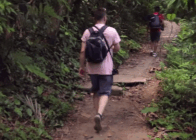
| Rainforest Tracking | Cat Tien National Park | Old-growth jungle, muddy paths, riverbanks | Moderate (Patience & stamina) | Gaiters, leech socks, headlamp | December to May |
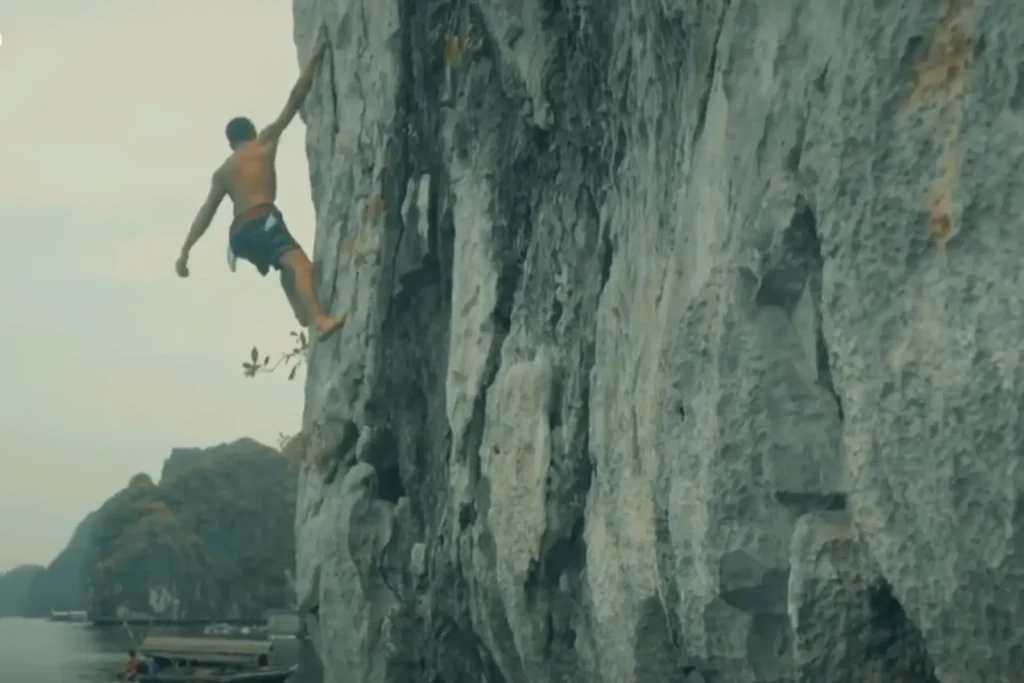
| Sea Cliff Climbing / DWS | Cat Ba Island / Lan Ha Bay | Vertical limestone crags, unroped sea cliffs | Beginner (5a) to Advanced (8a+) | Climbing shoes, chalk, tender boat | October to April |
Section 3: Deep-Dive Expedition Field Manual
                 [Northern Alpine Arc: Sapa & Fansipan]
                                   │
        ┌──────────────────────────┴──────────────────────────┐
        ▼                                                     ▼
[Ha Giang: High-Pass Endurance]         [Phong Nha: Subterranean Caving]
        │                                                     │
        └──────────────────────────┬──────────────────────────┘
                                   ▼
                 [Southern Belt: Da Lat & Mui Ne Winds]
Module A: Alpine Ridge Treks & High-Pass Motorcycling (The Far North)
The northern highlands represent the peak of mountain-focused outdoor travel in Vietnam.
1. Summiting Mount Fansipan (3,143m)
Known as the “Roof of Indochina,” Mount Fansipan anchors the Hoang Lien Son mountain range. While an aerial cable car serves casual sightseers on the eastern slope, an authentic adventure vietnam tour tackles the unpaved foot trails ascending its western and northern ridges.
The Tram Ton Route (Standard 2-Day Ascent): Starting at 1,900 meters, this trail ascends 1,243 vertical meters over steep rock steps and dense dwarf bamboo forests. Hikers spend night one at high-altitude mountain shelters positioned at 2,800 meters before making a dawn summit push.
The Sin Chai Route (Technical 3-Day Expedition): Starting from 1,260 meters, this technical path involves boulder scrambling, mud chutes, and exposed ridge navigation using fixed rope hand-holds.
2. Riding the Ha Giang Geopark Loop
For two-wheeled adventure travelers, riding an adventure vietnam tour across the Ha Giang Loop offers 350+ kilometers of technical mountain asphalt through a UNESCO-recognized limestone geopark.
Navigating the Ma Pi Leng Pass: A 20-kilometer mountain road carved into vertical limestone cliffs 1,000 meters directly above the turquoise Nho Que River. Negotiating its sharp switchbacks requires technical cornering skills and focused throttle control.
Rider Compliance Notice: Operating a motorcycle independently in Vietnam legally requires a national motorcycle license paired with an official International Driving Permit (IDP) under the 1968 Convention. Alternatively, booking an “Easy Rider” option on an adventure vietnam tour allows travelers to ride passenger behind a certified local mountain driver.
Module B: Subterranean Caverns & Jungle Sinkholes (Central Vietnam)
Quang Binh Province holds some of the world’s largest natural cave chambers, ancient underground rivers, and jungle-filled collapse dolines.
    [Jungle Canopy Approach Trek]
                 │
                 ▼
    [Subterranean River Swim (PFD & Headlamp)]
                 │
                 ▼
    [Underground Sand Beach Basecamp]
                 │
                 ▼
    [Doline Skylight Boulder Climb]
1. The Tu Lan & Hang En Cave Systems
Subterranean River Swims: Guided caving tours on an adventure vietnam tour equip explorers with PFDs, technical caving helmets, and high-lumen headlamps to swim through pitch-black underground rivers that cut through limestone massifs.
Breakdown Boulder Scrambles: Hikers scramble across dry cave breakdown fields—colossal piles of fallen limestone blocks—using static safety lines and harness attachment points.
Jungle Sinkhole Camping: Expeditions spend nights on subterranean sand beaches set inside vast cavern entrances or beneath natural ceiling collapse skylights (dolines) where sunbeams reach the cave floor.
Module C: Torrent Waterfalls & Ocean Thermal Winds (Southern Region)
Southern Vietnam balances highland forest adventures with ocean windsports.
1. Technical Waterfall Canyoning in Da Lat
Perched at 1,500 meters in the Central Highlands, pine-forested plateaus feed rushing mountain river gorges. Canyoning on an adventure vietnam tour combines mountaineering rope techniques with river sliding:
Dry Wall Practice (15m): Master Petzl descenders, friction control, and self-belay signals on dry granite faces.
Waterfall Abseil (25m): Descend a sheer vertical granite rock face directly through a rushing waterfall torrent.
The “Washing Machine”: A narrow rock funnel where waterfall pressure safely spins rappellers through a swirling natural pool before releasing them into calm water below.
2. Kitesurfing Mui Ne’s Thermal Wind Engine
Thermal temperature differentials between Mui Ne’s coastal desert sand dunes and the ocean create a daily wind engine. Between November and April, reliable side-onshore winds average 18 to 30 knots, making it Asia’s premier hub for kitesurfing, hydrofoiling, and windsurfing on an adventure vietnam tour.

Section 4: Field Logistics & Safety Protocols
Executing a high-energy adventure vietnam tour requires strict adherence to international safety standards, equipment inspections, and environmental practices.
                  [Wilderness Operational Pillars]
                                  │
      ┌───────────────────────────┴───────────────────────────┐
      ▼                                                       ▼
[Guide & Outfitter Accreditation]                       [International Equipment Standards]
(Wilderness First Aid / IKO / PADI)                     (UIAA / CE certified ropes & harnesses)
      │                                                       │
      ▼                                                       ▼
[Seasonal Microclimate Timing]                          [Leave-No-Trace Principles]
(Matching dry/monsoon regional windows)                 (Zero plastic & waste extraction)
1. Outfitter Verification & Technical Gear
Never undertake technical outdoor activities with unverified operators. Ensure your chosen adventure vietnam tour outfitter complies with safety standards:
Wilderness Guides: Caving and trekking guides should hold certified Wilderness First Aid (WFA) credentials and carry satellite communication devices (such as Garmin InReach) in cellular dead-zones.
Hardware Certification: Ropes, harnesses, helmets, and carabiners used in canyoning and climbing must carry UIAA / CE certifications and be inspected regularly for wear.
2. Seasonal Microclimate Synchronization
Vietnam’s elongated shape creates distinct regional weather patterns for an adventure vietnam tour:
Northern Highlands (Sapa, Ha Giang): Optimal from October to April (dry, cool weather). Avoid heavy monsoon rains in July and August due to landslide risks.
Central Caves (Phong Nha, Tu Lan): Optimal from February to August (dry season). Cave systems close entirely during the flood season (September to November) for safety.
Southern Coast (Mui Ne, Cat Tien): Optimal from November to April (dry weather and strong thermal winds).
3. Leave-No-Trace Wilderness Ethics
Protecting Vietnam’s fragile natural habitats on an adventure vietnam tour requires responsible travel ethics:
Pack out all solid waste from national parks, jungle camps, and cave systems.
Use reef-safe, non-nano zinc oxide sunscreen during ocean kayaking and snorkeling to protect marine life.
Respect ethnic minority communities by securing permission before entering sacred communal spaces (Đình) or photographing residents.
Section 5: Frequently Asked Questions (FAQ)
Q1: Is an adventure vietnam tour suitable for solo travelers?
A: Yes! Vietnam is recognized as one of the safest travel destinations in Asia. Solo travelers can easily join small-group adventure vietnam tour itineraries managed by certified outfitters, ensuring physical safety, shared costs, and great camaraderie.
Q2: Do I need specialized travel insurance for an adventure vietnam tour?
A: Absolutely. Standard travel insurance policies almost always exclude extreme activities like technical caving, mountain biking, canyoning, motorbiking, or kitesurfing. Ensure your policy includes an Adventure Sports Rider and explicit coverage for emergency wilderness medical evacuation on your adventure vietnam tour.
Q3: How do I handle equipment transport on an adventure vietnam tour?
A: Domestic airlines (such as Vietnam Airlines) accommodate oversized sports equipment bags (kitesurf bags, climbing gear) with advance baggage bookings. For overland routes between mountain hubs, booking a custom private adventure vietnam tour with Saola Tours provides chauffeured 4×4 SUVs or DCar limousines with ample gear storage, flexible departure times, and drivers experienced on mountain roads.
Section 6: Plan Your Expedition with Saola Tours
Executing a high-performing adventure vietnam tour with complete peace of mind requires deep local roots, verified safety standards, transparent pricing, and full state licensing. At Saola Tours, we specialize in building bespoke private wilderness itineraries—complete with certified guides, private chauffeured transport, handpicked eco-lodges, and 24/7 crisis support.
➡️ Ready to launch your ultimate adventure vietnam tour?
Contact our custom expedition specialists at Saola Tours today to receive a personalized itinerary proposal and expert advice!