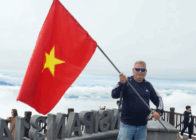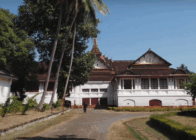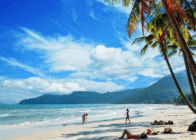

Designing high-performing Vietnam tour packages requires treating an entire country as a carefully calibrated geographic puzzle. Stretching over 1,600 kilometers along the eastern edge of the Indochinese Peninsula, Vietnam is a land of staggering contrasts. A single national territory encapsulates high-altitude granite peaks bordering China, ancient French-colonial urban centers, tropical river deltas, karst sea-towers, and pristine island sanctuaries.
However, many international travelers struggle with the physical realities of Southeast Asian travel. Attempting to fit unrelated destinations into a rigid schedule without understanding domestic transit corridors often results in excessive airport waiting time, long highway transfers, and travel fatigue.
True travel mastery lies in spatial harmony and operational efficiency. By pairing private chauffeured transport, high-speed regional rail, luxury overnight vessels, and short domestic flights, a custom travel package converts complex logistics into an effortless, inspiring journey.
Whether you are planning a comprehensive two-week national introduction, a private culinary retreat, or a relaxing beachfront family getaway, this definitive guide deconstructs how elite travel designers build exceptional Vietnam tour packages.
Before finalizing your travel arrangements across Southeast Asia, ensuring absolute financial security, verified government licensing, and 24/7 crisis support is essential. Learn how to protect your travel investment by reading our comprehensive guide on the best vietnam tour operators to see how top-rated local agencies compare in safety standards, private fleet management, and bespoke itinerary design.
The Core Architecture of High-Value Route Design
Rather than viewing the country as a simple list of daily stops, professional travel planners organize Vietnam tour packages by matching regional geographic nodes with optimal transit modes.
[Northern Cultural & Karst Hub]      [Central Dynastic & Coastal Strip]      [Southern Urban & Delta Matrix]
  (Hanoi - Halong - Sapa)                 (Hue - Danang - Hoi An)                 (Saigon - Mekong - Phu Quoc)
            │                                        │                                       │
            ▼                                        ▼                                       ▼
  (45-Minute Regional Air /              (Coastal Express Highway /              (Domestic Air / Speedboat /
   Private Limousine Transit)             Bespoke Heritage Train)                 Private Chauffeured Fleet)
1. The Geographic Triad
The North: Focused on ancient political heritage, thousand-year-old streetscapes, Red River Delta agricultural traditions, and massive limestone marine formations.
The Center: Characterized by imperial palaces, UNESCO-preserved merchant ports, mountain passes, and quiet sandy beaches.
The South: Defined by dynamic economic energy, modern historical museums, sprawling alluvial river networks, and tropical island coastlines.
2. Transit Mechanics & Operational Efficiency
To preserve energy and maximize time at each destination, seamless Vietnam tour packages utilize short domestic air hops between primary regional gateways (Hanoi, Danang, Saigon, Phu Quoc) while relying on chauffeured private vehicles (such as luxury DCar President Limousines) for regional transfers.
Comprehensive Matrix: Matching Tour Packages to Traveler Profiles
This comparative decision matrix breaks down the primary structural frameworks for Vietnam tour packages, outlining regional focus, transit density, and target traveler preferences:
| Package Style | Typical Duration | Regional Coverage | Primary Transit Modes | Best Suited For |
| National Essential Circuit | 10 to 14 Days | Hanoi, Halong Bay, Hoi An, Hue, Saigon, Mekong Delta | Domestic flights & private limousines | First-time visitors seeking a balanced overview |
| Northern Cultural Deep-Dive | 6 to 8 Days | Hanoi, Sapa Valley, Ninh Binh, Lan Ha Bay | Private DCar Limousine & express train | Heritage lovers, photographers & active trekkers |
| Central Heritage & Coastal | 5 to 7 Days | Hue Citadel, Danang Coast, Hoi An Ancient Town | Private chauffeur & luxury heritage rail | Culture enthusiasts, foodies & relaxed travelers |
| Southern Luxury & Island Escape | 7 to 9 Days | Saigon, Cu Chi Tunnels, Mekong River, Phu Quoc Island | Private speedboats & coastal flights | Couples, honeymoons & beachfront relaxation |
| Active Outdoor Expedition | 10 to 12 Days | Ha Giang Loop, Phong Nha Caves, Cat Tien Rainforest | 4×4 SUVs, local ferries & trekking paths | Outdoor enthusiasts & extreme sports travelers |
Geographic Node Analysis & Destination Highlights
Building memorable Vietnam tour packages involves selecting key experiences within each regional node to match specific personal interests.
                  [Hanoi: Cultural Foundations]
                               │
            ┌──────────────────┴──────────────────┐
            ▼                                     ▼
[Sapa: Alpine Terraces]                [Lan Ha Bay: Karst Luxury]
            │                                     │
            └──────────────────┬──────────────────┘
                               ▼
                 [Central Coast: Hue & Hoi An]
                               │
            ┌──────────────────┴──────────────────┐
            ▼                                     ▼
[Saigon: Urban History]                [Phu Quoc: Tropical Island]
Node 1: The Northern Cultural & Karst Hub
The northern region serves as the historic and cultural heart of Vietnam. It offers a rich mix of urban heritage, alpine mountain landscapes, and world-famous marine geology.
1. Hanoi (The Thousand-Year Capital)
Hanoi’s historic core is an open-air museum of East Asian trade and French colonial architecture.
District 1 & Old Quarter Walks: Private walking routes led by senior local historians navigate 36 ancient guild streets, revealing historic shopfronts, hidden courtyard temples, and French-colonial landmarks like the Hanoi Opera House and St. Joseph’s Cathedral.
Culinary Explorations: Taste iconic regional dishes in hidden alleyways, including slow-simmered Phở Bò, charcoal-grilled Bún Chả, and smooth Cà Phê Trứng (egg coffee) overlooking Hoan Kiem Lake.

2. Lan Ha Bay & Halong Bay (Marine Karst Cruising)
Located a 2-hour drive from Hanoi via private express highway, the Gulf of Tonkin features thousands of vertical limestone islands rising out of emerald waters.
The Lan Ha Bay Advantage: Premium Vietnam tour packages often prioritize Lan Ha Bay over crowded central routes. It offers the exact same dramatic karst scenery with significantly fewer ships, cleaner waters, and quiet kayaking routes through natural sea arches into enclosed lagoons.
Overnight Vessel Amenities: 5-star luxury steel vessels provide private ocean-view balcony suites, sun-deck swimming pools, fine dining restaurants, and early morning Tai Chi sessions as the mist lifts off the bay.
3. Sapa Valley & The Northern Highlands
Nestled in the Hoang Lien Son mountain range beneath Mount Fansipan (3,143m), Sapa offers breath-taking mountain vistas and rich cultural encounters.
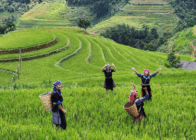
Terraced Rice Paddies: Guided walking routes weave through the Muong Hoa Valley, crossing earthen dikes between rice terraces and passing giant bamboo groves.
Ethnic Minority Homestays: Stay overnight or visit traditional Black Hmong, Red Dao, and Tay villages like Ta Van and Ban Ho, experiencing mountain hospitality and medicinal herbal baths firsthand.
Node 2: The Central Dynastic & Coastal Strip
Central Vietnam is a narrow, coastal strip framed by the Annamite Mountains and the sea. It is world-renowned for imperial heritage, well-preserved merchant ports, and exceptional local cuisine.
1. Hue (The Imperial Court Capital)
Serving as the national capital during the Nguyen Dynasty (1802–1945), Hue retains an air of royal elegance along the banks of the Perfume River.
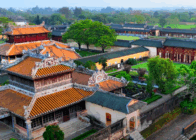
The Imperial Citadel (Đại Nội): Explore the restored palaces, throne halls, and quiet gardens of the Purple Forbidden City with certified heritage guides.
Royal Mausoleums: Visit the distinct tombs of Emperors Tu Duc and Khai Dinh, which showcase a blend of traditional Sino-Vietnamese design and European architectural touches.
2. Hoi An Ancient Town (UNESCO Merchant Port)
Located a scenic 2-hour drive south over the coastal Hai Van Pass, Hoi An is a beautifully preserved 15th-to-19th-century international trading port.
Silk Lantern Streetscapes: As night falls, vehicle traffic is restricted, and thousands of hand-crafted silk lanterns illuminate yellow-walled merchant shopfronts.
Culinary Traditions: Sample hyper-local specialties like Cao Lầu noodles (made using mineral water from the ancient Ba Le Well) and White Rose dumplings in historic family-run eateries.
3. Danang Coast (Modern Comfort & Golden Sands)
Positioned between Hue and Hoi An, Danang offers long stretches of sandy beach, modern luxury resorts, and quick access to international flight connections.
Node 3: The Southern Urban & Delta Matrix
The southern region is dynamic, warm, and tropical. It blends modern city life with fertile river networks and tropical island retreats.
1. Ho Chi Minh City / Saigon (The Commercial Metropolis)
Saigon is a thriving metropolis where French-colonial landmarks sit alongside soaring glass skyscrapers.
Historic City Icons: Visit the Notre-Dame Cathedral Basilica, Saigon Central Post Office, Reunification Palace, and the War Remnants Museum.
Cu Chi Tunnels via Speedboat: Avoid highway traffic by taking a private luxury speedboat down the Saigon River to explore the 250-kilometer underground tunnel system used during the mid-20th-century conflict.
2. The Mekong Delta (Can Tho & Ben Tre)
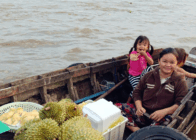
Known as the “Rice Bowl of Vietnam,” the Mekong Delta is a vast labyrinth of rivers, canals, floating markets, and lush fruit orchards.
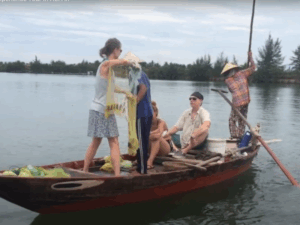
Canal Navigation: Board private wooden motorboats to navigate palm-shaded waterways, visiting local coconut candy workshops and tasting fresh tropical fruits.
Cai Rang Floating Market: Experience the early morning activity at Can Tho’s floating market, where local traders sell fresh produce directly from boat to boat.
3. Phu Quoc Island (Tropical Ocean Sanctuary)
Located a short 45-minute domestic flight from Saigon or Can Tho, Phu Quoc is a lush tropical island surrounded by clear waters in the Gulf of Thailand.
White-Sand Beaches: Relax at luxury beachfront resorts on Long Beach or Khem Beach.
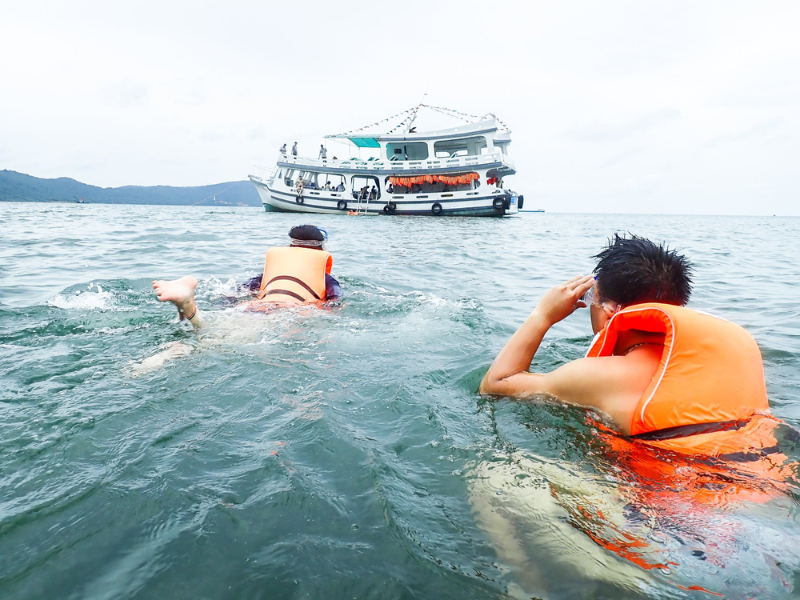
Southern Archipelago Snorkeling: Take a private speedboat to quiet islets in the An Thoi Archipelago to snorkel over coral reefs, or ride the record-breaking Hon Thom Cable Car.
Transportation Logistics & Private Fleet Standards
A key factor in executing seamless Vietnam tour packages is managing ground, air, and water logistics to eliminate travel stress.
               [Strategic Transportation Matrix]
                               │
   ┌───────────────────────────┼───────────────────────────┐
   ▼                           ▼                           ▼
[Air Mobility]        [Private Ground Fleet]    [Bespoke Rail & Water]
(Domestic Air Hops)   (Chauffeured Limousines)  (Heritage Trains & Boats)
1. Air Mobility & Regional Connections
To keep transit times short, well-planned itineraries utilize direct domestic flights operated by full-service carriers (such as Vietnam Airlines). Key domestic flight legs include:
Hanoi (HAN) ➔ Danang (DAD): 1 Hour 15 Minutes
Danang (DAD) ➔ Ho Chi Minh City (SGN): 1 Hour 20 Minutes
Ho Chi Minh City (SGN) ➔ Phu Quoc (PQC): 45 Minutes
2. Private Ground Fleet Standards
Overland transfers should rely on high-end, chauffeured private vehicles equipped with climate control, bottled water, and onboard Wi-Fi:
Luxury DCar President Limousines: Customized Ford Transit or Mercedes Sprinter vans featuring leather captain seats, massage functions, and spacious legroom—ideal for highway transfers between Hanoi, Halong Bay, Hue, and Hoi An.
4×4 SUVs & Premium Sedans: Utilized for city transfers and mountain routes in Ha Giang or Sapa.
3. Bespoke Rail & Waterway Transit
Heritage Trains: Experience classic luxury by booking private carriage options (such as The Vietage by Anantara) operating between Danang/Hoi An and Quy Nhon.
Private Watercraft: Utilize private speedboats for river routes (Saigon to Cu Chi) and private wooden sampans for quiet canal exploration in the Mekong Delta.
Accommodation Curation & Property Benchmarks
Selecting the right properties ensures high comfort and authentic character throughout your journey. Elite Vietnam tour packages partner with handpicked properties across three primary styles:
[Historic Heritage Landmarks] ➔ [Boutique Riverfront Sanctuary] ➔ [Luxury Beachfront Resorts]
1. Historic Heritage Landmarks
Properties that reflect local history through classic architecture and long-standing service traditions:
Hanoi: Sofitel Legend Metropole Hanoi (Colonial elegance in the heart of the city) or Capella Hanoi (Opera-themed luxury boutique hotel).
Saigon: Park Hyatt Saigon or The Caravelle Hotel (Prime District 1 landmarks with exceptional dining).
2. Boutique Riverfront Sanctuaries
Intimate properties positioned along scenic waterways, offering peaceful environments and personalized service:
Hue: Azerai La Residence Hue (Art-Deco estate overlooking the Perfume River and Imperial Citadel).
Mekong Delta (Can Tho): Azerai Can Tho (Private island resort accessed by boat, set among serene gardens).
Hoi An: Anantara Hoi An Resort (Colonial riverfront property walking distance from the Ancient Town).
3. Luxury Beachfront Resorts
World-class coastal retreats designed for ultimate relaxation and wellness:
Phu Quoc Island: JW Marriott Phu Quoc Emerald Bay (Whimsical luxury set on white-sand Khem Beach) or InterContinental Phu Quoc Long Beach Resort.
Danang / Hoi An Coast: Four Seasons Resort The Nam Hai (Ultra-luxury beachfront villas with private pools).
Seasonal Synchronization & Climate Planning
Vietnam’s elongated geographic shape spans multiple climate zones. Understanding these seasonal weather patterns helps ensure ideal conditions for your trip:
[Dry & Sunny Window: Nov – Apr]  ➔ Optimal nationwide (Clear skies, comfortable humidity)
[Green Season Window: May – Oct] ➔ Warm, tropical afternoon downpours, lush landscapes
1. The Peak Dry Season (November through April)
This is widely considered the prime travel window for multi-region Vietnam tour packages:
North (Hanoi & Halong): Cool, crisp, dry air with clear skies—ideal for city walking tours and bay cruising.
Center (Hue & Hoi An): Pleasant, sunny conditions returning after late-autumn coastal rains.
South (Saigon & Phu Quoc): Warm, sunny weather with low humidity and calm, clear ocean waters.
2. The Green Season (May through October)
Climate Characteristics: Warm temperatures across the country with short, tropical afternoon downpours that clear quickly, leaving fresh air.
Travel Advantages: Lower visitor numbers at major heritage sites, lush green mountain terraces in Sapa and Ha Giang, and excellent pricing options across luxury boutique resorts.

Administrative Logistics, Visas & Ground Escrow
To ensure your vacation operates without friction, review these practical administrative pillars before departure:
1. Visa Regulations & E-Visa Processing
Foreign passport holders require an entry visa for mainland Vietnam. The official 90-Day Electronic Visa (e-Visa) can be easily secured online prior to departure through the government portal (evisa.xuatnhapcanh.gov.vn).
Phu Quoc Visa Exemption Note: International travelers flying directly into Phu Quoc Airport via international transit without entering mainland Vietnam qualify for a 30-day visa exemption. However, if your itinerary includes visiting Saigon, Hanoi, or Central Vietnam, a standard e-Visa is required.
2. Health & Water Safety
Never drink unboiled tap water in Vietnam. Stick strictly to bottled purified water or fresh young coconuts. High-end resorts, established restaurants, and vetted tour operators use commercial purified ice factories (Đá Sạch), making iced coffee and smoothies safe to enjoy.
3. Tipping Etiquette & Currency
The official currency is the Vietnamese Dong (VND). Major credit cards (Visa, Mastercard) are accepted at hotels, restaurants, and shopping centers in major cities. Carrying small cash denominations is useful for tipping local guides, driver teams, boat rowers, and buying street snacks.
Frequently Asked Questions (FAQ)
Q1: What is the ideal length of stay for a complete Vietnam tour package?
A: A duration of 12 to 14 days is ideal for first-time visitors. This timeframe allows you to comfortably explore the primary highlights across all three regions (Hanoi, Halong Bay, Hue, Hoi An, Saigon, Mekong Delta) without feeling rushed.
Q2: Are private Vietnam tour packages customizable for families with children?
A: Absolutely. Fully managed private tours can be tailored to match your family’s pace. Itineraries can include child-friendly activities like sampan rowing, cyclo rides, lantern-making workshops, water puppet shows, and beachfront resort downtime.
Q3: What is included in a fully managed private tour package?
A: Comprehensive private packages typically include 5-star or handpicked boutique accommodations, daily breakfast, private chauffeured vehicles, certified senior local guides, domestic flight tickets, private boat/cruise bookings, entrance permits, and 24/7 crisis support.
Craft Your Custom Passage with Saola Tours
Designing bespoke Vietnam tour packages with complete peace of mind requires deep local knowledge, handpicked resort partnerships, transparent pricing, and full state licensing. At Saola Tours, we specialize in building 100% tailor-made private itineraries—complete with private chauffeured fleets, certified senior local guides, handpicked boutique hotels, and 24/7 crisis support.
➡️ Ready to start planning your custom Vietnam vacation?
Contact our expert travel specialists at Saola Tours today to receive your personalized itinerary proposal and local advice!