Stepping off the beaten path requires much more than simply choosing an obscure destination on a map; it demands an absolute shift in how you move, observe, and interact with the world around you. Vietnam local travel is not a static package tour—it is a living, sensory immersion into the daily habits, regional social codes, and ancient agricultural traditions of Southeast Asia. Stretching across distinct climatic zones and diverse topographies, Vietnam rewards inquisitive travelers who trade rigid sightseeing itineraries for the authentic rhythm of everyday life.
Yet, truly embracing Vietnam local travel involves learning how to navigate the subtle mechanics of native life. It requires understanding how morning light dictates village routines, why side-street dining stalls form the social backbone of urban neighborhoods, how to communicate across regional language gaps without losing warmth, and how regional waterways shape local commerce. Without a clear cultural blueprint, international visitors often remain trapped behind tourist glass, observing life from a distance rather than taking an active part in it.
Whether your goal is to master the unwritten rules of rural market bargaining, understand the deep traditions of family-run homestays, or navigate domestic transit networks like a seasoned resident, this comprehensive 3,000+ word fieldbook redefines what Vietnam local travel means. Here is your operational guide to immersion, local etiquette, regional lifestyles, and ground navigation across Vietnam.
Before embarking on an extended journey across Southeast Asia, establishing proper safety compliance, verified state licensing, and round-the-clock ground support is essential. Learn how professional outfitters structure their safety standards and regional transport logistics by reading our guide to the best vietnam tour operators to ensure your travel investment remains completely secure.
Section 1: The Daily Rhythm – Living by Local Time
The first step in mastering Vietnam local travel is synchronizing your personal schedule with the natural clock of the countryside and city streets. Daily life in Vietnam moves in three distinct phases, each defined by unique lighting, temperatures, and communal activities:
1. The Dawn Awakening (05:00 AM – 07:30 AM)
In both quiet mountain hamlets and densely populated urban centers, the day begins long before the sun climbs high. Waking at dawn is fundamental to Vietnam local travel:
Public Parks and Lakeshores: City squares and lakesides transform into vibrant communal spaces where locals gather for morning tai chi, badminton, speed walking, and open-air aerobics. Joining these early morning routines offers a welcoming look into local health culture.
Fresh Wet Markets: Rural and neighborhood wet markets peak between 05:30 AM and 07:00 AM. Farmers bring freshly harvested produce, river fish, and herbs straight from nearby fields. Walking through these markets at sunrise provides an unvarnished view of regional food supply chains before tourist crowds arrive.
The Morning Noodle Tradition: Breakfast is rarely eaten at home; it is an active communal event. Neighbors gather at small corner stalls to enjoy steaming bowls of fresh rice noodles, rice porridge, or sticky rice before work and school begin.
2. The Midday Pause (11:30 AM – 01:30 PM)
As tropical heat builds toward noon, life naturally slows down. Understanding this midday pause is crucial when practicing Vietnam local travel:
The Afternoon Rest: Small family shops close their metal shutters, market vendors rest on canvas hammocks, and office workers step away from their desks for lunch followed by a quiet 30-minute nap. Expecting fast business transactions or active sightseeing during these hours goes against local lifestyle norms.
Midday Dining Culture: Lunch is hearty and nourishing. Workers head to neighborhood eateries for plates of rice topped with braised pork, seasonal vegetables, tofu, and light broths, followed by iced green tea or slow-drip coffee.
3. The Sunset Gathering (05:30 PM – 09:00 PM)
As air temperatures drop in the late afternoon, public spaces fill once again with social energy:
Pavement Tea Stalls (Trà Đá): Small low-seated tea stalls set up along neighborhood sidewalks become informal gathering spots. Office workers, students, and elders sit on low plastic stools to sip cold green tea, chat about daily news, and relax after the workday.
Evening Communal Meals: Families gather at home or in neighborhood dining spots. The air fills with the aroma of charcoal grills, fresh herbs, and sizzling woks, marking the transition from work to evening leisure.
Section 2: Streetside Culinary Philosophy & Market Etiquette
Food is the continuous thread running through every memorable experience of Vietnam local travel. Dining in Vietnam is far more than mere sustenance; it is a shared cultural ritual rooted in freshness, balance, and community interaction.
1. The Anomy of the Pavement Stall (Quán Ăn)
To truly appreciate Vietnam local travel, one must leave behind formal hotel dining rooms and embrace street-level food stalls.
The Single-Dish Mastery Rule: Unlike Western restaurants with multi-page menus, the most authentic local food stalls specialize in preparing just one or two signature dishes. A cook may spend three decades perfecting a single regional broth recipe handed down from their parents.
Freshness Over Refrigeration: Local culinary tradition relies on daily market trips rather than long-term cold storage. Meat, fish, and vegetables are purchased every morning and cooked the same day, resulting in bright, vibrant flavors.
The Visual Hygiene Checklist: When choosing a street food stall, look for high local customer turnover, clean metal food preparation surfaces, boiling hot stock pots, and ingredients displayed inside glass cases.

2. The Art of Dipping Sauce Balance (Nước Chấm)
A foundational principle revealed through Vietnam local travel is that dipping sauces are never an afterthought—they define the dish itself.
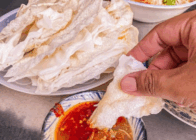
Regional Flavor Shifts: In the north, dipping sauces lean toward subtle balances of diluted fish sauce, rice vinegar, paper-thin green papaya slices, and black pepper. In the central region, sauces grow spicy and concentrated, featuring fermented shrimp paste and fresh chili oil. In the south, palm sugar, sweet garlic, and crushed roasted peanuts take center stage.
Customizing Your Bowl: Tables at local food stalls are lined with condiment jars containing fresh lime wedges, sliced red chilies, pickled garlic cloves, fish sauce, and chili paste, allowing every diner to adjust their meal to their exact taste preferences.
3. Market Haggling and Social Respect
Navigating traditional neighborhood markets during Vietnam local travel requires balancing friendly bargaining with social respect:
The Morning Sale Sanctity (Mở Hàng): The first transaction of the morning holds spiritual value for market vendors. Being a vendor’s very first customer of the day (người mở hàng) is believed to set their sales luck for the next twelve hours. Avoid aggressive bargaining on your very first inquiry early in the morning.
Smiles and Light Bargaining: Bargaining should always remain lighthearted and friendly. A warm smile, polite tone, and basic knowledge of local numbers will yield far better prices than demanding discounts.
Section 3: Waterways, Farms & Mountain Life – Regional Living
Vietnam local travel reveals vastly different lifestyle patterns depending on whether you are navigating coastal river deltas, central fishing coves, or high-altitude mountain valleys:
1. Delta Waterway Communities
In the low-lying southern deltas, life is tied directly to alluvial rivers and canal networks:
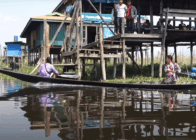
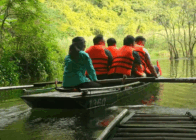
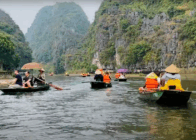
Stilt Houses and Floating Craft: Homes sit elevated on wooden stilts along riverbanks to adapt to seasonal water changes. Wooden boats and sampans serve as primary family transport, carrying farm produce, school children, and mobile grocery stalls through narrow palm-shaded channels.
Fruit Orchard Hospitality: Countryside farmsteads are surrounded by lush fruit orchards. Local families welcome visitors into their gardens to sample fresh fruit picked straight from the branch, accompanied by hot tea and traditional folk music.
2. Central Coast Fishing Villages
Along the narrow central coastal plain, ocean tides shape daily community work:
Coracle Basket Boats (Thúng Chai): Unique round bamboo basket boats line sandy beaches. Local fishermen use these light, circular craft to transfer daily catches from offshore fishing boats straight to waiting shore markets.
Sauce Fermentation Yards: Walking through coastal fishing villages reveals rows of large ceramic urns baking under the sun, where sea salt and fresh anchovies slowly ferment into rich, amber-colored fish sauce (Nước Mắm).
3. Mountain Terraces and Stilt Valleys
In the northern highlands, agricultural life adapts to steep limestone and granite terrain:
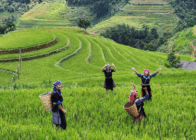
Gravity-Fed Irrigation Engineering: Ethnic minority communities construct hand-built wooden waterwheels and bamboo pipes to channel mountain stream water into high-elevation rice terraces without modern pumps.
Stilt-House Architecture: Traditional stilt houses are built using local timber, bamboo, and thatched roofs. The elevated main floor keeps living quarters warm, dry, and elevated above livestock enclosures. Sitting by the central open hearth in a wooden stilt house provides a memorable connection to mountain culture during Vietnam local travel.
Section 4: Micro-Logistics & Local Transit Mechanics
Navigating urban neighborhoods and rural provinces like a resident requires mastering small-scale transit options during Vietnam local travel:
1. Crossing Urban Streets with Confidence
For international visitors, stepping out into city street traffic can seem intimidating. However, local traffic operates under an intuitive flow:
Predictable, Steady Movement: When crossing busy city streets on foot, step off the curb calmly and walk forward at a slow, predictable pace. Do not make sudden backward jumps or erratic movements. Drivers anticipate your forward trajectory and smoothly navigate around you.
Eye Contact and Signals: Maintain calm eye contact with oncoming riders, or extend your arm slightly to signal your intention to cross.
2. Utilizing App-Based Transit Platforms
Modern Vietnam local travel relies on smartphone-based ride-hailing platforms to eliminate language barriers and price negotiations:
Digital Ride-Hailing Apps: Downloading local transport apps like Grab, Gojek, or Xanh SM (electric vehicle fleets) provides instant access to motorcycle taxis (Motorbike / Xe Ôm) and car cabs. Upfront digital fare calculations prevent overcharging and ensure clear GPS routing to quiet neighborhood alleys.
Two-Wheeled Pavement Mobility: Riding as a passenger on a motorcycle taxi offers an authentic look at urban life, allowing you to move through narrow side streets unreachable by standard passenger cars.
3. Regional Short-Line Buses and Local Ferries
Moving between rural hamlets often means utilizing small-scale public transit:
Local Cross-River Ferries: Small wooden motor ferries connect rural riverbanks where bridges do not exist. Joining local farmers carrying bicycles, produce baskets, and motorbikes onto these river ferries offers a genuine glimpse into daily commuting life.
Short-Haul Minibuses: Regional minibuses connect provincial market towns. While less luxurious than tourist vans, riding these local buses allows you to share journeys with local residents traveling between farm communities.
Section 5: The Unwritten Codes of Social Interaction
Cultivating memorable human connections during Vietnam local travel relies on understanding non-verbal social etiquette, modesty, and traditional hospitality norms:
1. The Warmth of Non-Verbal Connections
Language barriers vanish quickly when approached with patience, humility, and warmth:
The Power of a Sincere Smile: A genuine smile opens doors across every province. It conveys goodwill, eases awkward moments, and breaks down initial social hesitation.
Two-Handed Courtesy: When handing money to a market vendor, presenting a business card, or receiving a cup of tea from a host, always use both hands. This simple physical gesture demonstrates deep personal respect.
2. Modesty, Shoes, and Sacred Spaces
Respecting physical spaces preserves local dignity and keeps social interactions positive:
Removing Shoes at the Threshold: Always unlace and remove your shoes before stepping across the threshold of a private home, family homestay, or traditional temple space. Look for footwear gathered near the entrance as your cue.
Respectful Temple Attire: When visiting active pagodas, shrines, or historical sites, dress modestly by covering your shoulders and knees. Remove hats, lower your voice, and refrain from pointing your feet directly at sacred altars when seated.
3. Accepting Local Hospitality
Hospitality is central to rural culture. Experiencing authentic generosity is a highlight of Vietnam local travel:
The Green Tea Ritual: When entering a home or business, you will almost always be offered a cup of warm green tea or cold water. Accepting the cup with both hands and taking a small sip shows appreciation for your host’s welcome.
Shared Meal Etiquette: When dining with a local family, wait for the household elders to begin eating before taking your first bite. Use serving chopsticks to place choice morsels into your dining partners’ rice bowls as a sign of care.
Section 6: Selecting Authentic Local Accommodations
Where you stay defines your daily perspective during Vietnam local travel. Choosing properties rooted in their local communities ensures your travel budget directly supports host families while providing authentic comfort:
1. Family-Operated Homestays (Nhà Dân)
Living Experience: Guests stay in private or semi-private guest quarters managed directly by resident families in rural villages.
Why It Defines Local Travel: You share home-cooked evening meals, learn family recipes, hear regional stories, and wake up to authentic village sights and sounds that corporate hotels cannot replicate.
2. Boutique Neighborhood Guesthouses
Living Experience: Intimate 3-star and 4-star properties nestled inside historic residential neighborhoods away from tourist corridors.
Why It Defines Local Travel: These properties feature local architecture, staff drawn from nearby streets, and easy walking access to neighborhood markets, quiet cafes, and local eateries.
3. Rural Eco-Lodges
Living Experience: Sustainably built lodges using natural timber, stone, and bamboo, set directly within agricultural valleys, pine forests, or river bends.
Why It Defines Local Travel: They combine peaceful natural surroundings with organic farm-to-table dining, encouraging unhurried exploration of neighboring farm trails.
Section 7: Frequently Asked Questions (FAQ)
Q1: Is Vietnam local travel safe for independent travelers and families?
A: Yes! Vietnam is internationally recognized as one of the safest travel destinations in Southeast Asia. Violent crime is extremely rare, local communities are warm and helpful, and public areas are safe to explore day or night. Independent travelers, solo women, and families can experience Vietnam local travel with complete confidence.
Q2: How do I handle language barriers when exploring non-tourist neighborhoods?
A: While English is spoken in hotels and tourist centers, exploring local markets and rural villages is easy with basic translation apps (like Google Translate). Learning a few simple Vietnamese greetings—such as Xin chào (Hello), Cảm ơn (Thank you), and Bao nhiêu? (How much?)—always draws smiles and opens friendly interactions.
Q3: How do I arrange an authentic local itinerary without operational stress?
A: Balancing authentic cultural exploration with smooth ground logistics requires expert planning. Working with a verified, licensed local outfitter like Saola Tours ensures handpicked boutique stays, private chauffeured transfers, expert local guides, and 24/7 ground support—giving you complete freedom to enjoy Vietnam local travel without any operational worries.
Section 8: Experience True Local Immersion with Saola Tours
Experiencing the genuine heart of Vietnam local travel with total peace of mind requires deep local roots, verified safety standards, transparent pricing, and full state licensing. At Saola Tours, we specialize in building 100% tailor-made private itineraries—complete with handpicked boutique stays, private chauffeured fleets, certified senior local guides, and 24/7 ground support.
➡️ Ready to step off the tourist path and experience the real Vietnam?
Contact our travel specialists at Saola Tours today to receive your personalized itinerary proposal and local advice!