Designing an authentic Vietnam tour requires far more than picking famous monuments on a map; it demands an intentional alignment of route geometry, regional timing, and deep human connection. Extending over 1,600 kilometers along the eastern edge of the Indochinese Peninsula, Vietnam represents a complex tapestry of high-altitude granite mountain ranges, ancient Red River trade valleys, dynastic imperial citadels, and vast alluvial river deltas. While mass-market group travel often confines international visitors to sterile hotel channels and commercial souvenir stops, true travel luxury rests in unhurried, genuine discovery.
However, executing a seamless authentic Vietnam tour presents operational challenges that generic travel guides rarely address. Moving across diverse provinces requires navigating distinct regional microclimates, selecting properties that preserve architectural integrity, understanding native social codes, and coordinating smooth chauffeured ground transport. Without precise route engineering, unguided travelers risk spending valuable holiday hours in transit bottlenecks or missing the living traditions that give each region its character.
Whether your vision of an immersive vacation encompasses private historian-led walking tours in colonial capitals, overnight cruising through quiet sea bays, hands-on artisan encounters, or relaxing at oceanfront boutique sanctuaries, this 3,000+ word masterplan redefines what an authentic Vietnam tour delivers. Below is your complete field blueprint for spatial routing, regional gastronomy, property selection, and operational ground execution across Vietnam.
Before committing to a multi-region passage across Southeast Asia, securing absolute financial security, verified government licensing, and 24/7 crisis support is essential. Learn how professional local outfitters structure their safety standards and private transport networks by reading our guide to the best vietnam tour operators to ensure your travel investment remains completely protected.
Section 1: The Four Pillars of Cultural Authenticity
To understand why an authentic Vietnam tour creates such lasting memories for global travelers, one must examine the fundamental principles that elevate a journey from superficial sightseeing to meaningful immersion:
1. Living Heritage Over Static Museum Exhibits
Vietnam’s cultural identity is actively lived on the streets every single day. From dawn tai chi sessions along ancient urban lakes to age-old waterwheel irrigation in mountain valleys and hand-loom silk weaving in rural villages, traditions are continuously practiced. A high-value authentic Vietnam tour prioritizes direct engagement with master artisans, local historians, and native families over passive museum walks.
2. Micro-Regional Gastronomic Identity
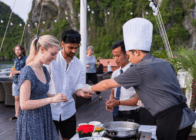
Food serves as the continuous narrative thread throughout an authentic Vietnam tour. Vietnam does not possess a single national cuisine, but rather a complex ecosystem of regional flavor profiles. The subtle, herb-rich broths of the northern deltas contrast sharply with the bold, chili-infused royal recipes of the central coast and the coconut-sweetened flavors of the southern delta. Curating authentic culinary encounters means dining where regional recipes are preserved with pride.
3. Spatial Harmony and Unhurried Pacing
The ultimate luxury in modern travel is unhurried time. Attempting to rush through ten distant cities in a single week leads to travel fatigue and surface-level observations. An authentic Vietnam tour emphasizes spatial harmony—reducing repetitive transit legs, incorporating multi-night stays in historic boutique properties, and leaving space for unexpected local encounters.
4. Seamless Private Ground Logistics
Behind every memorable journey lies invisible operational precision. Utilizing private chauffeured vehicles, pre-arranged regional flight connections, and verified local guides eliminates airport queues, language barriers, and navigation stress, allowing travelers to remain fully present in every moment.
Section 2: Spatial Route Mapping – The 3 Heritage Realms
Building an exceptional authentic Vietnam tour involves mapping your itinerary across three geographic and cultural realms, connected by smooth transport corridors:
+-----------------------------------------------------------------------------------+
|                     THE THREE HERITAGE REALMS OF VIETNAM                          |
+-----------------------------------------------------------------------------------+
| 1. The Northern Heritage Realm  ➔ Hanoi, Lan Ha Bay, Sapa & Ba Be Lake            |
| 2. The Central Dynastic Realm   ➔ Hue Imperial City, Hoi An Port & Danang Coast   |
| 3. The Southern Tropical Realm  ➔ Saigon City, Mekong Canals & Phu Quoc Island    |
+-----------------------------------------------------------------------------------+
Realm A: The Northern Heritage Realm (Hanoi, Lan Ha Bay & Sapa)
Northern Vietnam anchors the historic and geological foundation of an authentic Vietnam tour, where thousand-year-old urban traditions meet dramatic mountain and marine landscapes.
1. Hanoi: Architectural Layers & Alleyway Gastronomy
Hanoi is a living architectural museum where ancient Sino-Vietnamese guild traditions blend with French-colonial boulevards.
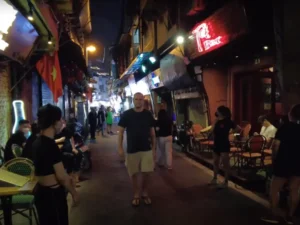
Historian-Led Walking Routes: Private walking tours led by senior cultural historians navigate the 36 Guild Streets of the Old Quarter, visiting ancient communal houses, St. Joseph’s Cathedral, and historic landmarks like the Sofitel Legend Metropole.
Alleyway Gastronomy on an Authentic Vietnam Tour: Step into quiet residential alleyways to sample charcoal-simmered Phở Bò (beef noodle soup), flame-grilled Bún Chả (pork with vermicelli), and velvety egg coffee (Cà Phê Trứng) overlooking Hoan Kiem Lake.
2. Lan Ha Bay: Quiet Karst Marine Cruising
Located two hours from Hanoi via express highway, the Gulf of Tonkin features thousands of limestone karst towers rising from emerald waters.
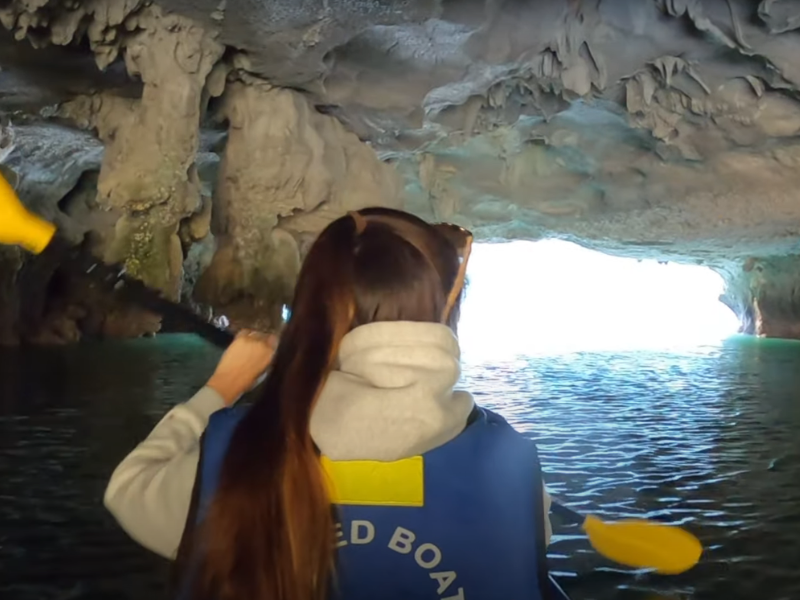
The Lan Ha Bay Advantage: Premium authentic Vietnam tour itineraries redirect guests into Lan Ha Bay. Sharing the exact same dramatic limestone seascape as central Halong Bay, Lan Ha Bay offers significantly fewer ships, cleaner waters, and quiet kayaking access through natural sea arches into enclosed lagoons (Luon Cave).
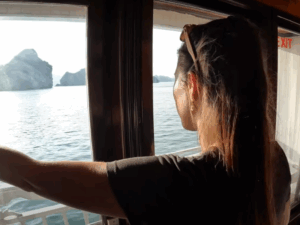
Overnight Vessel Standards: 5-star luxury steel vessels feature private ocean-view balcony suites, sun-deck swimming pools, fine dining, and dawn Tai Chi sessions as morning mist lifts off the karst towers.
3. Sapa Valley: Alpine Ridge Trekking & Native Stilt Hamlets
Nestled in the Hoang Lien Son mountain range beneath Mount Fansipan (3,143m), Sapa offers high-altitude mountain vistas and rich ethnic heritage.
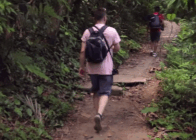
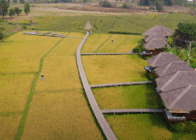
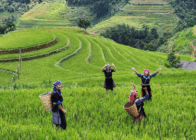
Terraced Rice Paddies: Guided walking routes weave through the Muong Hoa Valley, crossing narrow earthen dikes between rice paddies and passing giant bamboo groves.
Ethnic Minority Homestays: Stay overnight in traditional Black Hmong, Red Dao, or Tay stilt-house hamlets in villages like Ta Van and Ban Ho, experiencing mountain hospitality and medicinal herbal baths on an authentic Vietnam tour.

Realm B: The Central Dynastic Realm (Hue, Hoi An & Danang)
Central Vietnam balances imperial royal palaces, UNESCO-preserved trading ports, and pristine coastlines framed by mountain passes.
1. Hue: Imperial Palaces & Royal Tomb Architecture
Serving as the national capital during the Nguyen Dynasty (1802–1945), Hue retains a regal atmosphere along the Perfume River.
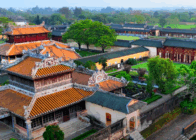
The Imperial City (Đại Nội): Explore restored throne halls, dynastic temples, and quiet internal courtyards within the Purple Forbidden City alongside certified heritage guides.
Royal Tomb Architecture on an Authentic Vietnam Tour: Visit the mausoleums of Emperors Tu Duc and Khai Dinh—architectural masterworks blending traditional Sino-Vietnamese design with European Gothic details.
2. Hoi An Ancient Town: Merchant Architecture & Artisan Guilds
Located a scenic 2-hour drive south over the coastal Hai Van Pass, Hoi An is a beautifully preserved 15th-to-19th-century international merchant port.
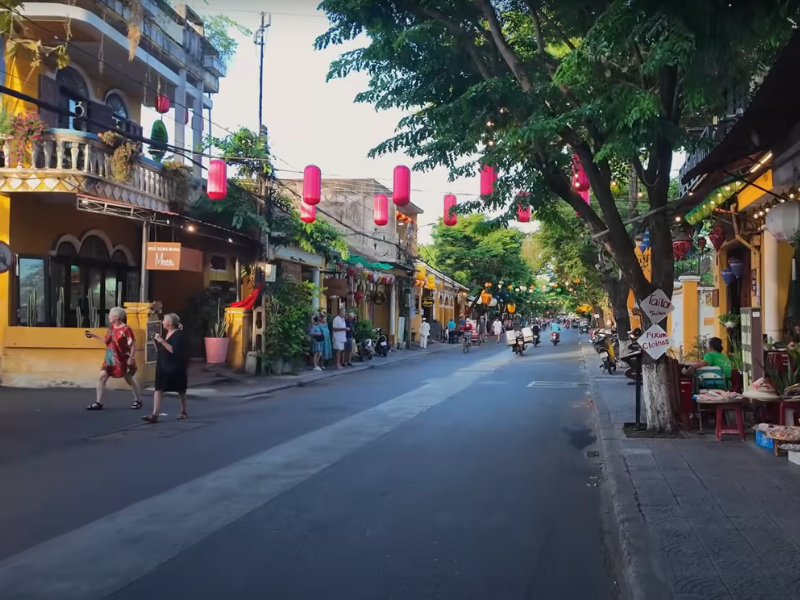
Nightly Silk Lantern Displays: At dusk, motor traffic vanishes from the ancient center, and thousands of hand-crafted silk lanterns illuminate yellow-walled merchant shopfronts.
Artisan Gastronomy: Sample hyper-local specialties like Cao Lầu noodles (prepared using mineral water from the ancient Ba Le Well) and White Rose dumplings in historic merchant houses on an authentic Vietnam tour.
3. Danang Coast: Golden Sands & Modern Comfort
Positioned between Hue and Hoi An, Danang offers long stretches of golden sand, modern luxury resorts, and quick access to international airport connections.
Realm C: The Southern Tropical Realm (Saigon, Mekong & Phu Quoc)
The southern leg of an authentic Vietnam tour shifts to a warm, tropical atmosphere—where French-colonial landmarks sit beside glass skyscrapers and alluvial river channels.
1. Ho Chi Minh City (Saigon): Urban Heritage & Underground History
Saigon is Vietnam’s dynamic commercial center. Explore the historic core—visiting Notre-Dame Cathedral Basilica, the Saigon Central Post Office, Reunification Palace, and the War Remnants Museum.
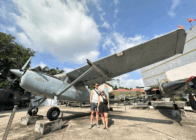
Cu Chi Tunnels VIP Speedboat Transit: Bypass highway traffic by taking a private luxury speedboat down the Saigon River to explore the 250-kilometer subterranean tunnel system used as command centers and living quarters during wartime on an authentic Vietnam tour.
2. The Mekong Delta: Floating Markets & Canal Life
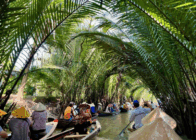
The Mekong Delta is a vast labyrinth of alluvial rivers, coconut palms, and tropical fruit orchards.
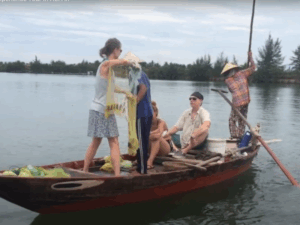
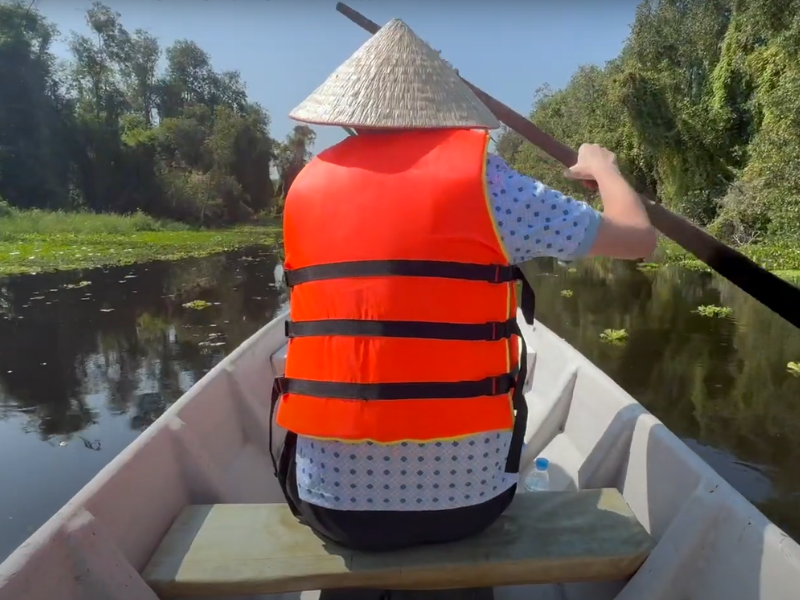
Cai Rang Floating Market: Board private wooden motorboats in Can Tho to witness early morning river trade, where hundreds of local boats gather to sell fresh farm produce directly deck-to-deck.
3. Phu Quoc Island: Oceanfront Beach Relaxation
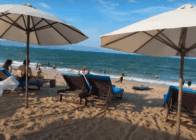
Conclude your vacation package with a short 45-minute domestic flight to Phu Quoc Island. Check into an oceanfront villa on Khem Beach or Long Beach, take private speedboat trips to southern snorkeling islets, or ride the record-breaking Hon Thom Cable Car on an authentic Vietnam tour.
Section 3: Technical Itinerary Decision Matrix
To help travelers select the ideal structure for an authentic Vietnam tour, this decision matrix compares target durations, operational pacing, transit formats, and ideal traveler profiles across five curated itinerary models:
Section 4: Culinary Anatomy – Mapping Regional Flavors
Food is often cited by returning international guests as the single most memorable element of an authentic Vietnam tour. Understanding the distinct culinary profiles across the country’s three geographical zones helps travelers appreciate the depth of every meal:
1. Northern Subtle Balance (Hanoi & Red River Delta)
Northern Vietnamese cuisine reflects ancient traditions and a cooler seasonal climate. Dishes emphasize subtle, balanced flavors rather than heavy spices or sweet notes.
Flavor Profile: Delicate, savory, aromatic, relying heavily on black pepper, fresh ginger, scallions, and high-quality fermented fish sauce.
Signature Dishes on an Authentic Vietnam Tour:
Phở Bò: Clear, aromatic beef bone broth simmered over charcoal for 12 hours, poured over fresh rice noodles and tender cuts of beef.
Bún Chả: Charcoal-grilled pork patties and caramelized pork belly floating in a light, sweet-and-savory dipping broth, served alongside cold rice vermicelli and fresh herbs.
Cà Phê Trứng: Smooth, velvety egg coffee whipped with condensed milk and dark espresso—a rich tradition created in Hanoi during the 1940s.
2. Central Fiery Intensity (Hue & Hoi An Coast)
The central region features the sharpest culinary contrast, shaped by the elaborate demands of imperial royal courts and the humble daily catches of coastal fishing villages.
Flavor Profile: Bold, spicy, complex, characterized by heavy uses of red chili, shrimp paste, lemongrass, and intricate visual presentation.
Signature Dishes on an Authentic Vietnam Tour:
Bún Bò Huế: A rich, spicy, lemongrass-infused beef noodle soup containing braised beef shank, pork knuckles, and chili oil.
Cao Lầu: Thick, chewy wheat-and-rice noodles soaked in lye water ash, topped with sliced roasted pork, crispy square crackers, and local green herbs.
Bánh Xèo: Crispy, turmeric-gold rice pancakes stuffed with pork, wild shrimp, and bean sprouts, wrapped in fresh mustard leaves and dipped in sweet chili sauce.
3. Southern Tropical Abundance (Saigon & Mekong Delta)
Warm sunshine, fertile alluvial soils, and extensive coastlines give southern Vietnamese food an exuberant, vibrant, and sweet character.
Flavor Profile: Sweet, bright, herbal, featuring heavy uses of fresh coconut milk, palm sugar, sugarcane, and aromatic herbs.
Signature Dishes on an Authentic Vietnam Tour:
Cơm Tấm: Broken rice topped with caramelized grilled pork chops, steamed egg loaf, scallion oil, and pickled daikon radish.
Lẩu Mắm: A rich, aromatic seafood hotpot cooked with fermented fish broth, fresh river fish, prawns, and dozens of wild river herbs.
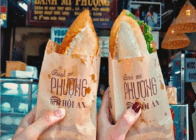
Bánh Mì: A crispy French baguette layered with pork liver pate, cold cuts, cucumber slices, pickled carrots, cilantro, and chili.
Section 5: Ground Logistics & Private Fleet Standards
A critical factor in executing a seamless authentic Vietnam tour is managing transit channels to eliminate unnecessary travel stress and maximize sightseeing time:
1. Air Mobility & Flight Connection Hops
To keep transit times minimal, high-performing itineraries utilize direct domestic flights operated by full-service carriers (such as Vietnam Airlines) between major regional gateways:
Hanoi (HAN) ➔ Danang (DAD): 1 Hour 15 Minutes
Danang (DAD) ➔ Ho Chi Minh City (SGN): 1 Hour 20 Minutes
Ho Chi Minh City (SGN) ➔ Phu Quoc (PQC): 45 Minutes
2. Private Chauffeured Vehicle Standards
Overland transfers rely on high-end, chauffeured private vehicles equipped with climate control, bottled water, and onboard Wi-Fi:
Luxury DCar President Limousines: Customized Ford Transit or Mercedes Sprinter vans featuring leather captain seats, massage functions, and spacious legroom—ideal for highway transfers between Hanoi, Halong Bay, Hue, and Hoi An on an authentic Vietnam tour.
4×4 Premium SUVs: Utilized for city transfers and mountain routes in Ha Giang or Sapa.
Section 6: Accommodation Architecture – Selecting Exceptional Stays
Property selection defines the overall comfort of an authentic Vietnam tour. Elite itineraries incorporate three primary accommodation styles:
+-----------------------------------------------------------------------------------+
|                      ACCOMMODATION ARCHITECTURE TIKES                             |
+-----------------------------------------------------------------------------------+
| 1. Historic Heritage Landmarks  ➔ French-colonial city center properties           |
| 2. Boutique Riverfront Sanctuaries ➔ Intimate estates along Perfume/Mekong rivers  |
| 3. Luxury Beachfront Resorts    ➔ World-class oceanfront private pool villas      |
+-----------------------------------------------------------------------------------+
1. Historic Heritage Landmarks
Properties that reflect local history through classic architecture and long-standing service traditions:
Hanoi: Sofitel Legend Metropole Hanoi (Colonial landmark in the city center) or Capella Hanoi (Opera-themed luxury boutique hotel).
Saigon: Park Hyatt Saigon or The Caravelle Hotel (Prime District 1 landmarks with fine dining).
2. Boutique Riverfront Sanctuaries
Intimate properties positioned along scenic waterways, offering peaceful environments and personalized service on an authentic Vietnam tour:
Hue: Azerai La Residence Hue (Art-Deco estate overlooking the Perfume River and Imperial Citadel).
Mekong Delta (Can Tho): Azerai Can Tho (Private island resort set among serene gardens).
Hoi An: Anantara Hoi An Resort (Colonial riverfront property walking distance from the Ancient Town).
3. Luxury Beachfront Resorts
World-class coastal retreats designed for ultimate relaxation and wellness:
Phu Quoc Island: JW Marriott Phu Quoc Emerald Bay or InterContinental Phu Quoc Long Beach Resort.
Danang / Hoi An Coast: Four Seasons Resort The Nam Hai (Ultra-luxury beachfront villas with private pools).
Section 7: Administrative Formalities & Visa Compliance
To ensure your vacation operates without friction, review these practical administrative pillars before departure:
1. Official E-Visa Regulations
Foreign passport holders require an entry visa for mainland Vietnam. The official 90-Day Electronic Visa (e-Visa) can be easily secured online prior to departure via the government portal (evisa.xuatnhapcanh.gov.vn).
Phu Quoc Visa Exemption Note: International travelers flying directly into Phu Quoc Airport via international transit without entering mainland Vietnam qualify for a 30-day visa exemption. However, if your itinerary includes visiting Saigon, Hanoi, or Central Vietnam on an authentic Vietnam tour, a standard e-Visa is required.
2. Seasonal Microclimate Synchronization
Vietnam’s elongated geographic shape spans multiple climate zones for an authentic Vietnam tour:
The Peak Dry Window (November to April): Optimal nationwide. Clear skies in the North, pleasant temperatures along the Central coast, and sunshine across Saigon and Phu Quoc.
The Green Window (May to October): Warm, tropical afternoon downpours that clear quickly, leaving lush green mountain landscapes across northern terraces.
Section 8: Frequently Asked Questions (FAQ)
Q1: What makes an authentic Vietnam tour different from a standard travel package?
A: Standard travel packages often rely on large 45-seater coaches, rigid schedules, commercial shopping stops, and mass buffet dining. In contrast, an authentic Vietnam tour focuses on private small-group travel, handpicked boutique properties, historian-led cultural activities, authentic street dining, and seamless chauffeured transportation.
Q2: How far in advance should I book my customized authentic Vietnam tour?
A: For travel during peak dry season (November to April) or major holiday periods, booking 4 to 6 months in advance is highly recommended. This ensures access to top-tier boutique accommodations, private cruise suites, senior English-speaking heritage guides, and optimal domestic flight schedules.
Q3: Are authentic Vietnam tours safe for solo travelers, seniors, and families?
A: Yes! Vietnam is internationally rated as one of the safest travel destinations in Southeast Asia. Violent crime is extremely rare, local communities are warm and helpful, and medical standards in major cities meet international requirements. Managed private tours provide complete peace of mind through 24/7 local ground support and dedicated chauffeured transport.
Section 9: Plan Your Custom Passage with Saola Tours
Executing a bespoke authentic Vietnam tour with complete peace of mind requires deep local knowledge, verified safety standards, transparent pricing, and full state licensing. At Saola Tours, we specialize in building 100% tailor-made private itineraries—complete with private chauffeured fleets, certified senior local guides, handpicked boutique hotels, and 24/7 crisis support.
➡️ Ready to plan your custom trip?
Contact our travel specialists at Saola Tours today to receive your personalized itinerary proposal and expert local advice!