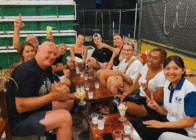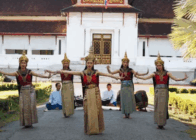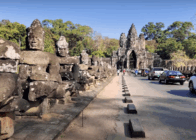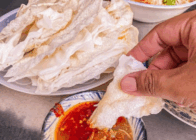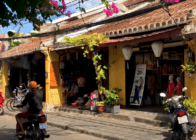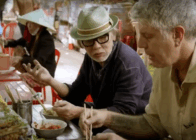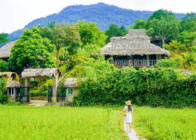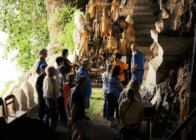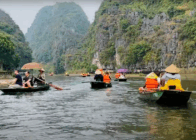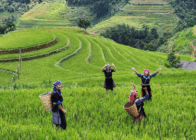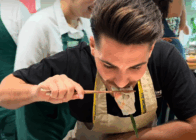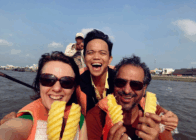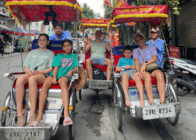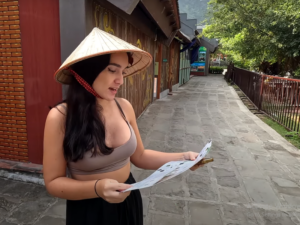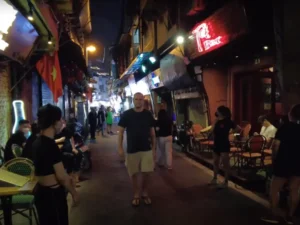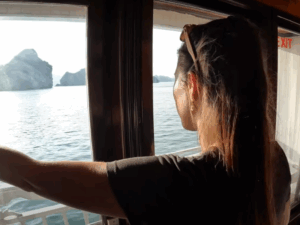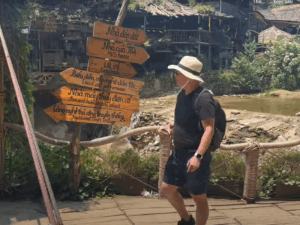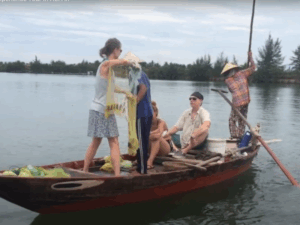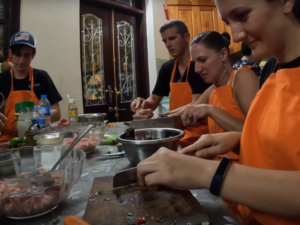

Stepping off a commercial tour bus alongside forty other passengers to take the exact same photograph at an overcrowded viewpoint is not travel—it is logistics assembly. When travelers search for Vietnam local tours, what they are genuinely looking for is unfiltered access: sitting on a low bamboo stool in a hidden Hanoi alleyway tasting third-generation heirloom noodle soup, rowing quietly through limestone river caves before day-trippers arrive, or sharing green tea inside the courtyard home of a lacquerware artisan.
Booking genuine Vietnam local tours transforms how you experience Southeast Asia. Instead of viewing Vietnam through the tinted glass of a large coach, you engage directly with the people, micro-economies, and centuries-old traditions that give each province its distinct soul. However, navigating the local tourism landscape requires discernment. Hundreds of third-party online aggregators sell “local experiences” that are actually rigid, pre-packaged group routes padded with commission-driven pearl farms and souvenir stops.
Securing high-value Vietnam local tours means working directly with licensed, ground-level specialists who maintain genuine relationships with rural families, village elders, and independent culinary masters. This 3,200+ word field playbook breaks down how to distinguish authentic community immersion from mass-market packaging, regional deep-dive blueprints across North, Central, and South Vietnam, seasonal timing, ethical travel etiquette, and transparent direct-booking mechanics.
Before committing your travel budget to any ground operator, verifying state licensing, financial protection, and round-the-clock emergency backing is critical. Learn how reputable ground specialists structure their safety standards and transparent pricing by reading our guide to the best vietnam tour operators so your journey remains protected from start to finish.
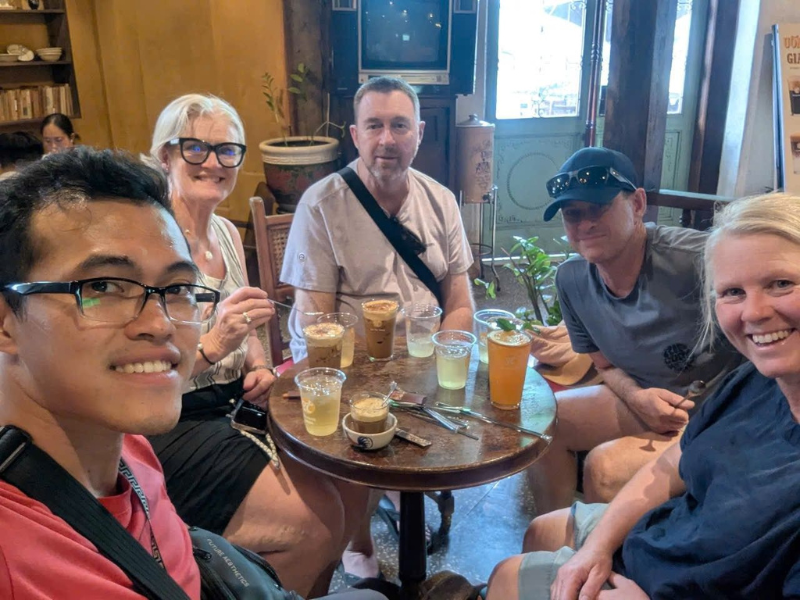
Anatomy of Authentic Vietnam Local Tours vs. Mass-Market Packages
Not every itinerary labeled “authentic” delivers true community access. Understanding the structural difference between mass-market bus routes and genuine Vietnam local tours prevents wasted time and forced shopping detours.
+-----------------------------------------------------------------------------------+
|               MASS-MARKET BUS TOURS vs. GENUINE VIETNAM LOCAL TOURS               |
+-----------------------------------------------------------------------------------+
| Mass-Market Bus Packages                 | Genuine Vietnam Local Tours            |
| -----------------------------------------|----------------------------------------|
| • 30–45 passengers on fixed schedules    | • Private or micro-groups (2–8 guests) |
| • Mandatory pearl/silk/bamboo shop stops | • Zero commission-driven retail stops  |
| • Buffet restaurants built for tour buses| • Family-run eateries & home kitchens  |
| • Surface-level scripts at major sites   | • Deep cultural context & local hosts  |
| • High markups via overseas middlemen    | • Direct local DMC wholesale value     |
+-----------------------------------------------------------------------------------+
1. Zero Commission Retail Detours
One of the clearest red flags in budget group travel is the unannounced “rest stop” at massive highway handicraft centers or pearl showrooms. Authentic Vietnam local tours eliminate these commercial detours entirely, dedicating 100% of your daylight hours to genuine cultural landscapes, artisan workshops, and natural wonders.
2. Micro-Timing Around Peak Crowds
Local ground specialists understand the exact hour when large tour fleets arrive at major landmarks. High-caliber Vietnam local tours invert standard schedules—launching boat rides in Ninh Binh at 08:00 AM, walking Hoi An’s ancient merchant lanes at dawn, or visiting mountain markets when ethnic minority villagers actually trade produce.
3. Direct Economic Impact on Host Communities
When you book Vietnam local tours through locally rooted operators, your travel expenditure flows directly to village boat rowers, family-owned homestays, independent street chefs, and heritage craft masters rather than overseas booking portals.
Regional Deep-Dive: Top Vietnam Local Tours by Corridor
Because Vietnam stretches across three distinct cultural and geographic zones, the most rewarding Vietnam local tours are tailored to the specific traditions of each region.
Northern Corridor: Craft Guilds, Karst Rivers & Highland Markets
Northern Vietnam preserves over a millennium of Confucian scholarship, artisan guild specialization, and indigenous mountain traditions.
1. Hanoi’s Living Guilds & Hidden Alleyway Gastronomy
Rather than walking only along tourist-heavy Ta Hien Street, specialized Vietnam local tours in Hanoi take you deep into residential wet markets (Chợ Hôm or Chợ Châu Long) at dawn.
The Experience: Accompanied by a local culinary researcher, you navigate narrow tube-house alleys to sample dishes rarely seen on English menus—such as Bún Thang (20-ingredient shredded chicken and egg noodle soup), Bánh Cuốn steamed fresh over cloth drums, and Cà Phê Trứng in a quiet third-floor heritage room overlooking Hoan Kiem Lake.
Artisan Guild Access: Visit traditional lacquerware workshops or historic temple preservation studios where artisans restore centuries-old wood carvings.
2. Red River Delta Craft Villages (Quang Phu Cau, Bat Trang & Duong Lam)
Just 35 to 50 kilometers outside Hanoi lie villages that have practiced single crafts for over 500 years.
Duong Lam Ancient Village: Explore 400-year-old laterite stone houses, share a traditional northern lunch inside an ancestral home, and learn how villagers ferment sweet soy sauce (Tương) in clay jars.
Quang Phu Cau & Chuong Village: Witness thousands of crimson incense sticks drying in village courtyards and meet elderly artisans hand-stitching traditional conical hats (Nón Lá).
3. Ninh Binh Back-Road Cycling & Quiet Waterway Routes
While standard tours rush to crowded boat docks, authentic Vietnam local tours in Ninh Binh combine quiet countryside cycling through limestone valleys with early-morning sampan rides along less-traveled waterways like Van Long Nature Reserve—home to the endangered Delacour’s langur—or early-slot departures at Trang An.

4. Northern Highland Ethnic Markets (Sapa, Bac Ha & Ha Giang)
In the far northern mountains, weekly markets serve as vital social and trading hubs for Flower Hmong, Red Dao, Tay, and Nung communities.
The Experience: Trekking along ridge trails between remote hamlets with a local Hmong or Dao guide, learning natural indigo hemp-dyeing techniques, and sharing home-cooked herbal meals with mountain families.
Central Corridor: Royal Heritage, Lantern Artisans & Lagoon Fishing
Central Vietnam bridges the imperial legacy of the Nguyen Dynasty with the maritime trading heritage of the Cham and Vietnamese coastal communities.
1. Hue Imperial Gastronomy & Garden House Tea Ceremonies
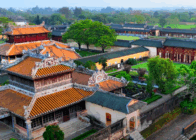
Beyond the main gates of Hue’s Imperial Citadel, Vietnam local tours uncover the city’s aristocratic garden houses (Nhà Vườn)—traditional wooden residences designed according to strict feng shui principles.
The Experience: Meet descendants of royal court officials, walk through lush pomelo and bonsai gardens, and learn to prepare delicate royal miniature cakes (Bánh Bèo, Bánh Nậm, Bánh Lọc) alongside a local home cook.
2. Hoi An Countryside Farming, Coracle Boats & Lantern Making
Step outside Hoi An’s pedestrian ancient town into the surrounding river islands and vegetable villages.
Tra Que Organic Herb Village: Work alongside local farmers using traditional seaweed fertilizer from the river to tend aromatic mint, coriander, and basil beds before cooking a four-course lunch.
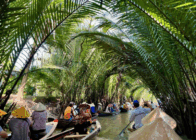
Cam Thanh Water Coconut Forest: Paddle round bamboo basket boats (Thuyền Thúng) through quiet nipa palm channels with local fishermen who demonstrate traditional net-casting techniques.
Master Lantern & Woodcarving Workshops: Construct a foldable bamboo-and-silk lantern from scratch or visit Kim Bong Carpentry Village to watch shipbuilders and sculptors at work.
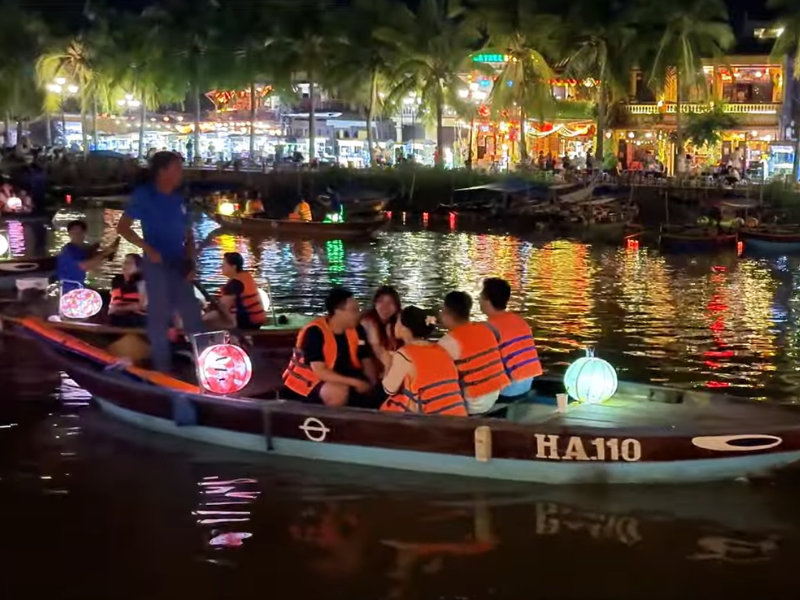
3. Hai Van Pass Back-Road & Lap An Lagoon Oyster Farms
Instead of taking the modern highway tunnel between Danang and Hue, private Vietnam local tours wind over the dramatic Hai Van Pass (Pass of the Ocean Clouds), stopping at Lap An Lagoon to taste freshly harvested oysters at floating wooden huts with local aquaculture families.
Southern Corridor: Mekong Waterways, Floating Markets & Saigon Subcultures
Southern Vietnam pulses with entrepreneurial energy, warm hospitality, and an intricate network of rivers and canals.
1. Saigon’s Hidden Coffee Roasteries, Chinatown (Cholon) & Vintage Vespa Nights
Ho Chi Minh City reveals its richest stories after dark and inside its historic neighborhoods.
Cholon (District 5) Heritage Walk: Explore centuries-old Cantonese and Fujianese assembly halls (Hội Quán), traditional herbal medicine streets (Hải Thượng Lãn Ông), and bustling wholesale fabric markets.
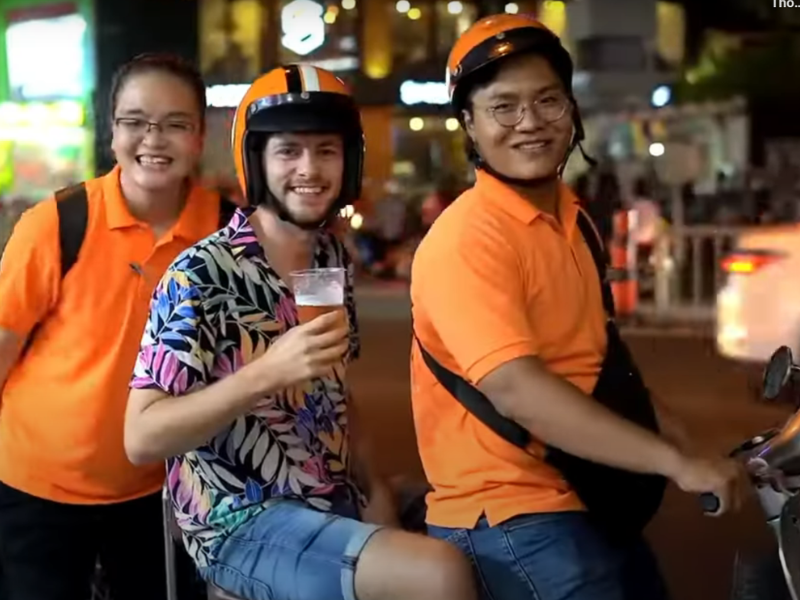
Saigon After-Dark Street Food: Ride pillion on vintage scooters or travel by private car through vibrant local districts (District 3, District 4, and District 10), tasting sizzling Bánh Xèo pancakes, charcoal-grilled seafood, and sweet coconut desserts alongside local residents.
2. Mekong Delta Back-Canal Sampans & Island Orchards (Ben Tre & Can Tho)
Skip the crowded commercial tourist piers of My Tho. Genuine Vietnam local tours venture deeper into Ben Tre and Can Tho.
Sunrise at Cai Rang Floating Market: Board a small wooden motorboat at 05:30 AM to watch hundreds of agricultural boats trade pineapples, melons, and pumpkins directly on the Hau River, stopping alongside a floating noodle boat for breakfast Hủ Tiếu.
Ben Tre Coconut & Brick Kiln Trails: Cycle along shaded island paths, drift through narrow nipa-palm canals in hand-rowed sampans, and visit family-run workshops crafting traditional coconut candy and woven sedge mats.

Technical Comparison Matrix: Selecting Your Vietnam Local Tours
Use this decision matrix to match regional Vietnam local tours with your preferred travel style, physical activity level, and available time:
How to Vet & Book Authentic Vietnam Local Tours Safely
Because online travel marketplaces are flooded with resellers, following a strict verification process guarantees you receive true insider quality when booking Vietnam local tours.
+-----------------------------------------------------------------------------------+
|               5-POINT VERIFICATION CHECKLIST FOR LOCAL OPERATORS                  |
+-----------------------------------------------------------------------------------+
| 1. VNAT International Tour Operator License ➔ Mandatory state legal credential    |
| 2. Transparent Itemized Inclusions          ➔ Clear list of meals, tickets & fleet|
| 3. Guaranteed Zero Shopping Stops           ➔ Written commitment in your itinerary|
| 4. Licensed English-Speaking Local Guides   ➔ Official Ministry-issued guide cards|
| 5. Private Executive Ground Vehicles        ➔ Modern DCar Limousines & 4x4 SUVs   |
+-----------------------------------------------------------------------------------+
1. Verify Official State Licensing
Under Vietnamese tourism law, any company organizing trips for international guests must hold an International Tour Operator License (ITOL) issued by the Vietnam National Authority of Tourism (VNAT). Booking directly with a licensed local Destination Management Company (DMC) protects your consumer rights and eliminates 20% to 35% overseas agency markups.
2. Confirm Guide Qualifications & Regional Roots
A great local guide is the bridge between you and local communities. Ensure your Vietnam local tours include guides who hold official state tour-guiding licenses and possess deep regional knowledge—ideally native to the province you are exploring.
3. Request Custom Pacing & Dietary Tailoring
True local operators never force you into a rigid timetable. Whether you require vegetarian, vegan, gluten-free, or halal culinary adaptations—or prefer starting an hour earlier to beat midday heat—custom Vietnam local tours adapt effortlessly around your group.
Cultural Etiquette for Respectful Community Immersion
Entering family homes, ancestral temples, and ethnic minority villages is a privilege. Practicing simple local etiquette enriches every interaction during your Vietnam local tours:
Ask Before Photographing People: Always make eye contact, smile, and gesture toward your camera before taking close-up portraits of market vendors, artisans, or village elders.
Dress Modestly at Sacred & Ancestral Sites: Cover shoulders and knees when entering pagodas, communal houses (Đình), or traditional family ancestral altars. Remove shoes before stepping inside private homes or temple prayer halls.
Support Artisans Directly Without Aggressive Haggling: When purchasing handwoven textiles, ceramics, or lacquerware directly from village makers, remember that items take days or weeks to craft. Pay fair asking prices that honor their labor.
Avoid Giving Cash or Candy to Village Children: In highland communities, giving money or sweets to children encourages begging and disrupts school attendance. If you wish to contribute, ask your local guide about donating supplies through verified community schools.
Seasonal Timing for Regional Local Experiences
Aligning your Vietnam local tours with regional weather patterns ensures comfortable walking conditions, vibrant agricultural scenery, and smooth boat navigation:
Spring (March – April): The finest nationwide window. Northern rice paddies turn lush green, central beaches enjoy clear sunshine, and southern Mekong orchards burst with tropical fruits (mangosteen, rambutan, durian).
Autumn (September – November): Crisp, dry air in Hanoi and the northern highlands, golden terraced rice harvests in Sapa and Mu Cang Chai, and pleasant temperatures across the Mekong Delta.
Winter (December – February): Cool, atmospheric weather in the North ideal for steaming street food tours and Lunar New Year (Tết) flower markets, paired with dry, sunny skies across Central and Southern Vietnam.
Summer (May – August): Peak sunshine for central coastal excursions in Hoi An and Hue, with warm tropical afternoons in the North and South best scheduled for early-morning market walks and shaded canal cruises.
Frequently Asked Questions (FAQ)
Q1: Are private Vietnam local tours much more expensive than group bus tours?
A: When traveling as a couple, family, or small group of 3 to 6 people, private Vietnam local tours booked directly through a local Vietnamese operator often cost roughly the same per person as commercial group packages sold on Western booking sites—while giving you a private vehicle, custom schedule, and zero shopping detours.
Q2: Can Vietnam local tours accommodate strict food allergies or vegetarian diets?
A: Yes, easily. Vietnam has a rich Buddhist vegetarian culinary tradition (Đồ Chay). When you notify your local tour specialist in advance, guides coordinate directly with family kitchens and street vendors to ensure safe, delicious meals tailored to your dietary needs.
Q3: How far in advance should I book custom local tours in Vietnam?
A: For single-day local experiences (such as street food walks or craft village trips), booking 1 to 3 weeks ahead is usually sufficient. For multi-day custom itineraries during peak months (October to April), reserving 2 to 4 months in advance secures top-rated specialist guides and boutique accommodations.
The Ground Operations Playbook: Executing Your Local Immersion with Saola Tours
Authentic travel happens when meticulous behind-the-scenes logistics disappear, leaving you completely present in the moment. At Saola Tours, we build Vietnam local tours from the ground up—connecting international travelers directly with Hanoi’s culinary masters, Red River Delta craft families, Hue’s heritage garden hosts, and Mekong River boatmen.
Here is how our ground operations team elevates every detail of your local experience:
100% Tailor-Made Private Itineraries: Every route is engineered around your pace, interests, and curiosity—with zero fixed group schedules and zero commission-driven shopping stops.
Vetted Local Specialists & Storytellers: We pair you with licensed bilingual guides who maintain genuine personal relationships in the neighborhoods and villages you visit.
Executive Chauffeured Fleet Mobility: Travel comfortably between city alleys, rural villages, and highway corridors in our private fleet of climate-controlled DCar Limousines and modern SUVs driven by safety-certified local drivers.
Full State Licensing & 24/7 Ground Backing: Operating under full International Tour Operator Licensing with transparent itemized pricing and round-the-clock support from our Hanoi operations team.
Ready to Experience the Real Vietnam?
Unlocking genuine Vietnam local tours requires insider access, thoughtful route timing, reliable private transport, and passionate local hosts. Let the travel specialists at Saola Tours design a custom itinerary that takes you far beyond the tourist crowds.
➡️ Contact our travel specialists at Saola Tours to receive your personalized, 100% tailor-made Vietnam local tour proposal today!
10 Days in Vietnam: The Ultimate Editorial Route & Travel Guide
The Ultimate Guide: How to Choose the Perfect Tour Company for Discovering Vietnam
15 Best Things to Do in Vietnam: Ultimate 2026 Travel Guide