Extending over 1,600 kilometers across the eastern rim of the Indochinese Peninsula, Vietnam represents one of Asia’s most ecologically complex, historically layered, and visually striking destinations. Identifying the most beautiful places in Vietnam requires stepping beyond simple postcards to appreciate how physical geography, mountain climate shifts, and human settlement patterns interact across four distinct regions. From high-altitude granite massifs along the Chinese frontier down to ancient river deltas opening into the Gulf of Thailand, the country presents a continuous spectrum of natural and cultural sanctuaries.
However, capturing the full splendor of these destinations demands sophisticated geographical timing, precise route planning, and an accurate understanding of entry regulations. Vietnam’s elongated landmass spans multiple climatic zones simultaneously. A high-mountain pass basking in clear autumn light up north may coincide with monsoon downpours along central coastal plains during the exact same week. Without structured seasonal coordination and proper administrative entry compliance, international travelers risk encountering dense fog across panoramic viewpoints or facing unexpected delays at border control before their journey even begins.
Whether your vision of an extraordinary journey includes paddling through quiet karst caves, walking along yellow-walled merchant shopfronts illuminated by silk lanterns, trekking through rice terraces, or navigating multi-day private tour itineraries, the most beautiful places in Vietnam offer unmatched visual and sensory depth. This 3,000+ word field guide provides a definitive overview of Vietnam’s top natural landscapes, historic architecture, curated tour blueprints, entry visa requirements, seasonal weather windows, and practical ground logistics.
Before planning an ambitious multi-region expedition across Southeast Asia, securing absolute financial protection, verified state licensing, and round-the-clock emergency support is essential. Learn how professional outfitters structure their safety standards and private transport backing by reading our comprehensive guide to the best vietnam tour operators to ensure your travel investment remains completely protected.
The Northern Highlands: Alpine Terraces & Karst Basins
Northern Vietnam features some of the most dramatically sculpted terrain in Indochina, where vertical limestone karst towers, primary rainforest reserves, and ethnic minority farming communities meet.
1. The Ha Giang UNESCO Global Geopark
For landscape photographers and wilderness seekers, the northernmost province of Ha Giang tops the list of beautiful places in Vietnam.
The Physical Landscape: A high-altitude karst plateau defined by sheer limestone peaks, deep river canyons, and narrow mountain passes carving through cloud layers.
Key Visual Highlights: The Ma Pi Leng Pass, where the road clings to vertical rock cliffs 1,000 meters above the turquoise waters of the Nho Que River; the Tu San Canyon (Asia’s deepest limestone canyon); and the terraced buckwheat flower fields surrounding Dong Van and Meo Vac.
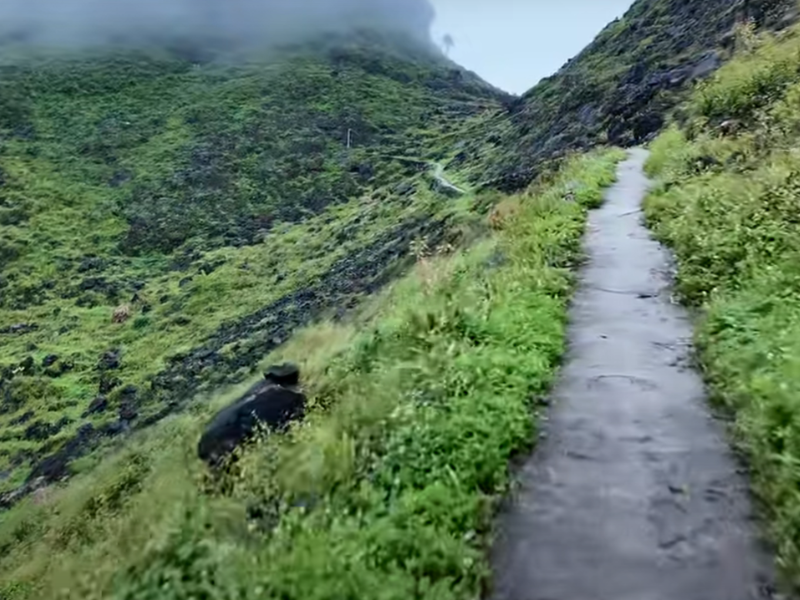
2. The Sapa Alpine Ridge & Muong Hoa Valley
Flanked by the Hoang Lien Son mountain range beneath Mount Fansipan (3,143m), Sapa balances dramatic mountain vistas with vibrant living cultural heritage.
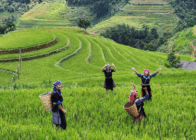
The Physical Landscape: Sweeping rice terraces carved into steep mountain slopes by Black Hmong and Red Dao communities over generations.
Key Visual Highlights: The Muong Hoa Valley, where morning mountain mist drifts over green rice paddies, traditional wooden stilt hamlets, and roaring waterfalls like Silver Waterfall (Thác Bạc).
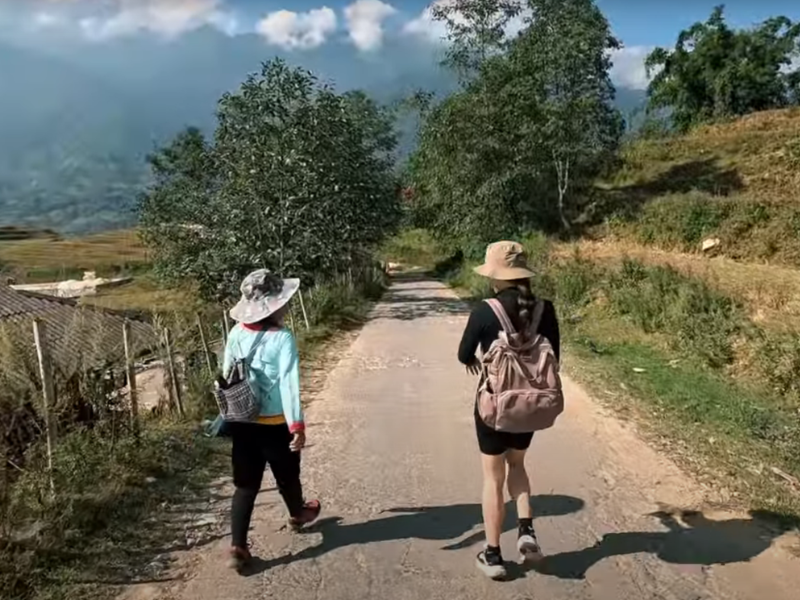
3. Ba Be National Park & Freshwater Lake
Located in Bac Kan Province, Ba Be is Vietnam’s largest natural mountain lake ecosystem.
The Physical Landscape: A peaceful freshwater lake perched 150 meters above sea level, enclosed by vertical limestone cliffs and primary rainforest.
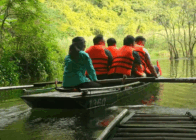
Key Visual Highlights: Boarding hand-carved wooden boats to glide across emerald waters, navigating Puong Cave (a 300-meter river tunnel cut straight through a mountain peak), and exploring Pac Ngoi stilt-house villages.

4. Trang An & Tam Coc Landscape Complex (Ninh Binh)
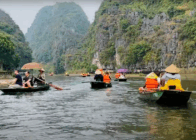
Often described as “Halong Bay on Land,” this UNESCO World Heritage site showcases dramatic karst pinnacles rising directly out of green rice fields and river waterways.
Key Visual Highlights: Taking traditional sampan rowing trips down the Ngo Dong River through limestone tunnels at Tam Coc, and climbing 500 stone steps to the peak of Hang Mua for panoramic 360-degree views over the river valley.

The Coastal Seascapes: Emerald Bays & Tropical Islands
Vietnam’s 3,260-kilometer shoreline features diverse marine environments, ranging from northern limestone marine basins to southern white-sand archipelagos.
1. Lan Ha Bay & Cat Ba Archipelago
While Halong Bay is internationally famous, neighboring Lan Ha Bay offers a quieter, equally pristine seascape, making it one of the most serene beautiful places in Vietnam.
The Seascape: Over 400 limestone islets carpeted in tropical jungle, rising out of calm emerald waters.
Key Visual Highlights: Gliding through natural sea arches into enclosed lagoons (Ba Ham Lake), paddling past floating fishing villages, and anchoring overnight aboard luxury 5-star vessels to watch golden sunsets over limestone towers.
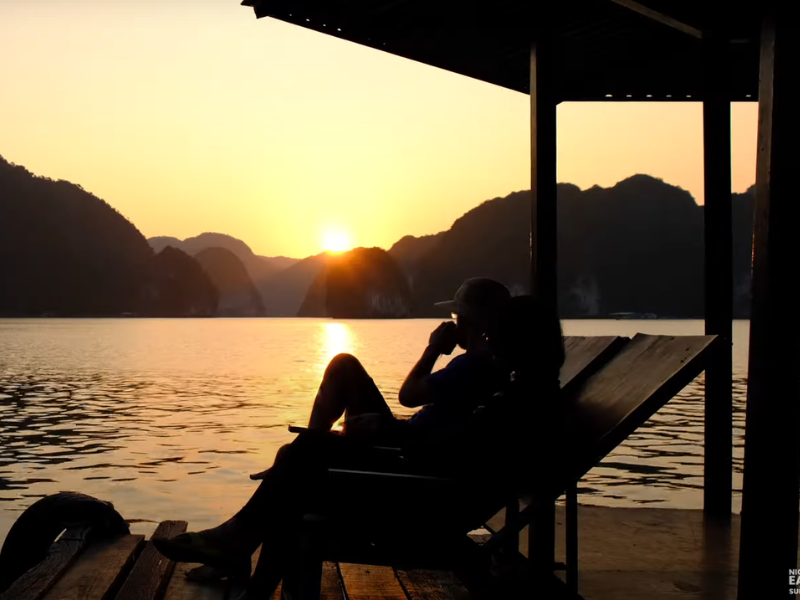
2. Phu Quoc Tropical Island Sanctuary
Positioned in the warm waters of the Gulf of Thailand, Phu Quoc represents the pinnacle of southern island beauty.
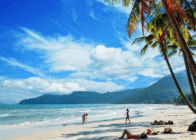
The Seascape: Powdery white-sand beaches, coconut palm groves, crystal-clear turquoise lagoons, and protected coral reefs.
Key Visual Highlights: Watching crimson sunsets along Bai Khem and Long Beach, private speedboat charters to the An Thoi Archipelago, and exploring lush secondary rainforest trails in Phu Quoc National Park.
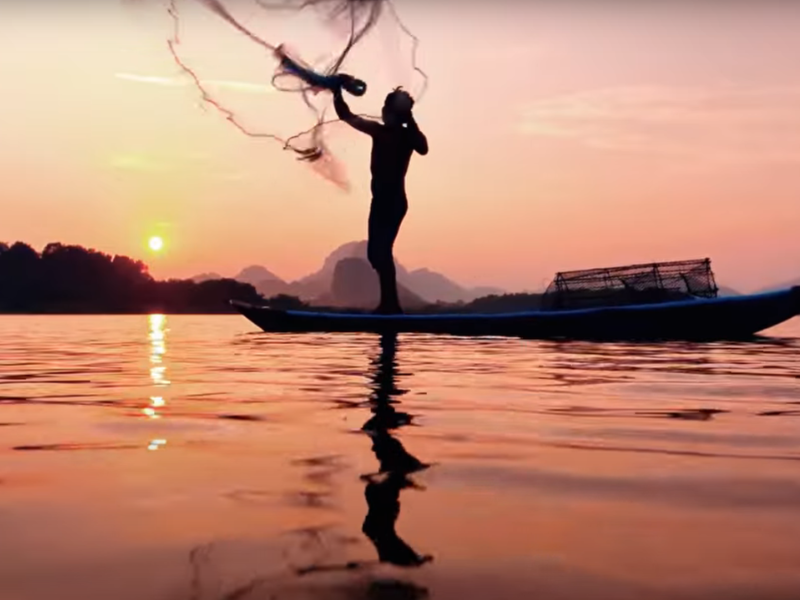
3. Con Dao Archipelago
Located 180 kilometers off the southern mainland, Con Dao is an exclusive eco-wilderness sanctuary.
The Seascape: Granite mountain peaks plunging into protected ocean bays surrounded by coral reefs.
Key Visual Highlights: Watching green sea turtles nest on deserted beaches (Dam Tre Bay), hiking through dense coastal forests, and enjoying complete oceanfront privacy at eco-luxury retreats like Six Senses Con Dao.

4. Ninh Van Bay Secluded
Headlands
Situated near Nha Trang, Ninh Van Bay is accessible exclusively by boat transfer.
The Seascape: Dramatic granite rock formations enclosing a deep-water ocean bay backed by steep jungle mountains.
Key Visual Highlights: Overwater and hilltop rock villas integrated into massive coastal boulders, crystal-clear waters ideal for stand-up paddleboarding, and quiet beach coves.
The Imperial & Heritage Corridors: Living History & Architecture
Human history and architectural heritage define many of the most culturally beautiful places in Vietnam, where dynastic monuments, colonial boulevards, and ancient trade streets still thrive.
1. Hoi An Ancient Town
Recognized by UNESCO as a preserved Southeast Asian trading port, Hoi An’s streets offer an unforgettable journey back in time.
Architectural Character: Ochre-yellow merchant shopfronts, wooden Sino-Japanese timber framing, decorative terracotta roof tiles, and iconic silk lanterns.
Key Visual Highlights: Walking along the Thu Bon Riverfront at dusk as thousands of colorful lanterns light up the streets, visiting the 17th-century Japanese Covered Bridge, and exploring nearby organic farmsteads in Tra Que.

2. Hue Imperial City & Dynastic To
mbs
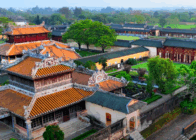
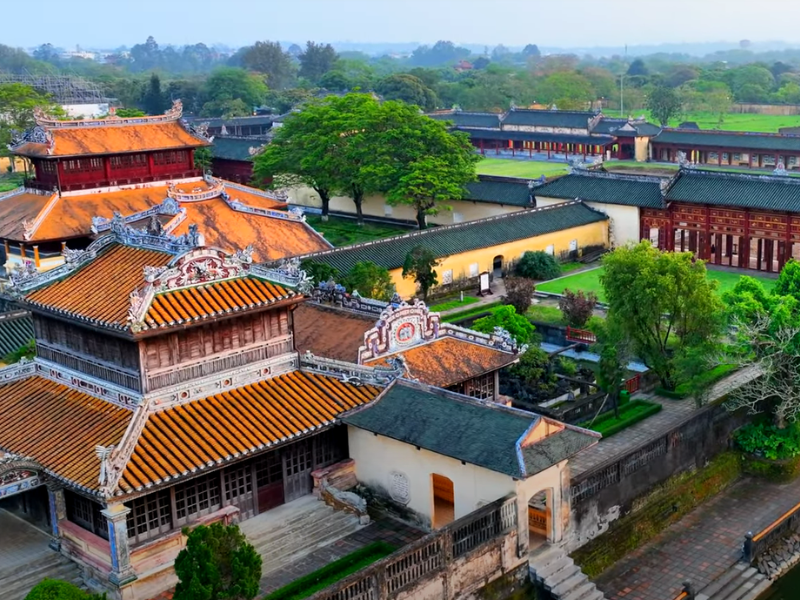
As the capital of the Nguyen Dynasty from 1802 to 1945, Hue retains a regal, historic atmosphere along the Perfume River.
Architectural Character: Classic Sino-Vietnamese palace layouts, fortified stone moats, dynastic temples, and ornamental garden pavilions.
Key Visual Highlights: The Purple Forbidden City (Đại Nội), the lakeside tomb of Emperor Tu Duc, and the hillside mausoleum of Emperor Khai Dinh—an architectural marvel blending traditional Vietnamese porcelain mosaic work with French Gothic details.

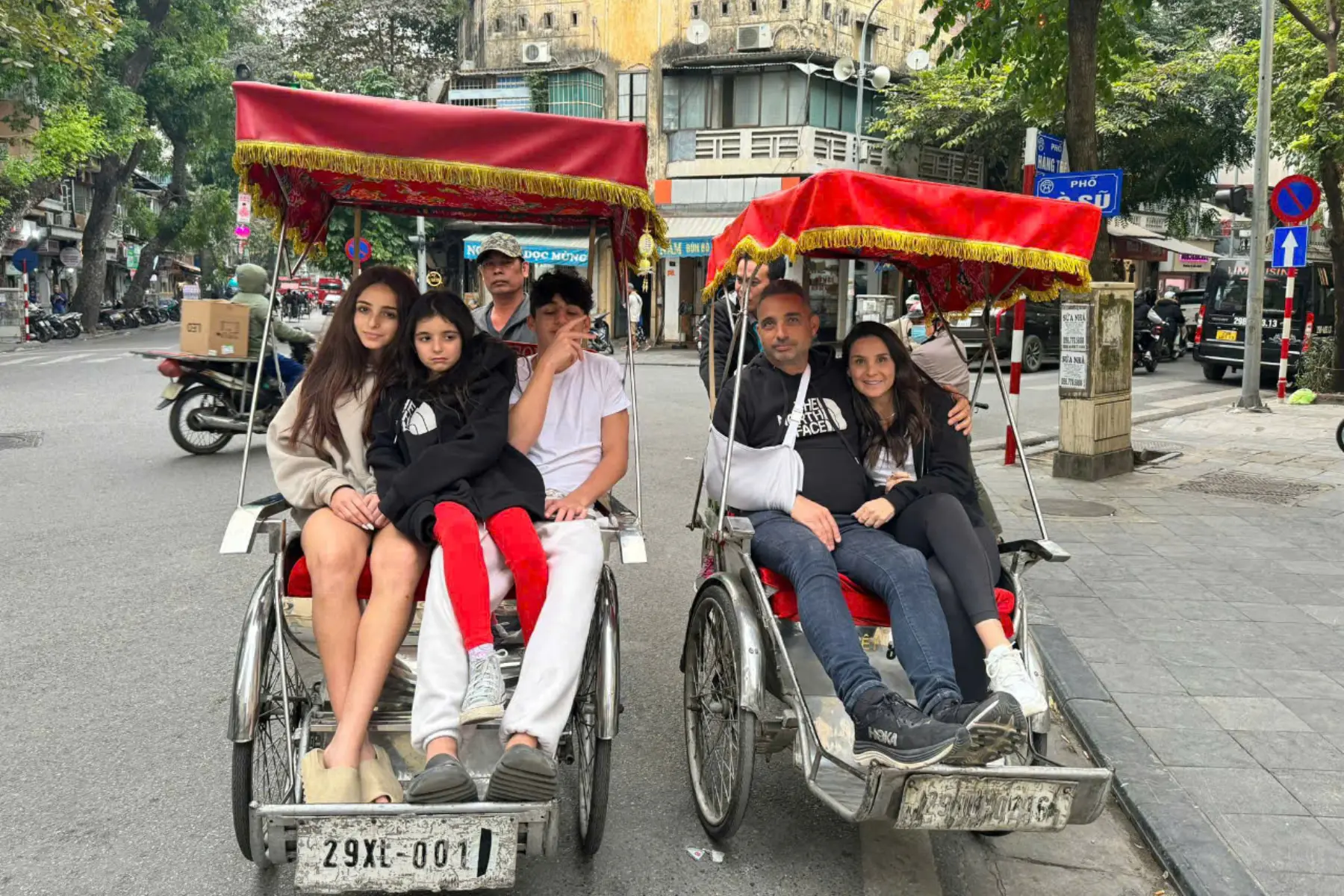
3. Hanoi Old Quarter & Colonial Quarter
Vietnam’s 1,000-year-old capital city balances ancient guild traditions with French-colonial architecture.
Architectural Character: A vibrant network of 36 trade streets intermingled with tree-lined avenues, yellow-plastered colonial villas, and quiet lakes.
Key Visual Highlights: Morning mist rising off Hoan Kiem Lake, the neo-Gothic facade of St. Joseph’s Cathedral, the Temple of Literature (Văn Miếu), and residential alleyways where life unfolds alongside historic train tracks.
4. My Son Sanctuary
Tucked into a lush valley surrounded by mountains in Quang Nam Province, My Son served as the spiritual capital of the Champa Kingdom from the 4th to 13th centuries.
Architectural Character: Red-brick Hindu temple towers carved with intricate reliefs of deities, dancers, and sacred animals.
Key Visual Highlights: Watching early morning sunlight hit ancient moss-covered brick towers as mountain mist rises off the jungle canopy.

The Southern Riverways & Highland Plateaus
Southern and Central Vietnam offer open agricultural landscapes, rushing river systems, and cool mountain plateaus.
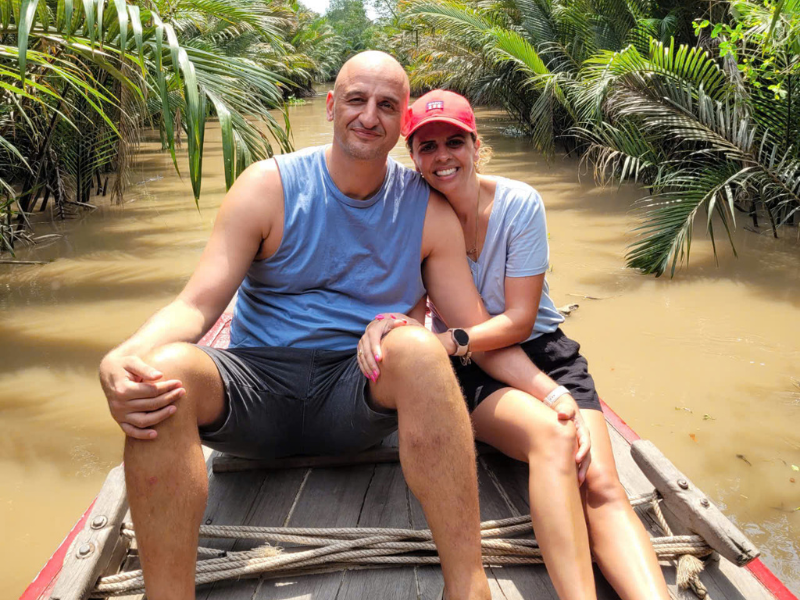
1. The Mekong Delta Waterways (Can Tho & Ben Tre)
The Mekong Delta is a vast, fertile alluvial network where life revolves entirely around rivers and canals.
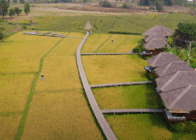
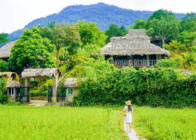
The Landscape: Endless green rice fields, coconut palm waterways, fruit orchards, and wide river channels.
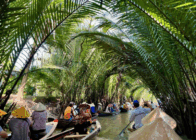
Key Visual Highlights: Navigating quiet palm-shaded canals aboard wooden sampans, early morning trading at Cai Rang Floating Market, and visiting riverside cottage industries producing coconut candy and rice paper.
2. Da Lat Central Highlands & Pine Valleys
Perched 1,500 meters above sea level on the Langbiang Plateau, Da Lat offers a cool alpine escape from tropical heat.
The Landscape: Rolling pine forests, misty freshwater lakes, cascading waterfalls, and French-colonial villas.
Key Visual Highlights: Tuyen Lam Lake, framed by pine forests; dramatic waterfalls like Datanla; and colorful flower gardens blooming year-round across the valley floor.

Curated Expedition Tour Itineraries Across Vietnam
To help travelers seamlessly experience the most beautiful places in Vietnam, our itinerary specialists have engineered three comprehensive private tour blueprints:
Blueprint 1: The 7-Day Northern Highlights & Karst Bay Expedition
Ideal for travelers with limited time who want to explore high-impact northern landscapes and cultural landmarks.
Day 1: Hanoi Arrival & Heritage Street Walk: Private chauffeured transfer to your Old Quarter hotel. Afternoon walking tour exploring Hoan Kiem Lake, St. Joseph’s Cathedral, and local street cuisine.
Day 2: Hanoi to Ninh Binh (Trang An & Hang Mua): Travel to Ninh Binh. Take a private sampan boat trip through the Trang An cave complex and hike up Hang Mua Peak for panoramic valley views.
Day 3: Ninh Binh to Lan Ha Bay Luxury Cruise: Transfer via express highway to Lan Ha Bay. Board a 5-star vessel, enjoy seafood dining among limestone karst towers, and kayak through sea caves.
Day 4: Lan Ha Bay Swimming & Transfer to Sapa: Dawn Tai Chi on deck, morning lagoon swimming, disembarkation, and private limousine transfer up to Sapa in the northern mountains.
Day 5: Muong Hoa Valley Trekking & Stilt Village Visit: Guided day trek through Sapa’s Muong Hoa Valley, walking past rice terraces and visiting Black Hmong and Red Dao villages.
Day 6: Mount Fansipan Cable Car & Return to Hanoi: Ride the Fansipan Cable Car to the “Roof of Indochina.” Afternoon private transfer back to Hanoi for a farewell dinner.
Day 7: Last-Minute Souvenir Shopping & Departure: Morning stroll around West Lake (Tây Hồ) before your private chauffeured transfer to Noi Bai Airport.
Blueprint 2: The 10-Day Essential Grand Circuit (North to South)
The classic route designed for first-time visitors seeking to connect Vietnam’s top cultural and natural highlights.
Days 1–3 (Hanoi & Lan Ha Bay): Discover Hanoi’s historical landmarks, followed by an overnight luxury karst cruise in Lan Ha Bay.
Days 4–6 (Hue & Hoi An Heritage Coast): Flight to Danang. Guided tours of the Hue Imperial Citadel, scenic drive over the Hai Van Pass, and evening silk-lantern walks in Hoi An Ancient Town.
Days 7–8 (Saigon Urban Heritage & Cu Chi Tunnels): Flight to Ho Chi Minh City. Private tour of French-colonial architecture, War Remnants Museum, and VIP speedboat trip to the Cu Chi Tunnels.
Days 9–10 (Mekong Delta & Departure): Day trip navigating palm canals and floating markets in the Mekong Delta, concluding with your departure transfer from Saigon.
Blueprint 3: The 14-Day Ultimate Landscape & Luxury Island Passage
A comprehensive multi-week national tour connecting northern mountain passes, central heritage coastlines, and southern tropical island resorts.
Days 1–4 (Far North & Karst Bays): Explore Hanoi, Ninh Binh’s Trang An complex, and an overnight cruise in Lan Ha Bay on your search for beautiful places in Vietnam.
Days 5–8 (Central Coast & Ancient Ports): Fly to Central Vietnam. Stay in Hoi An, combining ancient merchant port tours with relaxation along golden-sand beaches.
Days 9–11 (South-Central Granite Headlands): Chauffeured transfer to Cam Ranh and Ninh Van Bay for private rock-villa luxury and coral reef diving.
Days 12–14 (Phu Quoc Island Sanctuary): Fly to Phu Quoc Island. End your passage with white-sand beach relaxation, sunset yachting, and direct airport transfer.
Comprehensive Entry Visa Guidelines for International Travelers
Visiting the most beautiful places in Vietnam requires complying with official immigration policies. Below is the updated administrative framework for securing entry clearance:
1. The Official Electronic Visa (e-Visa) System
Vietnam currently offers an online Electronic Visa (e-Visa) system for citizens of all countries and territories.
Validity & Entries: The e-Visa is issued for up to 90 days and is available as either a Single-Entry or Multiple-Entry visa.
Official Application Portal: Applications must be submitted through the official government portal (
evisa.xuatnhapcanh.gov.vn). Avoid third-party scam sites charging inflated processing fees.Required Documentation: A passport with at least 6 months of validity remaining from the entry date, a clear digital passport photo (4×6 cm, white background), and a scanned copy of your passport’s biographical page.
Processing Timeline: Standard government processing takes 3 to 5 business days. It is strongly advised to apply at least 10 to 14 days prior to your international departure.
2. Visa Exemptions & Special Economic Zones
Unilateral & Bilateral Visa Exemptions: Passport holders from select countries (including various European nations, Japan, South Korea, and ASEAN member states) enjoy visa-free entry for periods ranging from 14 to 45 days, depending on nationality.
Phu Quoc Island 30-Day Visa Exemption: Foreign travelers flying directly into Phu Quoc International Airport (or transit via Vietnamese international airports without clearing passport control into the mainland) receive a 30-day visa exemption specifically for Phu Quoc. Note: If you plan to travel from Phu Quoc to mainland destinations like Hanoi, Hoi An, or Saigon, a standard e-Visa is required.
Technical Regional & Seasonal Decision Matrix
To assist travelers in selecting the most beautiful places in Vietnam for their specific travel window, this operational decision matrix compares landscapes, ideal activities, and optimal seasonal windows across all five regions:
Culinary Integration: Regional Flavors of Vietnam’s Best Destinations
A journey through the most beautiful places in Vietnam is inseparable from discovering regional food cultures. Each landscape produces unique flavor profiles shaped by local agriculture and traditions:
1. Northern Herbal Balance (Hanoi, Ha Giang & Ba Be)
Flavor Profile: Subtle, light, aromatic, emphasizing black pepper, fresh herbs, charred ginger, and broth clarity.
Signature Regional Dishes: Phở Bò Hà Nội (charcoal-simmered beef noodle soup), Bún Chả (grilled pork with rice vermicelli), and wild mountain lake fish grilled over embers.
2. Central Fiery Spice (Hue & Hoi An)
Flavor Profile: Bold, complex, spicy, featuring shrimp paste, red chili oil, lemongrass, and elaborate presentation derived from royal court traditions.
Signature Regional Dishes: Bún Bò Huế (spicy lemongrass beef noodle soup), Cao Lầu (thick chewy noodles with roasted pork and herbs), and Bánh Xèo (crispy turmeric rice crepes).
3. Southern Sweet Abundance (Saigon, Mekong & Phu Quoc)
Flavor Profile: Vibrant, sweet, herbal, utilizing fresh coconut milk, palm sugar, wild river vegetables, and ocean catches.
Signature Regional Dishes: Gỏi Cá Trích (fresh herring salad with grated coconut), Cơm Tấm (broken rice with grilled pork chops), and Mekong river fish hotpot (Lẩu Mắm).
Ground Logistics, Domestic Air Mobility & Fleet Standards
Connecting multiple beautiful places in Vietnam efficiently requires coordinating domestic flights, private chauffeured vehicles, and local boat transfers:
1. Domestic Air Connection Hops
Full-service carriers (like Vietnam Airlines) operate quick direct flights between major regional gateways, keeping transit times minimal:
Hanoi (HAN) ➔ Danang (DAD): 1 Hour 15 Minutes
Hanoi (HAN) ➔ Cam Ranh / Nha Trang (CXR): 1 Hour 50 Minutes
Ho Chi Minh City (SGN) ➔ Phu Quoc Island (PQC): 45 Minutes
2. Chauffeured Fleet Standards
Navigating mountain passes, rural roads, and coastal highways demands high-quality private transport:
Luxury DCar Limousines & 4×4 SUVs: Private chauffeured transfers feature leather captain seating, climate control, bottled water, onboard Wi-Fi, and experienced local drivers who handle mountain switchbacks and highway navigation smoothly.

Frequently Asked Questions (FAQ)
Q1: What is the single most beautiful place in Vietnam for first-time travelers?
A: For sheer natural dramatic beauty, Ha Giang and Lan Ha Bay lead for wilderness lovers, while Hoi An Ancient Town is unmatched for cultural architecture and charm. Combining these destinations into a single itinerary provides a complete visual overview of the country.
Q2: When is the best time of year to see beautiful places in Vietnam with clear skies?
A: Overall, March through April offers the most balanced national weather window. During these months, the north enjoys dry spring warmth, the central coast is sunny and clear, and the southern islands feature calm turquoise waters.
Q3: Do I need a visa beforehand to visit beautiful places in Vietnam?
A: Yes, unless you qualify for a specific visa exemption or are flying directly to Phu Quoc Island. Citizens of all countries can apply online for a 90-day multi-entry e-Visa prior to departure.
Section 8: Practical Blueprint for Executing Your Journey with Saola Tours
Transforming a dream list of the most beautiful places in Vietnam into an impeccably organized, stress-free travel experience requires deep local expertise, verified safety standards, transparent administrative guidance, and reliable ground support. At Saola Tours, we specialize in engineering 100% tailor-made private itineraries—connecting iconic sights with hidden wilderness sanctuaries across Vietnam.
Below is an insider overview of the practical field standards, safety protocols, visa handling, and operational management Saola Tours delivers for every client journey:
1. Seasonal Microclimate Mapping & Visa Pre-Check
Our travel specialists analyze your exact travel dates against regional microclimate patterns, designing an itinerary route that maximizes clear weather, scenic visibility, and smooth sea conditions while avoiding regional rain cycles. Additionally, our team conducts a complete pre-check of your passport details and e-Visa documentation to ensure 100% compliance before you board your flight.
2. Handpicked Boutique & Eco-Luxury Accommodations
Where you sleep should enhance the beauty of your surroundings. We partner exclusively with verified heritage hotels, eco-luxe mountain lodges, and private oceanfront pool villas—ensuring your accommodations offer authentic local character, fine dining, and total comfort.
3. Chauffeured Fleet Mobility & Smooth Transfers
All airport transfers, mountain pass crossings, and coastal road journeys are managed using our private fleet of DCar President Limousines and high-clearance 4×4 SUVs. Vehicles are equipped with leather captain seats, climate control, cold towels, mineral water, and Wi-Fi, driven by safety-certified local drivers.
4. Certified Local Heritage Guides & 24/7 Ground Concierge Support
Every step of your voyage is enriched by our certified local guides, who bring deep historical insights, cultural knowledge, and warm hospitality to your private tours. Backed by our 24/7 dedicated local concierge team, Saola Tours handles all schedule adjustments, visa updates, restaurant reservations, and emergency assistance with total professional care.
Ready to Explore the Beauty of Vietnam?
Planning your custom journey to discover the most beautiful places in Vietnam with complete peace of mind requires expert local planning, transparent pricing, state licensing, and passionate local hosts. Let the travel specialists at Saola Tours craft your personalized itinerary today.
➡️ Contact our travel specialists at Saola Tours to receive your personalized, 100% tailor-made itinerary proposal and expert local advice!
More Info:
The Ultimate Guide: How to Choose the Perfect Tour Company for Discovering Vietnam
10 Days in Vietnam: The Ultimate Editorial Route & Travel Guide
The Ultimate Vietnam Travel Guide: 15 Best Things to Do & Expert Itineraries (2025 Edition)