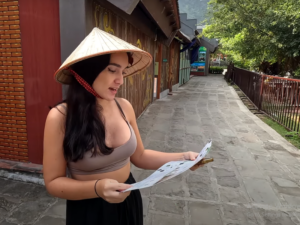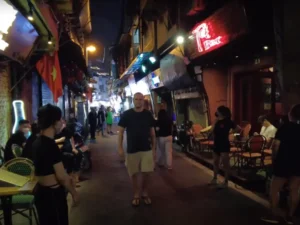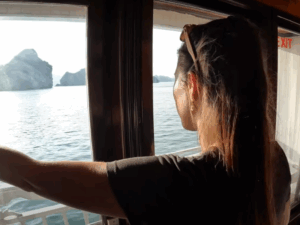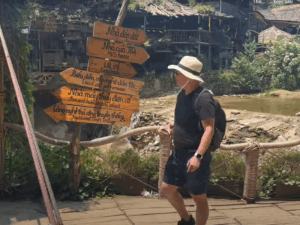
Standing on a limestone ridge above Tam Coc at 06:15 AM while river mist lifts off emerald rice paddies feels worlds apart from arriving at the exact same spot at noon under harsh overhead glare alongside thirty tour buses. That contrast explains why planning the Best Sightseeing in Vietnam is less about collecting famous names and more about mastering light, geography, and arrival timing.
Stretching over 1,600 kilometers along the eastern flank of mainland Southeast Asia, Vietnam packs nine UNESCO World Heritage sites, towering karst archipelagos, subterranean cave kingdoms, imperial citadels, and hand-carved mountain rice terraces into a remarkably narrow geographic corridor. Yet many travelers return home with washed-out photographs and exhaustion because they treated the Best Sightseeing in Vietnam as a high-speed checklist rather than a curated visual journey.
Whether you are framing sunrise reflections over Angkor-era Cham towers, gliding through subterranean river caverns in a wooden sampan, or walking lantern-lit merchant streets after dusk, understanding how each landmark behaves across the clock transforms ordinary tourism into extraordinary discovery. This 3,200+ word field guide organizes the Best Sightseeing in Vietnam by visual archetype, details exact golden-hour windows, breaks down entrance logistics, and maps out seamless multi-day routes.
Note: Weather shifts dramatically between northern mountains and central beaches. Pair this landmark guide with our seasonal climate breakdown on the Best Time to Visit Vietnam so clear skies match every stop on your route.
When organizing multi-stop landmark circuits across different provinces, working with a vetted ground specialist protects your schedule against weather disruptions and hidden retail detours. Review our benchmark standards in the best vietnam tour operators guide before locking in regional flights or private vehicles.
How to Curate the Best Sightseeing in Vietnam by Visual Archetype
Rather than sorting landmarks strictly by map coordinates—which often forces travelers to choose between repetitive scenery—curating the Best Sightseeing in Vietnam by visual archetype ensures every day of your trip delivers a completely different atmosphere:
Karst Seascapes & Subterranean Cave Kingdoms: Ancient Devonian limestone formations carved by millions of years of ocean and river erosion.
Imperial Citadels & Sacred Heritage Complexes: Royal palaces, mausoleums, and monastic mountain sanctuaries reflecting over a millennium of dynastic and spiritual architecture.
Living Historic Ports & Colonial Streetscapes: Preserved trading towns and French-Indochinese boulevards where daily commerce still unfolds inside heritage walls.
High-Altitude Terraces & Frontier Passes: Dramatic geological fault lines, deep river gorges, and multi-generational agricultural engineering in the northern highlands.
Tropical River Deltas & Coral Archipelagos: Water-bound ecosystems where floating markets, mangrove channels, and granite islands define coastal life.
Archetype 1: Karst Seascapes & Subterranean Cave Kingdoms
Vietnam’s limestone geology produces some of the most recognizable natural monuments on Earth, forming the backbone of the Best Sightseeing in Vietnam.
1. Ha Long Bay & Lan Ha Bay Archipelago (UNESCO World Heritage)
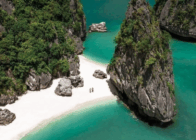
Covering more than 1,500 square kilometers in the Gulf of Tonkin, this seascape of over 1,600 limestone towers and islets remains the centerpiece of the Best Sightseeing in Vietnam.
Why Route Selection Matters: Classic Ha Long Bay showcases iconic formations like Sung Sot (Surprise) Cave and Ti Top Island, while adjacent Lan Ha Bay (surrounding Cat Ba Island) delivers identical vertical karst geometry with far fewer large vessels, cleaner swimming coves, and tranquil sea-kayaking lagoons.
Signature Sightseeing Highlights:
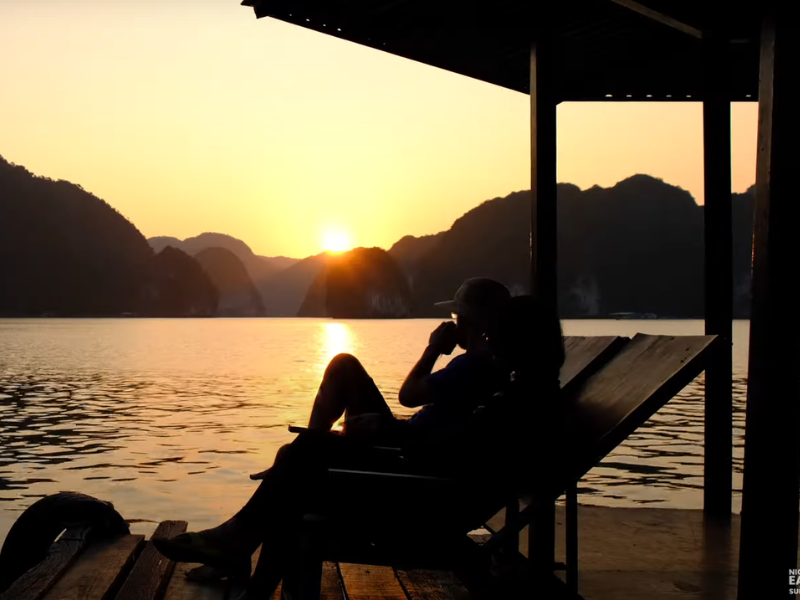
Dark & Bright Caves (Hang Sáng – Tối): Rowed by local bamboo sampans beneath low limestone arches into enclosed, cliff-walled saltwater lagoons.
Cua Van & Vung Vieng Floating Hamlets: Traditional aquaculture communities anchored inside sheltered karst basins.
Optimal Light & Viewing Window: Dawn (05:45 – 07:00 AM) when mist clings to karst bases, and late afternoon (16:30 – 18:00 PM) when low sun turns limestone faces warm amber.

2. Trang An Landscape Complex & Tam Coc, Ninh Binh (UNESCO Mixed Heritage)
Located 95 kilometers south of Hanoi, Ninh Binh fuses natural karst towers with ancient 10th-century royal history, earning its place near the top of the Best Sightseeing in Vietnam.
Trang An River Cave Circuit: Traditional wooden sampans glide along emerald waterways through up to nine consecutive subterranean limestone tunnels—some stretching over 300 meters—emerging into hidden temple valleys.
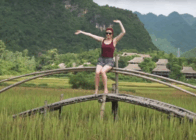
Hang Mua (Mua Cave) Dragon Ridge: A steep climb up 500 stone steps leads to a twin-peaked summit crowned by a stone dragon sculpture, offering a sweeping 360-degree panorama over Tam Coc’s winding Ngo Dong River and seasonal rice paddies.
Optimal Light & Viewing Window: Arrive at Hang Mua at 07:30 AM for soft morning sidelight before tour coaches reach the valley floor; schedule Trang An boating at 13:30 PM after midday lunch crowds disperse.

3. Phong Nha – Ke Bang National Park (UNESCO World Heritage)
Situated in central Quang Tri (formerly Quang Binh) province, this 400-million-year-old karst massif hides Earth’s largest cave systems and anchors adventure-focused lists of the Best Sightseeing in Vietnam.
Paradise Cave (Động Thiên Đường): A dry cavern stretching 31 kilometers underground, featuring a 1-kilometer wooden boardwalk illuminated to reveal cathedral-sized stalagmites and flowstone columns.
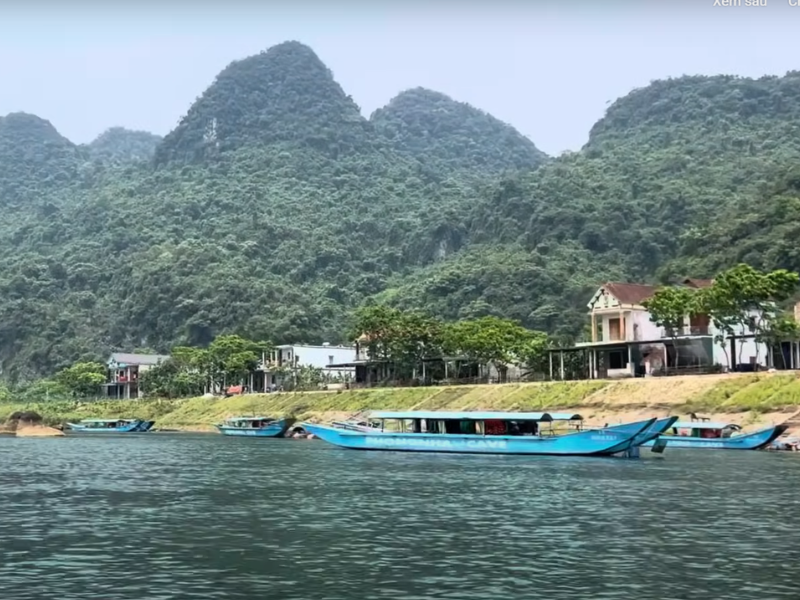
Phong Nha Wet Cave & Dark Cave: Accessed by wooden boat along the turquoise Son River, gliding directly into a towering cliff-face river mouth.
Son Doong & Hang En Expeditions: Multi-day guided treks into the world’s largest cave chamber by volume, complete with underground jungles and localized weather systems (requires booking 6–12 months ahead).
Archetype 2: Imperial Citadels & Sacred Heritage Complexes
For travelers drawn to architectural symmetry, spiritual tranquility, and dynastic storytelling, Vietnam’s cultural heritage sites provide unmatched historical depth.
4. Complex of Hue Monuments (UNESCO World Heritage)
Serving as Vietnam’s imperial capital under the Nguyen Dynasty (1802–1945), Hue anchors the historical core of the Best Sightseeing in Vietnam.
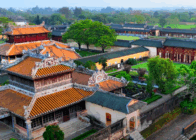
The Imperial Citadel (Đại Nội): A vast moated fortress modeled after Beijing’s Forbidden City, featuring the monumental Noon Gate (Ngọ Môn), Thai Hoa Palace, and restored royal theaters.
The Perfume River Royal Mausoleums:
Tomb of Emperor Tu Duc: A poetic retreat of pine-shaded lakes, lotus pavilions, and lakeside poetry reading halls designed by the emperor himself.
Tomb of Emperor Khai Dinh: A dramatic hillside monument blending traditional Vietnamese dragon staircases with French-influenced Neo-Gothic concrete reliefs and intricate glass-and-porcelain mosaics.
Thien Mu Pagoda: Hue’s iconic seven-story octagonal brick tower overlooking a broad bend of the Perfume River.

5. My Son Sanctuary (UNESCO World Heritage)
Tucked inside a lush, mountain-ringed valley 40 kilometers southwest of Hoi An, My Son preserves the spiritual heartland of the ancient Champa Kingdom (4th to 13th centuries).
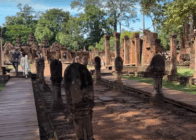
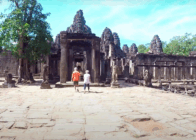
Architectural Significance: Dozens of red-brick Hindu temple towers (Kalan) dedicated to Shiva, constructed using an ancient resin-bonding technique without visible mortar, decorated with intricate sandstone apsara dancers and mythical Garudas.
Optimal Light & Viewing Window: Enter at 06:30 AM right as the gates open; early morning sunlight strikes the terracotta brickwork warmly through valley mist while birdsong fills the surrounding jungle.

6. Imperial Citadel of Thang Long & Temple of Literature, Hanoi
In the heart of northern Vietnam, two neighboring landmarks encapsulate over a millennium of statecraft and scholarship:
Temple of Literature (Văn Miếu): Built in 1070 as Vietnam’s first national university, showcasing five walled courtyards, the Well of Heavenly Clarity, and 82 stone doctoral stelae resting on carved stone tortoises.
Imperial Citadel of Thang Long (UNESCO World Heritage): Continuous seat of Vietnamese power for 13 centuries, featuring the monumental Doan Mon gate and active archaeological excavations revealing Ly, Tran, and Le dynasty palace foundations.
7. Yen Tu – Vinh Nghiem – Con Son, Kiep Bac Complex (UNESCO World Heritage)
Newly inscribed on the UNESCO World Heritage list in 2025, this sacred forested mountain range across Quang Ninh, Bac Ninh, and Hai Phong provinces represents the birthplace of Truc Lam Zen Buddhism.
Sightseeing Experience: Ascend through ancient bamboo and pine forests via cable car and stone pilgrim trails to the Bronze Pagoda (Chùa Đồng) perched atop Yen Tu’s 1,068-meter cloud-swept summit, passing centuries-old stupa gardens (Huệ Quang) along the way.

Archetype 3: Living Historic Ports & Colonial Streetscapes
Some of the Best Sightseeing in Vietnam happens at street level, where centuries-old architecture remains alive with local artisans, markets, and evening rituals.
8. Hoi An Ancient Town (UNESCO World Heritage)
Preserved intact from the 15th to 19th centuries when Japanese, Chinese, Indian, and European merchant ships anchored along the Thu Bon River, Hoi An offers unmatched atmospheric charm.
Architectural Landmarks:
Japanese Covered Bridge (Chùa Cầu): A 16th-century covered wooden bridge connecting historic Japanese and Chinese quarters.
Tan Ky & Phung Hung Merchant Houses: Two-story timber tube-houses displaying raised flood-level pulleys, mother-of-pearl inlaid columns, and yin-yang tiled roofs.
Fujian (Phúc Kiến) Assembly Hall: Ornate triple-arched entrance gates, giant hanging incense coils, and ceramic dragon fountains.
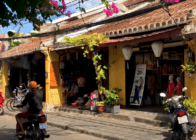
Optimal Light & Viewing Window: Walk the yellow ochre alleys at 06:30 AM when golden sunlight hits empty cobblestone lanes and morning market vendors, then return at 18:00 PM when thousands of silk lanterns glow along the riverfront.

9. Hanoi’s 36 Guild Streets & French Quarter
Hanoi’s urban core delivers a striking visual dialogue between medieval merchant guilds and 19th-century European boulevards:
The Old Quarter (Phố Cổ): Narrow “tube houses” organized historically by trade—Hàng Bạc (silver), Hàng Gai (silk), Hàng Mã (paper crafts)—centered around Hoan Kiem Lake and the scarlet wooden Huc Bridge.
The French Quarter: Broad tree-lined avenues anchored by the Neo-Baroque Hanoi Opera House, the Sofitel Legend Metropole, and St. Joseph’s Cathedral.
10. Ho Chi Minh City (Saigon) Heritage Core & Cholon
Vietnam’s southern metropolis pairs grand French-Indochinese civic monuments with vibrant Chinese-Vietnamese guild culture:
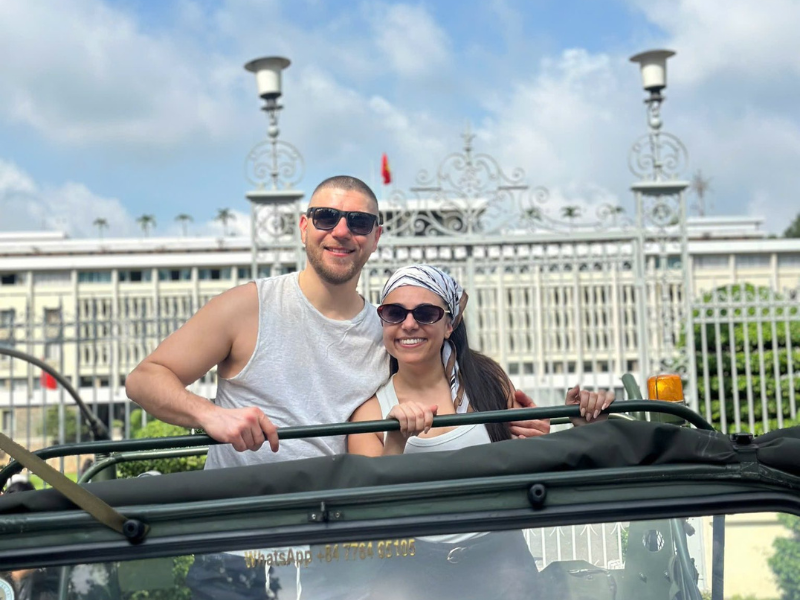
Colonial Civic Landmarks: The Saigon Central Post Office (featuring arched ironwork and historic Indochina maps), Notre-Dame Cathedral Basilica, and the modernist Independence Palace preserved exactly as it stood in April 1975.
Cholon (District 5): Atmospheric 18th-century Cantonese and Fujianese temples like Thien Hau Pagoda, where giant spiral incense cones fill timber-beamed courtyards with fragrant smoke.
Archetype 4: High-Altitude Terraces & Frontier Passes
In Vietnam’s far north, dramatic tectonic uplifts and centuries of ethnic minority agriculture create landscapes that rival the world’s finest mountain scenery.
11. Sapa & Mu Cang Chai Rice Terraces
Carved painstakingly into steep mountain slopes by Hmong, Dao, and Thai farming communities over generations, these stepped valleys redefine rural beauty within the Best Sightseeing in Vietnam.
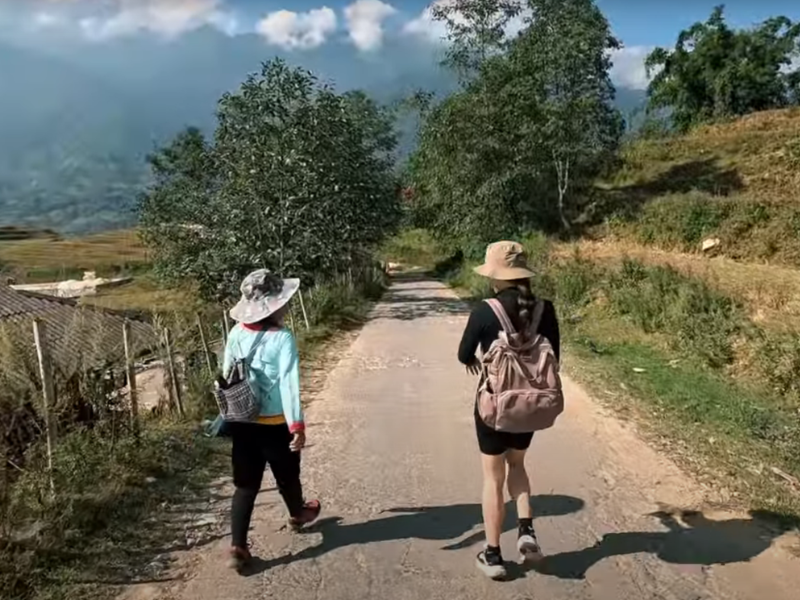
Muong Hoa Valley (Sapa): Framed by the Hoang Lien Son mountain range and Mount Fansipan (3,143 meters, the highest peak in Indochina), offering sweeping ridge walks between Lao Chai, Ta Van, and Hau Thao villages.
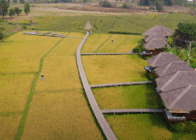
Mu Cang Chai (La Pan Tan & Che Cu Nha): Dramatic amphitheaters of terraced hills that transform into golden staircases every September and October prior to harvest.
12. Ha Giang Karst Plateau & Ma Pi Leng Pass
Designated a UNESCO Global Geopark, Vietnam’s northernmost frontier features jagged gray limestone peaks, deep river canyons, and winding cliffside roads.
Ma Pi Leng Pass: Often called the “King of Passes” in Vietnam, suspended high above the emerald Nho Que River carving through the Tu San Abyssal Canyon—the deepest gorge in Southeast Asia.
Dong Van Old Quarter & Hmong King’s Palace: Historic stone-walled frontier architecture blending Chinese and Hmong defensive craftsmanship.

Archetype 5: Coastal Wonders, River Deltas & Island Sanctuaries
Completing the Best Sightseeing in Vietnam requires stepping onto the water along central mountain passes and southern river basins.
13. Hai Van Pass, Marble Mountains & The Golden Bridge (Danang Corridor)
Between Hue and Hoi An lies a concentrated coastal showcase:
Hai Van Pass: A 21-kilometer mountain highway climbing 500 meters above the East Sea, offering sweeping views over Lang Co Lagoon to the north and Danang Bay to the south.
Marble Mountains (Ngũ Hành Sơn): Five limestone peaks rising out of coastal sands, concealing Huyen Khong Cave, where shafts of sunlight pierce cavern ceilings onto towering stone Buddha carvings.
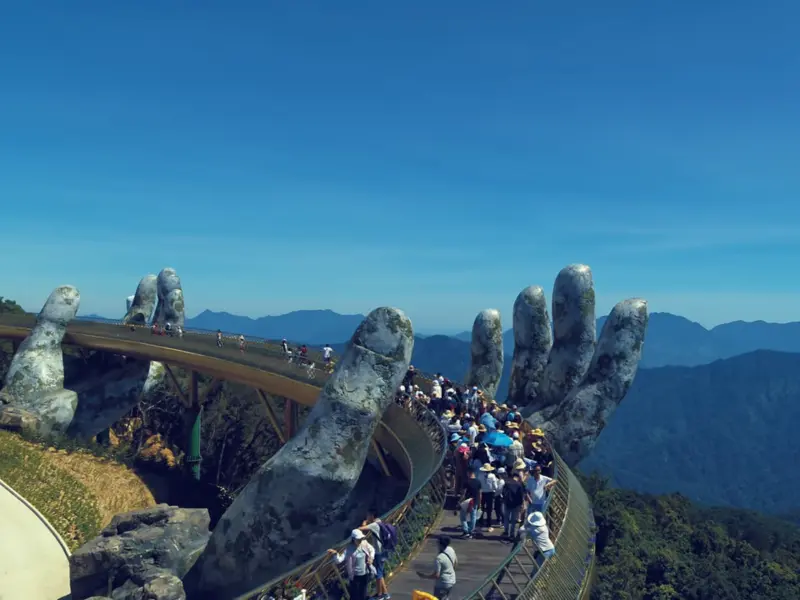
The Golden Bridge (Ba Na Hills): Suspended 1,487 meters above sea level, this 150-meter curved pedestrian walkway cradled by two giant weathered stone hands delivers striking cloud-level views on early-morning cable cars.

14. Mekong Delta Floating Markets & Ben Tre Canals
At the southern end of the Mekong River, nine tributaries fan out into a lush aquatic world:
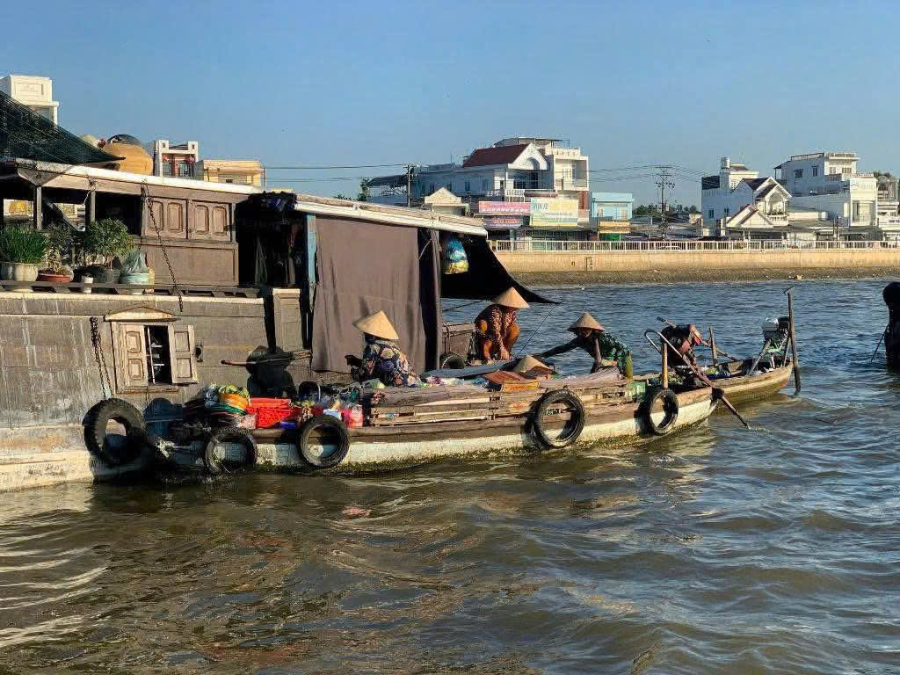
Cai Rang Floating Market (Can Tho): Hundreds of wooden cargo boats gather at dawn on the Hau River, displaying sample pineapples, melons, and yams atop tall bamboo poles (Cây Bẹo) to signal wholesale buyers.
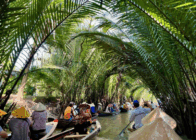
Ben Tre Water Coconut Tributaries: Narrow, palm-canopied creeks explored via small hand-rowed sampans, passing traditional brick kilns and tropical fruit orchards.
15. Phu Quoc Island & Con Dao Archipelago
For coastal sunsets and coral reefs at the southern edge of the Best Sightseeing in Vietnam:
Phu Quoc (An Thoi Archipelago): White-sand coves at Bai Sao, coastal cable cars spanning island islets, and clear-water snorkeling from November to April.
Con Dao Islands: Protected national park rainforests, dramatic coastal cliffs, and sea-turtle nesting beaches at Bay Canh Island.

Technical Sightseeing Comparison Matrix (2026)
Use this decision matrix to balance travel time, crowd levels, and optimal photography windows across the Best Sightseeing in Vietnam:
| Landmark / Destination | Visual Archetype | Ideal Duration | Best Arrival / Light Window | Peak Weather Months |
| Lan Ha & Ha Long Bay | Karst Seascape | 2 Days / 1 Night | Dawn (05:45) & Dusk (17:00) | October – April |
| Ninh Binh (Trang An & Mua) | Karst & Caves | 1 Full Day | 07:30 AM (Mua Peak) / 13:30 PM (Boat) | Oct – Apr & May (Golden Rice) |
| Phong Nha – Ke Bang | Subterranean Caves | 2 Days / 1 Night | Morning (08:00 – 11:00) | February – August |
| Hue Imperial Monuments | Imperial Heritage | 1 – 2 Days | Morning (08:00 – 10:30) | February – July |
| Hoi An Ancient Town | Living Historic Port | 2 – 3 Days | Dawn (06:30) & Lantern Dusk (18:00) | February – August |
| My Son Sanctuary | Sacred Cham Ruins | Half Day (Morning) | Gate Opening (06:30 – 08:30) | February – August |
| Sapa & Ha Giang Terraces | Alpine & Frontier | 3 – 4 Days | Sunrise & Late Afternoon | Sep – Oct (Gold) / May – Jun |
| Mekong Delta (Can Tho) | Tropical Waterways | 1 – 2 Days | Sunrise Market (05:30 – 07:30) | December – April |
Master Sightseeing Routes: 3 Pacing Blueprints
To experience the Best Sightseeing in Vietnam without rushed airport transfers, select one of three proven geographic circuits:
Route A: The 10-Day UNESCO Highlights Express (North to South)
Days 1–2 (Hanoi): Temple of Literature, Imperial Citadel of Thang Long, and Old Quarter guild walks.
Day 3 (Ninh Binh): Early climb up Hang Mua Peak followed by Trang An river cave sampan boating.
Days 4–5 (Lan Ha Bay): Overnight 5-star steel cruise with Dark & Bright Cave rowing and sea kayaking.
Days 6–8 (Hoi An & Hue): Flight to Danang; sunrise visit to My Son Sanctuary, lantern evening in Hoi An, scenic drive over Hai Van Pass to Hue’s Imperial Citadel and Tu Duc Tomb.
Days 9–10 (Saigon & Mekong Delta): Flight to Ho Chi Minh City; colonial landmarks walk and Ben Tre palm-canal sampan excursion before departure.
Route B: The 14-Day Photographer’s & Nature Explorer’s Grand Loop
Days 1–4 (Hanoi & Sapa / Mu Cang Chai): Capital heritage plus high-altitude rice terrace ridge walks.
Days 5–7 (Ninh Binh & Lan Ha Bay): Inland karst caves paired with overnight marine karst cruising.
Days 8–11 (Phong Nha Caves, Hue & Hoi An): Paradise Cave boardwalks, imperial mausoleums, Hai Van Pass, and Hoi An ancient port.
Days 12–14 (Can Tho Floating Market & Saigon): Early-morning Cai Rang floating market boat tour and Saigon heritage before departure.
Route C: The 7-Day Central Heritage & Cave Kingdom Focus
Days 1–2 (Phong Nha – Ke Bang): Explore Paradise Cave and river-mouth Phong Nha Cave.
Days 3–4 (Hue Imperial Capital): Explore the Forbidden Purple City, Khai Dinh Tomb, and Perfume River pagodas.
Days 5–7 (Hai Van Pass, Marble Mountains & Hoi An): Coastal mountain pass drive, Marble Mountains sunlit caverns, My Son Sanctuary, and Hoi An lantern evenings.
4 Field Tactics to Beat Crowds at Iconic Landmarks
Even the Best Sightseeing in Vietnam loses its magic if you arrive simultaneously with dozens of large tour buses. Apply these four timing rules:
Enforce the “Gate-Opening Rule” at Heritage Sites: At My Son Sanctuary (06:30 AM), Ba Na Hills Golden Bridge (07:00 AM first cable car), and Hang Mua Peak (07:30 AM), arriving at opening hour gives you cool air, soft directional light, and unobstructed sightlines before group tours arrive at 09:30 AM.
Stay Overnight Inside Heritage Towns & Bays: Day-trippers flood Hoi An and Ha Long Bay between 10:30 AM and 04:00 PM. Staying overnight in a Hoi An heritage boutique hotel or aboard a Lan Ha Bay cruise lets you experience both destinations in peaceful dawn and twilight hours.
Invert Standard Day-Trip Sequences: In Ninh Binh, climb Hang Mua Peak first at 08:00 AM while valley mist is lifting, then board Trang An sampans after 01:30 PM when morning bus groups have departed for lunch.
Use Private Chauffeured Cars Over Fixed Buses: Traveling via private DCar Limousine or SUV lets you pause spontaneously at scenic viewpoints along the Hai Van Pass or rural rice valleys whenever light breaks through the clouds.
Practical Entry & Logistics Essentials
Electronic Visa (e-Visa): Most international travelers qualify for Vietnam’s 90-day Single or Multiple-Entry e-Visa via the official government portal (
evisa.gov.vn). Apply 10–14 days prior to arrival and verify that your passport holds at least 6 months of validity.Temple & Heritage Dress Code: Cover shoulders and knees when entering imperial palaces, pagodas, and mausoleums (Hue Citadel, Temple of Literature, Thien Mu Pagoda). Carry a lightweight scarf or linen overshirt in your daypack.
Smart Domestic Flight Hops: Use direct 75-minute flights between Hanoi (HAN), Danang (DAD), Hue (HUI), and Ho Chi Minh City (SGN) to preserve daylight hours for sightseeing rather than long overland highway transfers.

Frequently Asked Questions (FAQ)
Q1: What are the top 3 landmarks for the Best Sightseeing in Vietnam?
A: For first-time visitors, the essential trio combines Lan Ha / Ha Long Bay (for towering marine karst scenery), Hoi An Ancient Town (for preserved 15th-century lantern-lit port architecture), and Ninh Binh’s Trang An & Hang Mua (for flooded limestone valleys and subterranean river caves).
Q2: How many UNESCO World Heritage sites can I realistically see in one trip?
A: On a well-paced 10 to 12-day North-to-South itinerary, you can comfortably experience five UNESCO World Heritage sites: Imperial Citadel of Thang Long (Hanoi), Trang An Landscape Complex (Ninh Binh), Ha Long Bay–Cat Ba Archipelago, Complex of Hue Monuments, and Hoi An Ancient Town.
Q3: Which months offer the clearest skies for sightseeing across Vietnam?
A: March and April offer the most consistent dry, sunny weather across North, Central, and South Vietnam simultaneously. October and November are unbeatable for Northern Vietnam (Hanoi, Sapa, Ha Long Bay) and Southern Vietnam, though Central Vietnam experiences autumn rainfall during those two months.
Visual Curation Scorecard: Build Your Custom Sightseeing Route
Before finalizing your itinerary, score each visual archetype from 1 to 5 based on what excites you most—your top two categories will define your ideal route:
[ ] Karst Seascapes & River Caves: (Ha Long / Lan Ha Bay, Ninh Binh, Phong Nha) — Best for dramatic geological scale, boat exploration, and kayaking.
[ ] Imperial Palaces & Ancient Temples: (Hue Citadel, My Son Sanctuary, Hanoi Temple of Literature) — Best for royal history, dynastic architecture, and sacred serenity.
[ ] Living Historic Towns & Streetscapes: (Hoi An Ancient Town, Hanoi Old Quarter, Saigon) — Best for evening ambiance, photography, architecture, and street food.
[ ] High-Altitude Mountains & Terraces: (Sapa, Mu Cang Chai, Ha Giang) — Best for epic road passes, rice terrace panoramas, and ethnic minority culture.
[ ] Tropical Rivers & Island Beaches: (Mekong Delta Floating Markets, Phu Quoc, Con Dao) — Best for slow-paced river life, tropical orchards, and coastal relaxation.
At Saola Tours, our route architects translate your sightseeing priorities into a 100% private, crowd-bypassing itinerary—pairing handpicked boutique hotels, 5-star Lan Ha Bay balcony cruises, licensed local storytellers, and executive chauffeured DCar Limousines backed by 24/7 ground support.
➡️ Share your top sightseeing priorities with Saola Tours to receive a custom, itemized itinerary proposal engineered around optimal light and weather windows!
Vietnam Tours Guide: The Ultimate Insider Travel Blueprint
Top 5 Unforgettable Vietnam Honeymoon Packages for 2026
15 Best Things to Do in Vietnam: Ultimate 2026 Travel Guide
10 Days in Vietnam: The Ultimate Editorial Route & Travel Guide
The Ultimate Guide: How to Choose the Perfect Tour Company for Discovering Vietnam