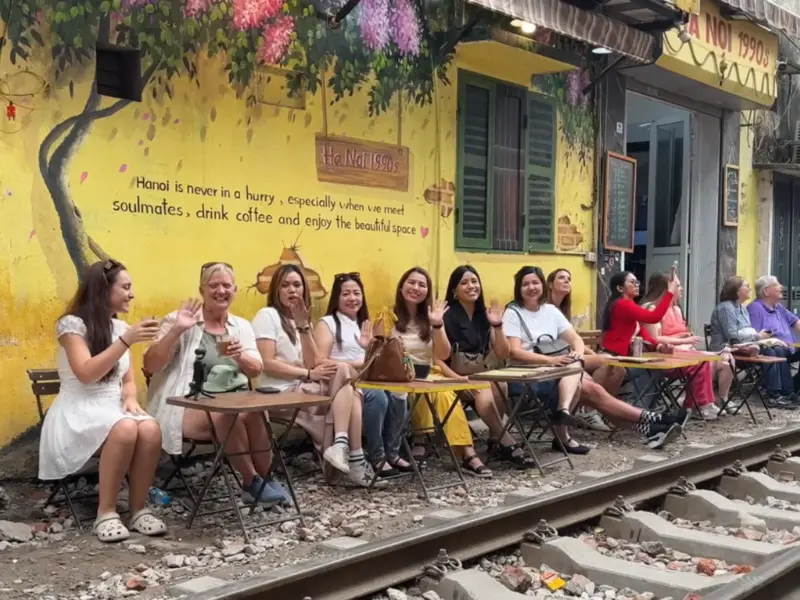
Planning the best trip to vietnam requires a careful balance between exploring ancient cultural landmarks, navigating breathtaking natural scenery, and indulging in world-renowned culinary delights. Vietnam stretches over 1,600 kilometers from north to south, featuring three distinct geographic and climatic zones. Because of this diverse landscape, mapping out your journey demands careful organization to ensure you catch every highlight without spending your entire vacation in transit.
Whether you are a solo traveler seeking backpacking adventures, a couple looking for a romantic escape, or a family planning a multi-generational holiday, this comprehensive guide covers everything you need to execute the best trip to vietnam. From ideal travel seasons to day-by-day itineraries, transportation hacks, and local food guides, we have compiled all the insider knowledge required for a seamless travel experience in 2026.
1. Planning Your Best Trip to Vietnam: Weather & Seasons
Understanding the local weather patterns is the first step when designing the best trip to vietnam. Unlike smaller tropical countries, Vietnam experiences vastly different climates across its northern, central, and southern regions at any given time of the year.
       NORTHERN VIETNAM
    (Hanoi, Ha Long, Sapa)
  Cool Winters / Warm Summers
      │
      ▼
       CENTRAL VIETNAM
   (Hue, Hoi An, Da Nang)
  Hot Dry Season / Fall Rains
      │
      ▼
       SOUTHERN VIETNAM
  (Ho Chi Minh, Mekong, Phu Quoc)
  Tropical Wet & Dry Seasons
Northern Vietnam Climate (Hanoi, Ha Long Bay, Sapa, Ha Giang)
Northern Vietnam experiences four traditional seasons. Winter runs from December to February, bringing cool and occasionally misty weather with temperatures dropping below 10°C (50°F) in mountainous areas like Sapa. Summer spans from May to August, characterized by hot, humid conditions and sporadic monsoon downpours.
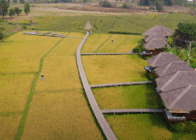
Best Window: September to November (Autumn) offers clear skies, pleasant temperatures, and golden rice terraces. March to April (Spring) provides warm weather and blossoming flora.
Central Vietnam Climate (Hue, Hoi An, Da Nang, Phong Nha)
Central Vietnam features a dry season and a wet season. The region is sheltered by the Annamite Range, protecting it from the southwest monsoon that affects the rest of the country during summer.
Best Window: February to August delivers abundant sunshine, warm ocean temperatures, and low humidity—ideal for beach lovers. Avoid October to November due to heavy rains and occasional typhoons.
Southern Vietnam Climate (Ho Chi Minh City, Mekong Delta, Phu Quoc Island)
Southern Vietnam enjoys a tropical climate with fairly consistent year-round temperatures averaging 27°C to 32°C (80°F to 90°F). The year is split into two distinct seasons: dry (December to April) and wet (May to November).
Best Window: December to April guarantees dry, sunny days with low humidity, creating ideal conditions for island hopping and river cruising.

Vietnam Climate Overview Table
If your goal is to experience the best trip to vietnam by traveling across all three regions in a single journey, the overall sweet spots are March to April or September to November.
2. The Classic 14-Day Route: North to South
For first-time visitors, executing the best trip to vietnam involves starting in the historic northern capital of Hanoi and traveling southward to the bustling southern metropolis of Ho Chi Minh City. This 14-day itinerary ensures you cover the nation’s key historical landmarks, UNESCO sites, and cultural hubs.
Days 1–3: Historic Charm and Street Life in Hanoi
Your quest for the best trip to vietnam begins in Hanoi, a city of over a thousand years of history where ancient Asian traditions fuse with French colonial heritage.
Hanoi Arrival ➔ Old Quarter Walk ➔ Temple of Literature ➔ Food Tour ➔ Train Street
Day 1: Arrival & The Old Quarter
After landing at Noi Bai International Airport (HAN), take a private transfer or the Express Bus 86 into the city center. Settle into your hotel within the bustling Old Quarter. Spend your afternoon wandering through the maze of 36 ancient streets, each historically dedicated to a specific craft or trade.
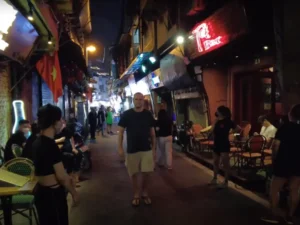
In the evening, stroll around Hoan Kiem Lake, visit the picturesque Ngoc Son Temple perched on a tiny island, and attend an authentic performance at the Thang Long Water Puppet Theatre.
Day 2: Cultural Exploration & Historic Landmarks
Start your day early with a visit to the Ho Chi Minh Mausoleum complex, where you can pay respects to Vietnam’s founding father, view the Presidential Palace, and admire the One Pillar Pagoda. Next, head to the historic Temple of Literature (Van Mieu), built in 1070 as Vietnam’s first national university.
In the afternoon, explore the Imperial Citadel of Thang Long or dive into aviation history at the Hoa Lo Prison Museum (historically nicknamed the “Hanoi Hilton”). Conclude your evening with an organized street food walking tour to sample local specialties like Bun Cha (grilled pork with rice noodles) and Banh Cuon (steamed rice rolls).
Day 3: Coffee Culture & Evening Departure Preparation
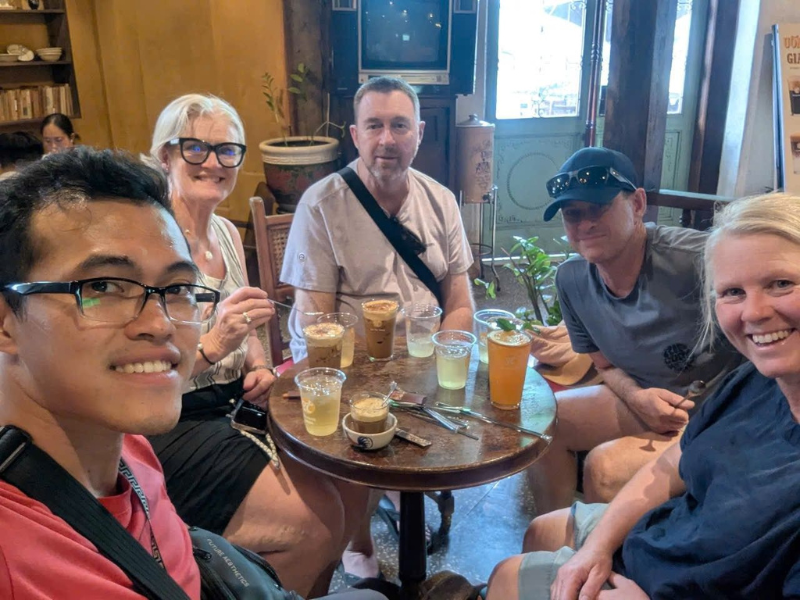
Spend your morning savoring Hanoi’s world-famous coffee culture. Visit a cozy cafe overlooking the Hanoi Train Street to try Ca Phe Trung (whipped egg yolk coffee) or Ca Phe Muoi (salted cream coffee). Dedicate the afternoon to browsing artisan craft shops, purchasing handmade silk items, or visiting the Vietnam Museum of Ethnology to learn about the country’s 54 distinct ethnic groups.
Days 4–5: Cruising Through Ha Long Bay & Lan Ha Bay
No journey aiming to be the best trip to vietnam is complete without witnessing the emerald waters and limestone karsts of Ha Long Bay.
Day 4: Departure to Ha Long & Boarding the Cruise
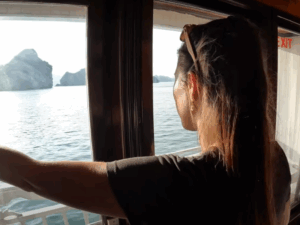
Depart Hanoi early in the morning via luxury limousine bus for the 2.5-hour highway drive to Tuan Chau Port or Got Pier. Board your chosen overnight cruise ship—many premium operators now sail through Lan Ha Bay or Bai Tu Long Bay, which offer quieter, less crowded alternatives to central Ha Long Bay while boasting identical karst landscapes.
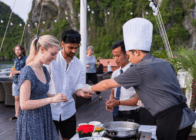
Enjoy a welcome drink and a seafood lunch as your vessel glides past iconic limestone islets. In the afternoon, participate in organized excursion options: kayak through hidden sea caves, swim in secluded lagoons, or climb up Titov Island for panoramic views of the bay. In the evening, relax on the sun deck, join a Vietnamese cooking demonstration, and try your hand at nighttime squid fishing.
Day 5: Morning Mist & Return to Hanoi
Wake up early for a rejuvenating Tai Chi lesson on the sun deck as the sun rises over the limestone karsts. After a light breakfast, explore Sung Sot (Surprise) Cave, one of the largest and most impressive caverns in the region. Return to the cruise ship for brunch while sailing back to the harbor. Disembark around noon and take your transfer directly to Hanoi’s Noi Bai Airport for a short domestic flight south to Hue.
Days 6–7: Royal History in Hue & The Scenic Hai Van Pass
Step back in time as you enter Hue, the ancient imperial capital of the Nguyen Dynasty (1802–1945).
Day 6: The Imperial City & Royal Tombs
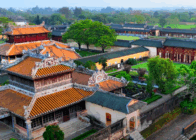
Begin your morning exploring the expansive Hue Citadel and the Forbidden Purple City, which mirror the design of Beijing’s Forbidden City. Walk through grand gateways, intricate palaces, and quiet gardens that reflect the ceremonial life of Vietnam’s last monarchy.
In the afternoon, take a dragon boat ride along the Perfume River (Song Huong) to visit the iconic seven-story Thien Mu Pagoda. Afterward, hire a driver to visit the elaborate royal tombs. The Tomb of Emperor Khai Dinh presents a blend of European Gothic and Vietnamese art, while the Tomb of Emperor Tu Duc features classical pavilions set around a tranquil lily-covered lake.
Day 7: Over the Hai Van Pass to Hoi An
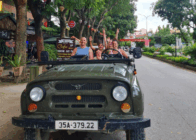
Rather than taking a train or quick highway route, organize a private car or open-top Jeep to travel from Hue to Hoi An via the historic Hai Van Pass (“Ocean Cloud Pass”).
Hue ➔ Lap An Lagoon ➔ Hai Van Pass Summit ➔ Da Nang Marble Mountains ➔ Hoi An
This 21-kilometer coastal mountain pass offers views of sweeping beaches, lush jungles, and the East Sea. En route, stop at Lap An Lagoon for fresh oysters and explore the Marble Mountains near Da Nang before arriving in the lantern-lit town of Hoi An by late afternoon.
Days 8–10: Hoi An Ancient Town & Coastal Relaxation
Hoi An’s UNESCO World Heritage Ancient Town is widely regarded as a highlight of the best trip to vietnam. Once a major trading port between the 15th and 19th centuries, its preserved yellow architecture reflects a mix of local, Japanese, Chinese, and European influences.
Day 8: Walking Tour & Custom Tailoring
Spend your morning on a guided walking tour through Hoi An Ancient Town. Key stops include the 400-year-old Japanese Covered Bridge, the ornate Assembly Hall of the Fujian Chinese Congregation, and historic merchant residences like the Tan Ky House.
Hoi An is world-famous for its rapid tailor shops. Stop by a local workshop in the morning to get custom suits, dresses, or leather shoes measured—most tailors can complete high-quality garments within 24 to 36 hours. In the evening, watch the old town transform as thousands of colorful silk lanterns illuminate the streets. Board a small wooden boat on the Thu Bon River to launch a floating paper lantern for good fortune.

Day 9: Countryside Farming & An Bang Beach
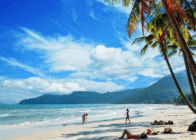
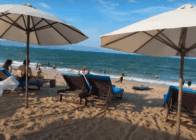
Rent a bicycle or motor scooter to explore the peaceful rural outskirts of Hoi An. Ride through green paddy fields to Tra Que Vegetable Village, where you can learn traditional organic farming techniques from local families. Afterward, continue cycling to An Bang Beach, located just 4 kilometers from the town center. Spend your afternoon relaxing at beachside lounges, swimming in the warm sea, and enjoying fresh grilled seafood.
Day 10: Day Trip to Ba Na Hills or My Son Sanctuary
Tailor your tenth day based on your travel style:
For History & Culture Enthusiasts: Take a morning tour to My Son Sanctuary, a cluster of partially ruined Hindu temples constructed between the 4th and 14th centuries by the kings of Champa.
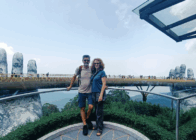
For Scenic Views & Photography: Visit Ba Na Hills near Da Nang to ride one of the world’s longest single-wire cable cars and walk across the famous Golden Bridge—the iconic walkway held up by two giant stone hands.
In the evening, take a short transfer to Da Nang International Airport (DAD) and board a 1-hour flight to Ho Chi Minh City.
Days 11–12: Energetic Metropolis of Ho Chi Minh City
Formerly known as Saigon, Ho Chi Minh City is Vietnam’s economic engine—a high-energy city where modern skyscrapers stand alongside French colonial buildings and traditional street markets.
Day 11: Architectural Landmarks & Wartime History
Start your morning in District 1 visiting iconic architectural landmarks built during the French colonial era:
Saigon Central Post Office: Designed by Gustave Eiffel’s firm, featuring vaulted ceilings and historic maps.
Notre-Dame Cathedral Basilica of Saigon: A red-brick landmark constructed with materials imported entirely from France.
Independence Palace (Reunification Palace): The preserved seat of government of South Vietnam during the Vietnam War, featuring 1970s architecture and underground war rooms.
In the afternoon, visit the War Remnants Museum, which offers a sobering, detailed look at the conflicts of the 20th century through photojournalism and military equipment. Spend your night enjoying craft beer bars or panoramic views from a rooftop lounge atop the Bitexco Financial Tower or landmark hotels along the Saigon River.
Day 12: The Underground Network of the Cu Chi Tunnels
Take a half-day morning excursion to theCu Chi Tunnels, located roughly 70 kilometers northwest of the city center. This complex 250-kilometer underground network was dug by hand by the Viet Cong during the war, serving as living quarters, supply routes, hospitals, and command centers.
Ho Chi Minh City ➔ Speedboat / Bus to Cu Chi ➔ Tunnel Exploration ➔ Return to Saigon
Guided tours demonstrate how guerrillas navigated the narrow passages, set booby traps, and maintained hidden ventilation shafts. You can even crawl through a broadened section of the tunnels to experience the conditions firsthand. Return to Saigon by mid-afternoon for souvenir shopping at Ben Thanh Market or luxury shopping along Dong Khoi Street.
Days 13–14: The Waterways of the Mekong Delta & Departure
Conclude your best trip to vietnam by immersing yourself in the water-centric lifestyle of the Mekong Delta, known locally as the “Rice Bowl of Vietnam.”
Day 13: Exploring Ben Tre or My Tho Canals
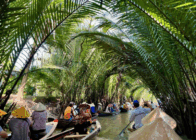
Travel 2 hours south of Saigon to Ben Tre Province, famous for its coconut groves and winding waterways. Board a traditional wooden sampan to row through narrow, jungle-shaded canals lined with nipa palms.
Along the way, visit small family workshops producing coconut candy, rice paper, and woven mats. Enjoy a lunch of local specialties, such as Ca Tai Tuong (Elephant Ear Fish) served crispy and wrapped in fresh rice paper rolls with local herbs. Overnight at a boutique riverside resort or eco-lodge along the Mekong River.
Day 14: Morning Floating Market & Departure
Wake early to visit a local floating market, such as Cai Rang near Can Tho, where vendors sell fresh fruits, vegetables, and hot noodle soups directly from their boats. Witness the lively river trade as morning light reflects across the water.
Return to Ho Chi Minh City by private car in the afternoon, giving yourself plenty of time to head to Tan Son Nhat International Airport (SGN) for your return flight home.

3. Off-The-Beaten-Path Additions for Extended Trips
If you have 3 weeks or want to tailor your itinerary for unique landscapes, adding these secondary destinations will elevate your experience into the best trip to vietnam imaginable.
                  ┌──► Ha Giang (Motorbike Loop)
                  ├──► Sapa (Rice Terraces & Trekking)
REGIONAL EXTENSIONS ┼──► Phong Nha-Ke Bang (World's Largest Caves)
                  ├──► Quy Nhon & Phu Yen (Uncrowded Beaches)
                  └──► Phu Quoc Island (Tropical Resort Escape)
Ha Giang Province (The Ultimate Northern Loop)
Located on the far northern border with China, Ha Giang offers mountain scenery featuring jagged limestone peaks, deep canyons, and winding passes like the Ma Pi Leng Pass. Renting a scooter or hiring an “Easy Rider” driver for the 3- to 4-day Ha Giang Loop is an unforgettable option for adventure travelers.
Sapa (Highland Trekking & Homestays)
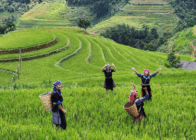
Nestled high in the Hoang Lien Son mountains beneath Fansipan Peak (Indochina’s highest mountain), Sapa is famous for its terraced rice paddies and minority hill tribes (such as the Hmong and Dao communities). Multi-day trekking tours offer opportunities to stay in local village homestays and learn about indigenous mountain cultures.
Phong Nha-Ke Bang National Park (Cave Exploration)
A UNESCO World Heritage site in Central Vietnam, Phong Nha is home to the oldest karst mountains in Asia and hundreds of massive cave systems. It hosts Son Doong, recognized as the world’s largest cave by volume, as well as accessible caves like Paradise Cave and Phong Nha Cave.
Phu Quoc Island (Tropical Beach Paradise)
Located in the Gulf of Thailand off the southern coast, Phu Quoc features white-sand beaches, luxury resorts, and dense national parkland. It is the perfect place to wrap up an active journey across Vietnam with a few days of seaside relaxation.
4. Vietnam Travel Budget & Expense Breakdown
A key advantage of planning the best trip to vietnam is the country’s high travel value. Vietnam easily accommodates budget backpackers, mid-range cultural travelers, and luxury resort guests alike.
Daily Travel Expenses Overview (USD)
Expected Costs for Popular Activities
Ha Long Bay Luxury Overnight Cruise (2D1N): $150 – $350 per person (includes meals and excursions).
Cu Chi Tunnels Guided Tour: $20 – $45 per person.
Street Food Walking Tour (Hanoi/Saigon): $25 – $40 per person.
Tailored Suit in Hoi An: $120 – $300 depending on fabric selection.
Domestic Flight (e.g., Hanoi to Hue): $40 – $90 one-way.
5. Authentic Culinary Guide: What & Where to Eat
Food is an indispensable part of the best trip to vietnam. Vietnamese cuisine balances five fundamental elements: spicy, sour, bitter, salty, and sweet. Fresh herbs, minimal oil, and complex broths are signatures of the local food scene.
       NORTHERN CUISINE
   (Subtle, Savory, Balanced)
    Pho Bo ∙ Bun Cha ∙ Egg Coffee
     │
     ▼
       CENTRAL CUISINE
    (Bold, Spicy, Complex)
  Bun Bo Hue ∙ Mi Quang ∙ Cao Lau
     │
     ▼
       SOUTHERN CUISINE
     (Sweet, Fresh, Herbal)
  Banh Mi ∙ Banh Xeo ∙ Hu Tieu
Iconic Dishes to Try
1. Pho (Beef or Chicken Noodle Soup)
Vietnam’s national dish consists of flat rice noodles in a fragrant broth simmered for hours with cinnamon, star anise, cardamon, and charred ginger.
Northern Style (Pho Bac): Simpler broth, wider noodles, topped with green onion and fresh chili.
Southern Style (Pho Nam): Richer, slightly sweeter broth served with bean sprouts, fresh basil, saw-tooth herb, and hoisin sauce.
2. Bun Cha (Hanoi Grilled Pork Noodles)
Pork patties and seasoned pork belly grilled over glowing charcoal, served floating in a bowl of warm, diluted fish sauce with green papaya slices, rice vermicelli, and a platter of fresh herbs.

3. Banh Mi (Vietnamese Baguette)
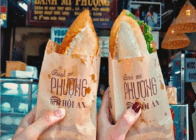
A legacy of French colonial influence adapted into a local street food classic. A light, airy baguette with a crispy crust is filled with savory pate, cold cuts, grilled meats, pickled daikon and carrots, cucumber slices, cilantro, and fresh chili.
4. Cao Lau (Hoi An Noodle Specialty)
Unique to Hoi An, this dish features chewy noodles soaked in lye water made from local wood ash, topped with sliced braised pork (char siu), crisp greens, bean sprouts, and crunchy fried noodle croutons.
5. Bun Bo Hue (Spicy Imperial Beef Noodles)
Originating from the royal city of Hue, this soup features thick cylindrical rice noodles in a rich, spicy broth seasoned with lemongrass, fermented shrimp paste, and chili oil, served with beef shank, crab balls, and pork knuckle.
6. Banh Xeo (Crispy Savory Pancake)
A golden, crispy crepe made from rice flour, turmeric powder, and coconut milk, stuffed with pork slices, shrimp, bean sprouts, and scallions. Wrap pieces of the pancake in fresh lettuce leaves with herbs and dip into sweet-and-sour nuoc cham sauce.
6. Transportation Tips Within Vietnam
Navigating between cities smoothly ensures your journey remains stress-free.
    DISTANCE / ROUTE                    RECOMMENDED TRANSPORT
─────────────────────────           ─────────────────────────────
Long Distance (> 500 km)   ──────►  Domestic Flights (Vietnam Airlines, VietJet)
Medium Distance (200-500 km) ────►  Reunification Express Sleeper Train
Short Regional Travel      ──────►  Limousine Van / Private Car
City Transportation        ──────►  Grab App / Ride-Hailing Ride
Domestic Airlines
Vietnam has a well-developed domestic air network. Vietnam Airlines offers full-service flights with baggage included, while budget carriers like VietJet Air and Bamboo Airways offer low-cost routes connecting major hubs (Hanoi, Ho Chi Minh City, Da Nang, Phu Quoc, Nha Trang, Hue).
Train Travel (Reunification Express)
The national railway line links Hanoi and Ho Chi Minh City, winding past coastline and countryside. Sleeper trains (4-berth soft sleeper cabins) are a comfortable, scenic, and nostalgic way to cover medium distances, such as the overnight journey between Hanoi and Hue or Da Nang.
Limousine Buses & Private Cars
For trips between neighboring provinces (e.g., Hanoi to Ha Long Bay or Saigon to Ben Tre), modern 9-seat “Limousine Vans” feature plush leather seats, Wi-Fi, and USB ports. Private car rentals with professional drivers are also widely available at reasonable rates.
Urban Travel & Ride-Hailing Apps
Avoid flagging unmetered taxis on the street. Instead, download the Grab app (Southeast Asia’s equivalent to Uber) or local alternatives like Gojek or Xanh SM (electric vehicle taxis). These apps provide transparent, fixed upfront pricing for both cars and motorbikes.

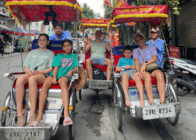
Ride through local villages, hidden alleys, and historic landmarks on an authentic Hanoi cycling tour.
7. Practical Travel Tips & Essential Checklist
Keep these essential tips in mind to ensure your journey runs smoothly from day one:
Visa & Entry Requirements
E-Visa System: Travelers from over 80 countries can apply online for an official Vietnam E-Visa, valid for single or multiple entries up to 90 days. Always apply through the official government portal (
evisa.gov.vn) at least 7 to 10 days before your departure.Passport Validity: Ensure your passport has at least 6 months of validity remaining from your planned entry date and has at least two blank pages available.
Currency, Money & Tipping
Local Currency: The local currency is the Vietnamese Dong (VND). The exchange rate fluctuates around 24,000 to 25,000 VND per 1 USD.
Cash vs. Card: Credit cards (Visa and Mastercard) are widely accepted in hotels, upscale restaurants, and major shops. However, cash is essential for street food stalls, local markets, taxi rides, and small rural vendors.
ATMs: ATMs are abundant across cities. Notify your home bank before traveling to prevent your card from being flagged for foreign transactions.
Tipping Culture: Tipping is not traditionally expected in everyday local eateries, but it is appreciated in tourism hubs. Tipping cruise crews, private tour guides, and spa therapists is customary.
Connectivity & SIM Cards
You can buy an e-SIM online before arrival or pick up a physical local SIM card at international airports in Hanoi, Da Nang, or Ho Chi Minh City. Major reliable telecommunications networks include Viettel, Vinaphone, and Mobifone. Data packages are fast and affordable (typically under $10–$15 USD for unlimited monthly data).
Health, Safety & Cultural Etiquette
Tap Water: Do not drink untreated tap water. Use bottled, filtered, or boiled water even when brushing your teeth.
Dressing Appropriately: When visiting religious sites, temples, or historic mausoleums, cover your shoulders and knees. Remove your shoes and hat before entering temple halls.
Cross the Street Safely: Traffic in major cities like Hanoi and Saigon can feel overwhelming. When crossing streets packed with motorbikes, walk at a steady, predictable pace, look driver-side, and avoid sudden stops or step-backs so riders can navigate around you smoothly.
Frequently Asked Questions (FAQ)
How many days are recommended for the best trip to vietnam?
A period of 10 to 14 days is ideal for first-time visitors to cover the major highlights across the Northern, Central, and Southern regions. If you have 3 weeks (21 days), you can add off-the-beaten-path regions like Ha Giang, Sapa, or Phu Quoc Island without feeling rushed.
Is Vietnam safe for solo travelers and families?
Yes, Vietnam is rated as one of the safest destinations in Southeast Asia. Violent crime rates are extremely low. Standard precautions apply: guard against petty bag-snatching or phone-snatching in busy metropolitan streets, keep an eye on your belongings, and use reputable ride-hailing apps.
What is the best way to travel between Northern and Southern Vietnam?
Domestic flights are the fastest and most cost-effective method for traveling long distances (e.g., Hanoi to Da Nang or Da Nang to Ho Chi Minh City). Flight times average between 1 and 1.5 hours, saving you considerable time compared to overland travel.
Do I need to learn Vietnamese to travel comfortably?
While learning basic greetings like “Xin chào” (Hello) and “Cảm ơn” (Thank you) is appreciated by locals, English is widely spoken in hotels, restaurants, tour agencies, and major tourist spots throughout Vietnam. Using Google Translate can bridge any communication gap in remote areas.
Conclusion: Ready for Your Best Trip to Vietnam?
Executing the best trip to vietnam comes down to thoughtful planning, embracing local customs, and maintaining an adventurous spirit. From the limestone karsts of Ha Long Bay and the lantern-lit streets of Hoi An to the energetic avenues of Ho Chi Minh City, Vietnam delivers a rich blend of history, stunning natural beauty, and unforgettable culinary experiences.
By using this 14-day guide, you are ready to craft a well-paced itinerary tailored to your budget and travel preferences. Apply for your E-visa, pack your bags, and get ready to experience the best trip to vietnam in 2026!
Vietnam Tours Guide: The Ultimate Insider Travel Blueprint
Top 5 Unforgettable Vietnam Honeymoon Packages for 2026
The Ultimate Guide: How to Choose the Perfect Tour Company for Discovering Vietnam
10 Days in Vietnam: The Ultimate Editorial Route & Travel Guide