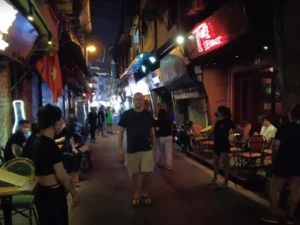
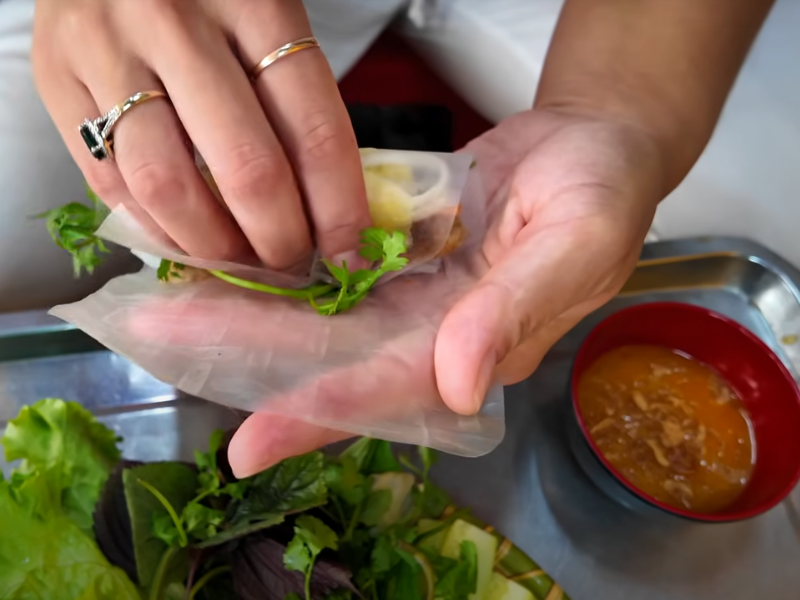
For international travelers crossing oceans from the US, UK, or Australia, visiting Vietnam is as much a culinary pilgrimage as it is a historical adventure. Anthony Bourdain famously described his first trip to Vietnam as “life-changing,” declaring the street food culture here to be one of the world’s absolute triumphs. On any given evening, the narrow sidewalks of Hanoi, Hue, Hoi An, and Saigon transform into vibrant, open-air dining rooms where decades-old family recipes are spooned into steaming bowls over low plastic stools.
However, selecting the best Vietnam street food tour involves far more than simply finding a local guide with a high review count. For Western palates, diving into this sensory wonderland triggers critical anxieties: How do I avoid foodborne illnesses (“Saigon Belly”)? How do I navigate severe peanut or gluten allergies when Vietnamese is not my native language? And how do I differentiate between authentic culinary legends and manufactured tourist traps?
This master-level, definitive guide analyzes what truly makes a street food tour exceptional, breaks down the country’s three distinct regional flavor profiles, and details the essential safety, cultural, and technical logistics required to experience Vietnam’s streets safely and deliciously in 2026.
The Sidewalk Kingdom: Why Street Food in Vietnam is a World-Class Phenomenon
To understand why a street food tour is the definitive way to experience Vietnam, you must first understand the cultural anatomy of the Vietnamese sidewalk (vỉa hè). In Vietnam, the sidewalk is not merely a pedestrian pathway; it is a social, economic, and culinary ecosystem.
Unlike the highly regulated street food scenes of Singapore or Western food trucks, Vietnamese street food is deeply organic. Most street food vendors are micro-specialists. Rather than offering an extensive, five-page menu, a legendary sidewalk stall will serve exactly one dish, perfected over multiple generations.
Generation 1: Perfects the Broth (Pho) ---> Generation 2: Streamlines Sourcing
---> Generation 3: Welcomes the World
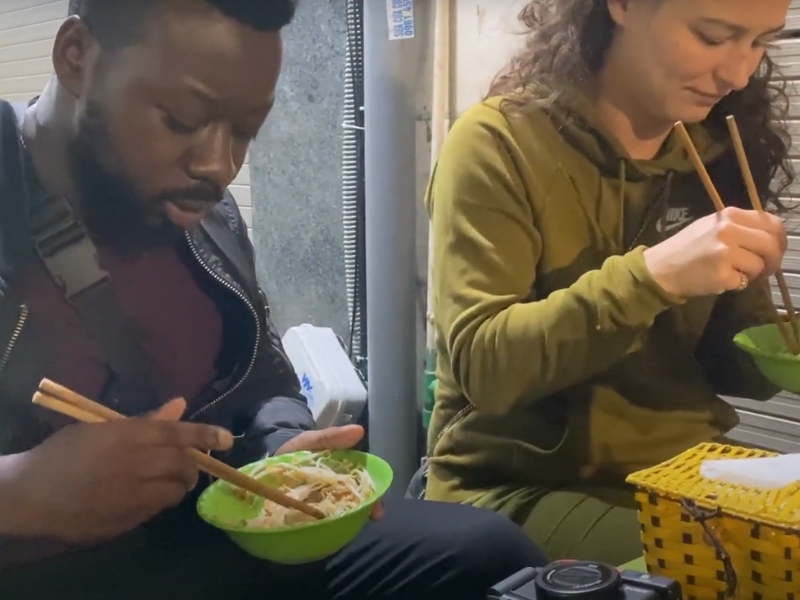
When you sit on a low plastic stool, shoulder-to-shoulder with local office workers, enjoying a dish cooked right in front of you, you are participating in a living cultural archive. The best street food tours act as your translator, unlocking the stories, families, and complex culinary techniques behind these humble sidewalk masterpieces.
The Core Dilemma: Guided Culinary Tours vs. DIY Street Food Exploration
Many independent travelers wonder if they can simply save money by researching blogs and executing a DIY street food tour. While exploring independently is highly rewarding for casual snacking, a professionally guided tour is indispensable for a comprehensive, stress-free culinary journey:
- Accessing Hidden Geography: The absolute finest street food stalls are tucked deep inside residential alleyways (ngõ or hẻm) that do not show up on Google Maps. Professional food guides live in these neighborhoods and possess exclusive access to back-alley legends.
- Overcoming the Language and Order Barrier: Many legendary street food stalls do not have menus, let alone English translations. Ordering customized portions, requesting specific cut of meats, or omitting certain ingredients requires fluent, native Vietnamese communication.
- The Curated “Tasting Menu” Pace: If you travel independently, you will likely fill up after one large bowl of Pho. A high-quality guided tour structure portions every stop as a “tasting plate,” allowing you to sample 6 to 8 completely different dishes in a single evening without feeling uncomfortably full.
Our E-E-A-T Culinary Vetting Framework: How We Rate the Best Food Tours
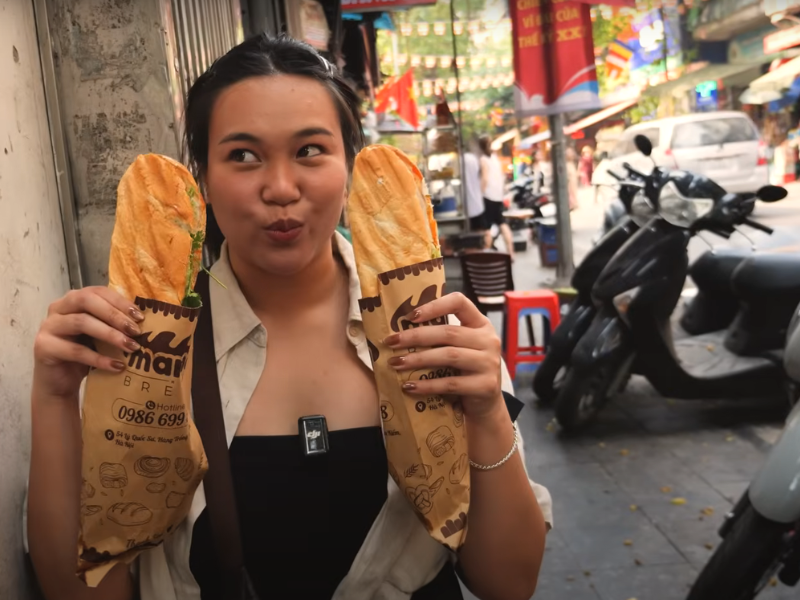
Not all street food tours are created equal. To ensure our travelers from the US, UK, and Australia receive the absolute highest-standard culinary experiences, the editorial and operations team at Sao La Tours vets local culinary operators against a strict, five-point trust framework:
- Hygiene and Turnover Vetting: Does the tour operator actively audit the water filtration, ice sourcing, and food storage standards of every single partner stall?
- Genuine “Zero-Commission” Partnerships: Does the operator select food stalls based strictly on culinary heritage, or are they routing travelers to touristy restaurants that pay them backend tour commissions?
- Guide Storytelling and Fluency: Are the guides merely naming the dishes, or are they fluent cultural translators capable of explaining the historical migration of flavors, local table etiquette, and culinary anthropology?
- Dietary and Allergy Adaptation: Does the tour have robust, verified protocols to safely accommodate celiac (gluten-free) travelers, severe peanut allergies, vegetarians, and MSG sensitivities?
- Small-Group Safety Limits: Does the tour restrict group sizes to a maximum of 6 to 8 participants to ensure safe street-crossing dynamics and intimate guide interactions?
The Grand Regional Divide: Vietnam’s Three Distinct Flavor Profiles
One of the most fascinating aspects of Vietnamese gastronomy is how dramatically the flavors change as you move from North to South. A cross-country food tour package reveals three entirely unique culinary worlds:
[Northern Flavors]  ---> Subtle, savory, balanced, peppery (The birth of Pho & Bun Cha)
[Central Flavors]   ---> Bold, spicy, complex, herb-heavy (Imperial legacy of Hue & Hoi An)
[Southern Flavors]  ---> Sweet, vibrant, garlic-forward, coconut-infused (Dynamic Saigon style)
The Purist North (Hanoi)
Northern Vietnamese cuisine is defined by subtlety, elegance, and deep, clean broths. Here, cooks rely on black pepper, salt, and MSG rather than chilies and sugar to highlight the natural flavors of the primary ingredients. It is the birthplace of global icons like Pho and Bun Cha.
The Fiery Center (Hue & Hoi An)
Central cuisine is bold, complex, and intensely savory. Influenced heavily by the ancient imperial courts of Hue, dishes are beautifully presented, highly textured, and utilize complex chili pastes, lemongrass, and abundance of fresh local herbs.
The Sweet and Dynamic South (Saigon)
Southern cuisine is a vibrant, sweet, and high-energy culinary melting pot. Benefiting from a tropical climate and abundant agricultural trade, southern cooks use lots of fresh sugar cane, garlic, sweet coconut milk, and piles of fresh raw herbs.
Hanoi Street Food Tour Deep-Dive: Cradle of Northern Balance
Hanoi is the spiritual capital of Vietnamese street food. Exploring the ancient, labyrinthine alleyways of the Hanoi Old Quarter at night, when the colonial yellow buildings are illuminated by soft streetlights, is an unforgettable culinary adventure.
The Signature Dishes Your Tour Must Include
- Bun Cha (Charcoal-Grilled Pork with Rice Noodles): Sweet, smoky pork patties and sliced pork belly grilled over live charcoal, served swimming in a warm, tangy dipping sauce alongside cold vermicelli noodles and fresh herbs.
- Pho Bo (Beef Noodle Soup): The ultimate test of a Northern cook. The beef broth must be absolutely clear, simmered for 12+ hours with charred ginger, shallots, star anise, and cinnamon.
- Banh Cuon (Steamed Rice Crepes): Delicate, paper-thin sheets of fermented rice batter steamed over a stretched cloth, rolled with seasoned minced pork and wood-ear mushrooms, topped with crispy fried shallots.
The Ultimate Hanoi Dessert: Egg Coffee (Cà Phê Trứng)
Your Hanoi food walk should conclude at a historic hidden cafe (such as Cafe Giảng or Cafe Đinh) for a warm cup of Egg Coffee. Invented in the 1940s during a wartime milk shortage, this legendary drink consists of robust, dark Vietnamese robusta coffee topped with an incredibly rich, sweet, and frothy whipped egg yolk and condensed milk cream—often described as a liquid tiramisu.
Hoi An Food Walk Deep-Dive: Preserving Central Heritage & Spices
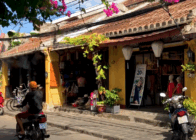
Hoi An is consistently rated the favorite culinary stop for international travelers. Because of its historic role as a bustling 15th-century maritime trading port, its cuisine features fascinating Japanese, Chinese, and French influences found nowhere else in the country.
The Signature Dishes Your Tour Must Include
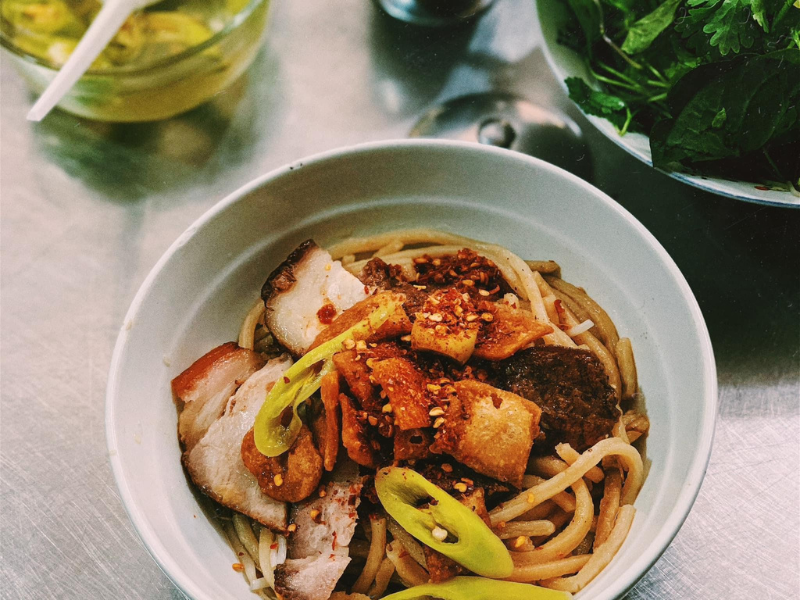
- Cao Lau (Hoi An’s Exclusive Noodle): A deeply historical dish featuring thick, chewy rice noodles that must be soaked in water drawn from the ancient, thousand-year-old Cham-era Ba Le Well, mixed with ash from local Cham island trees. This unique process gives the noodles a distinct yellow hue and a firm, springy texture.
- White Rose Dumplings (Banh Bao Banh Vac): Delicate, translucent steamed shrimp dumplings shaped to resemble white roses, topped with sweet chili dipping sauce and crispy garlic.
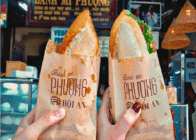
- Banh Mi Phuong or Madame Khanh (The Banh Mi Queens): Hoi An Banh Mi is characterized by its exceptionally light, crispy baguette filled with rich pâté, homemade mayonnaise, sweet pork char siu, and unique herbal sauces.
Saigon Street Food Tour Deep-Dive: High-Octane Flavors on Two Wheels
To experience street food in Ho Chi Minh City (Saigon) like a true local, you must step off the tourist pathways of District 1 and head into the high-density residential neighborhoods of District 4, District 10, or District 3.
Saigon Moto-Food Tour Sequence: Hop on a scooter ---> Navigate neon traffic
---> District 4 Alleyways ---> Seafood Feast
The Ultimate Scooter Food Tour Experience
The best Saigon food tours are operated on the back of motorbikes driven by licensed, English-fluent local students. Sitting comfortably behind your driver, you will navigate the neon-lit sea of traffic, cruising through narrow alleyways, and stopping at active street food hubs.
The Signature Dishes Your Tour Must Include
- Banh Xeo (Crispy Southern Crepe): A massive, sizzling turmeric and rice flour crepe packed with pork, shrimp, and bean sprouts, wrapped in wild mustard leaves and dipped in sweet chili fish sauce.
- Saigon Shellfish & Snails (Ốc): A cornerstone of Saigon night culture. Snail stalls serve dozens of varieties of shellfish cooked in rich garlic butter, sweet chili lemongrass broth, or salted egg yolk sauces, accompanied by ice-cold local beers.
- Hu Tieu Nam Vang (Cambodian-style Noodle Soup): A pork-and-seafood-based clear noodle soup topped with fresh quail eggs, minced pork, and plump shrimp.
📊 Quick-Reference Comparison: Top 10 Street Food Tours by Segment
Before booking your culinary package, review this high-level summary of the top-performing street food tours in Vietnam, categorized by their primary segment focus, duration, and target culinary experience:
| Operator / Segment | Primary Location | Mode of Transit | Duration (Hours) | Typical Price Range (USD) | Key Culinary Highlights |
|---|---|---|---|---|---|
| Sao La Tours (Bespoke Private) | Hanoi / Hoi An / HCMC | Private Walking & SUV | 3.5 Hours | $45 – $75 | 100% Customized, Private Guide, Michelin Stalls, Severe Allergy Safeguards |
| Hanoi Street Food Tour | Hanoi Old Quarter | Walking Walk | 3 Hours | $25 – $40 | Bun Cha, Egg Coffee, back-alley noodle legends. |
| XO Tours (All-Female Moto) | Ho Chi Minh City | Scooter (Passenger) | 4 Hours | $75 – $95 | District 4 seafood crawl, high-security drivers. |
| The Hue Royal Food Tour | Hue Citadel | Cyclo / Walking | 3 Hours | $35 – $50 | Royal imperial cakes, Bun Bo Hue, lotus tea. |
| Hoi An Food Tour (Evening) | Hoi An Ancient Town | Walking Walk | 3.5 Hours | $30 – $45 | Cao Lau, white rose dumplings, local herbal drinks. |
| Saigon Street Eats | HCMC (Local Districts) | Walking / Taxi | 3 Hours | $40 – $55 | Off-the-beaten-path wet market tours, local pho. |
| Hanoi Cooking Centre Tour | Hanoi (West Lake) | Walking & Market | 4 Hours | $55 – $75 | Wet market ingredient sourcing, hands-on cooking class. |
| Chef-Led Hoi An Expedition | Hoi An (Countryside) | Bicycle / Boat | 5 Hours | $65 – $90 | Organic farming village visit, private cooking masterclass. |
| Backstreet Academy HCMC | HCMC (Districts 3 & 10) | Scooter (Passenger) | 3.5 Hours | $50 – $65 | Hidden alleyway snails, local craft beer pairings. |
| Veggie Vietnam Food Tour | Hanoi / HCMC | Walking Walk | 3 Hours | $30 – $45 | 100% Vegetarian/Vegan street food adaptations. |
Sovereign Insider Resource: Navigating the Street-Side Scooter Scene
To help you feel completely at ease when walking between street food stalls in Vietnam’s high-density cities, our editorial desk has prepared an exclusive pedestrian safety guide:
🏮 First-Timer Tip: Nervous about crossing the scooter-filled streets of Hanoi’s Old Quarter or Saigon’s District 4 to reach that legendary noodle stall? Read our pedestrian survival blueprint: Step into The Old Quarter of Hanoi to master walking at a steady pace, signaling to motorbike riders, and navigating local street dynamics like a true local.
Addressing the Elephant on the Sidewalk: Food Safety, Hygiene, and Ice Protocols
For Western travelers, the primary barrier to enjoying street food is the fear of food poisoning. However, by practicing a few critical, expert hygiene protocols, you can enjoy the sidewalk scene with absolute confidence:
+-----------------------------------------------------------------------------+
|                        HYGIENE & ICE SAFETY BLUEPRINT                       |
|                                                                             |
|  - CHOOSE TURNOVER --> Eat only at stalls packed with local families.       |
|  - INSPECT THE ICE --> Tubular ice with central holes is safe & commercial. |
|  - FRESH BOILING--> Broths must be served at rolling, steaming boiling temps|
+-----------------------------------------------------------------------------+
The Sourcing of Ice (Đá)
A common misconception is that all ice in Vietnam is unsafe. In 2026, virtually all food vendors in major cities (Hanoi, Da Nang, Hoi An, Saigon) purchase their ice commercially from licensed, hygienic factories. This safe ice is easily recognizable: it consists of clear, tubular cylinders with a hollow center. Avoid crushed, block ice that is shaved manually from large blocks in remote rural areas.
The Local “Turnover” Rule
The safest street food stalls are those with a rapid, continuous stream of local customers. High turnover guarantees that ingredients (especially pork, beef, and seafood) are replaced and cooked fresh within minutes, rather than sitting out in the tropical heat.
Temperature is Your Friend
Stick to dishes that are cooked or boiled to order. Steaming hot bowls of Pho, freshly fried spring rolls (Nem Ran), or Banh Xeo cooked on sizzling pans are naturally sterilized by high heat, making them incredibly safe to consume.
Navigating Severe Allergies, Gluten-Free, Vegan, and MSG Sensitivity
An elite street food tour provider separates itself through its ability to keep travelers with strict dietary requirements completely safe while still offering an authentic culinary experience.
Managing Severe Peanut (Đậu Phộng) Allergies
Peanuts are widely used as a crunchy garnish in Central and Southern Vietnamese cuisine. If you have a severe peanut allergy, do not rely on verbal English warnings. A premier operator like Sao La Tours will provide you with a laminated, professionally translated Allergy Warning Card to show directly to the cook:
ALLERGY CARD: "Tôi bị dị ứng lạc/đậu phộng rất nặng. Nếu ăn phải,
tôi sẽ bị nguy hiểm đến tính mạng. Xin vui lòng không cho bất kỳ
hạt lạc hay dầu lạc nào vào món ăn của tôi."
(Translation: "I have a severe peanut allergy. It is life-threatening.
Please do not add peanuts or peanut oil to my food.")
Gluten-Free (Celiac) Travel in Vietnam
At first glance, Vietnam seems like a paradise for gluten-free travelers because the primary staple is rice (rice noodles, rice crepes, rice paper). However, soy sauce (which contains wheat) and wheat-based thickeners are frequently used in marinades and dipping sauces. A knowledgeable food guide will steer you toward naturally gluten-free options like Pho (which utilizes pure fish sauce, lime, and fresh chilies for seasoning) or Banh Cuon.
Navigating MSG (Mì Chính / Bột Ngọt) Sensitivity
Monosodium glutamate (MSG) is widely used in Vietnamese kitchens to enhance savory flavors, especially in northern noodle broths. If you are highly sensitive to MSG, your guide can customize your street food tour, ordering your dishes with the explicit instruction: “Không cho mì chính/bột ngọt” (Do not add MSG).
Michelin Bib Gourmand vs. Back-Alley Legends: Decoding the Hype
In recent years, the arrival of the prestigious Michelin Guide in Vietnam has spotlighted several street food stalls, awarding them coveted Bib Gourmand status.
Michelin Recognition ---> Higher prices & longer queues | Is the taste still authentic?
While Michelin-starred street stalls (like Pho Gia Truyen Bat Dan in Hanoi or Pho Le in Saigon) are undeniably delicious, the sudden influx of international tourists can lead to long wait times, increased prices, and a shift away from the traditional, local atmosphere.
The best street food tours balance these famous Michelin-starred locations with back-alley legends—stalls that have chosen to remain unrecognized by international guides to preserve their quiet neighborhood charm, fast service, and raw, unaltered recipes for their local regular customers.
Tech-Savvy Foodies: Mobile Apps, Cashless Dining, and QR Payments in 2026
Modern digital technology has transformed the way travelers dine and manage their travel funds across Vietnam.
[Grab / Gojek Apps] ---> High-speed delivery to your hotel room at local prices
[VietQR / Apple Pay]---> 100% cashless payments accepted even at local street stalls
Food Delivery Apps for Lazy Nights
If your family is tired after a long day of sightseeing, you can easily experience authentic street food from the comfort of your boutique hotel room. Download the Grab or ShopeeFood app. These platforms allow you to browse thousands of local street food stalls, view verified reviews, and have hot meals delivered directly to your lobby within minutes at local, non-tourist prices.
The Cashless Revolution: VietQR & Mobile Pay
While cash (Vietnamese Dong) remains useful, in 2026, Vietnam has become incredibly cashless. Almost every single street food vendor—even those operating on simple sidewalk carts—displays a laminated VietQR code.
If you set up a local digital payment wallet or link your card to ride-hailing apps like Grab, you can pay for your street food instantly with a simple smartphone scan. Additionally, premium boutique food stalls in major tourist districts now widely accept Apple Pay and contact-less cards.
Beverage Etiquette: Craft Beer, Rice Wine, and the Legend of Egg Coffee
To truly dine like a local, you must understand the drinking culture (nhậu) that accompanies street food in Vietnam.
Local Drinking Cheer: "Một, Hai, Ba, DÔ!" (One, Two, Three, CHEERS!)
Bia Hơi Culture in the North
In Hanoi, no street food walk is complete without stopping at a lively street corner for a glass of Bia Hơi (Fresh Draft Beer). Brewed daily and delivered in large aluminum kegs every morning, this light, refreshing lager contains no preservatives and is consumed ice-cold on low plastic stools for around $0.50 USD a glass.
Craft Beer and Rice Wine (Rượu)
In the South, the street dining scene is accompanied by a massive boom in world-class craft beers (featuring local tropical ingredients like lemongrass, passionfruit, and jasmine tea) produced by local microbreweries like Pasteur Street Brewing Co. or Heart of Darkness.
In remote mountainous areas, your street food feast might be accompanied by small cups of traditional Rice Wine (Rượu Đế or Rượu Cần), served as a warm sign of local hospitality.
Sovereign Insider Resource: The Ultimate Coffee Lover’s Guide to Vietnam
To further enrich your understanding of Vietnam’s incredibly robust and historic cafe culture, our culinary desk has curated a dedicated companion guide:
☕ Sovereign Insider Guide: Want to move beyond Egg Coffee and master ordering local brews like a pro? Don’t miss our comprehensive companion guide: Discover Hanoi with a Hanoi Local Guide to unlock hidden back-alley cafes, learn the difference between Nâu Đá (sweet iced coffee) and Bạc Xỉu, and find the ultimate artisan coffee roasters in the capital.
Conclusion: Booking Your Best Vietnam Street Food Tour Safely
A street food tour is far more than a simple meal; it is an intimate, sensory gateway into the history, soul, and daily life of Vietnam. By choosing a licensed, local tour operator that prioritizes food hygiene, utilizes highly fluent cultural guides, and enforces strict small-group safety standards, you ensure your culinary holiday is safe, enriching, and filled with flavors that will linger on your palate for a lifetime.
❓ Comprehensive Vietnam Street Food FAQ
Q1: Is the street food safe for young children and toddlers?
A: Yes, absolutely. Children love the simple, sweet, and comforting flavors of dishes like Pho Ga (chicken noodle soup), Banh Mi (crispy baguettes), and fresh fruit smoothies (Sinh Tố). Simply request a private tour to ensure the pacing is kept relaxed, select stalls with highest-grade sanitation standards, and avoid spicy condiments.
Q2: What happens if I get a stomach upset during the tour?
A: Minor stomach upsets can occasionally occur as your digestive system adjusts to new tropical herbs and spices. Reputable operators like Sao La Tours equip all guides with comprehensive first-aid kits containing child-safe rehydration salts, activated charcoal, and motion sickness pills, and maintain active links with high-quality international medical clinics.
Q3: How far in advance should I book my street food tour?
A: High-end private culinary tours (especially those customized for severe allergies, vegetarian preferences, or chef-led market walks) utilize boutique, highly sought-after local guides. To secure your preferred dates and optimal guide matches, we highly recommend booking at least 2 to 3 months in advance.
Ready to awaken your senses and experience the world’s most vibrant street food scene safely and authentically?
We specialize in designing highly personalized, private culinary itineraries tailored to your exact comfort standards, dietary requirements, and passions. Our dedicated local team is available 24/7 on the ground to ensure your journey is flawless from start to finish.
Get Your Custom Vietnam Itinerary Quote Now
Meet the Expert Who Designed This Culinary Guide
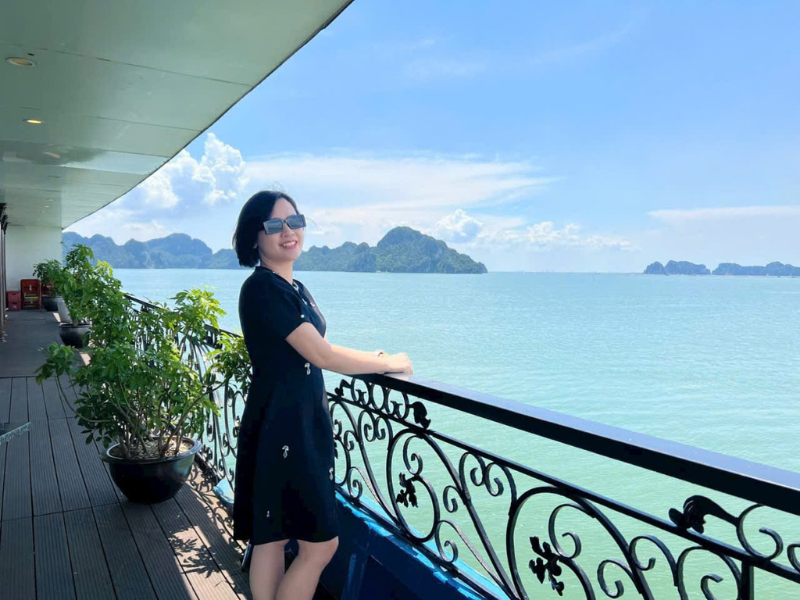
Need a customized street food itinerary? Connect directly with Trang and her team to begin planning.