The Unfiltered Taste of Hanoi
Hanoi is the heart of Vietnamese cuisine, known for its refined balance of sweet, sour, salty, and spicy. To truly understand this city, you must step off the street and into the kitchen. This ultimate guide targets the high-intent search “cooking class hanoi” by moving beyond generic promises, offering expert criteria and vetted selection to find the best class tailored to your passion.
1. The Core Value: More Than Just a Recipe
A Hanoi cooking class is an investment in cultural immersion. It’s a journey that transitions you from a diner to a creator.
| Experience Aspect | Passive Diner (Restaurant) | Active Creator (Cooking Class) | Value Proposition |
| Ingredients | Unknown origin/quality. | Hands-On Vetting. Market tour with guidance on selecting organic, fresh produce. | Trust & Quality. Guaranteed use of fresh, clean ingredients. |
| Technique | Hidden in the kitchen. | Direct Instruction. Mastering the delicate art of spring roll wrapping, broth skimming, and flavor layering. | Skill Acquisition. Take home practical, authentic skills. |
| Cultural Context | Limited to menu translation. | Storytelling. Learning the family or historical narrative behind the dish (E-E-A-T). | Deeper Connection. Understanding the ‘why’ behind the food. |
2. Strategic Vetting: Essential Selection Criteria
Before booking, you must assess the class based on professional standards, not just price or location.
| Criteria | Standard Classes (General) | Vetted Classes (The Best) | Why it Matters (Trust/Hygiene) |
| Instructor | Home cook or assistant. | Trained Professional Chef (Verified restaurant or culinary school background). | E-E-A-T. Guaranteed professional technique and safety. |
| Ingredient Sourcing | Local market (unregulated). | Vetted/Organic Suppliers. Commitment to clean and traceable supply chains. | Hygiene. Peace of mind regarding food preparation standards. |
| Class Size | 15+ participants (impersonal). | Max 8-10 Participants. Ensuring one-on-one time with the instructor. | Skill Transfer. Better personalized feedback and learning. |
II. Exploring Diverse Culinary Specializations
Hanoi’s culinary scene is vast. The “best” class is the one that specializes in your preferred cuisine.
1. Classification by Cuisine Type
The Classic Immersion (Pho & Nem): Ideal for first-timers. Focuses on the iconic staples: mastering the 8-hour Pho broth, making perfect Nem (spring rolls), and crafting dipping sauces.
The Street Food Deep Dive: Perfect for the adventurous. Focuses on lesser-known, complex street foods like Bún Chả (Grilled Pork with Noodles), Bánh Cuốn (Steamed Rice Rolls), and regional Xôi (Sticky Rice).
The Ethical Kitchen (Vegan/Vegetarian Vietnamese): A specialized workshop focusing on traditional Buddhist cooking techniques, utilizing tofu, mushrooms, and seasonal vegetables to achieve profound flavor balance without meat or fish sauce.
The Specialized Workshop (Technique Focused): For seasoned cooks. Focuses on deep techniques like rice paper fermentation, proper cutting techniques for garnish, or making regional condiments and pickles (Muối Ớt, Mắm Tép).
2. Logistics & Timing: Finding Your Fit
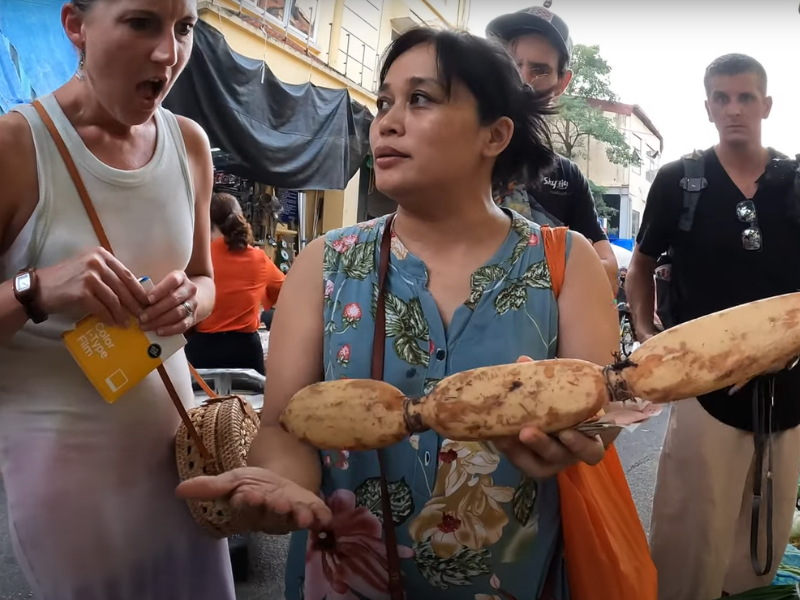
The Morning Class (7:30 AM – 11:30 AM): Includes the essential Market Tour—the crucial step where you learn to haggle and select ingredients at their freshest. Recommendation for authenticity.
The Afternoon Class (2:00 PM – 5:00 PM): Focuses primarily on the cooking and preparation phase, ideal for those with morning sightseeing plans.
The Evening Class (5:30 PM – 8:30 PM): Perfect for a social experience; the finished product serves as your authentic Hanoi dinner.
III. The Assurance of Quality: Hygiene and Facility Standards
For food-related experiences, the physical environment and adherence to hygienic standards are non-negotiable. The best cooking classes prioritize customer safety and ingredient integrity above all else, often exceeding basic local requirements.
1. The Vetted Kitchen Environment
A superior cooking class environment must immediately inspire confidence. It must balance local authenticity with modern standards of cleanliness and safety.
Certification and Inspection: The very best schools are often certified by local tourism or health agencies. Look for classes that publicly display their Hygiene Certificates or have a clear, documented system for food handling procedures.
Expert Tip: [Company Name] only partners with facilities that undergo quarterly independent hygiene audits to ensure consistent, elevated cleanliness standards that go beyond minimum requirements.
Facility Design Excellence: A high-quality venue should feature specific design elements engineered for safe food preparation and comfort:
Stainless Steel Surfaces: Easy to clean and sanitize, typical of professional kitchens.
Adequate Ventilation: Essential for managing heat and steam, ensuring a comfortable learning environment.
Separate Washing Zones: Dedicated sinks for handwashing and food prep, preventing cross-contamination.
Instructor Protocol: Instructors and assistants must adhere to strict hygiene rules:
Wearing clean, designated aprons and hair restraints.
Mandatory use of gloves and masks during specific preparation stages (e.g., handling raw meat).
Clear guidance to participants on safe food handling practices.
2. Supply Chain Integrity and Ingredient Sourcing
The journey of food from farm to table is paramount in Vietnamese cuisine, which relies heavily on fresh, high-quality ingredients.
| Sourcing Standard | Low-Cost Classes | Vetted Quality Classes | Impact on Health and Flavor |
| Produce | Purchased in bulk from generic stalls. | Direct from Organic/Vetted Farms. Sourced from trusted local, traceable farms. | Safety. Reduces pesticide exposure; Flavor. Ensures peak freshness and quality. |
| Meat/Seafood | Purchased daily, often unrefrigerated for periods. | Certified Suppliers with Cold Chain Management. Strict cold storage protocols. | Health. Eliminates risk of foodborne illness (a major traveler concern). |
| Water Quality | Tap water for washing. | Purified Water Only. Used for all vegetable rinsing, cooking, and drinking water provided. | Trust. Crucial for peace of mind, especially with fresh herbs and raw vegetables. |
3. Sustainability and Ethical Sourcing
The best classes integrate social and environmental responsibility into their curriculum, enhancing the cultural value of the experience.
Waste Minimization Efforts: Look for classes that teach participants how to use all parts of an ingredient (e.g., vegetable scraps for stock) and minimize plastic use during the market trip.
Local Economic Support: Top classes publicly source from small, family-run market stalls (rather than large distributors), directly contributing to the local community and deepening the authenticity of the market tour.
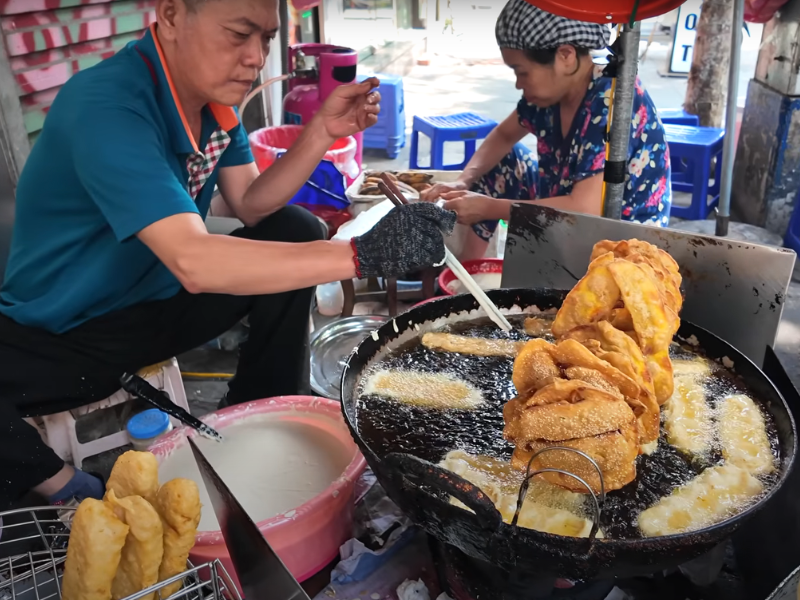
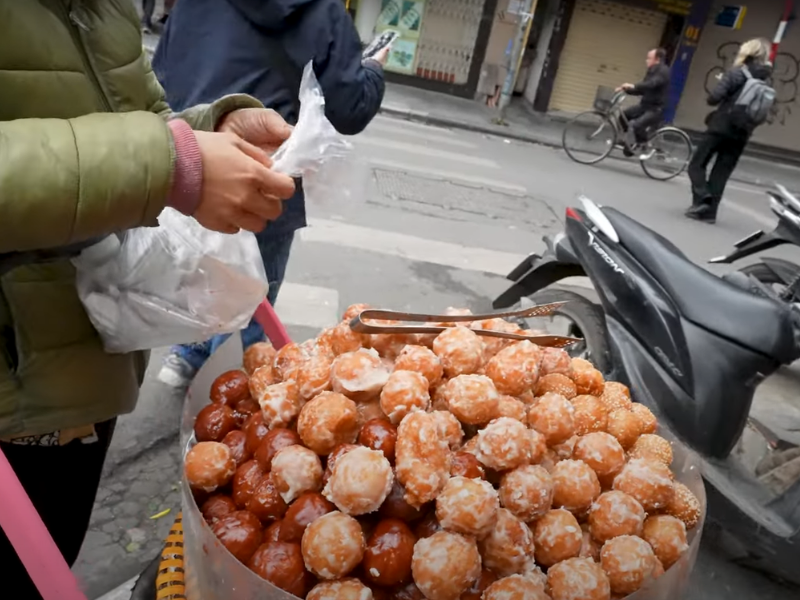
Savor authentic dishes, explore street markets, and enjoy culinary traditions from Hanoi to Ho Chi Minh City.
IV. Financial Transparency and Value
Clear, upfront pricing is essential for a premium experience. We analyze the typical cost structure and what your fee must guarantee.
1. Decoding the Cost Structure
The price of a Hanoi cooking class typically ranges from $35 to $65 USD per person, depending on specialization and duration. A superior class will be at the higher end, guaranteeing the quality of the chef, facilities, and ingredients.
Inclusions Checklist: (What your fee must cover)
Guided Market Trip: Must be led by the main chef, not an assistant, for maximum educational value.
All Ingredients: High-quality, fresh, and often pre-portioned for efficiency.
Hands-on Instruction: Guaranteeing an individual workspace and direct feedback from the chef.
Recipe Pack: Professionally formatted, printed, and digital copies for long-term use.
Full Meal: The dishes you cook serve as your complete, full-size lunch or dinner.
Complimentary Beverages: Basic non-alcoholic drinks (water, tea) should be included.
Hidden Costs to be Aware Of:
Entrance Fees: If the class requires entry to a cultural center or a specific market with a fee, ensure this is included.
Alcoholic Beverages: Wine, beer, or special Vietnamese coffee are typically an extra charge.
Takeaway Packaging: Some venues charge a small fee if you wish to box up leftovers.
2. Specialized Pricing Segments Analysis
| Class Type | Price Range (Est. USD) | Duration | Ideal For |
| Budget/Hostel Focus | $25 – $35 | 2.5 hours | Simple dishes (spring rolls), large groups (15+). |
| Premium Mid-Range | $45 – $65 | 3.5 – 4 hours | Small groups (max 10), vetted chef, guaranteed Market Tour. (Highly Recommended) |
| Private/Bespoke | $80 – $150+ | 4+ hours | Families, couples, high specialization requests (e.g., advanced sauce making). |
3. Value Analysis and Barrier Removal
Choosing a higher-end class guarantees superior value (Value) over mere cost (Cost).
Avoiding Post-Purchase Regret: Investing an extra $10-$20 USD ensures you learn from a professional chef rather than an assistant, and guarantees clean ingredients, mitigating a major traveler concern.
Long-Term Skill Value: Quality classes provide foundational techniques (like making the perfect Nước Chấm dipping sauce, or stir-frying Rau Muống) that you can apply to hundreds of other Vietnamese dishes.
V. Serving All Audiences: Families, Groups, and Dietary Needs
A truly great cooking class must be inclusive, adapting seamlessly to participants of all ages and dietary restrictions.
1. Family-Friendly and Kids’ Classes
The cooking class environment offers a wonderful, engaging way for families to connect with Vietnamese culture.
Pricing Incentives: Look for classes that offer discounted rates for children under 12 (often 50% off or free for toddlers sharing a workstation with an adult).
Dedicated Kids’ Tasks: Superior classes engage children by assigning simple, non-hazardous tasks: washing herbs, mixing dry ingredients, or safely using basic kitchen tools.
Safety Priority: Dedicated seating, non-slip mats, and careful instruction on safe knife handling are key indicators of a quality family-focused class.
2. Mastering Dietary Restrictions
Hanoi cuisine is inherently flexible, making it ideal for managing common dietary needs, provided the class is prepared and informed.
Vegan/Vegetarian: Top classes dedicate entire menu sections to traditional meatless dishes (e.g., using mushroom or vegetable stock instead of beef/chicken broth for Pho). This must be confirmed during the booking process.
Allergies (Gluten/Nuts): Given the reliance on rice (naturally gluten-free) and occasional use of peanuts, the instructor must be adept at cross-contamination protocols and clearly labeling all ingredients. Sao La Vietnam Tours vets classes that require all participants to fill out an allergy form upon booking.
VI. Post-Class Experience: Bringing Hanoi Home
The value of the class extends beyond the cooking session. The best schools facilitate continuous learning and memorable takeaways.
1. Recipe Management and Distribution
Print and Digital Access: You must receive clearly formatted, professional recipes immediately. The best classes provide both a laminated hard copy (durable for immediate use) and a PDF/email version (for long-term digital storage).
Post-Class Support: Leading schools provide a small post-class support window (e.g., an email address) where you can ask follow-up questions about ingredient substitutions or technique refinement once you are back home.
2. Sourcing and Gear Guidance
The instructor should guide you on how to accurately recreate the flavors of Hanoi globally.
Spice Sourcing: The instructor can detail which essential Vietnamese spices (e.g., star anise, cinnamon) can be safely and legally purchased and transported back home.
Equipment Recommendations: Learning which tools (e.g., specific wok type, preferred fish sauce brand, rice paper size) are essential for achieving authentic results.
VII. Preparing for Success: Final Logistics and Experience
Before the final booking click, we eliminate the last barriers by providing clear guidance on pre-class preparation, ensuring maximum comfort and engagement from the moment you step into the market.
1. Essential Pre-Class Checklist: What to Bring and Wear
A successful class starts with the right preparation. By providing this detailed checklist, we demonstrate foresight and commitment to your experience.
| Preparation Category | Requirement | Rationale (Why it Matters) |
| Attire | Comfortable, Cool Clothing. Aprons are provided, but the kitchen environment can be warm. | Comfort & Focus. Ensures you are comfortable during the hands-on cooking and market tour. |
| Footwear | Closed-toe, Flat Shoes. Mandatory, especially for the market tour and kitchen safety. | Safety. The markets can be wet or uneven; prevents accidents in the kitchen. |
| Hydration | Reusable Water Bottle. Classes typically provide purified water refills. | Sustainability. Minimizes single-use plastic; keeps you hydrated during the tour. |
| Appetite Check | Do NOT Eat a Full Meal Beforehand. Your creations will form your large, satisfying lunch or dinner. | Enjoyment. Maximize the enjoyment of the freshly cooked Vietnamese feast. |
| Documentation | Camera/Smartphone & Small Notebook. | Memory & Learning. Capture techniques, ingredient names, and document the overall experience. |
2. Timing the Experience: Maximizing Your Hanoi Itinerary
Strategically planning your class enhances your entire trip.
Avoid Peak Market Hours (10 AM – 12 PM): The best morning classes start earlier (7:30 AM – 8:30 AM) to experience the market at its most vibrant and less crowded phase, allowing for better interaction with vendors and fresher produce selection.
The Mid-Week Advantage: Booking on a Tuesday or Wednesday often guarantees smaller class sizes compared to weekend slots, leading to more personalized instruction (reinforcing the Small Class Size commitment).
The Post-Tour Digest: Plan for a relaxed afternoon after a morning class, as the meal is often substantial, and you’ll want time to digest and review your new recipes.
STOP RESEARCHING, START COOKING: You’ve seen the vetting criteria, compared the specialization, and confirmed the hygiene standards. The only difference between reading this guide and mastering Pho is one click. Access our vetted list of the Top 5 Certified Hanoi Cooking Classes (with live availability and exclusive Sao La Vietnam Tours discounts) now!
COMPARE & BOOK YOUR VETTED HANOI COOKING CLASS NOW!
FREE EXPERT GUIDE DOWNLOAD: Before you commit, ensure you know the secrets of the masters! Download our exclusive “PDF Cheat Sheet: The 5 Essential Secrets to Authentic Hanoi Pho Broth,” detailing the correct bones, charring techniques, and spice infusion times—a secret often reserved for our premium class participants.
GET MY FREE PHO BROTH SECRETS NOW
- “See what other travelers are cooking right now! Follow the journey and share your spring roll success (or failure!) using our official hashtag: #HanoiChefJourney.”
- “The hygiene standards were exceptional—I felt completely safe eating the raw herbs. Chef Mai was professional and incredibly patient. The market tour was clean and organized.” – Sarah W., Verified Traveler, Chicago
VIII. Final Guarantees and The Path to Content Longevity
We close the loop by reinforcing our commitment to quality and transparency, ensuring the guide remains a reliable resource long after publication.
1. The Quality Assurance Guarantee
We reiterate the promise of value, providing the ultimate safety net for the customer’s investment.
OUR CLASS QUALITY PROMISE: We partner only with top-rated schools. If, within the first hour of your class, you feel the instruction or facility hygiene does not meet the high standards outlined in this guide, contact us immediately. We will arrange a transfer to an alternative class or provide a partial refund—guaranteeing your satisfaction and peace of mind.
2. Content Longevity and Commitment to Freshness
Content Verification & Authority Status: This comprehensive guide and its associated rankings are reviewed and fact-checked quarterly by our local Hanoi culinary experts. The last major verification, covering class availability, pricing shifts, and adherence to updated Vietnamese Food Safety Regulations (VFS-Reg), was completed on 30/10/025. We guarantee the information provided is the most current and authoritative online.
3. A Recipe for Global Engagement
The final words must inspire and connect the reader’s journey in Hanoi to their life back home.
The Taste of Hanoi, Wherever You Are: Taking a Hanoi cooking class is more than just a bullet point on a travel itinerary; it is an acquisition of heritage. You are not just learning to cook; you are inheriting centuries of Vietnamese culinary tradition. This skill, this memory, and this connection to the vibrant markets of Hanoi will transform your home kitchen into a gateway to Southeast Asia, long after you’ve left the bustle of the Old Quarter.
We invite you to begin this profound journey. Your apron awaits.