Every country has historical landmarks.
Ancient castles, royal palaces, archaeological ruins, battlefields, temples, and monuments all tell stories of civilizations that came before us.
Vietnam is no exception.
But what makes Vietnam truly remarkable is that its history is not confined to museums or preserved behind glass displays. Instead, it remains deeply woven into everyday life. Ancient pagodas still welcome worshippers each morning. Imperial citadels continue to dominate historic skylines. Traditional villages preserve centuries-old customs, while UNESCO World Heritage Sites stand as living reminders of a nation that has endured, adapted, and flourished through more than four thousand years of history.
For international travelers, visiting Vietnam’s historical places is far more than sightseeing.
It is an opportunity to understand how one of Southeast Asia’s oldest civilizations has shaped its identity through resilience, cultural exchange, royal dynasties, spiritual traditions, and remarkable periods of transformation.
Behind every temple, fortress, ancient town, and historical monument lies a story waiting to be discovered.
Some tell of powerful emperors who ruled vast kingdoms.
Others reveal the influence of Chinese, Cham, French, and indigenous cultures that together created the Vietnam we know today.
Many reflect the resilience of local communities whose traditions have survived generations of change.
These stories give each destination a deeper meaning.
Instead of simply admiring beautiful architecture, travelers begin to understand why these places continue to matter—not only to historians but also to the millions of Vietnamese people who regard them as an important part of their cultural identity.
In this guide, we’ll explore why Vietnam’s historical places are unlike anywhere else in Asia, how history continues to shape modern Vietnamese society, and why exploring these remarkable sites offers one of the most rewarding ways to experience the country.
A History That Spans More Than Four Thousand Years
Vietnam’s history stretches back thousands of years, making it one of Asia’s oldest continuous civilizations.
According to Vietnamese tradition, the nation’s origins begin with the legendary Hung Kings, who established the first Vietnamese state long before many of the world’s modern nations even existed.
Over the centuries, Vietnam experienced periods of independence, foreign influence, powerful dynasties, cultural transformation, colonial rule, and national reunification.
Each era left its own mark on the country’s architecture, religion, traditions, language, and identity.
Unlike many destinations where history is concentrated in one city or region, Vietnam’s historical heritage extends from the northern mountains to the fertile Mekong Delta in the south.
Traveling through Vietnam is therefore much like turning the pages of a history book.
Each destination introduces another chapter.
Each region reveals another perspective.
Together, they form the remarkable story of a nation that has continually evolved while preserving its unique cultural identity.
Why Vietnam’s Historical Places Are Different
Many countries possess ancient monuments.
What distinguishes Vietnam is the way history remains connected to everyday life.
Historical landmarks are rarely isolated attractions visited only by tourists.
Instead, they continue to serve living communities.
Ancient temples remain active places of worship.
Traditional festivals continue to celebrate events that occurred centuries ago.
Historic houses are still occupied by families whose ancestors lived there for generations.
Old trading ports remain vibrant centers of local culture.
This continuity creates a very different travel experience.
Visitors do not simply observe history.
They experience it.
Walking through Vietnam’s historical places often feels less like entering an open-air museum and more like stepping into communities where the past continues to influence the present.
That living heritage is one of Vietnam’s greatest cultural treasures.
More Than Architecture: The Stories Behind the Stones
Beautiful buildings attract attention.
Stories create lasting memories.
A magnificent citadel becomes far more meaningful when travelers understand the rulers who governed from within its walls.
An ancient pagoda becomes unforgettable after learning about the spiritual beliefs it has represented for centuries.
A quiet village street reveals new significance when visitors discover that merchants from Japan, China, Europe, and Southeast Asia once traded there, helping shape one of the region’s most prosperous commercial ports.
History transforms architecture into experience.
It allows travelers to imagine daily life centuries ago.
To understand the decisions that shaped modern Vietnam.
To appreciate the resilience of communities that preserved their traditions despite war, political change, and rapid modernization.
This deeper understanding enriches every journey.
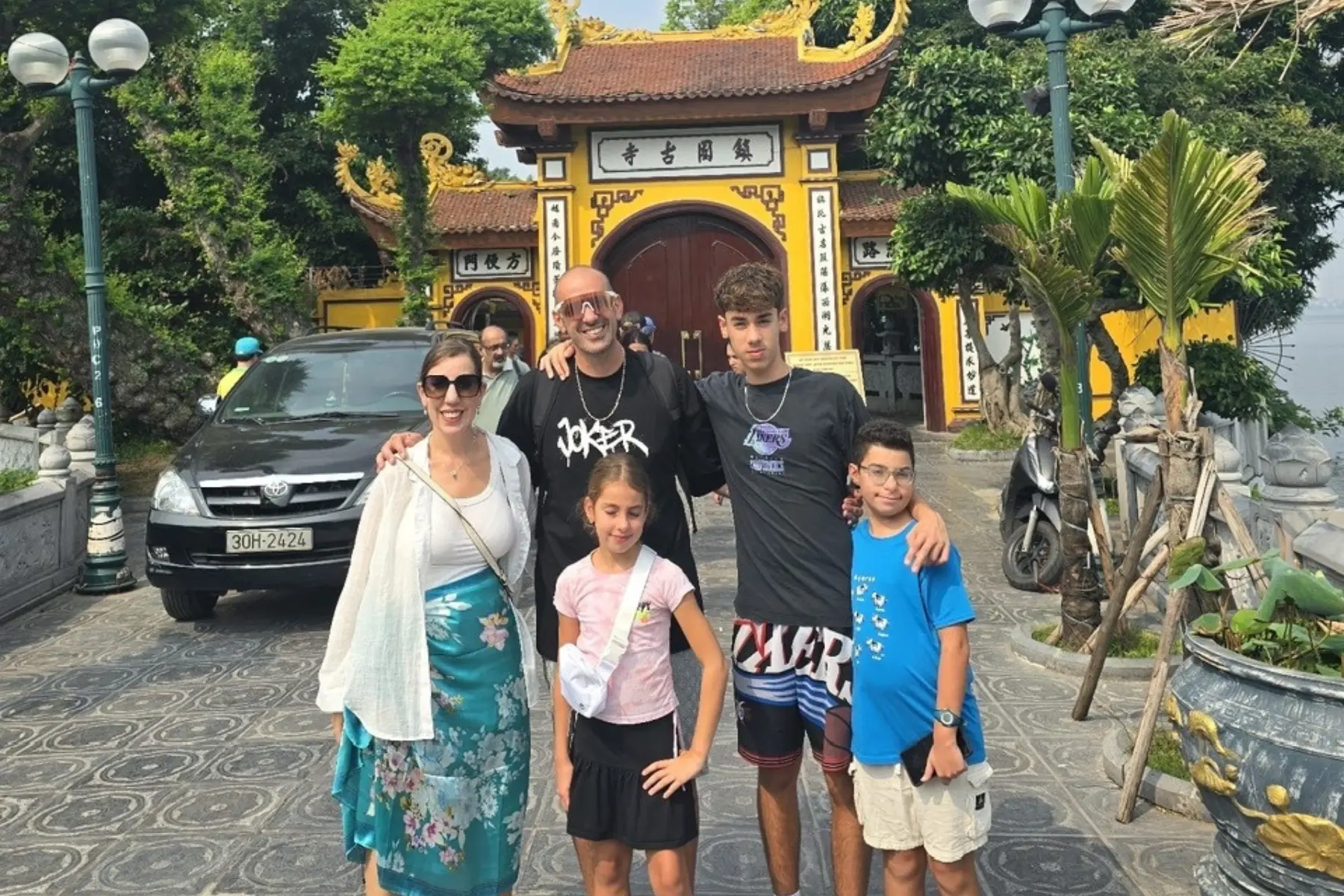
The Many Faces of Vietnam’s Historical Heritage
Vietnam’s historical places are remarkably diverse.
Each represents a different chapter in the nation’s story.
Ancient capitals reveal the political foundations of early Vietnamese kingdoms.
Imperial cities reflect the grandeur of royal dynasties.
Buddhist temples and pagodas illustrate the spiritual traditions that continue to influence daily life.
Ancient trading ports demonstrate centuries of international cultural exchange.
Archaeological sites preserve the legacy of civilizations that flourished long before modern Vietnam emerged.
Colonial architecture tells the story of European influence during the nineteenth and twentieth centuries.
Historic battlefields and wartime landmarks provide insight into some of the most significant conflicts of the modern era.
Traditional villages preserve craftsmanship, architecture, and customs that have survived across generations.
Together, these places create an incredibly rich historical landscape unlike any other in Southeast Asia.
History Continues to Shape Modern Vietnam
To understand modern Vietnam, it is impossible to ignore its history.
Many traditions that travelers experience today have deep historical roots.
Family values remain central to Vietnamese society.
Ancestor worship continues to play an important role in everyday life.
Traditional festivals celebrate historical figures whose contributions are remembered centuries later.
Regional cuisines reflect historical trade routes, royal courts, and agricultural traditions.
Even Vietnam’s architecture tells stories of different historical influences.
Chinese philosophy shaped many temples and educational institutions.
The Cham civilization introduced distinctive artistic traditions that remain visible today.
French colonial rule left elegant boulevards, cafés, and public buildings in many cities.
Modern Vietnamese identity is therefore not defined by one historical period.
It is the result of many civilizations, cultures, and generations coming together over thousands of years.
Exploring historical places allows travelers to understand these connections in ways that no textbook ever could.
Why Historical Travel Is Becoming More Popular
Today’s travelers increasingly seek experiences that offer meaning as well as beauty.
Rather than simply collecting photographs, many visitors want to understand the destinations they explore.
Historical travel satisfies that curiosity.
It provides context.
Instead of asking only, “What am I looking at?”, travelers begin asking, “Why is this place important?”
This shift transforms sightseeing into learning.
Ancient temples become symbols of spiritual continuity.
Royal palaces reveal political history.
Historic towns demonstrate cultural exchange.
War memorials encourage reflection on resilience and reconciliation.
As a result, history becomes one of the most rewarding ways to connect with Vietnam beyond its famous landscapes.
It encourages travelers to appreciate not only where they are, but also the remarkable journey that brought the country to where it is today.
History Is Best Experienced Through Local Stories
Every historical landmark has a date.
Every monument has an architectural style.
Every museum displays artifacts.
But history truly comes alive through stories.
The stories shared by local guides.
The legends passed down within families.
The traditions still practiced in nearby communities.
The memories preserved by generations who continue to care for these remarkable places.
These human connections transform historical travel from observation into understanding.
They remind us that history is not simply about the past.
It continues to influence the people, cultures, and traditions that visitors encounter throughout Vietnam today.
That is why exploring Vietnam’s historical places is not simply about visiting monuments.
It is about discovering the people and stories that shaped an entire nation.
Hanoi – Where More Than a Thousand Years of History Come Alive
For many international visitors, Hanoi is their first introduction to Vietnam.
Bustling streets, vibrant cafés, and endless streams of motorbikes create the impression of a thoroughly modern city.
Yet beneath this energetic atmosphere lies one of Southeast Asia’s oldest capitals, where more than a thousand years of history continue to shape everyday life.
Walking through Hanoi’s Old Quarter feels like stepping into a living museum.
Its narrow streets were once organized by traditional guilds, with each neighborhood specializing in a particular trade—from silk merchants and metalworkers to herbal medicine and bamboo craftsmen.
Many of these streets still bear the names of the trades that flourished centuries ago.
Beyond the Old Quarter, visitors discover landmarks that reflect Vietnam’s intellectual, political, and spiritual heritage.
Ancient temples stand beside colonial architecture.
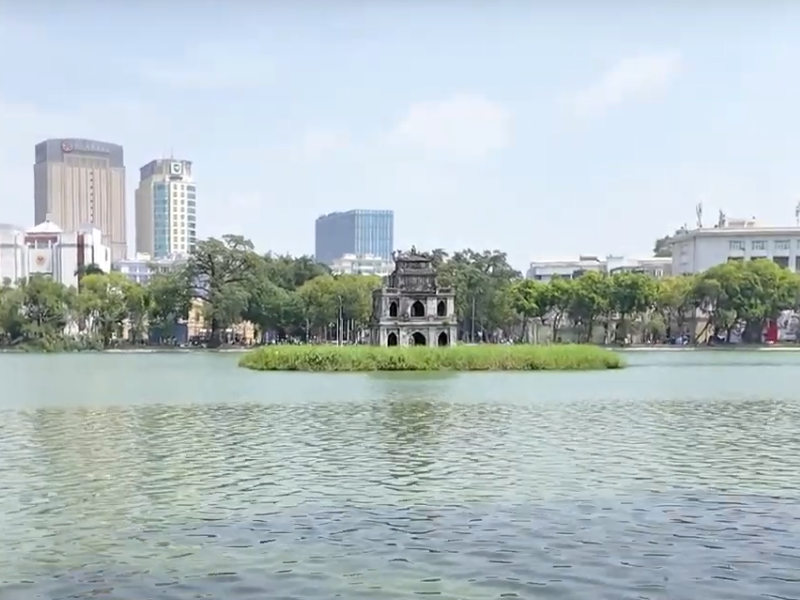
Peaceful lakes mirror centuries-old pagodas.
Historic institutions continue to symbolize the country’s enduring respect for education, culture, and national identity.
Hanoi is not simply the capital of modern Vietnam.
It is where the nation’s historical journey begins.
Hoa Lu – The Birthplace of an Independent Kingdom
Leaving Hanoi behind and traveling south, the landscape changes dramatically.
Towering limestone mountains rise above emerald rice fields, creating one of Vietnam’s most breathtaking natural settings.
Hidden within this spectacular scenery lies Hoa Lu, the country’s first ancient capital.
More than a thousand years ago, Hoa Lu served as the political center of the Dai Co Viet Kingdom.
Its natural geography offered strong defensive advantages, allowing early Vietnamese rulers to establish an independent state during a period of profound historical change.
Although only parts of the original royal complex remain today, ancient temples, stone gates, and sacred monuments preserve the memory of the emperors who laid the foundations of the Vietnamese nation.
Standing among these quiet mountains, it becomes easy to understand why this remarkable location was chosen as the birthplace of an emerging kingdom.
History and nature exist here in perfect harmony.
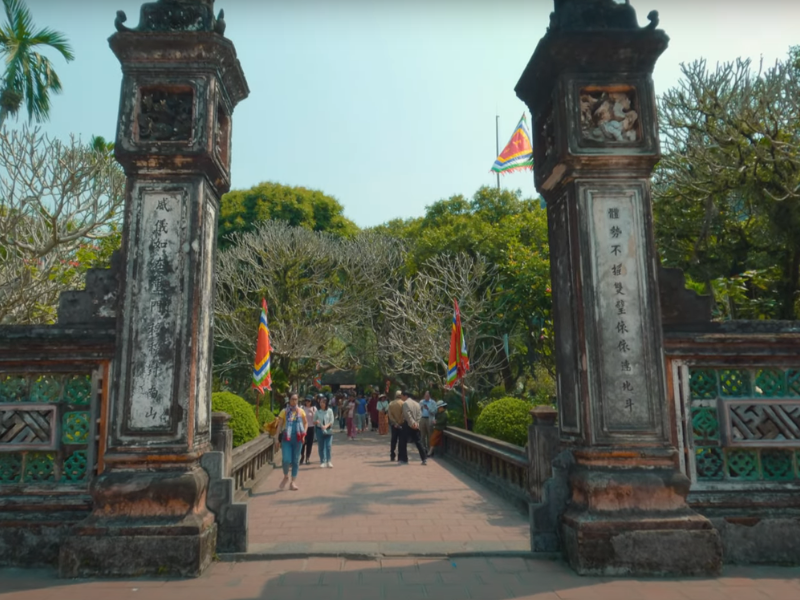
The Temple of Literature – Vietnam’s First National University
Returning to Hanoi for a moment, no journey through Vietnam’s historical heritage would be complete without visiting the Temple of Literature.
Founded in 1070, this remarkable complex represents far more than beautiful traditional architecture.
It symbolizes Vietnam’s long-standing respect for education, scholarship, and intellectual achievement.
Dedicated to Confucius and later serving as the country’s first national university, the Temple of Literature educated generations of scholars who would go on to shape Vietnamese government and society.
Today, peaceful courtyards, ancient pavilions, stone steles, and elegant gardens continue to attract both visitors and local students.
Many Vietnamese families still visit before important examinations, reflecting the enduring cultural value placed on learning.
It is a powerful reminder that Vietnam’s historical legacy extends beyond kings and battles—it also celebrates knowledge, wisdom, and lifelong education.
Hue – The Imperial Heart of Vietnam
Continuing south along Vietnam’s central coast, travelers arrive in Hue, the former imperial capital of the Nguyen Dynasty.
If Hanoi tells the story of Vietnam’s ancient origins, Hue reveals the grandeur of its final royal era.
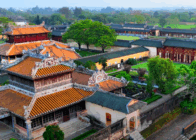
Surrounded by defensive walls and protected by the Perfume River, the Imperial City once served as the political, cultural, and religious center of the nation.
Within its vast citadel stood royal palaces, ceremonial halls, temples, gardens, libraries, and residences reserved exclusively for emperors and members of the royal court.
Although parts of the complex suffered damage during periods of conflict, extensive restoration efforts have preserved much of its extraordinary heritage.
Walking through Hue today offers more than architectural beauty.
It provides insight into court ceremonies, imperial traditions, classical music, royal cuisine, and the sophisticated culture that defined Vietnam’s last monarchy.
Few places illustrate the elegance of Vietnamese civilization as vividly as Hue.
Hoi An – A Living Museum of Global Trade
Further south lies one of Vietnam’s most beloved historical destinations.
Hoi An Ancient Town is often admired for its colorful lanterns, charming riverside streets, and beautifully preserved architecture.
Yet its historical importance extends far beyond its visual appeal.
Between the fifteenth and nineteenth centuries, Hoi An flourished as one of Asia’s busiest international trading ports.
Merchants from China, Japan, Portugal, the Netherlands, and many other countries gathered here to exchange goods, ideas, languages, and cultures.
This remarkable international influence can still be seen throughout the town today.
Chinese assembly halls stand beside Japanese architectural influences.
Traditional Vietnamese houses reflect centuries of cultural adaptation.
Historic warehouses have become cafés, art galleries, and family-run businesses that continue to preserve the town’s unique character.
Unlike many historical sites that exist only as monuments, Hoi An remains a vibrant living community where history continues to shape everyday life.
My Son Sanctuary – The Spiritual Legacy of the Cham Civilization
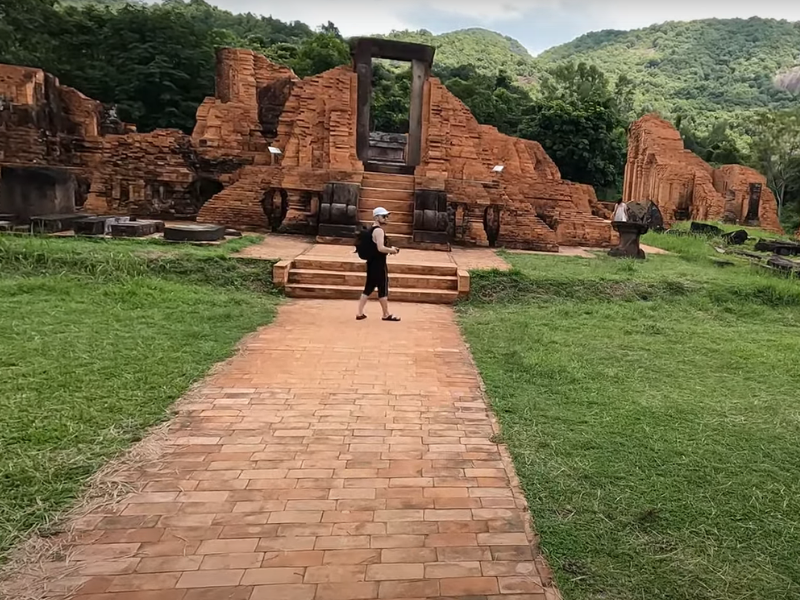
Hidden within a peaceful valley surrounded by lush mountains lies one of Southeast Asia’s most important archaeological treasures.
Long before the rise of Vietnam’s imperial dynasties, the Cham Kingdom flourished across much of central Vietnam.
My Son Sanctuary served as its spiritual and religious center for centuries.
The complex once contained dozens of intricately constructed Hindu temples dedicated to Shiva and other deities.
Although time and conflict have damaged many of the structures, those that remain continue to display remarkable craftsmanship and architectural sophistication.
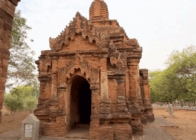
Red brick towers rise gracefully above the surrounding forest, demonstrating construction techniques that continue to fascinate archaeologists today.
Visiting My Son offers travelers a different perspective on Vietnam’s history.
It reminds us that the nation’s cultural heritage was shaped not by a single civilization but by many diverse peoples whose contributions continue to enrich Vietnam’s identity.
Ho Chi Minh City and the Cu Chi Tunnels – Understanding Modern Vietnam
As the journey reaches southern Vietnam, the focus gradually shifts from ancient kingdoms and imperial dynasties to more recent chapters of history.
Ho Chi Minh City represents the country’s dynamic modern future, yet it also preserves important reminders of its complex twentieth-century past.
Among the most significant historical sites are the Cu Chi Tunnels.
Stretching for hundreds of kilometers, this underground network played a vital role during the Vietnam War.
Today, carefully preserved sections allow visitors to understand the ingenuity, determination, and resilience of the people who lived and worked beneath the ground during extraordinarily difficult circumstances.
Visiting the tunnels is not simply about learning military history.
It encourages reflection on the human cost of conflict, the importance of peace, and the remarkable resilience that has helped shape modern Vietnam.
For many international travelers, it becomes one of the most thought-provoking experiences of their journey.
More Than Individual Landmarks—One Connected Story
Each destination we’ve explored represents a different era of Vietnamese history.
Hanoi reflects the nation’s ancient foundations.
Hoa Lu marks the emergence of an independent kingdom.
The Temple of Literature celebrates scholarship and cultural values.
Hue preserves the grandeur of imperial rule.
Hoi An illustrates centuries of international trade.
My Son reveals the legacy of the Cham civilization.
Ho Chi Minh City and the Cu Chi Tunnels help visitors understand Vietnam’s modern history and remarkable resilience.
Individually, these places are extraordinary.
Together, they tell a continuous story of cultural evolution, adaptation, and national identity spanning more than four thousand years.
Traveling through Vietnam is therefore much more than moving between destinations.
It is following the timeline of a civilization that continues to influence every aspect of the country today—from its traditions and festivals to its architecture, cuisine, and the warmth of its people.
How to Experience Vietnam’s Historical Places the Right Way
Many travelers make the mistake of treating historical sites as places to visit quickly before moving on to the next destination.
While this approach allows them to see more attractions, it often means missing the stories that make each place truly memorable.
The most rewarding historical journeys focus on quality rather than quantity.
Instead of rushing through several landmarks in a single day, allow yourself enough time to understand each destination.
Walk slowly through ancient courtyards.
Observe the architectural details.
Read the inscriptions.
Listen to local guides.
Visit nearby museums and cultural centers.
Enjoy conversations with local residents whose families have lived in these communities for generations.
History reveals itself gradually.
The more time you spend, the more meaningful each place becomes.
Suggested Historical Itineraries Across Vietnam
Vietnam’s remarkable heritage stretches across the entire country, making it possible to design historical journeys of different lengths depending on your schedule and interests.
A Short Cultural Journey (5–7 Days)
Travelers with limited time may combine:
- Hanoi
- The Temple of Literature
- Hoa Lu Ancient Capital
- Ha Long Bay (for its cultural and natural heritage)
This itinerary provides an excellent introduction to Vietnam’s early history while balancing historical exploration with spectacular scenery.
A Classic Heritage Journey (10–12 Days)
For a more comprehensive experience, consider traveling through:
- Hanoi
- Hoa Lu
- Hue
- Hoi An
- My Son Sanctuary
This route follows the development of Vietnamese civilization from its earliest kingdoms through the imperial era and the flourishing international trade of central Vietnam.
A Complete Historical Discovery (14–18 Days)
Travelers wishing to understand Vietnam’s full historical journey should continue south to include:
- Ho Chi Minh City
- Cu Chi Tunnels
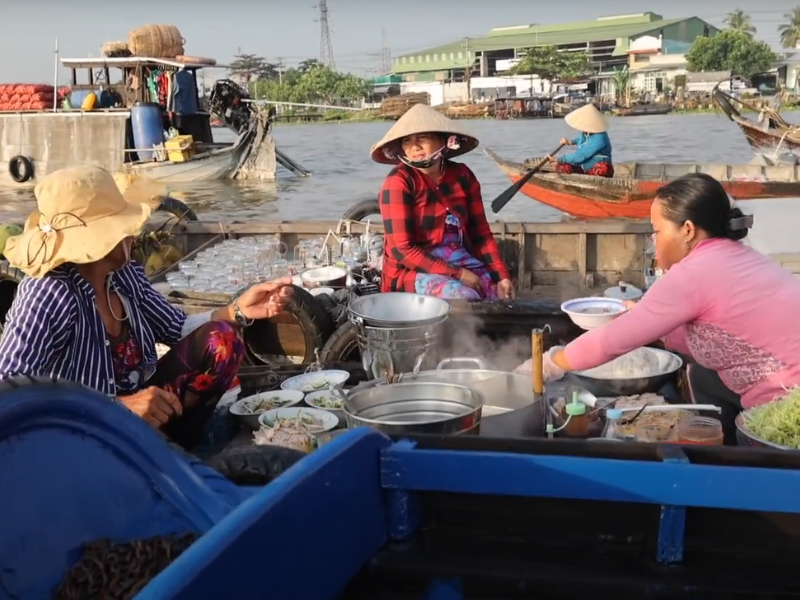
- The Mekong Delta
This itinerary connects ancient history with more recent events, offering a broader understanding of how Vietnam has evolved into the vibrant nation visitors experience today.
When Is the Best Time to Visit Vietnam’s Historical Places?
Vietnam’s diverse geography means there is no single perfect travel season for the entire country.
Northern Vietnam is generally most comfortable during spring (March to April) and autumn (September to November), when temperatures are pleasant and skies are often clear.
Central Vietnam, including Hue, Hoi An, and My Son Sanctuary, is particularly enjoyable between February and August, although weather conditions vary throughout the year.
Southern Vietnam can be visited year-round, with the dry season from December to April offering especially favorable conditions for exploring Ho Chi Minh City and the Mekong Delta.
If your itinerary covers the entire country, working with a local travel expert can help you plan the most suitable route according to seasonal weather patterns.
Respecting Vietnam’s Cultural Heritage
Historical landmarks are more than tourist attractions.
For many Vietnamese people, they remain important places of worship, remembrance, education, and cultural identity.
Respectful travel helps preserve these remarkable sites for future generations.
Visitors are encouraged to:
- Dress modestly when entering temples and pagodas.
- Follow local customs and photography guidelines.
- Avoid touching ancient carvings and historical artifacts.
- Keep noise to a minimum in sacred spaces.
- Support local guides and community businesses.
- Dispose of waste responsibly.
- Respect religious ceremonies and traditional practices.
Responsible tourism not only protects Vietnam’s heritage but also creates more meaningful interactions with local communities.
Why Exploring History with a Local Guide Makes a Difference
Standing before an ancient temple without understanding its story is like reading only the cover of a remarkable book.
The architecture may be beautiful.
The surroundings may be impressive.
But much of its meaning remains hidden.
An experienced local guide brings these places to life.
Instead of simply identifying dates and historical figures, they explain the legends, traditions, cultural values, and personal stories connected to each destination.
They answer questions that guidebooks rarely address.
They provide context that helps travelers understand how the past continues to influence modern Vietnamese society.
Perhaps most importantly, they transform history from information into experience.
The journey becomes far more engaging because travelers begin to see historical places through the perspective of the people who know them best.
Frequently Asked Questions
What are the most famous historical places in Vietnam?
Among the country’s best-known historical landmarks are the Temple of Literature in Hanoi, Hoa Lu Ancient Capital, the Imperial City of Hue, Hoi An Ancient Town, My Son Sanctuary, the Ho Dynasty Citadel, and the Cu Chi Tunnels.
Together, these sites represent different chapters of Vietnam’s long and fascinating history.
Which historical place is best for first-time visitors?
For travelers visiting Vietnam for the first time, Hanoi provides an excellent introduction.
Its ancient temples, traditional Old Quarter, historical monuments, and cultural institutions offer a broad overview of the country’s heritage before continuing to central and southern Vietnam.
Are Vietnam’s historical places suitable for families?
Yes.
Many historical sites combine educational value with beautiful architecture, peaceful gardens, cultural performances, and interactive museums that appeal to visitors of all ages.
Family-friendly guided tours can make history engaging and accessible for younger travelers.
How many days should I allow for a historical tour of Vietnam?
A well-balanced historical itinerary generally requires between ten and fourteen days.
This allows sufficient time to explore northern, central, and southern Vietnam without rushing between destinations.
Longer journeys provide opportunities to discover lesser-known heritage sites and local cultural experiences.
Are guided tours recommended?
While independent travel is certainly possible, guided historical tours often provide a much deeper understanding of Vietnam’s heritage.
Professional local guides help connect individual landmarks into one continuous historical narrative, making each destination significantly more meaningful.
More Than Places—A Living Legacy
Perhaps the greatest lesson from exploring Vietnam’s historical places is that history is never truly finished.
It continues to shape daily life.
It influences architecture, festivals, education, cuisine, spirituality, and family traditions.
The ancient capitals, imperial citadels, temples, archaeological sites, and historic towns we visit today are not isolated reminders of the past.
They remain active parts of the nation’s cultural identity.
For travelers, this creates a rare opportunity.
Rather than simply observing history, they experience how it continues to live through the people, communities, and traditions of modern Vietnam.
That living connection is what makes historical travel here so distinctive.
Final Thoughts
Vietnam is often celebrated for its breathtaking landscapes, vibrant cities, world-famous cuisine, and welcoming people.
Yet behind every mountain pass, riverside town, ancient temple, and imperial palace lies a remarkable story that has shaped the nation over thousands of years.
Exploring Vietnam’s historical places offers far more than an opportunity to admire beautiful architecture or visit UNESCO World Heritage Sites.
It provides a deeper understanding of the country’s resilience, cultural diversity, spiritual traditions, and enduring identity.
Whether you’re wandering through the thousand-year-old streets of Hanoi, standing inside the majestic Imperial City of Hue, discovering the ancient Cham temples of My Son, or reflecting on modern history at the Cu Chi Tunnels, each destination reveals another chapter of Vietnam’s extraordinary story.
The more you understand these places, the more meaningful your journey becomes.
Discover Vietnam’s Heritage with Sao La Vietnam Tours
At Sao La Vietnam Tours, we believe history is best experienced through the people, traditions, and stories that continue to shape Vietnam today.
Our carefully designed cultural and heritage tours combine the country’s most significant historical landmarks with authentic local experiences, knowledgeable guides, and thoughtfully planned itineraries that allow you to explore each destination at a comfortable pace.
Whether you’re passionate about ancient civilizations, imperial history, UNESCO World Heritage Sites, architecture, archaeology, or Vietnam’s modern historical journey, we’ll create a tailor-made experience that brings the nation’s remarkable heritage to life.
Travel beyond the monuments. Discover the stories behind Vietnam’s history with Sao La Vietnam Tours—and experience a journey that connects the past with the present.