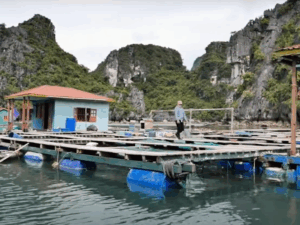

The towering limestone karsts in Halong Bay Vietnam are one of the most iconic natural landscapes in the world. Rising dramatically from emerald waters, these formations create a surreal seascape that attracts millions of visitors every year.
For many travelers, seeing these karsts in person feels like stepping into another world. But beyond their beauty, many people ask: What are limestone karsts in Halong Bay, and how were they formed?
This guide will help you understand the science behind these formations, why they are so unique, and how to experience them during your visit to Halong Bay.
What Are Limestone Karsts in Halong Bay?
Limestone karsts are geological formations created by the dissolution of limestone rock over time.
In Halong Bay, these karsts appear as:
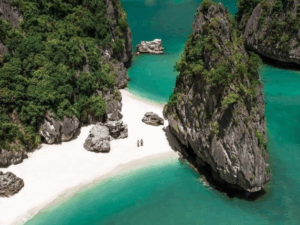
Towering limestone pillars
Isolated islands rising from the sea
Cliffs covered with lush vegetation
These formations are the result of millions of years of natural processes involving water, climate, and geological activity.
The karst landscape in Halong Bay is considered one of the most extensive and well-preserved in the world.

How Limestone Karsts in Halong Bay Were Formed
Understanding how these formations were created helps explain why Halong Bay is so unique.
Geological Formation Process
The formation of limestone karsts began over 500 million years ago, when the region was covered by a shallow sea.
During this time:
Marine organisms deposited calcium carbonate
Layers of limestone gradually formed
Tectonic movements raised the land above sea level
Millions of Years of Erosion
Once exposed to air and water, the limestone began to erode.
Rainwater, which is slightly acidic, slowly dissolved the rock.
Over millions of years, this process created:
Deep valleys
Underground caves
Tower-like karst formations
Role of Water and Climate
The tropical climate of northern Vietnam plays a key role in shaping the karsts.
Factors include:
Heavy rainfall
High humidity
Warm temperatures
These conditions accelerate erosion and contribute to the dramatic shapes seen today.
Why Limestone Karsts in Halong Bay Are Unique
While karst landscapes exist in other parts of the world, Halong Bay is exceptional for several reasons.
Dense concentration
Halong Bay contains more than 1,600 limestone islands, creating a dense and visually stunning landscape.
Marine karst system
Unlike land-based karsts, Halong Bay features a marine karst environment, where formations rise directly from the sea.
Scenic beauty
The contrast between:
Emerald water
Gray limestone cliffs
Green vegetation
creates one of the most photogenic landscapes on Earth.
Because of these features, Halong Bay was recognized as a UNESCO World Heritage Site.
Famous Limestone Karsts and Rock Formations
Some karsts in Halong Bay have become famous landmarks due to their unique shapes.
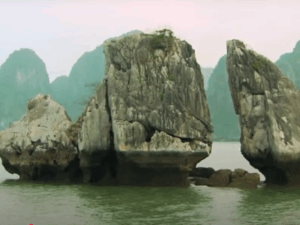
Fighting Cock Islet
This is one of the most iconic symbols of Halong Bay.
The two limestone formations resemble:
Two roosters facing each other
It is often featured in travel photos and Vietnamese cultural imagery.
Stone Dog Islet
This karst formation resembles a dog sitting by the sea.
According to local legends, it symbolizes loyalty and protection.
Thumb Islet
Thumb Islet is a smaller formation shaped like a human thumb.
It is often used as a photography spot during cruises.
Caves and Grottos Inside the Karsts
Many limestone karsts in Halong Bay contain caves formed by erosion.
Some of the most famous caves include:
Sung Sot Cave
Thien Cung Cave
Dau Go Cave
Inside these caves, visitors can see:
Stalactites hanging from ceilings
Stalagmites rising from the ground
Large chambers resembling natural cathedrals
These caves add another layer of beauty to the karst landscape.
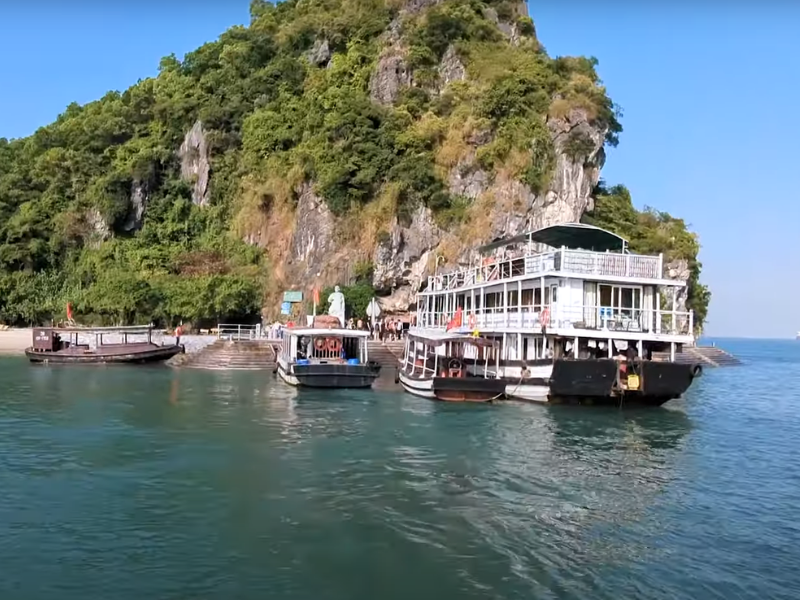
Best Ways to Experience Limestone Karsts in Halong Bay
There are several ways to fully appreciate the beauty of Halong Bay’s karsts.
Cruising Through the Bay
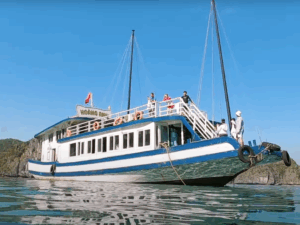
A cruise is the best way to explore the limestone karsts.
From the deck, travelers can:
See hundreds of karsts up close
Enjoy panoramic views
Visit remote areas
Overnight cruises offer the most immersive experience.
Kayaking Between Karsts
Kayaking allows travelers to get even closer to the formations.
Visitors can:
Paddle through narrow passages
Enter hidden lagoons
Explore caves at water level
This is one of the most memorable activities in Halong Bay.
Viewpoints and Photography
Some islands offer viewpoints where visitors can see the karsts from above.
These viewpoints provide:
Panoramic views of the bay
Excellent photography opportunities
Sunrise and sunset are the best times for capturing the scenery.
Best Time to See Halong Bay Karsts
The appearance of the karsts changes depending on the season.
Best months
March to May
September to November
These months offer:
Clear skies
Calm seas
Good visibility
Winter months
Misty atmosphere
Dramatic and mysterious scenery
Summer months
Bright colors
Occasional storms
Each season provides a different perspective of the karst landscape.
Travel Tips for Visiting Halong Bay
To fully enjoy the limestone karsts in Halong Bay Vietnam, consider these tips:
Choose an overnight cruise for the best experience
Bring a camera or drone for photography
Visit early morning or sunset for the best lighting
Pack sunscreen and comfortable clothing
Book tours with reputable operators
These tips will help you experience Halong Bay more effectively.

Conclusion
The limestone karsts in Halong Bay Vietnam are one of the most extraordinary natural landscapes in the world.
Formed over millions of years, these towering formations create a surreal environment that attracts travelers, photographers, and nature lovers alike.
By understanding what limestone karsts in Halong Bay are, and how they were formed, visitors can appreciate the beauty of this UNESCO World Heritage Site on a deeper level.
Whether you are cruising through the bay, kayaking between the cliffs, or exploring hidden caves, Halong Bay offers an unforgettable experience.
If you are planning a trip to Vietnam, witnessing these incredible limestone karsts should be at the top of your travel list.
FAQ
What are limestone karsts in Halong Bay?
They are rock formations created by the dissolution of limestone over millions of years.
How were Halong Bay karsts formed?
They formed through erosion caused by rainwater and geological processes over hundreds of millions of years.
Why are Halong Bay karsts unique?
They form a dense marine karst landscape with thousands of islands rising from the sea.
Can you explore the karsts up close?
Yes, visitors can explore them by cruise, kayak, or boat.
When is the best time to see Halong Bay karsts?
March to May and September to November offer the best visibility.