
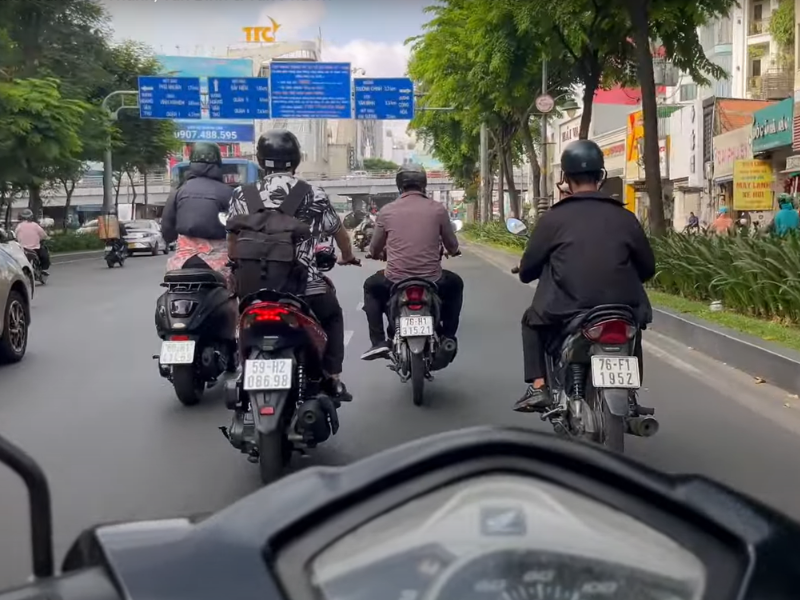
Landing in a new country and trying to figure out transportation is one of the most stressful parts of travel — and Vietnam is no exception. Street taxis with rigged meters, language barriers, and unfamiliar traffic can make simply getting from the airport to your hotel feel intimidating. This is exactly why the Grab app in Vietnam for tourists has become the single most recommended download for anyone visiting the country in 2026.
This guide covers everything you need to know: how to download and set up the app, which services are worth using, how much things cost, how to handle airport pickups, safety tips, and what to do if Grab isn’t available where you’re headed.
Table of Contents
- What Is Grab and Why Tourists Use It
- Is Grab Available Where You’re Traveling in Vietnam?
- How to Download and Set Up Grab Before Your Trip
- Grab Services Explained: GrabBike, GrabCar, GrabTaxi & More
- How Much Does Grab Cost in Vietnam?
- Step-by-Step: How to Book Your First Ride
- Using Grab at the Airport
- Payment Methods: Cash vs Card
- Is Grab Safe in Vietnam?
- Common Problems Tourists Run Into (and How to Fix Them)
- Grab vs Traditional Taxis vs Xanh SM
- Using GrabFood and GrabMart as a Tourist
- Tipping Etiquette on Grab
- Grab Alternatives to Keep as Backup
- Pro Tips From Experienced Travelers
- Frequently Asked Questions
What Is Grab and Why Tourists Use It
Grab is Southeast Asia’s dominant ride-hailing and delivery super-app, and in Vietnam it functions much like Uber does in the West — except it also handles food delivery, grocery shopping, and parcel sending, all from a single app. Grab has operated in Vietnam since 2014, and after Uber exited the Southeast Asian market and handed over its regional operations, Grab became the default option for anyone who wants a reliable, English-friendly way to get around.
For tourists specifically, ride-hailing in Vietnam through Grab solves three problems at once:
- No price negotiation. The fare is calculated and shown before you confirm the ride, removing the guesswork (and potential overcharging) associated with flagging down a street taxi.
- No language barrier. The entire app runs in English, and it includes an automatic translation feature for messaging your driver.
- Real-time tracking and accountability. You can see your driver’s location, license plate, and rating before the trip even starts, and the whole route is tracked via GPS.
For most visitors, downloading Grab before their trip is now considered as standard as packing a power adapter.
Is Grab Available Where You’re Traveling in Vietnam?
Grab Vietnam airport pickups and city rides work reliably in all the destinations most tourists visit, but coverage isn’t uniform nationwide. Here’s a realistic breakdown:
Strong, reliable coverage:
- Hanoi
- Ho Chi Minh City
- Da Nang
- Hue
- Nha Trang
- Can Tho
- Vung Tau
Limited or inconsistent coverage:
- Hoi An (works, but driver supply can be thin in the Old Town area)
- Sapa town
- Phong Nha
- The Mekong Delta’s smaller towns
Essentially unavailable:
- Remote mountain routes such as Ha Giang
- Very small rural villages off the main tourist circuit
If your itinerary includes any of the “limited” or “unavailable” destinations, it’s worth planning alternative transport (hotel-arranged drivers, local tour operators, or pre-booked private cars) for those specific legs of your trip, even if you rely on Grab everywhere else.
How to Download and Set Up Grab Before Your Trip
Setting up Grab takes just a few minutes and is best done before you arrive, so you’re not fumbling with app stores and verification codes right after a long flight.
- Download the app. Grab is available on the Apple App Store, Google Play Store, and Huawei AppGallery. Search “Grab” and install it like any other app.
- Create your account. Register using your phone number. International numbers generally work fine for how to use Grab in Vietnam as a tourist, though having a local Vietnamese SIM can make direct communication with drivers slightly smoother.
- Verify your number. You’ll receive an SMS verification code — enter it to activate your account.
- Set your language to English. The app’s navigation, booking flow, and trip management all support English by default.
- Add a payment method (optional but recommended). You can link an international Visa or Mastercard, or simply plan to pay drivers in cash.
- Enable location permissions. This allows the app to detect nearby drivers and suggest accurate pickup points.
Doing this setup at home, connected to reliable Wi-Fi, avoids the common problem of trying to register for the first time on spotty airport Wi-Fi with a jet-lagged brain.

Grab Services Explained: GrabBike, GrabCar, GrabTaxi & More
One of the most useful things about Grab is that it bundles multiple transport and delivery services into one app. Here’s what each one actually means for a tourist:
GrabBike Motorbike taxi rides. This is the cheapest and often fastest way to get around dense city traffic for short distances. The driver provides a helmet, which is legally required — if a driver doesn’t offer one, you’re entitled to decline the ride.
GrabCar Private car rides, similar to a standard Uber or Lyft ride. Ideal for longer trips, group travel, luggage, or simply when you’d rather not deal with motorbike traffic directly. Pricing is shown upfront in the app before you confirm.
GrabTaxi This option books you into a partnered, licensed metered taxi through the Grab app rather than a private driver’s own vehicle. It’s a good middle-ground if you want the transparency of app-based booking with a traditional taxi experience.
GrabExpress A parcel and document delivery service. Less relevant for most sightseeing tourists, but genuinely useful if you need to send something across the city quickly.
GrabFood Restaurant delivery, letting you order from local eateries straight to your hotel room — handy on nights when you’d rather not go back out.
GrabMart On-demand grocery and convenience-store delivery, useful for topping up sunscreen, snacks, or bottled water without leaving your accommodation.
How Much Does Grab Cost in Vietnam?
Prices vary based on distance, vehicle type, time of day, and weather (fares rise during rain or late-night hours), but here are realistic ranges tourists can expect in 2026:
| Ride Type | Typical Trip | Approx. Price |
|---|---|---|
| GrabBike | Short city hop (2–4 km) | 20,000–40,000 VND (~$0.80–$1.60) |
| GrabCar | Short-to-medium city trip | 30,000–70,000 VND (~$1.25–$3) |
| GrabCar | Noi Bai Airport → Hanoi Old Quarter | 280,000–380,000 VND (~$11–$15) |
| GrabTaxi | Similar to GrabCar, slightly variable by operator | Comparable to GrabCar |
Surge pricing kicks in during heavy rain, rush hour, and late-night hours (roughly 11 PM–5 AM), so don’t be surprised if the fare shown is noticeably higher during those windows — this is normal and reflects reduced driver availability, not a glitch.
Step-by-Step: How to Book Your First Ride
Booking through Grab follows the same basic flow whether you’re requesting a motorbike or a car:
- Open the app and allow it to detect your current location automatically.
- Enter your destination using the search bar — you can type an address, landmark, or hotel name.
- Choose your service type (GrabBike, GrabCar, GrabTaxi, etc.) based on your budget and comfort level.
- Review the fare, which is displayed clearly before you confirm anything.
- Confirm your payment method — cash or linked card.
- Match with a driver. You’ll see their name, photo, license plate, vehicle details, and rating.
- Track your ride in real time as the driver approaches your pickup point.
- Verify before boarding — check that the license plate and driver’s name match what’s shown in the app before getting in.
If you don’t speak Vietnamese, use the app’s built-in chat translation to message your driver in English — it converts your message automatically so the driver receives it in Vietnamese.
Using Grab at the Airport
Airport arrivals are one of the highest-value use cases for tourists, since this is exactly where overpriced, unofficial taxi touts tend to target unsuspecting travelers.
Tips for a smooth Grab airport pickup:
- Book from inside the terminal once you’ve cleared immigration and collected your luggage, rather than trying to hail a taxi outside.
- Walk to the designated ride-hailing pickup zone — most major airports, including Noi Bai (Hanoi) and Tan Son Nhat (Ho Chi Minh City), have specific areas set aside for app-based pickups, separate from the taxi rank.
- Expect a short walk. Ride-hailing pickup points are sometimes a few minutes’ walk from the arrivals hall — following the in-app map is more reliable than looking for signage.
- Have your phone charged and data active, since you’ll need to communicate your exact location to the driver if the pickup point is congested.
- Budget for surge pricing if you’re landing late at night, since fares typically increase between roughly 11 PM and 5 AM.
Using Grab from the airport is one of the most effective ways to sidestep the classic “airport taxi scam” — inflated flat fares or rigged meters aimed specifically at tourists who don’t know local rates.
Payment Methods: Cash vs Card
Grab in Vietnam supports both cash and card payments, and each has trade-offs worth knowing:
Cash
- Widely accepted by all drivers
- Useful as a backup if your card fails to link or your bank flags a foreign transaction
- Keep smaller denominations handy — drivers don’t always carry change for large bills
Card (Visa/Mastercard)
- Convenient and avoids needing exact change
- Foreign cards generally work when linked to your account
- Payment happens automatically at the end of the trip, with no cash handling required
Many experienced travelers keep both options active — a linked card for convenience, and a small amount of cash on hand just in case.
Is Grab Safe in Vietnam?
Yes — is Grab safe in Vietnam is one of the most frequent tourist questions, and the short answer is that Grab is considered one of the safest and most transparent transport options available to visitors. That said, a few sensible precautions go a long way:
- Always check the license plate and driver’s name against what’s shown in the app before getting in the vehicle.
- Wear the helmet provided on any GrabBike ride — it’s a legal requirement, and refusing a ride without one is completely reasonable.
- Share your trip status with a travel companion or use the app’s live tracking if you’re traveling solo at night.
- Trust the driver ratings. Consistently high-rated drivers are generally a safe bet.
- Be aware that cancellations happen more often in rain or during peak demand — this is a normal quirk of the system, not a red flag about safety.
Overall, Grab significantly reduces the typical risks associated with unregulated street transport, which is exactly why it’s become the default recommendation across nearly every Vietnam travel guide.
Common Problems Tourists Run Into (and How to Fix Them)
Driver calls instead of using the in-app pin. Many drivers prefer to call for final directions rather than relying solely on GPS. If you don’t speak Vietnamese, don’t panic if the call is short — the driver will typically hang up and just follow the map instead.
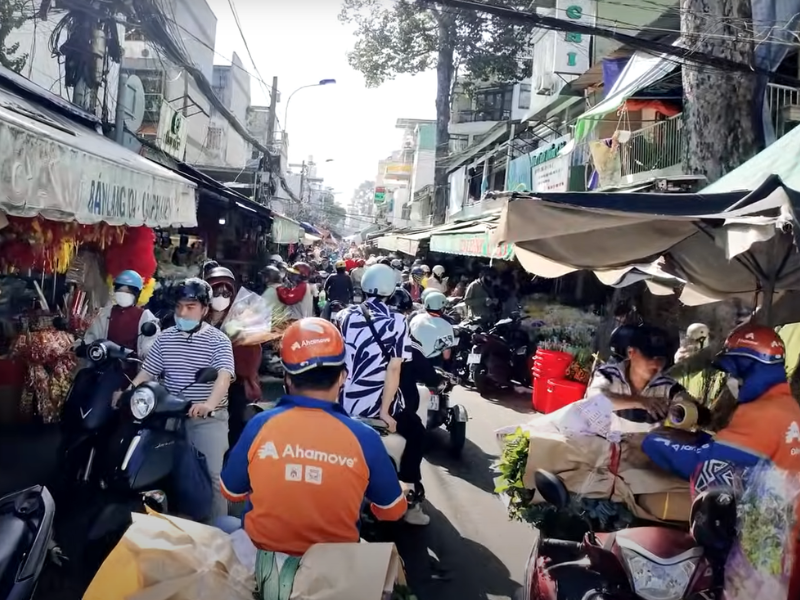
Pickup pin doesn’t match your exact location. In dense areas like Hanoi’s Old Quarter, the app sometimes pins your location to the nearest main road rather than the narrow alley you’re actually standing in. Walking out to the nearest through-street usually resolves this quickly.
Frequent cancellations during rain. This is common and reflects driver behavior during bad weather rather than an app malfunction — simply rebook if a driver cancels.
Thin, basic-quality helmets on GrabBike. The helmets provided are legally compliant but minimal. If you’ll be using GrabBike frequently over a longer stay, buying an inexpensive proper helmet from a convenience store is a worthwhile upgrade.
Low driver availability outside major cities. As noted earlier, smaller towns and rural areas may have very few active drivers — always check estimated wait times before relying on Grab exclusively in these areas.
Grab vs Traditional Taxis vs Xanh SM
Vietnam’s transport market has diversified in recent years, and it’s worth knowing your main options:
| Feature | Grab | Traditional Taxi | Xanh SM |
|---|---|---|---|
| Price transparency | Fixed fare shown upfront | Metered, but rigged meters exist | Fixed fare shown upfront |
| English support | Full English app + translation chat | Rarely available | English app support |
| Availability | Strong in major cities | Widely available everywhere | Growing rapidly in major cities |
| Vehicle types | Bike, car, taxi partners | Car only | Primarily electric cars |
| Booking method | App only | App or street hail | App only |
Xanh SM has emerged as Grab’s most serious domestic competitor, operating an all-electric fleet with app-based booking similar to Grab’s own model. It’s worth having both apps installed as of 2026, since driver availability can shift between platforms depending on the city and time of day. If you flag a traditional taxi on the street instead, stick to well-known, reputable operators — recognizable by their consistent branding and clearly marked, government-regulated fare stickers — and always confirm the meter is running rather than agreeing to a flat “special price.”
Using GrabFood and GrabMart as a Tourist
Beyond transport, GrabFood and GrabMart are genuinely useful for travelers, especially after a long day of sightseeing:
- GrabFood lets you browse local restaurants (often including small, authentic eateries you might not otherwise find) and have meals delivered straight to your hotel room, with the same upfront pricing and tracking as a ride.
- GrabMart functions like an on-demand convenience store, useful for grabbing bottled water, snacks, toiletries, or medication without heading out in the heat.
Both use the same account, payment methods, and interface as the ride-hailing side of the app, so there’s no additional setup required once you’re already using Grab for transport.
Tipping Etiquette on Grab
Tipping is not mandatory in Vietnam, and most locals don’t tip drivers as standard practice. That said, if you received excellent service — help with heavy luggage, a particularly smooth ride, or great communication despite a language barrier — rounding up the fare or adding a small in-app tip is a nice gesture and always appreciated, though never expected.
Grab Alternatives to Keep as Backup
Given that Vietnam’s ride-hailing market is more competitive than it used to be, relying on a single app isn’t always the smartest strategy. Consider keeping these as backups:
- Xanh SM – A fast-growing electric-vehicle ride-hailing service with strong presence in major cities.
- Mai Linh Taxi – A well-established, reputable metered taxi brand (light green vehicles) that’s trustworthy when Grab supply is thin.
- Vinasun Taxi – Another reliable, long-standing metered taxi operator (white vehicles with red/green branding), commonly used as a Grab backup in Ho Chi Minh City.
Having at least one backup app or trusted taxi brand installed or noted means you’re never stuck if Grab shows long wait times, especially during rain or peak hours.
Pro Tips From Experienced Travelers
- Install and set up the app before you land — don’t wait until you’re standing in the arrivals hall with no local SIM yet.
- Add a payment method in advance so you’re not scrambling to link a card with one hand while holding luggage with the other.
- Use clear, well-known landmarks as your pickup point rather than an exact street address, especially in older, narrow-laned neighborhoods.
- Choose the ride type that matches your actual situation — if you have heavy luggage or it’s raining hard, pay slightly more for GrabCar rather than gritting it out on a GrabBike.
- Keep mobile data active throughout your trip, since the app relies on a live connection for both booking and communicating with drivers.
- Don’t rely on Grab alone for remote regions — plan alternative transport in advance for destinations like Ha Giang, deep rural Mekong Delta towns, or mountain treks near Sapa.
Frequently Asked Questions
Does the Grab app work in Vietnam for tourists? Yes. Grab operates across all of Vietnam’s major cities and tourist destinations, including Hanoi, Ho Chi Minh City, Da Nang, Hue, and Nha Trang. The app runs fully in English and works with international phone numbers and foreign credit cards, making it directly usable for tourists without any workarounds.
Do I need a Vietnamese phone number to use Grab? No. International phone numbers generally work for registration and use, although having a local Vietnamese SIM can make communicating with drivers slightly easier if you need to coordinate a specific pickup point.
How much does a Grab ride cost in Vietnam? Short city rides on GrabBike typically cost 20,000–40,000 VND (about $0.80–$1.60), while GrabCar city trips usually run 30,000–70,000 VND (about $1.25–$3). An airport transfer, such as Noi Bai to central Hanoi, typically costs 280,000–380,000 VND (about $11–$15).
Is there Uber in Vietnam? No. Uber exited the Southeast Asian market in 2018 and transferred its regional operations to Grab, which is why Grab now functions as the default ride-hailing app across the country.
Is Grab safe to use in Vietnam? Yes. Grab is widely considered one of the safest transport options for tourists, thanks to upfront pricing, GPS trip tracking, driver ratings, and visible license plate and driver information before you get in the vehicle.
Can I use Grab at the airport in Vietnam? Yes. Most major airports, including Noi Bai and Tan Son Nhat, have designated pickup zones for ride-hailing apps like Grab, separate from the traditional taxi rank, making it one of the most reliable ways to avoid airport taxi overcharging.
What’s the difference between GrabBike and GrabCar? GrabBike is a motorbike taxi service, best for short trips and tight budgets, while GrabCar offers private car rides better suited for longer distances, groups, luggage, or bad weather.
Is Grab available everywhere in Vietnam? No. Coverage is strong in major cities but limited or inconsistent in smaller towns like Sapa or Phong Nha, and essentially unavailable in remote areas such as Ha Giang’s mountain routes.
Final Thoughts
For nearly every visitor, the Grab app in Vietnam for tourists is the single most useful download for making daily transport simple, transparent, and stress-free. It won’t completely replace every form of transport — remote regions and certain rural routes still require alternative arrangements — but for city travel, airport transfers, and everyday convenience, it’s hard to beat. Set it up before you land, keep a backup option like Xanh SM or a trusted taxi brand in your back pocket, and you’ll be moving around Vietnam like a confident local within your first day.