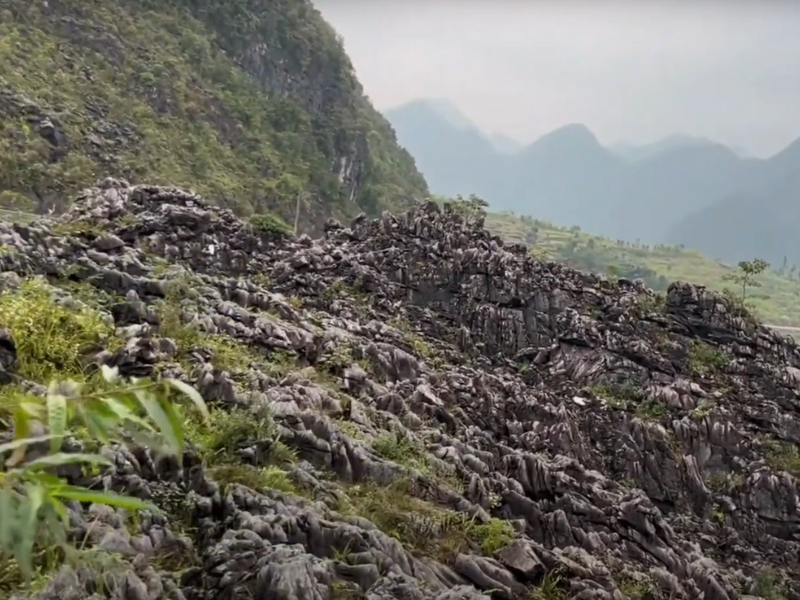
Every autumn, as crisp mountain breezes sweep across the northernmost frontier of Vietnam, the jagged grey limestone peaks of the Dong Van Karst Plateau undergo a breathtaking transformation. Millions of delicate pink, white, and purplish blossoms carpet the terraced fields, valley floors, and dramatic mountain passes. Welcome to the Ha Giang buckwheat flower season—one of Southeast Asia’s most captivating natural spectacles.
Known locally as Hoa Tam Giác Mạch, these fragile yet resilient flowers represent far more than a stunning photo backdrop. For the indigenous H’Mong, Dao, Tay, and Lolo ethnic communities, buckwheat is a staple crop that has sustained alpine families for generations.
Whether you are an adventurous motorcycle rider tackling the famous Ha Giang Loop, a photography enthusiast capturing mist-shrouded valleys, or a culture seeker looking for authentic highland encounters, this ultimate guide covers everything you need to know about planning your trip during the Ha Giang buckwheat flower season.
At Sao La Vietnam Tours, we specialize in crafting personalized, authentic, and slow-paced journeys through Vietnam’s majestic northern highlands. Read on to discover bloom schedules, prime viewing locations, festival highlights, and expert travel tips.
Quick Overview: Ha Giang Buckwheat Flower Season At A Glance
Peak Season: Late September to early December (Absolute peak: October & November).
Location: Dong Van Karst Plateau Geopark, Ha Giang Province (Quan Ba, Yen Minh, Dong Van, Meo Vac).
Flower Color Transformation: White/pale pink upon opening $\rightarrow$ deep pink/purplish magenta at full bloom $\rightarrow$ dark red/brown as seeds mature.
Annual Festival: Ha Giang Buckwheat Flower Festival (usually held from late October through mid-November in Dong Van).
Ideal Duration: 3 to 5 days.
Travel Style: Tailor-made private tours, guided motorcycle (Easy Rider) loops, or luxury private chauffeur tours.
The Story Behind the Bloom: Why Buckwheat Flowers?
Before planning your trip, understanding the cultural heritage behind the blossoms enriches your journey. According to local folklore, long ago, a severe famine struck the northern highlands after a poor rice and corn harvest. High in the rocky crevices, villagers discovered small green plants bearing triangular seeds. They harvested the grain, ground it into flour, and created warm cakes that saved the mountain communities from starvation.
In reality, buckwheat (Fagopyrum esculentum) is planted by local farmers right after the summer rice harvest in August. The crop serves three vital purposes:
Culinary Staple: The harvested seeds are ground to make traditional buckwheat cakes (Bánh Tam Giác Mạch), soft steamed breads, and distilled into potent buckwheat wine (Rượu Tam Giác Mạch).
Livestock Feed: Leaves and stalks provide nutritious fodder for cattle during harsh mountain winters.
Tourism & Culture: The vibrant blooms attract travelers from around the globe, providing sustainable income to local ethnic families.
Month-by-Month Guide: When is the Best Time to Visit?
While the Ha Giang buckwheat flower season spans from late September to December, each month offers a distinct visual atmosphere and travel conditions.
Late September to Early October: The Early Whispers
Color Palette: Pure white and soft pale pink.
What to Expect: The earliest fields begin blooming around Quan Ba and Yen Minh. Weather conditions are delightfully mild with clear skies and warm afternoon sunshine. Terraced rice fields in Hoang Su Phi are also finishing their golden harvest, making this time perfect for combining rice terrace photography with early buckwheat blooms.
Mid-October to Mid-November: The Absolute Peak & Festival Season
Color Palette: Vibrant pink, lavender, and rich magenta.
What to Expect: This is the undisputed prime window for visiting Ha Giang. Entire valleys from Dong Van to Meo Vac are covered in dense pink carpets. The official Ha Giang Buckwheat Flower Festival takes place during this period, bringing vibrant folk games, cultural performances, and night markets to Dong Van Old Quarter.
Late November to December: The Final Deep Crimson
Color Palette: Deep purple, dark reddish-crimson, transitioning to seed heads.
What to Expect: The flowers darken as seeds mature for harvest. Temperatures drop significantly, bringing cool alpine mist and dramatic mountain cloud-hunting opportunities. While some fields are harvested by early December, higher-altitude fields along Ma Pi Leng Pass often remain in bloom until mid-month.
Top 7 Locations to See Buckwheat Flowers in Ha Giang
To help you navigate the vast Dong Van Geopark, here are the most pristine and photo-worthy buckwheat flower fields:
1. Sung La Valley (Thung Lũng Sủng Là)
Often referred to as the “oasis of the rocky plateau,” Sung La is famous for its idyllic H’Mong villages surrounded by steep limestone cliffs.
Highlight: Visit the historic wooden house featured in the award-winning film “Pao’s Story” (Nhà của Pao). The surrounding fields feature vast, well-maintained buckwheat gardens with traditional stone fencing.
2. Lung Cu Flag Tower Area (Cột Cờ Lũng Cú)
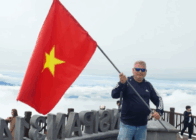
Located at the northernmost tip of Vietnam bordering China, Lung Cu offers panoramic views of buckwheat fields spreading below the colossal national flag monument.
Highlight: The fields around Lo Lo Chai village—a pristine hamlet inhabited by the ethnic Lo Lo people—offer stunning flower photos backed by traditional rammed-earth houses (nhà trình tường).
3. Ma Pi Leng Pass & Pai Lung (Đèo Mã Pí Lèng)
Known as one of Vietnam’s “Four Great Mountain Passes,” Ma Pi Leng drops dramatically toward the turquoise Nho Que River.
Highlight: Buckwheat flower fields situated along the edges of the pass bloom slightly later than valley fields (late October to mid-November). Capturing pink blossoms with the winding pass and Nho Que river canyon in the background produces iconic photography.
4. Dong Van Old Quarter & Pho Bang Village
Pho Bang is a quiet, time-forgotten town near the border with classic Chinese-style architecture and red-clay homes.
Highlight: The flower fields leading into Pho Bang and around Dong Van Old Quarter are less crowded, offering peaceful photography and intimate local interaction.
5. Quan Ba Twin Mountains (Núi Đôi Quản Bạ)
Located near the gateway to Ha Giang, the buckwheat fields planted at the foot of Heaven’s Gate (Cổng Trời Quản Bạ) and around the Twin Mountains provide your very first glimpse of the flower season.
6. Pho Cao Village (Phố Cáo)
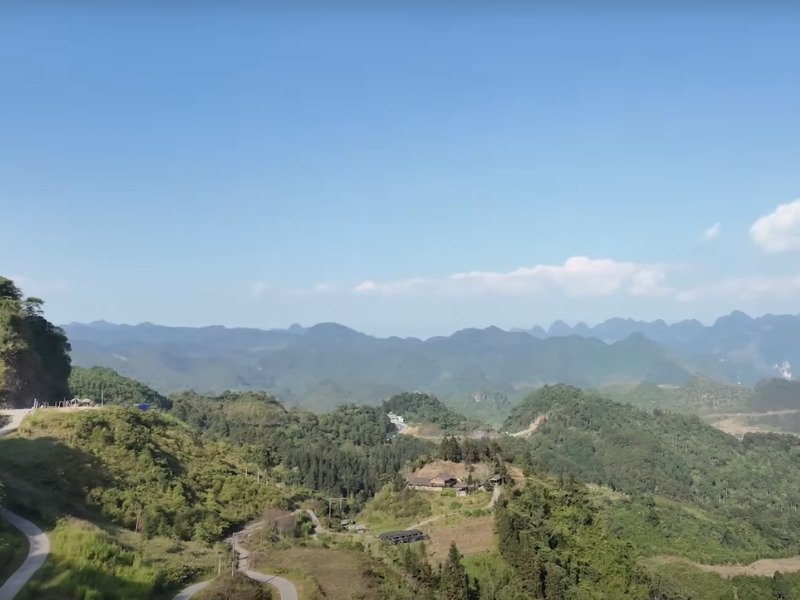
Pho Cao is renowned for its intact rustic charm, traditional earthen homes, and dry-stone walls. During peak season, pink flower fields frame the ancient wooden doorways of the village.
7. Niem Tong & Meo Vac Valleys
For travelers venturing beyond the main highway, the valleys connecting Meo Vac to Du Gia feature terraced buckwheat plots cultivated along steep valley walls.
Highlights of the Annual Ha Giang Buckwheat Flower Festival
Organized by the Ha Giang Provincial People’s Committee, the Ha Giang Buckwheat Flower Festival celebrates the natural beauty and ethnic culture of the northern highlands.
Key Festival Activities:
Grand Opening Ceremony: Held in Dong Van Old Quarter, featuring traditional music, light shows, and dances by Mong, Dao, Tay, and Lo Lo artists.
Highland Cultural Markets: Special street stalls selling authentic local handicrafts, indigo-dyed linen textiles, silver jewelry, and regional agricultural products.
Culinary Showcases: Live demonstrations of traditional buckwheat cake making and corn wine distillation.
Folk Games & Sports: Visitors can watch or participate in traditional sports such as stick pushing (đẩy gậy), tug-of-war, and Pa Pao ball throwing.
Hot Air Balloon Rides: Select festival editions feature tethered hot air balloon rides over Dong Van’s flower fields.
Traveler Tip: During the festival weekend, accommodation in Dong Van and Meo Vac sells out weeks in advance. Booking your tour early with a dedicated travel provider ensures reserved boutique lodging.
Best 4-Day Ha Giang Buckwheat Flower Season Itinerary
Crafted by the travel experts at Sao La Vietnam Tours, this unhurried 4-day itinerary combines iconic flower fields, awe-inspiring mountain passes, and authentic cultural immersion.
[Hanoi] ➔ [Ha Giang City] ➔ [Quan Ba & Yen Minh] ➔ [Dong Van & Lung Cu] ➔ [Ma Pi Leng & Meo Vac] ➔ [Du Gia] ➔ [Hanoi]
Day 1: Hanoi – Ha Giang City – Quan Ba Heaven’s Gate (190 km)
Morning: Private luxury transfer from Hanoi to Ha Giang via highway. Enjoy sweeping views of the Red River Delta transitioning into mountain foothills.
Afternoon: Arrive in Ha Giang City for lunch. Drive up the mountain switchbacks to Quan Ba Heaven’s Gate and admire the panoramic view of the Fairy Twin Mountains surrounded by early buckwheat patches.
Evening: Check into a boutique lodge in Nam Dam village (a traditional Dao ethnic village). Enjoy a home-cooked dinner featuring mountain herbs and slow-roasted chicken.
Day 2: Quan Ba – Yen Minh – Sung La Valley – Dong Van (110 km)
Morning: Drive through the pine forests of Yen Minh. Stop at Pho Cao to explore rustic earthen homes surrounded by pink buckwheat blooms.
Afternoon: Enter Sung La Valley. Visit Pao’s House, stroll through expansive flower fields, and snap photos with local children wearing traditional woven flower baskets. Continue toward Lung Cu Flag Tower and explore Lo Lo Chai Village.
Evening: Check into your hotel or boutique homestay in Dong Van. Enjoy hotpot dinner and stroll through the ancient stone streets of Dong Van Old Quarter during the festival night.
Day 3: Dong Van – Ma Pi Leng Pass – Nho Que River – Meo Vac (60 km)
Morning: Catch the sunrise over the karst peaks. Drive across the iconic Ma Pi Leng Pass, stopping at cliffside flower gardens overlooking the abyss.
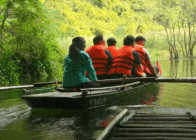
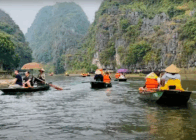
Afternoon: Descend to the Tu San Canyon for a private wooden boat ride along the crystal-turquoise waters of the Nho Que River. Look up at the 800-meter sheer vertical cliffs towering above.
Evening: Arrive in Meo Vac. Overnight in a traditional H’Mong clay lodge (Meo Vac Clay House or similar boutique stay).
Day 4: Meo Vac – Du Gia Valley – Ha Giang City – Hanoi (300 km)
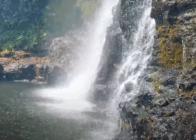
Morning: Drive through the pristine, winding roads of Du Gia, famous for terraced rice fields, waterfalls, and peaceful mountain streams.
Afternoon: Enjoy a traditional lunch beside Du Gia waterfall before returning to Ha Giang City.
Evening: Transfer comfortably back to Hanoi in your private limousine, arriving in the evening with unforgettable memories.
Culinary Highlights: What to Eat & Drink During Flower Season
Your trip to Ha Giang is incomplete without sampling the unique flavors derived directly from the buckwheat plant and mountain wilderness:
| Local Specialty | Description | Recommended Setting |
| Bánh Tam Giác Mạch (Buckwheat Cake) | Steamed and charcoal-grilled cakes made from ground buckwheat seeds. Soft, nutty, and slightly sweet. | Freshly grilled at Dong Van Sunday Market or road stands. |
| Thắng Cố (Traditional Highland Stew) | A traditional H’Mong dish made from horse/beef meat and offal, cooked with 12 mountain spices including cardamom and lemongrass. | Dong Van Old Quarter Sunday Market. |
| Rượu Tam Giác Mạch (Buckwheat Wine) | A smooth, fragrant mountain liquor fermented from buckwheat seeds and corn. Perfect for cool autumn nights. | Enjoyed warm with hotpot dinners. |
| Cháo Ấu Tẩu (Au Tau Porridge) | A savory porridge made from mountain tubers, pork trotter, and herbs. Known locally as a warming health tonic. | Night eateries in Ha Giang City and Dong Van. |
| Highland Free-Range Black Chicken | Tender, flavorful chicken stewed with herbal medicinal mushrooms or grilled over open embers. | Local family homestays in Nam Dam or Lo Lo Chai. |
Essential Photography & Packing Tips
To make the most of your Ha Giang buckwheat flower season adventure, keep these practical tips in mind:
Photography Advice:
Best Lighting: Shoot during early morning (06:30 AM – 08:30 AM) when gentle mountain mist hangs over the fields, or during golden hour (04:30 PM – 05:30 PM) when soft light illuminates the pink blossoms.
Outfit Color Palette: Neutral, cream, beige, navy, or mustard yellow clothing creates striking visual contrast against the pink flowers and grey limestone rocks.
Respect Local Farmers: Buckwheat fields are cultivated private crops. Local farmers usually charge a small entrance fee (10,000 to 30,000 VND / ~$0.50–$1.20 USD) per person to take photos inside the fields. Always walk along designated pathways and never step on or flatten the crops.
Essential Packing List:
Layered Clothing: Mountain temperatures drop quickly. Autumn daytime averages 18°C–24°C, but nighttime in Dong Van can drop to 8°C–12°C.
Sturdy Footwear: Comfortable hiking shoes or boots with good tread for walking on uneven limestone trails and damp garden paths.
Cash (VND): Small bills are essential for field entrance fees, market snacks, and tips, as electronic payments are rarely accepted in remote mountain villages.
Sun & Wind Protection: Sunglasses, SPF 50+ sunscreen, lip balm, and a light windbreaker jacket for mountain passes.
Frequently Asked Questions (FAQ)
1. Is it better to rent a motorcycle or take a private tour?
If you are an experienced motorcycle rider comfortable with steep switchbacks and sharp mountain drop-offs, riding the Ha Giang Loop on two wheels is an exhilarating experience. However, for maximum safety, comfort, and deep cultural insights, choosing a private chauffeur tour or an Easy Rider guided tour with Sao La Vietnam Tours allows you to relax and absorb the dramatic landscapes worry-free.
2. Can I see buckwheat flowers if I travel in early December?
Yes, but field coverage will be reduced compared to late October and November. In early December, higher-altitude areas around Lung Cu and Ma Pi Leng still hold deep crimson fields, while lower valley crops may already be harvested for seed.
3. How do I travel from Hanoi to Ha Giang?
Ha Giang City is located approximately 300 km north of Hanoi. You can choose:
VIP Limousine Bus / Sleeper Bus: 5.5 to 6.5 hours travel time.
Private Luxury Car / SUV: Direct door-to-door transfer organized as part of your tailor-made itinerary.
Plan Your Buckwheat Flower Adventure with Sao La Vietnam Tours
Witnessing the Ha Giang buckwheat flower season is a bucket-list travel experience that captures the raw beauty, rich culture, and warm hospitality of Vietnam’s northern frontier.
At Sao La Vietnam Tours, we craft slow-paced, tailor-made itineraries that allow you to explore at your own rhythm—connecting you with authentic local heritage while ensuring seamless comfort and safety.
Website: https://saolatours.com/
Address: 319 Tam Trinh Street, Hoang Mai District, Hanoi, Vietnam
Contact: Reach out to our 24/7 travel specialists today to customize your personal Ha Giang Buckwheat Flower Season tour itinerary!