
Choosing whether Hanoi or Saigon is better to visit is the ultimate debate for travelers planning a trip to Vietnam. Located at opposite ends of the country—separated by over 1,100 kilometers (700 miles)—these two powerhouse metropolises represent the twin beating hearts of Vietnam. However, their atmosphere, architecture, culinary traditions, history, and daily rhythms could not be more distinct.
Travelers comparing these iconic cities frequently encounter big decision questions: Should I immerse myself in Hanoi’s thousand-year-old historic quarter, ancient temples, and French-colonial charm? Or should I dive headfirst into Saigon’s booming skyline, high-octane energy, world-class nightlife, and recent historical sights? Which city has better street food, and which is friendlier for first-time visitors?
The answer depends entirely on what you want out of your holiday. Hanoi is poetic, traditional, atmospheric, and deeply rooted in culture and heritage. Saigon (Ho Chi Minh City) is dynamic, modern, entrepreneurial, fast-paced, and cosmopolitan.
At Sao La Vietnam Tours, we specialize in crafting unhurried, tailor-made, and authentic itineraries engineered around your lifestyle expectations. This comprehensive 3,000+ word comparison guide analyzes city vibes, culinary landscapes, historical depth, day-trip options, budget metrics, and combined itineraries to help you solve the “Hanoi or Saigon better to visit” question with total confidence.
At a Glance: Hanoi vs Saigon Comparison Matrix
For a quick side-by-side assessment of Vietnam’s two major urban hubs, review this summary overview:
+-----------------------+---------------------------------------+---------------------------------------+
| Comparison Category   | Hanoi (The Cultural Capital)          | Saigon / HCMC (The Modern Metropolis) |
+-----------------------+---------------------------------------+---------------------------------------+
| Core Vibe             | Ancient, traditional, atmospheric, slow| Dynamic, fast, trendy, cosmopolitan   |
| Primary Appeal        | 1000-year history, lakes, old alleys  | Skyscrapers, nightlife, modern history|
| Climate Profile       | 4 distinct seasons (Cold winter, hot) | Tropical (Warm year-round, dry/wet)   |
| Culinary Personality  | Subtle, balanced, traditional, savory | Bold, sweet, vibrant, fusion & global |
| Nightlife Pace        | Cozy street corner bars, early close  | Sky bars, late-night clubs, 24/7 hubs |
| Top Day Trips         | Ha Long Bay, Ninh Binh, Sapa          | Mekong Delta, Cu Chi Tunnels          |
| Airport Connectivity  | Noi Bai International Airport (HAN)   | Tan Son Nhat International Airport (SGN)|
+-----------------------+---------------------------------------+---------------------------------------+
Detailed Vibe & Atmosphere Comparison
The fundamental difference between Hanoi and Saigon comes down to how each city makes you feel the moment you step onto its streets:
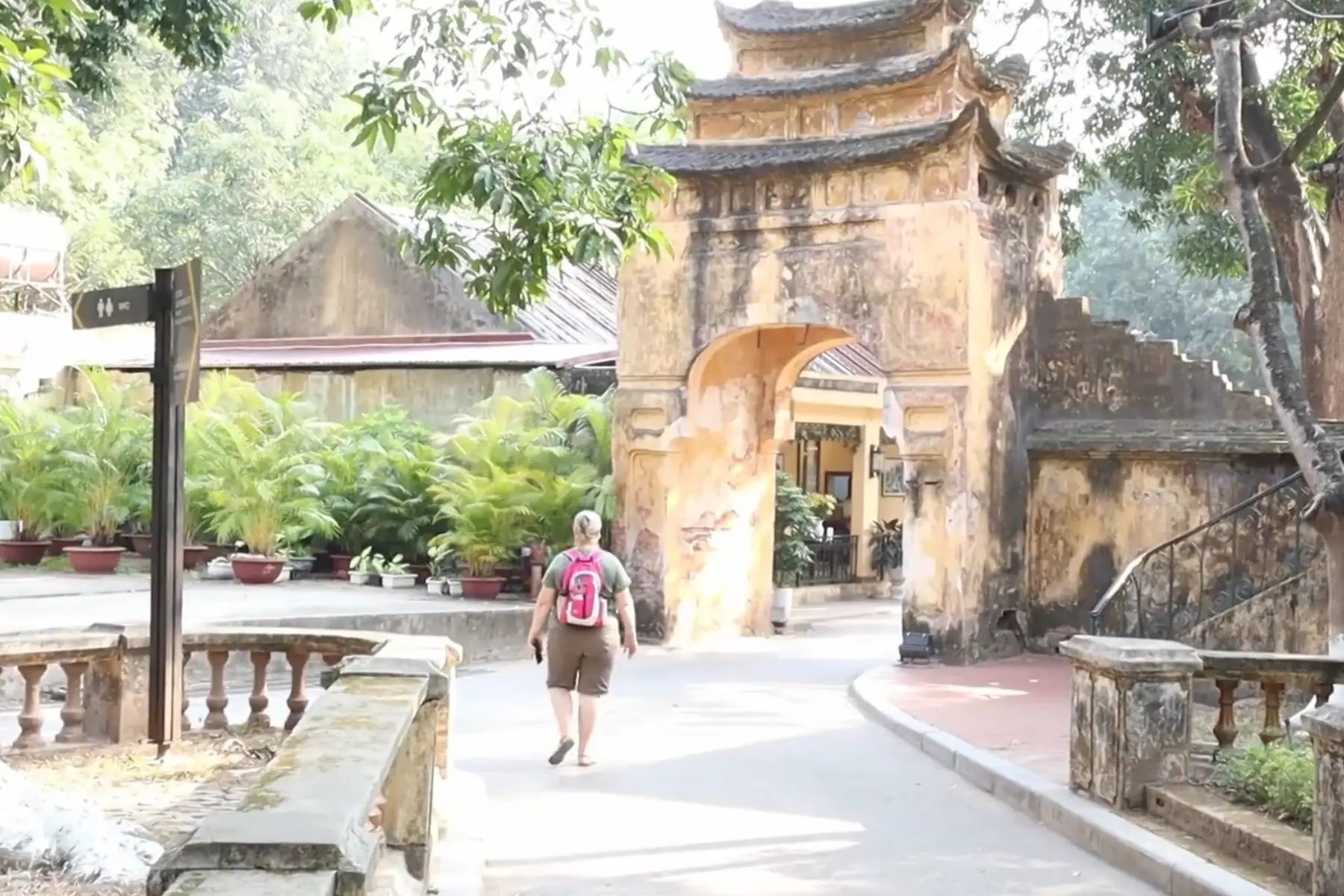
[Hanoi: Tree-Lined Lakes, French Colonial Villas, Ancient Old Quarter Alleys, Quiet Traditions]
                                        VS
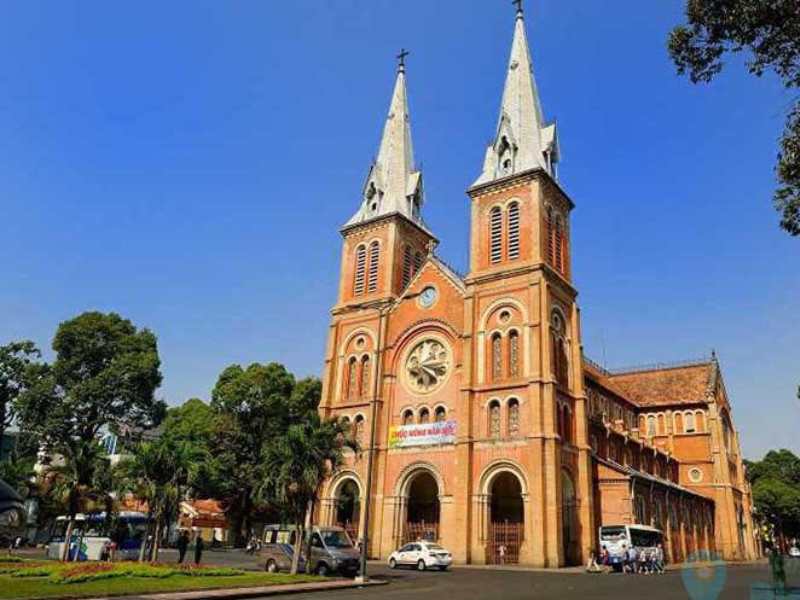
[Saigon: Grand Avenues, Soaring Skyscrapers, Rooftop Sky Bars, Fast-Paced Modern Commerce]
1. Hanoi: Poetic Heritage, Ancient Alleys & Time-Honored Grace
Hanoi feels like a city living gracefully between centuries. Founded as the imperial capital Thang Long over a thousand years ago, Hanoi’s identity is built around quiet lakes, ancient Buddhist pagodas, leafy tree-lined boulevards, and yellow French-colonial architecture.
The Daily Rhythm: Early mornings start at dawn with locals practicing Tai Chi around Hoan Kiem Lake. Life unfolds on sidewalks, where elders play chess, flower vendors cycle past on bicycles, and people sit on low plastic stools drinking egg coffee.
The Visual Style: Intimate, labyrinthine, historic, and textured. The famous Old Quarter (36 Guild Streets) features narrow tube houses where artisans have practiced specific trades for centuries.
2. Saigon (Ho Chi Minh City): High-Octane Energy & Forward-Looking Ambition
Saigon is Vietnam’s economic powerhouse—a bustling, sleek mega-city where historical French landmarks sit directly in the shadow of glass-and-steel skyscrapers.
The Daily Rhythm: Saigon never truly sleeps. Traffic hums continuously along wide boulevards, motorbikes weave through dynamic intersections, and open-air cafes buzz with young entrepreneurs, digital nomads, and creatives from morning until midnight.
The Visual Style: Expansive, electric, modern, and eclectic. Grand French colonial monuments—like the Notre Dame Cathedral and Central Post Office—are flanked by luxury shopping malls, chic rooftop lounges, and vibrant street markets.
Cultural & Historical Depth: Ancient Roots vs. Modern Epochs
Both cities are steeped in history, but they tell completely different stories about Vietnam’s past:
+-----------------------------------+-------------------------------------------------------------------+
| Historical Focus                  | City Comparison                                                   |
+-----------------------------------+-------------------------------------------------------------------+
| Ancient Dynasties & Heritage     | HANOI wins (1,000+ years of royal dynasties, Confucian temples)   |
| 20th-Century War History          | SAIGON wins (Reunification Palace, War Remnants, Cu Chi Tunnels) |
| French Colonial Architecture      | EQUAL (Hanoi has leafy villa quarters; Saigon has grand monuments)|
| Indigenous Crafts & Guilds        | HANOI wins (Old Quarter guild streets, craft villages like Bat Trang)|
+-----------------------------------+-------------------------------------------------------------------+
1. Hanoi: A Millennium of Royal & Traditional Heritage
If you are a history lover fascinated by ancient dynasties, Asian philosophy, and traditional crafts, Hanoi is unbeatable.
Temple of Literature (Văn Miếu): Founded in 1070 as Vietnam’s first university, dedicated to Confucius.
Imperial Citadel of Thang Long: A UNESCO World Heritage Site that served as the political center of Vietnam for over thirteen consecutive centuries.
Ho Chi Minh Mausoleum Complex: The solemn resting place of Vietnam’s founding leader, offering insight into 20th-century political history.
Traditional Arts: The birthplace of Vietnamese Water Puppetry (Múa Rối Nước) and classical folk music.

2. Saigon: 20th-Century Pivotal History & Global Currents
If your historical interest focuses on the modern era, the Indochina wars, and Vietnam’s rapid 20th-century transformation, Saigon is essential.
War Remnants Museum: A deeply moving, powerful museum documenting the realities and impacts of the Vietnam War.
Reunification (Independence) Palace: A frozen-in-time 1960s modernist landmark where the Vietnam War officially ended on April 30, 1975.
Cu Chi Tunnels: An astonishing 250-kilometer underground tunnel network built by the Viet Cong, located just outside the city.
Food War: Hanoi Street Food vs Saigon Culinary Fusion
Vietnam is one of the world’s great culinary destinations. While both cities offer legendary street food, their flavor profiles reflect their geographic origins:
+-----------------------+---------------------------------------+---------------------------------------+
| Culinary Aspect       | Hanoi Food Profile                    | Saigon Food Profile                   |
+-----------------------+---------------------------------------+---------------------------------------+
| Flavor Balance        | Subtle, savory, clean, herb-forward   | Bold, sweet, spicy, rich, fragrant    |
| Signature Noodle Dish | Pho Bo (Northern minimalist style)    | Hu Tieu & Pho (Rich, sweet broth)     |
| Icon Street Dish      | Bun Cha (Grilled pork & cold noodles) | Com Tam (Broken rice with pork chop)  |
| Coffee Culture        | Egg Coffee (*Cà Phê Trứng*)           | Iced Milk Coffee (*Cà Phê Sữa Đá*)    |
| Dining Environment    | Sidewalk stools in narrow historic alleys| Trendy cafes, street stalls, sky bars |
+-----------------------+---------------------------------------+---------------------------------------+
The Hanoi Food Experience: Subtle, Traditional & Savory
Northern Vietnamese cuisine emphasizes subtlety, balance, and natural ingredients over heavy spices or sugar.
Phở Bắc (Northern Pho): Minimalist and clear, focusing on high-quality beef cuts, fresh scallions, and a clear, fragrant bone broth without heavy herbs or sweet sauces.
Bún Chả: Charcoal-grilled pork patties and pork belly served over soft rice vermicelli noodles, fresh herbs, and a light garlic-chili dipping broth.
Chả Cả La Vọng: Turmeric-marinated fish pan-seared at your table with mounds of fresh dill and spring onions.
Cà Phê Trứng (Egg Coffee): Rich, creamy egg foam whipped with condensed milk over dark robusta espresso—a Hanoi invention created in the 1940s.
The Saigon Food Experience: Bold, Sweet, Rich & International
Southern cuisine embraces sweet, tropical flavors, coconut milk, fresh chili, abundant herbs, and global fusion influences.
Cơm Tấm (Broken Rice): Fragrant broken rice topped with a grilled marinated pork chop, steamed egg loaf, crispy pork skin, and sweet-salty fish sauce.
Bánh Mì Sài Gòn: Crisp French baguettes packed with layers of pork liver pâté, cold cuts, pickled daikon, cucumber, cilantro, and fresh chili.
Hủ Tiếu Sài Gòn: A versatile noodle soup featuring pork bone broth, seafood, minced pork, and fresh herbs.
Cà Phê Sữa Đá: Dark roasted coffee brewed slow over condensed milk and poured over crushed ice—the ultimate cooling tropical drink.
Nightlife & Evening Pacing Comparison
How each city unwinds when the sun goes down reflects its broader personality:
+-----------------------------------+-------------------------------------------------------------------+
| Nightlife Style                   | City Comparison                                                   |
+-----------------------------------+-------------------------------------------------------------------+
| Atmospheric Outdoor Beer Drinking | HANOI wins (Bia Hoi Junction / Ta Hien street stool culture)      |
| Rooftop Lounges & Sky Bars       | SAIGON wins (Glossy skyscraper bars, international DJs)          |
| Late-Night Party Energy (Past 2 AM)| SAIGON wins (Bui Vien Walking Street & District 1 clubbing)       |
| Live Music & Acoustic Jazz        | EQUAL (Hanoi has intimate jazz clubs; Saigon has acoustic cafes)  |
+-----------------------------------+-------------------------------------------------------------------+
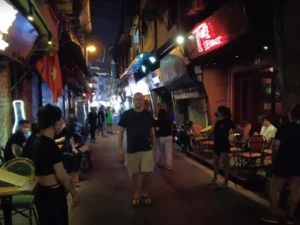
Hanoi Evening Vibe: Evening life in Hanoi is atmospheric and cozy. Locals gather at Bia Hơi Junction (Ta Hien Street) in the Old Quarter to sit on low plastic stools drinking fresh draft beer for pennies. Nightlife closes earlier here due to city regulations, yielding peaceful, quiet midnight streets around Hoan Kiem Lake.
Saigon Evening Vibe: Saigon is a party destination that stays vibrant until sunrise. Bùi Viện Walking Street offers neon lights, pounding music, and street performers, while District 1 features sleek rooftop sky bars (like Chill Skybar or Social Club) offering panoramic views across the lit-up urban skyline.
Day Trips & Surrounding Regional Gateways
A major factor in deciding whether Hanoi or Saigon is better to visit is what lies just beyond the city limits. Both cities serve as launching pads for world-class regional excursions:
+-------------------------------------------------------------------------------------------------------+
| HANOI DAY TRIPS & GATEWAYS (Karsts, Mountains & World Heritage)                                      |
+-------------------------------------------------------------------------------------------------------+
| 1. Ha Long Bay / Lan Ha Bay: Cruise through thousands of emerald limestone islands (2–2.5 hrs away)   |
| 2. Ninh Binh: "Ha Long Bay on Land" river sampan rides through caves and rice paddies (1.5–2 hrs away) |
| 3. Sapa & Ha Giang: Dramatic northern mountain trekking and indigenous hill-tribe cultures            |
+-------------------------------------------------------------------------------------------------------+
| SAIGON DAY TRIPS & GATEWAYS (Waterways, Tunnels & Tropical Coastlines)                               |
+-------------------------------------------------------------------------------------------------------+
| 1. Cu Chi Tunnels: Historic underground war tunnel network (1.5 hrs away)                            |
| 2. Mekong Delta: Winding coconut palm canals, floating markets, and fruit orchards (2 hrs away)      |
| 3. Phu Quoc Island / Con Dao: Short 1-hour flight to tropical white-sand beaches                      |
+-------------------------------------------------------------------------------------------------------+
Hanoi as a Gateway: Dramatic Nature & Alpine Peaks
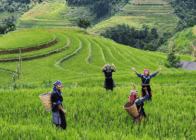
Hanoi is surrounded by Northern Vietnam’s most spectacular natural wonders. Within 2 to 3 hours, you can transition from city streets to overnight luxury cruises in Ha Long Bay, rowboat cave tours in Ninh Binh, or mountain trekking among terraced rice fields in Sapa.
Saigon as a Gateway: Waterways & Tropical Islands
Saigon is the gateway to Southern Vietnam’s lush aquatic world. Within 1.5 to 2 hours, you can explore the historic Cu Chi Tunnels or travel down the coconut-lined waterways of the Mekong Delta. Additionally, Saigon’s airport provides fast, direct 1-hour flights to tropical island paradises like Phu Quoc or Con Dao.
Cost, Budget & Weather Metrics
+-----------------------+---------------------------------------+---------------------------------------+
| Parameter             | Hanoi                                 | Saigon / HCMC                         |
+-----------------------+---------------------------------------+---------------------------------------+
| Average Daily Budget  | Slightly cheaper ($35–$120/day)       | Slightly higher ($45–$150/day)        |
| Accommodation Range   | Boutique heritage hotels, eco-lodges  | Luxury high-rises, international chains|
| Best Weather Window   | Autumn (Sept–Nov) & Spring (Mar–Apr)  | Dry Season (December to April)        |
| Winter Temperature    | Cold (12°C–18°C / 53°F–64°F)          | Warm tropical (28°C–33°C / 82°F–91°F) |
+-----------------------+---------------------------------------+---------------------------------------+
Hanoi is Slightly Cheaper: Overall, street food, local transportation, and boutique accommodation in Hanoi tend to be 10% to 15% lower in cost than in Saigon.
Weather Considerations: Hanoi experiences four distinct seasons, including cold, mist-draped winter months (December to February) where warm jackets are required. Saigon enjoys warm, tropical weather year-round, divided into a Dry Season (December to April) and a Wet Season (May to November).
Decision Framework: Which City Should You Choose?
To decide whether Hanoi or Saigon is better to visit for your specific vacation, use this easy decision checklist:
+-----------------------------------+-------------------------------------------------------------------+
| If Your Travel Style Is...        | Your Best Destination Match Is...                                 |
+-----------------------------------+-------------------------------------------------------------------+
| "I want ancient culture & history"| HANOI (Old Quarter alleys, thousand-year-old temples, lakes)      |
| "I love vibrant nightlife & bars" | SAIGON (Roof bars, craft breweries, 24/7 street energy)           |
| "I prefer cooler, crisp air"      | HANOI (Autumn and winter months bring refreshing cool weather)     |
| "I want warm tropical sunshine"   | SAIGON (Consistently warm tropical climate year-round)            |
| "I love nature, karsts & mountains"| HANOI (Unbeatable access to Ha Long Bay, Ninh Binh & Sapa)         |
| "I love modern urban convenience" | SAIGON (Sleek shopping, upscale dining, modern transport links)   |
+-----------------------------------+-------------------------------------------------------------------+
The Best Solution: The “North-to-South” Combined Itinerary
If you have 7 or more days in Vietnam, you do not need to choose! Hanoi and Saigon are connected by multiple direct flights every hour (taking just 2 hours).
At Sao La Vietnam Tours, we recommend a classic North-to-South Combined Route, starting in the traditional cultural capital of Hanoi and finishing in the warm, dynamic metropolis of Saigon.
[Hanoi Heritage & Old Quarter] ➔ [Ha Long Bay Cruise] ➔ Flight (2 hrs) ➔ [Saigon City & Cu Chi Tunnels] ➔ [Mekong Delta]
The Ultimate 8-Day “Best of Both Cities” Itinerary
Curated by the itinerary specialists at Sao La Vietnam Tours, this custom route combines the very best highlights of both Hanoi and Saigon:
Day 1: Welcome to Hanoi – Twilight Old Quarter Arrival
Activity: Private VIP airport greeting at Noi Bai Airport (HAN) and executive transfer to your boutique French Quarter hotel.
Evening: Take a gentle orientation stroll around Hoan Kiem Lake and enjoy a welcome dinner of Hanoi Bún Chả.
Day 2: Hanoi Historic Treasures & Street Food Secrets
Morning: Private guided exploration of the Temple of Literature, Ho Chi Minh Complex, and Tran Quoc Pagoda.
Afternoon: Sip hot egg coffee at a courtyard cafe before exploring the 36 Guild Streets of the Old Quarter.
Evening: Private evening street food walk through historic residential alleys.
Day 3: Hanoi to Ha Long Bay / Lan Ha Bay Cruise
Morning: Executive transfer to the coast to board a luxury boutique cruise ship sailing Lan Ha Bay.
Afternoon: Sail past towering karst pillars, kayak into hidden lagoons, and swim in emerald waters.
Evening: Sunset cocktails on the sundeck followed by a multi-course seafood banquet under ocean stars.
Day 4: Lan Ha Bay to Saigon (Fly HAN to SGN)
Morning: Sunrise Tai Chi on deck followed by a bamboo rowboat tour through sea caves.
Afternoon: Disembark at port, private transfer to Hanoi airport for a quick 2-hour flight south to Saigon. Check into your central hotel.
Evening: Sunset drinks at a stylish skyscraper rooftop bar overlooking the Saigon River.
Day 5: Saigon Modern History & Culinary Secrets
Morning: Private tour of the Reunification Palace, War Remnants Museum, Notre Dame Cathedral, and Central Post Office.
Afternoon: Explore local artisan coffee houses and hidden apartment cafes along Nguyen Hue Walking Street.
Evening: Private street food tasting tour by vintage Vespa or private executive car.
Day 6: Cu Chi Tunnels & Urban Heritage
Morning: Private morning excursion to the historic Cu Chi Tunnels. Explore the underground network with an expert local historian.
Afternoon: Return to Saigon for an afternoon visit to Ben Thanh Market and boutique handicraft shops.
Day 7: Mekong Delta Waterway Excursion
Activity: Full-day private excursion to the Mekong Delta. Navigate palm-shaded canals by wooden sampan boat, visit floating orchards, sample fresh seasonal fruit, and enjoy lunch at an old plantation home.
Day 8: Final Artisan Shopping & Departure
Activity: Morning at leisure for final souvenir shopping before your private executive transfer to Tan Son Nhat Airport (SGN) for your departure flight home.
Frequently Asked Questions (FAQ)
1. Hanoi or Saigon better to visit for first-timers?
For first-time visitors seeking traditional Vietnamese culture, historic sights, walkable street life, and famous natural day trips (like Ha Long Bay and Ninh Binh), Hanoi is usually the preferred starting point. However, if you prefer modern urban conveniences, bustling nightlife, warm weather, and high-end dining, Saigon is an exceptional entry point.
2. Is Hanoi cheaper than Saigon?
Yes, Hanoi is generally 10% to 15% cheaper than Saigon across street food, boutique hotels, and local transport. However, both cities offer incredible value compared to other major international destinations.
3. How many days do you need in Hanoi and Saigon?
We recommend spending at least 3 days in Hanoi (to explore the Old Quarter and take a day trip) and at least 2 to 3 days in Saigon (to explore city landmarks, Cu Chi Tunnels, and the Mekong Delta).
4. Which city has better street food: Hanoi or Saigon?
It depends on your flavor preferences! Hanoi is famous for subtle, balanced, traditional savory dishes like Pho and Bun Cha. Saigon is famous for bold, sweet, rich, and varied flavor profiles like Com Tam, Banh Mi, and diverse seafood options.
Plan Your Seamless Vietnam Journey with Sao La Vietnam Tours
Whether you decide that Hanoi’s ancient charm or Saigon’s modern energy is better for your upcoming vacation—or you want to experience both on a combined multi-city loop—Sao La Vietnam Tours handles every detail with local expertise.
From securing boutique heritage hotels and luxury cruise cabins to arranging VIP airport transfers, domestic flight bookings, and local private guides, we build unhurried, tailor-made Vietnam itineraries crafted around your personal travel style.