
Vietnam stretches over 1,600 km from the misty mountains of the north to the palm-lined coastline of the south, which means “getting around” isn’t really one question — it’s several. Moving between cities is a very different challenge than navigating traffic within Hanoi’s Old Quarter, and the right answer often depends on how much time you have, how much you want to see along the way, and how comfortable you are winging it.
Rather than pushing you toward a single “best” method, this guide breaks Vietnam’s transport system down the way a local logistics planner would: by distance, by purpose, and by what each option actually costs in time, money, and comfort. By the end, you’ll be able to build your own transport plan instead of copying someone else’s itinerary.
Start With Distance, Not Preference
Before picking a transport mode, it helps to sort your trip into three categories, because the right tool changes completely depending on which one you’re dealing with:
- Long-haul (400+ km), such as Hanoi to Ho Chi Minh City or Hanoi to Phu Quoc. This is flight territory almost every time — the overland alternative eats one or two full days you probably don’t have.
- Mid-range (150–500 km), such as Hanoi to Sapa, Hue to Nha Trang, or Ho Chi Minh City to Da Lat. This is where the real decision-making happens — trains, sleeper buses, and flights all genuinely compete here.
- Short-hop and local (under 100 km), such as Da Nang to Hoi An, or getting around within a single city. Vans, taxis, ride-hailing apps, and motorbikes dominate this category.
Once you know which bucket a given leg of your trip falls into, the rest of this guide becomes a lot easier to apply.
Domestic Flights: Best for Long Distances
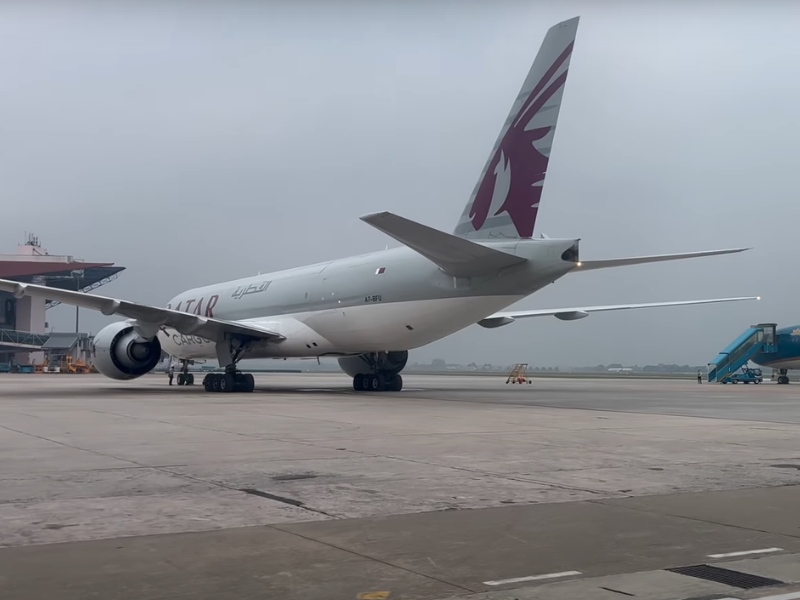
Vietnam’s domestic flights in Vietnam network is dense, modern, and genuinely cheap when booked with a bit of lead time. Three main carriers — Vietnam Airlines, Vietjet Air, and Bamboo Airways — connect Hanoi, Ho Chi Minh City, Da Nang, Hue, Nha Trang, Phu Quoc, Da Lat, and dozens of smaller hubs.
What to expect:
- One-way fares typically fall between $25–$80 USD when booked two to three weeks ahead, though last-minute prices climb quickly
- Flight time between Hanoi and Ho Chi Minh City is around 2 hours, compared to 30+ hours by road or rail
- Baggage allowances vary sharply by fare class, especially on budget carrier Vietjet — always check before assuming checked luggage is included
When flying makes sense: any time you’re crossing between the north, central, and south regions on a trip shorter than about three weeks. Trying to cover that distance overland usually means sacrificing a full travel day that could’ve been spent somewhere interesting instead.
When it doesn’t: short regional hops like Da Nang to Hue, where airport transit time on both ends can eat up any time saved in the air.
Trains: The Slow, Scenic Middle Ground
Vietnam’s rail backbone is the Reunification Express, a historic north–south line linking Hanoi and Ho Chi Minh City through Ninh Binh, Hue, Da Nang, Quy Nhon, and Nha Trang. Riding the full length takes roughly 30–36 hours, which is far too long for most travelers to use end-to-end — but individual segments are some of the best value experiences in the country.
Ticket classes, from cheapest to most comfortable:
- Hard seat – rock-bottom price, fine for a couple of hours, rough for anything longer
- Soft seat – padded seating, reasonable for trips up to around 6 hours
- Hard sleeper – six-berth compartments, basic but workable for overnight travel
- Soft sleeper – four-berth compartments with more privacy and comfort, typically 500,000–1,200,000 VND depending on distance, and the most popular choice for longer overnight legs
Segments actually worth booking:
- Hue to Da Nang – widely considered one of the most scenic rail journeys in Southeast Asia, hugging the coastline as the track climbs over the Hai Van Pass with cliffs on one side and open ocean on the other
- Hanoi to Hue – a solid overnight soft-sleeper run that saves you a hotel night while covering serious distance
- Hanoi to Lao Cai (for Sapa) – the classic overnight approach to Vietnam’s northern highlands, arriving in time for a short onward transfer
The honest trade-off: trains cost more time than flights and often cost more money than buses on the same route, but nothing else gives you that same window-seat view of daily Vietnamese life rolling past — kids playing near the tracks, rice paddies, fishing villages — that frequent train travelers describe as one of the trip’s genuine highlights.
Sleeper Buses and Limousine Vans: Budget-Friendly Overnight Travel
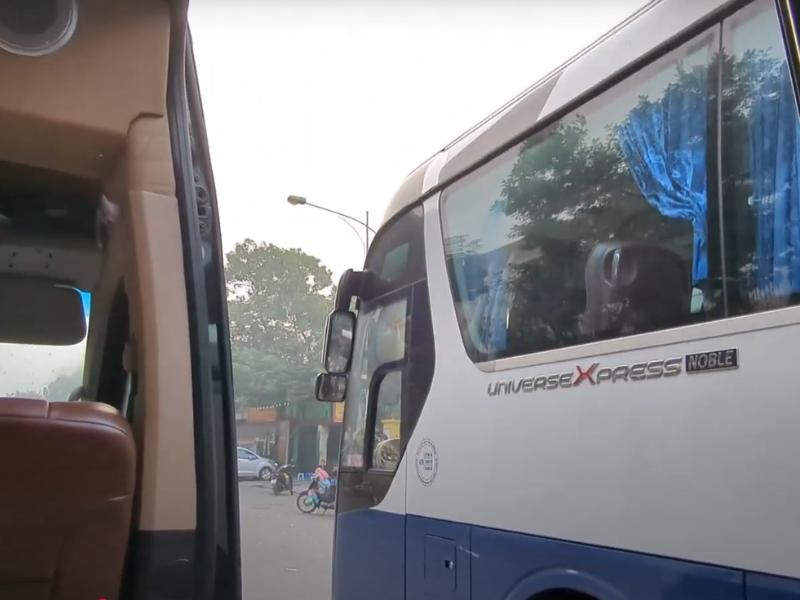
For travelers who want to cover ground overnight without paying for both a hotel room and a flight, a sleeper bus Vietnam journey is one of the most practical options in the entire country. These aren’t ordinary coaches — most use individual reclining pods with padding, blankets, and air conditioning, arranged in two or three rows.
What to know before booking:
- Typical fares run around $8–$20 USD for many popular routes, occasionally more for premium operators
- Pods recline significantly but aren’t fully flat — comfortable rather than luxurious
- Taller travelers should check berth length before booking, since standard pods can feel cramped over 6’1″/185 cm
- Daytime versions of the same vehicles, often marketed as “limousine vans,” run on shorter routes with 9–16 reclining seats and door-to-door hotel pickup — these are especially popular for connector routes like Hanoi to Ninh Binh or Da Nang to Hoi An
Where sleeper buses shine: routes where a train doesn’t run directly, or where the schedule simply doesn’t line up with your itinerary. They’re also often the cheapest way to link two mid-distance cities without losing a travel day to daytime buses.
Where they fall short: safety-conscious travelers on winding mountain routes at night sometimes prefer trains or flights instead, since overnight road travel carries more variability than rail.
Motorbike Rental: Freedom With a Learning Curve
Renting a motorbike is arguably the most iconic way to experience Vietnam, and motorbike rental in Vietnam is genuinely affordable — often just $5–$10 USD per day for a basic automatic scooter. It’s also where the country asks the most of first-time riders.
Before you rent, be honest about your experience level:
- If you’ve never ridden before, Vietnamese traffic is not the place to learn — practice in a quiet, low-traffic area first, or skip motorbiking entirely for this trip
- A helmet is mandatory, every time, no exceptions
- Avoid riding at night in unfamiliar areas, where poor lighting and unpredictable road conditions compound the usual traffic challenges
- International riders should carry an International Driving Permit alongside their home license — insurance claims and police checks can get complicated without proper documentation
Routes that make the risk worthwhile: the mountain loops around Ha Giang, the Hai Van Pass between Hue and Da Nang, and the Mekong Delta’s quieter backroads are frequently cited as some of the best motorbiking terrain in Southeast Asia — but they reward riders who already have real experience, not a first attempt.
A middle-ground option: many travelers hire a local driver with their own motorbike (an “easy rider” style guide) for day trips through mountainous terrain, getting the scenery and flexibility of two wheels without personally navigating unfamiliar roads.
City Transport: Ride-Hailing Apps, Taxis, and Walking
Once you’re inside a city, the calculus changes completely. Grab and Xanh SM dominate urban transport in Vietnam in 2026, offering app-based booking, fixed upfront pricing, and GPS tracking that eliminates the negotiation and language barriers associated with flagging down a street taxi. Xanh SM in particular has grown quickly as an all-electric alternative, and many travelers keep both apps installed since driver availability shifts between the two depending on the city and time of day.
For travelers who prefer a traditional taxi, stick to well-known, reputable operators — Mai Linh (pale green vehicles) and Vinasun (white with red and green branding) are the two metered brands most consistently recommended over lesser-known local operators.
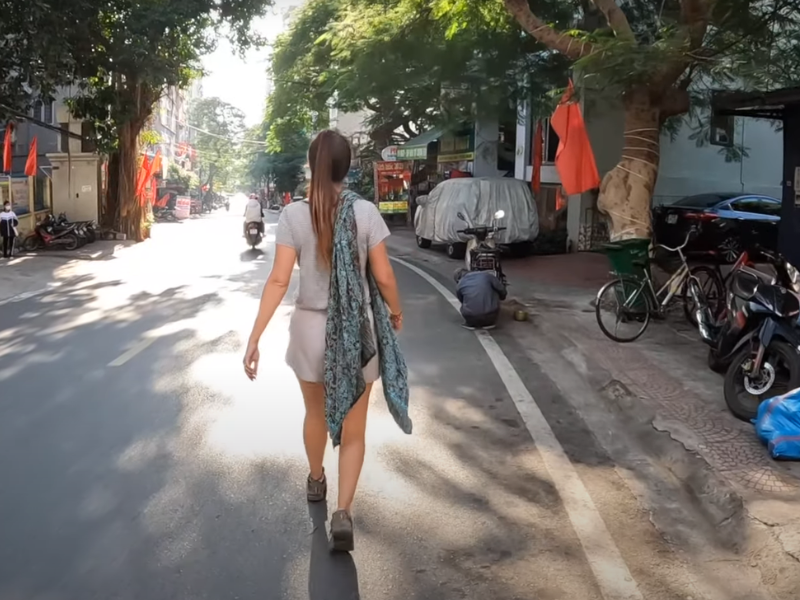
Within compact tourist districts, don’t underestimate simply walking or hiring a cyclo. Hanoi’s Old Quarter, Hue’s Citadel area, and Hoi An’s Ancient Town are all dense, pedestrian-friendly zones where a vehicle often slows you down rather than speeding you up.
Private Car With Driver: Comfort Without the Guesswork
For day trips, airport transfers, or multi-day itineraries where flexibility matters more than saving money, booking a private car with driver removes nearly every logistical headache. You set the schedule, skip the wait times of shared shuttles, and get a driver who typically knows the best photo stops and rest breaks along the way.
Typical use cases:
- Day trips from Hanoi to Ninh Binh (around 2 hours), where a private driver lets you fit in Trang An, Tam Coc, and the Hang Mua viewpoint in a single day without racing a group tour schedule
- Multi-stop coastal routes like Hoi An to Hue over the Hai Van Pass, with stops at Marble Mountains and Lang Co Beach
- Airport pickups when you’d rather have a driver waiting with a name sign than sort out an app immediately after landing
Price expectations: generally higher than shared shuttles or buses, but often comparable to a mid-range domestic flight once you account for the convenience and time saved on shorter regional routes.
Boats and Ferries: Essential, Not Optional, in Certain Regions
Some parts of Vietnam simply can’t be reached — or fully experienced — without water transport:
- Ha Long Bay and Lan Ha Bay cruises are the whole point of visiting, with overnight boats functioning as both transport and accommodation
- The Mekong Delta relies on a network of rivers and canals where small boats reach floating markets and villages that roads don’t touch
- Phu Quoc Island is reachable by a roughly 50-minute flight from Ho Chi Minh City or a combination of overland bus and a multi-hour ferry — most travelers find flying is worth the extra cost here, since the ferry route ends up costing nearly as much time as it saves in money
- Cat Ba Island, near Ha Long Bay, is typically reached via a short bus-plus-ferry combination from Hanoi
Putting It Together: A North-to-South Transport Plan
Rather than zigzagging across the country, most experienced travelers plan Vietnam as a single directional route — north to south, or the reverse — mixing transport modes as they go. A common pattern for a two-to-three-week trip looks something like this:
- Hanoi (city transport: Grab/Xanh SM, walking Old Quarter)
- Hanoi → Ninh Binh (private car or shuttle van, ~2 hours) for Trang An and Tam Coc
- Hanoi → Sapa (overnight train to Lao Cai, then a short shuttle) for highland trekking
- Hanoi → Hue or Da Nang (domestic flight, ~1h15) to skip the longest overland stretch
- Hue ↔ Da Nang (train over the Hai Van Pass, ~2.5 hours) purely for the scenery
- Da Nang → Hoi An (short taxi or van, ~45 minutes) as a same-day connector
- Da Nang or Hue → Nha Trang or Ho Chi Minh City (domestic flight) to cover the remaining long distance
- Ho Chi Minh City → Phu Quoc or the Mekong Delta (flight or boat, depending on destination) to close out the trip
The underlying logic is simple: use flights to eliminate the longest, least interesting overland stretches, and use trains, boats, or private cars specifically on the segments where the journey itself adds value.
Vietnam Transport Costs at a Glance
| Transport Mode | Typical Cost | Typical Time (mid-range route) |
|---|---|---|
| Domestic flight | $25–$80 USD one-way | 1–2 hours |
| Soft sleeper train | 500,000–1,200,000 VND | 8–16 hours (overnight) |
| Sleeper bus | $8–$20 USD | 6–12 hours (overnight) |
| Limousine van (short route) | $10–$30 USD | 1–4 hours |
| Motorbike rental | $5–$10 USD/day | Self-paced |
| Grab/Xanh SM (city ride) | $1–$5 USD | 10–30 minutes |
| Private car with driver | $60–$180 USD/day | Flexible |
Booking Tools Worth Using
Trying to compare flights, trains, buses, and private operators across separate websites gets tedious fast. Platforms like 12Go aggregate schedules and live availability across most of these transport types in one place, letting you compare classes and prices in your own currency before committing — particularly useful on busy multi-operator routes like Hanoi–Sapa or Hanoi–Hue, where dozens of companies compete on the same corridor.
Seasonal and Regional Timing Notes
- Tet (Lunar New Year, typically late January to mid-February) puts enormous pressure on every transport mode nationwide — flights sell out, buses double in price, and trains book up weeks in advance. Reserve long-distance travel well ahead if your trip overlaps with this period.
- Rainy season in central Vietnam (roughly September–November) can disrupt coastal routes, particularly around Hue and Da Nang, so build a buffer day or two into itineraries that rely on tight overland connections during this window.
- Northern winter (December–February) brings cold, foggy conditions to Sapa and Ha Giang that can affect motorbike safety and mountain road visibility — factor this into any self-drive plans in the far north.
Mistakes First-Time Visitors Make
- Trying to do too much overland travel in too little time. Long-distance buses and trains look cheap on paper, but the time cost adds up fast across a short trip.
- Booking sleeper transport without checking berth size, especially for taller travelers — a cramped pod can turn an 8-hour overnight leg into a miserable one.
- Renting a motorbike with no prior riding experience, which remains one of the most common causes of traveler injuries in the country.
- Zigzagging the map instead of picking a direction. Backtracking north-south-north wastes both money and travel days that a simple linear route would save.
- Skipping travel insurance that covers motorbike accidents, which many general policies exclude unless you hold a valid license and helmet compliance is documented.
Quick Answers
What’s the fastest way to get around Vietnam? Domestic flights are fastest for long distances between regions, while ride-hailing apps like Grab and Xanh SM are fastest for getting around within a single city.
Is the train worth it in Vietnam? Yes, on specific scenic segments — particularly Hue to Da Nang over the Hai Van Pass — but not as a full end-to-end north-south journey, which takes over 30 hours.
Are sleeper buses safe in Vietnam? Reputable operators with modern fleets are generally safe and comfortable, though some travelers prefer trains or flights for long overnight mountain routes specifically due to road conditions after dark.
Do I need a local SIM card to use transport apps? Not strictly, but activating a local SIM or eSIM before you need it makes booking Grab, Xanh SM, or checking transport schedules noticeably smoother, especially right after landing.
Final Thoughts
There’s no single correct way to get around Vietnam — the country rewards travelers who mix modes deliberately rather than defaulting to whatever’s most familiar. Fly the long stretches, ride the scenic rail segments, let a private driver handle flexible day trips, and lean on Grab or Xanh SM for everything within city limits. Plan your route in one direction, build in a little buffer for weather and peak season, and Vietnam’s transport system will end up feeling like one of the easier parts of the trip to manage — not one of the hardest.