If you’re planning a trip to Vietnam, one of the most common — and important — questions is whether you can safely drink the tap water. It’s a fair concern: an upset stomach can derail days of your itinerary, and water safety advice varies a lot depending on which city, guesthouse, or street stall you ask.
Short answer: No, tap water in Vietnam is not safe to drink directly, anywhere in the country — including Hanoi, Ho Chi Minh City, Da Nang, and popular islands like Phu Quoc. Even most Vietnamese locals boil or filter their tap water before drinking it. This guide explains exactly why, what the real risks are, how safety differs by region, and what you should drink instead so you can travel with confidence.
Table of Contents
- Quick Answer: Can You Drink Tap Water in Vietnam?
- Why Isn’t Tap Water Safe in Vietnam?
- Tap Water Safety by City and Region
- What Happens If You Drink Tap Water in Vietnam?
- Is It Safe to Brush Your Teeth With Tap Water?
- Is Ice Safe in Vietnam?
- Can You Shower or Swim Safely?
- Is Tap Water Safe in 4-Star and 5-Star Hotels?
- Is Restaurant Water Safe to Drink?
- What Should You Drink Instead?
- How to Make Tap Water Safe (Boiling & Filtering)
- Best Portable Water Filters and Bottles for Vietnam
- Cost of Bottled Water in Vietnam
- Tips to Reduce Plastic Waste While Staying Safe
- What to Do If You Get Sick From Water
- Frequently Asked Questions
Quick Answer: Can You Drink Tap Water in Vietnam?
No. Health authorities including the CDC and WHO advise against drinking tap water anywhere in Vietnam, and this advice applies equally to major cities and rural areas. Water may be chlorinated at the treatment plant, but aging pipe networks, inconsistent pressure, and environmental exposure mean it often becomes recontaminated by the time it reaches the tap. Even residents in Hanoi and Ho Chi Minh City typically boil or filter their water at home rather than drinking it straight from the faucet.
This isn’t unique to Vietnam — it’s standard advice across most of Southeast Asia. The good news is that safe alternatives (bottled water, boiled water, and filtered water) are cheap, widely available, and easy to build into your daily routine.
Why Isn’t Tap Water Safe in Vietnam?
Several factors combine to make Vietnamese tap water unreliable for direct drinking, even where treatment plants are relatively modern:
- Aging distribution infrastructure. Many cities have older underground pipe networks that can crack, leak, or allow contaminants to enter the system between the treatment plant and your tap.
- Inconsistent water pressure. When pressure drops in parts of the network, it can allow groundwater or surface contaminants to be drawn back into pipes.
- Groundwater contamination in some areas. In parts of northern Vietnam, including Hanoi, groundwater sources used for supply have documented traces of arsenic and heavy metals that standard chlorination doesn’t fully remove.
- Limited access to safely managed water nationwide. Only around half of the country has access to what’s classified as “safely managed” drinking water, according to national water access data — a gap that’s much larger in rural provinces.
- Boiling doesn’t remove everything. Even when locals boil water to kill bacteria and parasites, boiling alone doesn’t eliminate heavy metals or certain chemical contaminants that may be present.
Put simply: it’s not that Vietnam has failed to treat its water — it’s that what happens to the water on its way from the treatment plant to your glass introduces new risks.
Tap Water Safety by City and Region
Water quality isn’t identical across Vietnam. Here’s how it breaks down for the places travelers visit most.
Hanoi
Hanoi’s tap water should not be consumed directly. A portion of the city’s supply comes from groundwater sources with documented arsenic contamination, and the city’s older pipe network can introduce additional bacteria and heavy metals before water reaches your accommodation. Most residents boil water or use home filtration systems as standard practice.
Ho Chi Minh City
Ho Chi Minh City draws raw water mainly from the Dong Nai and Saigon Rivers and treats it using modern facilities. Despite this, the distribution system suffers from aging pipes and pressure fluctuations, which allow water quality to degrade significantly between the treatment plant and individual taps. Bottled or boiled water remains the recommended choice.
Da Nang
Da Nang has invested heavily in water infrastructure and is often cited as having some of the best municipal water quality in Vietnam. Even so, it’s still not recommended that travelers drink straight from the tap, since distribution-system risks (old pipes, storage tanks, building plumbing) remain outside the water authority’s direct control.
Rural Areas and Islands (including Phu Quoc)
Rural provinces generally have far less developed water infrastructure. In many villages, treated municipal water isn’t available at all, and residents rely on boiled rainwater or well water instead. Popular islands like Phu Quoc are included in standard “don’t drink the tap water” advice — even resort areas.
Bottom line: No matter which city or region you’re in — from major metros to rural homestays — the safe default is the same: don’t drink tap water directly, and stick to bottled, boiled, or properly filtered water instead.
What Happens If You Drink Tap Water in Vietnam?
The main risk isn’t usually a single dramatic illness — it’s traveler’s diarrhea, caused by exposure to bacteria, parasites, or contaminants your digestive system isn’t adjusted to. Symptoms can include stomach cramps, nausea, diarrhea, and fatigue, and while most cases are mild and resolve with rest and hydration, they can still cost you a day or two of your trip.
In rarer cases, longer-term exposure to contaminated water sources has been linked to more serious waterborne illnesses. Travelers with weaker immune systems, young children, and pregnant travelers should be especially cautious. If symptoms are severe or persistent, private international clinics are available in all major Vietnamese cities and are generally a reliable option for travelers.
Is It Safe to Brush Your Teeth With Tap Water?
For most travelers, brief contact with tap water while brushing your teeth is considered low-risk, since you’re not swallowing a meaningful volume of water. That said, if you have a sensitive stomach, a compromised immune system, or you’re traveling in a rural area with visibly poor water quality, it’s worth switching to bottled water for brushing as an extra precaution — it costs almost nothing and removes the guesswork entirely.
Is Ice Safe in Vietnam?
This is one of the most common questions from first-time visitors, and the answer depends on where the ice comes from:
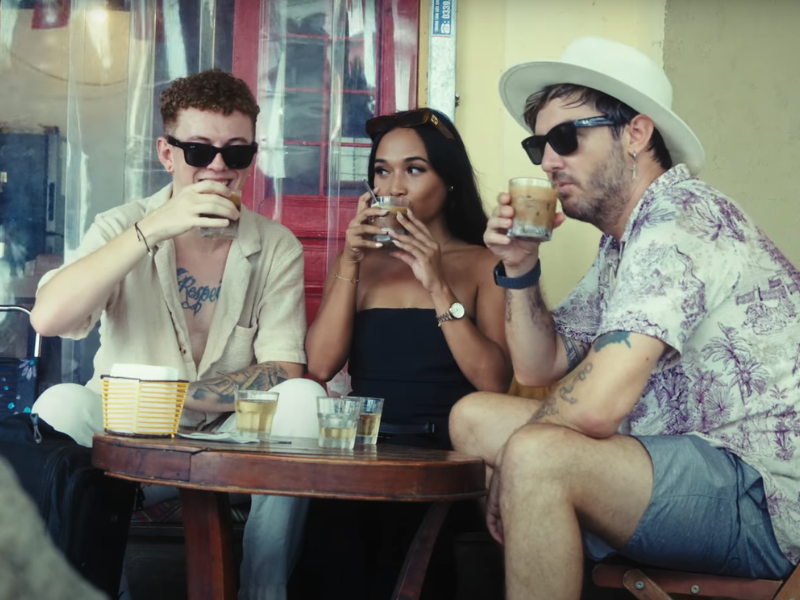
- Tube ice (cylindrical, often with a hole in the center): This is manufactured commercially using purified water and is generally considered safe. It’s the standard ice used in most restaurants, cafés, and hotels.
- Crushed or hand-chipped ice at some street stalls: This is more likely to be made from untreated water and carries a higher risk, especially outside major tourist areas.
- Ice at reputable restaurants, hotels, and coffee shops: Almost always purified and safe, even at busy street-food-style venues that cater heavily to tourists.
Practical tip: If you’re ever unsure about the source, it’s easy to simply order your drink “without ice” — a phrase most restaurant staff in tourist areas will understand immediately.
Can You Shower or Swim Safely?
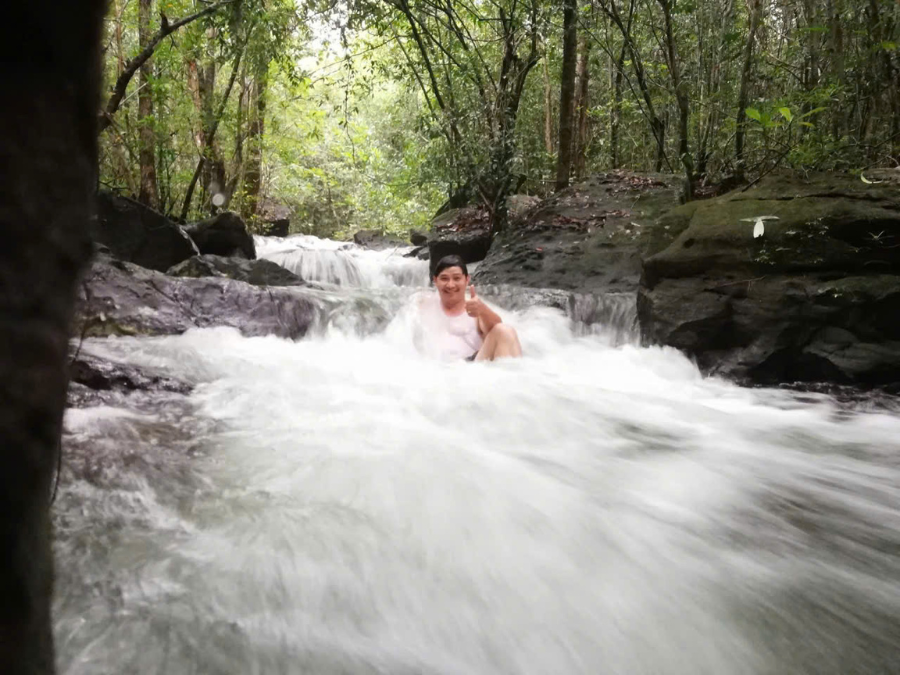
Yes. Showering, bathing, and swimming in tap water is considered low-risk for most travelers, since waterborne illness typically requires swallowing a meaningful amount of contaminated water rather than brief skin contact. If you have open cuts, wounds, or particularly sensitive skin, it’s reasonable to be more cautious, but for the average traveler, normal showering and handwashing with tap water is fine.
Accidentally swallowing a small amount of tap water while showering or swimming is very unlikely to cause illness on its own — the concern is with actively drinking larger quantities.
Is Tap Water Safe in 4-Star and 5-Star Hotels?
Even high-end hotels can’t fully guarantee tap water safety, because the risk often comes from the building’s internal plumbing rather than the hotel’s own standards. Older pipes within a hotel building can still introduce contamination regardless of the property’s star rating.
The good news is that most reputable hotels and guesthouses across Vietnam provide complimentary bottled water or a filtered water dispenser in the room or lobby — always use this rather than the bathroom tap for drinking or brushing your teeth if you’re uncertain.
Is Restaurant Water Safe to Drink?
This depends heavily on the type of establishment:
- Tourist-oriented restaurants and hotels typically serve purified or bottled water to guests, even when it’s brought to the table in a jug or carafe rather than a sealed bottle.
- Local street stalls and small eateries are less predictable — it’s safer to order a sealed bottled drink rather than accept “free” house water of unknown origin.
If in doubt, simply ask for bottled water by name, or request your drink without ice if you’re being extra cautious in your first few days.
What Should You Drink Instead?
Fortunately, safe drinking water is easy to find throughout Vietnam:
- Bottled water: Sold everywhere — convenience stores, supermarkets, street vendors, hotels, and restaurants. Always check that the seal is intact before drinking.
- Boiled water: Water that has been properly boiled is safe to drink and is commonly offered in homestays and rural guesthouses.
- Filtered water dispensers: Many hotels, hostels, and even some cafés provide filtered water refill stations — a great way to cut down on plastic waste.
- Sealed canned or bottled beverages: Soft drinks, beer, and other sealed drinks are safe, since the contents never come into contact with tap water.
How to Make Tap Water Safe (Boiling & Filtering)
If you don’t have easy access to bottled water — for example, during a homestay or a rural trek — you can make tap water safer yourself:
- Boiling: Bring water to a rolling boil for at least one minute (extend to three minutes at higher altitudes). Boiling effectively kills bacteria, viruses, and parasites, making it one of the most reliable methods available almost anywhere.
- Portable filters: A quality travel water filter or filtered bottle can remove bacteria, protozoa, and some chemical contaminants, and is a convenient option if you’re traveling for an extended period.
- Combine methods for extra safety: For longer stays or remote travel, boiling plus filtering offers the most complete protection, since boiling alone doesn’t remove heavy metals or certain chemicals that filters are better suited to address.
Best Portable Water Filters and Bottles for Vietnam
If you want to avoid buying dozens of single-use plastic bottles during your trip, a portable filter bottle is a smart investment. Look for filters rated to remove bacteria, protozoa, and microplastics — popular traveler-tested brands include filter straws and gravity-fed filter bottles designed specifically for international travel. These are especially useful for:
- Multi-day treks or homestays without reliable bottled water access
- Reducing plastic waste on longer trips
- Backup safety when bottled water isn’t available (e.g., remote islands or mountain villages)
Cost of Bottled Water in Vietnam
Bottled water is extremely affordable in Vietnam, which makes it an easy default choice for travelers:
- A 500ml bottle typically costs around 5,000–15,000 VND (roughly $0.20–$0.60 USD)
- A 1.5-liter bottle usually costs less than $1 USD
- Larger multi-liter jugs, often used to refill dispensers in guesthouses, are even more cost-effective for longer stays
Given how cheap it is, most travelers find that simply sticking to bottled water throughout their trip is the easiest and most worry-free approach.
Tips to Reduce Plastic Waste While Staying Safe
Bottled water is convenient, but it does add up in plastic waste over a multi-week trip. A few practical ways to reduce your footprint without compromising safety:
- Refill a reusable bottle at hotel or hostel filtered water stations whenever available
- Carry a portable filter bottle or filter straw as your primary water source
- Buy larger bottles (1.5L–5L) instead of multiple small ones when staying in one place for several days
- Boil water when you have access to a kettle, especially in guesthouses and homestays
What to Do If You Get Sick From Water
If you develop mild symptoms like stomach cramps or diarrhea after accidentally consuming contaminated water, most cases resolve within a day or two with rest, hydration, and electrolyte replacement. Over-the-counter rehydration salts, available at pharmacies throughout Vietnam, can help you recover faster.
Seek medical attention promptly if you experience:
- High fever
- Blood in stool
- Severe or persistent vomiting
- Signs of dehydration that don’t improve with fluids
Private international clinics are available in Hanoi, Ho Chi Minh City, Da Nang, and other major tourist hubs, and are generally well-equipped to treat travelers quickly.
Frequently Asked Questions
Is tap water safe to drink anywhere in Vietnam? No. Tap water is not recommended for direct drinking anywhere in the country, including major cities like Hanoi, Ho Chi Minh City, and Da Nang, as well as rural areas and islands like Phu Quoc.
Do Vietnamese locals drink tap water? Generally, no. Most Vietnamese households boil or filter their tap water before drinking it, treating it as standard daily practice rather than an occasional precaution.
Is it safe to drink tap water if I boil it first? Yes. Boiling water for at least one minute (three minutes at higher altitudes) kills bacteria, viruses, and parasites, making it safe to drink. However, boiling does not remove heavy metals, so a filter is a better option for long-term use.
Is ice in Vietnamese drinks safe? Cylindrical “tube” ice with a hole in the center is manufactured from purified water and is generally safe. Hand-chipped or crushed ice from some street stalls carries more risk — order drinks without ice if you’re unsure.
Can I brush my teeth with tap water in Vietnam? Brief contact while brushing is considered low-risk for most travelers. If you have a sensitive stomach or are in a rural area, use bottled water for brushing as an extra precaution.
Is tap water safe in 5-star hotels in Vietnam? Not necessarily. Even luxury hotels can have older internal plumbing that affects water quality. Use the bottled or filtered water provided by the hotel instead of drinking from the bathroom tap.
Can I shower or swim safely in Vietnam? Yes. Skin contact with tap water through showering, bathing, or swimming is considered low-risk. The main concern is drinking contaminated water, not brief external contact.
How much does bottled water cost in Vietnam? A 500ml bottle typically costs 5,000–15,000 VND (about $0.20–$0.60 USD), and a 1.5-liter bottle usually costs less than $1 USD, making it an affordable choice throughout your trip.
Final Thoughts
Tap water safety is one of the easiest travel risks to manage in Vietnam — as long as you know the rules. Stick to bottled, boiled, or properly filtered water for drinking and brushing your teeth, choose tube ice over crushed ice when you’re unsure, and don’t assume a higher hotel star rating guarantees safe tap water. With bottled water this cheap and widely available, there’s no reason to take unnecessary risks — leaving you free to focus on enjoying Vietnam’s food, culture, and scenery instead of worrying about what’s coming out of the tap.