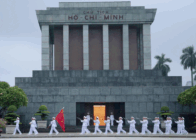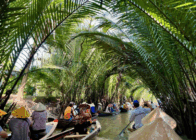
Executive Summary & Verdict: Yes, Vietnam is remarkably safe for vacation. The U.S. Department of State classifies Vietnam under Level 1: Exercise Normal Precautions—the safest travel advisory level available. Furthermore, the Global Peace Index ranks Vietnam among the top 40 most peaceful nations worldwide, outranking regional peers such as Thailand, Cambodia, and the Philippines. Violent crime against foreign tourists is exceedingly rare. The primary risks travelers face are non-violent: chaotic road traffic, minor street scams, and opportunistic pickpocketing in crowded urban centers.
1. Safety at a Glance: Official Rankings & Global Safety Data
When evaluating international travel safety, objective global data provides a reliable baseline. Vietnam consistently ranks high on safety metrics due to its political stability, strict gun control regulations, and strong social fabric.
┌────────────────────────────────────────────────────────────────────────┐
│                        GLOBAL PEACE INDEX RANKINGS                     │
│                                                                        │
│  SINGAPORE      [#6 Global Rank]   ██████████████████████████████  76.5│
│   VIETNAM          [#39 Global Rank]  ███████████████████████ 59.2     │
│  INDONESIA          [#50 Global Rank]  ████████████████████ 53.4       │
│  THAILAND            [#76 Global Rank]  ████████████████ 60.8          │
│  PHILIPPINES         [#115 Global Rank] █████████████ 57.1             │
│  CAMBODIA           [#98 Global Rank]  ███████████ 40.5                │
└────────────────────────────────────────────────────────────────────────┘
Official Government Advisories
United States Department of State: Level 1 (Exercise Normal Precautions). This is the same safety category assigned to nations like Japan, Switzerland, and Canada.
UK Foreign, Commonwealth & Development Office (FCDO): Advises that most visits to Vietnam are trouble-free, highlighting low violent crime rates alongside standard urban precautions.
Australian Smartraveller (DFAT): Maintains a Level 1 advisory for the vast majority of the country.
Key Global Safety Index Indicators
Global Peace Index (GPI): Ranked 39th out of 163 countries. Vietnam scores exceptionally high due to zero local political insurgencies, absence of political terrorism, and stable international relations.
Numbeo Crime Index: Vietnam maintains a low-to-moderate crime index score of 35.2–40.0 (with 100 being extreme crime). For comparison, major Western metropolitan centers like London, Chicago, or Paris often exhibit significantly higher violent crime statistics.
Terrorism Threat Level: Rated at 0% (Negligible) by international intelligence assessments.
2. Comprehensive Breakdown by Safety Risk Category
To fully understand safety in Vietnam, it helps to categorize risks into five distinct areas: violent crime, petty theft, traffic safety, health hazards, and political stability.
A. Violent Crime: Extremely Low Risk
Violent crime targeting foreign tourists in Vietnam is virtually non-existent. Gun violence is almost impossible due to strict national firearm laws, and gang activity is strictly controlled by local law enforcement.
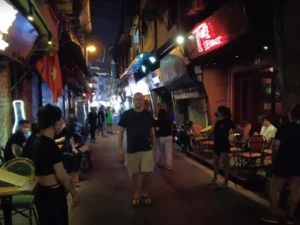
Tourists can walk down streets in major cities like Hanoi or Da Nang late at night without fearing armed robbery or mugging. Foreigners are generally viewed with warmth, curiosity, and respect across the country.
B. Petty Crime & Street Theft: Moderate Risk
While violent crime is negligible, opportunistic petty theft is the most common issue foreign visitors encounter.
Motorbike Bag/Phone Snatching: Particularly prevalent in crowded districts of Ho Chi Minh City (District 1 and 3). Drivers on passing scooters may pull up onto the curb or swoop past pedestrians to snatch unsecured smartphones, cameras, or shoulder bags.
Pickpocketing: Common in packed markets (e.g., Ben Thanh Market in Saigon, Dong Xuan Market in Hanoi), busy night markets, and popular walking streets.
Hotel Room Safety: While reputable hotels are safe, budget guest houses occasionally report missing unattended cash.
PETTY THEFT RISK MAP
┌─────────────────────────────────────────────────────────┐
│ HOTSPOTS FOR BAG SNATCHING & PICKPOCKETING              │
├─────────────────────────┬───────────────────────────────┤
│ Ho Chi Minh City        │ HIGH (Motorbike snatching)    │
│ Hanoi (Old Quarter)     │ MODERATE (Pickpocketing)      │
│ Nha Trang (Beach area)  │ MODERATE (Beachfront theft)   │
│ Da Nang & Hoi An        │ LOW (Very safe tourist zones) │
│ Ha Giang & Rural North  │ VERY LOW (Virtually none)     │
└─────────────────────────┴───────────────────────────────┘
C. Traffic & Transportation Safety: High Risk (The Real Hazard)
Statistical data confirms that traffic and road navigation represent the primary safety hazard for tourists visiting Vietnam.
Urban Crossing: With over 70 million registered motorbikes nationwide, crossing the street in Hanoi or Ho Chi Minh City can feel overwhelming for first-time visitors.
Motorbike Rentals: Many tourists rent scooters on the Ha Giang Loop or coastal roads without adequate driving experience, an international driving permit (IDP), or proper protective gear. Scooter accidents account for the vast majority of tourist hospital admissions in Vietnam.
Long-Distance Sleeper Buses: Overnight sleeper buses on winding mountain passes carry higher accident risks due to aggressive driving habits.
D. Health, Food & Sanitation Safety: Low-to-Moderate Risk
Food Hygiene: Food in Vietnam is generally fresh, cooked at high temperatures, and safe to eat. However, foreign stomachs may undergo brief adjustments to new spices or water minerals.
Tap Water: Tap water in Vietnam is not safe to drink directly. Always consume boiled water, filtered water, or sealed bottled water.
Tropical Diseases: Mosquito-borne illnesses like Dengue Fever occur in tropical climates, particularly during rainy seasons. Malaria risk is non-existent in urban tourist hubs and main resort towns, though present in deep remote jungle zones.
E. Political & Social Stability: Extremely Safe
Vietnam is a stable single-party socialist republic. Civil unrest, violent street protests, labor strikes, or religious conflicts are exceptionally rare. Tourists face virtually no risk from political instability.
3. Destination Comparison: Vietnam vs. Other Southeast Asian Favorites
How does Vietnam perform when evaluated directly against neighboring vacation hubs?
| Safety Category | Vietnam | Thailand | Indonesia (Bali) | Philippines | Cambodia |
| Global Peace Rank | #39 | #76 | #50 | #115 | #98 |
| Violent Crime Rate | Very Low | Low | Low | Moderate | Moderate |
| Political Stability | High | Moderate (Protests) | Moderate | Moderate | High |
| Terrorism Risk | 0% | Low-Moderate | Low-Moderate | Moderate | Low |
| Primary Tourist Threat | Traffic / Minor Scams | Scams / Scooter crashes | Bag snatching / Natural disasters | Petty crime / Transport | Scams / Petty theft |
| Solo Female Safety Score | 9.2 / 10 | 8.8 / 10 | 8.5 / 10 | 7.2 / 10 | 7.8 / 10 |
4. Regional Safety Analysis: North vs. Central vs. South
Safety dynamics vary slightly across Vietnam’s distinct geographical regions.
VIETNAM REGIONAL RISK PROFILE

▲  [NORTH] Hanoi, Ha Long Bay, Sapa, Ha Giang
│  • Very low violent crime
│  • Main concern: Mountain road safety & weather
│
┼  [CENTRAL] Da Nang, Hoi An, Hue, Phong Nha
│  • Safest region in the country
│  • Excellent infrastructure & calm environment
│
▼  [SOUTH] Ho Chi Minh City, Mekong Delta, Phu Quoc
• Highly vibrant, economic engine
• Higher rate of urban bag-snatching on scooters
1. Northern Vietnam (Hanoi, Ha Long Bay, Sapa, Ha Giang)
Safety Level: Very High.
Hanoi: Safe to walk around at all hours. The Old Quarter is bustling and well-policed. Primary concerns are overcharging by street vendors and navigating scooter traffic on narrow footpaths.
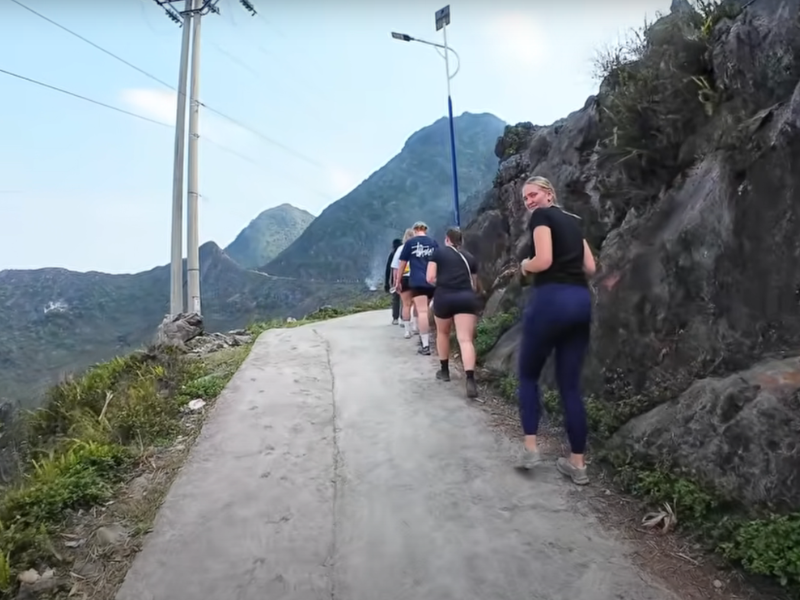
Ha Giang & Sapa: Mountainous terrain requires caution during the monsoon season (June to September) due to potential mudslides or slippery roads.
2. Central Vietnam (Da Nang, Hoi An, Hue)
Safety Level: Exceptionally High (Safest Region).
Da Nang: Widely regarded as Vietnam’s most livable and orderly city, featuring wide clean streets, minimal petty crime, and safe beaches.
Hoi An: The pedestrian-only Ancient Town creates a calm, secure setting for families and solo walkers.
3. Southern Vietnam (Ho Chi Minh City, Mekong Delta, Phu Quoc Island)
Safety Level: High, with urban vigilance required.
Ho Chi Minh City (Saigon): Fast-paced and energetic. While violent crime remains rare, phone-snatching by pass-by scooters is higher here than anywhere else in the country. Keep smartphones tucked away when standing near curbsides.
Phu Quoc Island: Safe resort destination. Standard caution applies when renting scooters or participating in unaccredited water sports.
5. Traveler Demographics & Specialized Safety Insights
Is Vietnam Safe for Solo Female Travelers?
Yes, Vietnam is consistently rated as one of the best destinations in Asia for solo female travelers.
SOLO FEMALE SAFETY INDEX
  ┌────────────────────────────────────────────────────────┐
  │ Key Comfort Factors for Solo Women:                    │
  │                                                        │
  │  [✓] Respectful Culture: Street harassment is low      │
  │  [✓] Strong Backpacker Trail: Easy to make friends     │
  │  [✓] Safe Night Travel: Night trains & buses are secure│
  │  [✓] Reliable Rideshare: Grab app provides driver IDs  │
  └────────────────────────────────────────────────────────┘
Low Catcalling: Street harassment and aggressive catcalling are rare compared to many Western destinations. Local cultural norms emphasize modesty and social harmony.
Night Safety: Walking back to accommodations after dinner or drinks in lighted tourist areas is generally safe.
Practical Advice: Dress respectfully when visiting temples or sacred sites (cover shoulders and knees), and use ride-hailing apps like Grab for late-night transportation rather than unmetered street taxis.
Is Vietnam Safe for Families Travelling with Children?
Vietnam is exceptionally family-friendly. Vietnamese culture places strong value on family, and children are welcomed warmly everywhere from street stalls to high-end restaurants.
Kid-Friendly Environment: Crime against children is practically non-existent in tourist areas.
Pavement Challenges: Pavements in older districts can be uneven or occupied by parked scooters, making strollers difficult to use. A baby carrier is often more practical.
Child Health: Stick to bottled water, pack pediatric rehydration salts, and bring high-SPF sun protection along with child-safe mosquito repellent.
Is Vietnam Safe for LGBTQ+ Travelers?
Vietnam is one of the most socially progressive countries in Southeast Asia regarding LGBTQ+ rights.
Same-sex relationships are legal, and major urban centers like Ho Chi Minh City and Hanoi host annual Pride events.
While public displays of romantic affection (regardless of sexual orientation) are traditionally discreet in conservative rural areas, violence or hostility toward LGBTQ+ tourists is extremely rare.
6. The Top 8 Tourist Scams in Vietnam & How to Avoid Them
Knowing how to identify minor street scams ensures a smooth, stress-free trip.
┌──────────────────────────────────────────────────────────────────────────────┐
│                        MOST COMMON TOURIST SCAMS                             │
│                                                                              │
│  [1] Unmetered Taxi Overcharging   ───► Use Grab App or official meters      │
│  [2] Motorbike Rental Damage Fraud ───► Take video before signing lease      │
│  [3] Street Vendor Photo Op Traps  ───► Agree on price before touching props │
│  [4] Shoe Shine / Repair Tricks    ───► Firmly decline unwanted service      │
│  [5] Fake Tour Office Agencies     ───► Double-check addresses & booking URLs│
│  [6] Dong vs. USD Note Confusion   ───► Check zeros on banknotes carefully   │
│  [7] Cyclo Ride Price Inflation    ───► Negotiate total fixed price upfront  │
│  [8] Fake Currency / Change Trick  ───► Count change before walking away     │
└──────────────────────────────────────────────────────────────────────────────┘
1. The Fake Taxi / Unmetered Taxi Scam
How it works: Drivers claiming to be official airport taxis use rigged meters that tick at double speed, or take circuitous routes to inflate the fare.
How to avoid it: Book rides via the Grab app (Southeast Asia’s Uber) where prices are locked digitally. If taking a street taxi, use established companies like Mai Linh (green cars) or Vinasun (white cars with red/green trim).
2. The Pineapple & Carrying Pole Photo Trap
How it works: A street vendor approaches, places a traditional shoulder pole with fruit baskets on your shoulder for a “free” photo, then aggressively demands 100,000–200,000 VND ($4–$8 USD) for sliced fruit you didn’t request.
How to avoid it: Politely decline vendor props unless you intend to purchase fruit.
3. The Shoe Repair / Polish Hustle
How it works: While sitting at an outdoor cafe in Hanoi or Ho Chi Minh City, a cobbler points at your footwear, begins cleaning or applying glue without permission, and demands high fees afterward.
How to avoid it: Pull your feet back and give a firm, polite “No, thank you” (“Khong, cảm ơn”).
4. Motorbike Damage Scam
How it works: When returning a rented scooter, the shop owner claims pre-existing scratches were caused by you and demands steep repair fees.
How to avoid it: Take a detailed timestamped video of the entire vehicle—including wheels, undercarriage, and fairings—in front of the rental staff before driving away.
5. Clone Tour Agencies
How it works: Popular companies like Sinh Tourist or Ha Giang Epic Tour have dozens of imitators using identical logos and names in Hanoi’s Old Quarter.
How to avoid it: Cross-reference physical street addresses directly from official websites or ask your hotel concierge to confirm legitimate operators.
6. Currency Zero Confusion (VND Banknote Mixing)
How it works: The Vietnamese Dong (VND) has high denominations with multiple zeros. The 20,000 VND bill looks similar in color to the 500,000 VND bill, and the 10,000 VND note resembles the 200,000 VND note. Dishonest handlers may take advantage of traveler confusion.
How to avoid it: Take a moment to familiarize yourself with the colors and count the zeros on banknotes before handing over cash.
7. Overpriced Cyclo Rides
How it works: A cyclo (pedicab) driver quotes “50,000 VND” for a tour, but demands 500,000 VND upon arrival, claiming the original quote was “per hour” or “per person”.
How to avoid it: Confirm total cost, currency, duration, and passenger count in writing (e.g., using a phone notepad app) before stepping onto the pedicab.
8. ATM Skimming
How it works: Standalone ATMs in dimly lit alleyways can occasionally be tampered with by card skimmers.
How to avoid it: Use ATMs located inside secure bank branches, major international hotel lobbies, or modern shopping centers.
7. Health, Food Hygiene & Environmental Safety
Maintaining good health during a vacation requires simple, proactive habits.
HEALTH & HYGIENE PROTOCOL
  ┌────────────────────────────────────────────────────────┐
  │ WATER      │ Drink bottled or filtered water only      │
  │ FOOD       │ Eat cooked dishes from busy vendors       │
  │ INSECTS    │ Apply DEET repellent for mosquito safety  │
  │ SUN       │ Use SPF 50+ in coastal & tropical regions  │
  │ AIR        │ Wear an N95 mask during high-AQI days     │
  └────────────────────────────────────────────────────────┘
Street Food Guidelines: Eat Like a Local, Safely
Vietnamese street food is world-renowned for freshness and flavor. You do not need to avoid street food to stay safe; simply follow these rules:
Pick Busy Stalls: High customer turnover means ingredients are replenished constantly and never sit out long.
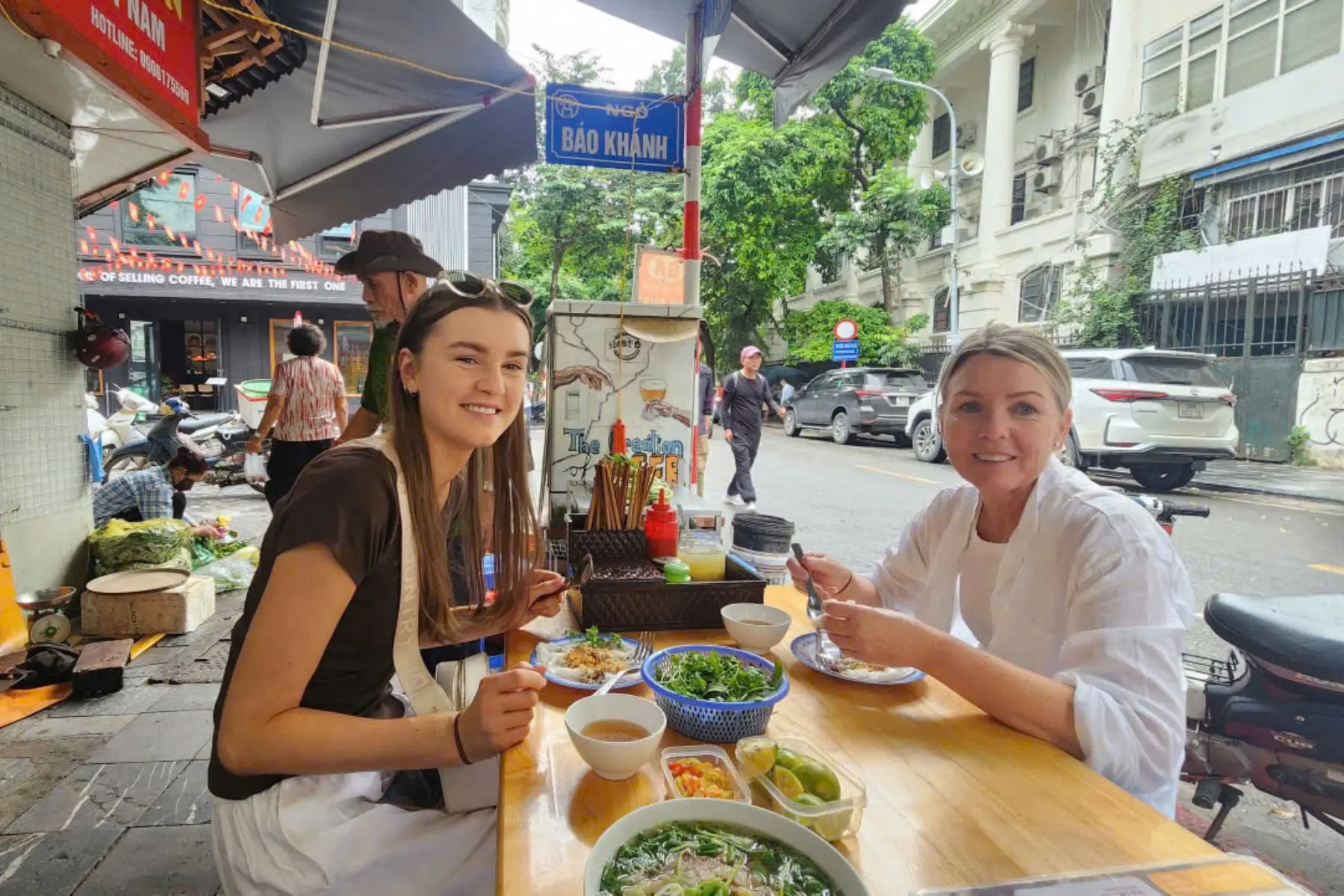
Watch the Broth: Noodle soups like Pho or Bun Cha served piping hot are safe because boiling temperatures kill harmful bacteria.
Ice Safety: Factory-produced ice with cylindrical holes is widely manufactured using purified water and is generally safe in established restaurants and cafes. Avoid crushed block ice at isolated rural stalls.
Tap Water & Hydration
Do not drink tap water directly. Use bottled water even for brushing your teeth if you have a sensitive stomach.
Stay Hydrated: Vietnam’s tropical heat and humidity can lead to dehydration. Carry a reusable insulated flask and top up with filtered water.
Mosquito-Borne Illness Prevention
Dengue fever is present in tropical regions, especially around water bodies during rainy seasons.
Apply insect repellent containing DEET (20-30%) or Picaridin during early morning and late afternoon hours when Aedes mosquitoes are active.
Recommended Travel Vaccinations
Before departing, check that routine immunizations are up to date and consult a travel clinic regarding:
Hepatitis A & B
Typhoid
Tetanus Booster
Japanese Encephalitis (recommended primarily for extended stays in rural agricultural areas)
8. Practical Road Safety Rules: Navigating Traffic Like a Local
Since traffic represents the largest single safety consideration in Vietnam, mastering road crossing and transit is invaluable.
HOW TO CROSS THE STREET IN VIETNAM

STEP 1: Locate an opening in the traffic flow.
STEP 2: Step off the curb steadily and predictably.
STEP 3: Walk at a CONSTANT, SLOW PACE. Do NOT rush or halt abruptly.
STEP 4: Make eye contact with oncoming scooter drivers.
STEP 5: Allow motorbikes to calculate your trajectory and pass BEHIND you.
The Art of Pedestrian Street Crossing
Crossing a street packed with hundreds of motorbikes can feel counterintuitive at first.
Be Predictable: Scooter drivers calculate your speed and trajectory as they approach. Walk forward slowly and steadily.
Never Stop or Run: Sudden stops, backward jumps, or sudden sprints confuse oncoming drivers and disrupt their evasive adjustments.
Cross in Groups: If nervous, cross alongside local pedestrians or fellow travelers.
Scooter Rental Guidelines
If planning to drive a scooter (e.g., along the Hai Van Pass or Ha Giang Loop):
┌────────────────────────────────────────────────────────┐
│ SCOOTER RENTAL SAFETY CHECKLIST                        │
├────────────────────────────────────────────────────────┤
│[]Valid Driver's License + 1968 IDP(Class A endorsement)│
│ [ ] Full-face helmet secured tightly                   │
│  ] Comprehensive travel insurance covering 125cc+ bikes│
│ [ ] Pre-rental video documenting all damage            │
│ [ ] Checking brakes, lights, horn, and tire pressure   │
└────────────────────────────────────────────────────────┘
Insurance Advisory: Most travel insurance policies void coverage automatically if you operate a motorcycle without a valid International Driving Permit (IDP) and a corresponding motorcycle license from your home country.
9. Emergency Numbers & Essential Safety Checklist
Important Contact Numbers in Vietnam
Keep these local emergency hotlines saved on your phone:
| Emergency Service | Telephone Number | Notes |
| Police (Công An) | 113 | Local law enforcement |
| Fire Department (PCCC) | 114 | Emergency rescue |
| Ambulance (Cấp Cứu) | 115 | Medical emergencies |
| International Medical Response | +84 28 3822 7848 | Family Medical Practice (24/7 English) |
Top 10 Commandments for a Worry-Free Vacation
  ┌──────────────────────────────────────────────────────────────────┐
  │                   SAFETY CHECKLIST FOR VIETNAM                   │
  ├──────────────────────────────────────────────────────────────────┤
  │  1. Use Grab app for clear fixed-fare transport                  │
  │  2. Keep phones and cameras off the curb in Ho Chi Minh City     │
  │  3. Wear a quality helmet when riding motorbikes                 │
  │  4. Drink bottled or boiled water exclusively                    │
  │  5. Keep expensive jewelry and luxury watches at home            │
  │  6. Store passport & emergency cash in hotel safes               │
  │  7. Double-check zeros on Vietnamese Dong banknotes              │
  │  8. Secure travel insurance covering medical evacuation          │
  │  9. Apply DEET mosquito repellent daily in tropical zones        │
  │ 10. Walk predictably when crossing busy roads                    │
  └──────────────────────────────────────────────────────────────────┘
10. Frequently Asked Questions (FAQ)
Is Vietnam safer than Thailand for tourists?
Statistically, yes. Vietnam ranks 39th on the Global Peace Index, whereas Thailand ranks 76th. Vietnam experiences lower political volatility, fewer localized demonstrations, and zero civil unrest in tourist corridors. Both destinations are generally safe, but Vietnam maintains better baseline safety rankings.
Can you walk around Vietnam at night?
Yes. Urban nightlife areas across Hanoi, Da Nang, Hoi An, and Ho Chi Minh City are active and safe to navigate late at night. As in any major destination, stick to lighted streets, travel in groups where possible, and take a pre-booked Grab ride home if traveling late.
Is the water safe to drink in Vietnam?
No. Tap water in Vietnam is not purified for direct drinking. Drink bottled, filtered, or boiled water. Most hotels provide complimentary bottled water daily.
Do I need travel insurance for Vietnam?
Yes, travel insurance is strongly recommended. While crime risks are minimal, medical costs for sudden illnesses, emergency hospitalizations, or scooter accident recovery can be significant without proper coverage. Ensure your policy includes emergency medical evacuation.
Are taxis safe to take from Vietnam airports?
Yes, provided you select reputable transport. Book a ride through the Grab app or approach designated taxi desks inside the arrivals hall for established operators such as Mai Linh or Vinasun. Avoid unverified drivers who approach you inside terminal halls.
Conclusion & Final Words
So, is Vietnam a safe place for vacation? Absolutely.
Vietnam stands out as one of the most stable, peaceful, and welcoming countries in the world for international travelers. By keeping basic urban precautions in mind—staying aware of traffic, securing belongings in crowded markets, and booking transportation through reliable apps—you can enjoy a memorable, worry-free journey across this beautiful Southeast Asian destination.