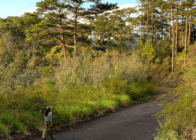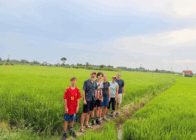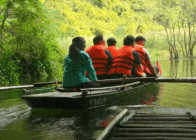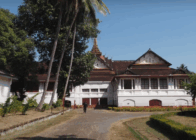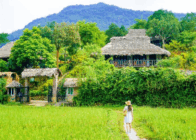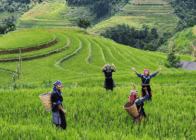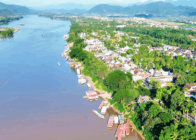

When most travelers think about Vietnam, they picture emerald rice terraces, bustling cities, breathtaking limestone bays, golden beaches, or colorful lantern-lit streets.
While these iconic destinations certainly deserve their reputation, they reveal only one side of the country.
Beyond the famous attractions lies another Vietnam—one that is quieter, wilder, and remarkably untouched.
A Vietnam where ancient rainforests stretch across misty mountains, rare primates leap through dense jungle canopies, endangered sea turtles nest on secluded beaches, and hundreds of bird species thrive within protected wetlands.
This is the world of National Parks in Vietnam.
For nature lovers, photographers, wildlife enthusiasts, birdwatchers, and eco-conscious travelers, Vietnam offers one of the richest natural landscapes in Southeast Asia. From tropical forests and limestone karsts to mangrove ecosystems and marine sanctuaries, the country’s protected areas preserve an extraordinary level of biodiversity that many visitors never have the chance to experience.
Yet these national parks are much more than scenic destinations.
They are living ecosystems.
Outdoor classrooms.
Conservation success stories.
And perhaps most importantly, they remind us that Vietnam’s greatest treasures are not only found in its history and culture, but also within its forests, rivers, mountains, and coastlines.
This guide will take you beyond the traditional tourist trail and introduce you to the incredible world of Vietnam National Parks.
Rather than simply listing destinations, we’ll explore why these protected landscapes matter, how they contribute to conservation, what makes each ecosystem unique, and why every traveler should consider including at least one national park in their journey through Vietnam.
Because discovering Vietnam’s wild side may become the most unforgettable part of your adventure.
Vietnam: One of Asia’s Great Biodiversity Hotspots
Few countries possess such extraordinary ecological diversity within a relatively compact geographical area.
Stretching more than 1,600 kilometers from north to south, Vietnam passes through multiple climate zones, creating an incredible variety of natural habitats.
Towering mountain ranges.
Ancient tropical forests.
Limestone cave systems.
River deltas.
Freshwater wetlands.
Coral reefs.
Mangrove forests.
Offshore islands.
Each ecosystem supports its own unique collection of wildlife and plant species.
This remarkable diversity has made Vietnam one of Southeast Asia’s most significant centers of Vietnam Biodiversity.
Scientists continue to discover previously undocumented plants, amphibians, reptiles, insects, and even mammals within the country’s protected forests.
Many species exist nowhere else on Earth.
This makes the protection of Protected Areas Vietnam not only important for the country itself but also for global conservation.
More Than Beautiful Landscapes
Many visitors imagine national parks as places designed purely for sightseeing.
In reality, they serve a much greater purpose.
The network of Vietnam National Parks protects fragile ecosystems that provide clean water, regulate climate, preserve endangered wildlife, and support thousands of local communities.
Healthy forests reduce soil erosion.
Wetlands filter water naturally.
Mangroves protect coastlines from storms.
Mountain forests help stabilize regional weather patterns.
These natural systems quietly support everyday life across Vietnam.
Visiting a national park therefore becomes much more than a recreational activity.
It becomes an opportunity to better understand how closely human wellbeing depends upon healthy ecosystems.
Nature is not separate from society.
It sustains it.
A Country of Many Ecosystems
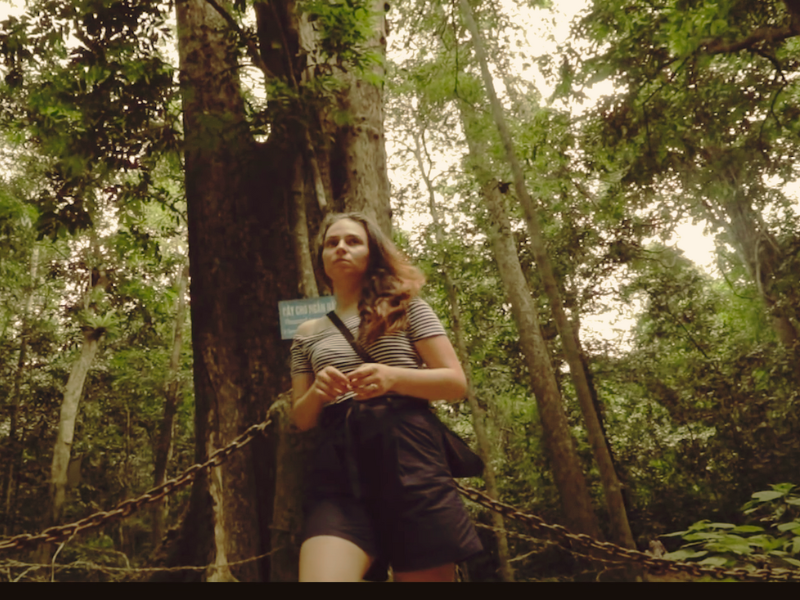
One of the most fascinating aspects of National Parks in Vietnam is the incredible variety found across the country.
No two parks feel the same.
Each landscape tells its own ecological story.
Some parks are covered by dense tropical rainforest where towering trees create shaded jungle pathways alive with birdsong.
Others protect dramatic limestone mountains filled with caves, underground rivers, and ancient geological formations.
Further south, vast wetlands provide critical habitat for migratory birds and countless aquatic species.
Along Vietnam’s coastline, marine protected areas safeguard coral reefs, sea grass meadows, and nesting beaches for endangered sea turtles.
This diversity means every traveler can discover a natural environment that matches their interests.
Whether you’re fascinated by forests, caves, mountains, wildlife, rivers, or marine ecosystems, Vietnam has a protected landscape waiting to be explored.
Wildlife That Still Thrives
Perhaps the greatest treasure inside Vietnam Wildlife reserves is something many visitors never actually see.
Wild animals.
The forests of Vietnam are home to remarkable species that have survived despite decades of environmental pressure.
Colorful hornbills fly between ancient trees.
Rare langurs leap through limestone cliffs.
Gibbons greet sunrise with haunting songs echoing across the valleys.
Elephants still roam certain protected landscapes.
Clouded leopards move silently through dense forests.
Freshwater turtles inhabit remote wetlands.
Countless butterflies fill jungle clearings after tropical rain.
Many of these animals are naturally elusive.
Seeing them is never guaranteed.
Yet knowing they continue to survive inside Vietnam’s protected forests makes every walk through the jungle feel meaningful.
For photographers and conservation enthusiasts, Wildlife Watching Vietnam offers an experience built upon patience, respect, and appreciation rather than expectation.
Why Conservation Matters More Than Ever
Protecting biodiversity has become one of the defining environmental challenges of our time.
Rapid urban development, agricultural expansion, illegal wildlife trade, and climate change continue placing enormous pressure on ecosystems across the world.
Vietnam is no exception.
Fortunately, decades of conservation work have significantly strengthened the country’s network of protected landscapes.
Many national parks now collaborate with scientists, conservation organizations, local communities, and international partners to protect endangered species while promoting sustainable tourism.
Visitors contribute to these efforts simply by choosing responsible travel experiences that support conservation rather than exploitation.
Every entrance ticket.
Every licensed guide.
Every locally operated eco-tour.
Every responsible decision.
Together they help preserve these extraordinary landscapes for future generations.
This is the heart of Vietnam Conservation.
Nature and Local Communities
One of the most inspiring aspects of Vietnam’s protected landscapes is the relationship between nature and the people who live nearby.
Many communities have depended upon surrounding forests, rivers, and mountains for generations.
Traditional ecological knowledge continues to influence farming, fishing, forest management, and daily life.
Today, sustainable tourism increasingly provides opportunities for local families to benefit economically while protecting rather than exploiting natural resources.
Guiding visitors.
Operating eco-lodges.
Preparing regional cuisine.
Producing traditional handicrafts.
Leading educational activities.
Responsible tourism allows conservation and community development to grow together.
This approach represents the future of Ecotourism Vietnam.
Travel becomes a partnership rather than simply consumption.
Why Every Nature Lover Should Visit
Some destinations impress you immediately.
National parks reveal themselves slowly.
The longer you spend inside them, the more remarkable they become.
The distant call of a gibbon before sunrise.
Sunlight filtering through rainforest canopies.
The quiet movement of butterflies across a forest trail.
Ancient trees standing for centuries.
Crystal-clear rivers flowing beneath limestone cliffs.
These experiences cannot be rushed.
Unlike busy tourist attractions, protected forests encourage visitors to slow down.
Observe.
Listen.
Breathe.
Appreciate.
For many travelers, this slower rhythm becomes one of the most rewarding experiences of their entire holiday.
Nature reminds us that not every adventure needs to be fast to be unforgettable.
The Wild Vietnam Most Travelers Never See
Millions of international visitors come to Vietnam every year.
Yet only a small percentage venture beyond the country’s most famous cities and attractions to explore its remarkable protected landscapes.
That is a missed opportunity.
Because hidden beyond the familiar tourist routes lies an entirely different side of Vietnam.
A country where biodiversity still flourishes.
Where conservation shapes the future.
Where forests remain ancient.
Where wildlife continues to survive.
And where every trail offers the possibility of genuine discovery.
Exploring National Parks in Vietnam is not simply about visiting beautiful places.
It is about understanding the natural heartbeat of the country itself.
Mountain Forests: Where Vietnam Touches the Clouds
Northern Vietnam is home to some of the country’s oldest mountain ecosystems.
Here, cool temperatures, high elevations, and dense forests create habitats unlike anywhere else in Southeast Asia.
Mist drifts through ancient trees.
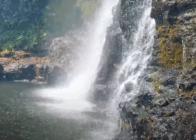
Waterfalls tumble into crystal-clear streams.
Birdsong echoes across deep valleys.
Walking through these mountain forests feels like entering another world.
Many of these protected landscapes are ideal for Vietnam Hiking, allowing visitors to explore scenic trails while experiencing untouched wilderness at a comfortable pace.
Unlike crowded tourist destinations, the mountains encourage slow exploration.
Every turn in the trail reveals another breathtaking view.
Every climb rewards travelers with silence, fresh air, and spectacular panoramas.
These forests remind us that nature doesn’t need dramatic attractions.
Its greatest beauty often lies in its simplicity.
Tropical Rainforests: The Living Heart of Vietnam
Few ecosystems are as vibrant as a tropical rainforest.
Within Vietnam’s protected forests, life exists at every level.
Towering trees form a dense canopy hundreds of years old.
Below them, vines weave through the jungle while orchids, ferns, and mosses thrive in the humid air.
Every sound carries meaning.
Birds announce the arrival of morning.
Insects create an endless chorus after sunset.
Hidden mammals move quietly through the undergrowth.
This extraordinary network of life forms one of the richest examples of Vietnam Rainforest ecosystems.
For travelers, walking through these forests becomes more than a hike.
It becomes an immersive lesson in ecology.
The rainforest is constantly changing, constantly growing, and constantly reminding visitors how interconnected every living thing truly is.
Limestone Landscapes: Nature’s Ancient Architecture
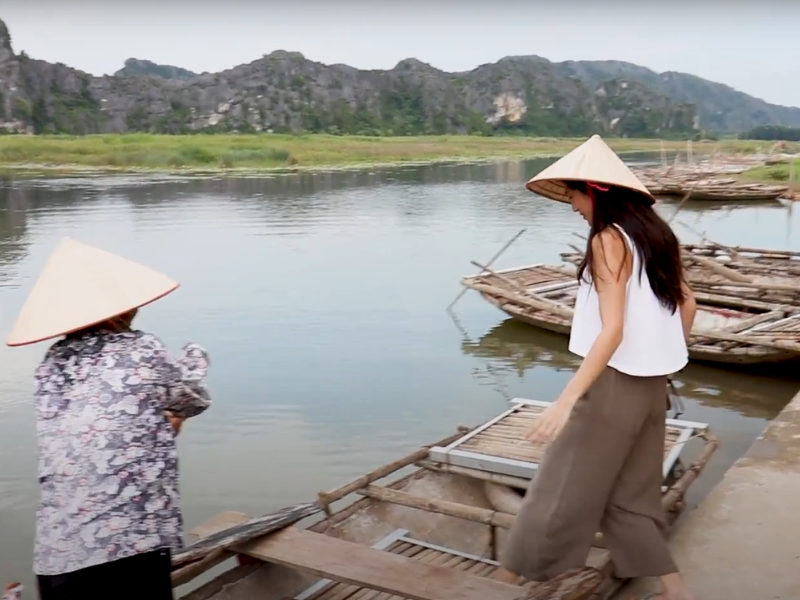
Some of Vietnam’s most spectacular scenery was created not by forests, but by stone.
Millions of years of geological change have shaped towering limestone mountains, hidden caves, underground rivers, and dramatic cliffs that define many protected areas.
These landscapes offer completely different adventures.
Walking through ancient cave systems.
Exploring river valleys surrounded by towering karsts.
Photographing dramatic rock formations at sunrise.
Discovering forests growing directly from limestone peaks.
The combination of geology and biodiversity makes these parks unlike almost anywhere else in Asia.
Nature here tells two stories at once.
One written by forests.
The other carved into stone over millions of years.
Wetlands: Where Water Creates Life
While forests often receive the greatest attention, wetlands are equally important.
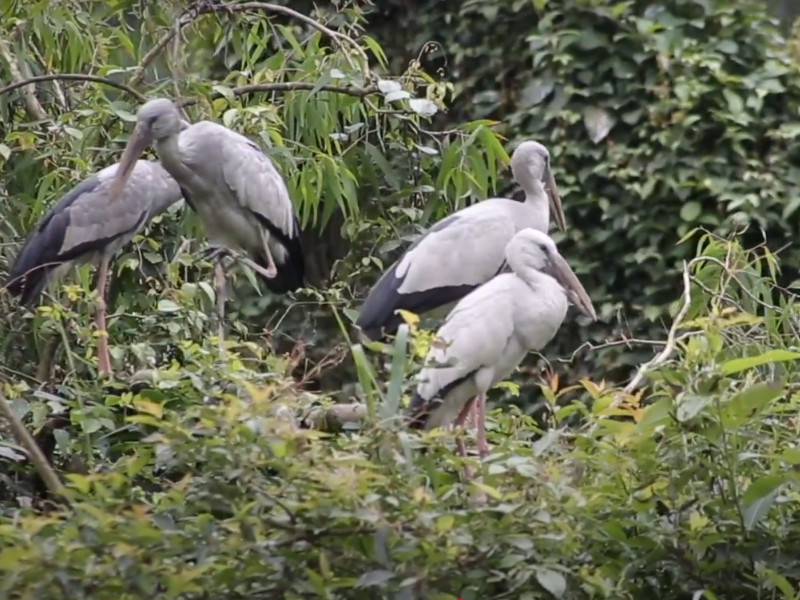
Protected wetland ecosystems support enormous numbers of birds, fish, reptiles, amphibians, and aquatic plants.
Seasonal flooding creates ideal breeding conditions for countless species.
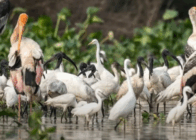
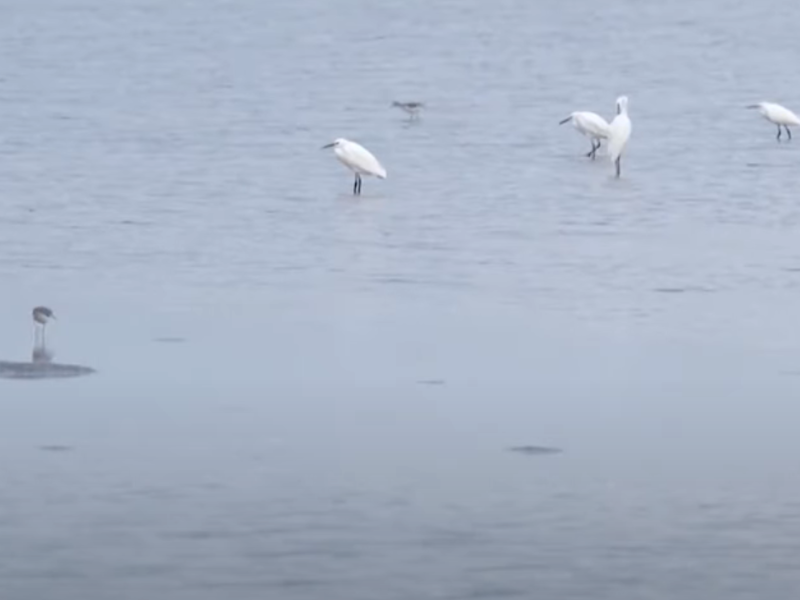
These peaceful environments are among the finest locations for Bird Watching Vietnam.
Early mornings are especially rewarding.
Herons glide across quiet lakes.
Kingfishers dive into calm waters.
Storks search shallow marshes.
Migratory birds arrive according to the changing seasons.
For wildlife photographers, wetlands offer some of Vietnam’s most rewarding opportunities.
Patience often brings remarkable encounters.
Rather than dramatic landscapes, wetlands reward careful observation.
The more quietly you watch, the more life begins to appear.
Marine Protected Areas: Vietnam Beyond the Shore
Vietnam’s natural beauty doesn’t stop at the coastline.
Beneath the surface lies another remarkable world.
Marine national parks protect coral reefs, seagrass meadows, coastal forests, and countless marine species that contribute to the country’s ecological richness.
These protected waters provide excellent opportunities for snorkeling, diving, kayaking, and responsible marine exploration.
Colorful tropical fish.
Coral gardens.
Sea turtles.
Coastal birds.
Mangrove forests.
Every ecosystem supports another.
Marine conservation has become an increasingly important part of Protected Areas Vietnam, helping preserve fragile underwater environments for future generations.
For travelers, these destinations reveal a completely different perspective of Vietnam Nature.
Islands Where Nature Comes First
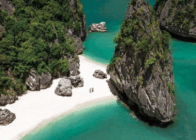
Some of Vietnam’s most remarkable protected landscapes are found offshore.
Unlike heavily developed resort islands, these natural areas remain focused on conservation.
Dense forests extend almost to the shoreline.
Quiet beaches remain largely untouched.
Wildlife thrives away from busy urban centers.
Island ecosystems are particularly sensitive.
Small environmental changes can have significant impacts.
Responsible tourism therefore plays an especially important role.
Choosing environmentally conscious operators helps protect these fragile environments while allowing visitors to experience some of Vietnam’s most peaceful coastal landscapes.
A Paradise for Wildlife Enthusiasts
For travelers passionate about animals, Vietnam Wildlife offers endless fascination.
Although many species remain elusive, simply knowing they inhabit these forests transforms every walk into an adventure.
Some visitors hope to hear the haunting calls of gibbons echoing through mountain valleys.
Others search patiently for colorful birds hidden among rainforest canopies.
Butterflies gather beside forest streams.
Reptiles bask quietly beneath tropical sunlight.
Even when wildlife remains unseen, signs of its presence appear everywhere.
Footprints along muddy trails.
Fresh birdsong overhead.
Leaves moving gently within dense vegetation.
Responsible Wildlife Watching Vietnam is never about chasing animals.
It is about respecting their space while appreciating the privilege of sharing their habitat.
Every Ecosystem Tells a Different Story
One of the greatest strengths of Vietnam National Parks is their incredible diversity.
No single destination can represent the country’s natural heritage.
Mountain forests inspire adventure.
Rainforests reveal biodiversity.
Wetlands celebrate birdlife.
Marine parks protect underwater ecosystems.
Limestone landscapes showcase geological history.
Island reserves demonstrate the delicate balance between conservation and tourism.
Together, these environments create one of Southeast Asia’s richest collections of protected natural landscapes.
For travelers, exploring more than one ecosystem provides a much deeper understanding of Vietnam itself.
The country cannot be defined by a single landscape.
Its true beauty lies in its diversity.
Nature Is Best Experienced Slowly
Modern travel often encourages visitors to see as much as possible within a limited time.
National parks encourage exactly the opposite.
Walk slower.
Listen longer.
Observe carefully.
Take fewer photographs.
Spend more time appreciating where you are.
Nature rewards patience.
A butterfly landing nearby.
Sunlight breaking through rainforest trees.
A bird calling across a valley.
Clouds drifting over mountain peaks.
These quiet moments rarely appear in travel brochures.
Yet they often become the memories travelers treasure most.
Exploring National Parks in Vietnam isn’t about checking destinations off a list.
It’s about reconnecting with the natural world.
When Is the Best Time to Visit National Parks in Vietnam?
One of the greatest advantages of exploring National Parks in Vietnam is that there is no single “best” season.
Vietnam stretches across multiple climate zones, meaning different parks shine at different times of the year.
Mountain parks are often most enjoyable during the cooler months when hiking conditions are comfortable and visibility is excellent.
Tropical forests become especially vibrant after seasonal rainfall, when waterfalls are at their most impressive and the jungle comes alive with birds, insects, and lush vegetation.
Wetlands attract spectacular numbers of migratory birds during migration seasons, making them ideal for Bird Watching Vietnam.
Marine protected areas generally offer the clearest water during the dry season, providing excellent conditions for snorkeling, diving, and underwater photography.
Rather than choosing one perfect month for the entire country, plan your visit according to the ecosystem you wish to experience.
Each season reveals a different side of Vietnam’s natural beauty.
Responsible Travel Protects Fragile Ecosystems
Nature gives us unforgettable experiences.
In return, it asks for very little.
Respect.
Patience.
Responsibility.
As Ecotourism Vietnam continues to grow, travelers play an increasingly important role in protecting fragile environments.
Simple choices make a meaningful difference.
Stay on designated trails.
Carry reusable water bottles whenever possible.
Avoid disturbing wildlife.
Take all rubbish with you.
Never remove plants, rocks, shells, or natural souvenirs.
Choose locally operated eco-tours that contribute directly to conservation and community development.
Responsible travel isn’t about limiting your experience.
It ensures that future visitors will have the opportunity to enjoy these remarkable landscapes just as you did.
Wildlife Encounters Begin with Respect
One of the greatest rewards of exploring Vietnam Wildlife is the possibility of seeing animals in their natural habitat.
But wildlife should always remain wild.
Never attempt to feed animals.
Avoid loud noises.
Maintain a respectful distance.
Do not use flash photography around sensitive species.
Allow animals to behave naturally without interference.
The most memorable wildlife experiences often happen quietly.
Watching a troop of langurs moving through the trees.
Hearing gibbons calling at sunrise.
Observing colorful birds feeding along forest edges.
These moments are meaningful precisely because they occur naturally.
Ethical Wildlife Watching Vietnam prioritizes animal welfare above photography or close encounters.
Packing for Nature Adventures
Preparing properly makes every outdoor experience more enjoyable.
Comfortable hiking shoes are perhaps the most important item you can bring.
Lightweight clothing suitable for humid conditions helps you stay comfortable throughout the day.
Other useful essentials include:
- A reusable water bottle
- Binoculars for wildlife observation
- A camera with extra batteries
- Insect repellent
- Sunscreen
- A lightweight rain jacket
- A small first-aid kit
- A waterproof backpack cover
Packing thoughtfully allows you to focus on enjoying nature instead of worrying about avoidable inconveniences.
Photography Beyond the Perfect Picture
Vietnam’s protected landscapes offer extraordinary opportunities for photographers.
Yet the best nature photography begins with observation rather than equipment.
Instead of rushing to capture every scene, spend time understanding the environment.
Notice changing light.
Watch animal behavior.
Observe reflections on rivers.
Wait patiently for clouds to move across mountain peaks.
Some of the strongest photographs are not dramatic landscapes.
They are intimate moments.
Morning mist drifting through ancient trees.
A butterfly resting on tropical flowers.
Sunlight filtering through rainforest leaves.
Nature rewards patience more than speed.
Why National Parks Matter for Future Generations
Protecting Protected Areas Vietnam is about much more than preserving beautiful scenery.
Healthy forests store carbon.
Wetlands reduce flooding.
Mangroves protect coastlines.
Coral reefs support marine biodiversity.
National parks also provide opportunities for education, scientific research, and sustainable livelihoods for nearby communities.
Every protected landscape represents an investment in the future.
By visiting responsibly, travelers become partners in conservation rather than simply observers.
Your journey can contribute to preserving ecosystems that future generations deserve to experience.
Frequently Asked Questions
Are Vietnam’s national parks suitable for beginners?
Yes.
Many parks offer easy walking trails, guided nature walks, scenic viewpoints, and educational visitor centers that are suitable for travelers of all ages.
More challenging hiking routes are also available for experienced adventurers.
Can families visit national parks?
Absolutely.
Many Nature Tours Vietnam are designed specifically for families, offering opportunities to explore forests, observe wildlife, enjoy boat trips, and learn about conservation in an engaging and accessible way.
Are guided tours recommended?
For many parks, yes.
Local guides provide valuable knowledge about wildlife, ecosystems, local culture, and safety while helping visitors discover places they might otherwise overlook.
Guided experiences also help support local communities and conservation initiatives.
What makes Vietnam’s national parks unique?
Their extraordinary diversity.
Few countries combine tropical rainforests, limestone mountains, wetlands, caves, mangrove forests, coral reefs, islands, and high-altitude ecosystems within such a relatively compact area.
That ecological richness makes Vietnam National Parks among Southeast Asia’s most fascinating natural destinations.
The Wild Side of Vietnam Deserves Your Attention
Travel often focuses on famous landmarks.
National parks invite us to look deeper.
They remind us that Vietnam’s identity is shaped not only by vibrant cities, historic monuments, and cultural traditions, but also by forests that have stood for centuries, rivers that nourish entire communities, and wildlife that still survives against the odds.
Exploring National Parks in Vietnam is not simply about visiting beautiful landscapes.
It is about experiencing the living heartbeat of the country.
Every trail reveals another story.
Every ecosystem teaches another lesson.
Every responsible traveler helps protect another piece of Vietnam’s natural heritage.
Perhaps the greatest adventure isn’t found in reaching the highest mountain or the deepest cave.
Perhaps it is simply learning to slow down long enough to appreciate the extraordinary world that has always been there.
Explore Vietnam’s Natural Wonders with Sao La Vietnam Tours
At Sao La Vietnam Tours, we believe that the most meaningful journeys go beyond sightseeing.
Our carefully designed nature experiences allow travelers to explore Vietnam’s remarkable forests, mountains, wetlands, and coastal ecosystems while supporting responsible tourism and local communities.
Whether you’re interested in gentle nature walks, birdwatching, wildlife observation, photography, rainforest adventures, or tailor-made eco-journeys, our experienced local team can help you discover a side of Vietnam that many visitors never see.
Every itinerary is thoughtfully created to balance comfort, conservation, and authentic experiences—ensuring that your adventure leaves lasting memories while helping protect the landscapes you explore.
Travel slowly. Respect nature. Discover the wild heart of Vietnam with Sao La Vietnam Tours.