Planning a getaway to Vietnam’s largest paradise island? Choosing the best time of year to visit Phu Quoc can mean the difference between endless golden sunshine over turquoise waters and being stranded in your hotel room during a tropical downpour.
Phu Quoc’s microclimate differs noticeably from mainland Vietnam. Located in the Gulf of Thailand, this tropical jewel experiences distinct dry and wet seasons, fluctuating sea conditions, and unique wildlife phenomena throughout the year.
Whether you are looking for crystal-clear diving conditions, quiet beaches away from holiday crowds, or budget-friendly luxury resorts, this comprehensive guide breaks down Phu Quoc’s weather month by month, analyzes regional beach shifts, and provides actionable insider advice to help you pick your perfect travel window.
1. Quick Summary: When Should You Visit Phu Quoc?
If you are looking for a quick decision based on your personal travel priorities, here is an executive overview of Phu Quoc’s annual travel windows:
| Travel Goal | Ideal Time Frame | What to Expect |
| Peak Perfect Weather | November to March | Calm turquoise seas, minimal humidity, daily sunshine (27 °C – 30 °C. Ideal for swimming & diving. |
| Best Value / Low Crowds | April, May & October | Shoulder months. Warm weather, fewer tourists, lower resort rates, short localized showers. |
| Budget Travel & Lush Nature | June to September | Monsoon season. Heavier rainfall, dramatic waves on the West coast, full waterfalls, lowest hotel prices. |
| Best Diving & Snorkeling | December to March | Peak water visibility (up to 10–15 meters) around An Thoi Archipelago and Turtle Island. |
| Starfish Spotting (Rach Vem) | November to April | Calm waters on the North shore allow safe access to red starfish colonies. |
2. Understanding Phu Quoc’s Tropical Climate & Seasons
Phu Quoc operates on a tropical monsoon climate with two primary seasons: the Dry Season (Southwest Monsoon absence) and the Rainy Season (Southwest Monsoon presence), separated by brief shoulder transition periods.
       DRY SEASON                 SHOULDER                 RAINY SEASON              SHOULDER
[ Nov ── Dec ── Jan ── Feb ── Mar ] ──► [ Apr ── May ] ──► [ Jun ── Jul ── Aug ── Sep ] ──► [ Oct ]
  Clear skies, calm seas, peak rates      Hot, humid, high value    Heavy rain, green flora, deals      Rain tapering
The Microclimate Factor: East Coast vs. West Coast
One critical geographic secret that many travel guides overlook is Phu Quoc’s east-versus-west coast coastal dynamic:
West Coast (Long Beach, Ong Lang, Ganh Dau): Home to the main hotel strips and sunset points. Calm as a mirror during the Dry Season (Nov–Apr), but experiences heavy waves and washed-up debris during the Rainy Season (Jun–Sep).
East Coast (Sao Beach, Khem Beach, Ham Ninh): Protected during the monsoon season. When the West Coast gets rough waves from June to September, the East Coast beaches often remain surprisingly calm, clear, and swimmable.
3. The Dry Season (November – April): The Gold Standard
If your dream vacation involves pristine white sand, calm water resembling a swimming pool, and guaranteed outdoor dining under the stars, the Dry Season is undeniably the best time to visit Phu Quoc.
Average Temperature: 25°C – 32°C (77°F – 90°F)
Average Monthly Rainfall: 30mm – 90mm
Humidity: Low to Moderate (65% – 75%)
Sea State: Calm, high visibility
November: The Grand Opening
Weather: Transition complete. Rains drop drastically, skies clear up, and humidity lowers.
Vibe: The island breathes a sigh of relief after the monsoon. Vegetation remains lush and green from seasonal rain, but beaches dry out.
Verdict: One of the best months overall—pleasant weather before peak holiday crowds arrive in late December.
December & January: Peak Paradise & Festive Rush
Weather: Flawless. Gentle ocean breezes, endless sunshine, and pleasant evening temperatures around 23°C – 25°C.
Vibe: Festive and bustling. International travelers flock to the island for Christmas, New Year, and winter escape holidays.
Considerations: Hotel rates hit their annual ceiling. Popular spots like Long Beach and Sunset Sanato become crowded. Advanced bookings (2–4 months ahead) are essential.
February: Tet Holiday & Golden Sunshine
Weather: Consistently warm and sunny with zero rain risk. Perfect for island-hopping boat tours.
Cultural Note: Vietnam celebrates Tet (Lunar New Year) around late January or February. Domestic tourism spikes significantly. While resort zones operate normally, some local family-run eateries in Duong Dong town may close for 3–5 days.
March & April: Rising Heat & Clear Waters
Weather: Temperatures begin climbing, reaching 32°C – 34°C – (90°F – 93°F). Ocean waters remain calm and crystal clear.
Vibe: Ideal conditions for scuba diving and deep-sea fishing. April represents the tail end of the dry season, making it a lucrative shoulder window for savvy travelers seeking discounts before summer rains start.
4. The Shoulder Months (April, May & October): The Smart Traveler’s Secret
For travelers who dislike large tourist crowds and inflated room rates, the shoulder transition months offer an attractive compromise between decent weather and high value.
May: The Pre-Monsoon Transition
Temperature: Hot (30°C – 34°C), with rising humidity levels.
Rainfall Pattern: Afternoon showers become more frequent, typically lasting 45–60 minutes before clearing up to bright sunshine.
Strategy: Schedule outdoor island excursions and beach relaxation for the morning hours. Spend hot, humid afternoons enjoying spa treatments, visiting pepper farms, or relaxing in air-conditioned cafes.
October: The Post-Monsoon Transition
Temperature: Comfortable (26°C – 29°C).
Rainfall Pattern: Monsoon winds shift direction. Rain frequency drops noticeably compared to August and September.
Strategy: Luxury resorts offer attractive promotional packages as they prepare for the upcoming peak season. October is a fantastic month for photography as rivers and waterfalls (like Tranh Waterfall) flow at full capacity against clearing blue skies.
5. The Wet Season (June – September): Budget Paradise & Lush Nature
Do not write off the monsoon season immediately. While June through September sees high precipitation, traveling to Phu Quoc during the wet season comes with distinct advantages if you know how to adjust your itinerary.
Average Temperature: 25°C – 29°C (77°F – 84°F)
Average Monthly Rainfall: 300mm – 600mm
Humidity: High (80% – 90%)
Sea State: Rough on West Coast; Calm on East Coast
Why Consider Visiting During the Wet Season?
Unbeatable Hotel Deals: Luxury 5-star international resorts drop their room rates by 40% to 60% compared to January peak prices.
Quiet, Private Vibe: You will have hotel pools, world-class spas, and historical sites virtually to yourself.
Thriving Ecosystems: Phu Quoc National Park turns into a vibrant green paradise. Streams like Suoi Tranh and Suoi Da Ban, which dry up during winter, become roaring waterfalls surrounded by rainforest flora.
How Rain Actually Works in Phu Quoc
It rarely rains continuously for 24 hours straight. Instead, monsoon rain typically manifests in sudden, intense tropical downpours lasting 1 to 2 hours, followed by dry spells or overcast skies.
Typical Rainy Day Timeline:
08:00 AM - 01:00 PM: Overcast / Partial Sun (Great for spa, resort pool, indoor exploration)
01:30 PM - 03:00 PM: Heavy Tropical Downpour (Time for a nap, reading, or Vietnamese coffee)
03:30 PM - 06:30 PM: Clear Skies / Dramatic Sunset Views
6. Phu Quoc Travel Matrix: Choosing Based on Your Travel Style
Every traveler has different priorities. Match your specific travel profile with the optimal calendar window below:
A. The Luxury & Honeymoon Seekers
Ideal Months: December to February.
Why: Guaranteed blue skies, romantic sunsets on Long Beach, and ideal weather for private yacht charters through the An Thoi Archipelago.
B. Scuba Divers & Snorkelers
Ideal Months: December to March.
Why: Underwater visibility reaches up to 15 meters around Turtle Island (North) and An Thoi (South). Marine life, coral gardens, and bamboo sharks are easiest to spot when monsoon currents subside.
C. Budget Travelers & Backpackers
Ideal Months: May, June, September & October.
Why: Flights from Hanoi and Ho Chi Minh City drop in price, motorbike rentals are discounted, and hostels offer rock-bottom rates.
D. Families with Children
Ideal Months: November, November, March & April.
Why: Warm, gentle waters make swimming safe for kids. Outdoor attractions like VinWonders, Grand World, and the Vinpearl Safari are fully enjoyable without extreme summer heat or heavy downpours.
7. Comprehensive Month-by-Month Weather Data Breakdown
To help you plan with precision, here is a detailed breakdown of Phu Quoc’s climate metrics throughout the year:
| Month | Avg High Temp (°C / °F) | Avg Low Temp (°C / °F) | Rainfall (mm) | Rainy Days | Sun Hours / Day | Overall Rating |
| January | 30°C/86°F | 23°C/73°F | 30 mm | 3 days | 8.5 hours | ⭐⭐⭐⭐⭐ (Peak) |
| February | 31°C/88°F | 24°C/75°F | 25 mm | 2 days | 9.0 hours | ⭐⭐⭐⭐⭐ (Peak) |
| March | 32°C/90°F | 25°C/77°F | 40 mm | 4 days | 8.5 hours | ⭐⭐⭐⭐⭐ (Peak) |
| April | 33°C/91°F | 26°C/79°F | 90 mm | 8 days | 8.0 hours | ⭐⭐⭐⭐ (Shoulder) |
| May | 32°C/90°F | 26°C/79°F | 220 mm | 15 days | 6.5 hours | ⭐⭐⭐ (Shoulder) |
| June | 31°C/88°F | 25°C/77°F | 330 mm | 18 days | 5.0 hours | ⭐⭐ (Wet) |
| July | 30°C/86°F | 25°C/77°F | 390 mm | 20 days | 4.5 hours | ⭐⭐ (Wet) |
| August | 30°C/86°F | 25°C/77°F | 480 mm | 22 days | 4.0 hours | ⭐⭐ (Wet Peak) |
| September | 30°C/86°F | 24°C/75°F | 540 mm | 23 days | 4.5 hours | ⭐⭐ (Wet Peak) |
| October | 30°C/86°F | 24°C/75°F | 360 mm | 19 days | 5.5 hours | ⭐⭐⭐ (Shoulder) |
| November | 30°C/86°F | 23°C/73°F | 150 mm | 10 days | 7.0 hours | ⭐⭐⭐⭐ (Dry Start) |
| December | 30°C/86°F | 23°C/73°F | 50 mm | 5 days | 8.0 hours | ⭐⭐⭐⭐⭐ (Peak) |
8. Seasonal Beach Strategy: Where to Swim When
One of the biggest mistakes travelers make in Phu Quoc is visiting the wrong beach for the season. Due to changing monsoon wind vectors, sea safety and water clarity shift dramatic across the island throughout the year.
       DRY SEASON (Nov - Apr)                    RAINY SEASON (Jun - Sep)
West Coast: Calm, Turquoise, Ideal          West Coast: Rough Waves, Debris
East Coast: Moderate Winds, Good            East Coast: Sheltered, Calm, Swimmable
North Shore: Accessible Starfish Beach      North Shore: Difficult Access, Muddy Roads
Dry Season Beach Guide (November to April)
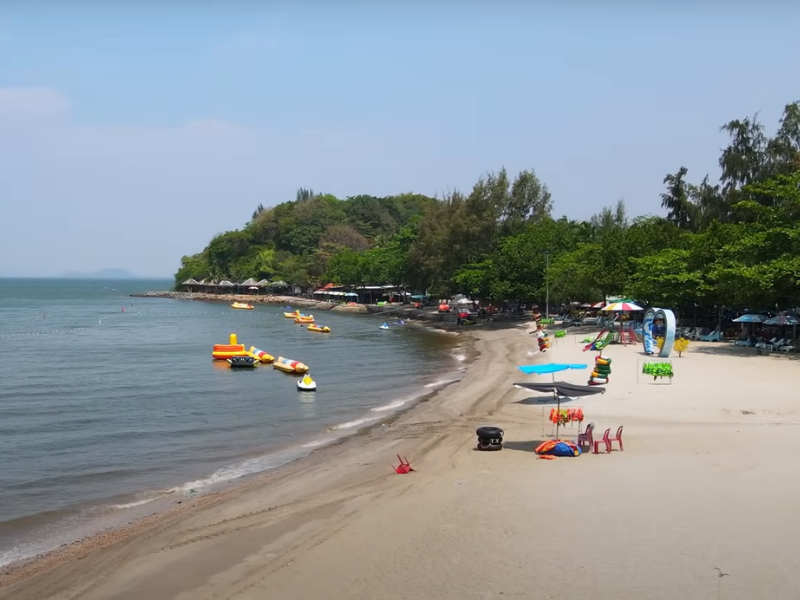
Long Beach (Bãi Dài): Located on the West Coast. Water is calm as a lake. Unbeatable sunset views every afternoon.
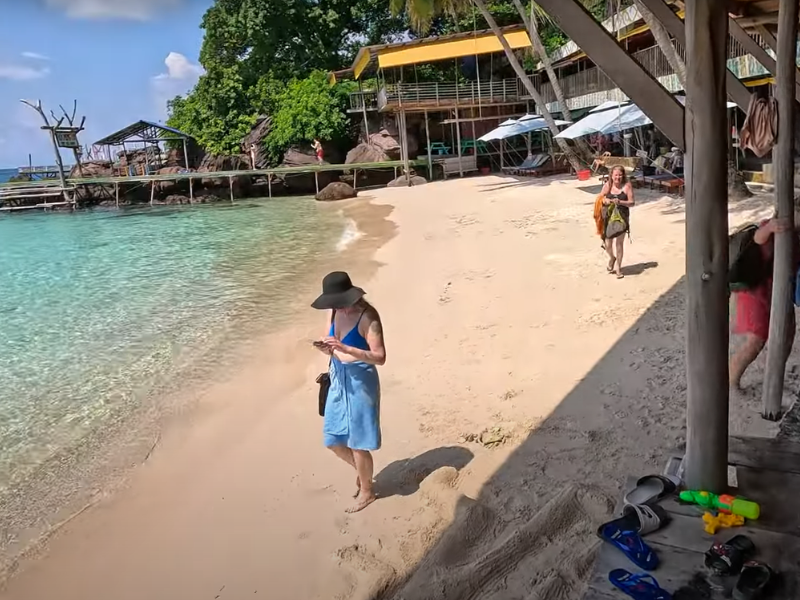
Ong Lang Beach: Quiet, rocky coves on the West Coast with pristine water. Excellent for couples and relaxation.
Rach Vem (Starfish Beach): Located on the northern coast. Water is shallow, calm, and clear, making it easy to spot red starfish in their natural habitat.
Wet Season Beach Guide (June to September)
Sao Beach (Bãi Sao): Located on the sheltered East Coast. While the West Coast gets battered by waves, Sao Beach remains relatively calm with powdery white sand and emerald water.
Khem Beach (Bãi Khem): Home to luxury resorts like JW Marriott and New World. This southeastern bay is protected from southwest monsoon winds, offering peaceful swimming year-round.
Ham Ninh Coast: Excellent eastern area for fresh, affordable seafood at local floating restaurants when western seas are rough.
9. Top Phu Quoc Attractions & Their Seasonal Ideal Times
To build a well-rounded itinerary, match Phu Quoc’s major landmarks with their optimal visiting conditions:
+-----------------------------------+-----------------------------+------------------------------------+
| Attraction                        | Best Visiting Months        | Why Season Matters                 |
+-----------------------------------+-----------------------------+------------------------------------+
| An Thoi Island Hopping Boat Tour  | December to March           | Calm seas prevent seasickness      |
| Hon Thom Cable Car (World Record) | November to April           | High visibility for sky-high photos |
| Suoi Tranh Waterfall              | July to October             | Waterfalls dry up during dry season|
| Rach Vem Starfish Beach           | November to April           | Starfish retreat during rains      |
| Vinpearl Safari & VinWonders      | November to April           | Comfortable outdoor walking heat   |
| Duong Dong Night Market           | Year-Round (Best Nov-Apr)   | Covered stalls operate in wet season|
+-----------------------------------+-----------------------------+------------------------------------+
Key Highlights Detailed:
Hon Thom Cable Car: The longest non-stop three-rope cable car in the world offers panoramic views of the southern islands. During the dry season, you can see coral reefs glowing beneath the ocean surface from your cabin.
Vinpearl Safari: Asia’s top open-species conservation park. Visiting between November and March ensures cooler morning temperatures, keeping animals active on the open plain.
Suoi Tranh Waterfall: Located in the central jungle. Do not visit in February or March expecting a roaring cascade—it reduces to a trickle. Visit from July to October for roaring waters and vibrant green jungle trails.

10. Practical Packing Tips by Season
Preparing your luggage according to Phu Quoc’s seasonal realities ensures a smooth, comfortable journey:
Packing for the Dry Season (Nov – Apr)
Sun Protection: High-SPF reef-safe sunscreen, broad-brimmed hats, UV-blocking sunglasses, and lightweight rashguards for boat tours.
Footwear: Breathable sandals, flip-flops, and lightweight sneakers for night markets and light walking.
Clothing: Breathable linen shorts, cotton t-shirts, swimwear, and evening resort wear.
Hydration: A reusable insulated water bottle to stay hydrated under direct sunshine.
Packing for the Wet Season (Jun – Sep)
Rain Gear: A compact travel umbrella, quick-dry lightweight rain jackets, or waterproof ponchos.
Dry Bags: A 10L to 20L waterproof dry bag to protect phones, cameras, and passports during sudden downpours or boat trips.
Footwear: Waterproof sandals or quick-drying water shoes with good rubber grip for slippery forest trails and wet boat decks.
Insect Protection: High-quality mosquito repellent containing DEET or Picaridin, especially for jungle treks and evening dining near rivers.
11. Frequently Asked Questions (FAQ)
Q1: What is the single absolute best month to visit Phu Quoc?
January is widely considered the absolute best month overall. Weather conditions are virtually flawless: average high temperatures stay around 30°C/86°F), humidity is low, rainfall is under 30mm, and sea conditions across the West Coast are pristine for swimming and water sports.
Q2: Is Phu Quoc worth visiting during the rainy season (June to September)?
Yes, if you adjust your expectations and travel goals. If you want low hotel prices, zero crowds, lush jungle scenery, and 5-star resort pampering, it is a great time to visit. However, if your main goal is daily sunbathing, island hopping, or diving with high visibility, stick to the Dry Season (November–April).
Q3: How many days should I spend in Phu Quoc?
3 to 5 days is the ideal sweet spot for most travelers. This gives you enough time to explore the southern islands by boat, relax on Sao Beach, ride the Hon Thom Cable Car, visit the Duong Dong Night Market, and spend a day at VinWonders or Vinpearl Safari without rushing.
Q4: Can you see starfish at Rach Vem Beach year-round?
No. Starfish are easiest to see from November to April when the water on the northern coast is shallow, warm, and clear. During the monsoon season (June to September), heavy waves, rough currents, and murky water make accessing the beach difficult, and starfish retreat into deeper waters. Reminder: Never lift starfish out of the water, as exposure to air harms them.
Q5: Does Phu Quoc experience typhoons?
Direct typhoon strikes on Phu Quoc are rare. Because of its sheltered location in the deep southern Gulf of Thailand, Phu Quoc avoids the severe typhoons that hit Central and Northern Vietnam (like Da Nang, Hue, or Ha Long Bay). Monsoon season brings heavy rain and gusty winds, but severe natural disasters are uncommon.
Q6: How do I get around Phu Quoc during different seasons?
Renting a motorbike (around 120,000–150,000 VND/day) is popular during the Dry Season. During the Wet Season, renting a private car or using ride-hailing apps like Grab or Xanh SM is safer and protects you from sudden rainstorms.
12. Final Verdict: Planning Your Perfect Phu Quoc Escape
Phu Quoc is a year-round destination, but picking the right month ensures your trip aligns with your travel style and budget:
Book between December and March for the postcard-perfect tropical island experience with clear blue water and vibrant nightlife.
Book in April, May, or October for a balanced combination of pleasant weather, fewer crowds, and great resort value.
Book between June and September for deep discounts, quiet beaches on the East Coast, and lush green nature escapes.
No matter when you decide to step onto the shores of Phu Quoc, understanding its seasonal flow guarantees an unforgettable adventure in one of Southeast Asia’s most charming island destinations.