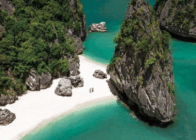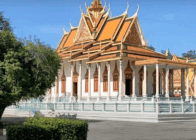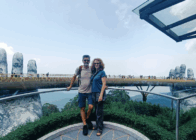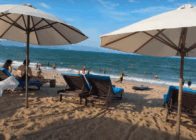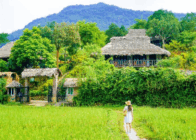
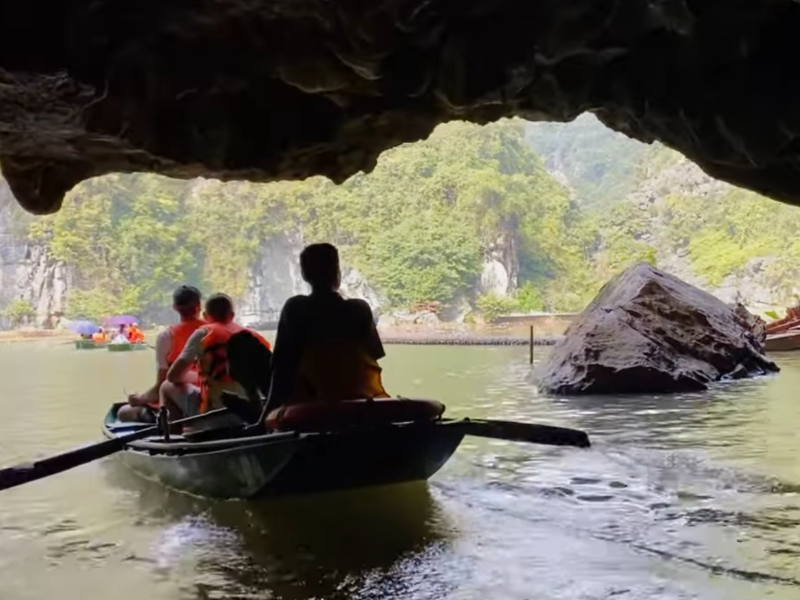
Mention traveling during the rainy season in vietnam to most people, and they will likely picture non-stop downpours, flooded streets, and canceled plans. However, monsoon weather in Southeast Asia is rarely a continuous, day-long deluge. Instead, traveling during the wet season brings dramatic tropical landscapes, lush countryside, fewer crowds at major landmarks, and significantly lower accommodation rates.
Because Vietnam spans over 1,000 kilometers across multiple climate zones, the monsoon season in vietnam does not hit the entire country at the same time. While one region may experience heavy afternoon rainstorms, another could be enjoying dry, sunny skies.
Understanding the rainy season in vietnam what to expect and tips for navigating it can help you transform a potentially challenging wet season trip into an unforgettable, budget-friendly tropical adventure.
Regional Monsoon Overview: Where & When It Rains
Vietnam’s climate is governed by two main monsoons: the Southwest Monsoon (bringing rain to the North and South) and the Northeast Monsoon (bringing rain to the Central Coast).
                      VIETNAM MONSOON TIMELINE BY REGION

   NORTH (Hanoi, Sapa, Ha Long Bay)
   [May ─── June ─── July ─── August ─── September] ──► PEAK MONSOON

   CENTRAL (Da Nang, Hoi An, Hue, Nha Trang)
   [September ─── October ─── November ─── December] ──► PEAK MONSOON & TYPHOONS

   SOUTH (Ho Chi Minh City, Mekong Delta, Phu Quoc)
   [May ─── June ─── July ─── August ─── September ─── October] ──► PEAK MONSOON
| Region | Key Destinations | Rainy Season Window | Peak Rainfall Months | Weather Characteristics |
| Northern Vietnam | Hanoi, Sapa, Ha Long Bay, Ha Giang | May to September | July & August | Hot, high humidity, sudden torrential downpours, landslide risks in mountains. |
| Central Vietnam | Da Nang, Hoi An, Hue, Nha Trang | September to December | October & November | Prolonged rain, high risk of urban flooding and tropical typhoons. |
| Southern Vietnam | Ho Chi Minh City, Mekong Delta, Phu Quoc | May to November | June to September | Quick afternoon heavy downpours followed by clear skies; warm temperatures. |
What to Expect During the Rainy Season in Vietnam
If you plan to visit during the monsoon months, knowing what daily conditions look like will keep your expectations realistic and your itinerary flexible.
1. Afternoon “Bucket Downpours” vs. Continuous Rain
In Southern Vietnam and Northern Vietnam, monsoon rain rarely lasts all day. The typical pattern features clear or partly cloudy mornings, followed by a dramatic 1-to-2-hour heavy thunderstorm in the late afternoon. Once the storm passes, the air cools down significantly, and skies often clear up in time for evening activities.
2. High Humidity and Tropical Heat
Rain in Southeast Asia does not necessarily mean cold weather. During the summer monsoon (May to August), temperatures across Hanoi and Ho Chi Minh City routinely stay between 30°C and 35°C (86°F to 95°F) with humidity levels exceeding 85%.
3. Urban Street Flooding
Low-lying neighborhoods in major cities like Ho Chi Minh City (District 2, District 7) and historic towns like Hoi An frequently experience localized street flooding during high tides combined with heavy rain. High-water occurrences usually drain within a few hours after storms pass.
                  TYPICAL MONSOON DAILY PATTERN (SOUTH & NORTH)

   08:00 AM - 01:00 PM  │  Sunny / Warm / Clear Skies (Ideal for Outdoor Tours)
   01:00 PM - 03:00 PM  │  Cloud Cover Builds / Rising Humidity
   03:00 PM - 05:00 PM  │  ★ Heavy Tropical Downpour & Thunderstorm ★
   05:00 PM - 09:00 PM  │  Cool Breeze / Clear Evening Air (Great for Street Food)
Pros & Cons of Traveling During the Wet Season
The Advantages (Why Travel in the Rainy Season?)
Substantial Budget Savings: Flight prices drop, and luxury resorts in Phu Quoc or Da Nang offer discounts up to 30%–50% off peak dry season rates.
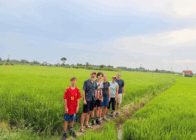
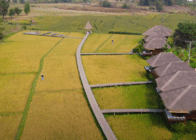
Lush, Emerald Landscapes: The country’s landscape is at its most vibrant. Terraced rice fields in Sapa and Mu Cang Chai are bright green, and waterfalls in Phong Nha-Ke Bang National Park flow at full strength.
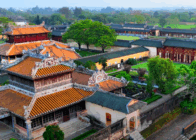
Fewer Crowds: Iconic UNESCO heritage sites like Ha Long Bay, Hue Imperial City, and My Son Sanctuary are far less congested, allowing for a more authentic, peaceful travel experience.
The Challenges (What Could Go Wrong?)
Travel Disruption Risks: Severe storms or typhoons can cause tour cancellations for overnight cruises in Ha Long Bay or ferry delays to islands like Phu Quoc and Con Dao.
Adventure Hazard Concerns: Mountain trekking routes in Sapa or motorbiking the Ha Giang Loop become slick, muddy, and prone to sudden landslides during peak rain months (July–August).
Regional Breakdown: Month-by-Month Guide
Northern Vietnam (May – September)
Summer monsoons bring intense heat combined with heavy precipitation to the north.
Hanoi: Expect warm, humid days interrupted by heavy afternoon downpours.
Sapa & Ha Giang: High rainfall creates stunning green mountain scenery, but trail conditions for trekking can become slippery.
Ha Long Bay: Sudden summer storms can result in short-notice boat cruise delays or cancellations enforced by local maritime authorities.
Central Vietnam (September – December)
Unlike the rest of the country, Central Vietnam experiences its monsoon during the autumn and early winter months due to the Northeast Monsoon.
Hoi An & Hue: Subject to prolonged, multi-day rainy spells. The ancient town of Hoi An frequently floods during October and November, requiring riverboats to navigate certain streets.
Typhoon Season: Tropical typhoons originating in the East Sea are most active along the central coast between September and November.
Southern Vietnam (May – November)
The south experiences a long, highly predictable wet season.
Ho Chi Minh City: Heavy afternoon showers hit like clockwork around 2:00 PM or 4:00 PM, cooling down the city after hot mornings.
Mekong Delta: River levels rise during the high-water season (mùa nước nổi), expanding vibrant floating markets and eco-tourism activities.
Phu Quoc Island: Sees heavy rain and rougher seas from July to September, making winter (December to April) the preferred beach alternative.

Top Survival Tips for Traveling in the Vietnam Rainy Season
To ensure your trip runs smoothly regardless of the forecast, incorporate these practical strategies into your travel plans:
                           RAINY SEASON PACKING MATRIX

  FOOTWEAR                   PROTECTION                  ELECTRONICS
  • Quick-dry sandals        • Lightweight rain poncho   • Waterproof dry bag
  • Waterproof trail shoes   • Compact travel umbrella   • Silica gel packets
  • Breathable socks         • Waterproof backpack cover  • Zipper pouch bags
1. Embrace the “Flexible Itinerary” Rule
Never schedule tight travel connections during the monsoon season. Leave buffer days between key destinations in case a Ha Long Bay cruise is delayed by a day or a flight out of Da Nang is rescheduled due to stormy weather.
2. Schedule Outdoor Activities for the Morning
Because tropical rain showers disproportionately strike in the late afternoon, plan all high-priority outdoor activities—such as temple visits, street walking tours, and boat excursions—between 7:00 AM and 12:00 PM.
3. Gear Up with the Right Essentials
Quality Rain Poncho: Skip thin disposable ponchos that tear easily. Invest in a heavy-duty, reusable rain poncho, which is far more practical than an umbrella when riding scooters or walking crowded sidewalks.
Waterproof Dry Bags: Protect your phone, camera gear, passport, and cash inside a 10L–20L waterproof dry bag during boat tours or sudden downpours.
Quick-Drying Footwear: Leather shoes take days to dry in high humidity. Opt for waterproof sandals (like Tevas or Chacos) or quick-drying mesh sneakers.
4. Use Ride-Hailing Apps During Downpours
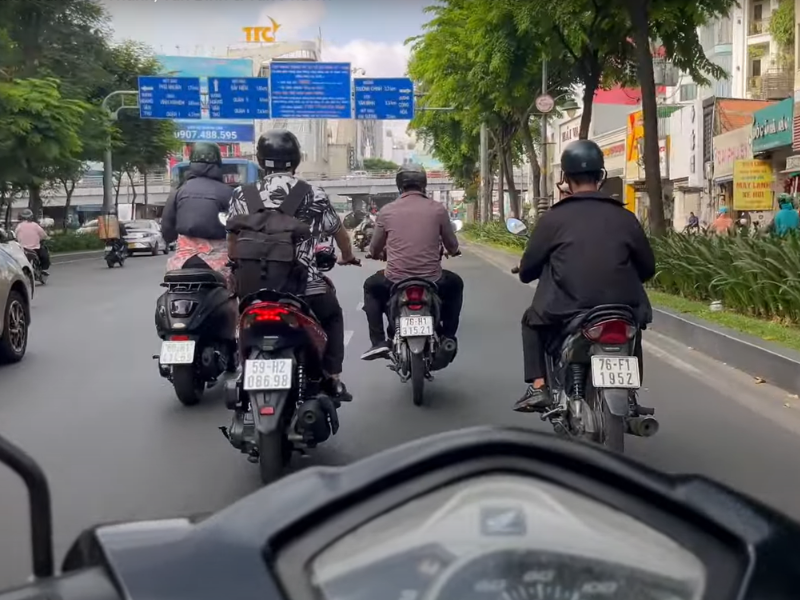
When torrential rain hits major urban centers, finding a street taxi can be difficult. Download ride-hailing apps like Grab or Gojek to book cars directly to your hotel entrance, avoiding waterlogged streets.
5. Monitor Weather Apps & Typhoon Alerts
Keep track of official weather forecasts using apps like AccuWeather or the National Center for Hydro-Meteorological Forecasting (NCHMF). Pay close attention to storm warnings if traveling along coastal central regions between September and November.
Best Indoor Activities for Rainy Days in Vietnam
When heavy rain forces you indoors, Vietnam offers plenty of cultural, culinary, and historic attractions to keep you entertained:
Explore World-Class Museums: Spend an afternoon inside the War Remnants Museum in Ho Chi Minh City, the Vietnam Museum of Ethnology in Hanoi, or the Cham Sculpture Museum in Da Nang.
Indulge in Coffee Culture: Duck into a cozy café to sample iconic local drinks like Vietnamese egg coffee (cà phê trứng) in Hanoi or coconut coffee (cà phê cốt dừa) in Saigon.
Join an Authentic Cooking Class: Learn how to craft traditional dishes like Pho, Banh Mi, or fresh spring rolls under the guidance of local chefs.
Relax with Spa & Wellness Treatments: Take advantage of rainy afternoons by booking affordable massages, herbal baths, or traditional Vietnamese spa treatments.

Frequently Asked Questions (FAQ)
Is it worth visiting Vietnam during the rainy season?
Yes! Traveling during the rainy season offers distinct advantages, including significantly lower hotel rates, fewer tourists at major UNESCO sites, and lush, vibrant countryside scenery. As long as you maintain a flexible schedule and pack appropriate waterproof gear, you can have a fantastic trip.
What is the rainiest month in Vietnam?
The rainiest month depends entirely on the region. For Northern Vietnam (Hanoi, Sapa) and Southern Vietnam (Ho Chi Minh City, Phu Quoc), July and August bring the heaviest rainfall. For Central Vietnam (Da Nang, Hoi An, Hue), October and November are the wettest months.
Can you swim in Phu Quoc during the rainy season?
During the peak wet season in Phu Quoc (July to September), the western coast experiences high waves, murky water, and rain. However, sheltered beaches on the eastern coast (such as Sao Beach) often remain calmer and suitable for swimming.
Does it rain all day during the monsoon season in Vietnam?
No. Monsoon rain in Vietnam usually takes the form of sudden, intense heavy downpours lasting 1 to 2 hours in the late afternoon. Skies are often clear or partly cloudy in the morning, leaving plenty of dry hours for outdoor sightseeing.
Conclusion
Understanding the rainy season in vietnam what to expect and tips allows you to turn potential weather challenges into an advantage.
While the monsoon brings heavy afternoon showers and high humidity, it also delivers lush tropical landscapes, fewer tourist crowds, and unbeatable travel savings. By packing quick-drying gear, keeping your itinerary flexible, and scheduling outdoor sightseeing for bright mornings, traveling during the wet season can be one of the most rewarding ways to experience Vietnam.