Planning a trip to Vietnam or living here as an expat? One of the most common dilemmas international visitors face is understanding tipping culture in Vietnam. Coming from countries like the United States, where tipping 15–20% is practically mandatory, or countries like Japan, where leaving a tip can be seen as offensive, navigating Vietnam’s tipping landscape can feel confusing.
Is tipping expected in Vietnamese restaurants? How much should you tip a private tour guide? What happens if you don’t tip a Grab driver?
This comprehensive guide breaks down the nuances, unspoken social rules, exact tipping amounts, and cultural contexts so you can navigate every situation gracefully without overpaying or offending local customs.
1. What is the Core Tipping Culture in Vietnam?
To understand tipping in Vietnam, you must first understand the fundamental cultural norm: tipping is generally not a mandatory part of Vietnamese tradition, but it is becoming increasingly common in tourism and modern service sectors.
Traditional Perspective vs. Modern Reality
Historically, Vietnamese culture does not include a tipping habit. Services were rendered for a agreed-upon price, and no extra gratuity was anticipated. In traditional local places—such as street food stalls, family-run eateries (quán bình dân), and neighborhood hair salons—tipping is still virtually non-existent. If you leave extra change on the table at a local street food vendor in Hanoi or Ho Chi Minh City, the owner might run after you, thinking you accidentally forgot your money!
However, over the last two decades, rapid tourism growth and western influences have reshaped urban service industries. In upscale restaurants, boutique hotels, luxury spas, and international tour agencies, tipping has shifted from a rare surprise to a welcomed gesture of appreciation.
Traditional Vietnam ───► No Tipping Custom
Modern Tourism Industry ───► Expected / Welcomed Gesture
Local Neighborhoods ───► Keep Change or No Tip
The Concept of “Phục Vụ” and Hospitality
In Vietnamese service culture, hospitality stems from a genuine desire to welcome guests rather than the expectation of a cash reward. Staff members at hotels or restaurants are paid a baseline wage by their employers. While salaries in service industries are modest, workers do not rely strictly on tips to survive in the same way American waitstaff do.
That said, a small financial tip combined with a warm smile (nụ cười) and a heartfelt phrase like “Cảm ơn” (Thank you) carries immense emotional value and shows respect for hard work.
2. Is Tipping Mandatory in Vietnam? (The Short Answer)
No, tipping is strictly voluntary in Vietnam. There are no laws, formal social obligations, or rigid rules dictating that you must leave a tip.
You will never be publicly shamed, confronted, or treated maliciously if you choose not to tip. However, leaving a small gratuity for exceptional service is always appreciated and can significantly boost the income of local service workers.

3. Comprehensive Category Breakdown: Exactly How Much to Tip
To eliminate guesswork, here is a detailed, sector-by-sector breakdown of tipping etiquette across Vietnam.
| Category | Is Tipping Expected? | Recommended Tip Amount | Notes / Nuances |
| Street Food & Local Eateries | No | 0 VND (Round up small change) | Owners often return left money thinking it was forgotten. |
| Casual Mid-range Restaurants | Optional | 20,000 – 50,000 VND | Leave cash on the table or keep small change. |
| Fine Dining / Upscale | Check Bill First | 5% – 10% of total bill | Check if a 5% Service Charge is already included. |
| Coffee Shops & Cafes | Optional | 10,000 – 20,000 VND or Loose Change | Tip boxes are common at specialty counters. |
| Grab / Taxi Drivers | Optional | Round up to nearest 10k–20k VND | Very common for ride-hailing app users. |
| Private Drivers (Full Day) | Expected | 100,000 – 200,000 VND / day | Tip at the end of the journey. |
| Tour Guides (Private) | Expected | 200,000 – 500,000 VND / day / group | Crucial for independent guides providing high value. |
| Tour Guides (Group) | Expected | 50,000 – 100,000 VND / person | Adjust based on group size and tour duration. |
| Hotel Porters / Bellhops | Expected | 20,000 – 50,000 VND / bag | Hand directly in cash upon room delivery. |
| Hotel Housekeeping | Optional / Appreciated | 20,000 – 50,000 VND / day | Leave cash on the pillow with a “Thank you” note. |
| Spas & Massages (Basic) | Highly Expected | 50,000 – 100,000 VND | Therapists heavily rely on gratuities. |
| Luxury Spas / All-Inclusive | Check Policy | 100,000 – 200,000 VND | Some high-end resorts enforce a strict “no tipping” policy. |
4. Deep-Dive: Tipping Rules by Service Sector
A. Restaurants, Dining & Nightlife
Food is the beating heart of Vietnamese culture. The dining scene ranges from $1 sidewalk noodle shops to Michelin-starred establishments. Tipping etiquette changes dramatically depending on where you sit down.
1. Street Food Stalls & Local Eateries (Quán Ăn)
Rule: Do not tip.
Why: These businesses operate on ultra-fast turnover and direct cash sales. If your bill is 45,000 VND and you hand over a 50,000 VND note, telling them to “keep the change” is totally fine, but leaving a separate tip on a plastic table will usually cause confusion.
2. Mid-Range Restaurants & Western-Style Cafes
Rule: Optional (5% to 10%, or round up).
Why: In modern urban hubs like Hanoi, Da Nang, and Ho Chi Minh City, young staff working at westernized cafes or mid-range restaurants are familiar with foreign tourists. Leaving 20,000 VND to 50,000 VND cash in the bill booklet is a polite way to say thank you.
3. Upscale & Fine Dining
Rule: Check the receipt before deciding.
Understanding the Bill: Look closely at the bottom of your bill for two standard add-ons:
VAT (Value Added Tax): Usually 8% to 10% (Government tax).
Service Charge (SVC): Usually 5%.
If a 5% Service Charge is already listed, you are under no obligation to tip extra. However, keep in mind that the 5% service charge is distributed by management and may not go entirely to the waiter who attended your table. If the service was superb, hand a 50,000 – 100,000 VND cash note directly to your server.
B. Transportation & Ride-Hailing (Grab, Xanh SM, Taxis)
Navigating traffic in Vietnam requires skill and patience. Tipping drivers depends heavily on the medium of transport.
1. Grab, Xanh SM, and Ride-Hailing Apps
Ride-hailing dominates urban transport in Vietnam. Apps like Grab, Xanh SM (electric vehicles), and Be feature an in-app tipping option right after you rate your ride (usually offering pre-set choices like 10,000 VND, 20,000 VND, or custom amounts).
Short Bike Rides (GrabBike): Rounding up the fare by 5,000 – 10,000 VND or tipping 10,000 VND via the app is standard practice for good driving.
Car Rides (GrabCar / Taxi): Tipping 10,000 – 30,000 VND is common, especially during heavy traffic, torrential rains, or late-night trips.
2. Traditional Street Taxis (Mai Linh, Vinasun)
When paying cash for meter taxis, rounding up the fare is standard etiquette. If your meter reads 82,000 VND, hand over 100,000 VND and tell the driver “Không cần trả lại” (No need to return change).
3. Private Hired Drivers & Airport Transfers
If you hire a private car and driver for a full-day excursion (e.g., driving from Da Nang to Hoi An and Hue), a tip of 100,000 to 200,000 VND per day is standard if the driver was punctual, safe, and courteous.
C. Tour Guides & Excursions
Tour guides are the cultural bridges of your trip. Unlike hotel staff who have fixed workplaces, tour guides often rely heavily on tips to make a sustainable living, especially seasonal guides working freelance.
Half-day Group Tour: 30,000 - 50,000 VND / person
Full-day Group Tour: 50,000 - 100,000 VND / person
Private Tour Guide (Full Day): 200,000 - 500,000 VND total from the group
Multi-Day Trekking / Expedition Guide: 300,000 - 500,000 VND / day
Guidelines for Tour Tipping:
Quality Matters: If a guide merely recited a script, you can stick to the lower end. If they gave profound personal insights, helped manage emergencies, or showed exceptional warmth, tip on the higher end.
Boat Rowers (Ninh Binh, Mekong Delta, Ha Long Bay): Local sampan rowers in places like Tam Coc or Trang An manually row boats using their arms or legs for hours. Their base compensation is low. Giving a direct cash tip of 50,000 – 100,000 VND per boat is highly recommended and deeply appreciated.
D. Hotels & Accommodation
From homestays in Sapa to 5-star resorts in Phu Quoc, hotel tipping is modest and straight-forward.
Bellhops / Porters: Tip 20,000 to 50,000 VND per heavy bag when delivered to your room. Hand this directly in cash.
Housekeeping / Maid Service: Leave 20,000 to 50,000 VND per night. Place it clearly on top of the nightstand or under a pillow with a note saying “Cảm ơn” so they know it is meant for them and not forgotten money.
Concierge: Tipping 100,000 to 200,000 VND is appropriate if they went out of their way to solve a complex issue (booking fully-booked tickets, handling medical assistance, or arranging customized transport).
E. Spas, Massages & Beauty Salons
Massages and spa treatments represent one area in Vietnam where tipping rules require extra attention.
The Spa Distinction: Included vs. Excluded Tips
Traditional / Mid-range Massage Parlors: Base prices for body massages are often low (e.g., 200,000 to 300,000 VND per hour). In these places, therapists rely almost entirely on tips for income. Expect to tip 50,000 to 100,000 VND for a 60-minute session.
Mandatory Tip Establishments: Some parlors display a sign stating: “Tips are mandatory – Minimum 100,000 VND / hour.” Always check the menu upfront so you aren’t surprised at checkout.
High-End Luxury Spas: Luxury hotel spas often include service charges in the overall bill or explicitly enforce a “No Tipping Allowed” policy to guarantee an uncompromised customer experience.
5. Currency & Practical Mechanics: How to Give a Tip Gracefully
Tipping mechanics in Vietnam involve specific cultural sensitivities. To ensure your gesture is received respectfully, keep these tips in mind:
1. Always Tip in Cash (VND)
While credit cards are widely accepted at hotels and restaurants in major cities, tipping via credit card machine is rarely passed on efficiently to front-line staff. Vietnamese Dong (VND) in cash is king. Avoid tipping in foreign currencies (like USD, EUR, or AUD) unless it is a high-value note, as local workers have to pay exchange fees to convert small bills.
Preferred: Cash in Vietnamese Dong (VND)
Acceptable in emergencies: USD (Only pristine bills $5 or higher)
Avoid: Small foreign coins or damaged currency notes
2. Discretion and the Concept of “Saving Face”
Vietnamese culture emphasizes subtlety and modesty. Tipping should never feel flashy, arrogant, or condescending.
Do not flourish cash: Don’t wave money around or make a grand public spectacle of handing over a tip.
The Handover: Hand the cash quietly using both hands (or your right hand supported by your left wrist). This double-handed gesture is the ultimate sign of respect in Vietnamese etiquette.
Envelope Method: If you are leaving a generous tip for a private tour guide or hotel team at the end of a long stay, placing the cash inside a small envelope or folded paper note adds an extra layer of elegance.
3. Understanding Vietnamese Banknote Values
Vietnamese banknotes are denominated in thousands, which can confuse newcomers. Ensure you do not accidentally confuse note values!
20,000 VND (Blue paper note): Excellent small tip for a bellhop or Grab driver (~$0.80 USD).
50,000 VND (Pink note): Standard tip for good service, housekeeping, or boat rowers (~$2.00 USD).
100,000 VND (Green note): Generous tip for spa therapists or group tour guides (~$4.00 USD).
500,000 VND (Cyan note): Very high value! Reserved for private full-day tour guides or exceptional luxury service (~$20.00 USD).
Warning: Check the zeroes carefully! The 20,000 VND note and 500,000 VND note are both shades of blue/cyan. Mis-tipping due to currency confusion is a common mistake among tourists.
6. Common Cultural Mistakes & Misconceptions to Avoid
To ensure your journey remains smooth, steer clear of these five frequent tipping blunders in Vietnam:
Mistake 1: Treating Vietnam Like the United States
Expecting to tip 20% on every single purchase—from a street banh mi to a local bus fare—is unnecessary and disrupts local economic expectations. Over-tipping excessively creates artificial wage pressures and distorts service mindsets in non-tourist areas.
Mistake 2: Leaving Damaged or Torn Banknotes
Vietnamese banks and vendors are notoriously strict about the physical condition of money. Banknotes that are torn, heavily creased, or missing corners may be rejected by merchants. Tipping someone with a damaged bill forces them to spend time trying to exchange it at a bank.
Mistake 3: Tipping with Foreign Coins
Foreign currency coins cannot be converted at money exchanges or banks in Vietnam. Giving someone a $1 USD coin or a €2 coin renders the money practically useless unless they happen to be collecting foreign souvenirs.
Mistake 4: Confusing Service Charges with Taxes
When examining a bill in a upscale venue:
VAT (Thuế GTGT): Goes straight to the government.
Service Charge (Phí Dịch Vụ): Retained by the establishment to distribute among staff.
Always double-check your bill so you don’t double-tip by mistake when a service fee is already included.
Mistake 5: Demanding Change from a Tip Gesture
If your bill is 180,000 VND and you hand over a 200,000 VND note intending to leave the remaining 20,000 VND as a tip, simply say “Em giữ lại tiền thừa nhé” (Keep the change) or gently wave your hand. If you stay silent, the staff member will assume you want your change back and will bring it to you.
7. Essential Vietnamese Phrases for Tipping
Using basic Vietnamese phrases when offering a gratuity creates an immediate connection and demonstrates cultural appreciation:
Cảm ơn (Kam-uhn) = Thank you.
Cảm ơn nhiều (Kam-uhn nyew) = Thank you very much.
Không cần trả lại tiền thừa (Khong kun tra lai tyen thua) = No need to return the change.
Gửi em tiền típ (Gui em tyen tip) = Here is a tip for you (friendly/informal).
Em làm tốt lắm! (Em lam tot lum) = You did a great job!
8. Summary Checklist: Tipping Etiquette Quick Reference
When in doubt during your Vietnam travels, keep this simple mental checklist handy:
Street food / Local shops? Zero tipping.
Standard taxis / Grab rides? Round up to the nearest 10,000 – 20,000 VND.
Mid-range restaurants? Leave 20,000 – 50,000 VND loose change if service was attentive.
Upscale dining? Check for a 5% Service Charge first; if missing, leave 5-10%.
Private tour guides & full-day drivers? Budget 200,000 – 500,000 VND / day.
Massages & Spas? Tip 50,000 – 100,000 VND cash directly to your therapist.
How to give it? In cash (VND), handed politely with both hands accompanied by a warm “Cảm ơn!”
9. Frequently Asked Questions (FAQ) about Tipping in Vietnam
Q1: Is tipping mandatory at airports in Vietnam?
No, tipping is strictly not required at Vietnamese airports. Airport staff, security personnel, customs officers, and airline customer service representatives are not allowed to receive tips or gratuities. Attempting to tip security or immigration officers can be misinterpreted as bribery (hối lộ), which is strictly illegal. However, if you hire an official airport porter to assist with heavy luggage, a standard fee or a small voluntary tip of 20,000 – 50,000 VND is appropriate.
Q2: Should I tip cruise staff in Ha Long Bay or Lan Ha Bay?
Yes, tipping cruise staff on overnight boat trips is customary and highly appreciated. On 2-day-1-night or 3-day-2-night cruises, a dedicated team of chefs, housekeepers, deckhands, and boat captains work around the clock to serve you.
Common Tip Box: Most cruise ships feature a centralized “Tip Box” located near the reception or dining area at checkout. A general tip of 100,000 to 200,000 VND per passenger per day placed in the tip box will be evenly distributed among the entire background crew.
Direct Tips: If a specific staff member or personal butler provided exceptional service, you can hand them an individual tip of 100,000 – 200,000 VND in cash directly.
Q3: What happens if I don’t tip in Vietnam? Will staff get angry?
No, staff will not get angry or confront you if you do not leave a tip. Because tipping is not an ingrained cultural expectation, local workers treat tips as a generous bonus rather than an entitlement. You will still receive polite and welcoming hospitality regardless of whether you leave a gratuity.
The only minor exception is at certain budget massage parlors where tips make up the majority of the therapist’s wage; in such places, staff might politely point out a tip jar or mention the service etiquette if forgotten.
Q4: Is it customary to tip street food vendors or market sellers in Vietnam?
No, you should not tip street food vendors or traditional market stall owners. Street food stalls (quán cóc) operating on sidewalks or in traditional wet markets calculate their prices strictly based on the food provided. If your meal costs 35,000 VND and you leave 50,000 VND without waiting for change, the vendor will likely chase after you to hand back your 15,000 VND, assuming you accidentally forgot your cash. If you wish to show appreciation, simply say “Món này ngon lắm!” (This food is delicious!).
Q5: Can I tip using US Dollars (USD) or Credit Cards in Vietnam?
Cash in Vietnamese Dong (VND) is always preferred for tipping.
Foreign Currency: Small foreign bills (like $1 or $2 USD) are difficult for locals to exchange at banks because local exchange counters often charge high conversion fees or refuse small, worn-out foreign notes. Foreign coins are completely unusable in Vietnam.
Credit Cards: While high-end hotels and restaurants allow you to add a tip to a credit card transaction, these payments are subject to credit card processing fees (usually 2–3%) and management distribution delays. Leaving cash directly ensures 100% of the tip reaches the intended worker immediately.
Q6: How much should I tip a street rickshaw (Xích Lô) driver?
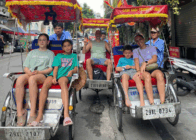
Riding a traditional Xích Lô (cyclo) is a popular tourist activity in historic cities like Hanoi and Hue. Since the fare is typically negotiated before the ride begins, a additional tip of 20,000 to 50,000 VND is appreciated if the driver was safe, friendly, and pointed out interesting local sights along the route.
Q7: Are tip jars common in Vietnamese coffee shops and bars?
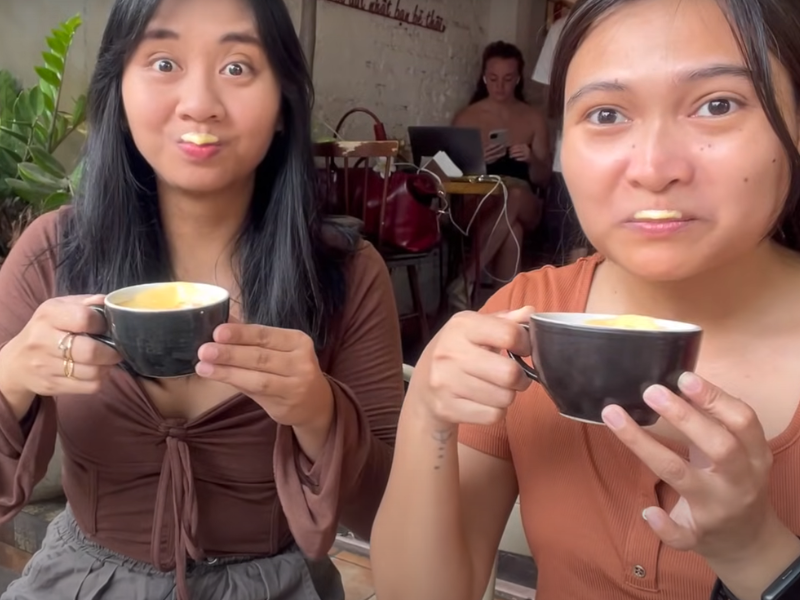
Yes, tip jars are increasingly popular in modern cafes, specialty coffee shops, and cocktail bars. You will often see small glass jars at payment counters labeled “Tip Box”, “Thank You”, or “Tiền Típ”. It is customary to drop loose change or small notes (10,000 – 20,000 VND) into the jar after paying for your espresso, egg coffee, or craft beer.
By approaching tipping in Vietnam with cultural awareness, generosity, and respect for local norms, you will not only ensure a seamless travel experience, but also make a genuine, positive impact on the hardworking people who welcome you to their vibrant country.