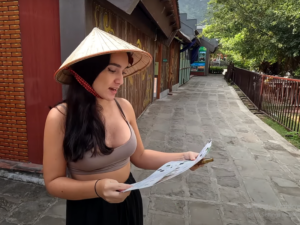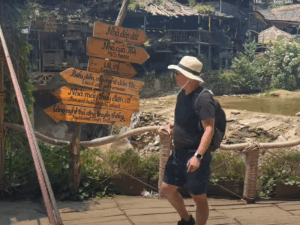
Ask someone to describe Vietnam, and you’ll probably hear about bustling cities, spectacular limestone bays, vibrant street food, or world-famous beaches.
All of these places are undeniably beautiful.
But they tell only part of the story.
To truly understand Vietnam, you must leave the highways behind, follow narrow country roads, and slow down long enough to discover where the country’s traditions are still quietly alive.
You must visit its villages.
The true soul of Vietnam has never belonged exclusively to its cities.
For thousands of years, it has lived in small communities surrounded by rice fields, bamboo groves, winding rivers, and fertile farmland.
Here, generations have preserved customs, festivals, architecture, farming techniques, family values, and craftsmanship that continue to shape Vietnamese identity today.
Exploring Vietnamese Villages is not simply about visiting rural destinations.
It is about understanding the rhythm of everyday life.
It is about hearing roosters announce the sunrise instead of traffic.
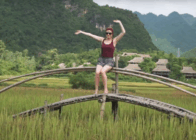
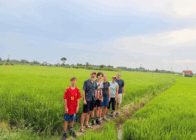
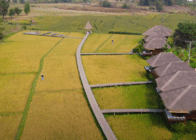
Watching farmers work patiently in emerald rice fields.
Sharing tea with local families.
Learning traditions that have been passed from grandparents to grandchildren for centuries.
Unlike famous tourist attractions, villages rarely compete for attention.
They don’t rely on impressive monuments or dramatic landscapes.
Instead, they offer something increasingly rare in modern travel.
Authenticity.
In a world where many destinations feel designed for visitors, Vietnam’s villages remain places where life continues much as it always has.
That is precisely what makes them unforgettable.
In this guide, we’ll explore why Vietnamese Villages are at the heart of the country’s cultural heritage, how they continue to shape modern Vietnam, and why every traveler seeking an authentic experience should include rural communities in their journey.
Because sometimes, the most meaningful adventures begin in the quietest places.
Where Vietnam’s Story Began
Long before modern cities expanded across the country, Vietnam was a nation of villages.
For centuries, rural communities formed the foundation of Vietnamese society.
Families lived together across multiple generations.
Neighbors supported one another during harvest seasons.
Traditional festivals celebrated changing seasons and local beliefs.
Children grew up surrounded by grandparents, cousins, and lifelong friendships.
The village was more than a place to live.
It was a complete community.
Daily life revolved around cooperation, respect, and shared responsibility.
Although Vietnam has developed rapidly over recent decades, many of these values remain deeply rooted within Traditional Vietnamese Village life.
Visiting these communities offers travelers an opportunity to witness traditions that continue to influence modern Vietnamese culture.
A Landscape Shaped by Rice
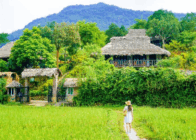
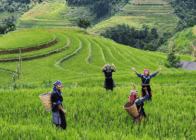
Few images represent Vietnam more powerfully than endless green rice fields stretching toward distant mountains.
Rice is far more than a crop.
It has shaped the country’s economy, cuisine, traditions, festivals, and daily routines for thousands of years.
Across Vietnam Countryside, life has long followed the agricultural calendar.
Preparing the fields.
Planting seedlings.
Managing irrigation.
Harvesting together.
Celebrating successful seasons.
Every stage reflects generations of accumulated knowledge.
Even today, visitors exploring Rice Farming Vietnam often discover that farming is not simply hard work.
It is a way of life built upon patience, cooperation, and deep respect for nature.
Watching farmers carefully tend their fields provides a powerful reminder of how closely people and the land remain connected.
Life Moves at a Different Pace
One of the first things travelers notice when exploring Vietnam Village Life is the rhythm.
Or perhaps more accurately, the absence of urgency.
Mornings begin early.
Markets gradually come alive.
Children cycle to school.
Farmers head toward their fields.
Neighbors greet one another by name.
Afternoons slow beneath the shade of old trees.
Evenings bring families together for shared meals and conversation.
Unlike busy cities where schedules dominate daily life, villages often encourage visitors to embrace a slower pace.
There is time to talk.
Time to observe.
Time to appreciate simple moments.
For many international travelers, this slower lifestyle becomes one of the most memorable parts of visiting Rural Vietnam.
Homes That Tell Stories
Architecture in Vietnam’s villages reflects generations of adaptation to local climates, available materials, and cultural traditions.
Traditional wooden houses, tiled roofs, bamboo fences, peaceful courtyards, and carefully maintained ancestral altars reveal far more than construction techniques.
They tell stories about family.
Community.
Respect for ancestors.
Connection to nature.
Every region has developed its own architectural identity.
Northern villages often feature ancient communal houses and brick pathways.
Central Vietnam reflects centuries of royal and regional influences.
Southern communities adapt to rivers, canals, and tropical climates.
These differences make every Traditional Villages Vietnam experience unique.
Each village preserves its own character while remaining connected to the broader story of Vietnam.
Community Before Individual
Perhaps the most remarkable characteristic of Vietnamese Culture within rural communities is the strong sense of belonging.
Neighbors help each other during harvests.
Families celebrate important milestones together.
Festivals involve entire communities rather than individual households.
Respect for elders remains deeply valued.
Children learn responsibility from an early age.
Although modern lifestyles continue to evolve, many villages preserve these traditions remarkably well.
For visitors, this creates opportunities to experience hospitality that feels genuine rather than commercial.
A simple invitation to drink tea.
A shared meal.
A conversation beneath a tree.
These moments reveal the warmth that defines Vietnam Local Life.
The Beauty of Everyday Traditions
Travelers often search for extraordinary experiences.
Yet in Vietnam’s villages, ordinary life becomes extraordinary.
Watching incense burn inside a family home.
Listening to elders tell stories beneath ancient banyan trees.
Hearing temple bells echo across quiet rice fields.
Observing traditional cooking methods passed through generations.
Seeing children fly kites at sunset.
These daily rituals may appear simple.
But together they preserve a cultural identity that has survived centuries of change.
They remind us that heritage lives not only inside museums.
It lives within everyday routines.
That is one of the greatest gifts offered by Authentic Vietnam.
Why Villages Matter in Modern Vietnam
As Vietnam continues to modernize, villages play an increasingly important role in preserving cultural heritage.
Traditional festivals continue to bring communities together.
Ancient crafts survive because families continue teaching younger generations.
Local markets support regional agriculture.
Village temples remain centers of community life.
Many rural communities are also embracing sustainable tourism, welcoming visitors while protecting local traditions and environments.
This balance between preservation and progress demonstrates that development does not necessarily require abandoning cultural identity.
Instead, villages show how tradition and modern life can exist together.
Why Every Traveler Should Leave the City Behind
Cities reveal Vietnam’s energy.
Villages reveal its heart.
Urban destinations impress with architecture, restaurants, and vibrant nightlife.
Villages offer something entirely different.
Silence.
Fresh air.
Human connection.
Simple hospitality.
A slower rhythm that encourages meaningful travel experiences.
Spending even a single day in Vietnamese Villages often changes the way visitors understand the country.
Suddenly, Vietnam becomes more than famous attractions.
It becomes a place of families.
Communities.
Traditions.
Stories.
The journey feels more personal.
More authentic.
More memorable.
The Real Vietnam Lives Beyond the Tourist Trail
Many travelers leave Vietnam remembering spectacular landscapes.
Others remember unforgettable food.
Some recall historic monuments or beautiful beaches.
But those who spend time exploring villages often return home with something even more valuable.
Perspective.
They discover that the true beauty of Vietnam is not only found in famous destinations.
It exists in morning markets.
Rice fields shimmering beneath the sunrise.
Children waving from bicycles.
Farmers working together.
Grandparents sharing family traditions.
Communities that continue to preserve centuries of culture with quiet pride.
Exploring Vietnamese Villages is not about escaping modern Vietnam.
It is about discovering the foundations upon which modern Vietnam was built.
And those foundations remain as welcoming today as they have always been.
Ancient Villages: Where Time Stands Still
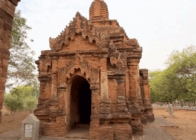
Among the most captivating places in Rural Vietnam are its ancient villages.
Walking through these communities feels like stepping into another century.
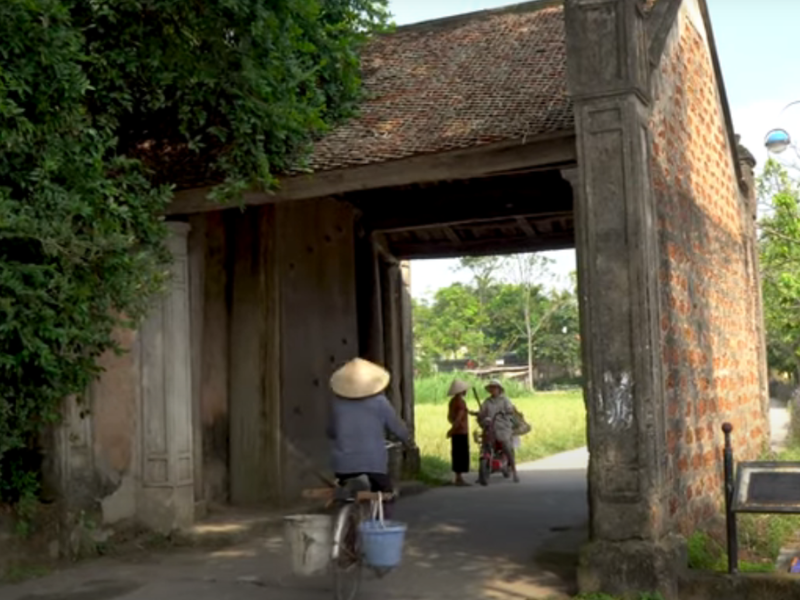
Narrow brick lanes wind between centuries-old homes.
Ancient banyan trees provide shade over communal courtyards.
Village gates quietly welcome visitors into neighborhoods where generations of families have lived side by side.
Traditional communal houses remain the center of village life, hosting festivals, ceremonies, and important community gatherings.
These villages are not open-air museums.
People still live here.
Children still play in the streets.
Neighbors still gather for tea in the afternoon.
This living heritage is what makes Ancient Villages Vietnam so remarkable.
Visitors don’t simply observe history.
They experience it.
Craft Villages: Keeping Traditional Skills Alive
Across Vietnam, countless villages have become known for a single craft passed from one generation to the next.
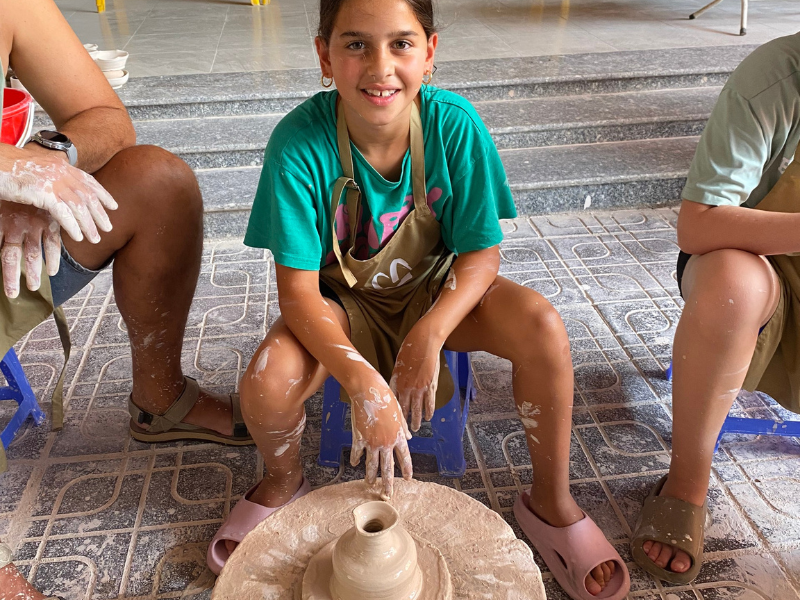
Some specialize in pottery.
Others produce silk, bamboo products, lacquerware, incense, wood carvings, conical hats, or traditional musical instruments.
These Craft Villages Vietnam represent centuries of accumulated knowledge.
In many workshops, techniques remain largely unchanged despite modern technology.
Visitors often have the opportunity to watch local artisans transform simple materials into beautiful handmade products.
More importantly, they gain a deeper appreciation for the patience, precision, and pride behind every creation.
Buying directly from local artisans also helps preserve these traditions for future generations.
Every handmade item carries a story that no factory can reproduce.
Agricultural Villages: Living with the Seasons
The image of emerald rice fields has become one of Vietnam’s most recognizable landscapes.
Yet the beauty of Rice Farming Vietnam goes far beyond photography.
Agricultural villages remain deeply connected to the changing seasons.
Daily routines follow nature rather than the clock.
Planting.
Watering.
Harvesting.
Preparing the next crop.
Families often work together, sharing responsibilities that have remained largely unchanged for generations.
Visitors exploring Vietnam Countryside quickly discover that farming is more than an occupation.
It is a lifestyle built upon resilience, cooperation, and respect for the land.
Participating in seasonal farming activities, even briefly, offers valuable insight into the everyday lives of rural communities.
Fishing Villages: Life Shaped by Water
Along Vietnam’s extensive coastline and river systems, fishing villages have developed their own distinctive traditions.
Here, life begins long before sunrise.
Fishing boats return with the morning catch.
Families sort seafood together.
Markets gradually fill with fresh fish, shellfish, and local specialties.
The sea determines the rhythm of daily life.
Generations of fishermen have learned to read tides, weather patterns, and seasonal changes with remarkable skill.
Visitors often discover a peaceful atmosphere that contrasts sharply with busy resort destinations.
These communities offer a glimpse into another side of Authentic Vietnam, where livelihoods remain closely connected to the natural world.
Ethnic Minority Villages: A Celebration of Diversity
Vietnam is home to more than fifty officially recognized ethnic groups.
Each community contributes its own language, clothing, architecture, festivals, music, and traditions to the country’s remarkable cultural diversity.
Exploring Ethnic Villages Vietnam offers travelers an opportunity to appreciate this rich heritage.
Traditional wooden houses blend naturally into mountain landscapes.
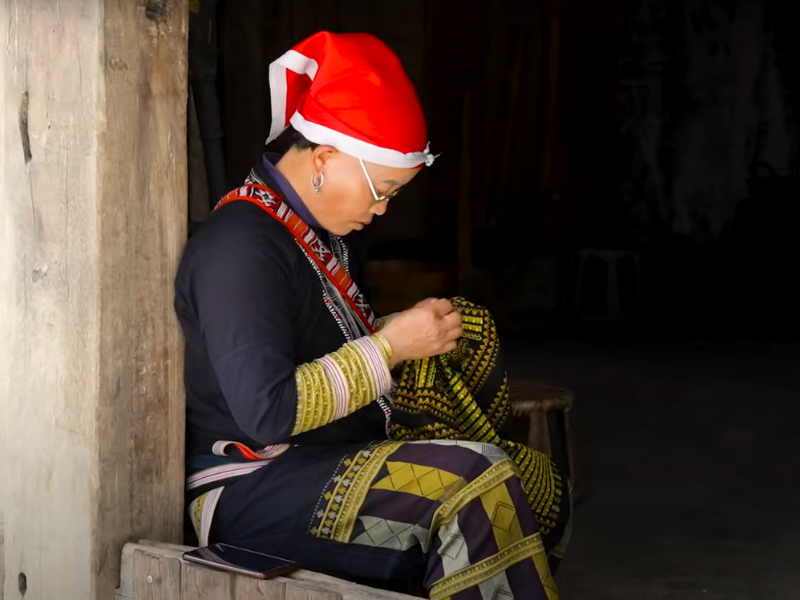
Colorful handmade textiles reflect generations of craftsmanship.
Seasonal festivals celebrate local customs passed down through countless generations.
While every community is unique, one quality remains remarkably consistent.
Hospitality.
Visitors who arrive with curiosity and respect are often welcomed with warmth and genuine kindness.
These villages remind us that Vietnam’s greatest cultural strength lies in its diversity.
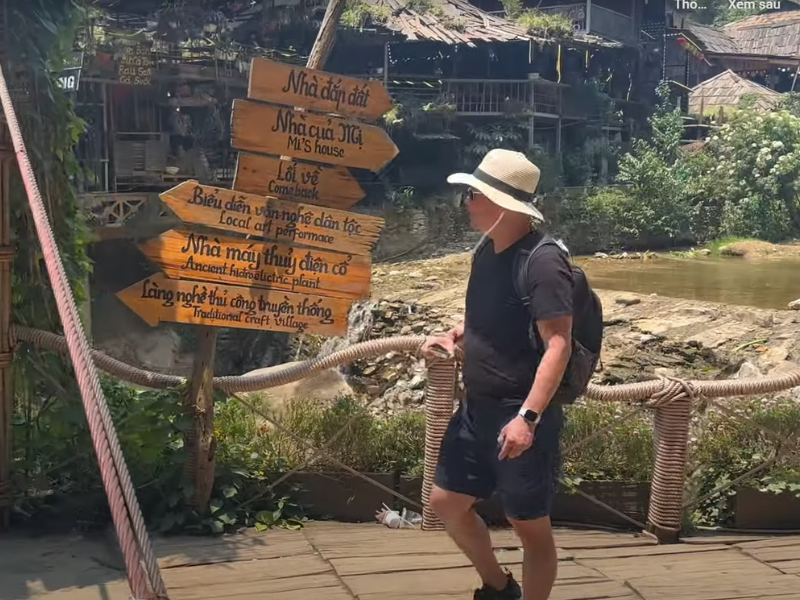
Floating Villages: Communities Built on Water
Not every village in Vietnam stands on solid ground.
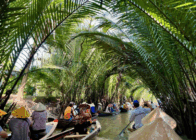
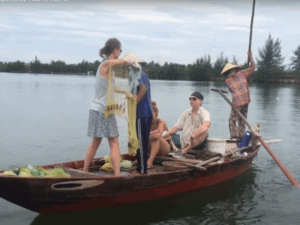
Across lakes, rivers, and coastal regions, floating communities have adapted to life on the water.
Homes, schools, fish farms, and small businesses operate within interconnected floating neighborhoods.
Transportation happens by boat rather than by road.
Daily routines revolve around changing water levels and seasonal conditions.
These unique communities demonstrate the remarkable adaptability of Vietnam Village Life.
Living on water requires creativity, resilience, and close cooperation between neighbors.
For visitors, floating villages offer one of the country’s most distinctive cultural experiences.
Community Tourism: Sharing Rural Life
In recent years, many villages have embraced Community Tourism Vietnam as a way to preserve local traditions while creating sustainable economic opportunities.
Rather than transforming villages into commercial attractions, community tourism encourages meaningful cultural exchange.
Visitors stay with local families.
Share home-cooked meals.
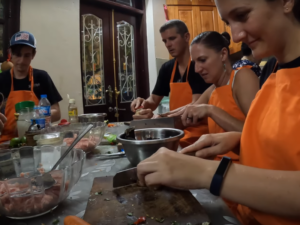
Learn traditional cooking techniques.
Participate in farming activities.
Discover regional customs.
Support local businesses.
This approach benefits both travelers and residents.
Guests gain authentic experiences.
Communities receive income that helps preserve traditional lifestyles and cultural heritage.
It is tourism based on participation rather than observation.
Why Every Village Has Its Own Story
One of the greatest mistakes travelers make is assuming that one village represents all of Vietnam.
Nothing could be further from the truth.
A northern mountain village offers experiences completely different from a riverside community in the Mekong Delta.
A centuries-old craft village tells a different story than a coastal fishing settlement.
Even neighboring villages often preserve unique customs, dialects, festivals, and architectural styles.
This diversity ensures that every journey through Traditional Vietnamese Village life remains fresh and rewarding.
The more villages you explore, the more layers of Vietnam’s cultural identity begin to reveal themselves.
Beyond Sightseeing: Becoming Part of the Community
Perhaps the greatest gift offered by Vietnamese Villages is the opportunity to move beyond sightseeing.
Instead of simply photographing beautiful scenery, visitors become participants in everyday life.
Sharing tea with grandparents.
Helping prepare family meals.
Learning traditional handicrafts.
Cycling through peaceful countryside.
Joining local celebrations.
Watching children play beneath ancient trees.
These experiences create connections that cannot be measured by the number of attractions visited.
They remind us that meaningful travel is built upon human relationships.
Not just destinations.
A Different Village, A Different Vietnam
Every village tells a different chapter of Vietnam’s story.
Some preserve history.
Some protect craftsmanship.
Some celebrate agriculture.
Others reflect life shaped by rivers, mountains, forests, or the sea.
Together, they reveal a country whose greatest cultural treasures are not confined to museums or monuments.
They continue to live within everyday communities.
Exploring Vietnamese Villages means discovering a Vietnam that feels personal, welcoming, and wonderfully authentic.
And perhaps that is why so many travelers remember these quiet places long after they have forgotten the crowds.
Slow Down and Let the Village Welcome You
Cities often encourage movement.
Villages encourage stillness.
The best experiences in Rural Vietnam rarely happen according to a strict itinerary.
Instead of rushing from one attraction to another, allow yourself time to simply observe.
Wake up before sunrise.
Walk through quiet lanes while morning mist still hangs over the rice fields.
Listen to roosters announcing the new day.
Watch local markets slowly come to life.
Sit beneath a tree with a cup of Vietnamese tea.
Some of your most meaningful memories may come from moments when nothing special seems to be happening.
That is the quiet beauty of Authentic Vietnam.
The Best Time to Visit Vietnamese Villages
One of the advantages of exploring Vietnam Countryside is that every season offers a different perspective.
Spring brings fresh green rice fields, colorful flowers, and vibrant local festivals.
Summer fills orchards with tropical fruit while rural landscapes become lush and full of life.
Autumn often offers golden rice harvests that transform the countryside into spectacular shades of yellow.
Winter in northern Vietnam creates peaceful mountain scenery, cool temperatures, and occasional morning mist that gives ancient villages a timeless atmosphere.
Rather than searching for one perfect season, consider what kind of experience you hope to enjoy.
Each visit tells a different story.
Staying with Local Families
Few travel experiences are as rewarding as spending a night in a traditional village homestay.
A Vietnam Homestay offers much more than accommodation.
It offers connection.
Instead of observing village life from the outside, you become part of it.
Share home-cooked meals prepared from fresh local ingredients.
Learn family recipes passed down through generations.
Help prepare vegetables from the garden.
Listen to stories about local traditions.
Wake up to sounds that city hotels can never offer.
The warmth of family hospitality often becomes the highlight of an entire journey.
Many travelers arrive expecting comfort.
They leave remembering kindness.
Village Etiquette: Travel with Respect
The most rewarding experiences happen when visitors approach rural communities with curiosity and humility.
Simple gestures make a meaningful difference.
Smile first.
Ask permission before photographing people.
Dress respectfully when visiting temples or family homes.
Support local businesses whenever possible.
Avoid leaving litter behind.
Learn a few Vietnamese greetings.
Accept invitations with gratitude.
Respect local customs even when they differ from your own.
Responsible travel ensures that Community Tourism Vietnam benefits both visitors and local residents while preserving traditions for future generations.
Support Local Communities Through Your Journey
Every travel decision has an impact.
Choosing family-owned guesthouses instead of large hotel chains helps local families earn sustainable income.
Purchasing handmade products directly from artisans supports traditional craftsmanship.
Hiring local guides creates employment while preserving cultural knowledge.
Dining at small village restaurants encourages regional cuisine to thrive.
These choices may seem small.
Collectively, they help protect the future of Traditional Villages Vietnam.
Meaningful tourism isn’t measured by luxury.
It’s measured by positive impact.
Every Conversation Becomes a Cultural Exchange
One of the greatest joys of exploring Vietnamese Culture is discovering that meaningful communication doesn’t always require perfect language.
A smile.
Shared laughter.
Curiosity.
Kindness.
These simple human connections often create stronger memories than famous attractions.
Village residents are often eager to share stories about farming, family traditions, local festivals, and everyday life.
Visitors, in return, bring curiosity and appreciation.
Travel becomes less about observing another culture.
It becomes a conversation between cultures.
Why Villages Preserve Vietnam’s Cultural Soul
As cities continue to evolve, villages remain guardians of traditions that have shaped Vietnam for centuries.
They preserve ancient festivals.
Traditional music.
Handicrafts.
Agricultural knowledge.
Community celebrations.
Local architecture.
Family customs.
Many of these traditions survive not because they appear in museums, but because people continue living them every day.
Exploring Vietnam Local Life allows travelers to witness culture in its natural setting rather than behind display cases.
That authenticity cannot be recreated.
It must be experienced.
Frequently Asked Questions
Are Vietnamese villages suitable for international travelers?
Absolutely.
Many villages warmly welcome international visitors, especially those interested in cultural exchange, nature, local traditions, and responsible tourism.
Traveling with experienced local guides often makes the experience even more meaningful.
How many days should I spend in a village?
While a day trip offers a wonderful introduction, spending at least one or two nights provides a much deeper understanding of Vietnam Village Life.
Slowing down allows visitors to experience daily routines, local meals, and genuine community interactions.
Are village homestays comfortable?
Yes.
Many Vietnam Homestay experiences combine traditional hospitality with modern comforts while maintaining the authentic atmosphere that makes rural travel so memorable.
Can families visit Vietnamese villages?
Certainly.
Children often enjoy cycling through quiet roads, feeding farm animals, participating in cooking activities, learning traditional crafts, and interacting with local families.
Village experiences create educational memories for travelers of all ages.
The Quiet Places Often Leave the Deepest Memories
Some journeys are remembered because of spectacular landmarks.
Others stay with us because of the people we meet.
Vietnam’s villages belong to the second kind.
Years after returning home, you may forget the exact names of certain places.
But you’ll remember the elderly woman who invited you for tea.
The children waving from bicycles.
The farmer smiling beneath a traditional hat.
The peaceful evenings filled with the sounds of nature instead of traffic.
Those are the memories that remain.
Because Vietnamese Villages offer something increasingly rare in modern travel.
They remind us that authenticity still exists.
That hospitality needs no luxury.
And that the simplest experiences often become the most unforgettable.
Experience the Real Vietnam with Sao La Vietnam Tours
At Sao La Vietnam Tours, we believe the true spirit of Vietnam is found beyond its famous landmarks.
Our carefully designed village experiences connect travelers with local families, traditional crafts, peaceful countryside, authentic cuisine, and the timeless rhythms of rural life.
Whether you’d like to cycle through emerald rice fields, stay in a welcoming homestay, explore ancient villages, meet talented artisans, or discover the traditions of ethnic minority communities, our local experts create tailor-made journeys that respect both people and place.
Every itinerary is designed to support responsible tourism, preserve cultural heritage, and provide meaningful experiences that go far beyond ordinary sightseeing.
Because the best way to understand Vietnam is not only by visiting it—
It’s by living it.
Travel Slow. Feel Vietnam.