Holidays in Vietnam: The Ultimate 2026 Travel Guide & Itinerary Planner
By admin | August 17, 2025
Planning holidays in Vietnam is like preparing to step into a living, breathing tapestry of dramatic landscapes, ancient traditions, and world-class culinary art. Whether you are catching the sunrise over the mist-shrouded limestone pillars of Ha Long Bay, wandering through the lantern-lit alleys of Hoi An, or navigating the buzzing energy of Ho Chi Minh City, Vietnam promises an unforgettable sensory adventure.
For travelers from the UK, US, and Australia, Vietnam represents the perfect blend of exotic appeal, modern luxury, and exceptional value. This definitive guide delivers everything you need to craft your perfect Vietnamese getaway.
1. Why Vietnam is the Top Trending Destination for Western Travelers
In recent years, Vietnam has transitioned from a budget backpacking secret to one of Asia’s premier travel destinations. Western travelers from London, Sydney, and New York are flocking to this S-shaped country for its sheer diversity.
Vietnam seamlessly bridges the gap between old-world heritage and contemporary comfort. You can spend your morning exploring a 1,000-year-old temple and your evening sipping cocktails at a world-class rooftop bar or relaxing in an eco-luxury wellness resort. Furthermore, Vietnam remains incredibly safe, welcoming, and pocket-friendly, allowing international visitors to enjoy premium experiences at a fraction of the cost of Western destinations.
2. Essential Entry Requirements: Visas, Digital Arrival Cards & Health Forms
Navigating immigration smoothly is the first step to a stress-free holiday. Vietnam has updated several entry protocols to streamline the arrivals process through digitization.
Visa Rules by Nationality
United Kingdom: British citizens enjoy a unilateral visa exemption for stays up to 45 days. For longer journeys, you can apply for a 90-day multi-entry e-Visa.
United States & Australia: Citizens of the US and Australia require a visa. The most efficient route is the official 90-day e-Visa, which can be obtained online prior to departure.
Critical Border Digital Protocols
Mandatory Digital Arrival Card (Tan Son Nhat Airport – SGN): If you are flying into Ho Chi Minh City, you must complete an online pre-arrival declaration form via the official immigration portal up to 3 days before landing. Upon completion, you will receive a QR code to present at border control.
Mandatory Health Declaration: All inbound passengers must fill out a standardized health screening form online within 7 days before crossing the Vietnamese border.
Expert Insider Tip: Ensure your passport has at least 6 months of validity from your arrival date and has at least two blank pages. Print out a physical copy of your e-Visa and your digital arrival QR code to avoid any unexpected tech or internet hitches at the airport.
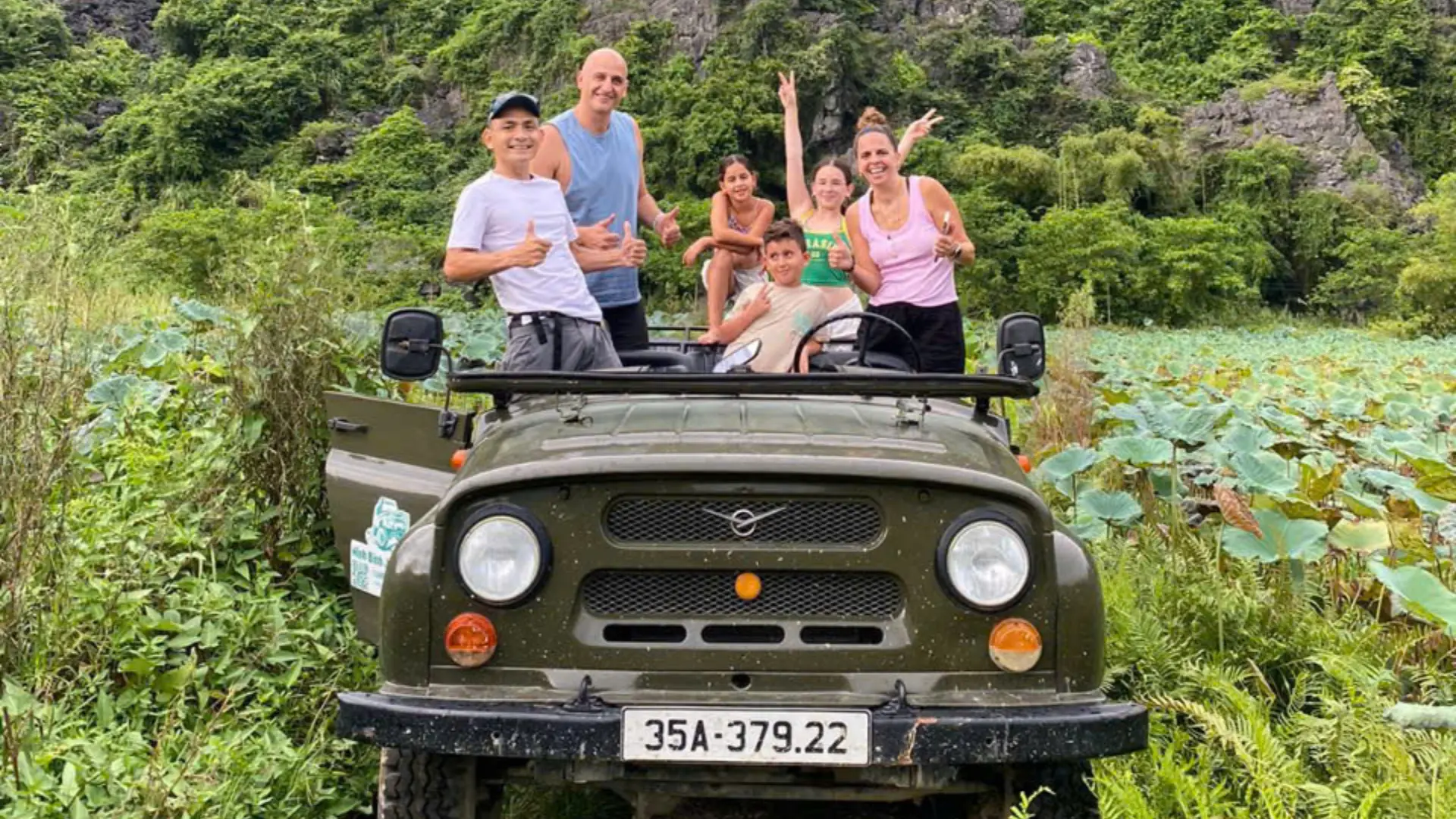
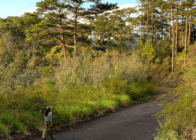
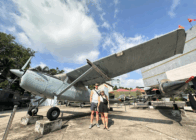
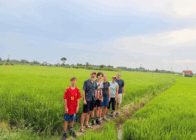
Travelers enjoying an exciting UAZ jeep tour in the countryside of Ninh Binh.
3. The Best Time to Visit Vietnam: A Regional Climate Breakdown
Vietnam’s elongated shape means it stretches across distinct climate zones. When it is freezing and rainy in the north, it might be beach weather in the south.
Region
Best Months to Visit
Weather Characteristics
Places to See
Northern Vietnam
October to April
Cool, dry winters; warm springs
Hanoi, Ha Long Bay, Sapa, Ninh Binh
Central Vietnam
January to August
Dry, sunny weather; hot summer days
Hoi An, Da Nang, Hue, Nha Trang
Southern Vietnam
November to April
Warm, dry season; low humidity
Ho Chi Minh City, Mekong Delta, Phu Quoc
If you plan to traverse the entire country, the transitional months of March to April and September to November offer the most balanced weather conditions nationwide.
4. Packing Essentials for Your Vietnamese Getaway
Packing for a holiday in Vietnam requires flexibility due to the varying regional climates and cultural norms.
Clothing Material: Pack lightweight, breathable fabrics like linen, bamboo, and moisture-wicking cotton to combat tropical humidity.
Modest Attire for Temples: When visiting pagodas and sacred sites (like the Ho Chi Minh Mausoleum or Hue Citadel), your shoulders and knees must be covered. A lightweight sarong or scarf is a versatile lifesaver.
Footwear: Bring comfortable walking shoes for city exploration and sturdy, broken-in hiking boots if you plan to trek in Sapa or Ha Giang. Easily removable slip-on shoes are ideal, as you must take off your footwear before entering temples and local homes.
Tech & Health Protection: Pack a high-quality reef-safe sunscreen, a reliable insect repellent containing DEET, and a universal power adapter (Vietnam primarily uses type A, C, and G plugs).
5. Currency, Budgeting, and Managing Money
The official currency is the Vietnamese Dong (VND). While credit cards are widely accepted in upscale hotels, restaurants, and shopping malls across major cities, cash remains king in local markets, street food stalls, and rural areas.
Value Explorer ($40 – $60/day): Clean boutique hostels or homestays, endless street food, public transport, and local trains.
Boutique Comfort ($100 – $200/day): Character-rich 4-star hotels, mid-range experiential dining, private domestic flights, and guided day excursions.
Elite Luxury ($450+/day): International 5-star beach resorts, fine dining, private luxury vehicles, and chartered cruises.
Money Tip: ATMs are ubiquitous in cities. Look for reputable banks like Vietcombank, Techcombank, or international options like HSBC to minimize transaction fees. Always inform your home bank of your travel dates to avoid your cards getting blocked.
6. Top 5 Ultimate Bucket-List Destinations You Cannot Miss
If it is your first time booking holidays in Vietnam, these iconic highlights form the essential backbone of your itinerary.
+--------------------+      +--------------------+      +--------------------+
|  1. HANOI OLD QTR  | ---> | 2. HA LONG BAY CRUISE| ---> |  3. HOI AN ANCIENT |
| Culture & Heritage |      | Natural Wonder     |      | Tailoring & Lights |
+--------------------+      +--------------------+      +--------------------+
                                                                  |
+--------------------+      +--------------------+                |
| 5. MEKONG DELTA    | <--- | 4. HO CHI MINH CITY| <--------------+
| Floating Markets   |      | War History & Buzz |
+--------------------+      +--------------------+
1. Hanoi: The Cultured Capital
A beautiful chaos of motorbikes, French-colonial architecture, and peaceful lakes. Spend your days getting lost in the 36 streets of the Old Quarter and sipping egg coffee.
2. Ha Long Bay: A Natural Masterpiece
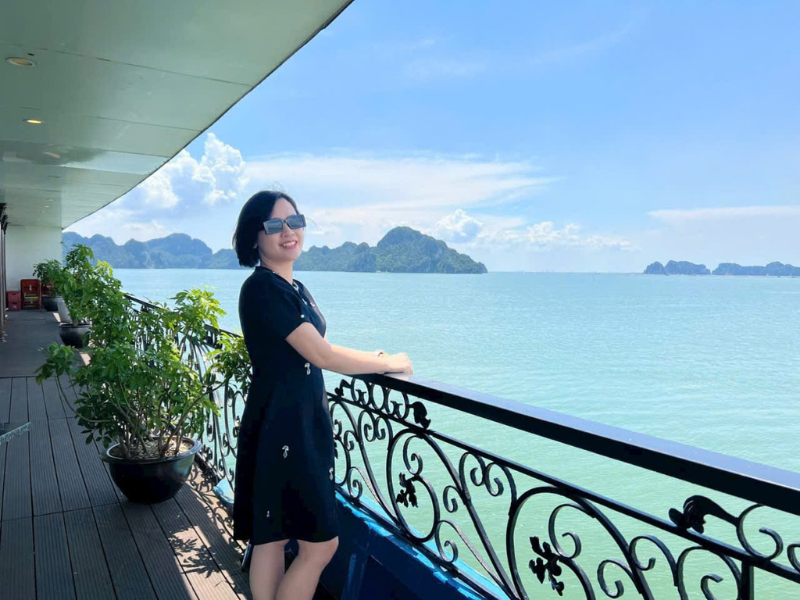
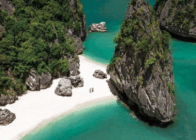
A UNESCO World Heritage site featuring thousands of towering limestone karsts rising out of emerald-green waters. Opt for an overnight boutique cruise to watch the stars over the bay.
3. Hoi An: The Town of Lanterns
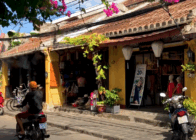
An exceptionally preserved 15th-century trading port. At night, the town turns off its motorized traffic and lights up with thousands of handmade silk lanterns. It is also the tailoring capital of Asia.
4. Ho Chi Minh City: The Southern Engine
Formerly Saigon, this city is a whirlwind of high-energy commerce, sleek skyscrapers, and deep historical roots, showcased at the War Remnants Museum and Cu Chi Tunnels.
5. The Mekong Delta: The River World
A vast maze of rivers, swamps, and islands. Exploring the vibrant floating markets and fruit orchards by a traditional wooden sampan boat offers an intimate look at local life.
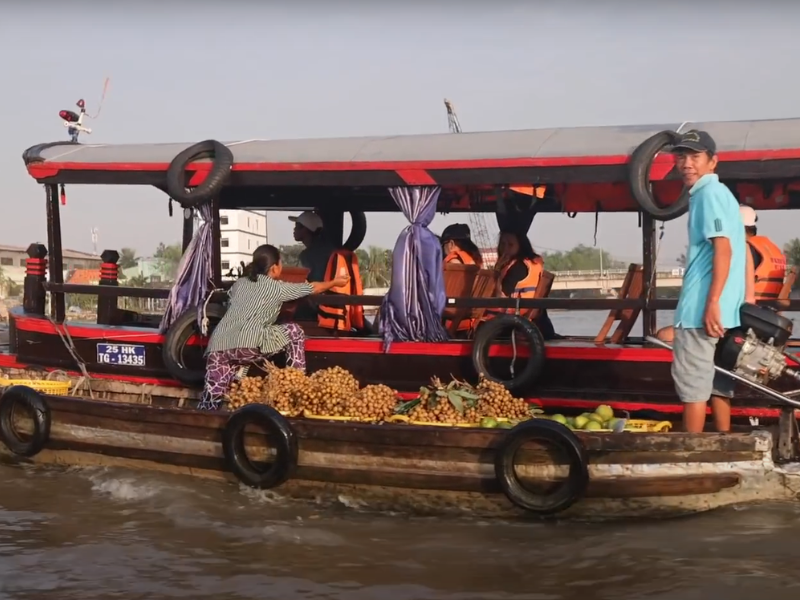
Visit Cai Rang Floating Market in Can Tho: experience local trading on boats, taste tropical fruits, and witness authentic Mekong Delta river life.
7. Off-the-Beaten-Path Gems for Intrepid Adventurers
For those looking to escape the crowds, Vietnam hides spectacular, untouched wilderness areas.
Ha Giang: The Final Frontier
Located in the far north bordering China, Ha Giang offers some of the most jaw-dropping mountain passes on earth. The Ha Giang Loop is a legendary road-trip route winding through dramatic limestone pinnacles and ethnic minority villages.
Ninh Binh: Ha Long Bay on Land
Just two hours south of Hanoi, Ninh Binh features massive karst mountains weaving through lush green rice paddies. Take a serene, hand-paddled rowboat journey through the grottoes of Trang An or Tam Coc.
Phong Nha-Ke Bang: The Cave Kingdom
Home to the world’s largest caves, including Son Doong. For casual travelers, accessible caves like Paradise Cave and Phong Nha Cave offer mind-blowing underground rock formations without the need for multi-day expeditions.
8. Crafted Itineraries: 10-Day Essential vs. 21-Day Grand Explorer
Choosing how to split your time can be daunting. These curated templates balance travel times with deep exploration.
Option A: The 10-Day Essential Highlights (Ideal for US/UK/AUS travelers on a tight schedule)
Days 1-2: Arrive in Hanoi, enjoy a walking street food tour, and visit the Temple of Literature.
Days 3-4: Overnight luxury cruise in Ha Long Bay or Lan Ha Bay.
Days 5-7: Fly to Da Nang, transfer to Hoi An. Get custom clothes made, cycle to An Bang beach, and explore the ancient town.
Days 8-10: Fly to Ho Chi Minh City. Visit the Cu Chi Tunnels, see Notre-Dame Cathedral, and depart.
Option B: The 21-Day Grand Explorer (The Ultimate Slow-Travel Journey)
Days 1-3: Hanoi Culture & Hidden Cafes.
Days 4-7: Trekking in Sapa or driving the loop in Ha Giang.
Days 8-9: Cruising Ha Long Bay.
Days 10-11: Exploring Ninh Binh’s rivers and peaks.
Days 12-14: Imperial history and royal cuisine in Hue.
Days 15-18: Relaxation, beach life, and tailoring in Hoi An.
Days 19-21: Ho Chi Minh City energy and a deep dive into the Mekong Delta.
9. A Foodie’s Guide to Vietnam: More Than Just Pho
Vietnamese cuisine is world-famous for its perfect balance of fresh herbs, bright aromatics, heat, sweetness, and savory depth. It is incredibly healthy and varies dramatically from North to South.
1.Master the Street Food Staples:Day 1 Essentials.
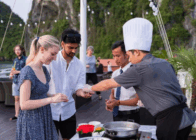
Start your culinary education on plastic stools. Taste Pho (beef or chicken noodle soup) in Hanoi, where the broth is clear and pure. Contrast it with the southern version in Saigon, which is sweeter and loaded with fresh herbs. Next, grab a crispy Banh Mi—a French baguette packed with pâté, pork, pickled daikon, and fresh cilantro.
As you travel south, hunt down regional specialties. In Central Vietnam, try Cao Lau in Hoi An (chewy noodles tinted with wood-ash water, topped with sliced pork and crispy crackers) or Bun Bo Hue (a spicy, lemongrass-infused beef noodle soup from the old imperial capital).
3.Experience Coffee Culture & Fine Dining:Evening Explorations.
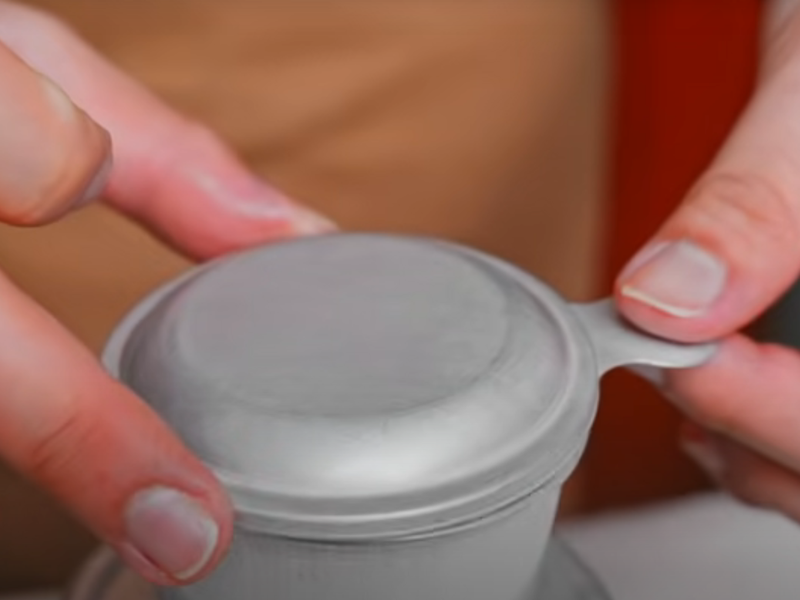
Elevate your nights by trying iconic drinks like Ca Phe Trung (creamy egg coffee) or Ca Phe Sua Da (iced drip coffee with condensed milk). Finish your journey by booking a table at a Michelin-selected modern Vietnamese restaurant in Hanoi or Saigon to see how contemporary chefs re-imagine traditional street flavors.
Experience the rich coffee culture in Vietnam. From traditional egg coffee in Hanoi to robust Vietnamese drip coffee, enjoy the flavors and cozy cafés across the country.
10. The Ultimate Guide to Vietnam’s Pristine Beaches and Islands
If your idea of a holiday involves powdery white sand, swaying palms, and turquoise waters, Vietnam delivers spectacular coastal escapes.
Phu Quoc Island: Located in the far south, this island boasts a stunning coastline, luxury resorts, and dense national parks. Starfish Beach and Khem Beach offer world-class relaxation.
Con Dao Archipelago: Once a colonial prison island, Con Dao is now a protected marine park. It is isolated, wild, and incredibly pristine—ideal for travelers seeking untouched nature and luxury privacy at resorts like the Six Senses.
Nha Trang & Quy Nhon: Nha Trang offers a high-energy city beach atmosphere with vibrant nightlife. For a quieter, more authentic coastal vibe, head north to Quy Nhon, where dramatic cliffs meet empty golden beaches.
11. Immersive Cultural Experiences and Etiquette Tips
Vietnamese culture is deeply rooted in Confucian values, respect for elders, and community harmony. Understanding basic social etiquette will guarantee warm smiles and meaningful connections.
Key Cultural Dos and Don’ts
Do use both hands: When passing or receiving items, money, or business cards, use both hands as a sign of respect.
Do keep your cool: Public displays of anger or shouting cause a “loss of face” in Vietnamese culture. Addressing issues calmly and with a smile gets much faster results.
Don’t touch heads: The head is considered the most sacred part of the body. Avoid touching anyone’s head, including young children.
Don’t point your feet: Feet are viewed as the lowest and least clean part of the body. Avoid pointing your feet or the soles of your shoes at people, sacred objects, or altars.
12. Wellness and Sustainable Luxury in Vietnam
In 2026, sustainable travel and physical rejuvenation are at the center of Vietnam’s high-end tourism industry. The country has emerged as an eco-conscious wellness hub in Southeast Asia.
Many elite resorts have introduced strict zero-single-use-plastic policies, operate their own organic farm-to-table gardens, and support surrounding indigenous communities through local sourcing. From forest meditation retreats tucked high in the mountains of Da Lat to holistic wellness programs along the pristine beaches of Lang Co and Cam Ranh, you can easily design a holiday that prioritizes physical detoxification and mental mindfulness.
13. Getting Around: Domestic Flights, Trains, and Ride-Hailing Apps
Navigating within Vietnam is efficient, affordable, and incredibly straightforward thanks to modern transport infrastructure.
Domestic Flights: Airlines like Vietnam Airlines and Bamboo Airways connect major cities smoothly. A flight from Hanoi to Da Nang or Da Nang to Saigon takes just over an hour, saving valuable holiday time.
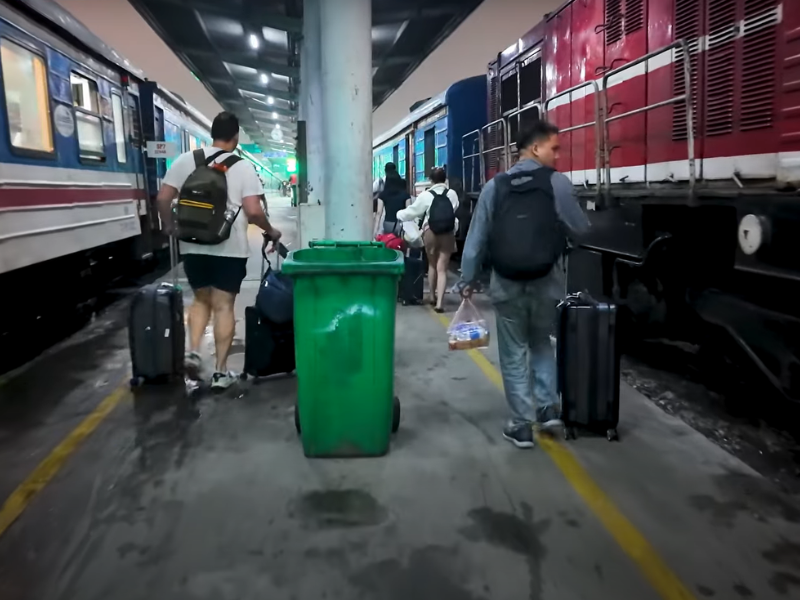
The Reunification Express Train: For slow travelers, the iconic train line running down the coastline of Vietnam is an extraordinary scenic experience. Booking an overnight first-class sleeper cabin from Hanoi to Hue or Da Nang is highly recommended for the coastal views through the Hai Van Pass.
Intra-City Travel: Forget about haggling with unmetered street taxis. Download Grab or Xanh SM (an all-electric vehicle ride-hailing service) onto your smartphone. These apps work exactly like Uber, providing upfront pricing and GPS tracking for cars and motorbike taxis.
14. Staying Connected: SIM Cards, Wi-Fi, and Essential Travel Apps
Staying connected while exploring Vietnam is cheap and reliable, with high-speed 4G and 5G networks covering almost the entire country.
Connectivity Tip: The easiest path is to purchase an eSIM online before you fly via providers like Airalo or Nomad. Alternatively, you can buy a physical tourist SIM card directly at the international arrivals hall in Hanoi or Saigon airports. Reputable networks include Viettel, Vinaphone, and Mobifone. A card with unlimited data for 30 days typically costs less than $15 USD.
Essential Apps to Download Before Your Trip:
Grab / Xanh SM: For safe, affordable on-demand transport and food delivery.
Google Translate: Download the Vietnamese offline dictionary pack for easy communication in rural areas.
Google Maps: Perfect for navigating walking tours through complex city alleyways.
Travel from Hanoi to Sapa by train — a safe, scenic, and comfortable overnight journey through northern Vietnam.
15. Staying Safe and Healthy on Your Travels
Vietnam is highly regarded as one of the safest destinations worldwide for families, couples, and solo travelers. Violent crime is exceptionally rare. However, petty theft can happen in crowded tourist districts.
Simple Health and Safety Protocols:
Guard Against Bag Snatching: In major cities like Saigon, be mindful of your smartphone and wallet when standing near busy roads. Keep your bags away from the street side to prevent drive-by snatching.
Hydration and Ice: Never drink tap water. Stick strictly to sealed bottled water. Thankfully, ice cubes in reputable restaurants and urban bars are made from purified factory ice and are perfectly safe to enjoy.
Cross Roads Confidently: Crossing the street in Hanoi or Saigon can feel terrifying due to the endless stream of scooters. The trick is to walk at a slow, predictable, and steady pace. Do not stop suddenly or run; the drivers will naturally calculate your path and smoothly steer around you.
16. Final Checklist Before Booking Your Holidays in Vietnam
Before you head to the airport, run through this quick pre-departure checklist to ensure everything is lined up perfectly:
[ ] Immigration Approvals: e-Visa printed out or visa-exemption status verified.
[ ] Border Digital Registrations: Digital Arrival Card (for SGN airport) and Ministry of Health digital declaration completed.
[ ] Financial Prep: Notified home banks of travel and downloaded a currency conversion app.
[ ] Health Prep: Packed a comprehensive medical kit, DEET mosquito spray, and reef-safe sunscreen.
[ ] Tech Setup: Installed Grab, Xanh SM, and activated your international data eSIM.
Vietnam is waiting to surprise, inspire, and enchant you. By taking care of these simple arrangements ahead of time, you are all set to experience an unforgettable tropical holiday.
17. Frequently Asked Questions About Holidays in Vietnam (Traveler Intelligence)
Q1: Is Vietnam expensive to visit for UK, US, and Australian tourists?
A: Not at all. In fact, Vietnam is consistently ranked as one of the best value-for-money destinations in the world. Visitors from the UK, US, and Australia will find that their home currencies hold significant purchasing power here. While a luxury 5-star holiday with private drivers and fine dining will cost a fraction of what it would in Europe or America, budget-conscious travelers can easily get by on $40 to $60 USD per day without feeling like they are missing out.
Q2: Can I use my credit card everywhere during my Vietnam holidays?
A: Credit cards (Visa and Mastercard) are widely accepted in major cities like Hanoi, Da Nang, and Ho Chi Minh City, especially within hotels, high-end restaurants, and modern shopping malls. However, cash (Vietnamese Dong) remains absolutely essential for street food stalls, traditional local markets, taxi rides, and when traveling through rural areas like Sapa or Ha Giang. Always carry a small amount of cash with you.
Q3: What is the single best month for holidays in Vietnam to see the whole country?
A: If you want to travel from North to South and experience balanced weather across all regions, March or April is the absolute best window. During these transitional months, Northern Vietnam is warming up with clear skies, Central Vietnam is sunny and perfect for the beach, and Southern Vietnam is enjoying its dry, warm winter cycle before the afternoon monsoon rains begin.
Q4: Is it safe to rent a motorbike or drive in Vietnam?
A: For most international tourists, renting and driving a motorbike in major cities like Saigon or Hanoi is highly discouraged due to the chaotic, high-density traffic laws and predictable congestion. Additionally, your home travel insurance policy will likely not cover accidents unless you hold a valid International Driving Permit (IDP) and a matching motorcycle license. It is much safer, cheaper, and less stressful to use ride-hailing apps like Grab or Xanh SM for city transits.
Q5: How many days do I really need for a complete Vietnam holiday?
A: To truly appreciate the cultural shift and see the main highlights without rushing, a minimum of 10 to 14 days is highly recommended. This allows you to explore the classic historic axis: Hanoi, Ha Long Bay, Hoi An, and Ho Chi Minh City. If you have 21 days (3 weeks), you can successfully add off-the-beaten-path regions like the Ha Giang Loop, the caves of Phong Nha, or a beach wind-down on Phu Quoc Island.
Discover Tracy Nguyen’s travel stories, Vietnam experiences, and curated guides. Follow her journey through culture, food, and unforgettable destinations.
Written by Tracy Nguyễn, Lead Regional Logistics Specialist at Sao La Tours
The author has over 10 years of experience designing complex, multi-region Vietnam itineraries, with a focus on client safety, efficient transfers, and authentic regional immersion.