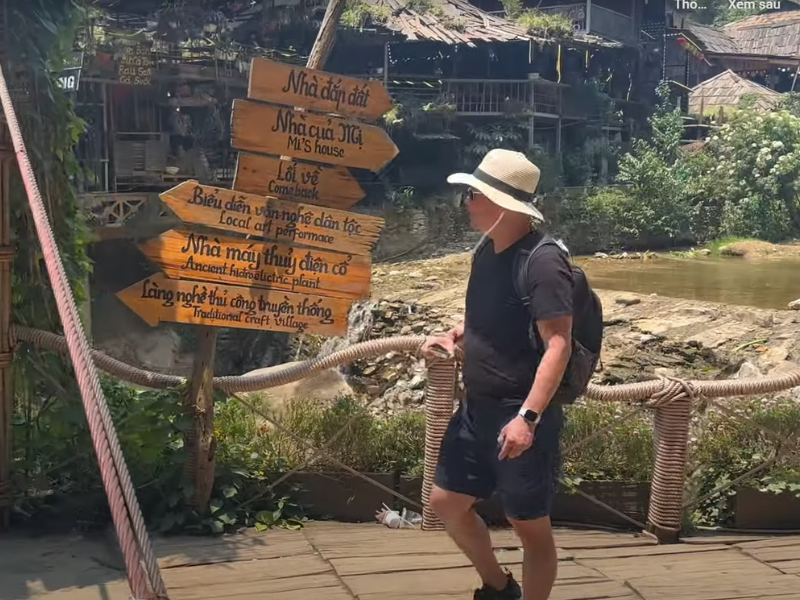
Reclaiming the Land of Dragons and Legends
For the discerning global traveler in 2026, the concept of luxury has undergone a profound structural shift. It is no longer measured by the flash of digital screens or the hollow opulence of international resort chains. True luxury is defined by the quality of silence, the depth of historical preservation, and the privilege of uninterrupted human connection. Vietnam—historically celebrated as the land of dragons and legends—remains one of the few places on earth where these ancient, un-engineered rhythms still thrive.
From the misty, emerald peaks of the northern highlands to the labyrinthine waterways of the south, this country offers an antidote to the fatigue of modern life. However, navigating this complex landscape requires a deliberate departure from mass-market tourism. To truly experience the essence of this terrain, one must seek out bespoke, carefully paced encounters that honor the integrity of local communities and ecosystems.
This curated three-part master guide reveals The Sovereign Blueprint: a definitive selection of the top 10 best tours for Vietnam, engineered specifically for those who wish to step off the beaten track and immerse themselves in the living history of the land.
Tour 1: The Heritage and Culture Thread (Hoa Lư – Huế – Hội An)
The cultural backbone of Vietnam is not found in its modern monuments, but in the enduring spirit of its ancient capitals. This bespoke itinerary connects three crucial coordinates of the country’s historical narrative, offering an analog journey through centuries of architectural and spiritual mastery.
The Citadel of Stone: Hoa Lư
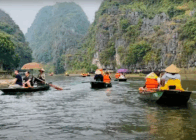
The journey commences in the valley of Hoa Lư, the 10th-century sanctuary of the Đinh and Lê dynasties. Sheltered by towering, primeval limestone karsts that act as natural ramparts, this ancient capital demands a slow, meditative approach. Travelers explore the weathered stone sanctuaries, where the air smells faintly of wild moss and aged incense. Here, history is experienced through the texture of hand-carved bas-reliefs and the absolute quiet of the surrounding wetlands.
The Royal Stillness: The Imperial City of Huế
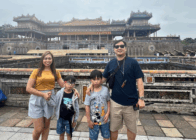
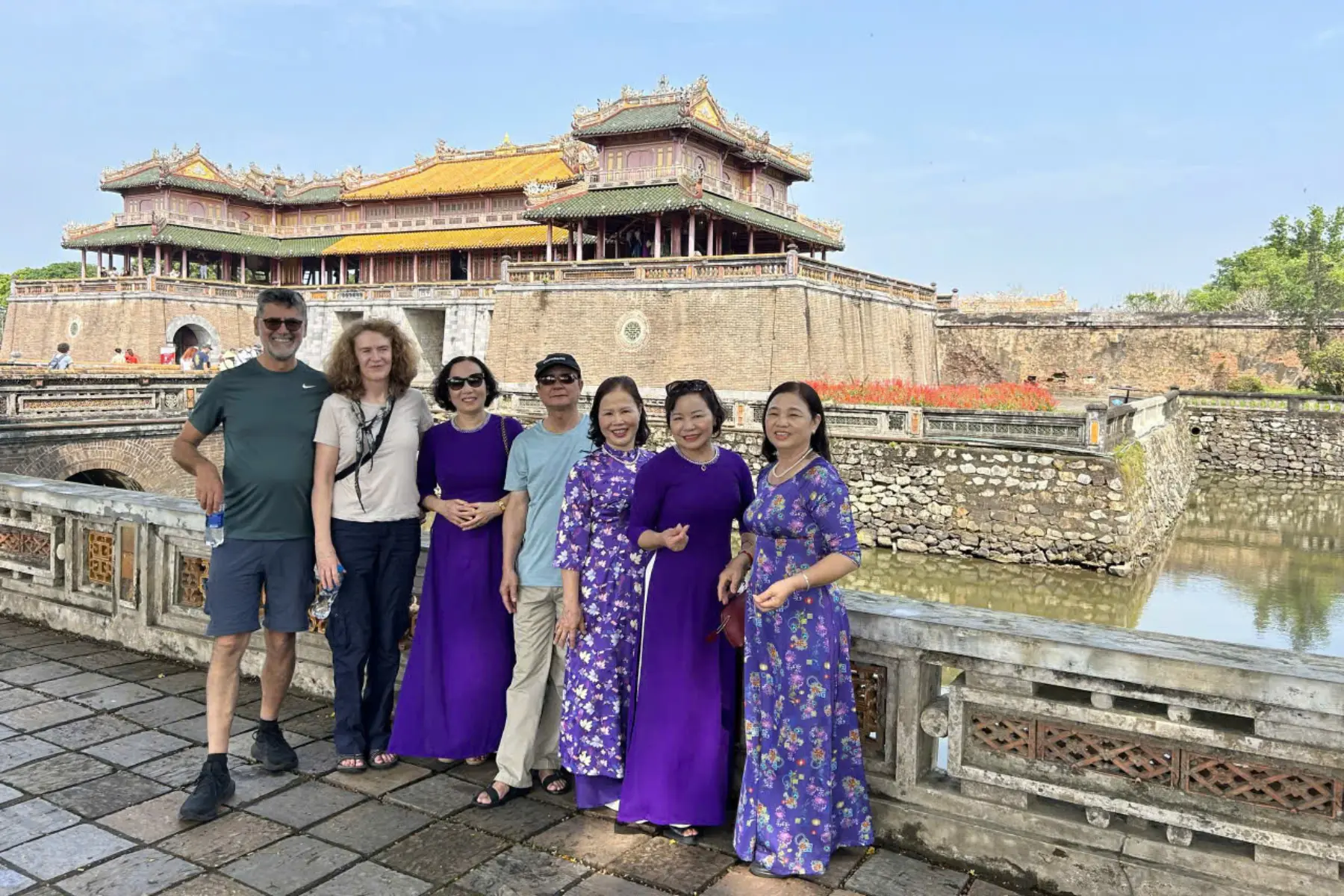
Moving south across the geographic divide, the itinerary transitions to Huế, the seat of the Nguyen Dynasty. Rather than rushing through the midday crowds, this tour prioritizes the “Art of the Quiet Hour.” Guests enter the Forbidden Purple City at the break of dawn, when the morning mist still blankets the lotus ponds of the Tịnh Tâm Lake.
The Architecture of Reverence: Walking among the gnarled pine trees of the royal tombs, such as that of Emperor Tự Đức, you encounter an architectural philosophy rooted in cosmic harmony. Every courtyard, pavilion, and stone tablet was positioned according to ancient geomantic laws (Feng Shui) to facilitate a peaceful transition to the afterlife.
The Unspoken History: Accompanied by local historians and descendants of the royal lineage, travelers engage in quiet conversations about the poetry, philosophy, and culinary rituals that once governed these sacred grounds.
The Timber Heritage: Hội An Ancient Town
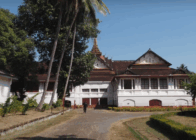
The final coordinate of the cultural thread is Hội An, a remarkably preserved 15th-century maritime trading port. This segment avoids the commercialized evening lantern shows, choosing instead to explore the town at 5:00 AM. In the cool morning air, the amber-washed timber houses, Chinese assembly halls, and Japanese covered bridges reveal their true architectural integrity, untouched by the noise of modern commerce.
Tour 2: The Sapa Trekking Residency (The Bespoke Highlands)
High in the northern Hoang Lien Son mountain range, Sapa represents a world where the landscape has been meticulously shaped by human hands over thousands of years. This trekking residency is designed to bypass the standard tourist paths, guiding travelers deep into the high-altitude valleys where the Black H’mong and Red Dao communities maintain a sovereign relationship with the earth.
The Basaltic Footprint
The trek avoids the paved paths and commercial eco-lodges. Instead, guests follow narrow, gnarled trails used exclusively by the local farmers. Walking through the sweeping, hand-carved terrace fields of the Muong Hoa Valley, the scale of human ingenuity becomes staggering. Every single terrace is a living piece of agricultural engineering, designed to channel mountain spring water across steep vertical drops.
The Living Indigo
The true value of this tour lies in the immersive stays within traditional stilt houses.
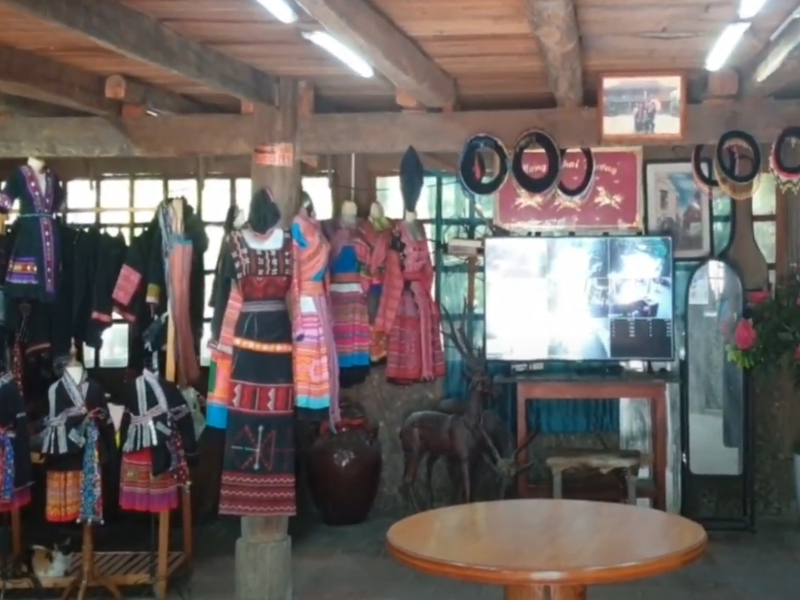
Artisanal Preservation: Guests spend their afternoons sitting beside wood-fired hearths, observing the intricate, ancient art of indigo dyeing and hemp weaving.
The Rhythm of the Hearth: There are no digital interfaces here; the evening entertainment is the crackle of pine wood, the scent of wild cardamom, and the oral histories shared by the village elders. It is a profound structural reset for the mind.
Tour 3: The Motorbike Adventure (The Frontier Roads)
For those who seek a visceral connection to the geography of the northern frontier, the motorbike adventure across the Hà Giang Loop or the Central Highlands offers an unparalleled sense of liberation. This tour replaces the insulating glass of a tour bus with the raw impact of the mountain air and the open road.
The Geography of Stone
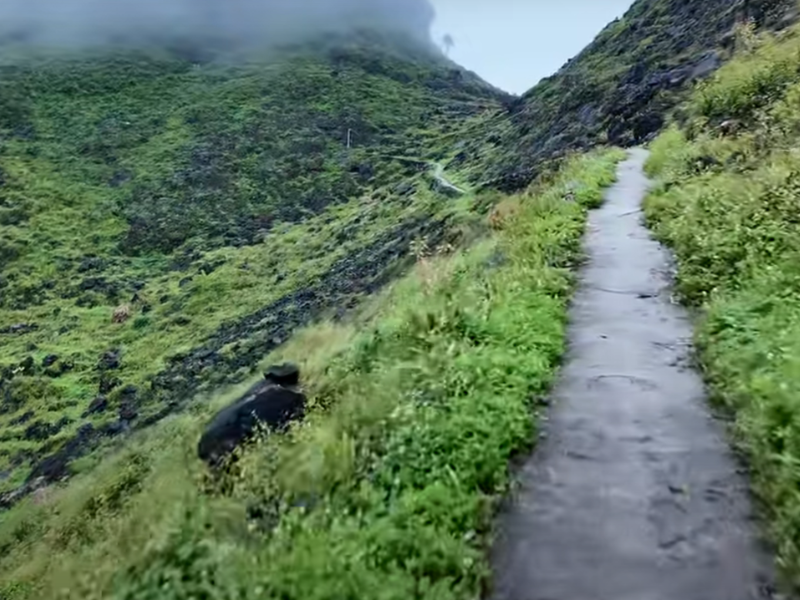
Riding along the limestone canyons of the Ma Pi Leng Pass, the sheer scale of the landscape becomes intimate. The road clings to the edge of vertical cliffs, with the emerald waters of the Nho Quế River carving a path thousands of feet below. Travelers feel every shift in altitude, every change in temperature, and the sharp, clean scent of the high-altitude pine forests.
The Borderland Encounters
This itinerary winds through remote border outposts and ethnic markets that remain entirely untouched by the tourism industry. Stopping at a small roadside teahouse, travelers share a cup of hot, bitter green tea with local horse traders and farmers. The luxury of this tour is found in its raw unpredictability and the deep, geological majesty of the earth.
Tour 4: The Liquid Labyrinth (The Authentic Mekong Delta)
To understand the agricultural heartbeat of Vietnam, one must enter the Mekong Delta—a vast, amphibious landscape sculpted by the nine arms of the Mekong River. This itinerary completely bypasses the crowded, performance-driven tourist piers of Mỹ Tho and Ben Tre, guiding travelers deep into the southwestern floodplains of Phong Điền and Trà Sư.
The Commerce of Dawn
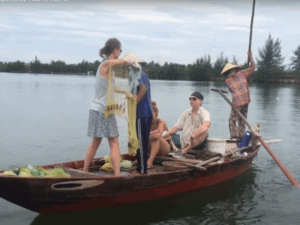
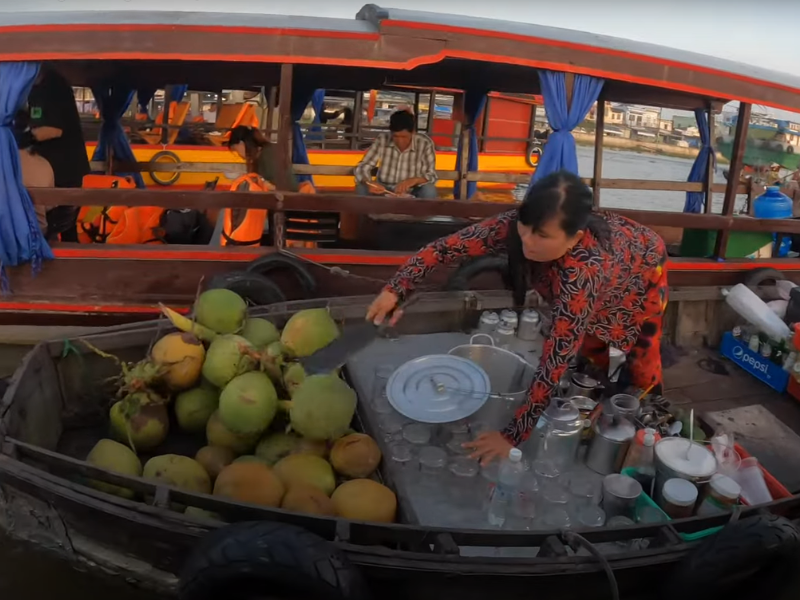
The journey begins at 4:30 AM on a traditional wooden sampan. As the morning fog hovers over the water, you enter the non-commercialized floating markets. Here, the trade is silent and ancient. Farmers hang their produce—sweet potatoes, watermelons, and bitter melons—from tall bamboo poles (cây bẹo) at the bow of their boats, acting as natural, analog billboards. There are no mega-phones or flashing signs; the only sounds are the soft lap of the oars and the low murmur of local bartering.
The Flooded Sanctuary: Trà Sư Melaleuca Forest
Moving deeper into the delta, travelers glide into the Trà Sư Forest. Navigating this submerged eco-system on a hand-prowed boat, you are surrounded by a carpet of vibrant green water lettuce. The canopy of melaleuca trees filters the midday sun, creating a cool, emerald-hued sanctuary.
Acoustic Purity: The forest is an acoustic haven, home to over 70 species of waterbirds. The sudden, synchronized take-off of a flock of white storks is the only disruption to the absolute quiet of the swamp.
The Soil’s Harvest: The day concludes in a small stilt house at the edge of the forest, sharing a simple, seasonal meal of Lẩu Mắm (wild fish and herb hotpot) prepared with river fish caught only hours prior.
Tour 5: The Silent Karsts (Ha Long Bay & Lan Ha Archipelago)
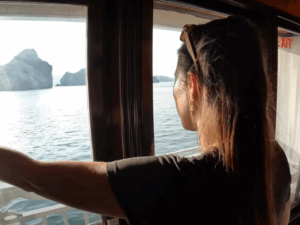
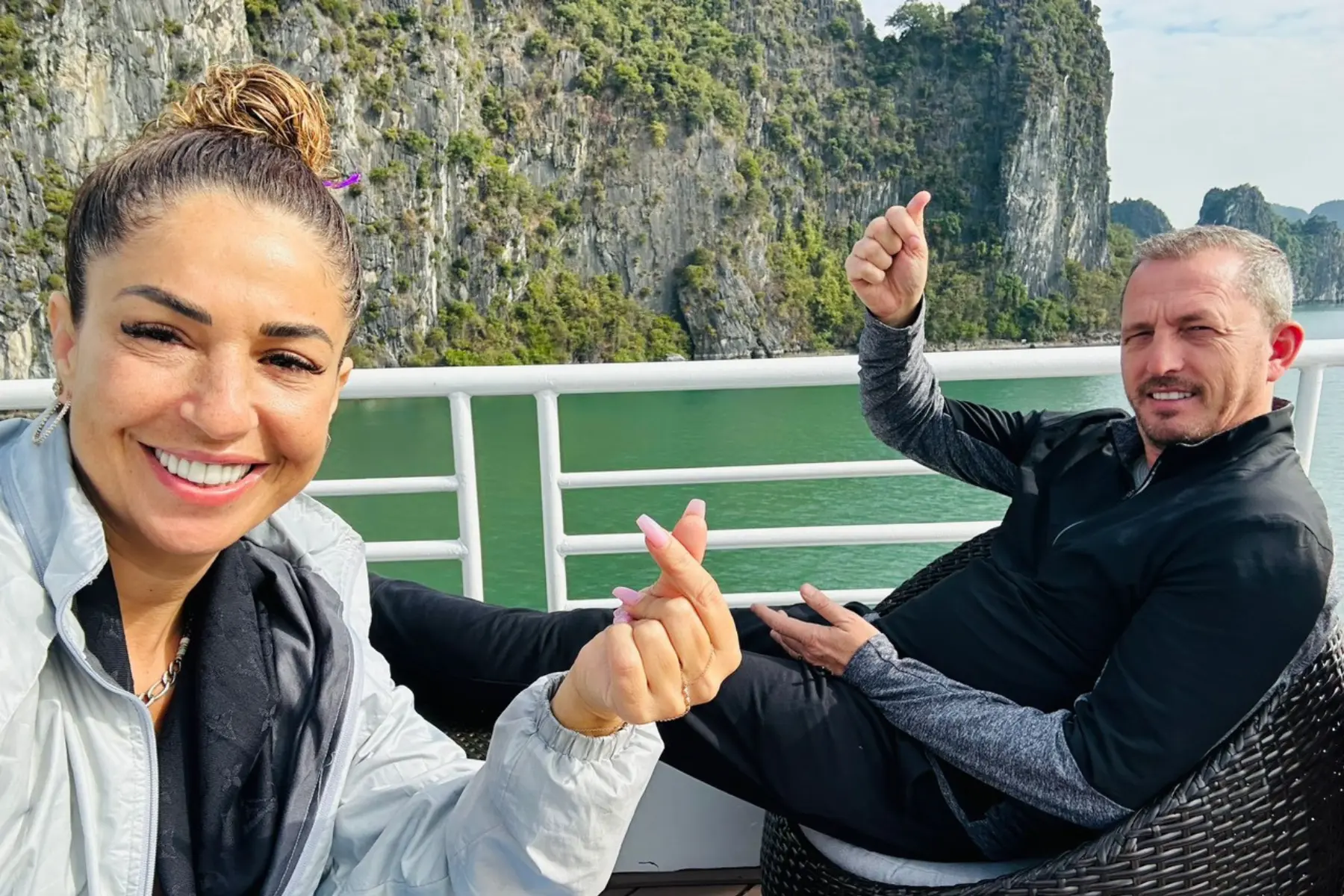
While Ha Long Bay is globally renowned, the modern luxury traveler in 2026 seeks refuge from the standard cruise corridors. This bespoke maritime expedition utilizes traditional wooden junks to explore the isolated southern waters of the Lan Ha Bay and Cát Bà Archipelago, where the limestone monoliths remain wild and un-industrialized.
The Architecture of Water and Stone
As the wooden junk cuts through the emerald waters, the sheer scale of the 1,600 limestone karsts becomes overwhelming. These geologic giants, draped in wild orchids and stunted ferns, have stood watch over the gulf for millennia.
The Enclosed Lagoons
We drop anchor near the ancient floating village of Cửa Vạn, where generations of sea-nomads have lived in harmony with the tides.
The Kayaking Sanctuary: Slipping into a sea kayak, travelers paddle through low-hanging sea caves (Hang Luồn) into completely enclosed tidal lagoons. Inside these hidden marine lakes, surrounded on all sides by vertical stone walls, the water is as still as glass.
The Night Harvest: As darkness falls, the boat turns off its generators. Under the starlight, travelers engage in the slow, rhythmic art of squid fishing using simple bamboo rods, watching the green bioluminescent plankton glow in the boat’s wake.
Tour 6: The Deep Subterranean (Phong Nha-Kẻ Bàng National Park)
For those who seek the ultimate frontier of wilderness exploration, the karst systems of Phong Nha-Kẻ Bàng—a UNESCO World Heritage site—offer an encounter with the earth’s interior that is unmatched anywhere on the planet. This is not a casual walking tour; it is a multi-day expedition into the world’s largest and oldest cave networks.
The Primary Canopy
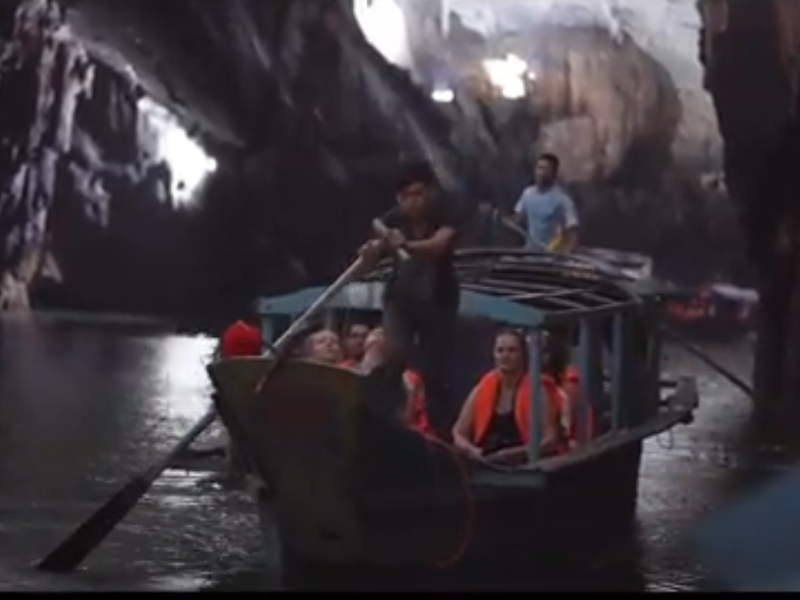
The expedition begins with a strenuous trek through the dense, primary rainforest of the Annamite Mountains. The jungle air is humid, smelling of damp earth, wild ginger, and ancient timber. Led by local jungle experts and British Cave Research Association specialists, travelers learn to read the tracks of the forest, crossing fast-flowing limestone rivers before reaching the gaping portals of caves like Hang Én or Tu Làn.
The Cathedral of Stone
Stepping inside the cave mouth, the temperature drops instantly.
The Geological Scale: Armed with high-powered headlamps, you navigate sand dunes, subterranean rivers, and boulder fields inside caverns large enough to swallow entire city blocks. The stalactites and stalagmites are structural wonders, formed over 400 million years of patient water filtration.
The Total Absolute Black: Camping on an internal beach inside the cave, the guides invite everyone to extinguish their lights. In that moment of total, absolute blackness, the mind undergoes a profound sensory recalibration, listening to the echoing drip of ancient water creating the landscapes of tomorrow.
Tour 7: The National Parks Wilderness (Ba Bể & Cát Tiên)
Completing the wilderness matrix is a specialized tour focusing on Vietnam’s terrestrial biodiversity hotspots: Ba Bể National Park in the north and Cát Tiên National Park in the south.
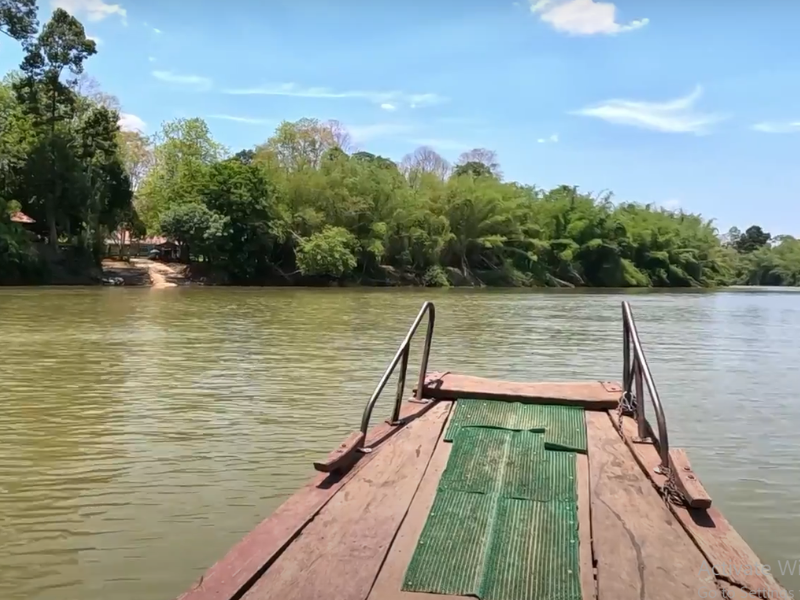
The Alpine Lake of Ba Bể: Surrounded by the limestone peaks of Bắc Kạn, Ba Bể is a rare tectonic lake feeding on pure mountain rivers. Travelers explore the waters on traditional dugout canoes, visiting hidden waterfalls and the massive, bat-filled Puông Cave.
The Primeval Canopy of Cát Tiên: In the south, Cát Tiên protects the last remnants of Vietnam’s lowland tropical rainforest. This segment features nocturnal wildlife spotting treks, where travelers can witness endangered gibbons, wild boars, and civets in their natural habitat, completely free from fences or human interference.
Tour 8: The Ancestral Hearth (The Hanoi Street Food Corridor)
The true soul of a nation is preserved in its ancestral kitchens. This culinary itinerary bypasses the modern, fusion restaurants of the capital to guide travelers through the hidden, ancient street food corridors of Hanoi’s Old Quarter. In 2026, the luxury traveler seeks the luxury of authenticity—dishes prepared by multi-generational families who have spent decades perfecting a single recipe.
The Architecture of the Broth
The journey commences at 6:00 AM at a hidden, signless courtyard off Hàng Đồng street. Here, we witness the creation of traditional Phở Bò (Beef Noodle Soup). The broth is not rushed; it is an alchemical process of simmering marrow bones, charred ginger, and star anise over charcoal for more than 24 hours.
Sensory Purity: Travelers sit on low wooden stools as the morning mist rises from the pavement, inhaling the pure, aromatic steam. The contrast between the tender beef, the clean bite of fresh scallions, and the deep, mineral clarity of the broth is a masterclass in culinary balance.
The Charcoal Hearth
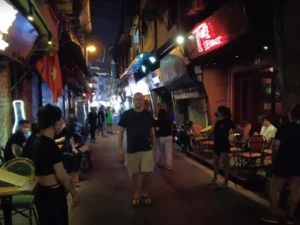
As midday approaches, the scent of the city shifts. Moving toward the narrow alleyways of Hàng Mành, we seek out the authentic Bún Chả (Grilled Pork Noodles).
The Fire’s Touch: Pork patties and marinated pork belly are sandwiched between bamboo skewers and grilled over open mangrove charcoal. The fat drips onto the hot embers, creating a fragrant smoke that has defined the atmospheric identity of Hanoi for generations. Served in a warm, balanced dipping sauce of fish rice-vinegar, sugar, and green papaya, it represents the absolute perfection of sweet, sour, salty, and savory flavors.
Tour 9: The Two-Wheeled Pace (The Hoi An Rural Cycling Circuit)
To truly experience the coastal countryside, one must adjust their movement to the natural speed of the land. This cycling itinerary leaves the paved tourist streets behind, taking travelers across the bamboo bridges of the Thu Bồn River delta into the rural, agricultural islands of Cam Kim and An Mỹ.
The Low-Impact Trail
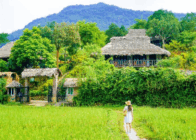
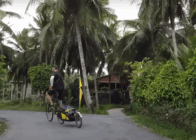
The route winds through narrow dirt dikes, bordered on both sides by vibrant emerald rice paddies and water coconut forests. The only sounds are the whir of the bicycle chain and the calls of herons nesting in the marshes.
The Preservation of Craft
The tour centers on stopping at traditional timber homesteads to observe ancestral artisans at work.
The Sedge Weavers: Travelers sit beside master weavers in Cam Kim, learning how wild river sedge is dried, dyed with natural pigments, and hand-woven into intricate sleeping mats using a heavy wooden loom.
The Timber Sculptors: Further down the trail, you visit the woodcarving workshops of Kim Bồng, where artisans have used local jackfruit wood to carve the grand imperial junks and palaces of Central Vietnam since the 16th century.
Tour 10: The Marine Sanctuary (The Bespoke Beach Escape)
The final piece of The Sovereign Blueprint is an escape to the isolated coastal fringes of Vietnam, where the white sands and coral reefs remain untouched by mass-market resort commercialism. This itinerary focuses on the wild, southern archipelago of An Thới (Phu Quoc) and the pristine, hidden bays of Vĩnh Hy (Ninh Thuận).
The Amphibious Sanctuary: Vĩnh Hy Bay
Nestled between the jagged granite cliffs of Núi Chúa National Park and the deep blue of the East Sea, Vĩnh Hy is a rare coastal sanctuary. Travelers board a private, traditional wooden tender to explore the outer edges of the bay, where the water is so transparent that the shadow of the boat dances across the brain-coral reefs twenty feet below.
The Island Isolation
In the southern reaches of Phu Quoc, far from the concrete high-rises of the main town, we retreat to private, boat-access-only islets like Hòn Đầm.
The Unplugged Shoreline: Here, luxury is stripped of all digital noise. Guests spend their afternoons walking along deserted beaches, foraging for wild sea urchins with local fishermen, and dining on fresh red snapper grilled over a beach bonfire as the sun sinks beneath the Gulf of Thailand.

Voice of the Sovereign Traveler: Authentic Experiences
To understand the true impact of The Sovereign Blueprint, one must look through the eyes of those who have stepped off the grid. These are un-edited, unfiltered reflections from seasoned global travelers who prioritized depth over distance in April 2026.
“I thought I had experienced fine dining until I sat on a low stool in Hanoi’s Old Quarter with Sao La’s culinary guide. Watching a third-generation family brew Phở broth over charcoal for 24 hours changed my entire relationship with food. It wasn’t just a meal; it was an ancestral ritual.” — Marcus V., London (Completed Tour 8: The Ancestral Hearth)
“The three days spent inside the Phong Nha cave network completely recalibrated my nervous system. When we turned off our headlamps inside the cathedral-sized cavern, the absolute silence and blackness wiped away two years of chronic digital fatigue. If you want to find yourself, you have to lose the signal.” — Elena R., Singapore (Completed Tour 6: The Deep Subterranean)
Vietnam Heritage & Adventure Travel FAQ (Structured Search)
To optimize your journey architecture, our editorial bureau has compiled the definitive answers to the most critical inquiries made by independent, high-net-worth travelers navigating Vietnam in 2026.
Q1: What is the best season to execute the full 3-part Sovereign Blueprint?
A: The ultimate climatic window to experience both the northern highlands and the southern waterways is from September to April. During this period, the northern regions like Sapa and Hà Giang experience cool, crisp, dry air, while the Mekong Delta enters its post-flood harvest clarity, and the southern marine sanctuaries like Vĩnh Hy enjoy calm, transparent waters.
Q2: How does Sao La Tours ensure “Analog Luxury” and Digital Detox on active treks?
A: Our expeditions feature dedicated “Off-Grid Zones”—particularly during the Sapa Trekking Residency and the Phong Nha Cave Expeditions. We utilize local ethnic guides who navigate by ancestral knowledge rather than GPS. While safety communication is always maintained via satellite backup, guests are encouraged to store their personal mobile devices in secure, waterproof packs to facilitate total immersion in the acoustic sanctuary of the wild.
Q3: Are the street food corridors in Hanoi safe for international palates?
A: Absolutely, provided you bypass the high-turnover tourist traps. Our culinary specialists map out families who hold verified multi-generational culinary lineages. These vendors utilize raw, daily-foraged ingredients and cook via high-heat, long-simmering processes (such as 24-hour broth filtration) that naturally preserve the highest standards of culinary hygiene while keeping the flavor profiles unadulterated.
Q4: What physical preparation is required for the Deep Subterranean Cave Expeditions?
A: Tours to Phong Nha’s interior cavern systems vary from moderate to highly strenuous. While entry-level cave walks require basic agility, multi-day journeys like Hang Én demand a solid baseline of cardiovascular fitness. Travelers should be capable of handling 5 to 7 miles of jungle trekking per day across uneven limestone terrain, stepping through river currents, and navigating dark environments with headlamps.
Conclusion: Beyond the Horizon of the Dragon
Vietnam in 2026 is no longer a destination to be cross-checked off a tourist bucket list; it is a profound landscape waiting to be understood. Throughout this three-part structural odyssey, we have looked past the commercial veneer to map the country’s true, unadulterated soul.
From the silent, ancestral stone fortresses of the north, through the untamed, subterranean river systems of the primeval wilderness, to the rich, multi-generational culinary hearths and isolated marine sanctuaries of the south, the land of dragons and legends reveals its magic only to those willing to adjust their pace to the natural rhythm of the earth.
By choosing depth over distance, craftsmanship over automation, and presence over connectivity, you don’t just witness Vietnam—you become a part of its living heritage. The mist will clear, the hearth fires will cool, but the resonance of an authentic journey remains permanent.
Claim Your Sovereign Journey with Sao La Vietnam Tours
The definitive itinerary cannot be generated by a mass-market template or an automated system. It must be meticulously designed by hands that know the soil, minds that respect the history, and hearts that live within the local communities.
At Sao La Vietnam Tours, we do not merely book transport and secure lodging. We architect bespoke, deeply immersive residencies that shield you from the noise of the modern world, connecting you directly with the raw luxury of the un-engineered earth. Whether you wish to walk the high-altitude groves of Sapa with a village elder, witness the alchemical birth of a wood-fired highland roast, or watch the dawn rise over an isolated marine biosphere, our regional experts are ready to curate your transition from a spectator to a sovereign traveler.
The Land is Ready. The Path is Clear. Reclaim Your Time.
DESIGN YOUR EXPERIENTIAL RESIDENCY WITH SAO LA Consult with a Senior Travel Architect | Private Bureau: Hanoi • Saigon • Dalat
Sao La Vietnam Tours – The Authority in Authentic, Low-Impact Luxury Travel. Patience. Presence. Perfection.