Some countries are best discovered from behind the wheel.
Others reveal themselves through train journeys, river cruises, or scenic coastal drives.
Vietnam is different.
While its famous cities, breathtaking beaches, and UNESCO World Heritage Sites attract millions of visitors each year, the country’s true soul often lies far beyond the highways. Hidden among mist-covered mountains, ancient forests, winding valleys, and remote ethnic communities is another Vietnam—one that can only be discovered on foot.
This is where Trekking in Vietnam becomes far more than an outdoor activity.
Every step leads to a deeper connection with nature.
Every trail introduces landscapes untouched by mass tourism.
Every mountain path brings travelers closer to communities that have preserved their traditions for centuries.
Unlike many trekking destinations where the journey focuses solely on reaching a summit, Vietnam offers something far richer.
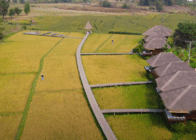
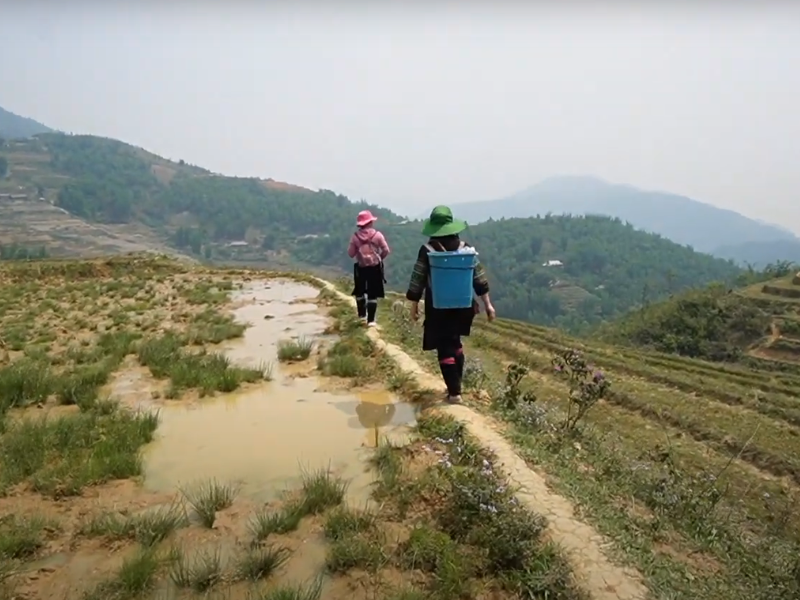
The trails here pass through emerald rice terraces carved into mountainsides, bamboo forests alive with birdsong, hidden waterfalls cascading through tropical jungles, limestone valleys shaped over millions of years, and villages where daily life continues much as it has for generations.
Along the way, travelers don’t simply admire spectacular scenery.
They share tea with local families.
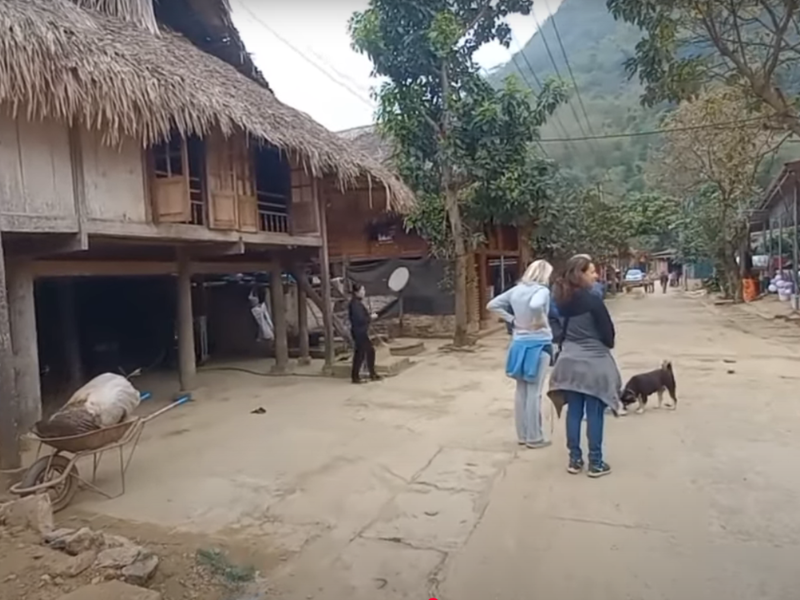
Sleep in traditional wooden stilt houses.
Learn about indigenous farming techniques.
Taste regional cuisine prepared over open fires.
Listen to stories passed down through generations.
These authentic encounters transform hiking into cultural exploration.
That is why international travelers are increasingly choosing Vietnam Adventure Tours that combine trekking, local experiences, and responsible tourism rather than conventional sightseeing.
Vietnam’s mountains invite visitors to slow down.
To breathe deeply.
To disconnect from crowded itineraries.
And to experience a side of the country that most tourists never see.
In this guide, we’ll explore why Vietnam has become one of Asia’s most rewarding trekking destinations, discover the different styles of trekking available across the country, understand what makes each landscape unique, and begin an unforgettable journey into the heart of Trekking in Vietnam.
Why Vietnam Is Emerging as Asia’s Hidden Trekking Paradise
When travelers think about trekking in Asia, countries such as Nepal or Peru often come to mind first.
Yet Vietnam quietly offers one of the continent’s most diverse hiking landscapes.
Within a single journey, visitors can walk through cloud-covered mountain ranges, ancient tropical rainforests, dramatic limestone plateaus, rolling tea hills, bamboo valleys, alpine grasslands, and protected national parks.
Few destinations provide such remarkable geographical diversity over relatively short travel distances.
This variety makes Vietnam Hiking suitable for almost every type of traveler.
Beginners can enjoy gentle walks through peaceful rice terraces and ethnic villages.
Experienced hikers can challenge themselves on rugged mountain trails, jungle expeditions, and multi-day wilderness adventures.
Whether your goal is breathtaking scenery, wildlife encounters, photography, cultural immersion, or physical challenge, Vietnam offers trails that continue to surprise even seasoned trekkers.
Perhaps most importantly, many of these landscapes remain refreshingly uncrowded compared with other famous trekking destinations around the world.
More Than Mountains—Walking Through Living Culture
One of the greatest differences between trekking in Vietnam and many other countries is the people you meet along the way.
The mountains are home to dozens of ethnic minority communities, each with its own language, architecture, clothing, customs, and traditions.
Walking between villages is not simply traveling through beautiful scenery.
It is traveling through living cultures.
Children wave enthusiastically as visitors pass.
Farmers continue cultivating rice terraces using traditional methods.
Local artisans weave colorful textiles by hand.
Village markets become gathering places where communities exchange goods, stories, and celebrations.
These experiences define many of today’s Vietnam Nature Tours, where cultural discovery is considered just as important as natural beauty.
Rather than observing local life from a distance, travelers become temporary participants in it.
The result is a journey built on genuine human connection.
Every Trail Tells a Different Story
Not all trekking routes are created equal.
Some challenge your endurance.
Others inspire quiet reflection.
Some lead through dense jungle where every turn reveals another hidden waterfall.
Others cross vast mountain ridges offering panoramic views that stretch to the horizon.
Vietnam’s extraordinary landscapes allow every trail to tell its own unique story.
A walk through terraced rice fields reflects centuries of agricultural knowledge.
A mountain ridge reveals the powerful forces that shaped Vietnam’s geography.
A jungle trail introduces ecosystems filled with rare plants and wildlife.
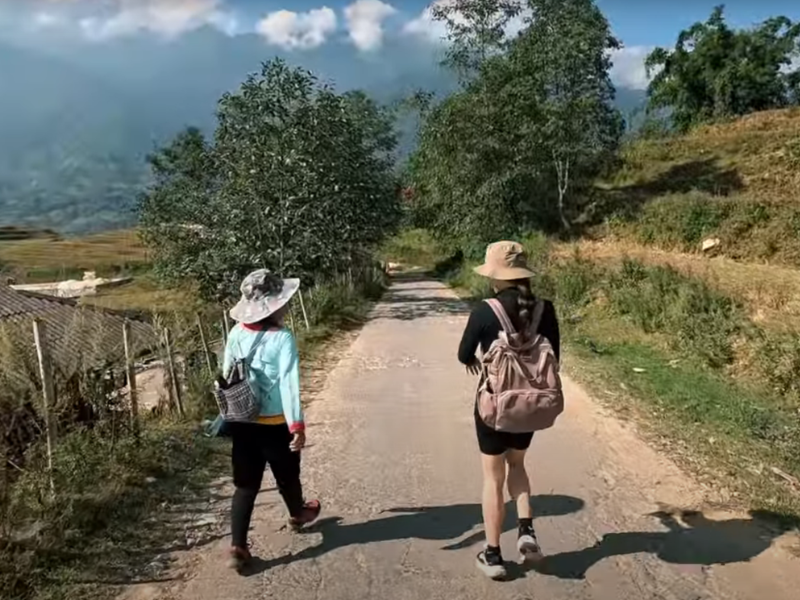
A village path illustrates how generations have adapted to life in remote highland environments.
The destination certainly matters.
But in Vietnam, the journey itself often becomes the greatest reward.
Discovering Vietnam’s Remarkable Trekking Landscapes
One reason Best Trekking in Vietnam continues attracting outdoor enthusiasts from around the world is the remarkable diversity of landscapes found across the country.
Each environment offers a completely different experience.
Rice Terraces That Reshape the Mountains
Perhaps no image represents northern Vietnam more beautifully than its breathtaking rice terraces.
Layer upon layer of emerald fields climb steep mountainsides like giant staircases built by nature itself.
Created by generations of ethnic minority farmers, these terraces demonstrate extraordinary engineering as well as remarkable harmony between people and the landscape.
Walking among them offers far more than incredible photography.
It reveals how communities have adapted to challenging mountain environments while preserving sustainable agricultural traditions for centuries.
Ancient Forests and Tropical Jungles
Vietnam is home to some of Southeast Asia’s oldest remaining forests.
Towering trees, hanging vines, moss-covered rocks, hidden caves, and countless species of birds and wildlife create unforgettable jungle experiences.
For adventurous travelers seeking Vietnam Jungle Trekking, these forests provide opportunities to explore ecosystems that remain largely untouched.
Every sound becomes part of the experience.
Flowing rivers.
Calling birds.
Rustling bamboo.
The rainforest feels alive in every direction.
High Mountain Ranges
Vietnam’s northern mountains are among the most spectacular in Southeast Asia.
Clouds drift slowly across dramatic peaks while deep valleys stretch far below.
Many trails follow ancient footpaths once used by traders and local communities long before modern roads existed.
These routes have become some of the country’s most rewarding opportunities for Vietnam Mountain Trekking, combining physical adventure with breathtaking scenery.
Each summit rewards hikers with panoramic views that make every step worthwhile.
National Parks That Protect Vietnam’s Wild Side
Nature conservation plays an increasingly important role in protecting Vietnam’s remarkable biodiversity.
Across the country, protected forests preserve endangered wildlife, ancient ecosystems, limestone caves, waterfalls, and mountain landscapes.
Exploring these Vietnam National Parks allows travelers to experience Vietnam beyond its famous tourist destinations.
Many parks also support responsible tourism initiatives that benefit nearby communities while encouraging environmental conservation.
This balance between adventure and sustainability has become one of the defining strengths of modern Vietnam Eco Tours.
Different Ways to Experience Trekking in Vietnam
No two travelers share exactly the same expectations.
Fortunately, Vietnam offers trekking experiences suited to every level of adventure.
Some visitors enjoy relaxed half-day walks through traditional villages.
Others choose challenging expeditions lasting several days.
Understanding these different styles helps travelers select the journey that best matches their interests.
Cultural Trekking
Perfect for travelers who want meaningful interaction with local communities.
These routes combine gentle walking with visits to traditional Vietnam Ethnic Villages, local markets, family homes, and community-based homestays.
The emphasis is placed on learning rather than physical endurance.
Adventure Trekking
Designed for hikers seeking greater challenges, these routes involve mountain ascents, jungle exploration, river crossings, and more demanding terrain.
Many Vietnam Trekking Routes in remote regions require experienced local guides and reward hikers with spectacular scenery rarely seen by ordinary tourists.
Multi-Day Expeditions
For those wishing to immerse themselves fully in Vietnam’s wilderness, Multi-day Trekking Vietnam experiences provide unforgettable opportunities.
Travelers spend several days crossing mountain ranges, staying in ethnic villages, camping in forests, or sleeping in traditional homestays while discovering landscapes inaccessible to day visitors.
These journeys often become the highlight of an entire trip to Vietnam.
Walking Slowly, Seeing More
Modern travel often encourages visitors to move quickly.
More cities.
More attractions.
More photographs.
More destinations.
Trekking offers a completely different philosophy.
Walking slows everything down.
You begin noticing details that would otherwise be missed.
Morning mist drifting across mountain valleys.
The sound of water flowing through hidden streams.
Wild orchids growing beside narrow forest paths.
Children laughing outside traditional wooden houses.
Farmers working terraced fields by hand.
The aroma of herbs growing naturally along the trail.
These quiet moments create memories that remain long after the journey ends.
Perhaps that is the greatest gift of Trekking in Vietnam.
It reminds us that the most meaningful travel experiences are often found not in rushing toward the destination, but in appreciating every step along the way.
Vietnam’s extraordinary landscapes offer countless opportunities for adventure, but every region reveals a different side of the country. From the legendary rice terraces of the far north to the ancient jungles of central Vietnam and the volcanic highlands of the south, each trail tells its own unique story. In the next part of this guide, we’ll set out on an unforgettable journey across the country’s most spectacular Vietnam Trekking Routes, discovering iconic destinations like Sapa Trekking, Ha Giang Trekking, Pu Luong Trekking, Phong Nha Trekking, and many lesser-known trails that showcase the very best of Best Trekking in Vietnam.
Northern Vietnam – Where Every Mountain Has a Story
Northern Vietnam is often considered the birthplace of the country’s trekking culture.
Here, mountain ranges dominate the horizon, rivers carve through deep valleys, and terraced rice fields appear to flow endlessly across steep hillsides.
For many outdoor enthusiasts, this region offers the very essence of Vietnam Mountain Trekking.
Yet what makes northern Vietnam truly extraordinary is not only its scenery.
It is the people who have called these mountains home for centuries.
Walking these trails means entering communities where traditions remain remarkably unchanged.
The mountains become classrooms.
The villages become storytellers.
The journey becomes something far deeper than adventure.
Sapa – Vietnam’s Most Iconic Trekking Destination
No discussion of Sapa Trekking would be complete without acknowledging its global reputation.
Nestled beneath the Hoang Lien Son mountain range, Sapa has become synonymous with Vietnam’s spectacular rice terraces and rich ethnic diversity.
But Sapa is far more than postcard scenery.
Its network of mountain trails connects small villages belonging to the Hmong, Dao, Tay, and Giay communities.
Each village offers a glimpse into daily life shaped by agriculture, craftsmanship, and centuries-old traditions.
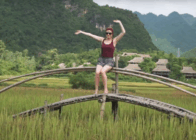
Walking through Sapa means crossing bamboo bridges suspended above mountain streams, climbing winding paths between emerald terraces, and stopping in family homes where warm smiles often accompany a cup of locally grown tea.
Every season transforms the landscape.
Spring brings vibrant green rice shoots.
Autumn paints the terraces golden before harvest.
Winter occasionally blankets the mountains with frost, creating a completely different atmosphere.
For first-time visitors interested in Vietnam Hiking, Sapa offers one of the country’s most accessible and rewarding introductions.
Ha Giang – Trekking Along Vietnam’s Final Frontier
If Sapa introduces travelers to Vietnam’s mountains, Ha Giang Trekking reveals their wild side.
Located near the Chinese border, Ha Giang remains one of Vietnam’s least developed mountain regions.
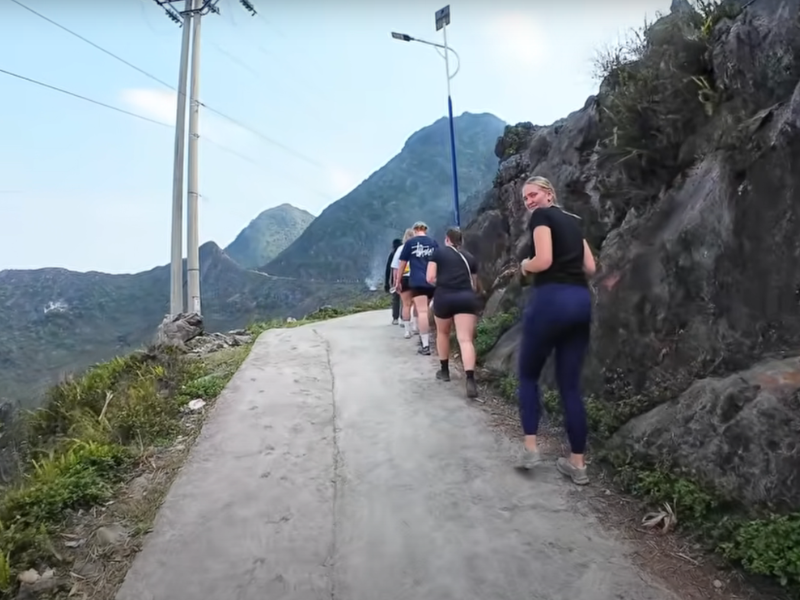
Its dramatic limestone peaks, deep canyons, winding mountain passes, and remote ethnic villages create landscapes unlike anywhere else in the country.
Trails here often follow ancient footpaths once used by local communities long before roads reached these isolated valleys.
Walking through Ha Giang is both physically rewarding and culturally enriching.
Stone houses cling to mountainsides.
Traditional markets gather dozens of ethnic groups every week.
Children walk mountain paths to school beneath towering cliffs.
Unlike more visited trekking regions, Ha Giang still offers a genuine feeling of exploration.
Every turn reveals another breathtaking panorama.
Every village introduces another fascinating culture.
For experienced hikers seeking authentic Vietnam Trekking Routes, few destinations compare.
Hoang Su Phi – Vietnam’s Hidden Masterpiece
While Sapa attracts international recognition, Hoang Su Phi remains one of northern Vietnam’s best-kept secrets.
Its rice terraces are every bit as spectacular—some would argue even more impressive—yet far fewer travelers venture here.
The result is an experience defined by tranquility.
Trails wind gently through valleys where traditional farming practices continue much as they have for generations.
Villages remain largely untouched by commercial tourism.
Photographers often describe Hoang Su Phi as one of Vietnam’s most rewarding destinations because every viewpoint feels completely natural.
For travelers searching for quieter alternatives within Best Trekking in Vietnam, Hoang Su Phi represents a remarkable discovery.
Cao Bang – Where Waterfalls Meet Limestone Mountains
Further east, the province of Cao Bang offers a very different trekking experience.
Here, mountain trails lead through limestone valleys, dense forests, and peaceful farming communities before arriving at one of Vietnam’s most spectacular natural wonders—Ban Gioc Waterfall.
Unlike high-altitude mountain trekking, Cao Bang combines relatively gentle walking with extraordinary scenery.
Traditional villages remain scattered throughout the landscape, allowing visitors to experience authentic rural life alongside impressive geological formations.
It is a destination where adventure unfolds gradually rather than dramatically.
Pu Luong – Walking Through Vietnam’s Green Valley
Leaving the far north behind, the journey continues toward one of Vietnam’s most peaceful mountain landscapes.
Pu Luong Trekking offers a completely different atmosphere.
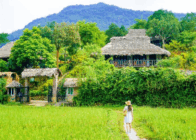
Instead of towering peaks, visitors discover rolling hills covered with rice terraces, bamboo forests, water wheels, and quiet valleys where Thai and Muong communities have lived for centuries.
The pace here is slower.
Trails are gentler.
The emphasis shifts from physical challenge to cultural immersion.
Travelers often spend their evenings in traditional wooden stilt houses overlooking endless green fields while enjoying home-cooked meals prepared from locally grown ingredients.
Pu Luong perfectly demonstrates why many Vietnam Nature Tours focus as much on people as they do on scenery.
Phong Nha – Into Vietnam’s Ancient Jungle
As the journey reaches central Vietnam, the mountains gradually transform into one of Southeast Asia’s oldest rainforest ecosystems.
Hidden beneath dense jungle lies Phong Nha-Ke Bang National Park.
Recognized as a UNESCO World Heritage Site, this extraordinary region protects ancient limestone mountains, underground rivers, enormous caves, and remarkable biodiversity.
Phong Nha Trekking offers something entirely different from the rice terraces of the north.
Here, hikers cross rivers, explore dense tropical forests, discover hidden waterfalls, and enter landscapes shaped over hundreds of millions of years.
Some routes lead to remote caves rarely visited by ordinary tourists.
Others follow jungle paths where rare birds, butterflies, and wildlife occasionally appear between the trees.
For travelers interested in Vietnam Jungle Trekking, Phong Nha represents one of Asia’s finest wilderness destinations.
Bach Ma National Park – Where Forest Meets the Sea
Continuing south, Bach Ma National Park occupies a unique position between Vietnam’s mountains and coastline.
Trails climb through mist-covered forests before revealing panoramic views stretching toward the East Sea.
The park shelters hundreds of bird species, waterfalls, orchids, and ancient trees that create an atmosphere unlike anywhere else along the journey.
Unlike more remote expeditions, Bach Ma combines accessible hiking with extraordinary biodiversity.
It is an excellent destination for travelers seeking rewarding Vietnam Outdoor Activities without undertaking highly demanding mountain treks.
The Central Highlands – Vietnam’s Forgotten Wilderness
Beyond Vietnam’s coastal cities lies another world entirely.
The Central Highlands remain one of the country’s least-explored trekking regions.
Volcanic plateaus, pine forests, coffee plantations, waterfalls, and indigenous villages create landscapes that differ dramatically from those of northern Vietnam.
Destinations such as Bidoup Nui Ba National Park introduce visitors to cool mountain climates, diverse ecosystems, and remarkable wildlife.
These forests are home to rare birds, ancient trees, and plant species found nowhere else on Earth.
For experienced adventurers seeking quieter alternatives, the Central Highlands provide outstanding opportunities for Vietnam Eco Tours and immersive Vietnam Adventure Tours.
Ta Nang – One of Vietnam’s Most Beautiful Ridge Walks
Among Vietnam’s increasingly popular trekking routes, few have gained as much admiration as Ta Nang.
Often described as one of the country’s most scenic ridge walks, the trail passes through rolling grasslands, pine forests, mountain ridges, and remote camping areas.
Unlike jungle expeditions or cultural village treks, Ta Nang focuses on expansive landscapes.
At sunrise, clouds drift below the surrounding hills while golden light illuminates endless mountain ridges.
The simplicity of the scenery creates an unforgettable sense of freedom.
For photographers and experienced hikers alike, Ta Nang has become one of the highlights of modern Multi-day Trekking Vietnam experiences.
One Country, Countless Adventures
By now, one thing becomes clear.
Vietnam cannot be defined by a single trekking destination.
Every region offers its own identity.
Sapa celebrates mountain cultures.
Ha Giang inspires exploration.
Hoang Su Phi rewards patience.
Pu Luong embraces tranquility.
Phong Nha reveals ancient wilderness.
Bach Ma protects extraordinary biodiversity.
The Central Highlands introduce volcanic landscapes.
Ta Nang offers endless horizons.
Together, these destinations form an extraordinary network of Vietnam Trekking Routes that showcase the country’s remarkable diversity.
Walking across Vietnam is not simply moving between mountains.
It is experiencing the landscapes, cultures, histories, and communities that together create one of Asia’s most rewarding adventure destinations.
Every unforgettable trek begins with choosing the right trail—but completing it successfully requires thoughtful preparation. In the final part of this guide, we’ll explore the best seasons for Trekking in Vietnam, how to choose routes based on your experience level, what to pack, essential safety advice, responsible trekking practices, frequently asked questions, and expert recommendations for planning unforgettable Vietnam Trekking Tours that combine adventure, culture, and nature in perfect balance.
Choosing the Right Trek for Your Experience Level
One of the biggest misconceptions about Trekking in Vietnam is that every trail requires exceptional fitness.
In reality, Vietnam offers trekking experiences suitable for almost every traveler.
Beginner Trekkers
If you’ve never completed a trekking adventure before, Vietnam is an excellent place to start.
Many guided walks follow well-established village paths, gentle hills, forest trails, and terraced landscapes that require only moderate fitness.
These experiences allow travelers to enjoy spectacular scenery without facing difficult mountain climbs.
They also provide plenty of opportunities to interact with local communities, making them ideal introductions to Vietnam Nature Tours.
Intermediate Adventurers
Travelers with previous hiking experience often enjoy full-day or multi-day routes that include mountain ridges, forest crossings, river trails, and longer walking distances.
These journeys provide a greater sense of adventure while remaining accessible for reasonably active travelers.
This is where many of the country’s classic Vietnam Trekking Tours begin to reveal their true character.
Experienced Hikers
For seasoned trekkers seeking more demanding adventures, Vietnam offers remote mountain expeditions, challenging jungle crossings, steep elevation gains, and extended wilderness routes.
These expeditions often require experienced local guides, careful preparation, and multiple days on the trail.
The reward is access to some of Southeast Asia’s most spectacular and least-visited landscapes.
When Is the Best Time for Trekking in Vietnam?
Vietnam stretches across several climate zones, meaning there is no single trekking season for the entire country.
Instead, the best time depends on where you plan to explore.
Northern mountain regions are particularly beautiful during spring and autumn, when temperatures are comfortable, skies are often clear, and the rice terraces transform with the changing seasons.
Central Vietnam generally offers excellent trekking conditions during the dry months, when forest trails become easier to navigate and mountain views are at their clearest.
The Central Highlands also provide pleasant trekking conditions thanks to their cooler elevation, making them attractive for travelers seeking refreshing outdoor experiences.
Understanding regional weather patterns allows visitors to enjoy safer and more comfortable Vietnam Outdoor Activities throughout the year.
What Should You Pack?
Packing for a trekking adventure is surprisingly simple.
Success depends less on carrying more equipment and more on bringing the right essentials.
A comfortable backpack, lightweight clothing suitable for changing temperatures, waterproof layers, quality hiking shoes, sun protection, insect repellent, reusable water bottles, and a basic first-aid kit should always form the foundation of your packing list.
Many travelers also carry trekking poles for longer mountain routes and waterproof bags to protect cameras and electronic devices.
Perhaps the most important item, however, isn’t something that fits inside your backpack.
It is flexibility.
Mountain weather changes quickly.
Trail conditions vary.
Unexpected encounters often become the highlights of the journey.
The best adventures leave room for spontaneity.
Why Local Guides Make Every Trek Better
Modern navigation technology makes many trails easier to follow than ever before.
Yet maps cannot explain local traditions.
GPS cannot introduce village elders.
Smartphones cannot translate generations of cultural knowledge.
This is why experienced local guides remain one of the most valuable parts of Vietnam Adventure Tours.
A knowledgeable guide helps travelers understand the landscape rather than simply walk through it.
They explain farming traditions, identify native plants, introduce local customs, and share stories that rarely appear in guidebooks.
They also ensure safer travel by monitoring weather conditions, selecting suitable routes, and adapting plans when necessary.
For more remote Multi-day Trekking Vietnam experiences, local expertise becomes not only valuable but essential.
Responsible Trekking Creates Better Travel
The growing popularity of Trekking in Vietnam brings exciting opportunities for local communities.
It also creates new responsibilities for every traveler.
Responsible trekking begins with simple choices.
Stay on established trails.
Respect local customs.
Avoid disturbing wildlife.
Carry reusable water bottles instead of disposable plastics.
Support locally owned homestays and family-run businesses whenever possible.
Ask permission before photographing people.
Leave every campsite cleaner than you found it.
These small actions protect the landscapes that make Vietnam so extraordinary while ensuring tourism continues to benefit mountain communities.
Many of today’s leading Vietnam Eco Tours are built around these principles, proving that adventure and sustainability can go hand in hand.
Beyond the Trail: The Moments You’ll Remember Most
Ask experienced trekkers about their favorite memories, and surprisingly few mention reaching the summit.
Instead, they remember the moments in between.
Watching clouds drift slowly across a mountain valley before sunrise.
Sharing dinner with a host family after a long day’s walk.
Listening to children laugh outside a traditional stilt house.
Hearing nothing except birdsong deep inside an ancient forest.
Crossing a bamboo bridge as water flows gently beneath your feet.
Looking up at a sky filled with stars far away from city lights.
These quiet experiences become the true rewards of Vietnam Hiking.
They remind us that meaningful travel is measured not by distance covered, but by the connections we create along the way.
Frequently Asked Questions
Is Trekking in Vietnam suitable for beginners?
Absolutely.
Vietnam offers routes ranging from easy countryside walks to demanding mountain expeditions, making it suitable for travelers of all experience levels.
Do I need a guide?
For shorter and well-marked routes, independent trekking may be possible.
However, guided Vietnam Trekking Tours provide richer cultural experiences, greater safety, and valuable local knowledge, particularly in remote regions.
Is trekking in Vietnam safe?
Yes.
With appropriate preparation, suitable equipment, and experienced guides when necessary, trekking in Vietnam is considered a safe and rewarding outdoor activity.
As with any mountain environment, travelers should always check weather conditions and follow local advice.
What makes Vietnam different from other trekking destinations?
Unlike many hiking destinations that focus solely on dramatic scenery, Vietnam combines mountains, forests, wildlife, traditional agriculture, and vibrant ethnic cultures into one seamless experience.
This unique combination makes every journey feel both adventurous and deeply personal.
The Journey Begins with a Single Step
Vietnam is often celebrated for its beaches, historic cities, and world-famous cuisine.
Yet beyond these iconic attractions lies another Vietnam—one that reveals itself only to those willing to slow down and walk.
Here, every trail becomes a story.
Every mountain pass offers a new perspective.
Every village welcomes visitors with warmth and generosity.
Every forest reminds us how extraordinary nature can be when left largely untouched.
Whether your dream is to cross emerald rice terraces, wander through ancient rainforests, discover remote Vietnam Ethnic Villages, or challenge yourself on rugged mountain trails, you’ll quickly discover that Best Trekking in Vietnam is not defined by a single destination.
It is defined by the diversity of experiences waiting beyond the next bend in the trail.
The mountains are calling.
All that’s left is to take the first step.
Experience Authentic Trekking with Sao La Vietnam Tours
At Sao La Vietnam Tours, we believe that the finest adventures are created through meaningful connections—with nature, with local communities, and with the stories that shape every destination.
Our carefully designed Vietnam Trekking Tours combine spectacular landscapes, experienced local guides, comfortable community-based accommodation, authentic cultural encounters, and flexible itineraries tailored to your fitness level and travel style.
Whether you’re looking for gentle Vietnam Hiking, challenging Vietnam Mountain Trekking, immersive Vietnam Jungle Trekking, or unforgettable Vietnam Adventure Tours, we’ll help you experience a side of Vietnam that few travelers ever discover.
Step beyond the ordinary. Walk through the heart of Vietnam with Sao La Vietnam Tours—and let every trail become part of your story.