Ultimate guide about Vietnam tours: Types, Prices and What to do
By admin | August 7, 2025
Are you planning a journey to the land of the Ascending Dragon? Vietnam has quickly transformed from a hidden gem of Southeast Asia into one of the world’s most captivating travel destinations. For travelers from the UK, US, and Australia, Vietnam offers an intoxicating blend of timeless history, otherworldly landscapes, legendary street food, and unparalleled hospitality.
However, organizing a trip across a country that stretches over 1,600 kilometers can feel overwhelming. How much should you budget? Which tour type aligns with your travel style? What are the absolute must-do experiences?
This definitive, insider guide provides everything you need to navigate Vietnam tours, covering local pricing structures, specialized travel styles, regional highlights, and essential logistics.
Why Vietnam is the Ultimate Destination for Western Travelers
For citizens of Western nations, Vietnam provides a sensory explosion unlike anywhere else on Earth. The geographical layout alone is a marvel: a slender S-shaped peninsula bordered by the East Sea, boasting over 3,200 kilometers of coastline. Within this single country, you can trek through misty, alpine rice terraces that rival the Swiss Alps, cruise among thousands of limestone karsts towering over emerald waters, and lose yourself in chaotic, neon-lit megacities.
Beyond the visuals, Vietnam is incredibly accessible for English-speaking travelers. English is widely spoken in all major tourist hubs, hotels, and restaurants. Furthermore, the exchange rate heavily favors the British Pound (GBP), US Dollar (USD), and Australian Dollar (AUD), allowing international visitors to experience world-class luxury, private touring, and fine dining at a fraction of the cost back home. Whether you are looking for deep historical immersion, an active outdoor adventure, or a relaxing beach getaway, Vietnam delivers high-value experiences across every single metric.
Best Time to Visit Vietnam: A Regional Climate Breakdown
One of the most critical mistakes Western travelers make is assuming Vietnam has a uniform tropical climate. Because of its dramatic length and topography, the country is divided into three distinct climate zones. Traveling at the wrong time could mean shivering in Sapa or getting caught in a monsoon in Hoi An.
+-------------------------------------------------------------------------+
|                          VIETNAM CLIMATE ZONES                          |
|                                                                         |
|      [ NORTH VIETNAM ]          [ CENTRAL VIETNAM ]   [ SOUTH VIETNAM ] |
|   Hanoi, Halong Bay, Sapa       Hue, Da Nang, Hoi An    HCMC, Mekong    |
|                                                                         |
|  - Nov-Apr: Cool & Dry          - Jan-Aug: Dry & Warm - Nov-Apr: Dry    |
|  - May-Oct: Hot & Rainy         - Sep-Dec: Monsoons   - May-Oct: Wet    |
+-------------------------------------------------------------------------+
North Vietnam (Hanoi, Halong Bay, Sapa, Ninh Binh)
The North experiences four distinct seasons.
November to April: The winter months are cool and dry, with temperatures in Hanoi averaging 15°C to 20°C( 59°F to 68°F ). Sapa can drop close to freezing (0°C).
May to October: Summer brings high humidity, heavy downpours, and temperatures soaring past 35°C (95°F ).
Central Vietnam (Hue, Da Nang, Hoi An, Nha Trang)
The weather pattern here is completely shifted.
January to August: Dry, warm, and sun-drenched, making it the perfect window for beach vacations in Da Nang or exploring the old streets of Hoi An. Temperatures range between 25°C and 35°C.
September to December: The region enters its typhoon and monsoon season. Heavy rains can cause localized flooding, particularly in mid-October and November.
South Vietnam (Ho Chi Minh City, Mekong Delta, Phu Quoc Island)
The South features a consistently warm, tropical climate split into two simple seasons.
November to April: The dry season features clear blue skies, low humidity, and temperatures hovering between 28°C and 34°C.
May to October: The wet season introduces afternoon tropical downpours. These storms are heavy but usually brief, rarely disrupting full-day tour itineraries.
The Golden Window: If you intend to travel the entire length of the country from North to South, the absolute best months to book your Vietnam tour are March to April or October to November, when transitions between regional climates offer the most balanced conditions.
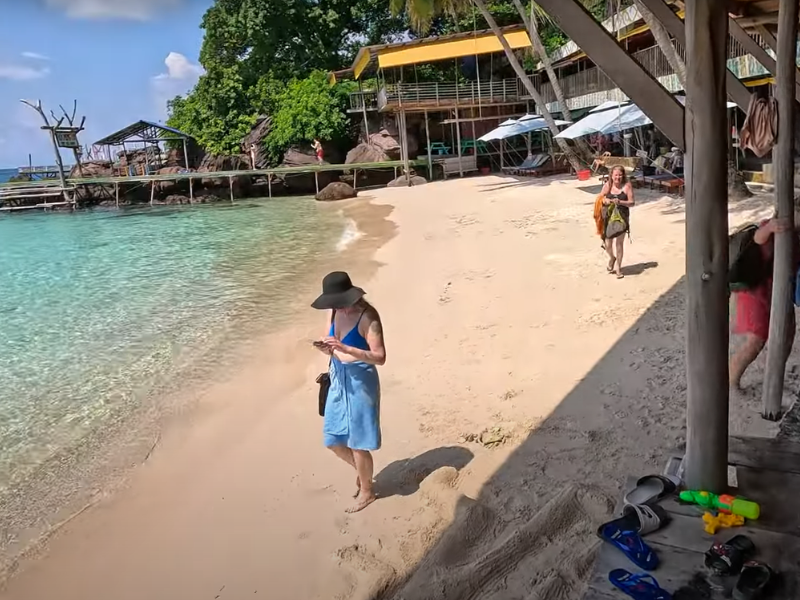
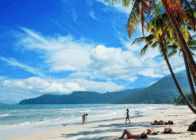
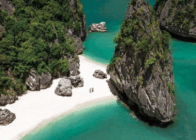
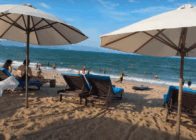
Relax on Phu Quoc’s stunning beaches – soft white sand, crystal-clear waters, swaying palm trees, and tropical sunsets await.
Understanding Vietnam Visa & Entry Requirements
Navigating immigration is the first step of your journey. The Vietnamese government has significantly streamlined entry processes to encourage international tourism, but staying informed on the rules is essential.
Visa Exemptions
Citizens of the United Kingdom holding valid British passports can enter Vietnam visa-free for stays up to 45 days for tourism or business. Upon arrival, your passport will be stamped with a fixed exit date. If you plan to stay longer than 45 days, you must apply for an electronic visa.
Electronic Visas (E-Visa)
For citizens of the United States and Australia (as well as UK travelers planning trips longer than 45 days), the standard route is the online Vietnam E-Visa.
Validity: Up to 90 days.
Options: Available as single-entry or multiple-entry.
Cost: 25 USD for single-entry; 50 USD for multiple-entry, paid via the official government portal.
Processing Time: Typically 3 to 5 working days.
Official Website: Always use the official portal at evisa.gov.vn. Avoid third-party copycat sites that charge exorbitant processing premiums.
Digital Arrival Card Requirement
Starting April 15, 2026, the Vietnamese Immigration Department introduced a mandatory Vietnam Digital Arrival Card for all foreign passengers entering via Tan Son Nhat International Airport (SGN) in Ho Chi Minh City.
This is a free online declaration that must be completed via prearrival.immigration.gov.vn up to 72 hours before your flight lands.
Upon completion, you will receive a QR code on your mobile device. You must present this QR code to the border officers alongside your passport.
Note: This registration runs parallel to your visa; it does not replace it.
Comprehensive Types of Vietnam Tours Defined
Choosing the right tour structure shapes your entire vacation. Depending on your budget, social preferences, and physical fitness, you can opt for one of the following main formats:
Classic Cultural Highlights Tours
These are the quintessential “Ho Chi Minh City to Hanoi” (or vice-versa) routes designed for first-time visitors. They focus heavily on iconic UNESCO World Heritage sites, royal history, and quintessential scenery. They generally move at a steady pace, utilizing internal flights to cover massive geographical distances efficiently.
Adventure, Trekking, & Active Tours
Geared toward outdoor enthusiasts, these itineraries bypass standard paths in favor of northern mountain passes, deep jungle expeditions, and multi-day cycling routes. Activities include scaling Mount Fansipan, trekking through ethnic minority villages in Ha Giang, and navigating the subterranean rivers of Phong Nha-Ke Bang national park.
Ultra-Luxury & Wellness Retreats
Vietnam has evolved into a premier luxury destination. Luxury tours combine five-star colonial hotels (like the Sofitel Legend Metropole Hanoi) with private chartered seaplanes over Halong Bay, exclusive-use heritage cruises, and secluded beach resorts in Ninh Van Bay or Con Dao. These tours focus heavily on privacy, personalized pacing, and holistic wellness.
Small-Group vs. Private Custom Tours
Small-Group Tours: Typically capped at 12 to 16 participants. They balance cost-efficiency with a structured social environment, making them highly popular among solo travelers and couples from Australia and the UK.
Private Custom Tours: Tailor-made down to the hour. You are assigned a private English-speaking guide, a dedicated driver with a climate-controlled vehicle, and an open itinerary that can be modified on the fly. This option offers maximum flexibility and safety for families and senior travelers.
Cost Analysis: How Much Do Vietnam Tours Cost?
Vietnam remains one of the world’s most financially lucrative holiday destinations. To help you set your expectations, we have broken down average tour prices per person (excluding long-haul international flights) into clear categories.
Tour Category
Daily Budget (Per Person)
What’s Included?
Accommodation Type
Target Traveler
Budget / Backpacker
$40 – $70 USD
Public transport, group street food tours, basic entry tickets
Hostels, homestays, or 2-star local guesthouses
Solo travelers, young backpackers, gap-year students
Mid-Range Comfort
$120 – $220 USD
Shared boutique mini-buses, domestic flights, specialized local guides, Halong Bay overnight cruise
3 to 4-star boutique hotels with pools and breakfast
Couples, friends, and flashpackers from UK/AU/US
Premium Private
$300 – $550 USD
Private SUV, dedicated personal guide, all fine-dining meals, internal business class flights
5-star international luxury resorts & luxury cruises
Families, honeymooners, and corporate travelers
Ultra-Luxury
$800+ USD
Helicopter/seaplane transfers, private luxury yachts, personal concierge, customized experiential dining
Ultra-exclusive resorts (Amanoi, Six Senses, InterContinental Danang)
High-net-worth individuals, luxury collectors
Budgeting for Extra In-Country Expenses
While your upfront tour cost will cover accommodation, transport, and most sightseeing, you need to budget for day-to-day out-of-pocket expenses.
Meals and Dining
Food in Vietnam is remarkably affordable. A bowl of world-class Pho at a legendary street-side stall will cost between 40,000 to 60,000 VND ($1.60 to $2.40 USD). A mid-range meal at a clean, air-conditioned sit-down restaurant serving local specialties runs around 200,000 to 400,000 VND ($8 to $16 USD) per person. High-end fine dining or Michelin-starred venues in Hanoi and Saigon command Western prices, ranging from $80 to $250 USD per person for multi-course tasting menus.
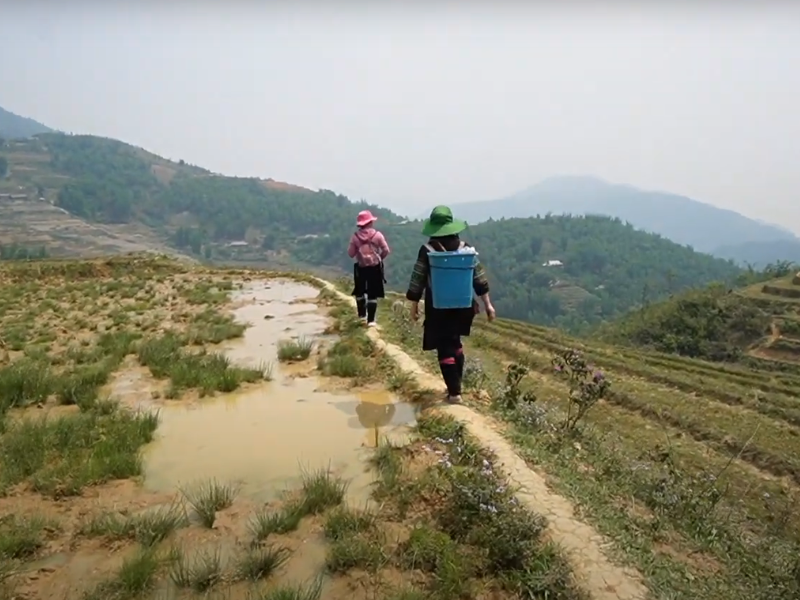
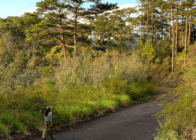
Sapa Adventure takes you deep into terraced valleys, across hanging bridges, and into ethnic minority villages. Trek, explore, and connect with nature.
Tipping Guidelines
Tipping is not traditional in local Vietnamese culture, but it has become an expected norm within the international tourism sector. It serves as a meaningful way to supplement the income of hardworking local staff.
Local Private Guides: $10 to $20 USD per day from the group.
Private Drivers: $5 to $10 USD per day.
Halong Bay Cruise Crew: $5 to $10 USD per cabin dropped into the communal tip box.
Spa Therapists: 50,000 to 100,000 VND ($2 to $4 USD) for excellent service.
Taxis and Local Ride-Hailing
To avoid local transit scams, do not hail unmetered street taxis. Instead, download Grab (the Southeast Asian equivalent of Uber) onto your smartphone before you arrive. It links directly to your credit card, displays upfront pricing, track routes via GPS, and operates seamlessly across all major cities.
What to Do in North Vietnam: The Cultural & Scenic Cradle
The northern region serves as the political, historical, and cultural anchor of the nation. It is defined by dramatic limestone topography, French colonial architecture, and indigenous mountain cultures.
[ NORTH VIETNAM TOP HIGHLIGHTS ]
|
+------------------------+------------------------+
|                        |                        |
  [ HANOI ]              [ HALONG BAY ]             [ SAPA ]
  Old Quarter,           Overnight Cruise,          Rice Terraces,
  Street Food,           Kayaking, Hidden           Ethnic Tribes,
  Hoan Kiem Lake         Caves & Islets             Mountain Treks
Hanoi: Navigating the 36 Streets of the Old Quarter
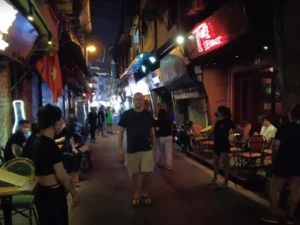
Hanoi, a chaotic yet charming capital city over 1,000 years old, demands your attention. Start by exploring the maze-like Old Quarter, where each narrow street was historically dedicated to a specific trade (silk, tin, herbal medicine).
Wake up early to walk around Hoan Kiem Lake to watch locals practicing Tai Chi in the morning mist. Visit the Temple of Literature, the city’s first university built in 1070, to witness traditional Confucian architecture. In the evening, attend a traditional Water Puppet Show, an ancient art form originating from the flooded rice paddies of the Red River Delta.
Halong Bay & Lan Ha Bay: Cruising Among Legends
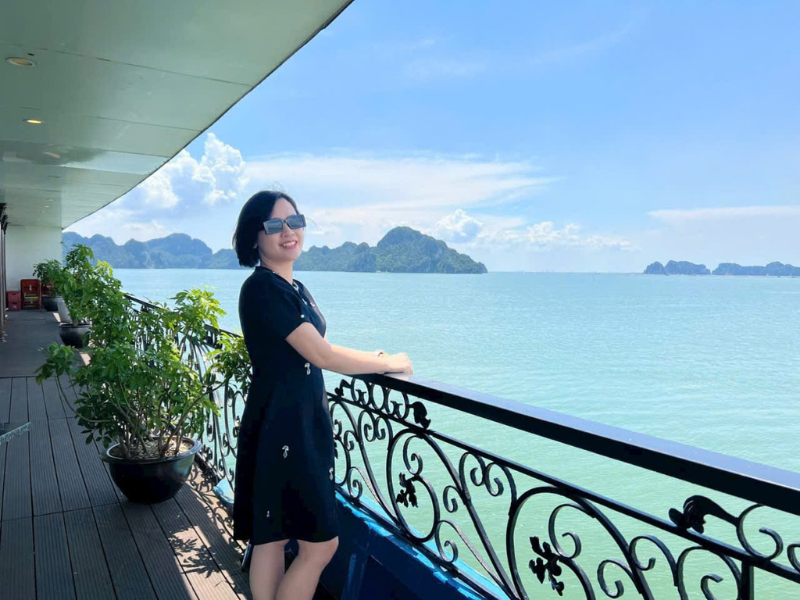
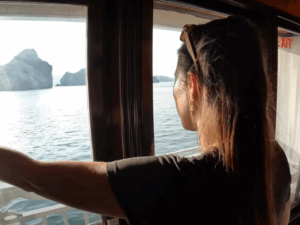
A UNESCO World Heritage site, Halong Bay comprises over 1,600 limestone islands and islets shooting vertically out of the Gulf of Tonkin. The only way to properly experience it is by booking an overnight boutique cruise.
For travelers seeking a quieter, less congested alternative, look for cruise itineraries that sail through Lan Ha Bay or Bai Tu Long Bay. These areas offer identical karst geography but feature significantly fewer tourist boats. Typical activities include kayaking into hidden sea caves, visiting floating fishing villages, and catching spectacular sunrises on the sun deck.
Sapa & Ha Giang: Majestic Terraces and the Ultimate Loop
Located near the northwestern border with China, Sapa is famous for its cascading rice terraces carved directly into the Hoang Lien Son mountain range. It is an ideal base for trekking through traditional villages inhabited by the Hmong, Dao, and Tay ethnic minority groups.
If you are an experienced traveler looking for raw, untouched landscapes, skip Sapa and book a tour of the Ha Giang Loop. This remote northern route weaves through the Dong Van Karst Plateau Geopark, offering some of the most jaw-dropping canyon vistas and mountain passes anywhere in Asia.
What to Do in Central Vietnam: History, UNESCO Sites, and Beaches
Central Vietnam is a paradise for history buffs, foodies, and beach lovers alike. The region holds a dense concentration of cultural heritage sites balanced by modern coastal resorts.
Hue: The Imperial Ghost of the Nguyen Dynasty
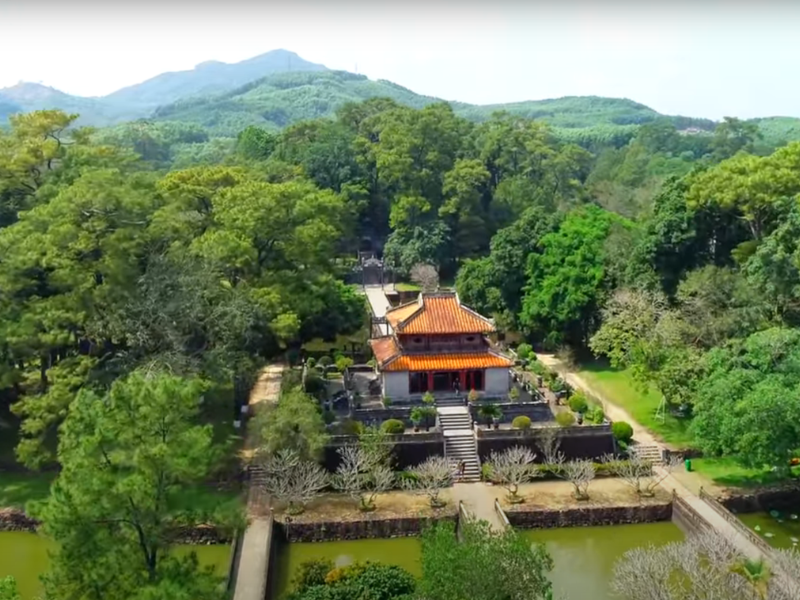
As the former imperial capital from 1802 to 1945, Hue retains an aura of royal solemnity. Explore the sprawling Imperial Citadel, a massive walled fortress modeled after Beijing’s Forbidden City, which suffered heavy damage during the Vietnam War but has undergone beautiful, meticulous restoration. Outside the city center, take a dragon boat along the romantic Perfume River to explore the grand, sprawling royal tombs of Emperors Khai Dinh and Minh Mang.
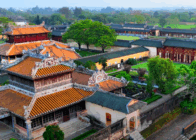
Visit the Tomb of Emperor Minh Mang in Hue: admire its grand architecture, tranquil gardens, and symmetry that reflect Vietnam’s imperial glory.
Hoi An Ancient Town: The Lantern-Lit Riverside Heritage
Hoi An is arguably the most atmospheric town in Southeast Asia. This remarkably well-preserved 15th-century maritime trading port blends Japanese, Chinese, and French architectural influences.
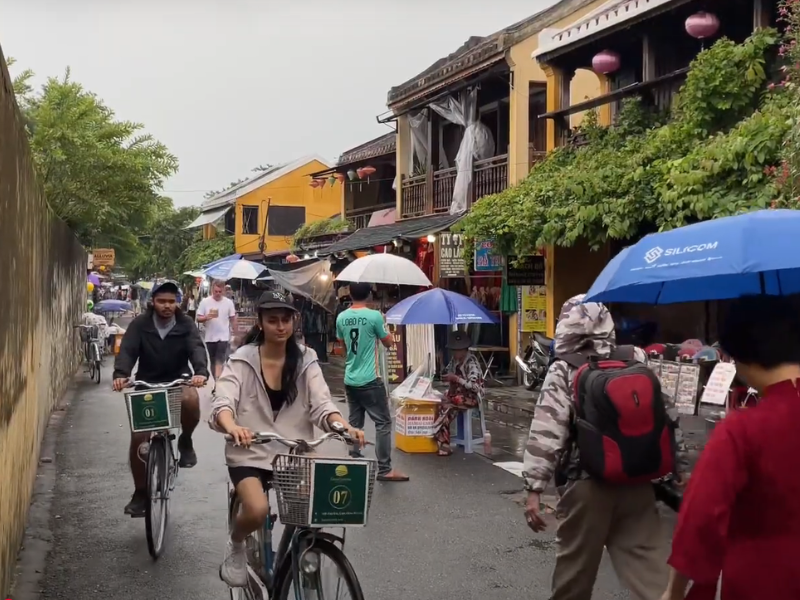
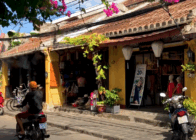
Motorized vehicles are banned from the historic center, making it a dream to explore on foot or by bicycle. Hoi An is legendary for its hyper-speed tailoring shops, where you can have high-quality custom suits, dresses, and leather shoes made to your exact measurements within 24 to 48 hours. At night, the town turns off its electric lights, illuminating the riverfront with thousands of glowing silk lanterns.
Da Nang: Golden Bridge and Coastal Luxury
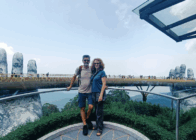
Located right between Hue and Hoi An, Da Nang is a rapidly modernizing coastal hub. It is globally famous for the Golden Bridge at Ba Na Hills—a dramatic pedestrian walkway supported by two colossal, weathered stone hands emerging from the forest canopy. Da Nang also boasts My Khe Beach, a pristine stretch of white sand lined with world-class five-star resorts, offering an ideal midday pause on an intensive cross-country tour.
What to Do in South Vietnam: Energy, History, and Tropical Waterways
The South moves at a frenetic, modern pace. It is a region defined by commercial energy, sobering wartime history, and lush agricultural river networks.
Ho Chi Minh City (Saigon): Neon Lights and French Colonial Landmarks
Formerly known as Saigon, this economic engine is a fascinating study in contrasts. Sleek skyscrapers stand side-by-side with weathered colonial structures and smoky Buddhist pagodas.
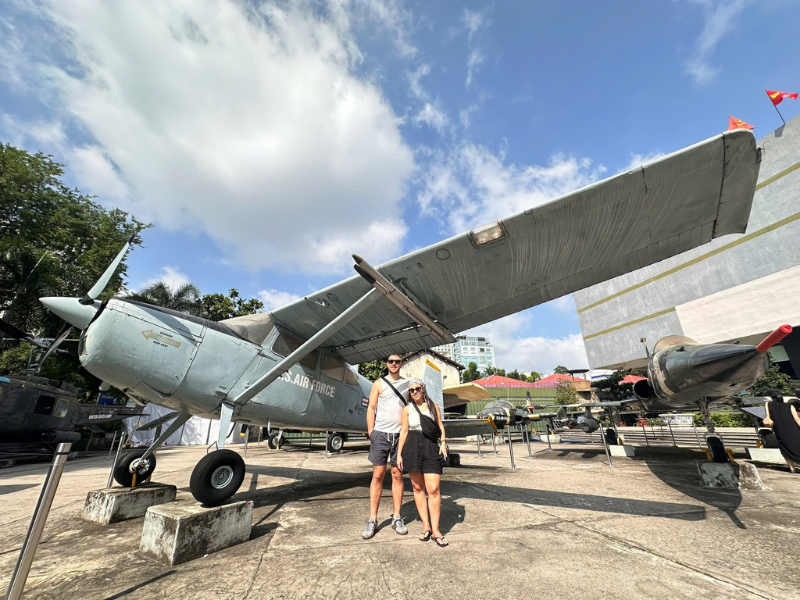
To understand the country’s turbulent 20th-century history, a visit to the War Remnants Museum and the Reunification Palace is absolutely mandatory. For architectural highlights, visit the historic Saigon Central Post Office, designed by Gustave Eiffel, and the nearby Notre-Dame Cathedral Basilica. As night falls, dive into the city’s booming craft beer scene or head up to a sleek rooftop sky bar to watch the river of scooter headlights below.
Visit the War Remnants Museum in Ho Chi Minh City, where exhibits and artifacts tell the story of Vietnam’s wartime past.
Cu Chi Tunnels: The Subterranean War Network
Located roughly two hours northwest of Ho Chi Minh City, the Cu Chi Tunnels offer a profound look into the sheer resilience of the Viet Cong forces during the Vietnam War. This immense, 250-kilometer underground labyrinth includes living quarters, smoke-less kitchens, weapon factories, and field hospitals. Visitors have the unique opportunity to crawl through reinforced sections of the tunnels to experience the incredibly claustrophobic conditions endured by soldiers.
The Mekong Delta: The Rice Bowl of Vietnam
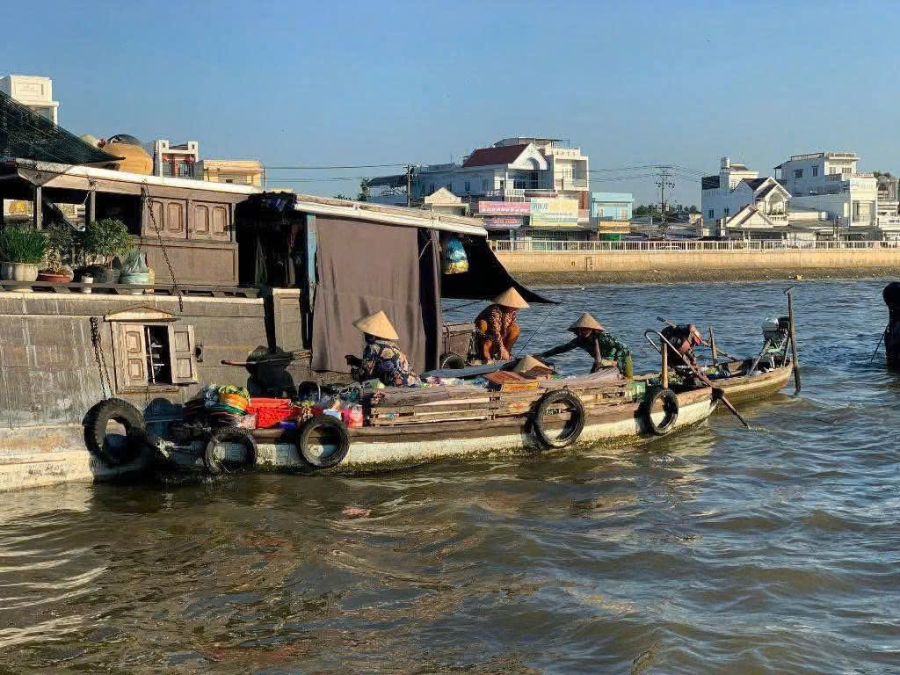
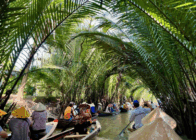
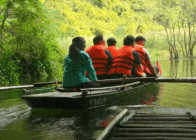
The mighty Mekong River concludes its multi-country journey by splitting into a massive network of distributaries across southwestern Vietnam. A tour here reveals an entirely aquatic lifestyle. Board a traditional wooden sampan boat to navigate narrow canals shaded by water coconut palms, visit traditional brick kilns, explore tropical fruit orchards, and witness the early morning hustle of the floating markets (such as Cai Rang), where locals trade goods directly from boat to boat.
Crucial Tips for Choosing the Best Local Tour Operator
The success of your trip hinges directly on the competency of your inbound tour operator. With thousands of agencies competing online, use this checklist to separate elite operators from low-quality brokers:
Verify Inbound Tour Operator Licenses: Ensure the company holds an official International Tour Operator License issued by the Vietnam National Authority of Tourism (VNAT). Legitimate operators will proudly display this license number on their website footer.
Audit Review Veracity: Do not just look at the overall star rating on TripAdvisor or Google Reviews. Filter specifically for detailed, long-form reviews written by travelers from your home country (UK, US, or Australia). Pay attention to comments regarding driver safety, vehicle cleanliness, and guide responsiveness.
Test Communication Speeds: Send an initial inquiry requesting a minor modification to a standard itinerary. A premier tour operator will assign you a dedicated, English-fluent travel consultant who responds with a detailed, custom itinerary proposal within 24 hours. Avoid agencies that send rigid, generic, auto-generated PDFs.
Clear Deposit & Cancellation Policies: Ensure the payment schedule is transparent. Elite operators typically require a modest deposit (20% to 30%) to secure reservations, with the balance due closer to the arrival date, and offer flexible cancellation windows in writing.
Essential Packing List Tailored for Vietnam Tours
Packing for Vietnam requires versatility due to the country’s varied climate zones. Here is a definitive packing checklist for Western travelers:
Clothing & Footwear
Lightweight, breathable garments: Pack moisture-wicking linen or technical athletic fabrics to combat high humidity.
Modest Temple Attire: Pack items that comfortably cover your shoulders and knees (maxi dresses, light trousers, or sarongs). This is strictly required for visiting religious pagodas and the Ho Chi Minh Mausoleum.
Layered Outerwear: If visiting Northern Vietnam between November and March, bring a windproof jacket, fleece layers, and a warm hat for cold mountain nights in Sapa.
Sturdy Trail Footwear: Break in high-traction hiking shoes or trail runners before arrival if your itinerary includes trekking in Sapa, Ha Giang, or Phong Nha.
Electronics & Practical Gear
Power Adapter: Vietnam primarily uses Type A, C, and G electrical outlets running at 220V. Bring a universal travel adapter.
Waterproof Protection: A compact, high-quality umbrella or lightweight rain poncho is indispensable during the monsoon season. Bring a waterproof dry bag to protect your camera and smartphone during boat tours in Halong Bay or the Mekong Delta.
Explore bustling floating markets in the Mekong Delta, where boats trade fruits, food, and local goods.
Health, Safety, and Travel Insurance in Vietnam
Vietnam is widely recognized as one of the safest and most politically stable travel destinations in the world. Violent crime against tourists is exceedingly rare. However, petty theft like phone-snatching or pickpocketing can occur in crowded areas of Ho Chi Minh City and Hanoi. Keep your phone and wallet secure, and avoid wearing flashy jewelry while walking along busy streets.
Medical Preparations & Vaccinations
Consult your local travel clinic at least 4 to 6 weeks before departure. Standard recommended vaccines for Vietnam include Hepatitis A, Hepatitis B, Typhoid, and Tetanus updates. Malaria is non-existent in major cities and coastal resort zones, though Dengue Fever is present, making high-quality, DEET-based mosquito repellent crucial.
Water and Food Safety
Golden Rule: Never drink tap water in Vietnam.
Only consume factory-sealed bottled water, which is readily available everywhere and provided daily by hotels. Avoid ice at questionable street-side stalls, though ice at established restaurants and cafes is completely safe as it is made from purified commercial blocks. Don’t let fear deter you from enjoying street food—look for stalls with high local turnover, as a fast-moving queue guarantees fresh ingredients.
Travel Insurance
Never travel without a comprehensive international medical insurance policy that explicitly covers emergency medical evacuation, trip cancellations, and baggage loss. If you plan to ride a moped or motorcycle during your trip, ensure your policy covers it, and note that you must hold a valid International Driving Permit (IDP) alongside your motorcycle license from home to be legally insured.
Cultural Etiquette: How to Travel Respectfully
Understanding and respecting local customs goes a long way in forging genuine connections with the Vietnamese people, who are remarkably forgiving of minor cultural faux pas.
The Concept of “Face”: Publicly losing your temper, shouting, or arguing aggressively will cause both you and the local person to “lose face.” If an issue arises with an itinerary or hotel room, address it calmly, politely, and quietly with your tour guide or hotel manager. A pleasant attitude resolves problems significantly faster.
Visiting Sacred Sites: Always remove your shoes when entering the main sanctuary of a Buddhist pagoda if instructed by signage. Never touch a local person’s head, as it is considered the most sacred part of the body, and avoid pointing the soles of your feet directly at religious statues or altars when sitting.
Photography Protocol: Vietnamese people are generally incredibly photogenic and welcoming of photography. However, always ask for permission with a simple smile and a nod before taking a close-up portrait of individuals, particularly within ethnic minority villages in the North.
Sample Itinerary 1: The 10-Day “Best of Vietnam” Express
If you only have a limited 10-day holiday window, this high-efficiency route covers the absolute core highlights of the country.
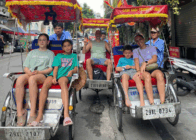
Day 1-2: Arrival in Hanoi. Explore the historic Old Quarter, enjoy a cyclo tour, watch a water puppet show, and dive deep into the legendary local street food scene.
Day 3: Ninh Binh Day Trip. Travel south to the ancient capital of Hoa Lu. Take a hand-paddled sampan boat through the majestic Tam Coc river caves, often called “Halong Bay on land.”
Day 4-5: Halong Bay Overnight Cruise. Board a luxury wooden junk cruise. Spend two days kayaking, exploring hidden caves, and watching unforgettable sunsets over the limestone karsts. Return to Hanoi for an evening flight to Da Nang, followed by a short transfer to Hoi An.
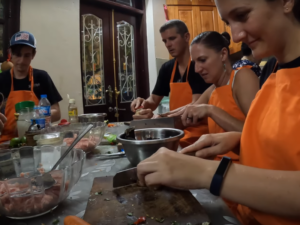
Day 6-7: Hoi An Ancient Town. Walk through the lantern-lit streets, get custom clothes made at a local tailor, take a cooking class, or relax on the sands of An Bang Beach.
Day 8: Fly to Ho Chi Minh City. Catch a morning flight to the southern metropolis. Explore French colonial architecture, visit the War Remnants Museum, and experience the city’s nightlife.
Day 9: Cu Chi Tunnels & Mekong Delta. A high-efficiency day tour combining the historic wartime underground tunnels with a boat cruise along the palm-fringed canals of the Mekong River.
Day 10: Final Departures. Pick up last-minute souvenirs at Ben Thanh Market before transfer to Tan Son Nhat Airport for your flight home.
Sample Itinerary 2: The 21-Day Deep Immersion Grand Tour
For travelers from the UK, US, and Australia who wish to fully immerse themselves in the country, this comprehensive three-week itinerary leaves no stone unturned.
[ 21-DAY DEEP IMMERSION ROUTE ]
Hanoi -> Ha Giang Loop -> Sapa -> Halong Bay -> Hue -> Hoi An -> Nha Trang -> HCMC -> Mekong Delta -> Phu Quoc
Day 1-3: Hanoi Exploration. Detailed touring of the capital’s historical museums, colonial landmarks, and culinary hidden secrets.
Day 4-7: The Extreme North (Ha Giang & Sapa). A private overland expedition through the dramatic mountain passes of Ha Giang, followed by scenic trekking among Sapa’s iconic rice terraces.
Day 8-10: Halong & Lan Ha Bay Cruise. A leisurely two-night cruise exploring remote corners of the bay, far away from mainstream tourist crowds.
Day 11-12: The Imperial City of Hue. Travel over the scenic Hai Van Pass to discover imperial palaces, royal tombs, and traditional royal cuisine.
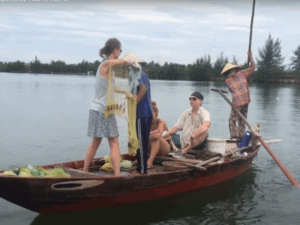
Day 13-16: Hoi An Heritage & Countryside. Four full days to slow down. Experience tailored clothing fittings, cycle through rural farming villages, and take a boat out with local fishermen.
Day 17-18: Coastal Relaxation in Nha Trang or Quy Nhon. Unwind at a luxury beach resort, enjoy fresh seafood, and try snorkeling or scuba diving.
Day 19-20: Ho Chi Minh City & Mekong Delta. Explore the energy of Saigon and enjoy an overnight stay at a boutique riverside lodge deep in the Mekong Delta.
Day 21: Departure. Return to Ho Chi Minh City for your final international flight departure.
Frequently Asked Questions About Vietnam Tours
Q1: Is it better to book a Vietnam tour in advance or when I arrive?
A: It is highly recommended to book your core Vietnam tour packages in advance, especially if you are traveling from the UK, US, or Australia. Pre-booking ensures you secure domestic flights, high-quality English-speaking guides, and boutique accommodations, which sell out months ahead during the peak season (November to April). Booking on arrival often leaves you with sub-standard transport options or rigid, low-quality group tours.
Q2: What currency is used in Vietnam, and should I bring cash?
A: The official currency is the Vietnamese Dong (VND). While major hotels, cruise operators, and high-end restaurants readily accept international credit cards (Visa and Mastercard), cash is still king for day-to-day spending. You will absolutely need VND cash for buying street food, shopping at local markets, paying for Grab rides, and tipping your tour guides or drivers.
Q3: Do I need a physical SIM card or an eSIM for my Vietnam tour?
A: Staying connected in Vietnam is highly affordable and efficient. The easiest path for Western tourists is to purchase an eSIM online (via platforms like Airalo or Nomad) prior to departure. Alternatively, you can easily buy a physical tourist SIM card (with massive 4G/5G data packages for under $15 USD) directly at the international arrivals hall at Hanoi or Ho Chi Minh City airports. Major reliable networks include Viettel and Vinaphone.
Q4: Are internal flights included in standard Vietnam tour packages?
A: Most reputable mid-range and luxury Vietnam tour operators include domestic economy flights (such as Hanoi to Da Nang, or Da Nang to Ho Chi Minh City) within their total package price. However, always double-check the “Inclusions/Exclusions” section of your tour proposal to ensure airport taxes, checked baggage fees (usually 20kg), and ground transfers are fully covered.
Q5: Is the food safe for Western tourists during a guided tour?
A: Yes, Vietnamese food is incredibly fresh, healthy, and safe, as most dishes are cooked to order at high temperatures. When on a guided tour, your local guide will curate reputable hygiene-certified stalls for experiential dining. For independent meals, look for street food stalls that are packed with local families—a high turnover of customers guarantees that the meat, seafood, and herbs are fresh daily. Always drink bottled water.
Conclusion: Taking the First Step Toward Your Vietnam Adventure
Vietnam is far more than just a destination on a map; it is a profoundly moving travel experience that stays with you long after you return home. By choosing the right tour style, budgeting effectively, and partnering with an authorized local operator, your trip will be seamless, safe, and utterly unforgettable.
Whether you find yourself watching the sunrise over Halong Bay, navigating the bustling markets of Saigon, or sharing a laugh with an artisan in Hoi An, Vietnam promises a sensory rich adventure that offers incredible value for your hard-earned travel investment.
Meet the Expert Who Designed This Guide
Discover Tracy Nguyen’s travel stories, Vietnam experiences, and curated guides. Follow her journey through culture, food, and unforgettable destinations.