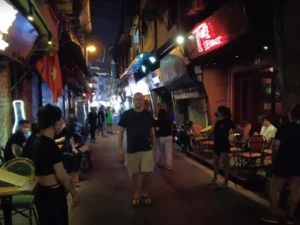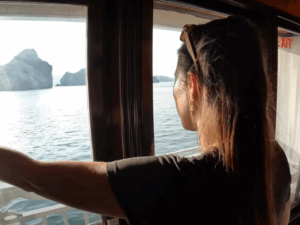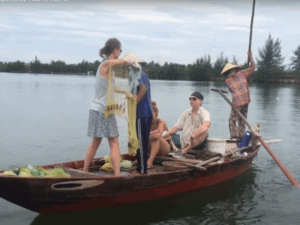
Exploring Southeast Asia as a traveler with mobility limitations historically presented complex logistical challenges. However, the paradigm has shifted dramatically. Today, Vietnam accessible travel wheelchair solutions have expanded into a sophisticated, highly structured ecosystem. Through adaptive luxury transport, continuous infrastructure upgrades across UNESCO World Heritage sites, and specialized private guiding, navigating Vietnam in a power or manual wheelchair is smoother, safer, and far more rewarding than ever before.
Whether you want to glide past the limestone karsts of Halong Bay on a fully barrier-free cruise ship, roll through the flat, paved streets of ancient trading ports, or enjoy barrier-free access to five-star beachfront retreats, modern wheelchair accessible Vietnam tours ensure you never have to compromise on comfort or authenticity.
Why Vietnam is Becoming a Top Destination for Wheelchair Users
While traditional Asian urban landscapes present occasional pavement hurdles, Vietnam offers distinct natural, structural, and cultural advantages that make it an exceptional choice for accessible travel in Southeast Asia.
1. Exceptional Culture of Personal Support and Hospitality
In Vietnamese culture, community care and assistance are fundamental values. At hotels, historical monuments, and transport hubs, hotel concierges, trained drivers, and local citizens offer immediate, respectful physical assistance whenever step-free ramps or curb cuts are absent.
2. Flat Heritage Centers and Compact Historical Districts
Many of Vietnam’s most famous historical destinations—including Hoi An Ancient Town, the imperial gardens of Hue, and the French Quarter of Hanoi—are inherently flat. These layout dynamics allow wheelchair travelers in Vietnam to cover miles of continuous sightseeing without encountering steep elevation gradients.
3. Rapidly Expanding Adaptive Infrastructure
Major urban centers and top tourism corridors now feature modern international airports equipped with broad jet bridges, specialized ambulift vehicles, dedicated barrier-free restrooms, and high-standard accessible rolling stock on newly developed public transit lines.
Key Accessible Destinations Across Vietnam
┌───────────────────────────────────────────────────────────┐
│              ACCESSIBLE REGIONAL HIGHLIGHTS               │
├───────────────────┬─────────────────┬─────────────────────┤
│  NORTHERN REGION  │ CENTRAL REGION  │  SOUTHERN REGION    │
│  (Hanoi & Halong) │ (Hoi An & Hue)  │ (Saigon & Mekong)   │
├───────────────────┼─────────────────┼─────────────────────┤
│ • Elevator Cruises│ • Flat Paved    │ • Accessible        │
│   on Halong Bay   │   Ancient Town  │   Speedboats        │
│ • Flat Lakeside   │ • Imperial Ramp │ • Barrier-Free      │
│   Promenades      │   Access Routes │   City Museums      │
└───────────────────┴─────────────────┴─────────────────────┘
Selecting the right regions ensures your itinerary remains completely smooth and hassle-free.
A. Northern Vietnam: Hanoi & Halong Bay
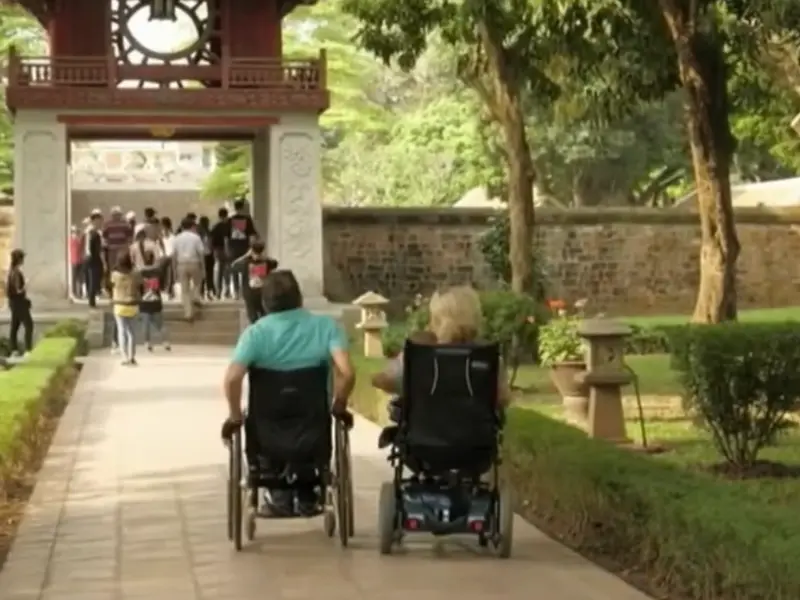
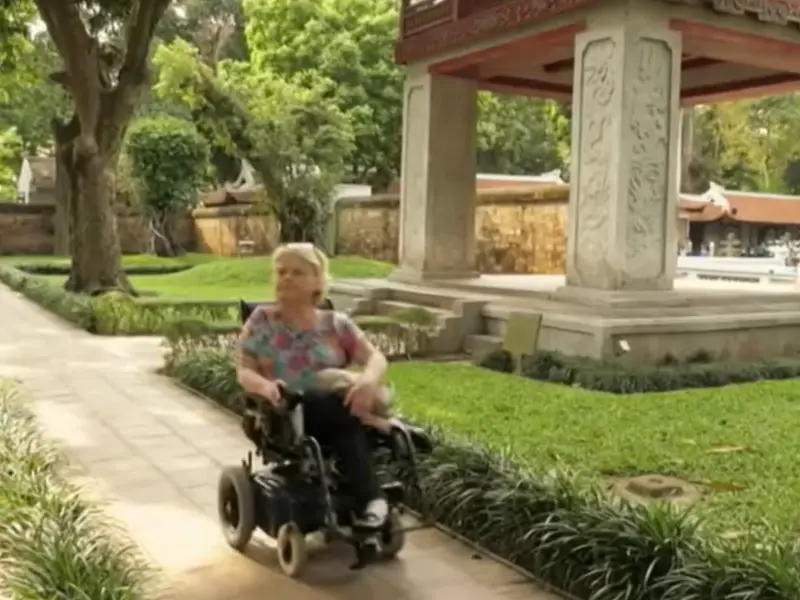
Hanoi: The historic French Quarter features wide, newly paved sidewalks surrounding Hoan Kiem Lake, providing ideal rolling conditions for a wheelchair friendly Hanoi trip. Key sites like the Temple of Literature feature step-free boardwalk paths and newly installed ramp networks accessing primary courtyard shrines.
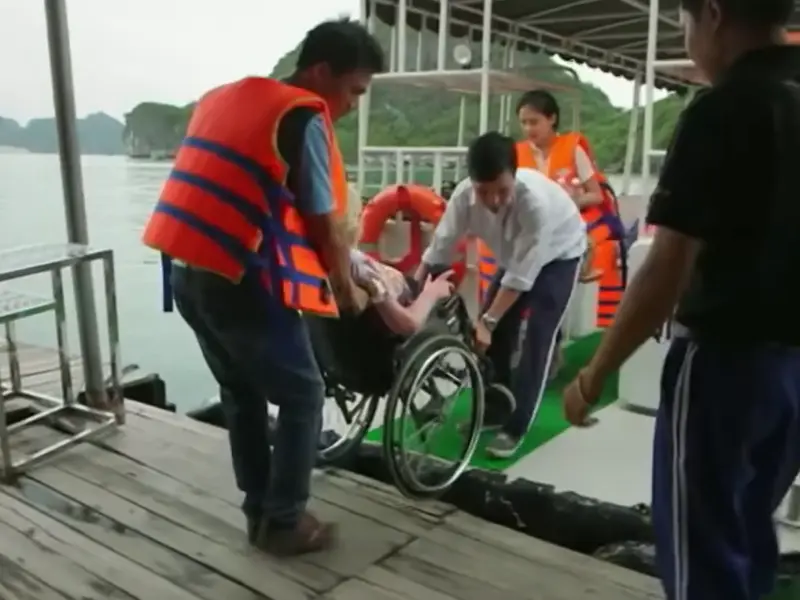
Halong Bay: Modern luxury cruise ships (such as Paradise Elegance or Grand Pioneers) feature fully integrated elevator systems connecting all decks, wide state-room doorways, roll-in showers with fold-down seats, and step-free tender transfer ramps for seamless island viewing.
B. Central Vietnam: Hoi An & Hue
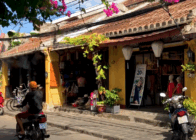
Hoi An: Recognized as one of the best accessible destinations in Vietnam, Hoi An’s ancient yellow-walled streets are completely pedestrianized during afternoon and evening hours. The flat terrain allows effortless rolling past lanternlit shops, craft workshops, and riverside dining venues.
Hue: The Imperial Citadel has implemented designated accessible routes, utilizing smooth stone pathways and reinforced ramps that bypass traditional high thresholds, allowing handicapped travelers in Vietnam to explore royal palaces with ease.
C. Southern Vietnam: Ho Chi Minh City & The Mekong Delta
Ho Chi Minh City: Broad avenues in District 1 provide accessible access to the War Remnants Museum, Independence Palace, and Saigon Opera House, all featuring modern elevators, ramp access, and accessible restroom facilities.
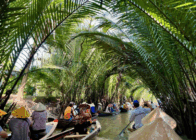
Mekong Delta: Custom-adapted riverboats featuring lowered gunwales and wide boarding ramps allow seamless rolling trips down tranquil coconut canals and floating market routes without needing to step out of your chair.
Logistics: Adaptive Transport and Hotel Standards
Executing a seamless trip requires specialized ground support tailored to your mobility equipment.
| Service Category | Standard Offering | Accessible Vehicle / Property Upgrade |
| Airport Transfers | Standard sedans / vans | Hydraulic lift vans or extra-wide ramps with floor tie-downs |
| City Transport | Standard street taxis | Private van with side/rear ramp entry and high head clearance |
| Hotel Rooms | Standard guest rooms | Roll-in shower, grab bars, lowered sinks, 32-inch door frames |
| Bay Cruises | Standard wooden junks | Steel-hull luxury ships with cabin elevators & roll-in baths |
Sample 8-Day Accessible Vietnam Itinerary
Arrive at Hanoi’s Noi Bai International Airport (HAN). Meet your private driver equipped with a hydraulic-lift accessible van.
Check into your barrier-free hotel suite in the French Quarter featuring roll-in wet-room showers.
Morning roll around Hoan Kiem Lake, followed by a ramp-assisted visit to the historic Temple of Literature.
Afternoon adaptive street-food tasting tour through paved Old Quarter corridors.
Private highway transfer to Tuan Chau Marina. Board a modern luxury cruise ship equipped with deck elevators and wide doors.
Enjoy balcony ocean views and step-free dining onboard as you sail past limestone karsts.
Sunrise accessible tai chi viewing on the sundeck. Disembark via flat gangway ramps.
Private transfer to Hanoi Airport for a flight to Da Nang, followed by a chauffeured drive to an accessible Hoi An beach resort.
Rolling tour through the vehicle-free streets of Hoi An Ancient Town.
Visit accessible artisan workshops and enjoy a riverside dinner along the illuminated Thu Bon River.
Day trip to Hue via accessible highway route. Explore the Imperial Citadel utilizing designated ramp networks and smooth paved courts.
Return to Hoi An for a relaxing evening at your resort.
Fly to Ho Chi Minh City. Check into your District 1 hotel with specialized accessible facilities.
Visit the fully accessible Independence Palace and Saigon Central Post Office.
Day excursion to My Tho. Board an adapted Mekong boat with wide ramps to explore tropical orchards and river channels.
Return to Saigon for your private transfer to Tan Son Nhat Airport (SGN) for your onward flight.
Frequently Asked Questions (FAQ)
Q1: Can I bring a heavy power wheelchair or mobility scooter to Vietnam?
Yes. International airports in Vietnam handle power wheelchairs routinely. Ensure your battery type (gel cell, lithium-ion, or dry-cell) meets airline safety standards. It is recommended to travel with an adapted van that features a rated hydraulic lift or heavy-duty ramp system.
Q2: Are pavement curb cuts widely available in Vietnamese cities?
While major avenues in Hanoi, Ho Chi Minh City, and Da Nang feature modern curb cuts, secondary streets can sometimes be blocked by parked motorbikes. Traveling with a private guide ensures you are steered along smooth, barrier-free sidewalks and ramped pedestrian crossings.
Q3: What should I check when booking accessible hotel rooms in Vietnam?
Always request exact measurements. Verify that entry and bathroom door frames are at least 32 inches wide, confirm the presence of a true roll-in shower (without a step threshold), check for fixed grab bars near the toilet, and ensure main building elevators reach all dining and pool decks.
Final Thoughts: Unlocking Seamless Exploration
Choosing a Vietnam accessible travel wheelchair itinerary ensures that physical limitations never prevent you from experiencing the vibrant culture, rich history, and breathtaking landscapes of Southeast Asia. By partnering with adaptive travel specialists and selecting proven barrier-free sanctuaries, your journey through Vietnam will be smooth, comfortable, and completely unforgettable.