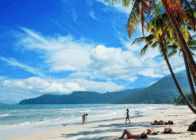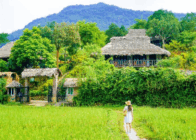
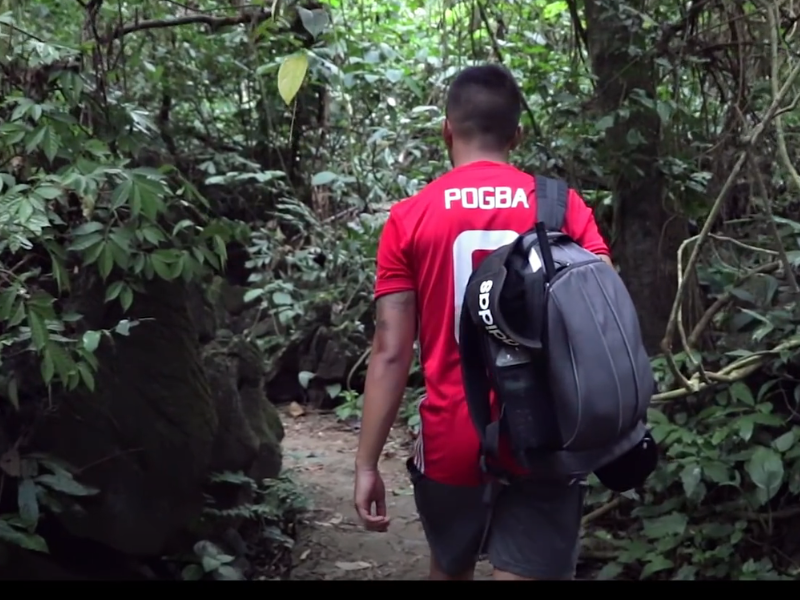
Vietnam is home to some of the planet’s most magnificent biodiversity hotspots, boasting tropical rainforests, towering karst mountains, labyrinthine river deltas, and pristine marine reserves. From the ancient primary forests of Cuc Phuong National Park and the world’s largest cave systems in Phong Nha-Ke Bang to the wetland bird sanctuaries of the Mekong Delta, the country’s natural inheritance is vast, fragile, and irreplaceable.
However, as global tourism grows, the need for environmental stewardship and cultural preservation has never been more critical. Uncontrolled commercial tourism threatens fragile ecosystems, disrupts indigenous communities, and generates unwanted waste. Choosing an authentic Vietnam eco tourism operator is the single most impactful decision a traveler can make to ensure their journey directly funds wildlife conservation, empowers local indigenous communities, and leaves zero negative footprint behind.
At Sao La Vietnam Tours, named in honor of the rare and critically endangered Sao La (Pseudoryx nghetinhensis)—often called the “Asian Unicorn” discovered in the Annamite Range—we embody the core principles of genuine ecological and community-based travel. We do not view eco-tourism as a marketing trend or a greenwashed label; it is the fundamental philosophy guiding every itinerary we craft.
This comprehensive 3,000+ word guide serves as your definitive handbook for responsible travel in Vietnam. It details what distinguishes an authentic eco tourism operator, evaluates top national parks and marine sanctuaries, breaks down community-based tourism (CBT) models, provides transparent pricing, and offers practical eco-conscious strategies for an unforgettable journey.
At a Glance: Eco-Tourism Operator vs. Conventional Tour Operator
To understand the tangible impact of your travel choices, review this side-by-side comparison between a dedicated eco tourism operator and a traditional commercial tour agency:
+-----------------------+---------------------------------------+---------------------------------------+
| Operational Pillar    | Genuine Vietnam Eco Tourism Operator  | Conventional Mass Tour Operator       |
+-----------------------+---------------------------------------+---------------------------------------+
| Local Economic Impact | Direct revenue share to indigenous    | Profits centralized in large urban    |
|                       | families, local guides & homestays    | agencies & foreign-owned hotel chains |
+-----------------------+---------------------------------------+---------------------------------------+
| Environmental Policy  | Strict Leave-No-Trace, single-use     | High single-use plastic consumption,  |
|                       | plastic ban, carbon-offset options    | heavy bus emissions, unmanaged waste  |
+-----------------------+---------------------------------------+---------------------------------------+
| Wildlife Interaction  | Ethical, non-intrusive observation at | Captive animal entertainment, touching|
|                       | sanctuaries & protected parks         | or feeding wild species for photo ops |
+-----------------------+---------------------------------------+---------------------------------------+
| Group Size Limits     | Small, low-impact groups (Max 6-12)   | Large coach buses (30-50 travelers)   |
|                       | to preserve serene environments       | crowding fragile natural spots        |
+-----------------------+---------------------------------------+---------------------------------------+
| Cultural Exchange     | Authentic, respectful immersion in    | Staged cultural performances lacking  |
|                       | ethnic villages with fair pay         | genuine connection or heritage context|
+-----------------------+---------------------------------------+---------------------------------------+
The Four Non-Negotiable Pillars of Genuine Eco-Tourism in Vietnam
A legitimate Vietnam eco tourism operator adheres strictly to four interconnected core principles:
[1. Environmental Stewardship] ──► [2. Community Empowerment] ──► [3. Ethical Wildlife Protection]
──► [4. Cultural Integrity]
1. Environmental Stewardship & Minimal Footprint
True eco-tours operate with a strict Leave-No-Trace policy. This means replacing single-use plastic bottles with refillable stainless-steel canisters, utilizing energy-efficient transport, sticking strictly to marked trails in national parks to prevent erosion, and ensuring proper waste management in remote regions.
2. Direct Community Empowerment & Equity
Eco-tourism must directly benefit the people who call these natural landscapes home. By hiring native ethnic minority guides (such as the H’mong, Dao, Tay, Muong, and Bru-Van Kieu peoples), utilizing village-owned homestays, and sourcing meals from local organic family farms, eco-operators ensure that up to 70% of tour expenditure stays directly within the host community.
3. Ethical Wildlife Protection & Conservation Funding
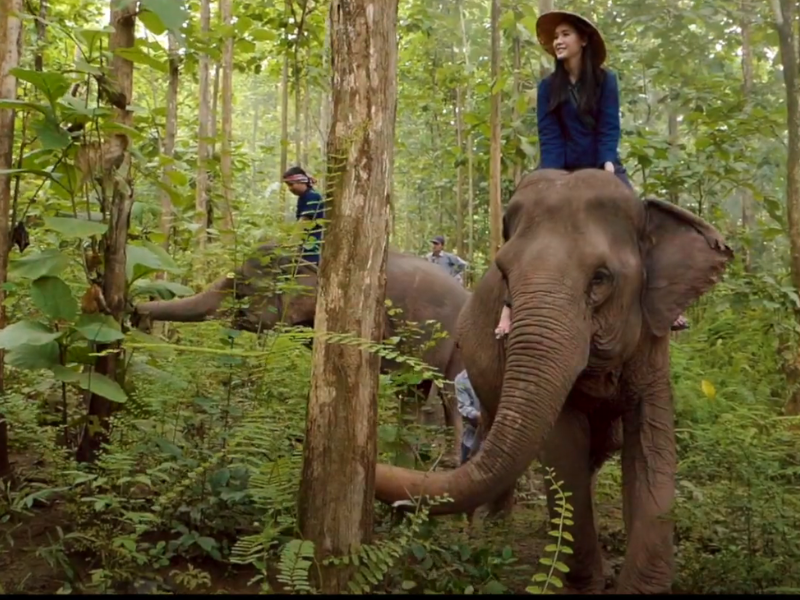
A authentic eco-operator strictly forbids any activity that exploits wild animals—including elephant riding, holding captive wild species, or visiting unverified animal attractions. Instead, eco-operators partner directly with official national park rescue centers, allocating a direct percentage of every booking fee toward habitat restoration and anti-poaching patrols.
4. Preservation of Intangible Cultural Heritage
Cultural traditions, crafts, folklore, and indigenous ecological knowledge are treated with deep reverence. Guests are educated on local customs, dress codes, sacred sites, and village traditions prior to entering sensitive cultural zones, fostering mutual respect between travelers and hosts.
Vietnam’s Premier Eco-Tourism Regions & National Parks
Vietnam features over 30 National Parks and hundreds of Nature Reserves spanning northern mountains, central karst valleys, and southern coastal wetlands. Here is a breakdown of the country’s top eco-tourism zones:
+-----------------------+---------------------------------------+---------------------------------------+
| Eco-Region            | Key Protected Parks & Reserves        | Primary Ecological Highlights         |
+-----------------------+---------------------------------------+---------------------------------------+
| Northern Highlands    | Ba Be National Park, Cat Ba Park,     | Primary rainforests, karst lakes,     |
| & Primary Forests     | Cuc Phuong, Hoang Lien National Park  | endangered primates (Golden-headed Langur)|
+-----------------------+---------------------------------------+---------------------------------------+
| Central Karst &       | Phong Nha-Ke Bang, Bach Ma Park,      | World's largest limestone caves,      |
| Annamite Range        | Lang Biang Biosphere Reserve          | Annamite endemic species, cloud forest|
+-----------------------+---------------------------------------+---------------------------------------+
| Southern Wetlands     | Tram Chim National Park, Can Gio,     | Sarus crane bird sanctuaries, mangrove|
| & Marine Reserves     | Con Dao Islands, Cat Tien Park        | forests, sea turtle nesting beaches   |
+-----------------------+---------------------------------------+---------------------------------------+
Region 1: Northern Highlands & Ancient Primary Forests
[Hanoi] ───────────────► [Cuc Phuong National Park] ───────────────► [Ba Be Karst Lake Ecosystem]
1. Cuc Phuong National Park (Ninh Binh)
Established in 1962 as Vietnam’s very first national park, Cuc Phuong is an ancient primary rainforest shelter housing thousands of plant species, centuries-old trees (Cây Chò Ngàn Năm), and vital endangered species rescue centers.
Key Eco-Activities: Guided night walks to observe nocturnal fauna and fireflies, hiking through primary jungle to ancient caves, and educational visits to the Endangered Primate Rescue Center (EPRC) and the Pangolin & Small Carnivore Conservation Center.
Best Time to Visit: April to May (during the magical butterfly season, when millions of white butterflies carpet the forest floor).
2. Ba Be National Park (Bac Kan)
Ba Be centers around Vietnam’s largest natural freshwater karst lake, surrounded by towering limestone cliffs, dense evergreen forests, and traditional Tay ethnic villages.
Key Eco-Activities: Low-emission electric or manual kayaking across Ba Be Lake, trekking through primary jungle to secret waterfalls (Dau Dang), and staying in stilt-house homestays in Pac Ngoi Village.
Region 2: Central Karst Valley & Annamite Mountain Range
[Phong Nha Cave World] ───────────────► [Bach Ma Cloud Forest] ───────────────► [Lang Biang High Plateau]
1. Phong Nha-Ke Bang National Park (Quang Binh)
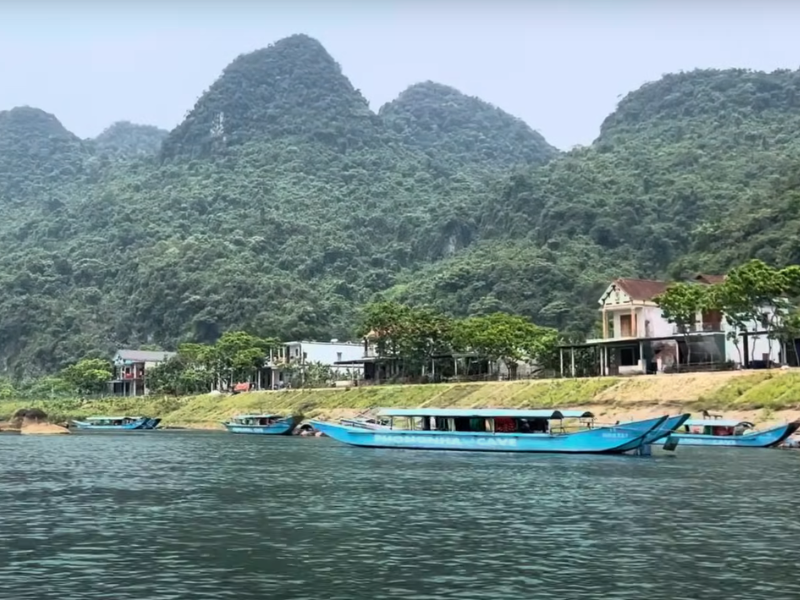
A UNESCO World Heritage Site recognized for its unmatched geological age and cavern biodiversity, Phong Nha-Ke Bang contains over 104 km of caves and underground rivers, including Hang Son Doong (the largest cave on Earth), Hang En, and Tu Lan.
+-----------------------------------+-----------------------------------+-----------------------------------------+
| Cave Expedition                   | Conservation Level & Entry Limits | Best For                                |
+-----------------------------------+-----------------------------------+-----------------------------------------+
| Son Doong Cave                    | Ultra-Strict (Max 1,000 visitors/yr)| 4-Day World-Class Eco-Adventure         |
| Hang En Cave                      | High Protection (Small groups)    | 2-Day Jungle Trek & Underground Camping |
| Tu Lan Cave System                | Moderate Protection               | Swimming through river caves & trekking |
| Paradise & Dark Caves             | Public Managed Access             | Accessible day trips & active kayaking  |
+-----------------------------------+-----------------------------------+-----------------------------------------+
Eco Impact: Cave conservation here is managed under strict carrying-capacity limits. Operators enforce total waste packing-out policies, biodegradable toilets, and hiring over 500 former local loggers and poachers as full-time porters and safety guides, completely eliminating illegal deforestation in the park.
2. Bach Ma National Park (Thua Thien Hue)
Positioned along the climatic border between Northern and Southern Vietnam, Bach Ma features steep mountain trails, cool mountain air, historic French villas, and the thunderous Do Quyen (Rhododendron) Waterfall.
Key Eco-Activities: Summit trekking along the Five Lakes Trail (Ngũ Hồ), birdwatching for endemic pheasants, and forest bathing in cloud forests.
Region 3: Southern Wetlands, Mangroves & Marine Sanctuaries
[Mekong Wetlands / Tram Chim] ────────► [Cat Tien Rainforest] ────────► [Con Dao Marine Sanctuary]
1. Cat Tien National Park (Dong Nai / Lam Dong)
Located just 150 km north of Ho Chi Minh City, Cat Tien represents one of the last remaining areas of lowland tropical rainforest in Southern Vietnam.
Key Eco-Activities: Night wildlife safaris to spot wild deer and civets in open grasslands, trekking to Crocodile Lake (Bàu Sấu), and visiting the Dao Tien Endangered Primate Species Centre.
2. Con Dao Archipelago Marine National Park (Ba Ria – Vung Tau)
An island group located off the southern coast, Con Dao is renowned for its protected marine environment, thriving coral reefs, and critical sea turtle nesting sites.
Key Eco-Activities: Guided eco-snorkeling and diving on coral reefs, joining official park rangers at night to observe green sea turtles laying eggs on secluded beaches (June to September), and releasing freshly hatched turtle hatchlings into the ocean.
How to Spot Genuine Eco Tourism Operators vs. Greenwashing
Many traditional travel agencies label standard tours as “eco-tours” simply because they visit a park or rural village. Use this checklist to verify if a tour company is a true eco tourism operator:
+-----------------------------------+-------------------------------------------------------------------+
| Evaluation Criteria               | Verification Questions to Ask Your Operator                      |
+-----------------------------------+-------------------------------------------------------------------+
| 1. Single-Use Plastic Policy      | "Does the operator provide refill stations & reusable bottles?"   |
| 2. Group Size Enforcement         | "What is the maximum number of guests permitted per trekking tour?"|
| 3. Local Guide Employment         | "Are guides hired directly from the specific village/park zone?"  |
| 4. Animal Welfare Compliance      | "Does the itinerary avoid captive animal rides or forced shows?"  |
| 5. Financial Transparency         | "How does a portion of my ticket fee support local conservation?" |
| 6. Waste Management Plan          | "Does the crew pack out ALL trash created during jungle trips?"   |
+-----------------------------------+-------------------------------------------------------------------+
[Check Single-Use Plastic Policy] ➔ [Verify Local Guide Hires] ➔ [Confirm Ethical Animal Standards]
Types of Eco-Tours Offered in Vietnam
Depending on your physical fitness and interests, specialized eco tourism operators offer several distinct styles of green travel:
+-----------------------+---------------------------------------+---------------------------------------+
| Eco-Tour Category     | Activity Level & Terrain              | Typical Destinations                  |
+-----------------------+---------------------------------------+---------------------------------------+
| Trekking & Ethno-     | Moderate to Strenuous; mountain       | Sapa, Ha Giang, Cao Bang,             |
| Homestay Tours        | trails, terraced rice valleys         | Pu Luong Nature Reserve               |
+-----------------------+---------------------------------------+---------------------------------------+
| Cave & Jungle         | Strenuous to High Intensity; river    | Phong Nha-Ke Bang, Tu Lan,            |
| Expeditions           | crossings, caving, jungle camping     | Tan Hoa (Quang Binh)                  |
+-----------------------+---------------------------------------+---------------------------------------+
| Wildlife & Birding    | Easy to Moderate; slow forest walks,  | Cuc Phuong, Cat Tien, Tram Chim,      |
| Watching Trips        | boat hides, nocturnal observation     | Xuan Thuy Wetland Reserve             |
+-----------------------+---------------------------------------+---------------------------------------+
| Organic Agri-Tourism  | Low to Moderate; cycling, farming,    | Tra Que Vegetable Village (Hoi An),   |
| & River Kayaking      | cooking, river paddleboarding         | Ben Tre (Mekong Delta), Ba Be Lake    |
+-----------------------+---------------------------------------+---------------------------------------+
Sample 10-Day Low-Carbon Footprint Eco-Itinerary
This sample itinerary demonstrates how to explore Northern and Central Vietnam sustainably using low-emission trains, small-group trekking, and community-based homestays:
+-------+-----------------------+-----------------------------------------------------------------------+
| Day   | Eco-Destination       | Low-Impact Activity Highlight                                         |
+-------+-----------------------+-----------------------------------------------------------------------+
| Day 1 | Hanoi Arrival         | Arrival & orientation; free walking tour in historical French Quarter.|
| Day 2 | Hanoi to Pu Luong     | Shared electric/hybrid transit to Pu Luong Nature Reserve.            |
| Day 3 | Pu Luong Reserve      | Trekking through terraced rice fields; stay in Thai ethnic homestay.  |
| Day 4 | Pu Luong to Ninh Binh | Electric boat trip in Van Long Wetland Reserve (Langur spotting).     |
| Day 5 | Cuc Phuong Park       | Visit Primate Rescue Center; jungle trek to 1,000-year-old tree.      |
| Day 6 | Overnight Train       | Board eco-friendly Reunification Express overnight train to Dong Hoi. |
| Day 7 | Phong Nha-Ke Bang     | Arrival in Phong Nha; orientation walk through organic farming valley. |
| Day 8 | Tu Lan Caving         | Day 1 jungle trek, swimming through natural river caves, wilderness camp|
| Day 9 | Tu Lan to Hue         | Day 2 caving exit; community lunch prepared by village porters.       |
| Day 10| Hue Departure         | Visit historic eco-garden houses in Kim Long; departure flight.       |
+-------+-----------------------+-----------------------------------------------------------------------+
Realistic Price Guide for Genuine Eco-Tours in Vietnam
Authentic eco-tours often cost slightly more than low-cost mass commercial tours. This price differential reflects fair wages for local porters, park permit fees, small group ratios, and high-quality safety equipment.
+-----------------------------------+-----------------------------------+-----------------------------------------+
| Eco-Tour Experience               | Average Cost per Person           | What Is Included in the Price           |
+-----------------------------------+-----------------------------------+-----------------------------------------+
| 1-Day Village & Farming Tour      | $35 – $65 USD (900k – 1.6M VND)   | Local guide, organic lunch, bike rental |
| 2D/1N Community Homestay Trek     | $90 – $150 USD (2.3M – 3.8M VND)  | Transport, guide, all meals, homestay   |
| 2D/1N National Park Caving Trek   | $220 – $350 USD (5.5M – 8.8M VND) | Safety gear, park permits, porters, camp|
| 4D/3N Major Cave Expedition       | $800 – $3,000 USD (20M – 75M VND) | Full porter crew, expert speleologist   |
| 3D/2N Wildlife & Bird Watching    | $250 – $400 USD (6.3M – 10M VND)  | Specialized naturalist guide, park fees |
+-----------------------------------+-----------------------------------+-----------------------------------------+
Practical Rules for Responsible Travelers in Vietnam
To ensure your presence leaves a positive impression on host communities and fragile habitats, follow these essential guidelines:
[Bring Refillable Water Bottle] ➔ [Say No to Wildlife Products] ➔ [Ask Before Taking Portraits]
Eliminate Single-Use Plastics: Carry a durable stainless-steel water bottle equipped with a built-in filter or use hotel water refill stations. Refuse plastic straws and plastic shopping bags at local markets.
Respect Local Dress Codes: When visiting ethnic villages, temples, or pagoda grounds, wear modest clothing covering shoulders and knees.
Ask Permission for Photography: Always ask politely before taking photos of local elders, children, or spiritual ceremonies in tribal villages.
Say NO to Wildlife Souvenirs & Bushmeat: Never purchase souvenirs made from coral, sea turtle shells, animal teeth, or ivory. Avoid restaurants serving wild game (Đặc sản thịt rừng) that encourage illegal poaching in national parks.
Support Local Craftsmen Directly: Purchase hand-woven textiles, bamboo crafts, and agricultural products directly from the artisans rather than middleman souvenir shops.
Frequently Asked Questions (FAQ)
1. What does a Vietnam eco tourism operator do?
A dedicated Vietnam eco tourism operator designs and conducts travel itineraries that minimize environmental impact, protect national parks, preserve indigenous culture, and direct financial benefits straight to local communities and conservation projects.
2. Is eco-tourism popular in Vietnam?
Yes! Eco-tourism is one of the fastest-growing travel sectors in Vietnam. Key destinations like Phong Nha-Ke Bang, Pu Luong, Cat Tien, Ba Be, and the Con Dao Islands lead the country in sustainable travel practices.
3. Are community-based homestays in Vietnam clean and safe?
Absolutely. While village homestays offer authentic, traditional accommodations (such as sleeping in wooden stilt houses), reputable operators ensure bedding is clean, mosquito nets are provided, and modern sanitary western-style restrooms are available for guests.
4. What is the best season for eco-tour trekking in Northern Vietnam?
The best months for trekking in Northern reserves like Pu Luong, Sapa, and Ba Be are from September to November (cool weather with golden rice harvest views) and March to May (pleasant spring weather with blooming flowers).
Partner with Sao La Vietnam Tours: Your Trusted Eco Tourism Operator
Choosing the right travel partner transforms a simple trip into a meaningful, eco-conscious journey of discovery. At Sao La Vietnam Tours, we are dedicated to setting the benchmark for responsible, authentic, and high-quality sustainable travel across Vietnam, Laos, and Cambodia.
Our team brings deep local expertise, strong connections with national park conservation programs, and an unwavering commitment to empowering native communities.
100% Tailor-Made Eco Itineraries: Custom-designed journeys aligned with your physical fitness, environmental values, and personal interests.
Direct Community Impact: Every tour directly supports rural family homestays, indigenous guides, and local organic farmers.
Zero Plastic Commitment: We supply reusable water flasks, filtered refill systems, and zero-single-use-plastic amenities across all our guided trips.
Expert Local Naturalists: Explore primary rainforests and cave systems led by licensed guides who grew up in the host regions.
Start Designing Your Eco-Adventure Today
Ready to explore Vietnam’s breathtaking natural wonders responsibly and leave a positive impact behind? Contact our sustainable travel specialists today to start customizing your bespoke eco-tour!