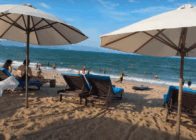

Vietnam’s 3,260-kilometer coastline has quietly become one of the most compelling luxury beach destinations in Asia, and the resorts built along it now regularly outshine properties charging double the price elsewhere in the region. What used to be a well-kept secret among design-savvy travelers is now a full-blown category of its own, with international hospitality brands and architecturally ambitious independent resorts competing for the same stretches of sand.
Rather than listing every property alphabetically, this guide is organized the way an experienced travel planner would actually think about it: by what kind of trip you’re taking, then by which coastal region fits that trip best. Whether you’re after a honeymoon fantasy, a secluded wellness retreat, or a family resort that keeps everyone entertained, there’s a clear answer waiting in a specific part of the country.
Why Vietnam Has Become a Serious Luxury Beach Destination
A decade ago, “luxury beach resort” and “Vietnam” weren’t a natural pairing in most travelers’ minds — Thailand and Bali had that category locked down. That’s changed considerably. International chains including JW Marriott, InterContinental, and Hyatt now operate flagship coastal properties alongside homegrown luxury names, and the country delivers comparable five-star quality at meaningfully lower prices than its regional rivals.
For travelers weighing Vietnam vs Bali luxury travel, the cost gap is significant: Vietnam runs roughly 30–60% cheaper than the Maldives or Bali for comparable five-star quality, without a noticeable drop in service, design, or amenities. That value gap is arguably the single biggest reason Vietnam’s beach resort scene has grown so quickly.
Best For a Honeymoon: Phu Quoc and Con Dao
If romance and privacy top your list, two destinations dominate the conversation.
Phu Quoc luxury resorts lean into architectural fantasy in a way few destinations attempt. JW Marriott Phu Quoc Emerald Bay, designed by architect Bill Bensley, is built around the concept of a fictional century-old university, with over 200 rooms and suites styled as different academic “departments,” each arranged like a small museum exhibit. It’s playful, deeply detailed, and unlike almost anything else in Southeast Asia’s luxury resort scene. Regent Phu Quoc consistently trades the top spot in guest-voted 2026 rankings, offering around 100 villas — each with a private butler — spread across lush landscaped grounds.
Con Dao private island resorts take the opposite approach: understated, remote, and deliberately hard to reach. Six Senses Con Dao sits on one of Vietnam’s most celebrated beaches, roughly an hour’s flight from Ho Chi Minh City, and trades convenience for a level of seclusion that mainland resorts simply can’t offer. For couples who want their honeymoon photos to look like nowhere else on their friends’ feeds, Con Dao delivers that distinctiveness in a way busier destinations can’t match.
Best For Design Lovers: Da Nang
Da Nang beach resorts consistently win over travelers who care as much about architecture and setting as they do about the beach itself. InterContinental Danang Sun Peninsula Resort, tucked between the hills of the Son Tra Peninsula and framed by tropical rainforest, remains one of the most photographed resorts in the country, and is frequently named among Vietnam’s most premium coastal stays. Fusion Maia Da Nang takes a more contemporary approach, blending sculptural local design elements with an all-inclusive spa concept built into every stay.
Da Nang’s practical advantage is location: it combines a genuinely excellent beach with easy access to Hoi An’s Ancient Town and Hue’s imperial sites, making it the strongest choice for travelers who want beach time and cultural sightseeing in the same trip without long transfers between them.
Best For Eco-Conscious and Wellness Travelers: Ninh Van Bay and Con Dao
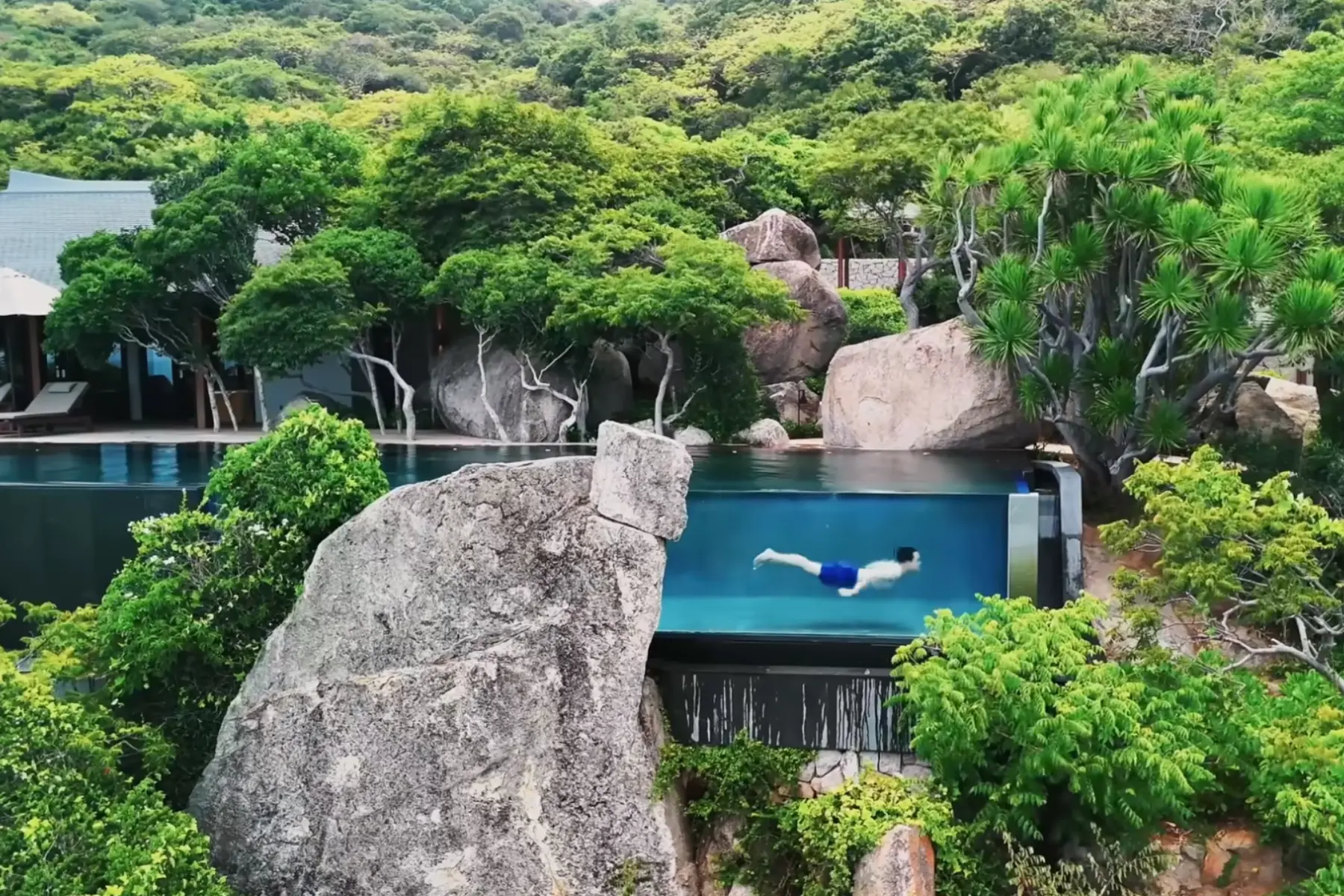
Travelers prioritizing wellness and a lighter environmental footprint tend to gravitate toward two specific properties. Six Senses Ninh Van Bay, accessible only by speedboat near Nha Trang, is built into a dramatic granite coastline and remains one of the most architecturally striking eco-luxury resorts in the country, with a design philosophy built around minimal environmental impact. An Lam Ninh Van Bay, located nearby, follows a similarly secluded, wellness-oriented approach with a strong spa and holistic-living focus.
Amanoi, near Nha Trang, rounds out this category as one of the most exclusive wellness-focused retreats in Vietnam, drawing travelers who want a genuinely restorative stay rather than a beach-adjacent hotel with a spa attached.
Best For Families: Da Nang and Phu Quoc
Family travel calls for a different set of priorities — space, activities, and flexible dining rather than pure seclusion. Hyatt Regency Danang Resort stands out here, offering residential-style apartments with full kitchens, living rooms, and multiple bedrooms, making it considerably more practical for families or groups traveling together than a standard hotel room layout. Vinpearl’s resort properties, found across several coastal destinations, are built specifically around an all-inclusive, family-first model with extensive kids’ clubs and entertainment.
In Phu Quoc, several large-scale resorts combine private pool villas with dedicated kids’ clubs and teen zones featuring arcade games and billiards, plus shuttle access to nearby attractions like the island’s cable car and adjoining entertainment park — a practical setup for multi-generational trips where different age groups want different things to do each day.
Best For a Classic Beach Holiday: Nha Trang
For travelers who want the traditional beach resort experience — sunshine, water sports, island-hopping day trips, and a lively restaurant scene — Nha Trang remains one of Vietnam’s most dependable choices. It offers a broader mix of price points than Phu Quoc or Con Dao, along with a longer-established tourism infrastructure that makes booking excursions and activities especially easy. Mia Resort Nha Trang is frequently recommended for travelers who want a genuinely beachfront setting without the isolation of the more remote island properties.
Best For Something Undiscovered: Quy Nhon
Quy Nhon has quietly become the answer for travelers who’ve already done Phu Quoc or Da Nang and want a quieter alternative with the same coastal quality. This central coastal city offers dramatic bays, excellent seafood, and a noticeably slower pace, and several high-end properties, including Avani Quy Nhon Resort, have opened here in recent years specifically to serve travelers looking for comfort without the crowds that now define Vietnam’s more established beach towns.
Best Value: Mui Ne
Princess D’Annam, located on Ke Ga Bay near Mui Ne, holds the distinction of being considered Vietnam’s first true luxury boutique beach resort, and the wider Mui Ne area continues to offer some of the country’s more affordable beachfront luxury options relative to Phu Quoc or Da Nang’s premium pricing.
Regional Comparison at a Glance
| Region | Best For | Standout Property Example | Access |
|---|---|---|---|
| Phu Quoc | Honeymoons, fantasy architecture | JW Marriott Phu Quoc Emerald Bay, Regent Phu Quoc | Direct international flights |
| Con Dao | Seclusion, exclusivity | Six Senses Con Dao | ~1-hour flight from HCMC |
| Da Nang | Design, culture combo | InterContinental Danang Sun Peninsula | Major international airport |
| Nha Trang / Ninh Van Bay | Wellness, eco-luxury | Six Senses Ninh Van Bay, Amanoi | Domestic flight + speedboat/transfer |
| Quy Nhon | Undiscovered, quiet luxury | Avani Quy Nhon Resort | Domestic flight |
| Mui Ne | Boutique value | Princess D’Annam | Road transfer from HCMC |
Best Time to Visit Vietnam’s Beach Regions
Timing varies meaningfully by region, since Vietnam’s north-south geography spans multiple climate zones:
- Southern islands (Phu Quoc, Con Dao): Best from November to April, during the dry season.
- Central coast (Da Nang, Nha Trang, Mui Ne): Best from roughly January to August, with September and October best avoided due to heavy rains and occasional storms.
- Shoulder season advantage: May–June and September–October bring 30–50% lower rates across many properties while still offering solid weather in the south, making these windows attractive for value-focused travelers willing to accept slightly more variable conditions centrally.
What Vietnam’s Top Resorts Actually Cost
Pricing has grown more competitive as more brands enter the market, and several properties now run seasonal promotions worth watching for:
- Entry-level five-star villas with private pools in Phu Quoc can start around $320 per night in low season at some of the island’s best-value five-star properties.
- Flagship honeymoon and design-forward properties (JW Marriott Phu Quoc, InterContinental Danang) typically run considerably higher, especially in peak season and for villa categories with private pools.
- Promotional packages are increasingly common, with several resorts already offering deals like four nights for the price of three, or complimentary half-board upgrades, as part of 2026 booking incentives.
Regardless of property, booking 2–3 months ahead is generally recommended for the best rate and room selection, particularly for travel during December–January and March–April peak periods, or around major school holiday windows.
Do Vietnam’s Luxury Resorts Have Private Pool Villas?
Yes — private pool villas are now close to standard at the top tier of Vietnam’s beach resort market rather than a rare upgrade. Properties across Phu Quoc, Da Nang, and Nha Trang increasingly build entire room categories around private plunge pools or full-sized villa pools, reflecting demand from honeymooners and privacy-focused travelers who consider a shared resort pool a step down from what they’re used to at this price point.
Mainland vs Island Resorts: Which Should You Choose?
This is one of the more practical decisions travelers underestimate before booking.
Mainland resorts (Da Nang, Nha Trang) offer easier access to cultural attractions, a wider variety of restaurants beyond the resort itself, and simpler logistics if your trip combines beach time with sightseeing in nearby Hoi An or Hue.
Island resorts (Phu Quoc, Con Dao) trade that convenience for a more self-contained, immersive resort experience — ideal if your primary goal is uninterrupted relaxation rather than day-tripping to nearby historical sites.
Neither is objectively better; the right choice depends on whether your trip is built around the beach as the whole destination, or the beach as one component of a broader itinerary.

Booking Tips for the Best Rates
- Compare multiple platforms (Booking.com, Agoda, Expedia) alongside the resort’s own direct website, since direct bookings sometimes include added perks that third-party platforms don’t offer.
- Book 2–3 months ahead for peak season travel, particularly December–January and March–April, when popular properties can sell out well in advance.
- Watch for shoulder-season promotions, since many resorts run meaningful discounts during May–June and September–October without a significant drop in weather quality in southern regions.
- Check what’s actually included in advertised “all-inclusive” packages — free-flow drinks, airport transfers, and daily breakfast are common inclusions, but specifics vary considerably between properties.
- Confirm transfer logistics for remote properties. Resorts on Ninh Van Bay or similarly secluded coastlines often require a private boat transfer that should be arranged (and budgeted for) in advance rather than assumed to be included.
Frequently Asked Questions
What is the best luxury beach resort in Vietnam?
There’s no single universal answer — Regent Phu Quoc and Four Seasons The Nam Hai are among the most consistently top-ranked properties in guest surveys, but the “best” choice really depends on whether you prioritize architectural fantasy (Phu Quoc), seclusion (Con Dao), or design paired with cultural access (Da Nang).
Which region has the best luxury beach resorts in Vietnam?
Phu Quoc currently has the largest concentration of top-ranked properties, including several ranked among the country’s top ten beach resorts overall, though Con Dao and Da Nang each lead in their own specific traveler categories.
Is Vietnam cheaper than Bali or the Maldives for luxury beach resorts?
Yes, significantly. Vietnam typically runs 30–60% cheaper than the Maldives or Bali for comparable five-star quality, making it an increasingly popular alternative for travelers seeking similar luxury at a lower price point.
When is the best time to visit Vietnam’s luxury beach resorts?
Southern islands like Phu Quoc and Con Dao are best from November to April, while central coast destinations like Da Nang and Nha Trang are best from January to August, avoiding September and October due to storm risk.
Do Vietnam’s beach resorts have private pool villas?
Yes, private pool villas are common at the luxury tier, with many top resorts in Phu Quoc, Da Nang, and Nha Trang offering them as standard room categories rather than rare upgrades.
Which Vietnam beach resort is best for a honeymoon?
JW Marriott Phu Quoc Emerald Bay and Six Senses Con Dao are two of the most frequently recommended honeymoon choices, offering private villas, ocean views, and a strong sense of occasion for couples.
Which Vietnam beach destination is best for families?
Da Nang and Phu Quoc both offer strong family-oriented options, with properties like Hyatt Regency Danang Resort providing residential-style apartments and several Phu Quoc resorts offering extensive kids’ clubs and family activities.
Final Thoughts
Vietnam’s luxury beach resort scene has matured into something genuinely competitive with Southeast Asia’s more established destinations, without losing the value that first put it on travelers’ radar. Match your resort choice to the actual trip you’re taking — Phu Quoc or Con Dao for romance and seclusion, Da Nang for design and culture combined, Nha Trang for a classic beach holiday, and Quy Nhon or Mui Ne if you want luxury without the crowds. Book ahead for peak season, watch for shoulder-season deals, and Vietnam’s coastline delivers a five-star experience that increasingly holds its own against destinations charging двойной the price.