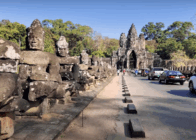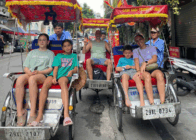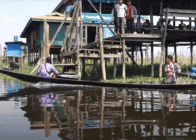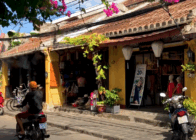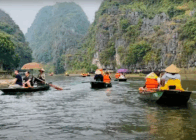
Planning an international trip is exciting, but before you begin dreaming about cruising through Ha Long Bay, wandering the lantern-lit streets of Hoi An, exploring vibrant cities, or tasting Vietnam’s incredible cuisine, there is one important step that should never be overlooked.
Understanding the Vietnam Travel Requirements.
Fortunately, preparing for a trip to Vietnam is easier than many travelers expect.
The country has become one of Southeast Asia’s fastest-growing travel destinations, welcoming millions of international visitors every year with a well-developed tourism industry, modern international airports, and increasingly convenient entry procedures.
However, every successful journey begins long before you board your flight.
Checking your passport.
Understanding your Vietnam Visa options.
Preparing the right travel documents.
Purchasing travel insurance.
Keeping digital copies of important paperwork.
Confirming accommodation.
These simple preparations can save valuable time, reduce unnecessary stress, and help ensure your arrival in Vietnam is smooth from the very beginning.
The good news is that most travelers only need a little preparation before departure.
The even better news is that once these essentials are taken care of, you can focus on what truly matters—discovering one of Asia’s most fascinating destinations.
This guide has been created to walk you through the most important Vietnam Entry Requirements, explain what documents travelers typically prepare before departure, and help first-time visitors understand what to expect before arriving at a Vietnamese airport.
Because the best holidays don’t begin at immigration.
They begin with good preparation.
Why Understanding Vietnam Travel Requirements Matters
Many travel problems don’t happen because of complicated rules.
They happen because travelers assume everything will be straightforward without checking in advance.
A forgotten document.
An expired passport.
Incorrect visa information.
Missing travel insurance.
Unconfirmed accommodation.
These small oversights can create unnecessary complications before your holiday has even started.
Taking time to understand the basic Vietnam Travel Requirements helps travelers avoid last-minute surprises and travel with greater confidence.
Preparation is not about expecting problems.
It’s about preventing them.
When every important document has already been checked before departure, the journey becomes significantly more enjoyable.
Your Passport Is the First Essential Document
Every international journey begins with one document.
Your passport.
Before booking flights or applying for any travel authorization, make sure your passport remains valid according to the entry requirements that apply to your nationality and intended travel dates.
Many countries around the world require passports to remain valid for a minimum period beyond the date of arrival or departure.
For this reason, checking passport validity should always be one of the first items on your travel checklist.
Also inspect the physical condition of your passport.
Damaged pages.
Loose covers.
Water damage.
Missing pages.
These issues may create difficulties during international travel regardless of the destination.
Keeping your passport secure throughout your journey is equally important.
Many experienced travelers also carry a secure digital copy stored in encrypted cloud storage alongside a printed photocopy kept separately from the original document.
Understanding Your Vietnam Visa Options
One of the most common questions travelers ask is:
“Do I need a Vietnam Visa?”
The answer depends on several factors, including your nationality, passport, purpose of travel, and expected length of stay.
Vietnam offers different entry options for international visitors, and these policies may change over time as tourism regulations continue to evolve.
Rather than relying on outdated travel blogs or social media posts, travelers should always verify the latest Vietnam Visa information through official government sources before making final travel arrangements.
Planning ahead is especially important if your itinerary includes multiple countries or several international flights.
Understanding your visa situation early allows you to organize the rest of your trip with confidence.
Vietnam eVisa Makes Travel Easier
For many international visitors, the Vietnam eVisa has made travel preparation significantly more convenient.
Instead of visiting an embassy or consulate in person, eligible travelers may be able to complete much of the application process online before departure.
The availability of electronic visas has simplified travel planning and reduced paperwork for many visitors.
Even so, every traveler should carefully review the official application process, eligibility criteria, and required documentation before submitting an application.
It is equally important to apply only through official government channels to avoid unnecessary fees or fraudulent websites.
Taking a little extra time to verify information before applying can prevent unnecessary stress later.
Prepare Your Travel Documents in Advance
Successful international travel depends on organization.
Rather than searching for documents at the airport, prepare everything several days before departure.
Typical Travel Documents Vietnam travelers often organize include:
Your passport.
Approved travel authorization or visa (when required).
International flight confirmation.
Accommodation bookings.
Travel insurance information.
Emergency contact details.
Copies of important identification documents.
Keeping both printed and digital versions of these documents provides additional peace of mind throughout your journey.
Many airlines also encourage passengers to complete document checks before arriving at the airport, helping reduce waiting times during check-in.
Confirm Flights and Accommodation
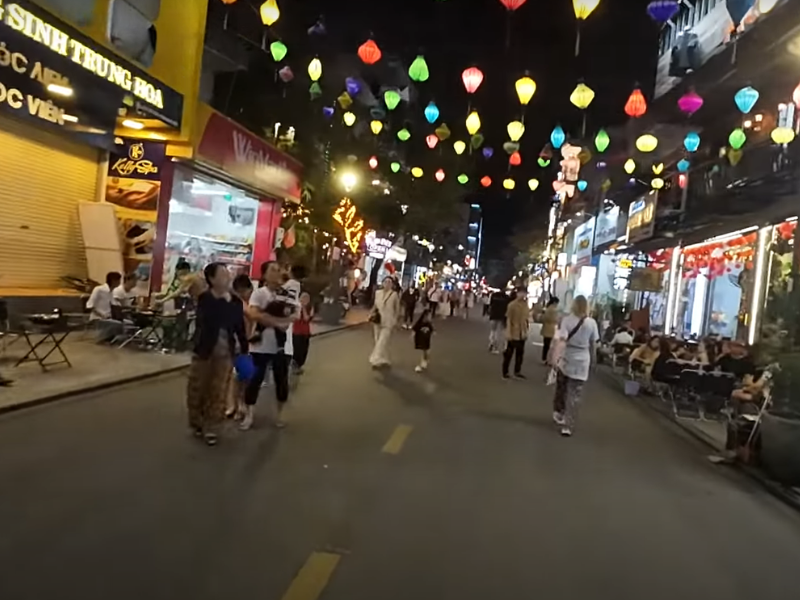
Although this may seem obvious, confirming your travel reservations before departure is always worthwhile.
Review flight schedules.
Check airport terminals.
Verify hotel addresses.
Save booking confirmations offline in case internet access becomes temporarily unavailable.
Knowing exactly where you’ll stay after landing also makes arrival much more comfortable, especially after long international flights.
Many accommodations can also assist with airport transfers, local transportation advice, or early check-in arrangements when requested in advance.
Good preparation often leads to a much smoother first day.
Why Travel Insurance Is Worth Considering
Many experienced travelers consider Vietnam Travel Insurance one of the smartest investments before any international journey.
Travel rarely goes exactly as planned.
Flights may be delayed.
Luggage occasionally arrives late.
Unexpected illness can occur.
Outdoor activities sometimes involve additional risks.
Comprehensive travel insurance provides reassurance should unexpected situations arise.
Different insurance policies offer different levels of protection, so travelers should review coverage carefully to ensure it matches the activities included in their itinerary.
Peace of mind allows you to focus on enjoying the experience rather than worrying about unlikely problems.
Keep Digital Copies of Everything
Modern technology has made travel much easier.
Before leaving home, create secure digital copies of important travel documents.
Passport.
Visa approval.
Flight tickets.
Hotel confirmations.
Insurance information.
Emergency contacts.
Store these copies securely using encrypted cloud storage or another trusted digital backup system that you can access if your phone, luggage, or documents are temporarily unavailable.
Many travelers also email copies to themselves or a trusted family member.
These simple precautions require only a few minutes but can become extremely valuable if documents are lost or misplaced during travel.
Prepare for a Smooth Arrival
Good preparation isn’t only about paperwork.
It’s also about understanding what happens after your flight lands.
Knowing where immigration is located.
Understanding airport procedures.
Preparing local currency.
Downloading useful travel apps.
Saving hotel contact information.
Planning transportation from the airport.
These small details reduce uncertainty and allow travelers to begin enjoying Vietnam almost immediately after arrival.
The less time spent solving practical problems, the more time remains for discovering the country itself.
Good Preparation Creates Better Travel Experiences
Every unforgettable holiday begins long before departure.
It begins with thoughtful preparation.
Understanding Vietnam Travel Requirements is not about creating extra work.
It’s about removing unnecessary obstacles before they appear.
A valid passport.
The correct Vietnam Visa or Vietnam eVisa, when applicable.
Well-organized travel documents.
Reliable travel insurance.
Confirmed accommodation.
Secure digital backups.
These simple preparations create the foundation for a confident and enjoyable journey.
Once these essentials are complete, you can focus on what truly matters—experiencing Vietnam’s extraordinary landscapes, fascinating history, remarkable cuisine, and warm hospitality.
Arriving at a Vietnamese International Airport
Most international travelers begin their journey at one of Vietnam’s major international airports.
Although each airport has its own layout, the arrival process is generally very similar.
After leaving the aircraft, passengers follow signs directing them toward immigration.
Clear English signage is available throughout international terminals, making navigation relatively simple even for first-time visitors.
Having your passport and any required travel documents easily accessible helps speed up the process.
Rather than searching through your luggage while standing in line, prepare your documents before reaching the immigration counters.
A little organization makes your arrival much smoother.
Passing Through Vietnam Immigration
For many travelers, Vietnam Immigration is the part they worry about most.
In reality, the process is usually straightforward.
Immigration officers verify your identity and review the travel documents required for your entry.
If everything has been prepared correctly before departure, the procedure is generally quick and uncomplicated.
Answer questions clearly and honestly if asked.
Follow instructions from airport staff.
Remain patient during busy arrival periods, especially when multiple international flights land around the same time.
International airports naturally experience peak hours, so waiting times can vary depending on passenger volume rather than the complexity of the process.
Preparation remains your greatest advantage.
Collecting Your Luggage
After immigration, you’ll proceed to the baggage claim area.
Electronic information screens display carousel numbers for arriving flights, making it easy to locate your luggage.
Before leaving the baggage area, take a moment to confirm that you’ve collected every suitcase, backpack, or personal item.
Many experienced travelers also attach distinctive luggage tags or colorful straps to make identification easier.
If your baggage does not arrive, airport staff can assist you with the reporting process.
Keeping baggage receipts and flight information readily available helps resolve these situations more efficiently.
Fortunately, most journeys continue without any complications.
Understanding Vietnam Customs
Once your luggage has been collected, you’ll enter the Vietnam Customs area.
Customs procedures exist to protect both travelers and the country by regulating the movement of certain goods across international borders.
For most tourists carrying personal belongings for their holiday, passing through customs is a routine part of the arrival process.
However, travelers should always familiarize themselves with current customs regulations before departure.
Restrictions regarding certain goods, medicines, food products, currency declarations, drones, professional equipment, and other specialized items may change over time.
Checking official government guidance before traveling helps avoid misunderstandings and unnecessary delays.
Responsible preparation is always the safest approach.
Currency and Paying for Everyday Expenses
One of the first practical tasks after arrival is obtaining local currency for small everyday purchases.
Although international credit cards and digital payment methods are becoming increasingly common in Vietnam’s major cities, cash remains useful in many situations.
Local markets.
Small cafés.
Family-run restaurants.
Traditional villages.
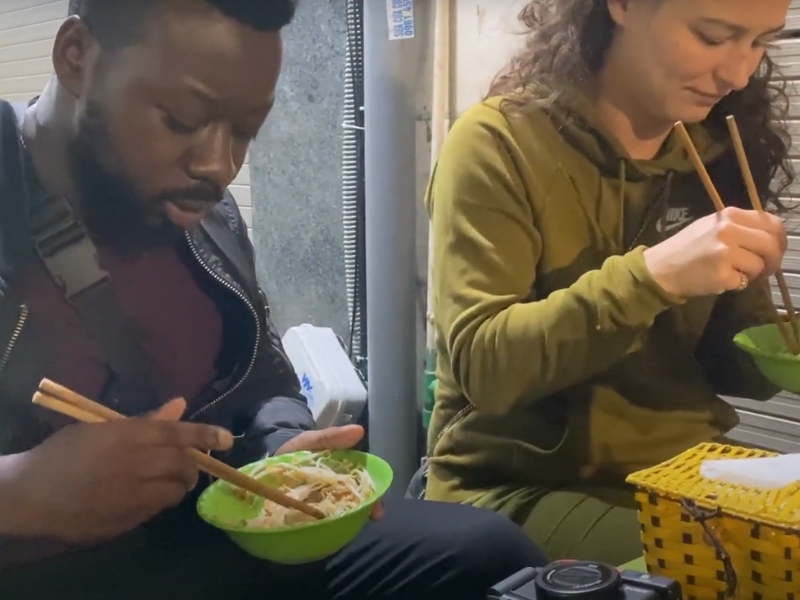
Street food vendors.
Rural destinations.
Rather than exchanging large amounts immediately, many travelers prefer carrying enough local currency for transportation, meals, and small purchases during their first day.
ATMs are widely available in major cities, airports, and tourist destinations, providing convenient access to cash throughout your journey.
Balancing digital payments with a reasonable amount of local currency offers flexibility while traveling.
Buying a Local SIM Card or Using eSIM
Reliable internet access makes modern travel significantly easier.
Navigation.
Translation.
Ride-hailing applications.
Hotel communication.
Restaurant searches.
Online maps.
Emergency contact.
For these reasons, many visitors arrange mobile connectivity shortly after arrival.
Depending on your device and service provider, you may choose between a traditional local SIM card or an eSIM solution before or during your trip.
Both options can provide convenient access to mobile data throughout Vietnam.
Before purchasing any service, compare coverage, data allowances, and compatibility with your mobile device.
Having internet access from your first day helps reduce uncertainty while exploring unfamiliar places.
Transportation from the Airport
After leaving the terminal, you’ll need transportation to your accommodation.
Vietnam offers several reliable options.
Licensed airport taxis.
Ride-hailing applications.
Pre-arranged private transfers.
Hotel shuttle services where available.
Public transportation in selected cities.
Many travelers appreciate booking transportation in advance, especially after long international flights.
Knowing that a driver is waiting provides peace of mind and removes the stress of navigating an unfamiliar city immediately after arrival.
If you choose a taxi, always use licensed operators and confirm the service before beginning your journey.
Simple precautions help ensure a comfortable start to your holiday.
Health Considerations While Traveling
Preparing for a healthy trip involves more than packing a first-aid kit.
Staying hydrated.
Protecting yourself from strong sunlight.
Following food hygiene practices.
Getting enough rest after long flights.
These small habits contribute significantly to an enjoyable holiday.
Travelers who take prescription medication should bring enough for the duration of their trip whenever possible, together with supporting medical documentation if appropriate.
It is also wise to familiarize yourself with nearby medical facilities in the destinations you plan to visit.
Good preparation provides reassurance, even if you never need it.
Respecting Local Laws and Customs
Every destination has its own cultural expectations and legal regulations.
Vietnam is no exception.
Visitors who respect local traditions generally enjoy richer interactions with local communities.
Dress appropriately when visiting temples or religious sites.
Ask permission before photographing individuals in certain settings.
Respect cultural customs in rural communities.
Follow local environmental guidelines in national parks and protected areas.
Responsible travel benefits everyone.
Showing respect for Vietnam Culture not only creates positive experiences but also helps preserve the country’s heritage for future visitors.
Practical Tips for Your First Day
The first day often shapes your entire travel experience.
Instead of planning an ambitious sightseeing schedule immediately after a long international flight, consider giving yourself time to adjust.
Check into your accommodation.
Enjoy a relaxed local meal.
Take a short walk around the neighborhood.
Withdraw local currency if needed.
Purchase a SIM card.
Rest before beginning longer excursions.
A slower start allows you to recover from travel fatigue while becoming familiar with your surroundings.
Sometimes the best introduction to Vietnam isn’t rushing between famous attractions.
It’s simply observing everyday life unfold around you.
Confidence Comes from Knowing What to Expect
International travel always involves a degree of uncertainty.
Yet most concerns disappear once travelers understand the arrival process.
Passing through Vietnam Immigration.
Collecting luggage.
Completing Vietnam Customs procedures.
Arranging transportation.
Getting connected.
Exchanging currency.
Checking into your hotel.
These are all normal parts of beginning your journey.
When you’ve prepared in advance and know what to expect, arrival becomes far less stressful and much more exciting.
Instead of worrying about procedures, you can focus on the adventure waiting outside the airport doors.
Frequently Asked Questions About Vietnam Travel Requirements
Do I Need a Visa to Visit Vietnam?
The answer depends on your nationality, passport, purpose of travel, and intended length of stay.
Vietnam’s entry policies may change as immigration regulations evolve.
For that reason, travelers should always verify the latest Vietnam Visa and Vietnam Entry Requirements through official government sources before booking flights or submitting visa applications.
Relying on current official information helps prevent unexpected issues before departure.
Is the Vietnam eVisa a Good Option?
For many eligible travelers, the Vietnam eVisa offers a convenient way to prepare for international travel.
Applying online before departure can simplify the process and reduce paperwork.
However, eligibility, application procedures, and supporting documentation may change over time.
Always submit applications through official government channels and carefully review all instructions before completing your application.
How Long Should My Passport Be Valid?
Your passport should satisfy the entry requirements that apply to your nationality and travel dates.
Because passport validity rules differ between countries and may be updated, checking the latest official guidance before departure is essential.
Waiting until the final days before your trip may leave insufficient time to renew your passport if necessary.
Should I Buy Travel Insurance?
Although travel insurance is not always mandatory, many experienced travelers consider Vietnam Travel Insurance an essential part of responsible trip planning.
Travel insurance may provide support for unexpected medical situations, flight disruptions, lost baggage, or other unforeseen events.
Choosing a policy that matches your itinerary and planned activities allows you to travel with greater peace of mind.
Can I Use Credit Cards in Vietnam?
Credit and debit cards are widely accepted in many hotels, shopping centers, restaurants, and larger businesses.
However, carrying some local currency remains useful for smaller purchases, traditional markets, local cafés, rural destinations, and independent family-run businesses.
Having multiple payment options provides greater flexibility throughout your journey.
Is English Commonly Spoken?
English is widely used throughout Vietnam’s tourism industry, particularly in hotels, airports, major attractions, and many restaurants.
Outside popular tourist destinations, English proficiency may vary.
Translation applications, offline maps, and learning a few simple Vietnamese greetings can make communication even more enjoyable while showing respect for local culture.
Common Mistakes First-Time Travelers Should Avoid
Many travel challenges are surprisingly easy to prevent.
Instead of focusing only on what to do, it’s equally helpful to understand what not to do.
Some of the most common mistakes include:
Waiting until the last minute to review Vietnam Travel Requirements.
Assuming visa policies never change.
Forgetting to verify passport validity.
Failing to purchase travel insurance.
Not saving digital copies of important documents.
Arriving without a transportation plan from the airport.
Exchanging excessive amounts of cash immediately upon arrival.
Ignoring local customs and cultural etiquette.
Booking tours through unverified providers.
Expecting every destination to operate exactly like home.
Most of these situations can be avoided with a little planning before departure.
Preparation is one of the simplest ways to improve your overall travel experience.
Your Pre-Departure Travel Checklist
Before leaving home, take a few moments to review the essentials.
✔ Verify your passport is valid.
✔ Confirm the latest Vietnam Entry Requirements.
✔ Apply for a Vietnam Visa or Vietnam eVisa if required.
✔ Print or securely save digital copies of important travel documents.
✔ Confirm international flights and accommodation.
✔ Purchase suitable Vietnam Travel Insurance.
✔ Prepare local and international payment methods.
✔ Download offline maps, translation apps, and useful travel applications.
✔ Save emergency contact information.
✔ Organize airport transportation for your arrival.
Completing this checklist before departure allows you to focus on enjoying your journey rather than solving avoidable problems after landing.
Responsible Travel Begins Before You Arrive
Good preparation extends beyond paperwork.
Responsible travelers also prepare themselves to respect the destinations they visit.
Learning about local customs.
Understanding cultural etiquette.
Supporting local businesses.
Reducing unnecessary plastic waste.
Respecting religious sites.
Following environmental guidelines.
These choices contribute to more meaningful travel experiences while helping preserve Vietnam’s natural beauty and cultural heritage for future generations.
Responsible tourism benefits visitors, local communities, and the destinations themselves.
Why Preparation Creates Better Experiences
The purpose of understanding Vietnam Travel Requirements isn’t simply to enter the country.
It’s to begin your holiday with confidence.
When documents are organized, transportation has been planned, accommodation is confirmed, and expectations are realistic, travelers are free to focus on the experiences that truly matter.
Walking through ancient streets.
Cruising spectacular bays.
Meeting local communities.
Enjoying unforgettable cuisine.
Exploring mountain landscapes.
Relaxing on beautiful beaches.
Discovering traditions that have been preserved for generations.
Preparation removes distractions.
Adventure takes their place.
Begin Your Vietnam Journey with Confidence
Vietnam continues to inspire travelers from around the world with its remarkable diversity.
From vibrant cities and UNESCO World Heritage Sites to peaceful villages, breathtaking mountains, tropical beaches, and world-famous cuisine, every region offers something unique.
Preparing properly before departure allows you to experience all of it with greater confidence and peace of mind.
Review your documents.
Check the latest official entry information.
Pack thoughtfully.
Remain flexible.
Travel with curiosity.
Respect local customs.
Most importantly, leave room for unexpected discoveries.
They often become the most memorable part of any journey.
Plan Your Vietnam Adventure with Sao La Vietnam Tours
At Sao La Vietnam Tours, we understand that a memorable journey starts long before you arrive.
Our local travel specialists help international visitors plan personalized itineraries, arrange authentic experiences, and navigate every stage of their Vietnam adventure with confidence.
Whether you’re visiting Vietnam for the first time or returning to explore new destinations, we’re here to help you travel smarter, experience more, and discover the country’s true character.
Because great travel isn’t just about reaching your destination.
It’s about arriving prepared—and leaving with unforgettable memories.
Travel Slow. Feel Vietnam.